From 1959 to 1965 Judd writes about art for major American art magazines — ARTnews, Arts Magazine and Art International; in the early and mid-1960s he discusses in detail the work of more than 500 artists showing in New York, addressing the social and political ramifications of art production.
1962–1967
Teaches at the Brooklyn Museum, Dartmouth and Yale
In the 1960s Judd teaches at the Allen-Stevenson School, then at the Brooklyn Museum (1962–1964), Dartmouth College in Hanover (1966) and Yale University in New Haven (1967).
1963
Solo show at the Green Gallery
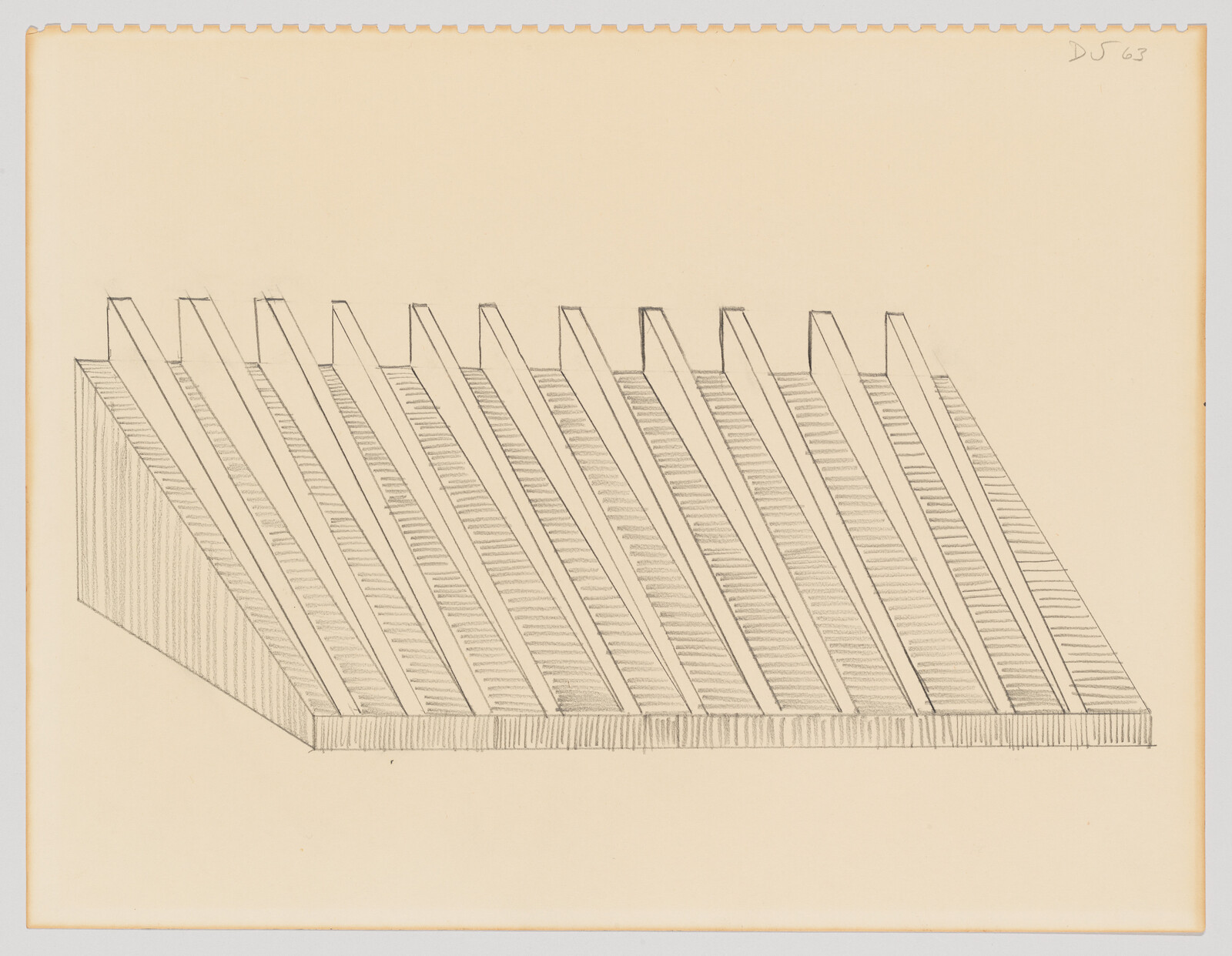
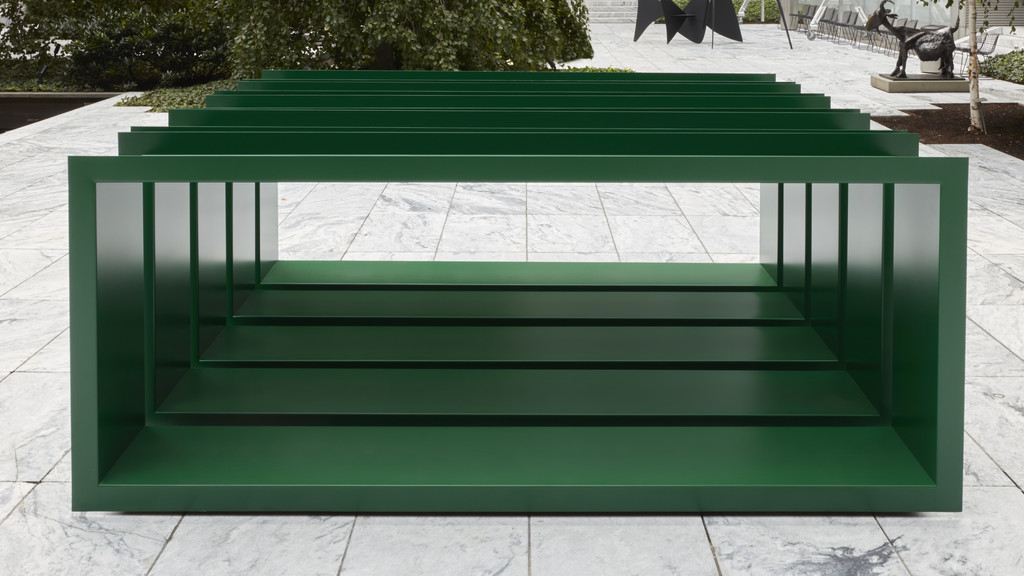
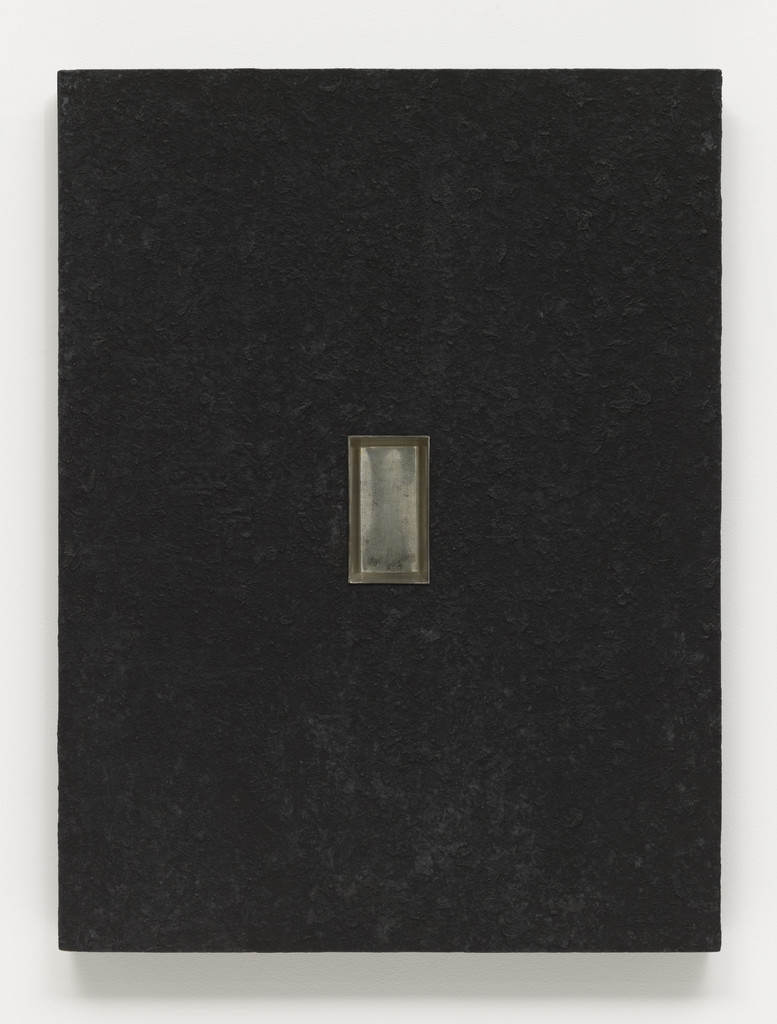
Judd’s next solo show after 1957 opens at the Green Gallery in 1963: he shows works he at last thought worthy of showing. By then he has established an essential vocabulary of forms — “stacks”, “boxes” and “progressions” — which will preoccupy him for the next thirty years.
1964
Writes the essay “Specific Objects”
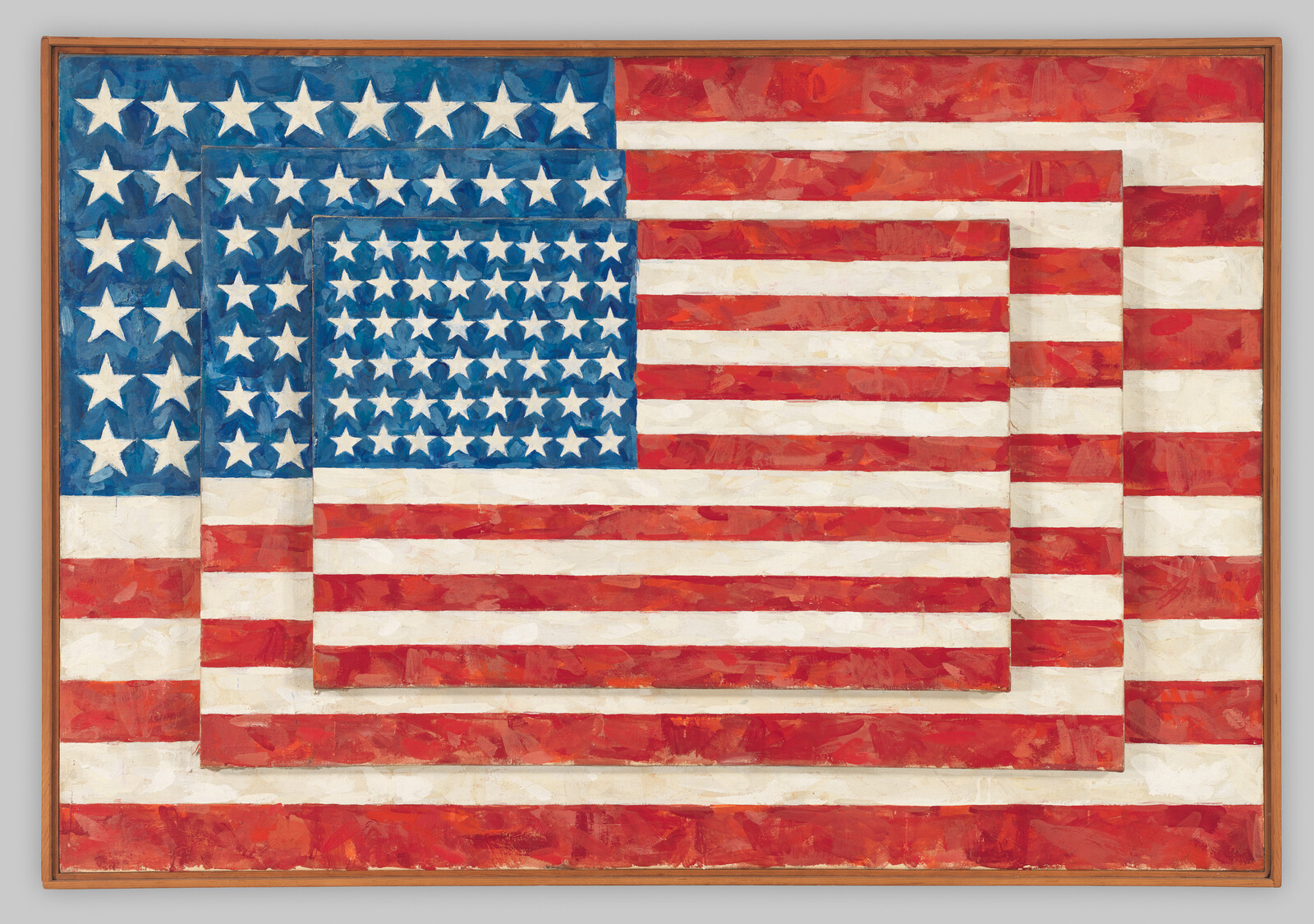
Moving from painting to three-dimensional work, Judd writes the essay “Specific Objects” in 1964 (published in 1965 in Arts Yearbook 8): it finds a starting point for a new territory in American art and rejects inherited European values — illusion and represented space — in favour of real space. Among the examples he cites are Westermann, Samaras, Chamberlain, Jasper Johns, Dan Flavin, Ortman and Bontecou. He refuses to call his own works, made by small fabricators using industrial processes rather than sculpted, sculpture.
1964
Begins delegating fabrication to manufacturers
While Judd made his early works himself, in collaboration with his father, Roy Judd, in 1964 he begins to delegate fabrication, working from his drawings, to professional artisans and industrial manufacturers such as Bernstein Brothers.