ART WIKI32.963 in sala
MappaCollezioneArtistiMuseiMostreRivista
Accedi

ART WIKI

Dove è appeso il capolavoro, e quando si può entrare.

Collezioni: Art Institute of Chicago, Cleveland Museum of Art, Ermitage, Galleria Tret'jakov, Getty Museum, Harvard Art Museums, Hirshhorn Museum and Sculpture Garden, Metropolitan Museum of Art, Minneapolis Institute of Art, Museo del Louvre, Museo Puškin delle belle arti, Museo russo, Museum of Modern Art, National Gallery of Art, National Museum of Asian Art, National Portrait Gallery, Rijksmuseum, Smithsonian American Art Museum, Statens Museum for Kunst, Victoria and Albert Museum, Villa Getty, Whitney Museum of American Art, Catalogo statale del fondo museale russo (274 musei), Europeana (19 musei), Wikidata (6 musei), Paris Musées (12 musei) e Joconde, la banca dati dei musei del Ministero della Cultura francese (495 musei). Le immagini appartengono ai titolari dei diritti.

Sezioni

  • Mappa
  • Ricerca
  • Collezione
  • Capolavori
  • Esposte ora
  • Artisti

Altro

  • Musei e gallerie
  • Mostre
  • Rivista
  • Da dove vengono i dati
  • Privacy e cookie
HomeMappaCatalogo
  1. Collezione/
  2. Minneapolis Institute of Art/
  3. Tricycle III
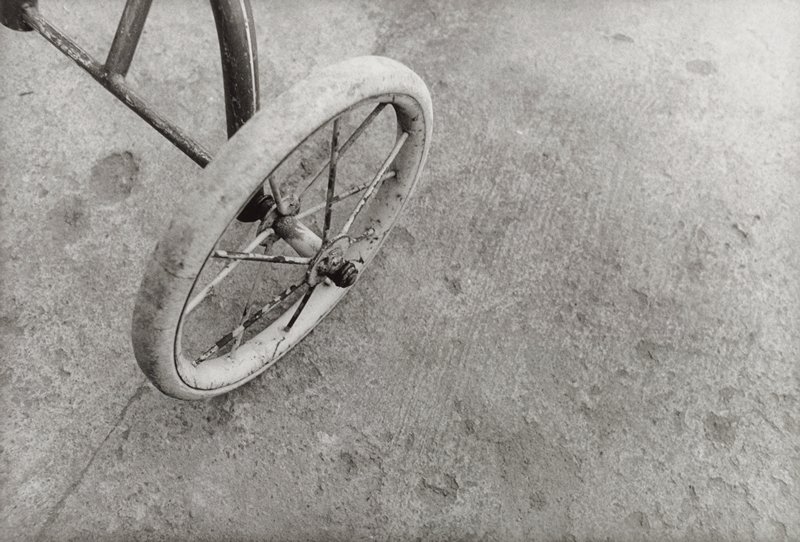
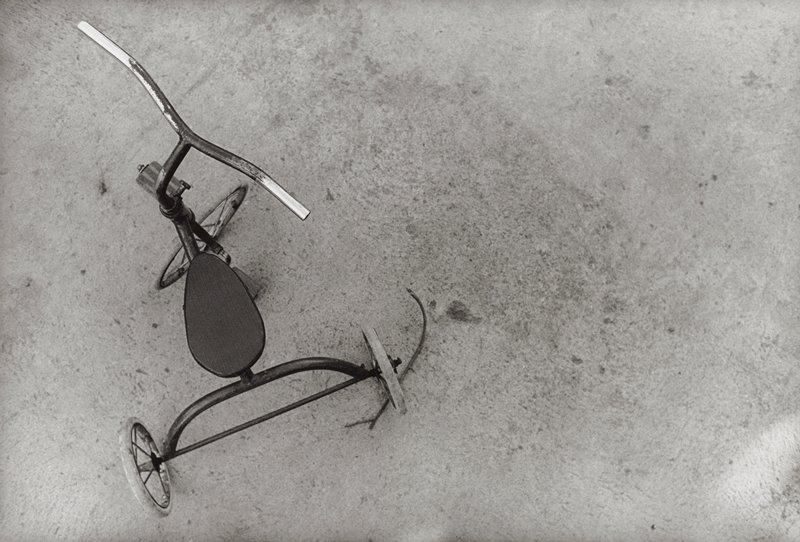
Tricycle III, Mario Fonseca, 1972 (printed 2018)
MMario FonsecaCile

Tricycle III

1972 (printed 2018) · Photograph

Si può ammirare?

Al momento non riceve

Minneapolis Institute of Art

Minneapolis, Stati Uniti

Appartiene alla collezione, ma al momento non è esposta.

Verificato
3 giorni fa
Ultimo cambio di stato
25 set 2026
Fonte
Il museo
Sulla mappaPagina del museo

Sull’opera

Mario Fonseca is an artist who survived one of the cruelest dictatorships of the 20th century by creating and exhibiting art, and did so at his peril. Discouraged by the presence of the secret police and other informants on the street, he took his camera to the roof of his home on Calle Suecia in Santiago and photographed the detritus he found there. This disjointed and disorienting set of views of a tricycle presents a powerful metaphor of life under an oppressive regime: fragmenting under the pressures of the surveillance state, broken by the threat of torture, the individual is reduced to parts and not a whole.

Minneapolis Institute of Art

Scheda

Numero di inventario
2019.27.3

In catalogo

FotografieStampa ai sali d’argentoChile

Fonti

  • Minneapolis Institute of Art
  • Immagine: Minneapolis Institute of Art — © Mario Fonseca
Altre opere di Mario Fonseca

Tutte le opere
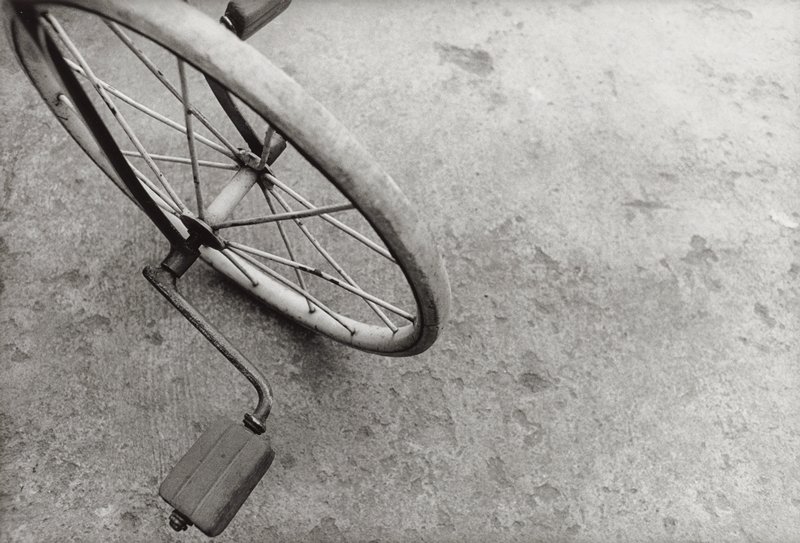
Tricycle I, Mario Fonseca, 1972 (printed 2018)

Tricycle I

1972 (printed 2018) · Non esposta · Minneapolis Institute of Art

Tricycle II, Mario Fonseca, 1972 (printed 2018)

Tricycle II

1972 (printed 2018) · Non esposta · Minneapolis Institute of Art

Sotto lo stesso tetto: Minneapolis Institute of Art

Pagina del museo
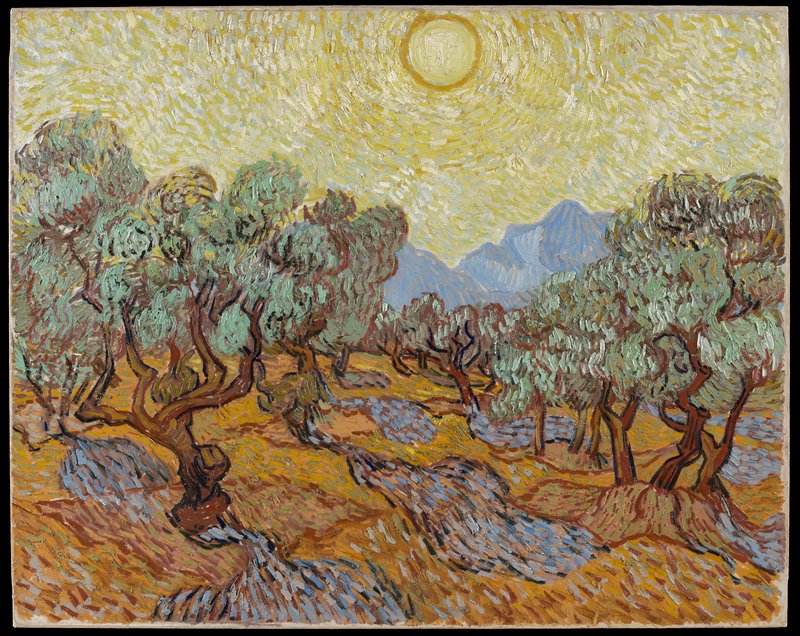
Olive Trees, Vincent van Gogh, 1889

Vincent van Gogh

Olive Trees, 1889

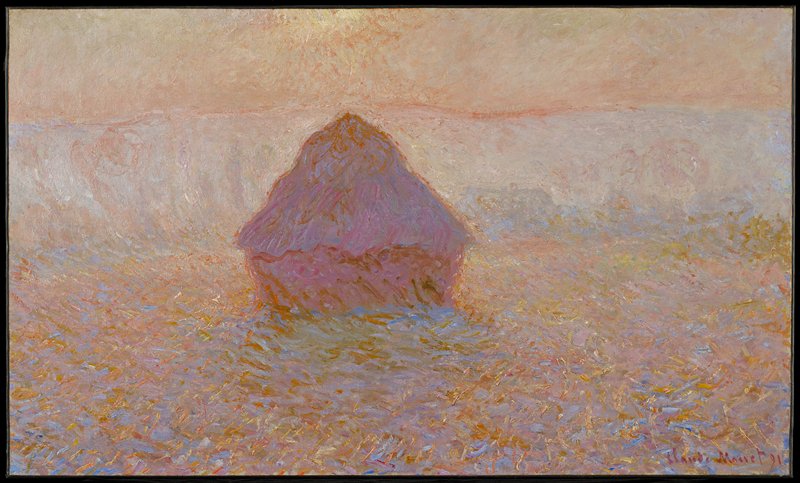
Grainstack, Sun in the Mist, Claude Monet, 1891

Claude Monet

Grainstack, Sun in the Mist, 1891

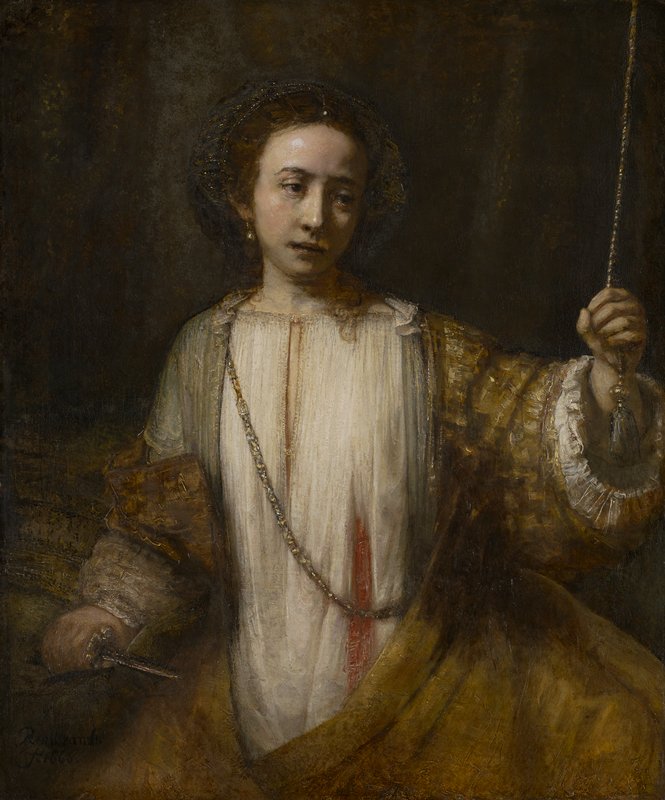
Lucretia, Rembrandt van Rijn, 1666

Rembrandt van Rijn

Lucretia, 1666

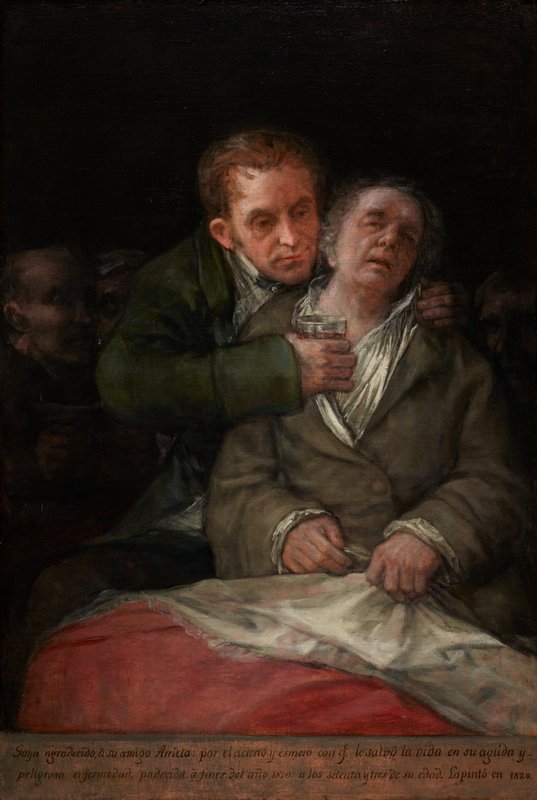
Self-Portrait with Dr. Arrieta, Francisco José de Goya y Lucientes, 1820

Francisco de Goya

Goya curato dal dottor Arrieta, 1820

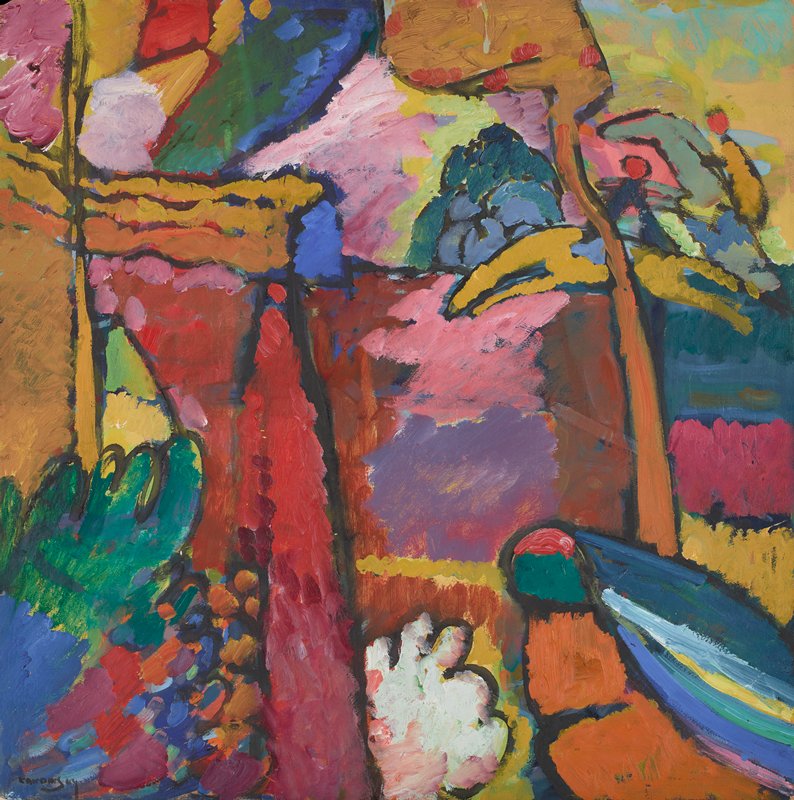
Study for Improvisation V, Vassily Kandinsky, 1910

Vasily Kandinsky

Study for Improvisation V, 1910

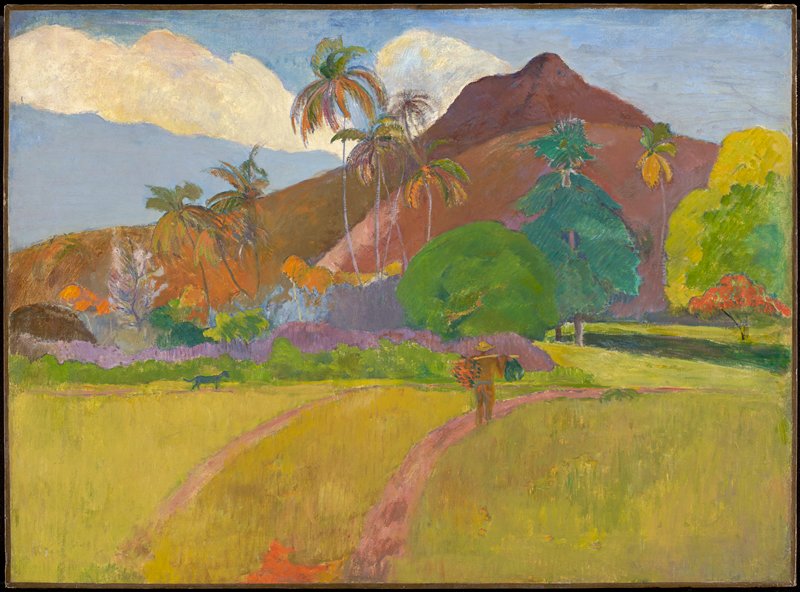
Tahitian Landscape, Paul Gauguin, 1891

Paul Gauguin

Tahitian Landscape, 1891

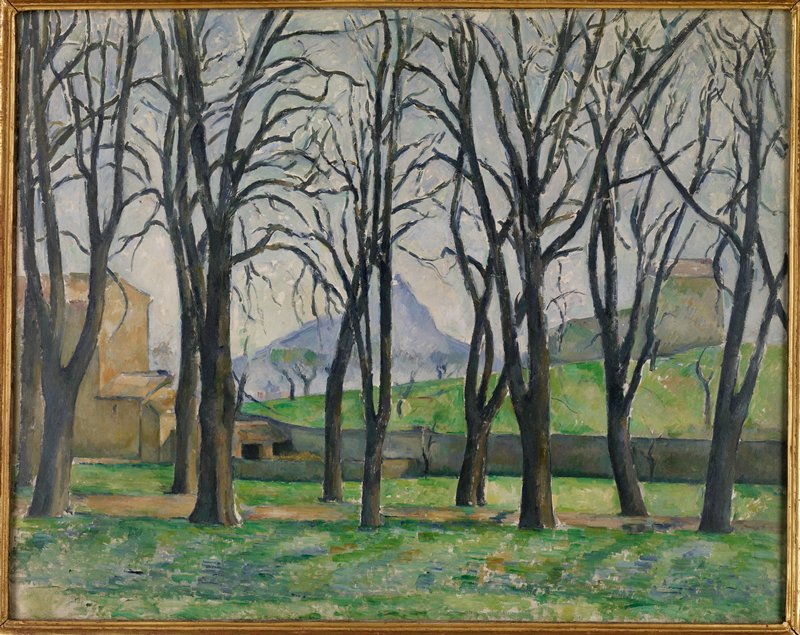
Chestnut Trees at Jas de Bouffan, Paul Cézanne, c. 1885–86

Paul Cézanne

Chestnut Trees at Jas de Bouffan, c. 1885–86

The Union of England and Scotland (Charles I as the Prince of Wales), Peter Paul Rubens, 1633–34

Peter Paul Rubens

The Union of England and Scotland (Charles I as the Prince of Wales), 1633–34