ART WIKI32.979 in sala
MappaCollezioneArtistiMuseiMostreRivista
Accedi

ART WIKI

Dove è appeso il capolavoro, e quando si può entrare.

Collezioni: Art Institute of Chicago, Cleveland Museum of Art, Ermitage, Galleria Tret'jakov, Getty Museum, Harvard Art Museums, Hirshhorn Museum and Sculpture Garden, Metropolitan Museum of Art, Minneapolis Institute of Art, Museo del Louvre, Museo Puškin delle belle arti, Museo russo, Museum of Modern Art, National Gallery of Art, National Museum of Asian Art, National Portrait Gallery, Rijksmuseum, Smithsonian American Art Museum, Statens Museum for Kunst, Victoria and Albert Museum, Villa Getty, Whitney Museum of American Art, Catalogo statale del fondo museale russo (274 musei), Europeana (19 musei), Wikidata (6 musei), Paris Musées (12 musei) e Joconde, la banca dati dei musei del Ministero della Cultura francese (495 musei). Le immagini appartengono ai titolari dei diritti.
Sezioni

  • Mappa
  • Ricerca
  • Collezione
  • Capolavori
  • Esposte ora
  • Artisti

Altro

  • Musei e gallerie
  • Mostre
  • Rivista
  • Da dove vengono i dati
  • Privacy e cookie
HomeMappaCatalogo
  1. Collezione/
  2. Metropolitan Museum of Art/
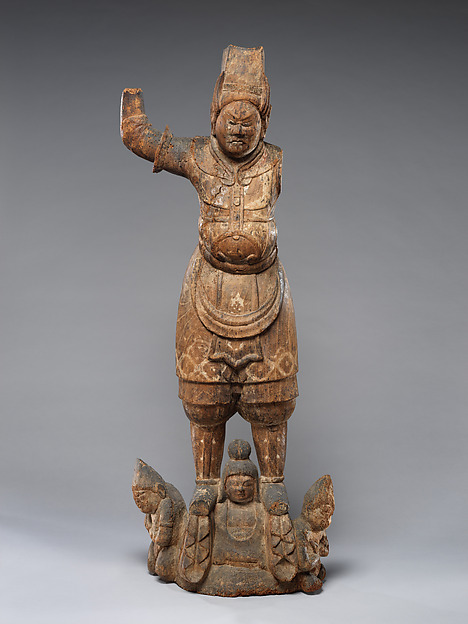
  3. Tobatsu Bishamonten
Tobatsu Bishamonten, late 10th–early 11th century

Tobatsu Bishamonten

late 10th–early 11th century · Sculpture

Si può ammirare?

Sì, riceve visite

Metropolitan Museum of Art

New York, Stati Uniti

Sala223

Esposta al pubblico. Chi lo garantisce è indicato qui sotto.

Verificato
3 giorni fa
Ultimo cambio di stato
26 set 2026
Fonte
Il museo
Sulla mappaPagina del museo

Scheda

Numero di inventario
2015.300.253a, b

Nella stessa sala · Gallery 223, Metropolitan Museum of Art

Pagina del museo

Sullo stesso tema · Buddhism

Tutte le opere sul tema

Che cosa raffigura

BuddhismDeities

In catalogo

SculturaLegnoMedioevoPrima del 1400Giappone

Fonti

  • Metropolitan Museum of Art
  • Immagine: Metropolitan Museum of Art — Open Access (CC0)
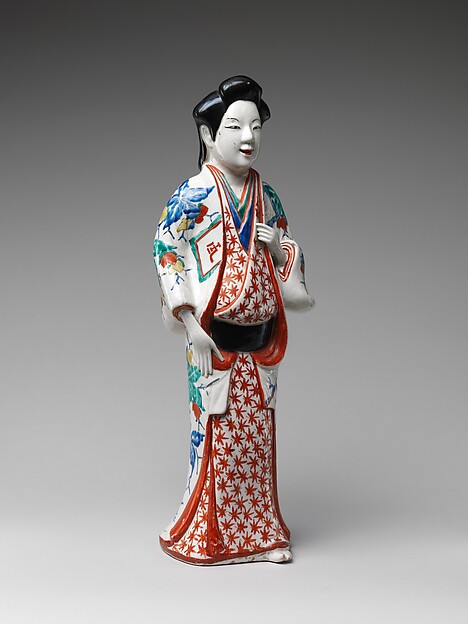
Figure of a Standing Beauty, ca. 1670–90

Figure of a Standing Beauty, ca. 1670–90

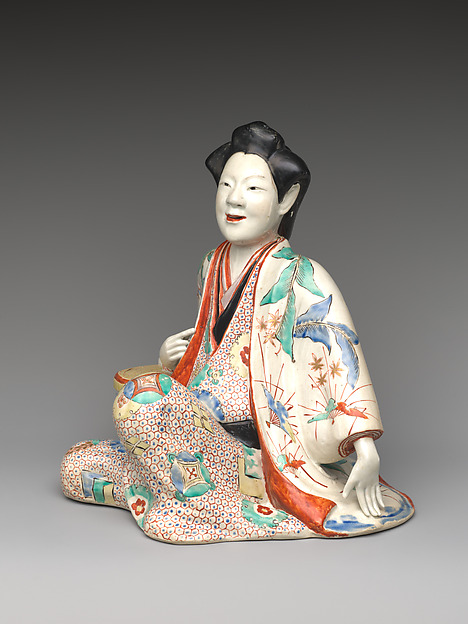
Figure of a Seated Beauty, ca. 1670–90

Figure of a Seated Beauty, ca. 1670–90

Head of a Warrior Clay Tomb Sculpture (Haniwa), 6th century

Head of a Warrior Clay Tomb Sculpture (Haniwa), 6th century

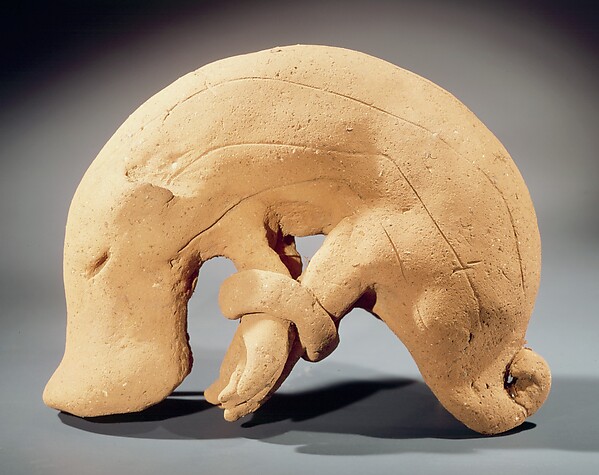
Wild Boar Piglet Clay Tomb Sculpture (Haniwa), 6th century

Wild Boar Piglet Clay Tomb Sculpture (Haniwa), 6th century

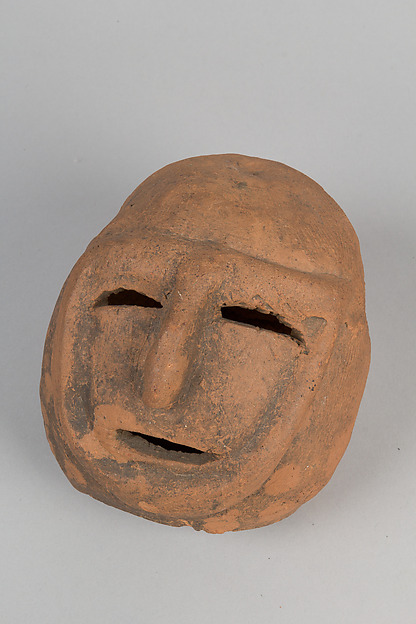
Head of a Clay Tomb Sculpture (Haniwa), 5th–early 6th century

Head of a Clay Tomb Sculpture (Haniwa), 5th–early 6th century

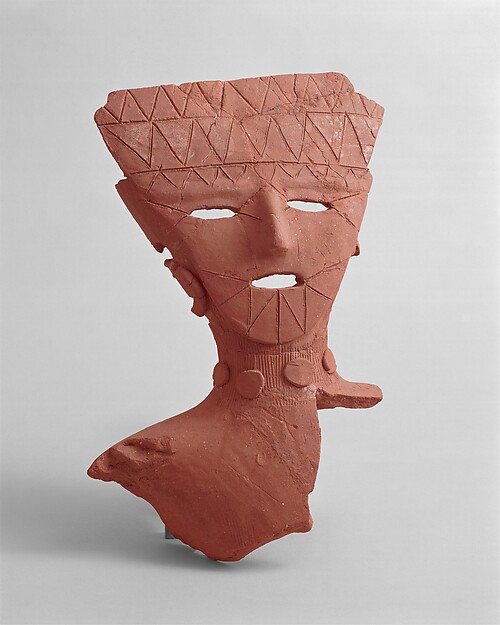
Head of a Masked Clay Tomb Sculpture (Haniwa), late 5th–6th century

Head of a Masked Clay Tomb Sculpture (Haniwa), late 5th–6th century

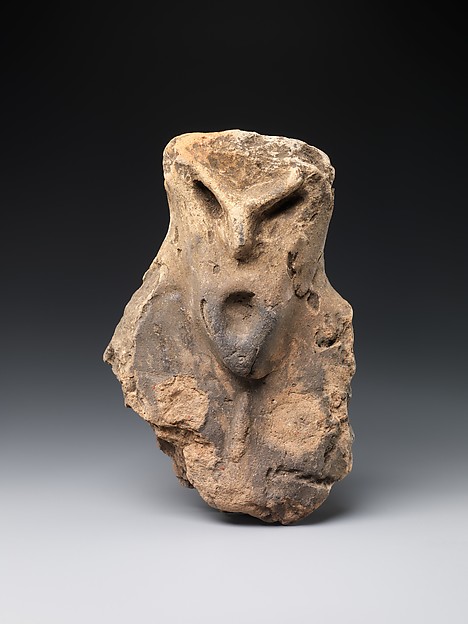
Head of a Clay Figure (Dogū)

Head of a Clay Figure (Dogū)

Head of a Clay Figure (Dogū)

Head of a Clay Figure (Dogū)

Buddha of Medicine Bhaishajyaguru (Yaoshi fo), ca. 1319

Buddha della Medicina Bhaishajyaguru, ca. 1319

Metropolitan Museum of Art

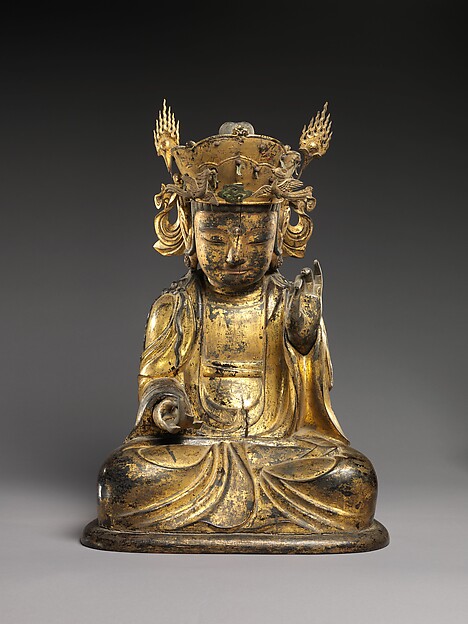
Seated bodhisattva (left attendant of a triad), ca. mid-17th century

Seated bodhisattva (left attendant of a triad), ca. mid-17th century

Metropolitan Museum of Art

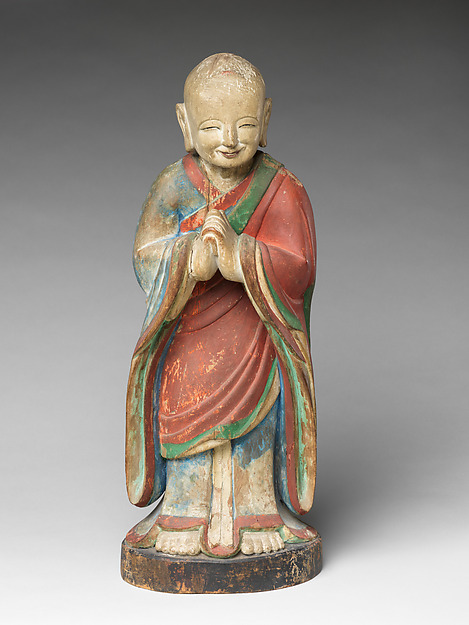
Kashyapa, dated 1700

Kashyapa, dated 1700

Metropolitan Museum of Art

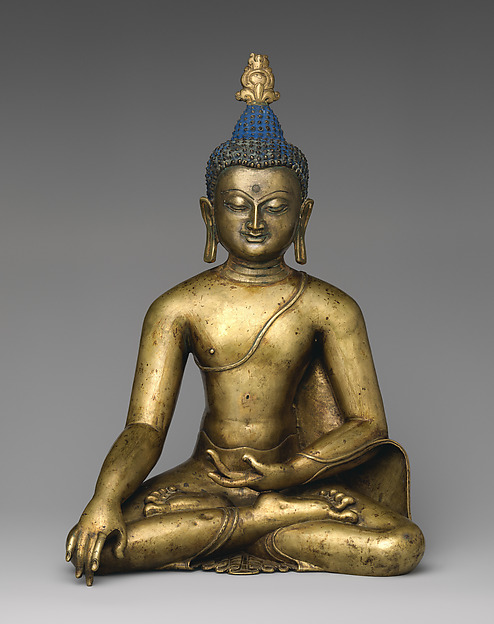
Buddha Shakyamuni, 12th century

Buddha Shakyamuni, 12th century

Metropolitan Museum of Art

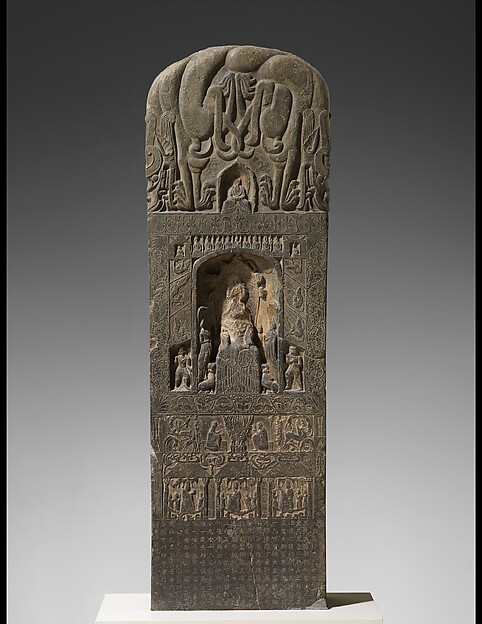
Stele commissioned by members of a devotional society, dated 528

Stele commissioned by members of a devotional society, dated 528

Metropolitan Museum of Art

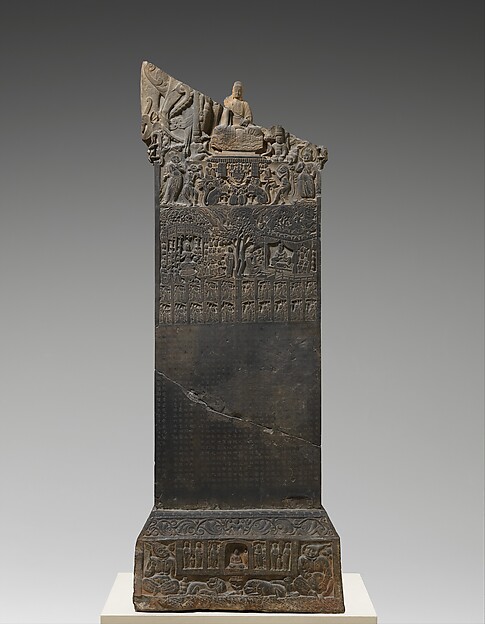
Stele Commissioned by Helian Ziyue (赫蓮子悅) and a Devotional Society of Five Hundred Individuals, dated 533–43

Stele Commissioned by Helian Ziyue (赫蓮子悅) and a Devotional Society of Five Hundred Individuals, dated 533–43

Metropolitan Museum of Art

Legends of the Yūzū Nembutsu Sect, Artist unknown, Kamakura period (1185–1333), 14th century

Artist unknown

Legends of the Yūzū Nembutsu Sect, Kamakura period (1185–1333), 14th century

Non esposta · Art Institute of Chicago

Seated Bodhisattva, Japan, 8th century

Japan

Seated Bodhisattva, 8th century

Art Institute of Chicago