ART WIKI32.963 in sala
MappaCollezioneArtistiMuseiMostreRivista
Accedi

ART WIKI

Dove è appeso il capolavoro, e quando si può entrare.

Collezioni: Art Institute of Chicago, Cleveland Museum of Art, Ermitage, Galleria Tret'jakov, Getty Museum, Harvard Art Museums, Hirshhorn Museum and Sculpture Garden, Metropolitan Museum of Art, Minneapolis Institute of Art, Museo del Louvre, Museo Puškin delle belle arti, Museo russo, Museum of Modern Art, National Gallery of Art, National Museum of Asian Art, National Portrait Gallery, Rijksmuseum, Smithsonian American Art Museum, Statens Museum for Kunst, Victoria and Albert Museum, Villa Getty, Whitney Museum of American Art, Catalogo statale del fondo museale russo (274 musei), Europeana (19 musei), Wikidata (6 musei), Paris Musées (12 musei) e Joconde, la banca dati dei musei del Ministero della Cultura francese (495 musei). Le immagini appartengono ai titolari dei diritti.

Sezioni

  • Mappa
  • Ricerca
  • Collezione
  • Capolavori
  • Esposte ora
  • Artisti

Altro

  • Musei e gallerie
  • Mostre
  • Rivista
  • Da dove vengono i dati
  • Privacy e cookie
HomeMappaCatalogo
  1. Collezione/
  2. Minneapolis Institute of Art/
  3. The Tiber Muse
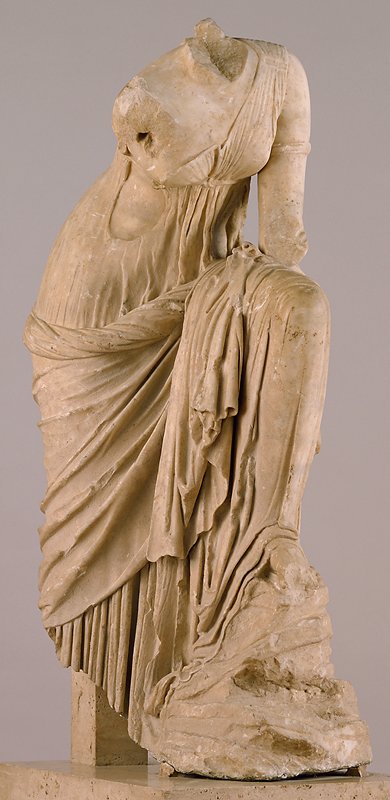
The Tiber Muse, Roman Empire, 2nd–1st century BCE

The Tiber Muse

2nd–1st century BCE · Sculpture · 119.38 × 33.02 cm

Sulla scultura

Although discovered in the vicinity of the Tiber river in Rome in 1885, the style of this statue's drapery suggests that it originated in a workshop in Greece or Asia Minor. The Roman importation and copying of Greek sculpture are well documented, from the time of the Roman conquests of Greeks territories in the third century B.C. and throughout the imperial era (27 B.C.-about 395 A.D.). The public exhibition of Greek spoils encouraged Romans to collect Greek art and commission new works in similar styles. Displaying statuary of Greek origin or appearance eventually became a mark of one's social status and education.

Minneapolis Institute of Art

Scheda

Numero di inventario
56.12

Altre opere di Roman Empire

Tutte le opere

Nella stessa sala · G241, Minneapolis Institute of Art

Pagina del museo
RRoman EmpireSiria

Si può ammirare?

Sì, riceve visite

Minneapolis Institute of Art

Minneapolis, Stati Uniti

SalaG241

Esposta al pubblico. Chi lo garantisce è indicato qui sotto.

Verificato
3 giorni fa
Ultimo cambio di stato
25 set 2026
Fonte
Il museo
Sulla mappaPagina del museo

In catalogo

SculturaMarmoGraeco-Roman

Fonti

  • Minneapolis Institute of Art
  • Immagine: Minneapolis Institute of Art — public domain
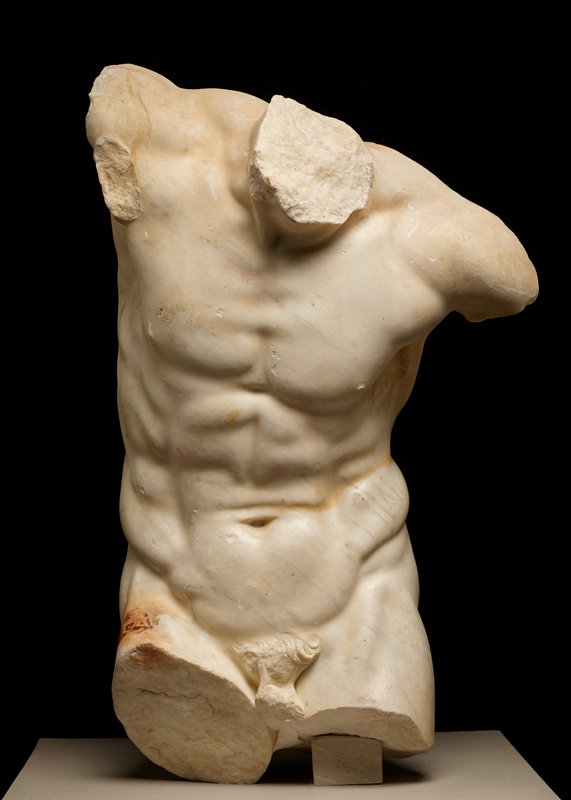
Torso of a Dancing Faun, Roman Empire, 1st century CE

Torso of a Dancing Faun

1st century CE · Minneapolis Institute of Art

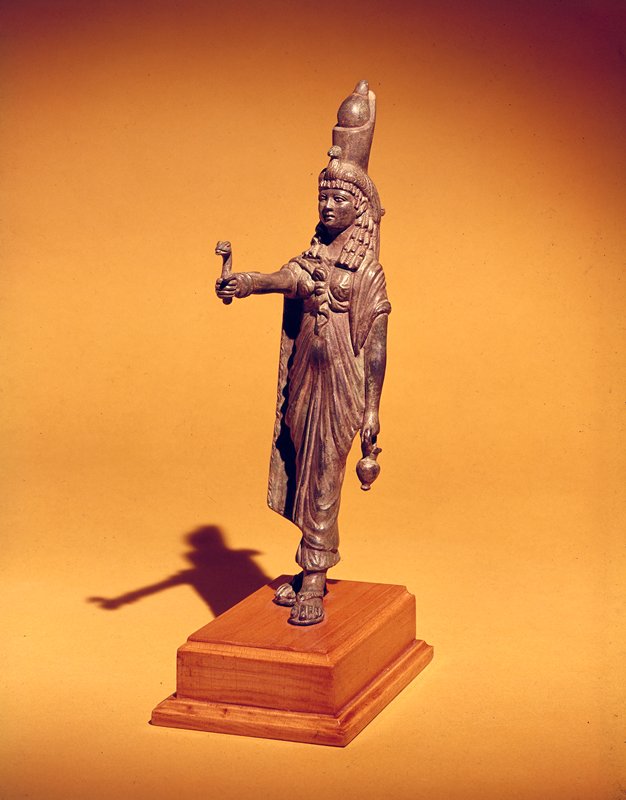
Goddess Isis, Roman Empire, 1st century CE

Goddess Isis

1st century CE · Minneapolis Institute of Art

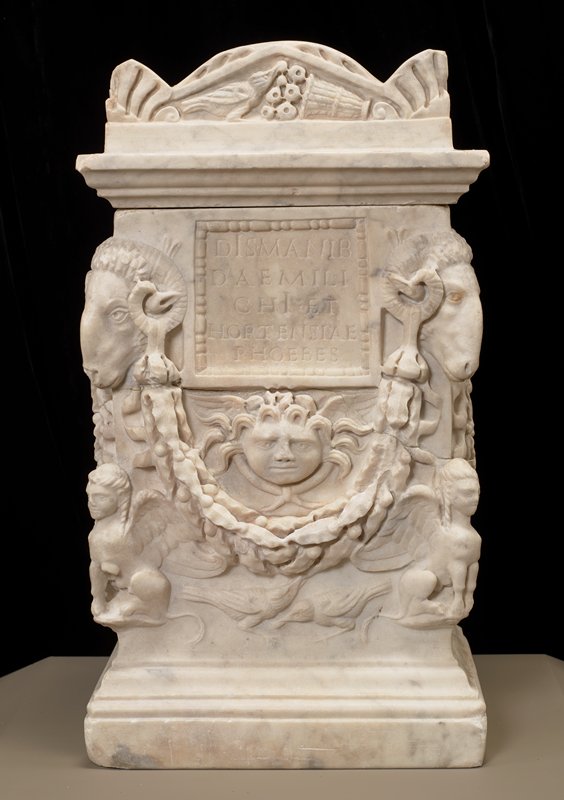
Cinerary Box with Cover, Roman Empire, 50–100 CE

Cinerary Box with Cover

50–100 CE · Minneapolis Institute of Art

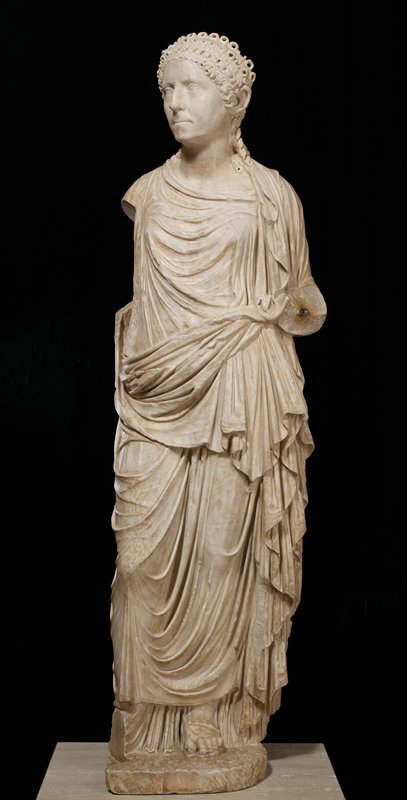
Roman Matron, Roman Empire, 50–60 CE

Roman Matron

50–60 CE · Minneapolis Institute of Art

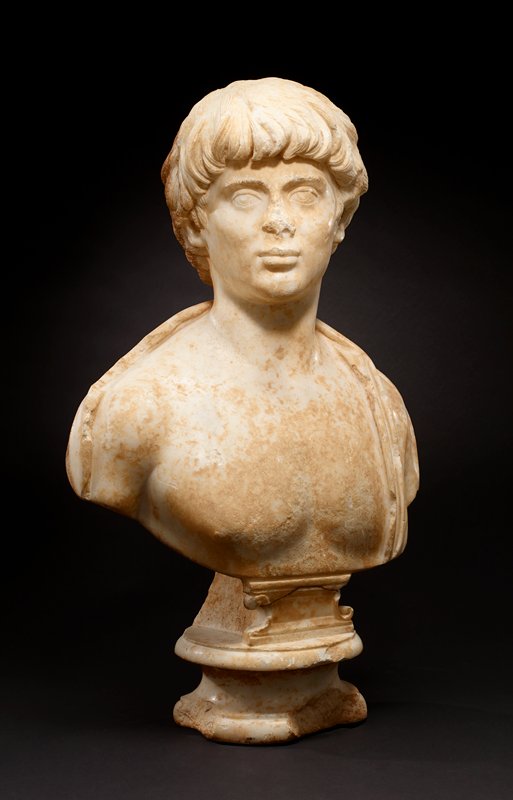
Bust of a Young Man, Probably Polydeukion, Roman Empire, 2nd century

Bust of a Young Man, Probably Polydeukion

2nd century · Minneapolis Institute of Art

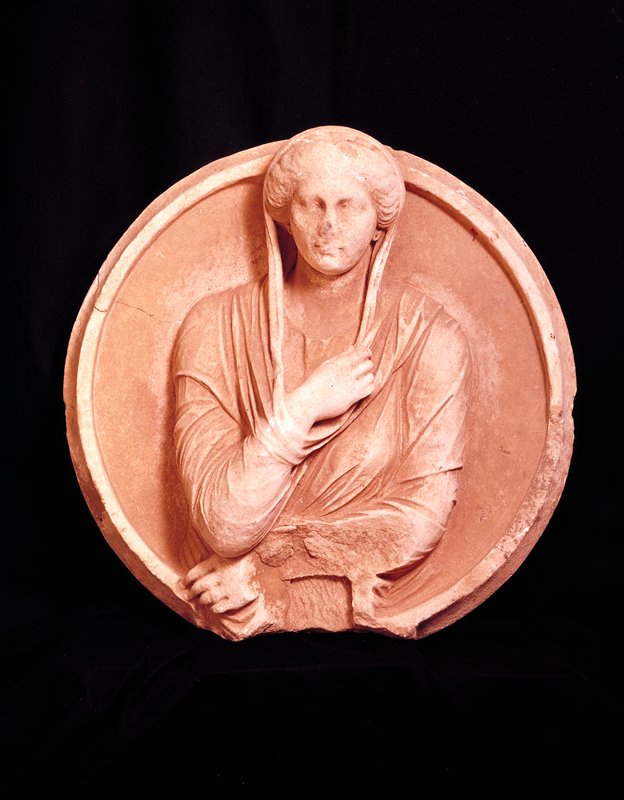
Tondo: Portrait of a Young Noblewoman, Roman Empire, 2nd century

Tondo: Portrait of a Young Noblewoman

2nd century · Non esposta · Minneapolis Institute of Art

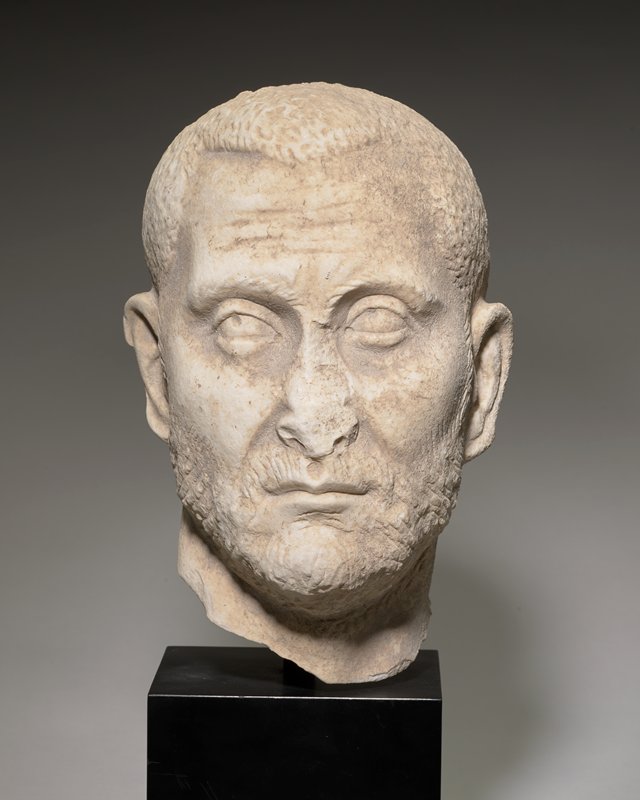
Portrait of a Man, Roman Empire, 252–268

Portrait of a Man

252–268 · Non esposta · Minneapolis Institute of Art

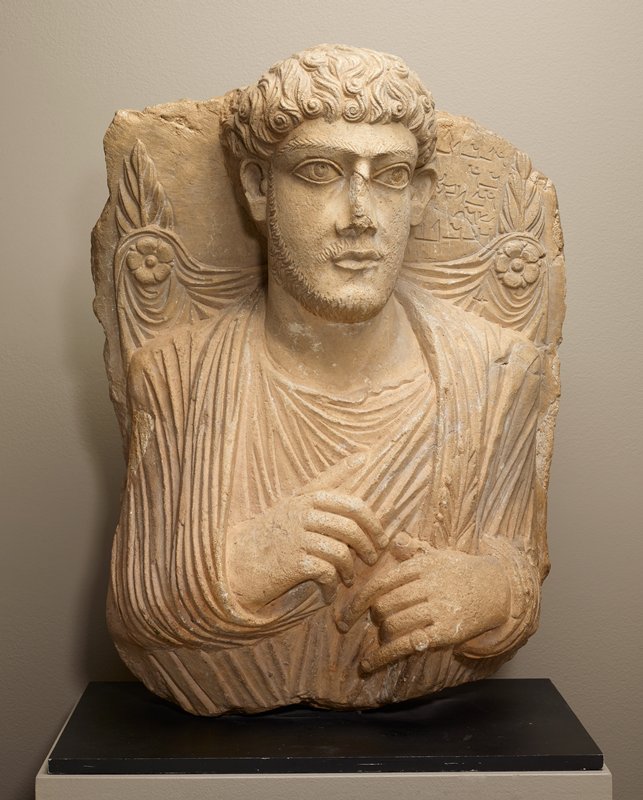
Funerary Relief, Roman Empire, late 2nd century–first half of the 3rd century

Funerary Relief

late 2nd century–first half of the 3rd century · Non esposta · Minneapolis Institute of Art

Torso of a Dancing Faun, Roman Empire, 1st century CE

Roman Empire

Torso of a Dancing Faun, 1st century CE

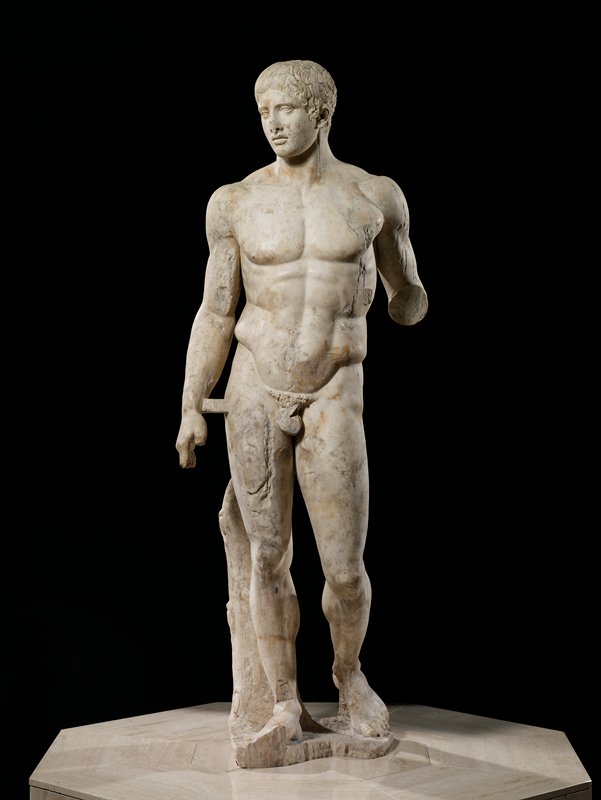
The Doryphoros (after Polykleitos), Copy of work attributed to Polykleitos, 27 BCE–68 CE

Copy of work attributed to Polykleitos

The Doryphoros (after Polykleitos), 27 BCE–68 CE

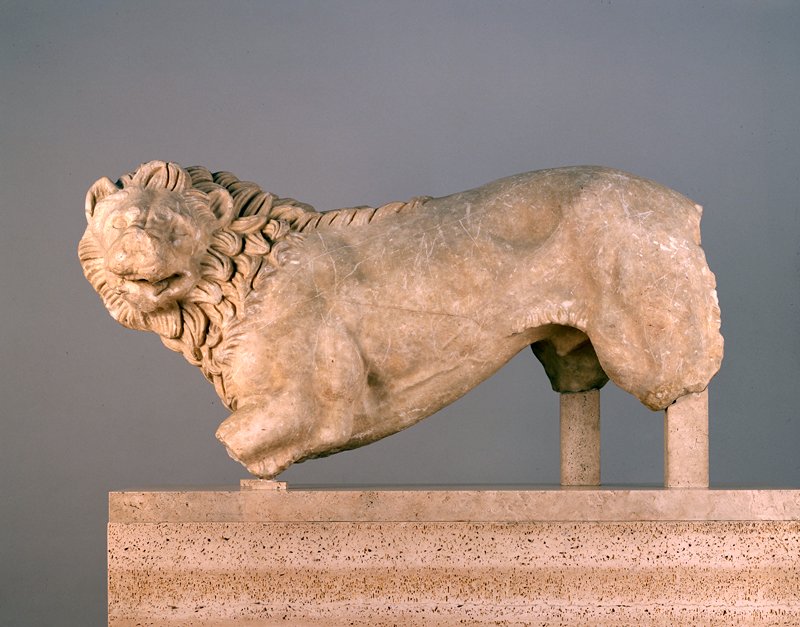
Crouching Lion, 330–317 BCE

Crouching Lion, 330–317 BCE

Cinerary Box with Cover, Roman Empire, 50–100 CE

Roman Empire

Cinerary Box with Cover, 50–100 CE

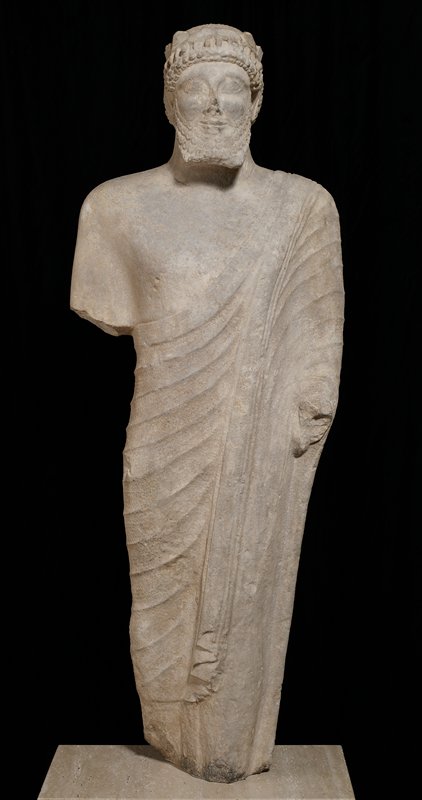
Votary Figure, c. 470 BCE

Votary Figure, c. 470 BCE

Roman Matron, Roman Empire, 50–60 CE

Roman Empire

Roman Matron, 50–60 CE

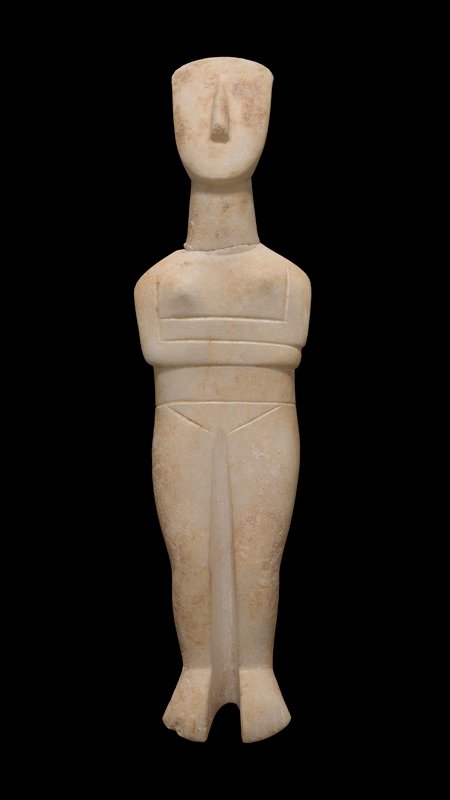
Female Figure, c. 2500–2400 BCE

Female Figure, c. 2500–2400 BCE

Figure of a Lar, 1st century CE

Figure of a Lar, 1st century CE