 William EttyRegno Unito, 1787–1849
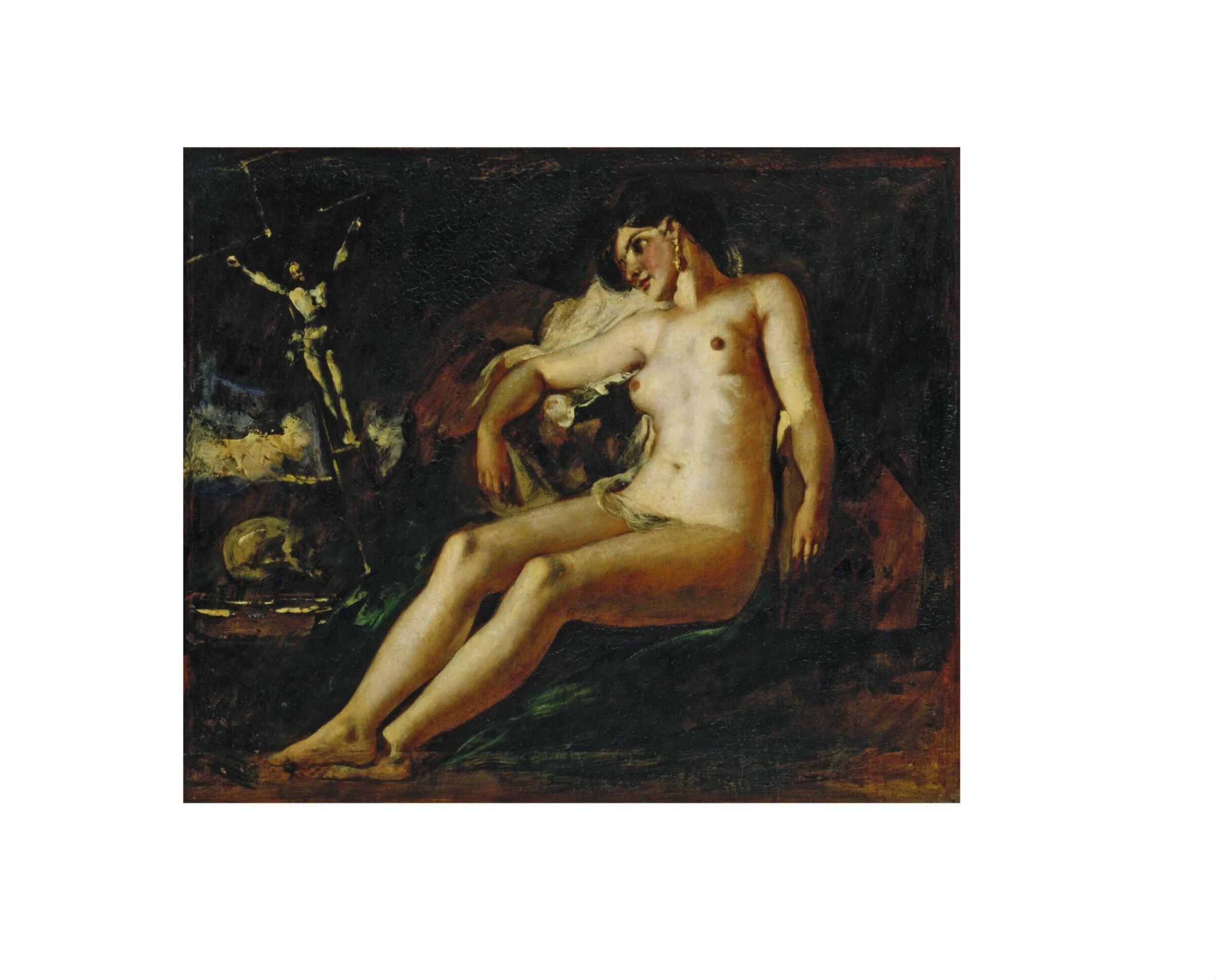
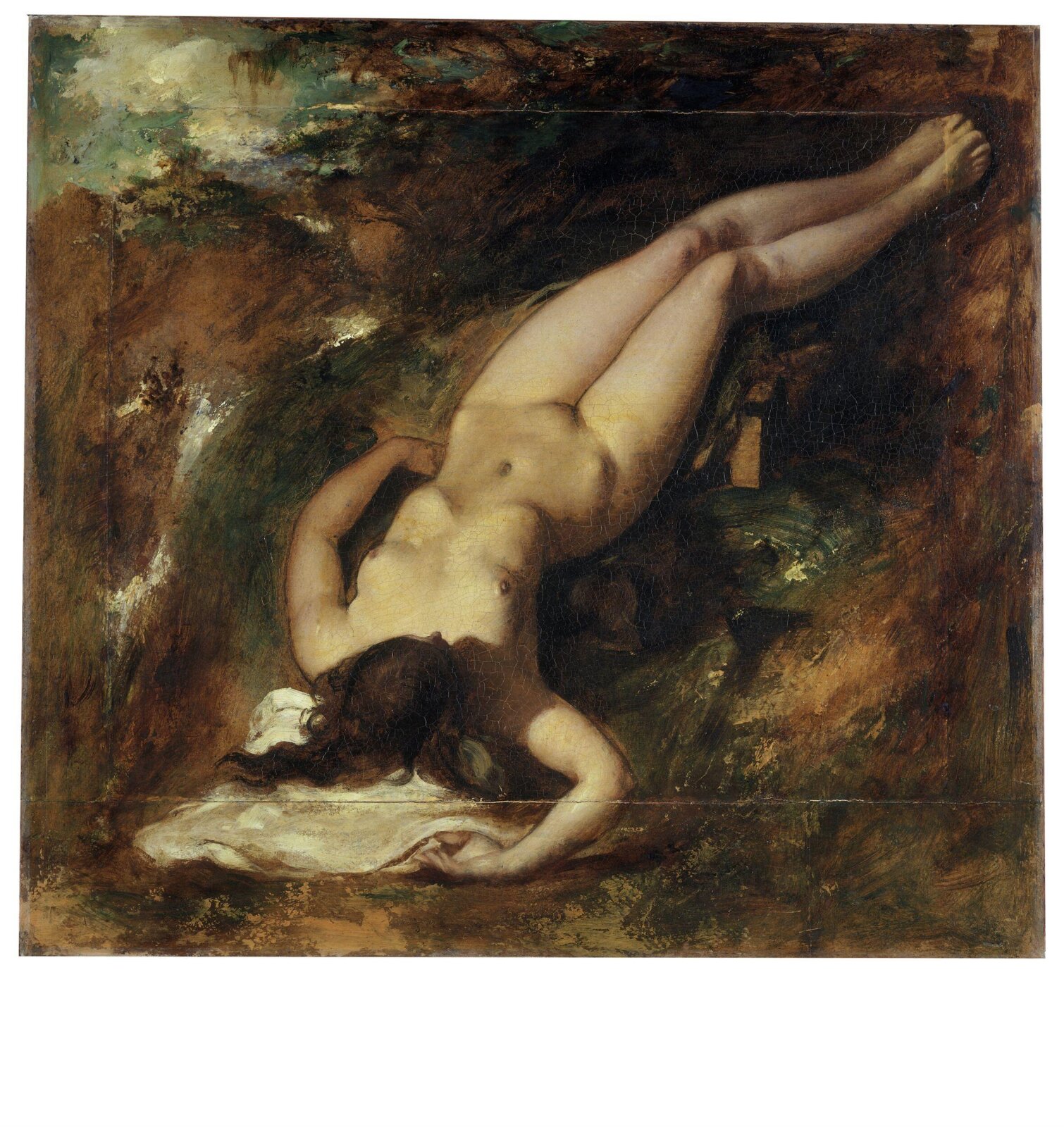
The Deluge
Si può ammirare?
Sì, riceve visite

Victoria and Albert Museum
Londra, Regno Unito
SalaPaintings, Room 82, The Edwin and Susan Davies Galleries
Esposta al pubblico. Chi lo garantisce è indicato qui sotto.
- Verificato
- Ultimo cambio di stato
- Fonte
- I dati di collezione del museo stesso
About the painting
The title suggests that this oil sketch was intended for a larger painting on the subject of the biblical Flood. Etty was known for his studies of the female nude and his work was sometimes censored for indecency.
Victoria and Albert Museum
Scheda
- Numero di inventario
- 225-1871
What it shows
In catalogo
Fonti
- Victoria and Albert Museum: the museum's own open data · acquisita 10 giorni fa
- Immagine: Victoria and Albert Museum — © Victoria and Albert Museum, London
Nel frattempo, nella vita di William Etty
Tutta la vita1830s
Turns to portraiture and still life
In the 1830s Etty began to branch out into the more lucrative but less respected field of portraiture, and later became the first English painter to paint significant still lifes. He continued to paint both male and female nudes, which drew severe criticism and condemnation from parts of the press.
1835
Betsy signs a pledge never to leave him
Fearing that Betsy would marry and leave his service, Etty went so far in 1835 as to have her sign an affidavit that she would never leave him.
1838
At the opening of Pugin’s chapel at Oscott
Etty was one of the few non-Catholics to attend the opening of Augustus Pugin’s chapel for St Mary’s College, Oscott, then England’s most important Catholic building. He never formally left his Methodist faith but was deeply attached to the Catholic Church.
1840 and 1841
Pilgrimage to the Netherlands
In 1840 and again in 1841 Etty made a pilgrimage to the Netherlands to study the paintings of the Dutch masters, including Rubens, in the country’s churches and public galleries.
1840s
The prolific and profitable 1840s
Etty was prolific and commercially successful throughout the 1840s, but the quality of his work deteriorated over this period.
1843–1845
His brother Charles returns from Java
In 1843 Etty’s younger brother Charles, a successful planter in Java, returned to England after more than 30 years abroad. William became deeply suspicious that Betsy was growing too close to Charles, a suspicion that intensified when Charles took her on a visit to Holland and the Rhine; Charles returned to Java in 1845.