ART WIKI32.979 in sala
MappaCollezioneArtistiMuseiMostreRivista
Accedi

ART WIKI

Dove è appeso il capolavoro, e quando si può entrare.

Collezioni: Art Institute of Chicago, Cleveland Museum of Art, Ermitage, Galleria Tret'jakov, Getty Museum, Harvard Art Museums, Hirshhorn Museum and Sculpture Garden, Metropolitan Museum of Art, Minneapolis Institute of Art, Museo del Louvre, Museo Puškin delle belle arti, Museo russo, Museum of Modern Art, National Gallery of Art, National Museum of Asian Art, National Portrait Gallery, Rijksmuseum, Smithsonian American Art Museum, Statens Museum for Kunst, Victoria and Albert Museum, Villa Getty, Whitney Museum of American Art, Catalogo statale del fondo museale russo (274 musei), Europeana (19 musei), Wikidata (6 musei), Paris Musées (12 musei) e Joconde, la banca dati dei musei del Ministero della Cultura francese (495 musei). Le immagini appartengono ai titolari dei diritti.

Sezioni

  • Mappa
  • Ricerca
  • Collezione
  • Capolavori
  • Esposte ora
  • Artisti

Altro

  • Musei e gallerie
  • Mostre
  • Rivista
  • Da dove vengono i dati
  • Privacy e cookie
HomeMappaCatalogo
  1. Collezione/
  2. Minneapolis Institute of Art/
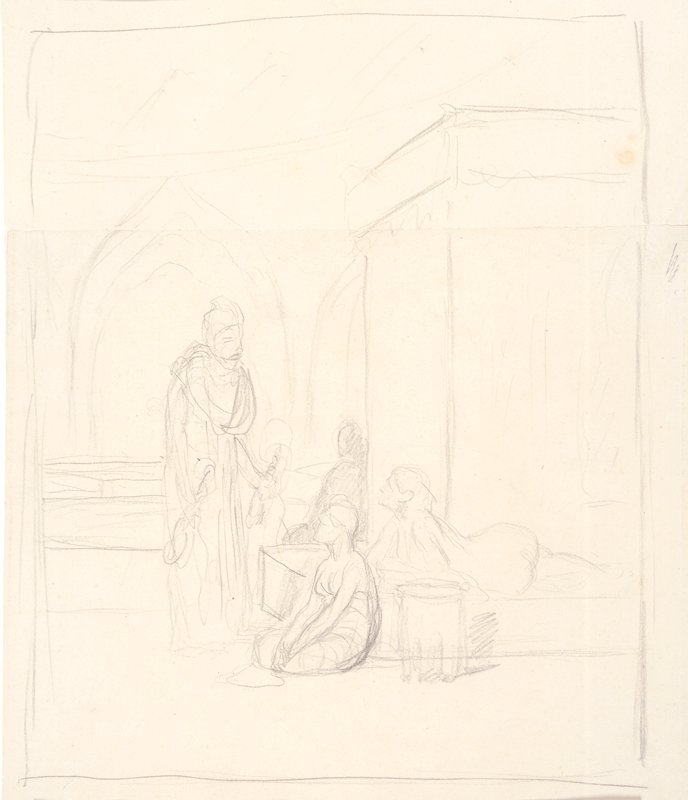
  3. Study for 'In the Harem'
Study for 'In the Harem', Jean-Léon Gérôme, 1876
Jean-Léon Gérôme, ritrattoJean-Léon GérômeFrancia, 1824–1904

Study for 'In the Harem'

1876 · Drawing · 33.66 × 23.18 cm

Si può ammirare?

Al momento non riceve

Minneapolis Institute of Art

Minneapolis, Stati Uniti

Appartiene alla collezione, ma al momento non è esposta.

Verificato
3 giorni fa
Ultimo cambio di stato
25 set 2026
Fonte
Il museo
Sulla mappaPagina del museo

Scheda

1876 · a 52 anni
18241904
Numero di inventario
88.60

In catalogo

Disegni e acquerelliGrafiteRealismoImpressionismoXIX secoloFrancia

Fonti

  • Minneapolis Institute of Art
  • Immagine: Minneapolis Institute of Art — public domain

Nel frattempo, nella vita di Jean-Léon Gérôme

Tutta la vita
  1. 1864–1904

    The studio everyone wanted to join

    Places in Gérôme’s atelier were limited and keenly sought: only the best students were admitted. Students progressed from drawing after antique works and casts to drawing from the live model and only then were allowed to paint in oils; he attended every Wednesday and Saturday and was known as a severe critic, but helped his students outside the school too, inviting them to his own studio and recommending them to the Salon.

  2. 1864–1904

    The most “riotous” studio of the École

    According to John Milner, who studied with Gérôme, his atelier was the most “riotous” and “lewd” of all the studios at the École: newcomers were put through bizarre initiation rites — slashing each other’s canvases, being thrown down stairs, out of windows and onto upturned stools, and fencing on the model’s dais, nude and with paintbrushes loaded with paint.

  3. 1870s

    Rising popularity in the United States

    In the 1870s Gérôme’s works were particularly sought after by wealthy Americans: over his career he sold American patrons 144 paintings, nearly a quarter of his output; among his American students was Thomas Eakins.

  4. 1874

    A gold medal of the Salon that he turned down

    The 1874 Salon jury unanimously awarded Gérôme a gold medal, which outraged Parisian critics: genre painters, they said, should not be given medals. The artist, then in Holland (he spent the whole of 1874 in the Netherlands studying Frans Hals), telegraphed that he refused the award, but the jury stood on principle too and would not accept the refusal, so the medal had to be handed over to the École des Beaux-Arts.

  5. 1875

    Walks his colleagues out of Corot’s funeral

    At Camille Corot’s funeral the priest began a sermon on the “immoral life of artists”, whereupon Gérôme led all the colleagues present out of the church. He sat on committees helping infirm artists and their widows and always attended his colleagues’ funerals.

  6. c. 1875

    Small genre pictures and “harem” scenes

    After the fall of the Empire history painting lost value, and after 1875 Gérôme switched mainly to small genre compositions — terse and needing no explanation. This was also when the series of “harem” pictures with nudes appeared (“The Slave Sale”, “Odalisque”, “The Moorish Bath”); from the 1870s he also painted genuine women of the East, especially almehs, Egyptian dancers, giving one of them a cigarette to underline the Europeanisation of Egypt.

Altre opere di Jean-Léon Gérôme

Tutte le opere
Bashi-Bazouk, Jean-Léon Gérôme, 1868–69

Bashi-Bazouk

1868–69 · Metropolitan Museum of Art

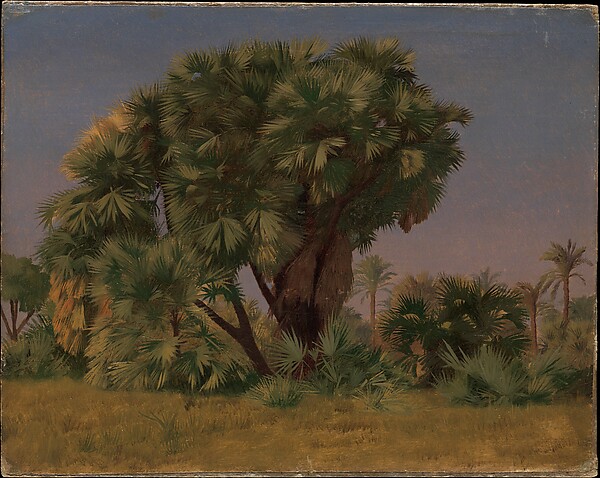
Study of Palm Trees, Jean-Léon Gérôme, 1855/56

Study of Palm Trees

1855/56 · Metropolitan Museum of Art

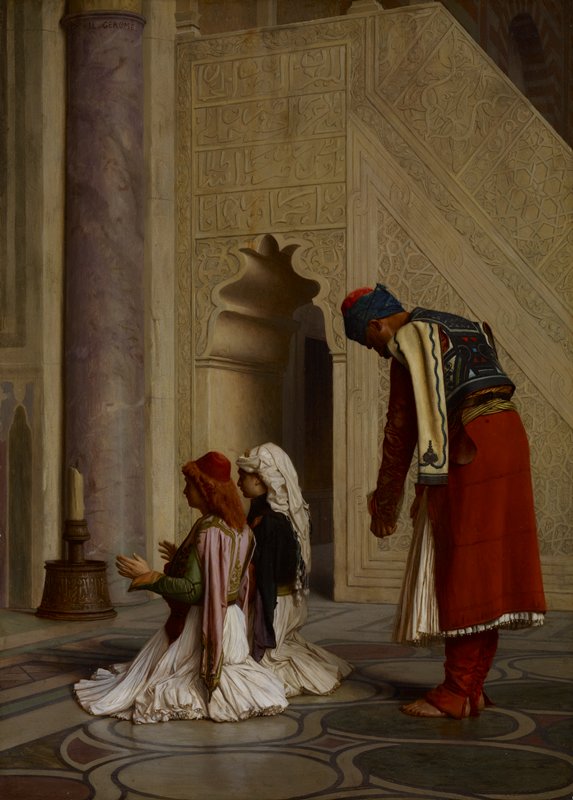
Young Greeks in the Mosque, Jean-Léon Gérôme, 1865

Young Greeks in the Mosque

1865 · Minneapolis Institute of Art

View of Medinet El-Fayoum, Jean-Léon Gérôme, c. 1868/1870

View of Medinet El-Fayoum

c. 1868/1870 · National Gallery of Art

Bashi-Bazouk, Jean-Léon Gérôme, ca. 1868–69

Bashi-Bazouk

ca. 1868–69 · Metropolitan Museum of Art

Prayer in the Mosque, Jean-Léon Gérôme, by 1874

La preghiera nella moschea

by 1874 · Metropolitan Museum of Art

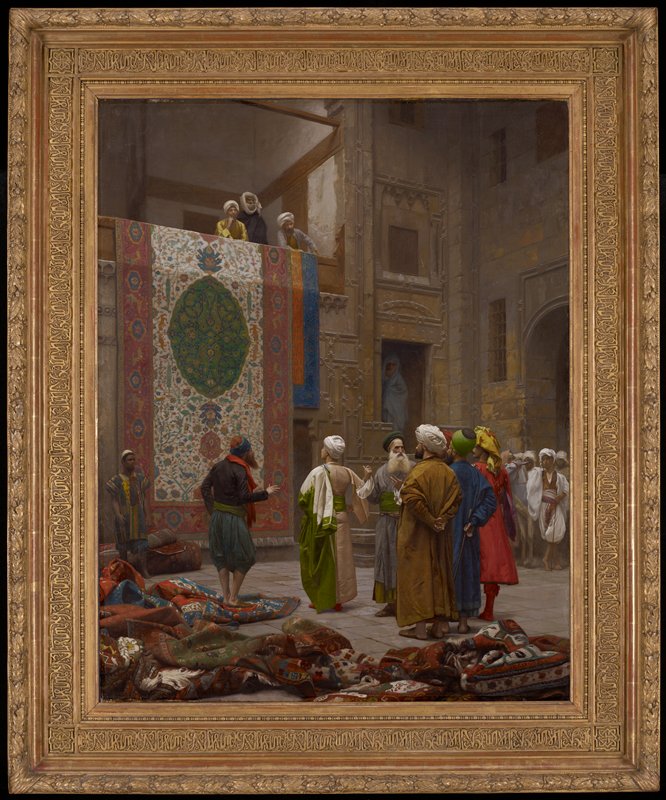
The Carpet Merchant, Jean-Léon Gérôme, c. 1887

The Carpet Merchant

c. 1887 · Minneapolis Institute of Art

Chariot Race, Jean Léon Gérôme, 1876

Chariot Race

1876 · Art Institute of Chicago

Sotto lo stesso tetto: Minneapolis Institute of Art

Pagina del museo
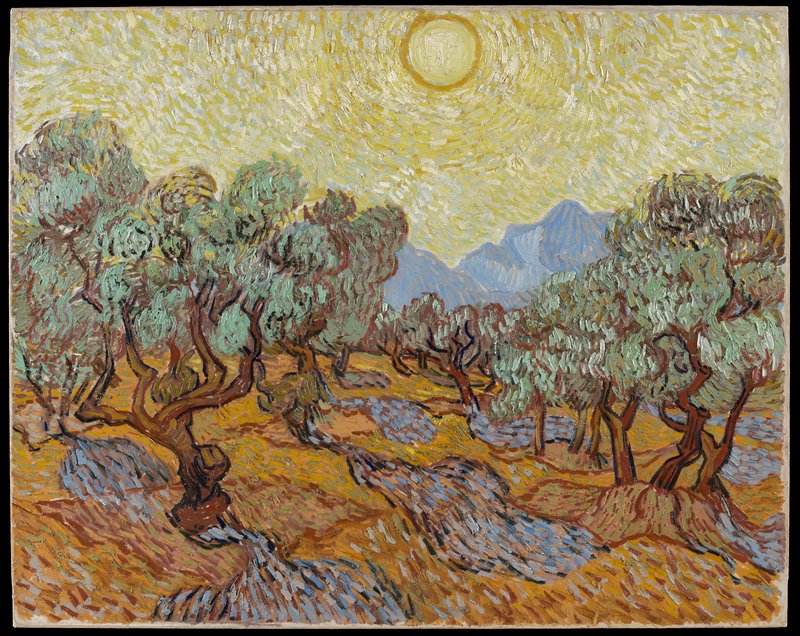
Olive Trees, Vincent van Gogh, 1889

Vincent van Gogh

Olive Trees, 1889

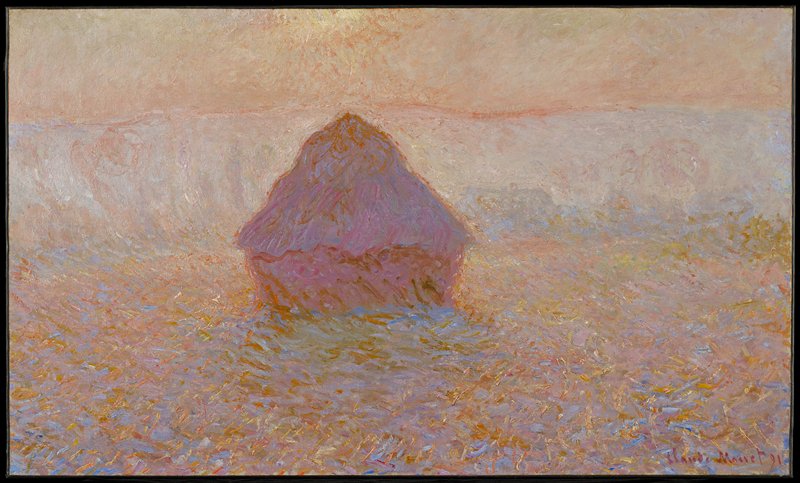
Grainstack, Sun in the Mist, Claude Monet, 1891

Claude Monet

Grainstack, Sun in the Mist, 1891

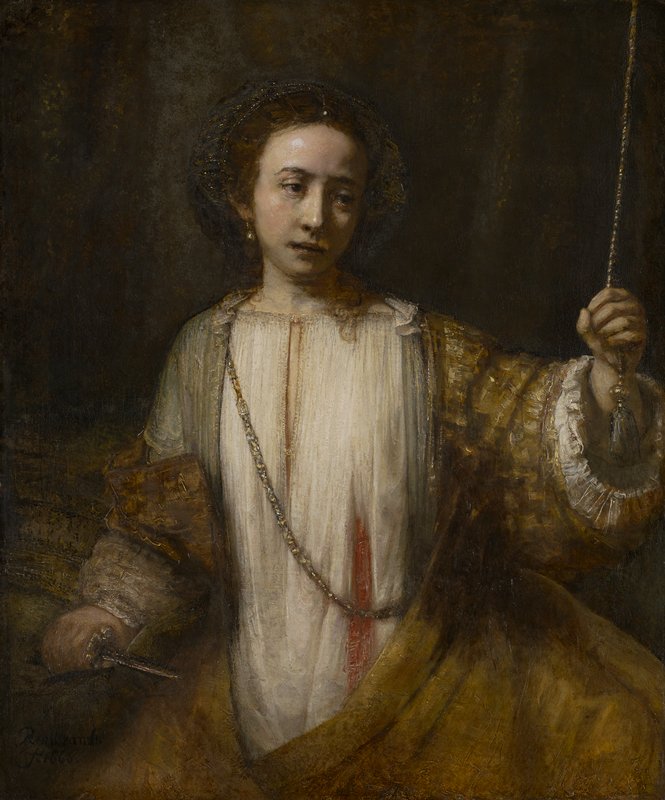
Lucretia, Rembrandt van Rijn, 1666

Rembrandt van Rijn

Lucretia, 1666

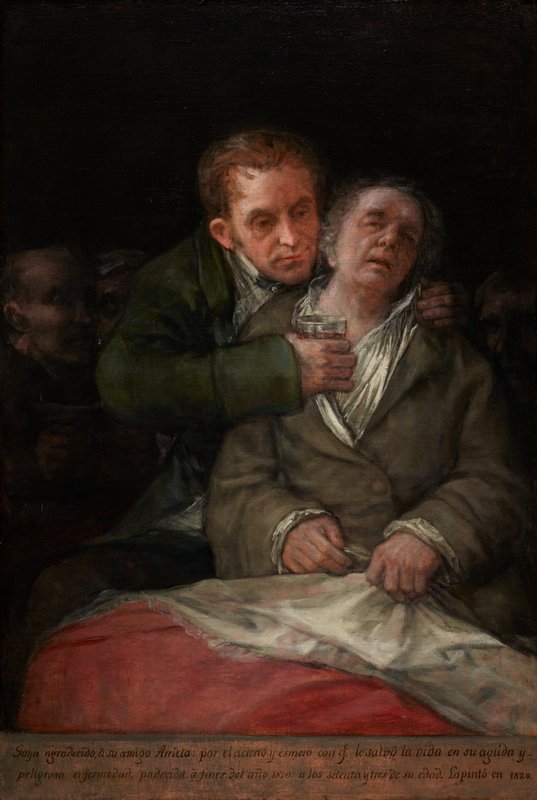
Self-Portrait with Dr. Arrieta, Francisco José de Goya y Lucientes, 1820

Francisco de Goya

Goya curato dal dottor Arrieta, 1820

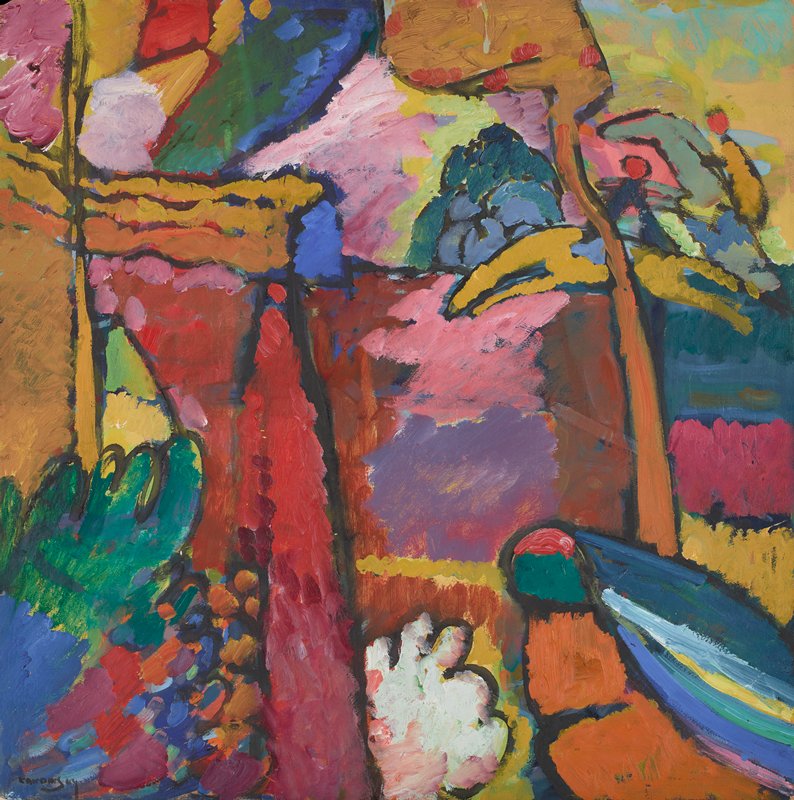
Study for Improvisation V, Vassily Kandinsky, 1910

Vasily Kandinsky

Study for Improvisation V, 1910

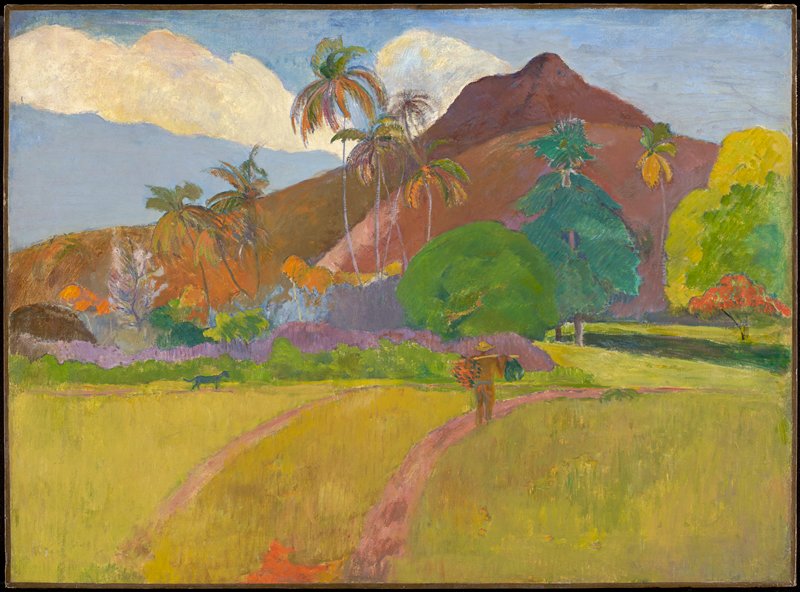
Tahitian Landscape, Paul Gauguin, 1891

Paul Gauguin

Tahitian Landscape, 1891

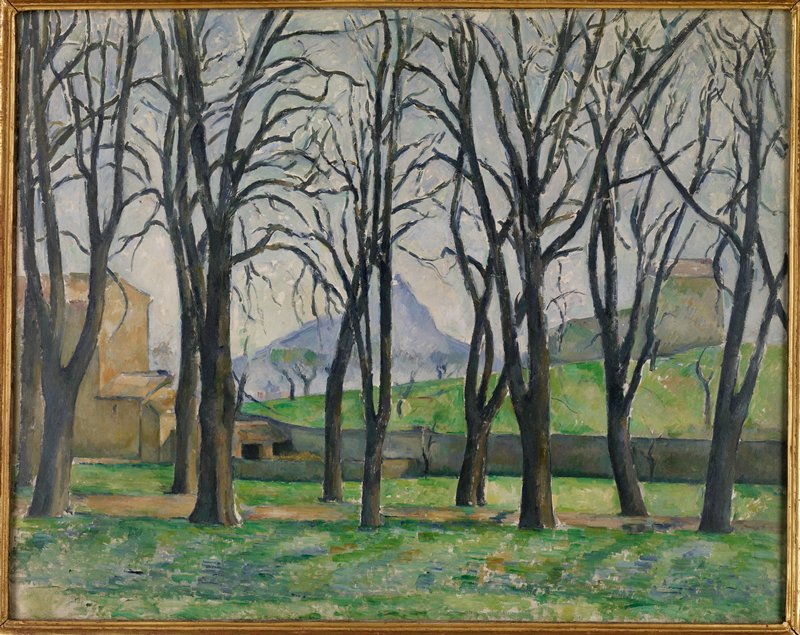
Chestnut Trees at Jas de Bouffan, Paul Cézanne, c. 1885–86

Paul Cézanne

Chestnut Trees at Jas de Bouffan, c. 1885–86

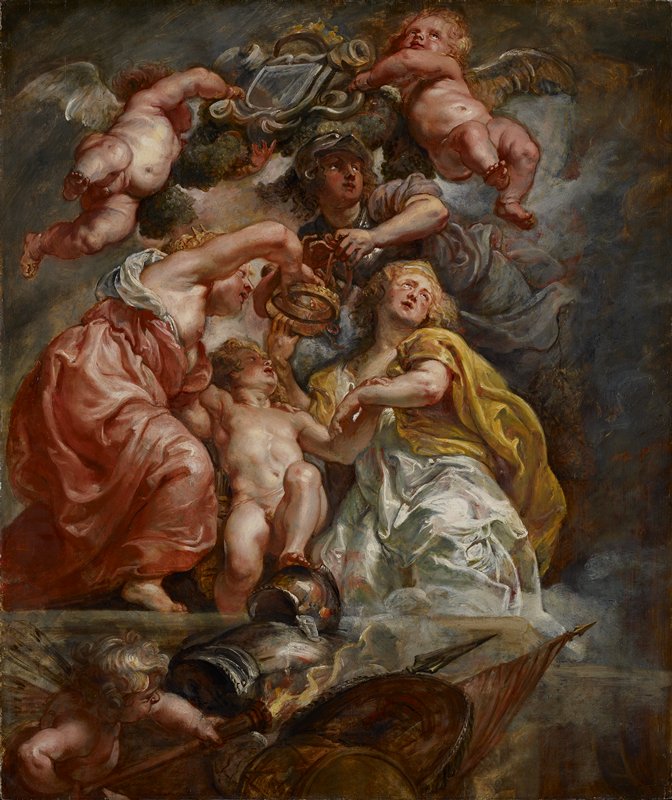
The Union of England and Scotland (Charles I as the Prince of Wales), Peter Paul Rubens, 1633–34

Peter Paul Rubens

The Union of England and Scotland (Charles I as the Prince of Wales), 1633–34