ART WIKI32.963 in sala
MappaCollezioneArtistiMuseiMostreRivista
Accedi

ART WIKI

Dove è appeso il capolavoro, e quando si può entrare.

Collezioni: Art Institute of Chicago, Cleveland Museum of Art, Ermitage, Galleria Tret'jakov, Getty Museum, Harvard Art Museums, Hirshhorn Museum and Sculpture Garden, Metropolitan Museum of Art, Minneapolis Institute of Art, Museo del Louvre, Museo Puškin delle belle arti, Museo russo, Museum of Modern Art, National Gallery of Art, National Museum of Asian Art, National Portrait Gallery, Rijksmuseum, Smithsonian American Art Museum, Statens Museum for Kunst, Victoria and Albert Museum, Villa Getty, Whitney Museum of American Art, Catalogo statale del fondo museale russo (274 musei), Europeana (19 musei), Wikidata (6 musei), Paris Musées (12 musei) e Joconde, la banca dati dei musei del Ministero della Cultura francese (495 musei). Le immagini appartengono ai titolari dei diritti.
Sezioni

  • Mappa
  • Ricerca
  • Collezione
  • Capolavori
  • Esposte ora
  • Artisti

Altro

  • Musei e gallerie
  • Mostre
  • Rivista
  • Da dove vengono i dati
  • Privacy e cookie
HomeMappaCatalogo
  1. Collezione/
  2. Metropolitan Museum of Art/
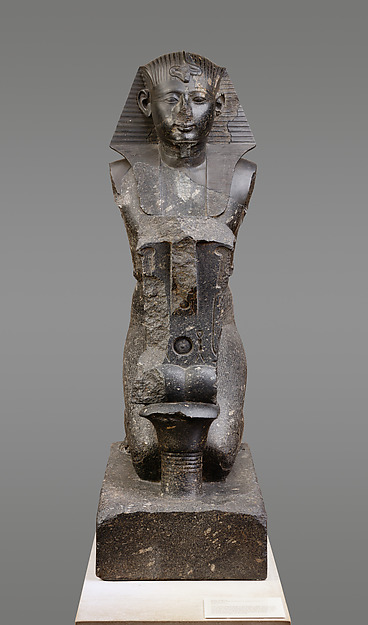
  3. Statue of Seti I
Statue of Seti I, ca. 1299–1290 BCE

Statue of Seti I

ca. 1299–1290 BCE · Statue, kneeling king, Seti I

Si può ammirare?

Sì, riceve visite

Metropolitan Museum of Art

New York, Stati Uniti

Sala123

Esposta al pubblico. Chi lo garantisce è indicato qui sotto.

Verificato
3 giorni fa
Ultimo cambio di stato
27 set 2026
Fonte
Il museo
Sulla mappaPagina del museo

Scheda

Numero di inventario
22.2.21

Nella stessa sala · Gallery 123, Metropolitan Museum of Art

Pagina del museo

Sullo stesso tema · Kings

Tutte le opere sul tema

Che cosa raffigura

Kings

In catalogo

SculturaMedioevoPrima del 1400New Kingdom, Ramesside

Fonti

  • Metropolitan Museum of Art
  • Immagine: Metropolitan Museum of Art — Open Access (CC0)
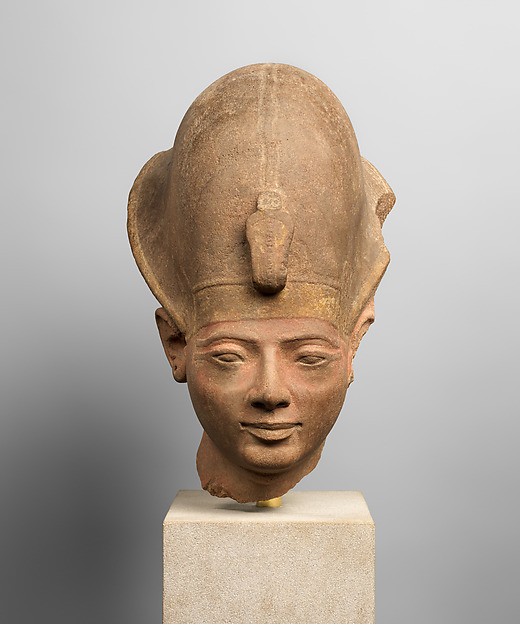
Head of King Seti II Wearing the Blue Crown, ca. 1214–1208 BCE

Head of King Seti II Wearing the Blue Crown, ca. 1214–1208 BCE

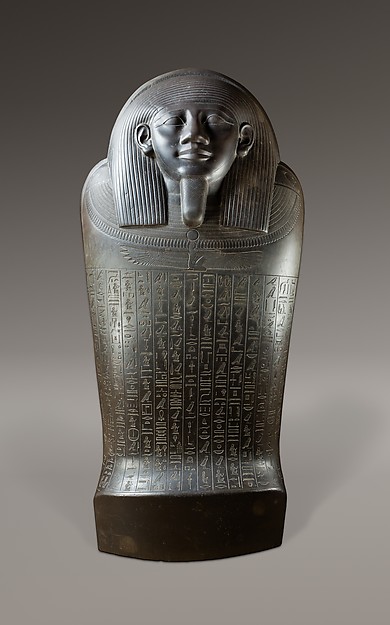
Sarcophagus of Harkhebit, 595–526 BCE

Sarcophagus of Harkhebit, 595–526 BCE

Statue of the God Ptah, ca. 1080–721 BCE

Statue of the God Ptah, ca. 1080–721 BCE

Antelope Head, 525–404 BCE

Antelope Head, 525–404 BCE

Jubilee Relief of Ramesses II, ca. 1290–1224 BCE

Jubilee Relief of Ramesses II, ca. 1290–1224 BCE

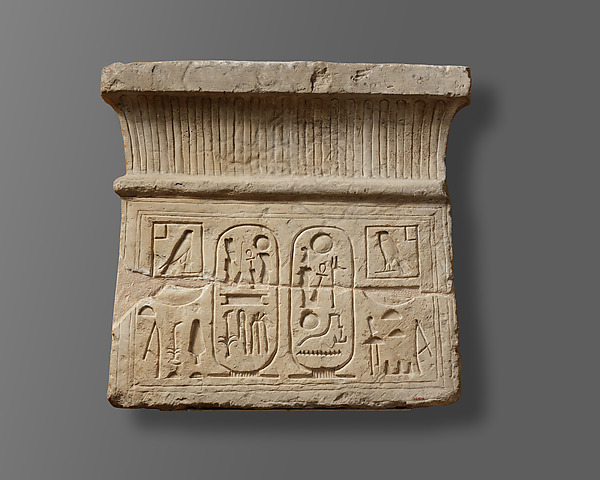
Pylon shaped stela of Ramesses II, ca. 1290–1224 BCE

Pylon shaped stela of Ramesses II, ca. 1290–1224 BCE

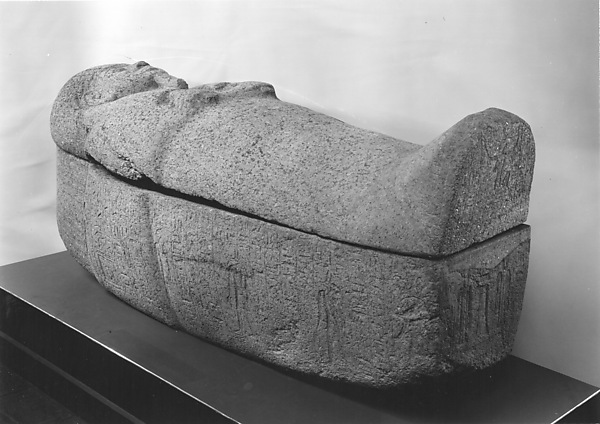
Sarcophagus of Usermontu, ca. 1290–1224 BCE

Sarcophagus of Usermontu, ca. 1290–1224 BCE

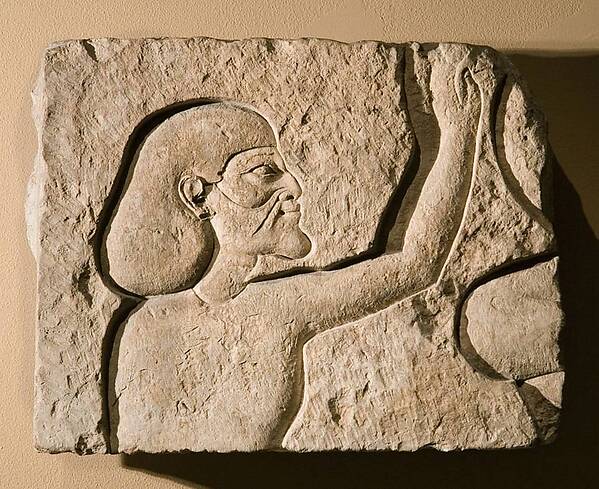
Relief fragment of an Asiatic raising his hands in adoration, ca. 1290–1224 BCE

Relief fragment of an Asiatic raising his hands in adoration, ca. 1290–1224 BCE

The Triumph of Henry IV, Peter Paul Rubens, ca. 1630

Peter Paul Rubens

The Triumph of Henry IV, ca. 1630

Metropolitan Museum of Art

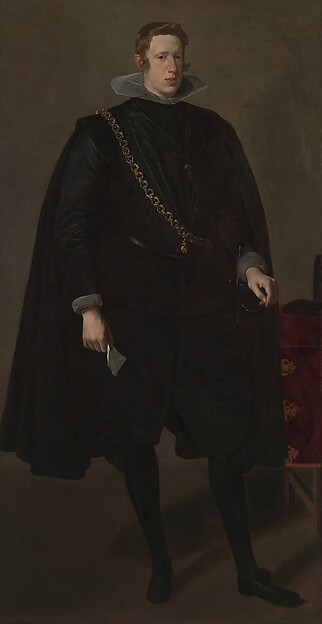
Philip IV (1605–1665), King of Spain, Velázquez, probably 1624

Diego Velázquez

Philip IV (1605–1665), King of Spain, probably 1624

Metropolitan Museum of Art

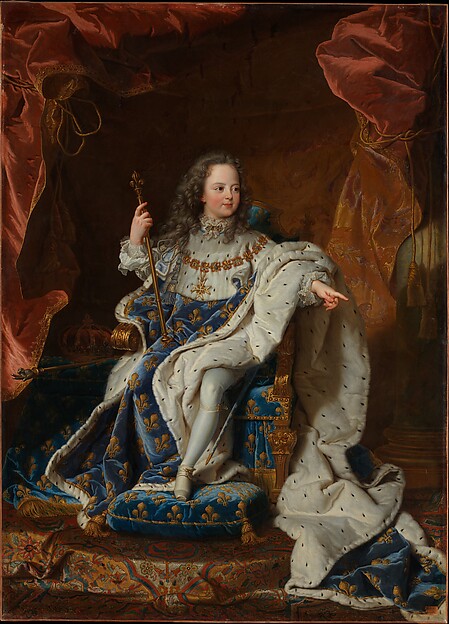
Louis XV (1710–1774) as a Child, Hyacinthe Rigaud, ca. 1716–24

Hyacinthe Rigaud

Louis XV (1710–1774) as a Child, ca. 1716–24

Metropolitan Museum of Art

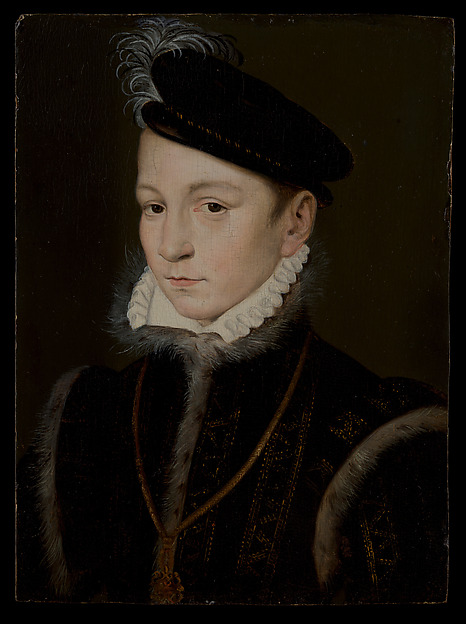
Charles IX (1550–1574), King of France, François Clouet

François Clouet

Charles IX (1550–1574), King of France

Metropolitan Museum of Art

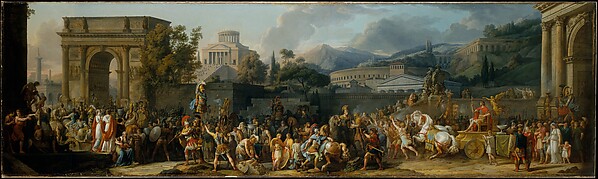
The Triumph of Aemilius Paulus, Carle (Antoine Charles Horace) Vernet, 1789

Carle Vernet

The Triumph of Aemilius Paulus, 1789

Metropolitan Museum of Art

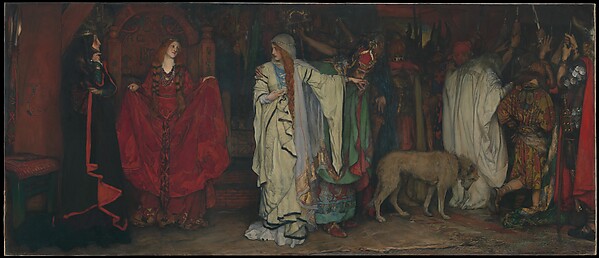
"King Lear," Act I, Scene I, Edwin Austin Abbey, 1898

Edwin Austin Abbey

"King Lear," Act I, Scene I, 1898

Metropolitan Museum of Art

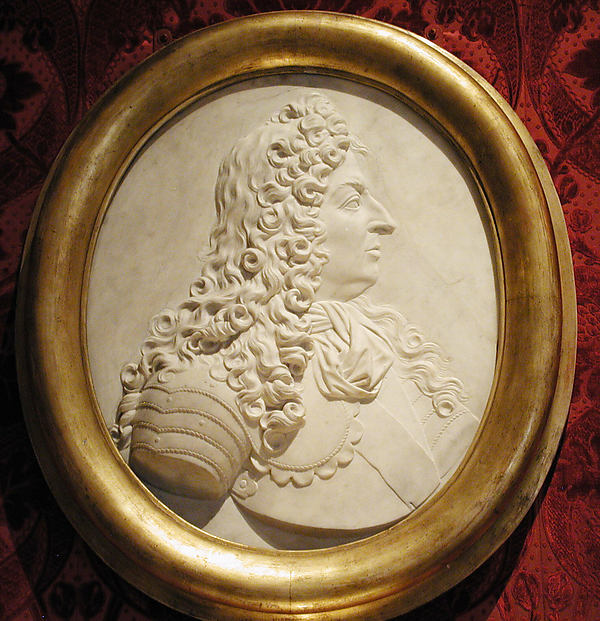
Portrait relief of Louis XIV (1638–1715), François Girardon, late 17th century

François Girardon

Portrait relief of Louis XIV (1638–1715), late 17th century

Metropolitan Museum of Art

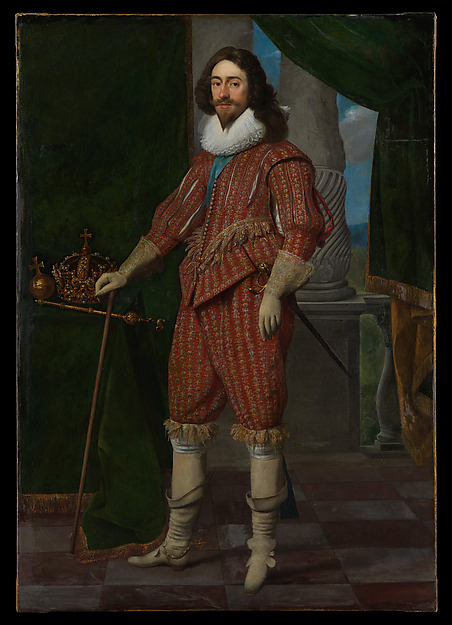
Charles I (1600–1649), King of England, Daniël Mijtens, 1629

Daniël Mijtens

Charles I (1600–1649), King of England, 1629

Metropolitan Museum of Art