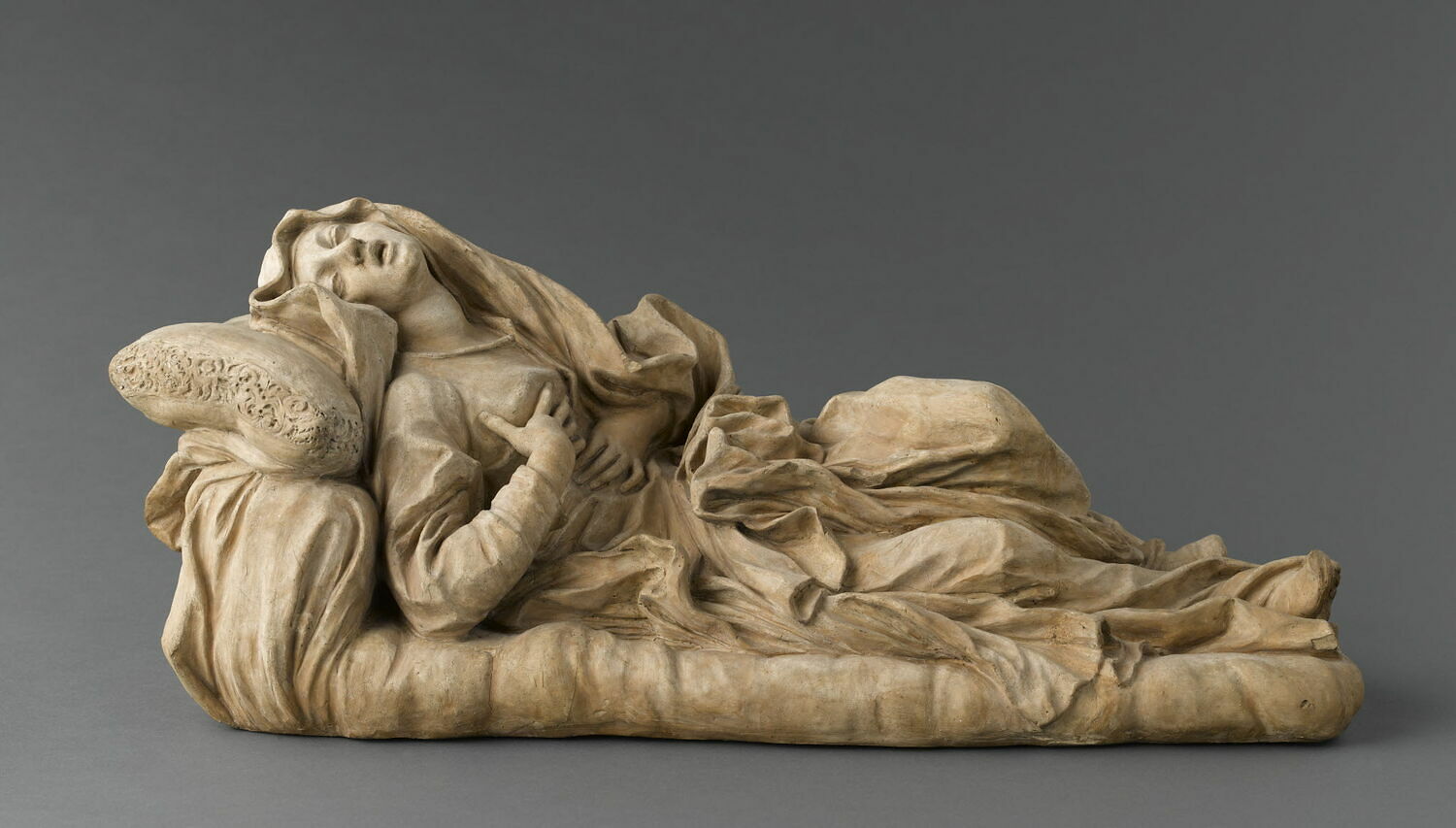
 Gian Lorenzo BerniniItalia, 1598–1680
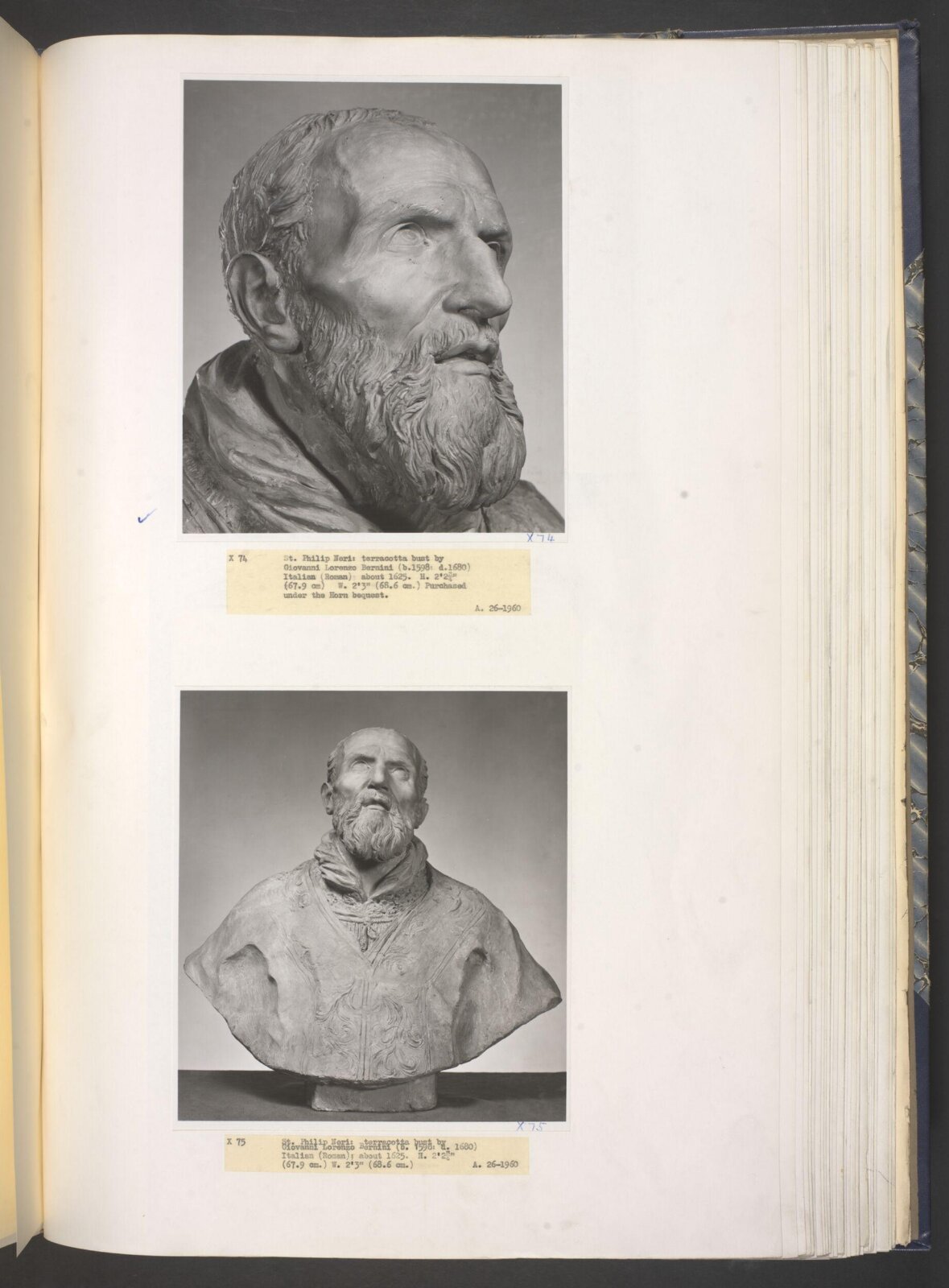
St Philip Neri
Si può ammirare?
Al momento non riceve

Londra, Regno Unito
Appartiene alla collezione, ma al momento non è esposta.
- Verificato
- Ultimo cambio di stato
- Fonte
- Il museo
Sulla scultura
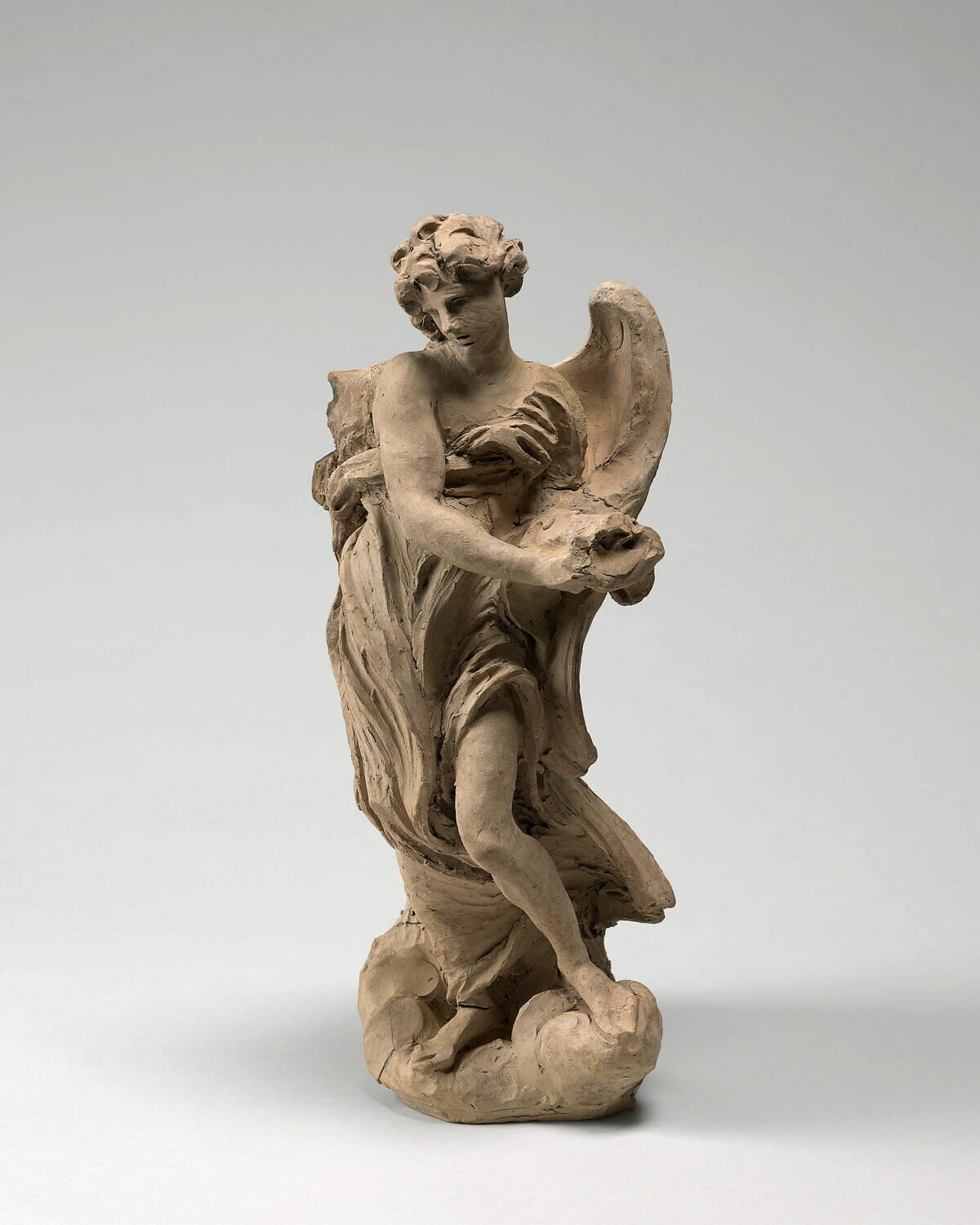
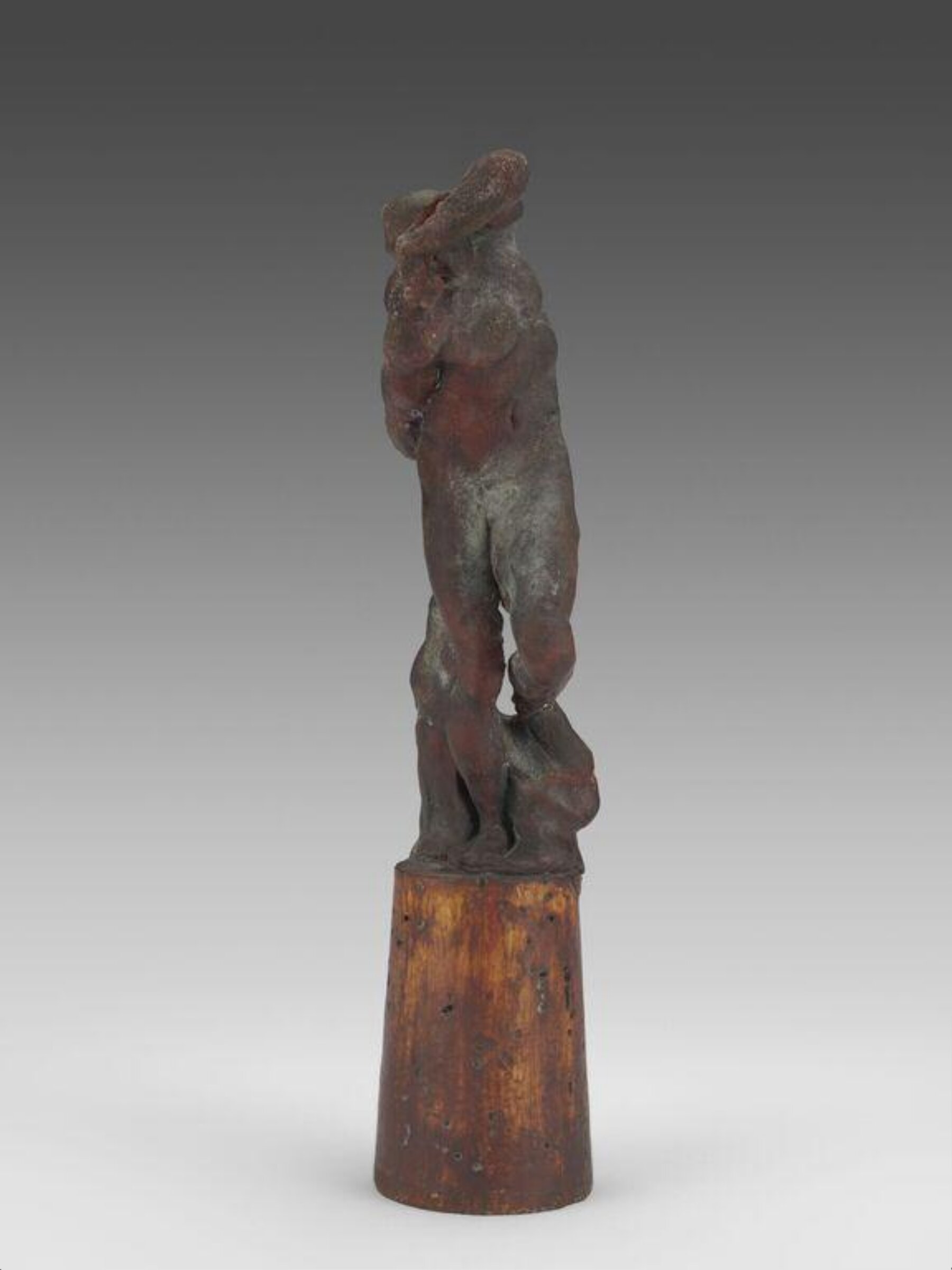
This terracotta bust representing Saint Philip Neri is made by Gian Lorenzo Bernini, in Rome in ca. 1625.
It appears to have been based on the death mask of the Saint preserved at Santa Maria in Vallicella.
Leggi
Gian Lorenzo Bernini (1598-1680) was a prolifiic sculptor, architect, painter and draughtsman. He was celebrated for his astonishing ability to produce 'living' marble sculpture. Bernini produced a series of dramatic over-life-size sculptures for Cardinal Scipione Borghese, including Pluto and Proserpine, Apollo and Daphne and David. One of Bernini's greatest works is the Cornaro Chapel in Santa Maria della Vittoria, Rome, which houses the famous Ecstacy of St Theresa. Bernini was patronised by a succession of popes and worked extensively at St Peter's Basilica, where he created the baldacchino (canopy), Cathedra Petri and two papal tombs, as well as designing St Peter's Square with its colonnades, and the great ceremonial staircase to the Vatican Palace.
Victoria and Albert Museum
Scheda
- Numero di inventario
- A.26-1960
Che cosa raffigura
In catalogo
Fonti
- Victoria and Albert Museum
- Immagine: Victoria and Albert Museum — © Victoria and Albert Museum, London
Nel frattempo, nella vita di Gian Lorenzo Bernini
Tutta la vita1606–1642 · Residenza
House of Pietro and Gianlorenzo Bernini (Rome)
1620s
Serious work as a painter
Encouraged by Urban VIII, who wanted him to paint the Loggia of the Blessings in St Peter's, Bernini began to develop his skill as a painter in earnest; according to early biographers he finished at least 150 canvases, mostly in 1620–1630, but only some 35–40 surviving paintings can be confidently attributed to him.
1623
Urban VIII becomes pope: the Barberini years
Bernini's old friend and former tutor Cardinal Maffeo Barberini became Pope Urban VIII and, until his death in 1644, gave the artist near-monopolistic patronage; Bernini was made curator of the papal art collection, director of the papal foundry at Castel Sant'Angelo and commissioner of the fountains of Piazza Navona.