 André MassonFrancia, 1896–1987
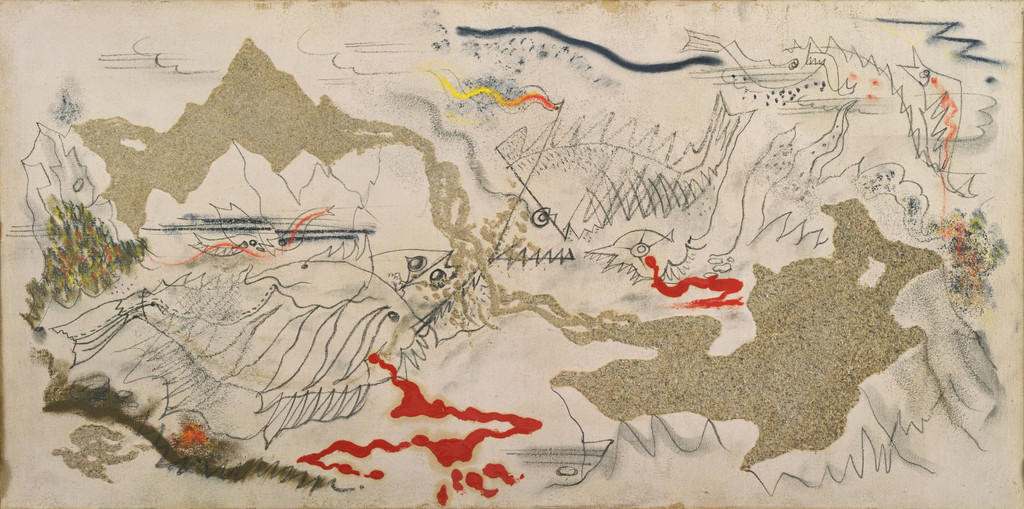
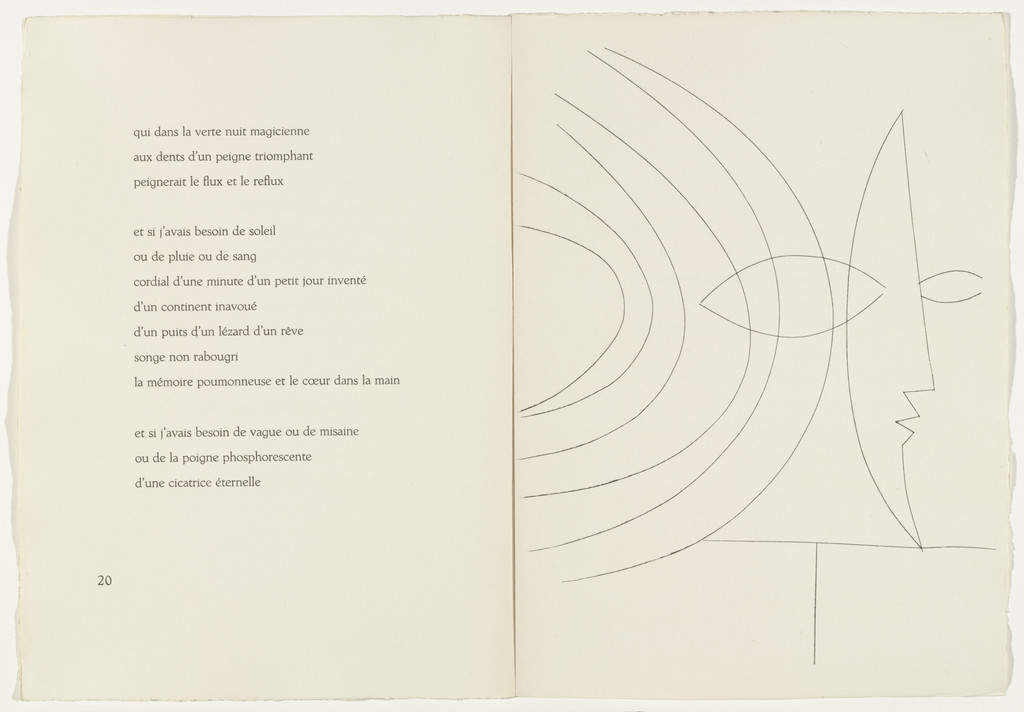
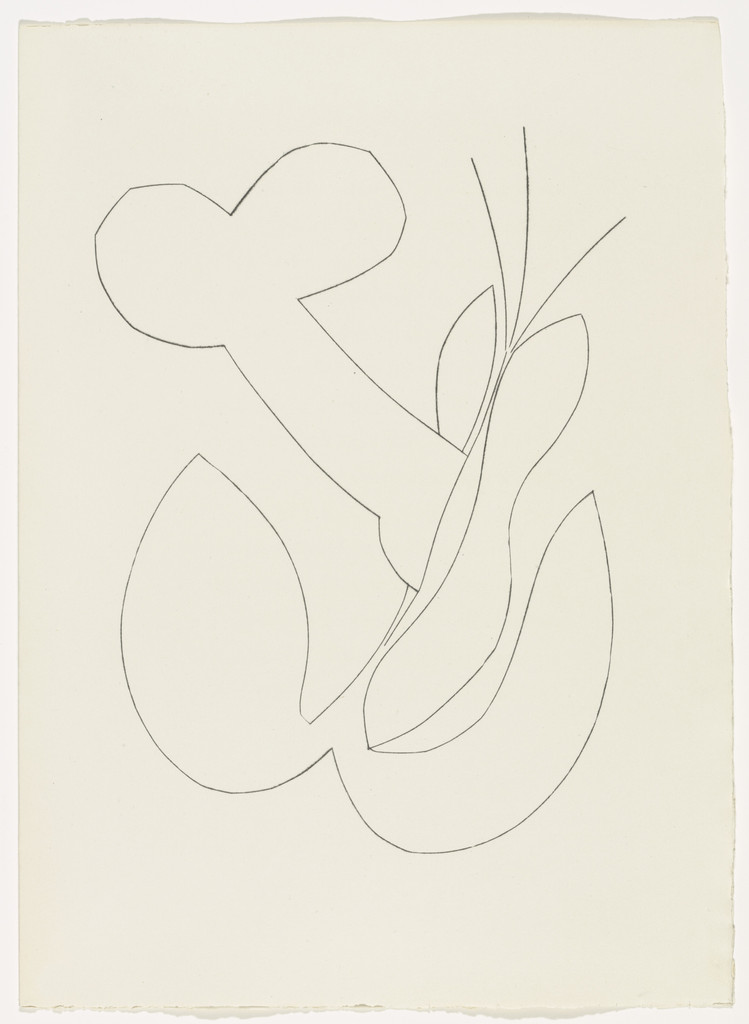
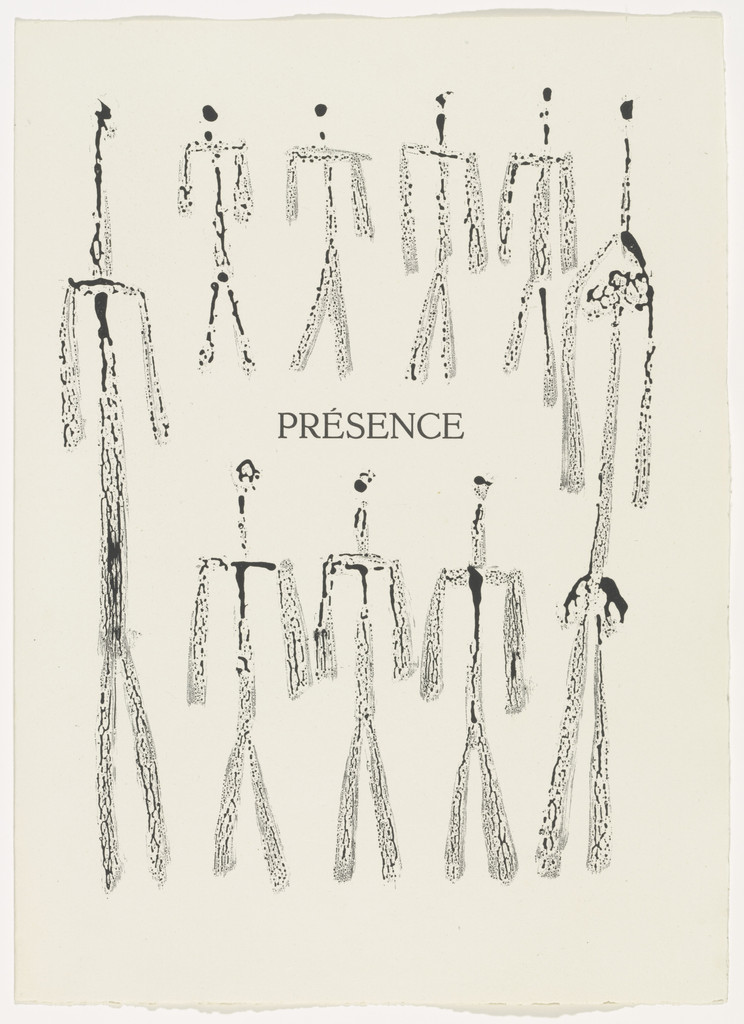
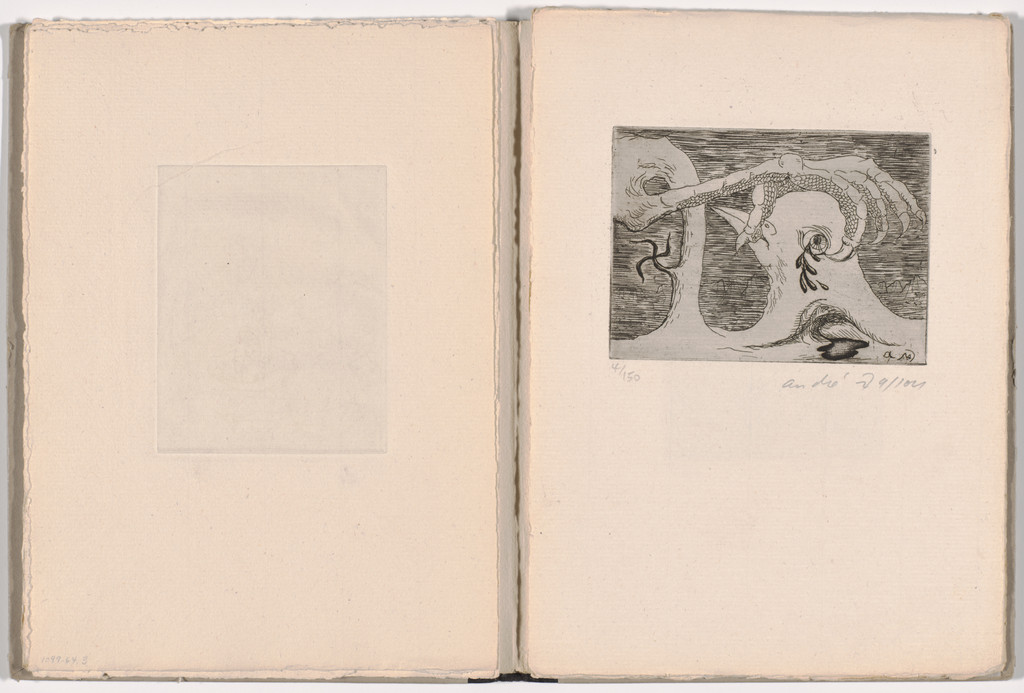
Spain Assassinated (Plate 4) from Solidarité (Solidarity)
Si può vedere?
Non esposta al momento
Dove si trova «Spain Assassinated (Plate 4) from Solidarité (Solidarity)» oggi? Collezione: Museum of Modern Art, New York. Non esposta al momento. Verificato 22 settembre 2026.

New York, Stati Uniti
Appartiene alla collezione, ma al momento non è esposta.
- Verificato
- Fonte
- Il museo
Scheda
- Numero di inventario
- 1099.1964.4
In catalogo
Fonti
- Museum of Modern Art
- Immagine: Museum of Modern Art — © the artist or rights holder
Nella vita di André Masson
Tutta la vita1934–1936
Leaves for Spain to escape the unrest in Paris
The Massons leave Paris to escape the violence that culminated in the riots of 6 February 1934 and settle in Tossa de Mar, a small fishing village on the Costa Brava, where their two sons, Diego and Luis, are born.
1934–1936
A night on Montserrat revives wartime memories
A hike in Catalonia that leaves the couple stranded on the mountain of Montserrat overnight prompts in Masson a flashback to his wartime experience of being shelled and wounded; he goes on to produce a number of paintings inspired by it.
1936
Returns to France on the eve of the Spanish Civil War
The family returns to France just before the outbreak of the Spanish Civil War, which is reflected in a number of Masson's paintings and anti-fascist drawings.
1936–1939
Draws the cover and images for “Acéphale”
Masson draws the cover of the first issue of Georges Bataille's review “Acéphale” in 1936 and produces the images for all its issues until 1939.
c. 1940
Escapes the Nazis with Varian Fry's help
The Nazis condemned Masson's work as degenerate; with the assistance of Varian Fry in Marseille he escapes on a ship to the island of Martinique and from there to the United States. On arrival in New York customs officials find a cache of his erotic drawings in his luggage.
1940–1945
Years in the United States: New Preston, Connecticut
Masson lives in New Preston, Connecticut; in exile he influences the development of the New York School and Abstract Expressionism, most notably Jackson Pollock and Arshile Gorky.