ART WIKI33.040 in sala
MappaCollezioneArtistiMuseiMostreRivista
Accedi

ART WIKI

Dove è appeso il capolavoro, e quando si può entrare.

Collezioni: Art Institute of Chicago, Cleveland Museum of Art, Ermitage, Galleria Tret'jakov, Getty Museum, Harvard Art Museums, Hirshhorn Museum and Sculpture Garden, Metropolitan Museum of Art, Minneapolis Institute of Art, Museo del Louvre, Museo Puškin delle belle arti, Museo russo, Museum of Modern Art, National Gallery of Art, National Museum of Asian Art, National Portrait Gallery, Rijksmuseum, Smithsonian American Art Museum, Statens Museum for Kunst, Victoria and Albert Museum, Villa Getty, Whitney Museum of American Art, Catalogo statale del fondo museale russo (274 musei), Europeana (19 musei), Wikidata (6 musei), Paris Musées (12 musei) e Joconde, la banca dati dei musei del Ministero della Cultura francese (495 musei). Le immagini appartengono ai titolari dei diritti.

Sezioni

  • Mappa
  • Ricerca
  • Collezione
  • Capolavori
  • Esposte ora
  • Artisti

Altro

  • Musei e gallerie
  • Mostre
  • Rivista
  • Da dove vengono i dati
  • Privacy e cookie
HomeMappaCatalogo
  1. Collezione/
  2. Museum of Modern Art/
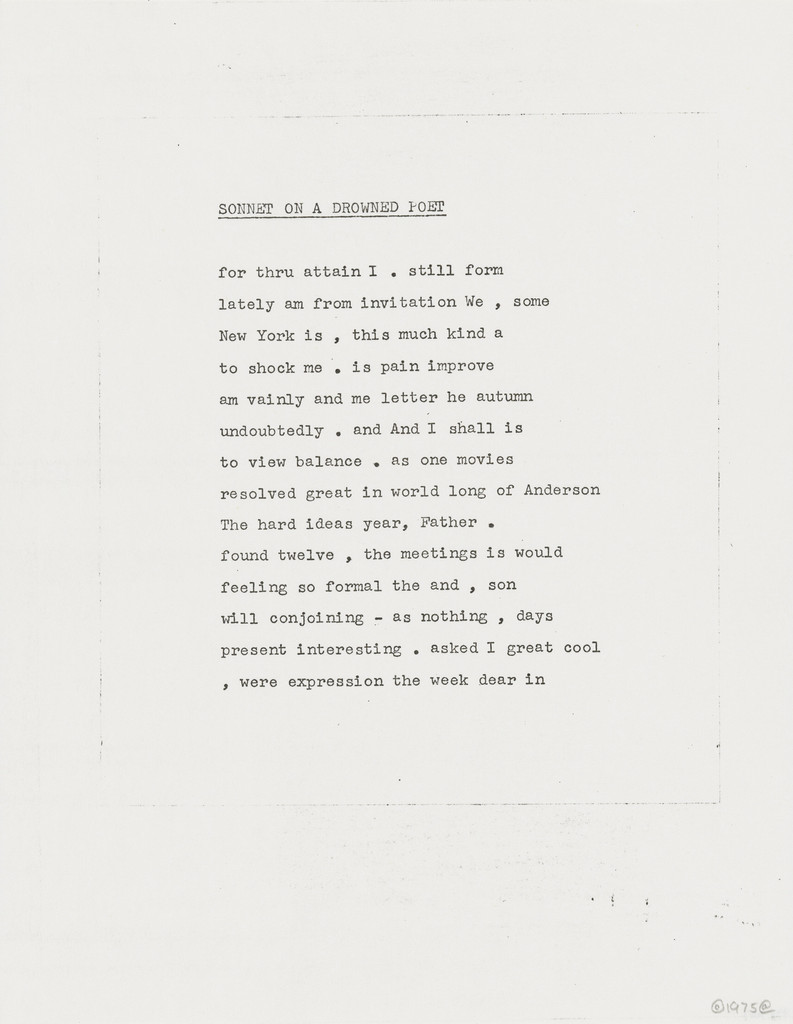
  3. Sonnet on a Drowned Poet
Sonnet on a Drowned Poet, Carl Andre, 1960, printed 1975
CCarl AndreStati Uniti, 1935–2024

Sonnet on a Drowned Poet

1960, printed 1975 · Print

Si può ammirare?

Al momento non riceve

Museum of Modern Art

New York, Stati Uniti

Appartiene alla collezione, ma al momento non è esposta.

Verificato
16 giorni fa
Fonte
Il museo
Sulla mappaPagina del museo

Scheda

1960, printed 1975
19352024
Numero di inventario
978.2007

In catalogo

StampeArte del dopoguerraXX secolo

Fonti

  • Museum of Modern Art
  • Immagine: Museum of Modern Art — © the artist or rights holder

Nel frattempo, nella vita di Carl Andre

Tutta la vita
  1. 1958–1960

    A shared studio with Frank Stella

    In 1958 he becomes reacquainted with a former classmate from Phillips Academy, Frank Stella, and shares a studio with him until 1960. Brâncuși inspires his first wooden sculptures, but conversations with Stella about space and form lead him in a different direction; seeing the hunks of wood cut away from one of his sculptures, Stella remarks that this too is sculpture.

  2. 1960

    Sketches for the “Elements”: the modular principle

    He makes sketches for a series of sculptures called “Elements”, built from standard blocks of wood 12 × 12 × 36 inches in simple configurations, but lacks the money to buy the timber. The decision to use modular units in regular, repeated compositions will become the basis of his later work.

  3. 1960–1964

    A conductor on the Pennsylvania Railroad

    He works as a freight brakeman and train conductor in New Jersey for the Pennsylvania Railroad. The experience of blue-collar labour and the ordered nature of freight trains will shape his sculpture and persona: he often turns up in overalls and a blue work shirt, even at the most formal occasions.

  4. 1965

    First public exhibition: “Shape and Structure”

    He shows his work in public for the first time in the exhibition “Shape and Structure” at the Tibor de Nagy Gallery, curated by Henry Geldzahler.

  5. 1966

    “Lever” at “Primary Structures”

    “Lever” — a single line of 137 firebricks hugging the floor and concisely dividing a space — is included in the exhibition “Primary Structures” at the Jewish Museum in New York; the controversial work brings Andre considerable recognition.

  6. 1970

    Solo exhibition at the Guggenheim Museum

    His solo exhibition takes place at the Solomon R. Guggenheim Museum; “37 Pieces of Work”, which lies flat on the floor, is shown there for the first time.
Altre opere di Carl Andre

Tutte le opere
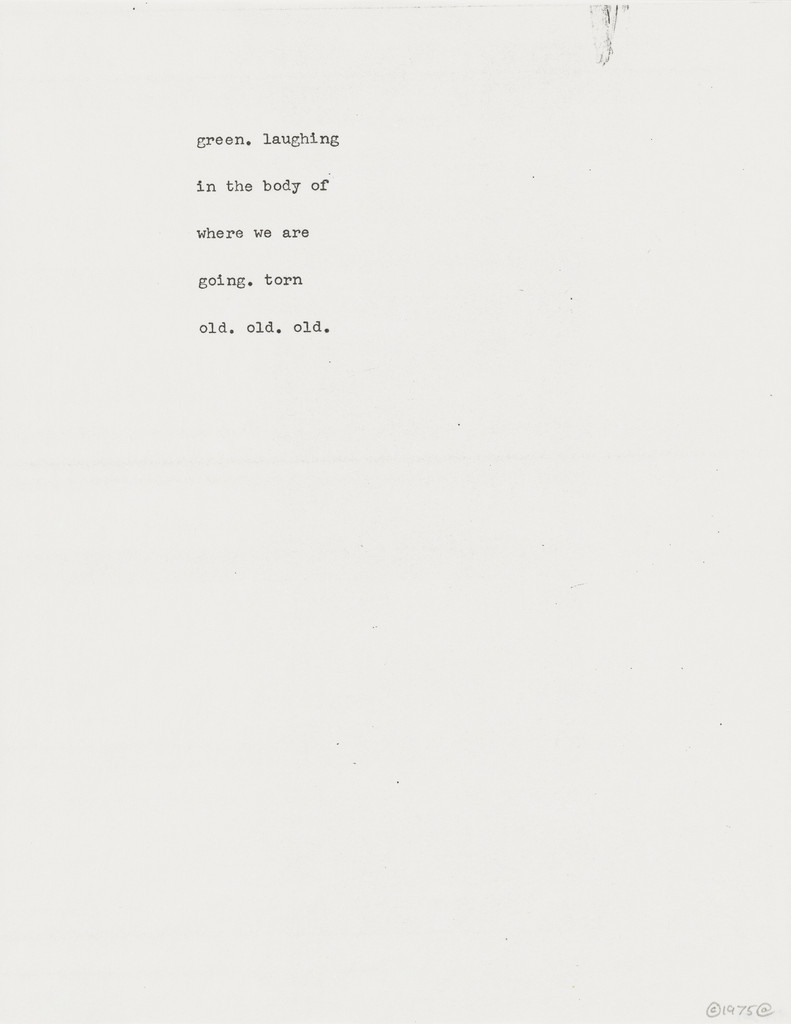
green. laughing, Carl Andre, 1958, printed 1975

green. laughing

1958, printed 1975 · Non esposta · Museum of Modern Art

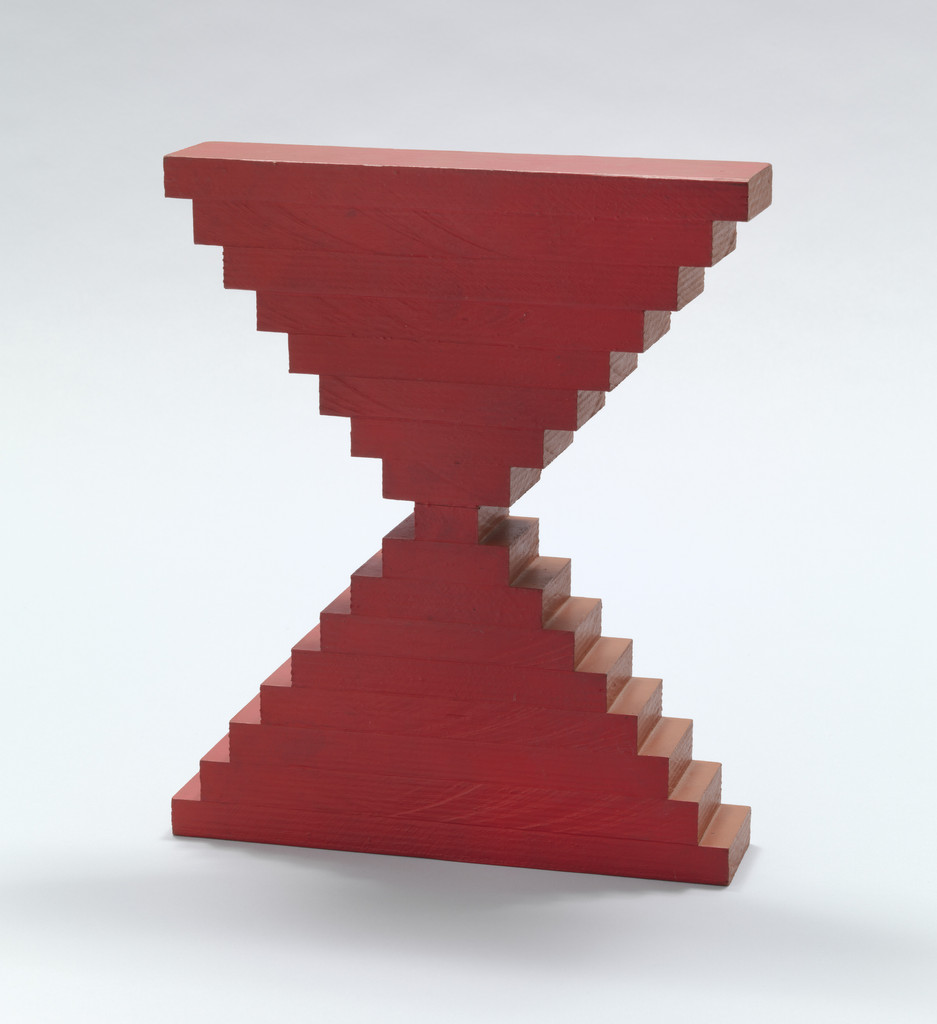
Hour Rose, Carl Andre, 1959

Hour Rose

1959 · Non esposta · Museum of Modern Art

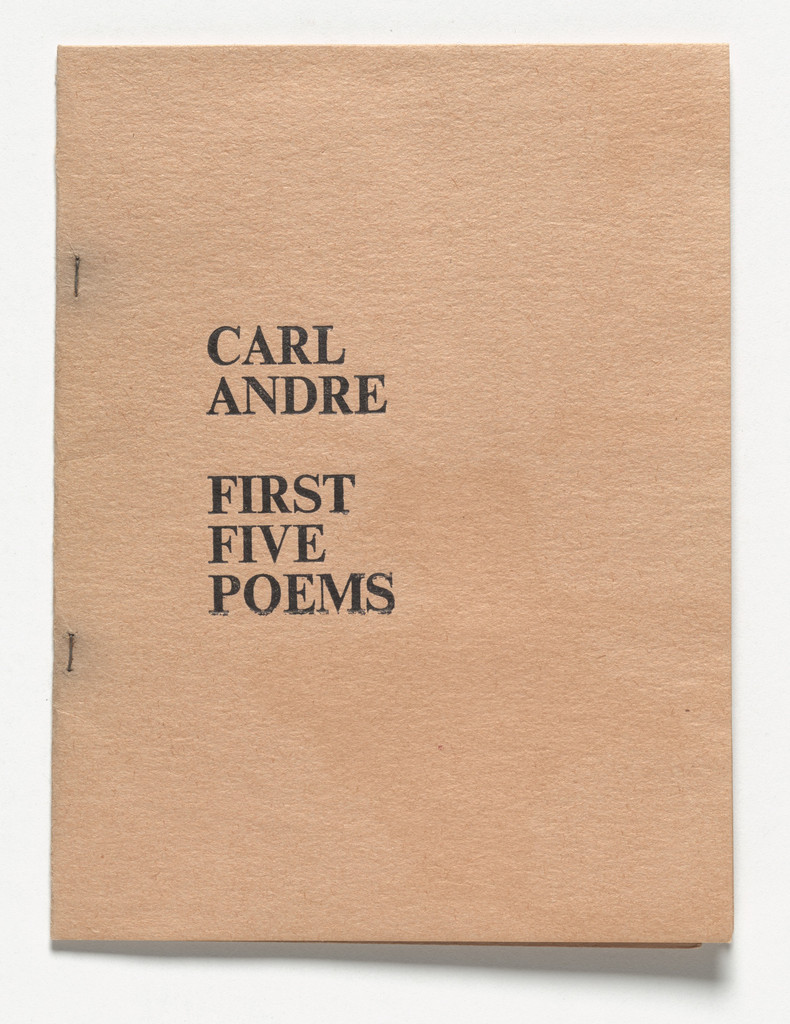
First Five Poems, Carl Andre, c. 1959

First Five Poems

c. 1959 · Non esposta · Museum of Modern Art

Seven Books of Poetry, Carl Andre, 1960–69, published 1969

Seven Books of Poetry

1960–69, published 1969 · Non esposta · Museum of Modern Art

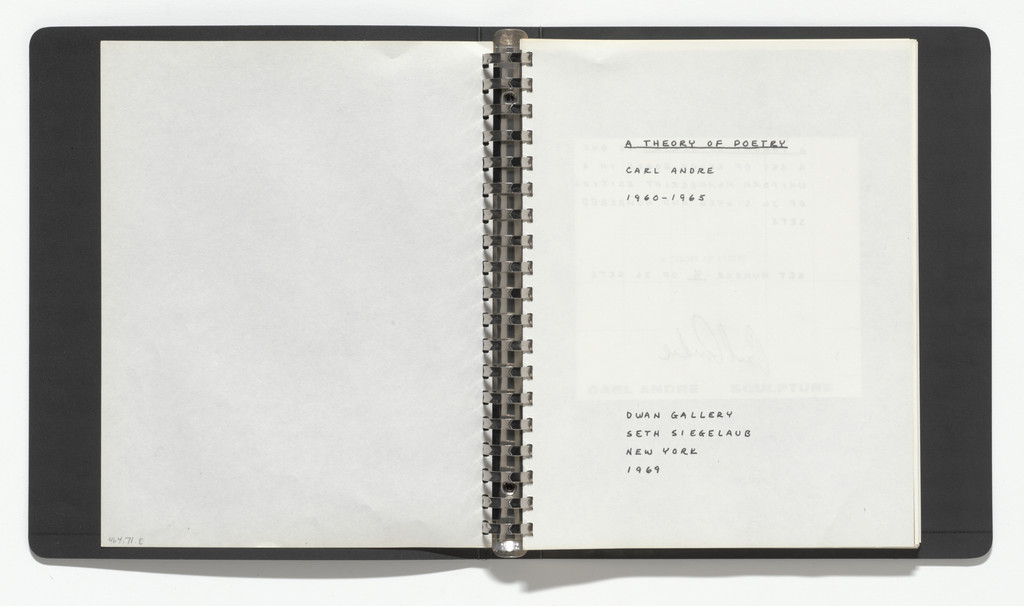
A Theory of Poetry, volume 3 from Seven Books of Poetry, Carl Andre, 1960–65, published 1969

A Theory of Poetry, volume 3 from Seven Books of Poetry

1960–65, published 1969 · Non esposta · Museum of Modern Art

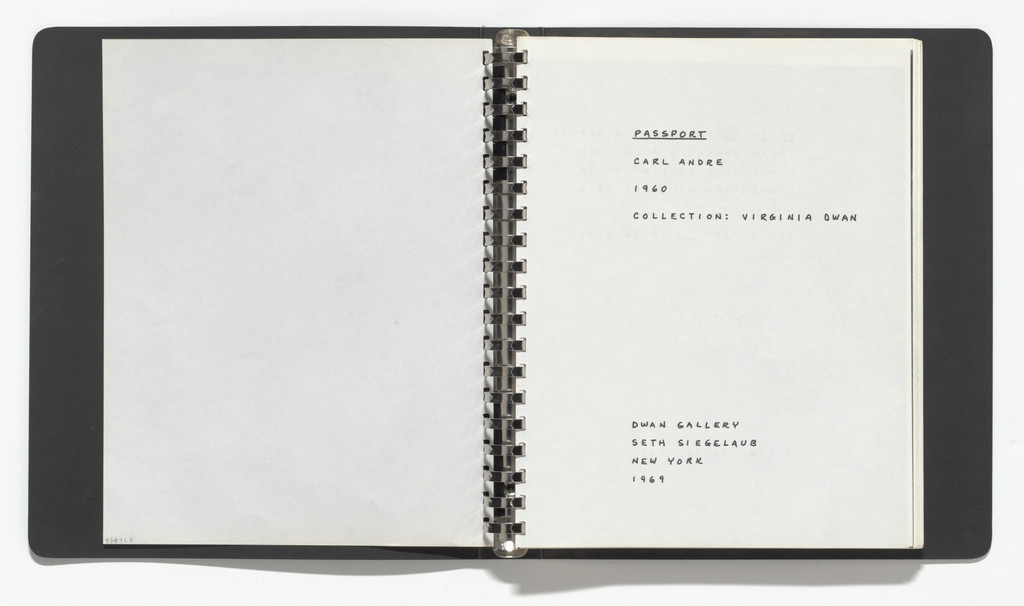
Passport, volume 1 from Seven Books of Poetry, Carl Andre, 1960, published 1969

Passport, volume 1 from Seven Books of Poetry

1960, published 1969 · Non esposta · Museum of Modern Art

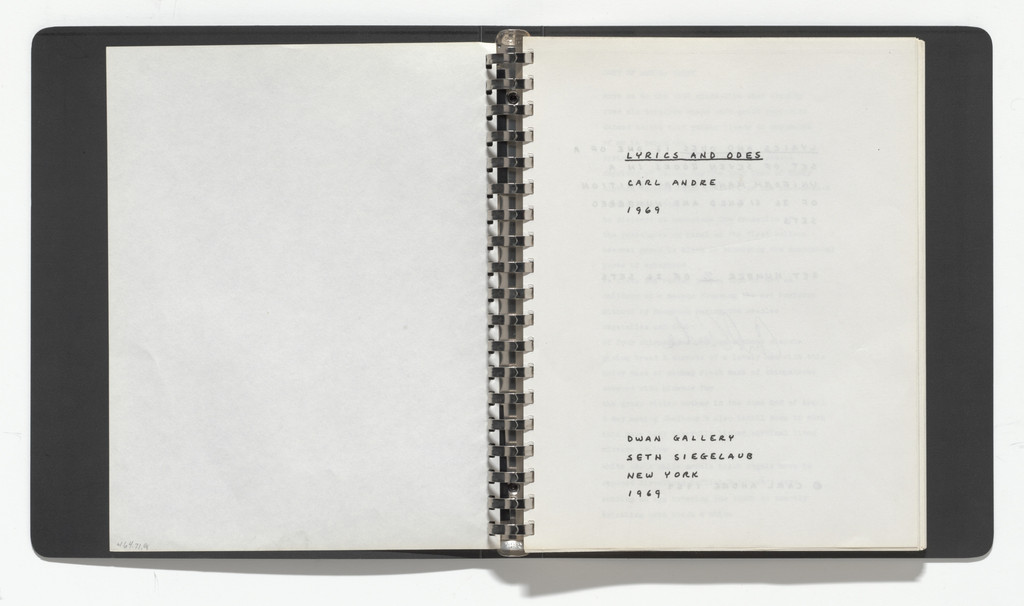
Lyrics and Odes, volume 7 from Seven Books of Poetry, Carl Andre, 1960–69, published 1969

Lyrics and Odes, volume 7 from Seven Books of Poetry

1960–69, published 1969 · Non esposta · Museum of Modern Art

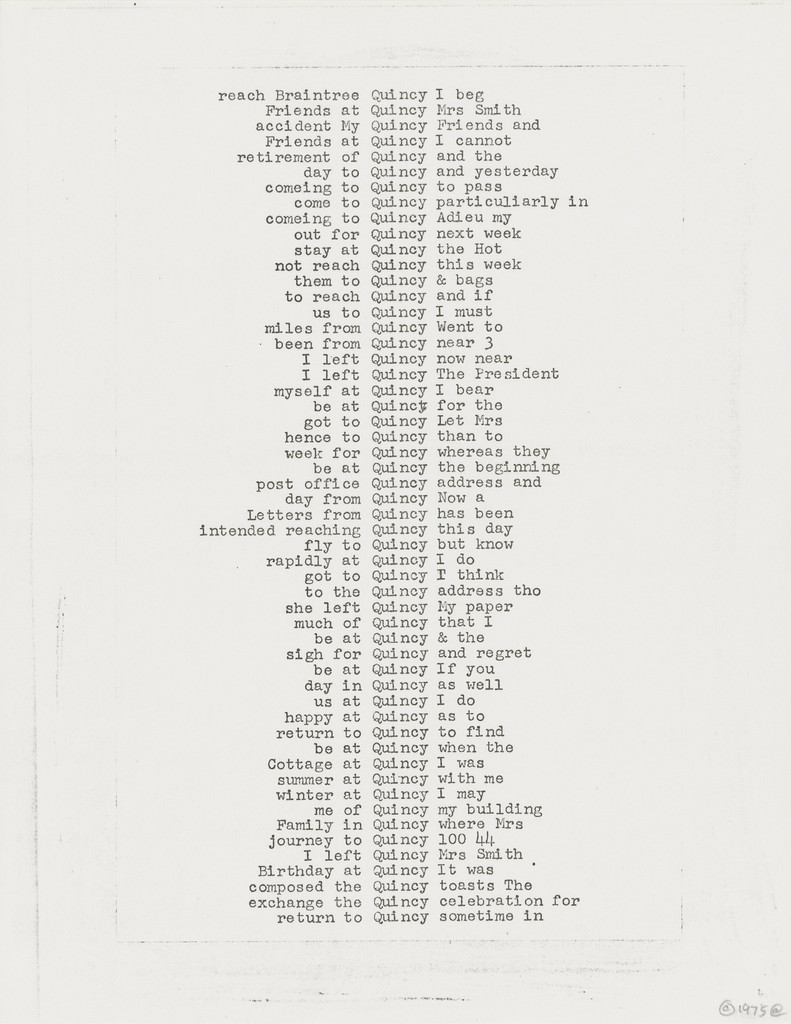
reach Braintree Quincy I beg, Carl Andre, 1960, printed 1975

reach Braintree Quincy I beg

1960, printed 1975 · Non esposta · Museum of Modern Art

Sotto lo stesso tetto: Museum of Modern Art

Pagina del museo
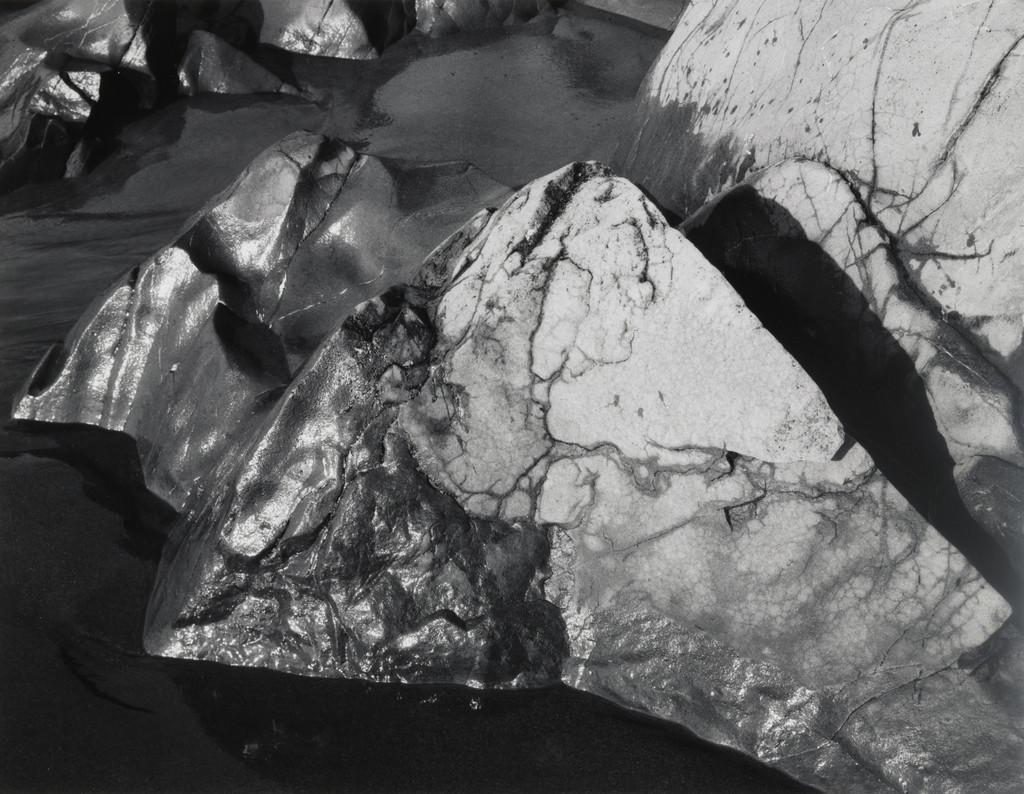
Rock, Bakers Beach, San Francisco, California, Ansel Adams, c. 1931

Ansel Adams

Rock, Bakers Beach, San Francisco, California, c. 1931

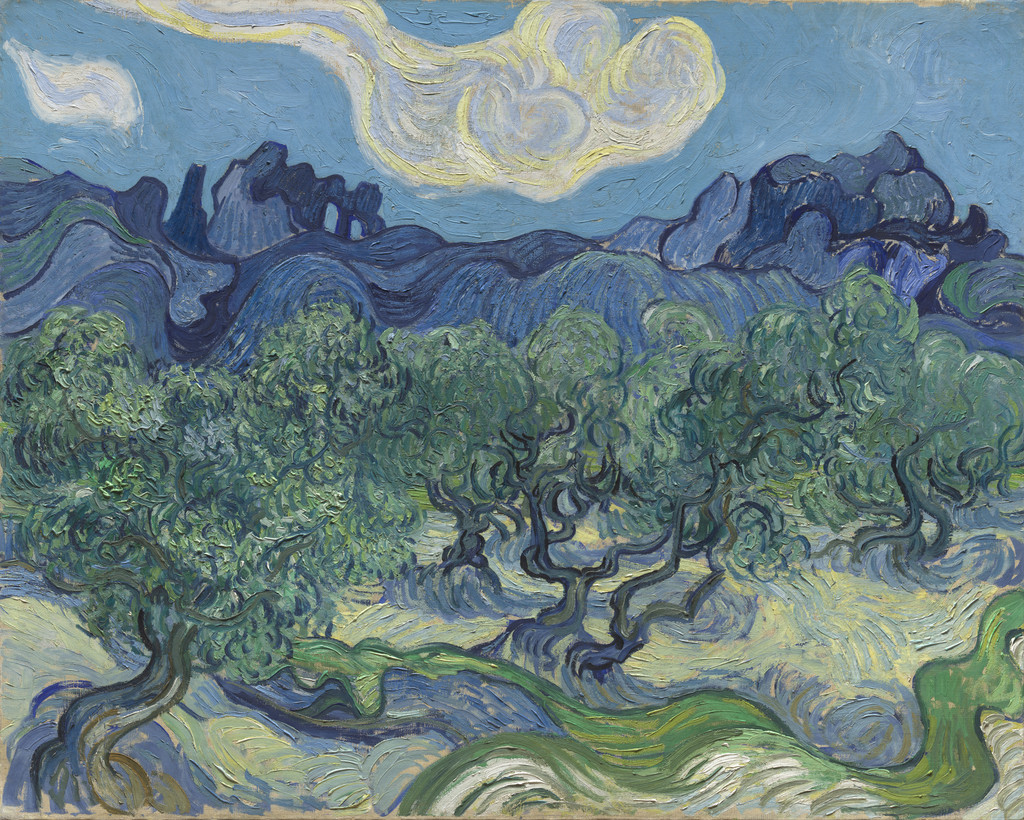
The Olive Trees, Vincent van Gogh, Saint Rémy, June-July 1889

Vincent van Gogh

The Olive Trees, Saint Rémy, June-July 1889

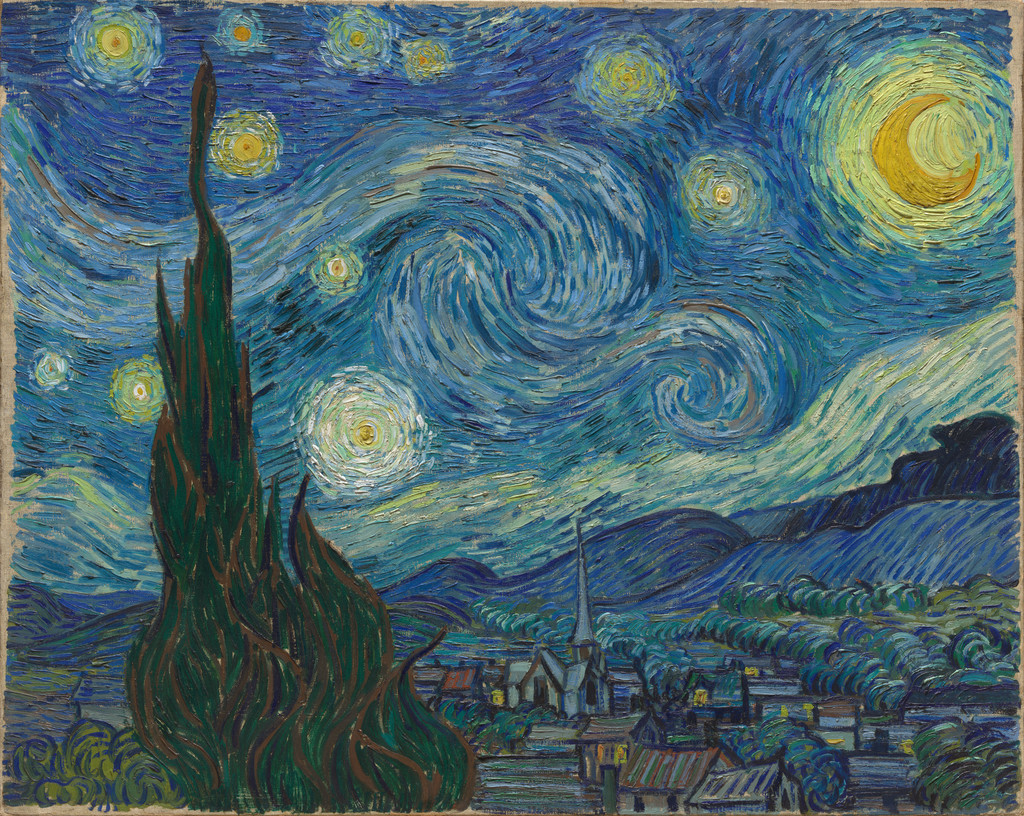
The Starry Night, Vincent van Gogh, Saint Rémy, June 1889

Vincent van Gogh

Notte stellata, Saint Rémy, June 1889

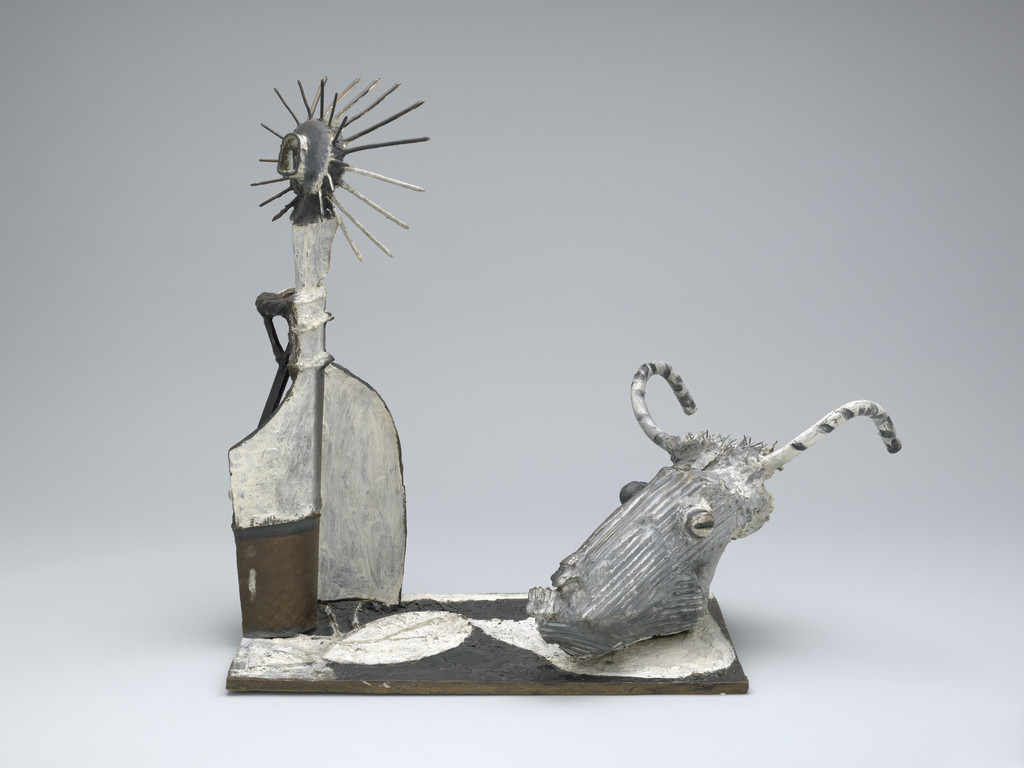
Goat Skull and Bottle, Pablo Picasso, Vallauris, 1951 (cast 1954)

Pablo Picasso

Goat Skull and Bottle, Vallauris, 1951 (cast 1954)

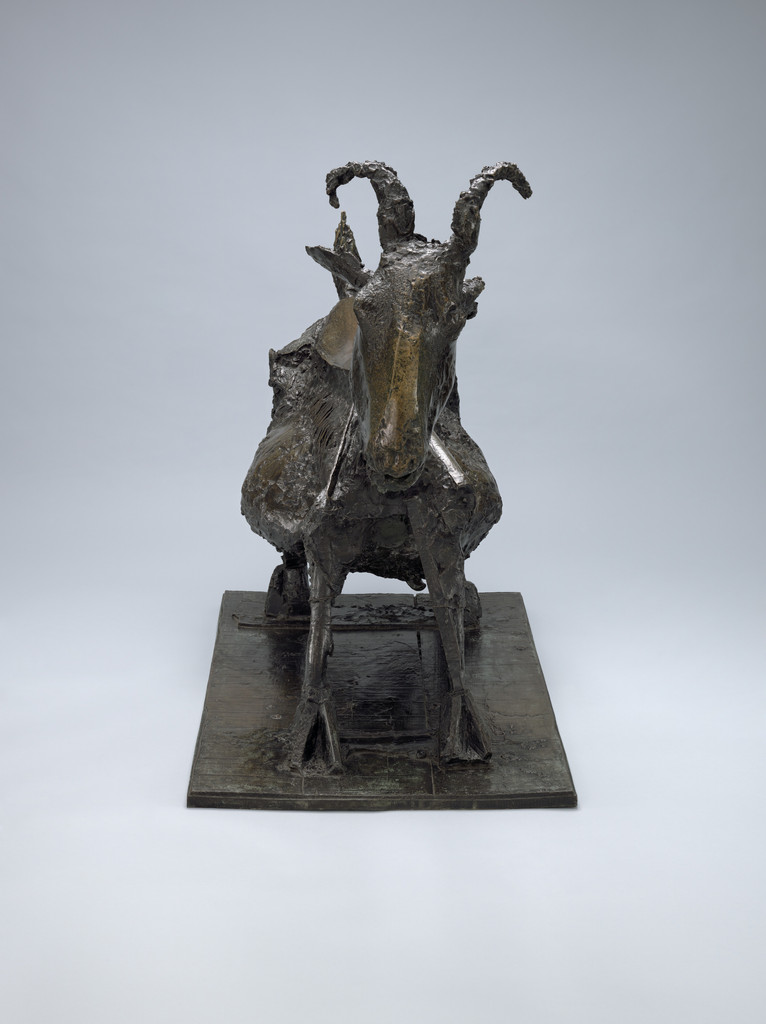
She-Goat, Pablo Picasso, Vallauris, 1950 (cast 1952)

Pablo Picasso

She-Goat, Vallauris, 1950 (cast 1952)

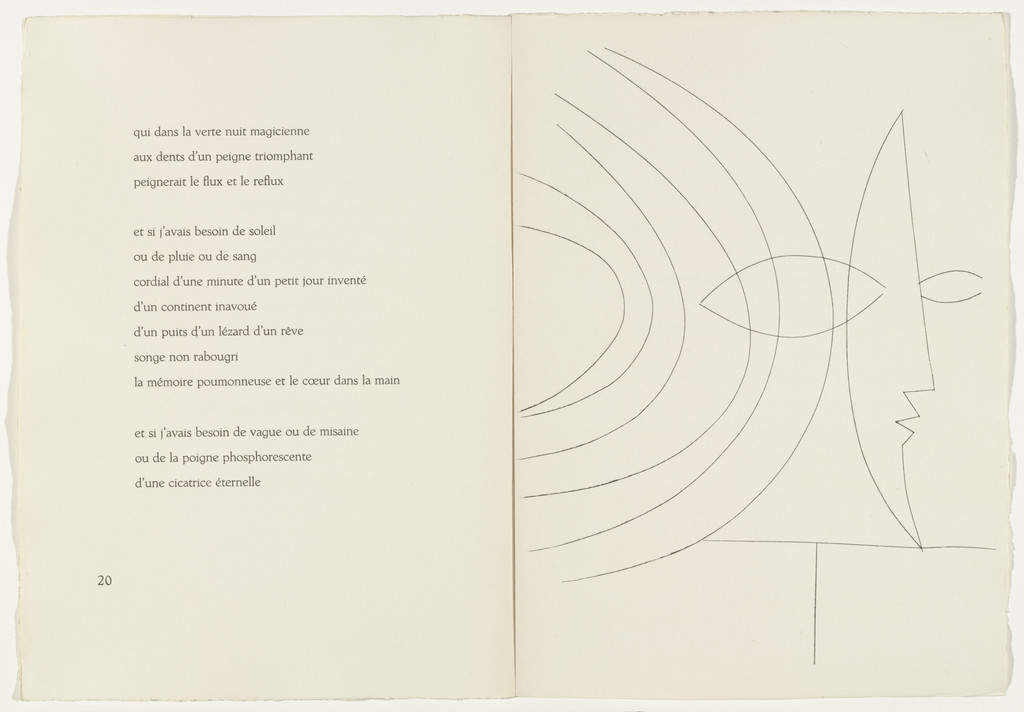
Face in Profile (plate, page 21) from Corps perdu, Pablo Picasso, 1949, published 1950

Pablo Picasso

Face in Profile (plate, page 21) from Corps perdu, 1949, published 1950

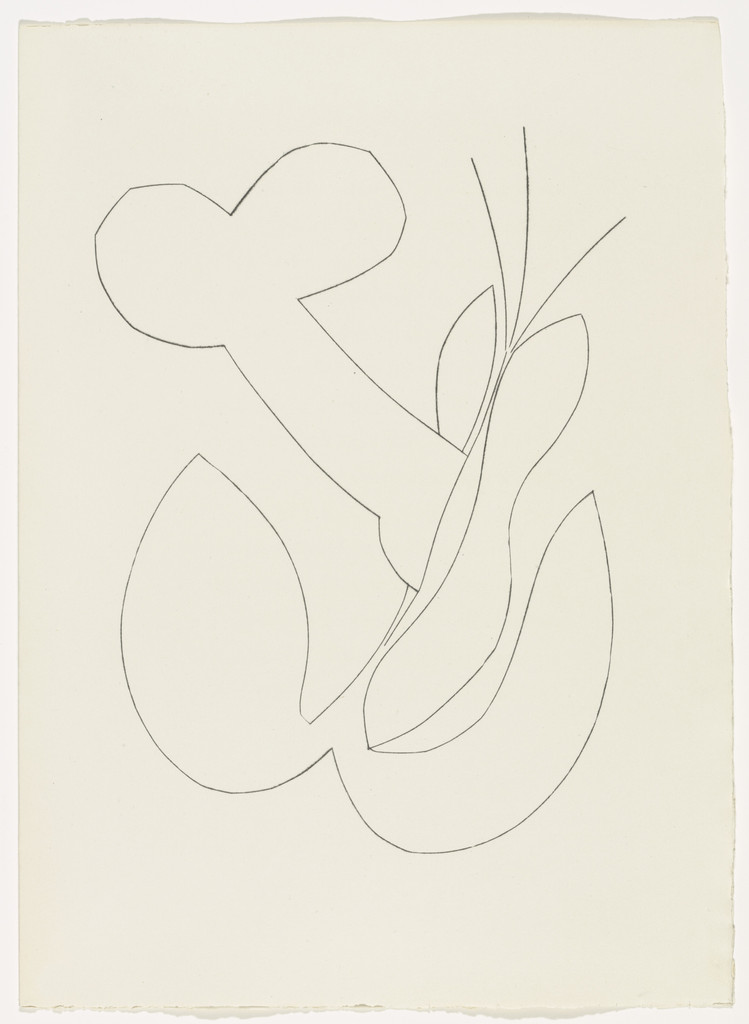
Coupling (plate, page 17) from Corps perdu, Pablo Picasso, 1949, published 1950

Pablo Picasso

Coupling (plate, page 17) from Corps perdu, 1949, published 1950

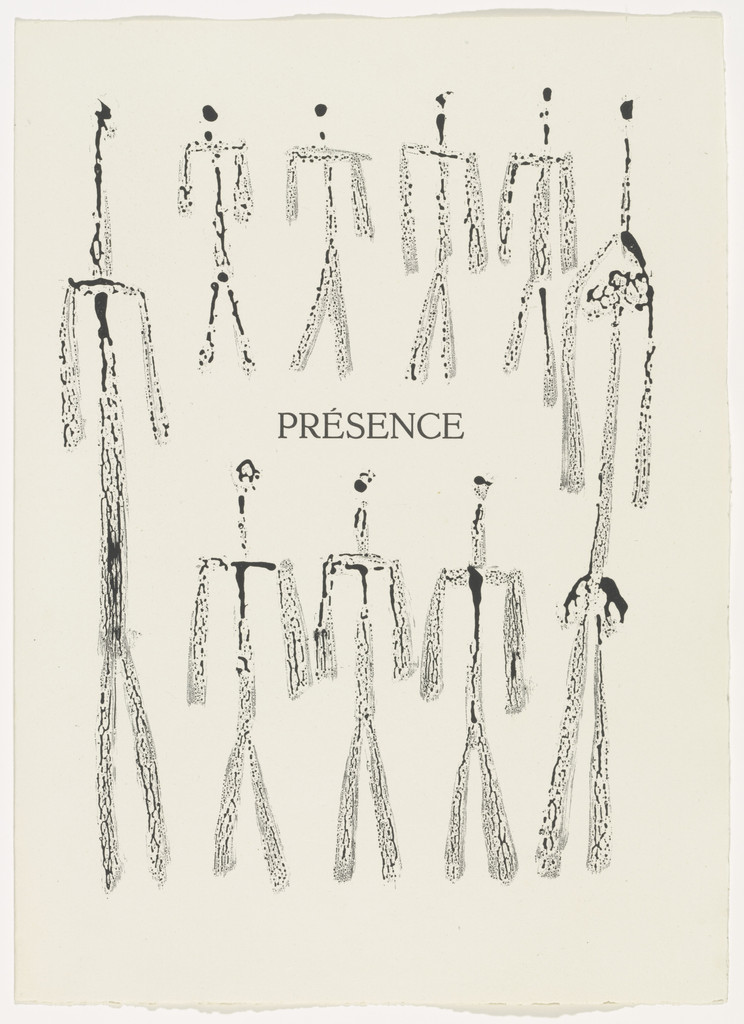
"Présence" (chapter title, page 13) from Corps perdu, Pablo Picasso, 1949, published 1950

Pablo Picasso

"Présence" (chapter title, page 13) from Corps perdu, 1949, published 1950