ART WIKI32.963 in sala
MappaCollezioneArtistiMuseiMostreRivista
Accedi

ART WIKI

Dove è appeso il capolavoro, e quando si può entrare.

Collezioni: Art Institute of Chicago, Cleveland Museum of Art, Ermitage, Galleria Tret'jakov, Getty Museum, Harvard Art Museums, Hirshhorn Museum and Sculpture Garden, Metropolitan Museum of Art, Minneapolis Institute of Art, Museo del Louvre, Museo Puškin delle belle arti, Museo russo, Museum of Modern Art, National Gallery of Art, National Museum of Asian Art, National Portrait Gallery, Rijksmuseum, Smithsonian American Art Museum, Statens Museum for Kunst, Victoria and Albert Museum, Villa Getty, Whitney Museum of American Art, Catalogo statale del fondo museale russo (274 musei), Europeana (19 musei), Wikidata (6 musei), Paris Musées (12 musei) e Joconde, la banca dati dei musei del Ministero della Cultura francese (495 musei). Le immagini appartengono ai titolari dei diritti.

Sezioni

  • Mappa
  • Ricerca
  • Collezione
  • Capolavori
  • Esposte ora
  • Artisti

Altro

  • Musei e gallerie
  • Mostre
  • Rivista
  • Da dove vengono i dati
  • Privacy e cookie
HomeMappaCatalogo
  1. Collezione/
  2. Victoria and Albert Museum/
  3. Sleeping Cupid
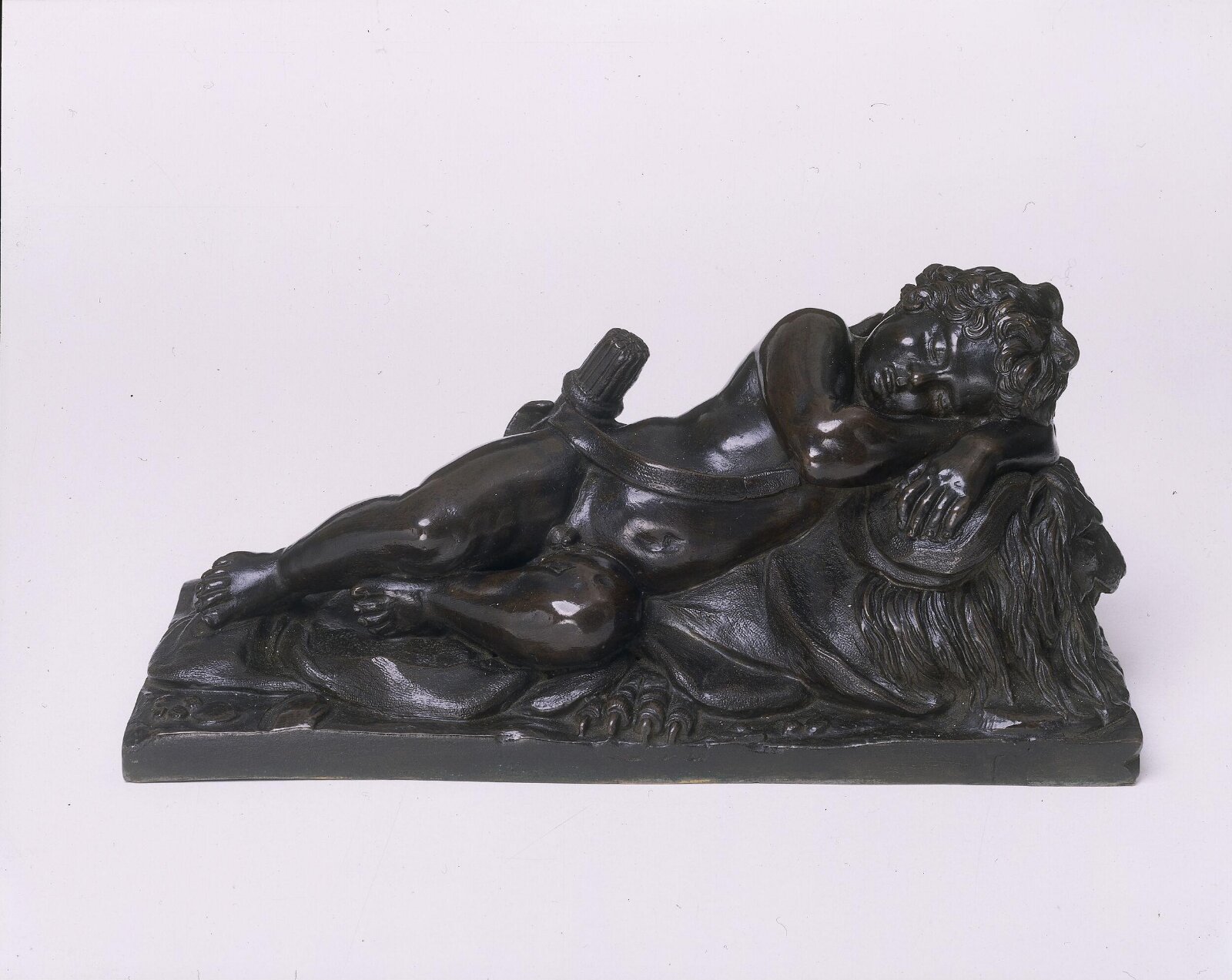
Sleeping Cupid, Francesco Fanelli, 1635-1640

Sleeping Cupid

1635-1640 · Sculpture · 11.1 × 12 cm

Sulla scultura

Object Type

The bronze is signed underneath with a single F, while another version in a private collection in England is marked FFF, representing the sculptor's name and city of origin (Florence). The monogram was added in the wax before casting. This signed Cupid is rare and of high quality, but Fanelli's bronzes were reproduced in some numbers, of varying quality, even after his death.

People

Fanelli was born in Florence. He worked in Genoa, using marble, ivory and silver, as well as bronze, before coming to England in the early 1630s. Although he was said to have 'livd and dyd in England', it has sometimes been assumed that he left the country at the outbreak of the Civil War. The recent discovery of his baptismal records, revealing his birth date of 1577, make it more likely that he died around 1641, when he was last documented.

Time

Continua a leggere

In the late 16th century, the sculptor Giovanni Bologna (1529-1608, active in Florence), and his followers were responsible for a significant output of sophisticated and high quality statuettes. These were dispersed throughout Europe and Charles I inherited a group from his elder brother, Henry, who died in 1612. They doubtless influenced both the King's taste and Francesco Fanelli's production.

Materials & Making

Bronze is an alloy of copper and tin, though its exact content can vary. Fanelli's 'bronzes' actually appear to be brass, which is a copper-zinc alloy, with a dark lacquer applied to the surface.

The lost wax method of casting is a complicated procedure that creates a bronze sculpture using a wax model taken from the original design. In Fanelli's workshop, waxes were cast in moulds taken from individual elements of the original, which could have been made of clay or wax. By assembling the wax sections slightly differently, Fanelli was able to produce variations of the same composition.

Altre opere di Francesco Fanelli

Tutte le opere

Nella stessa sala · British Galleries, Room 56, The Djanogly Gallery, Victoria and Albert Museum

Pagina del museo

Sullo stesso tema · Cupid

Tutte le opere sul tema

Victoria and Albert Museum

Scheda

Numero di inventario
A.2&:2-1981

Fonti

  • Victoria and Albert Museum
  • Immagine: Victoria and Albert Museum — © Victoria and Albert Museum, London
Francesco Fanelli, ritrattoFrancesco FanelliItalia, 1577

Si può ammirare?

Sì, riceve visite

Victoria and Albert Museum

Londra, Regno Unito

SalaBritish Galleries, Room 56, The Djanogly Gallery

Esposta al pubblico. Chi lo garantisce è indicato qui sotto.

Verificato
12 giorni fa
Ultimo cambio di stato
25 set 2026
Fonte
Il museo
Sulla mappaPagina del museo
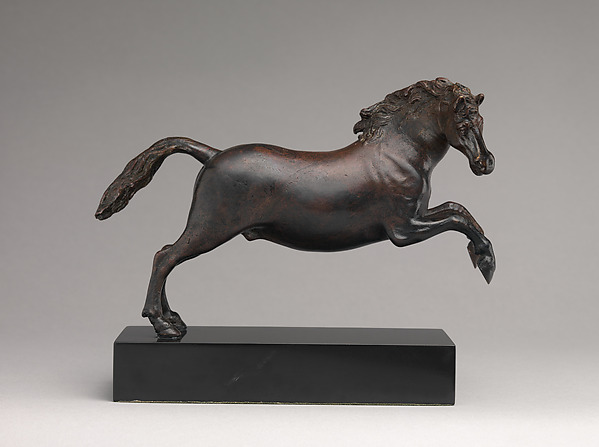
Galloping horse, Francesco Fanelli, second half of the 17th century

Galloping horse

second half of the 17th century · Metropolitan Museum of Art

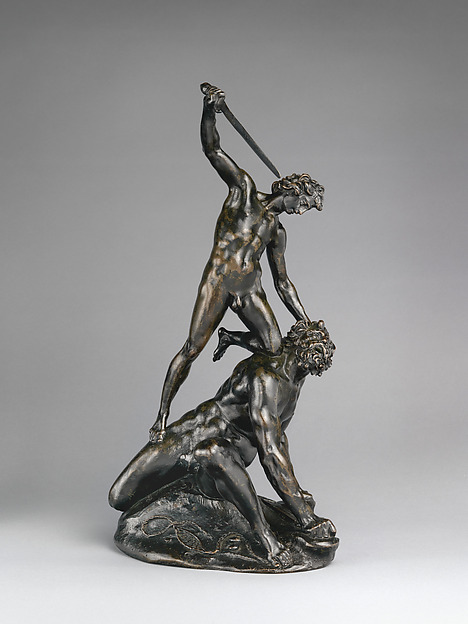
David and Goliath, Francesco Fanelli, 17th century cast

David and Goliath

17th century cast · Metropolitan Museum of Art

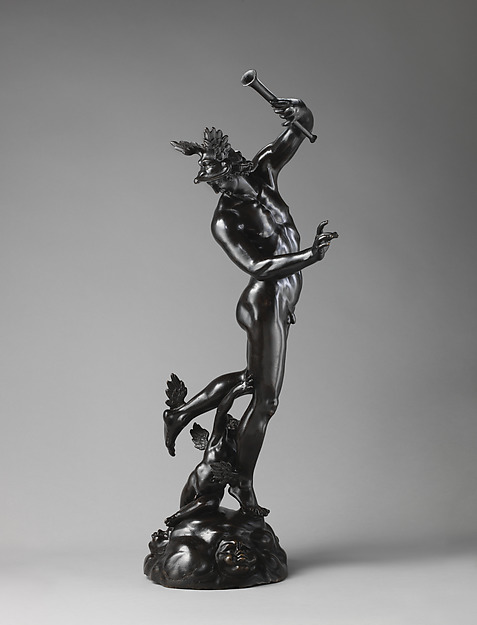
Mercury and Cupid, Francesco Fanelli, late 1630s

Mercury and Cupid

late 1630s · Metropolitan Museum of Art

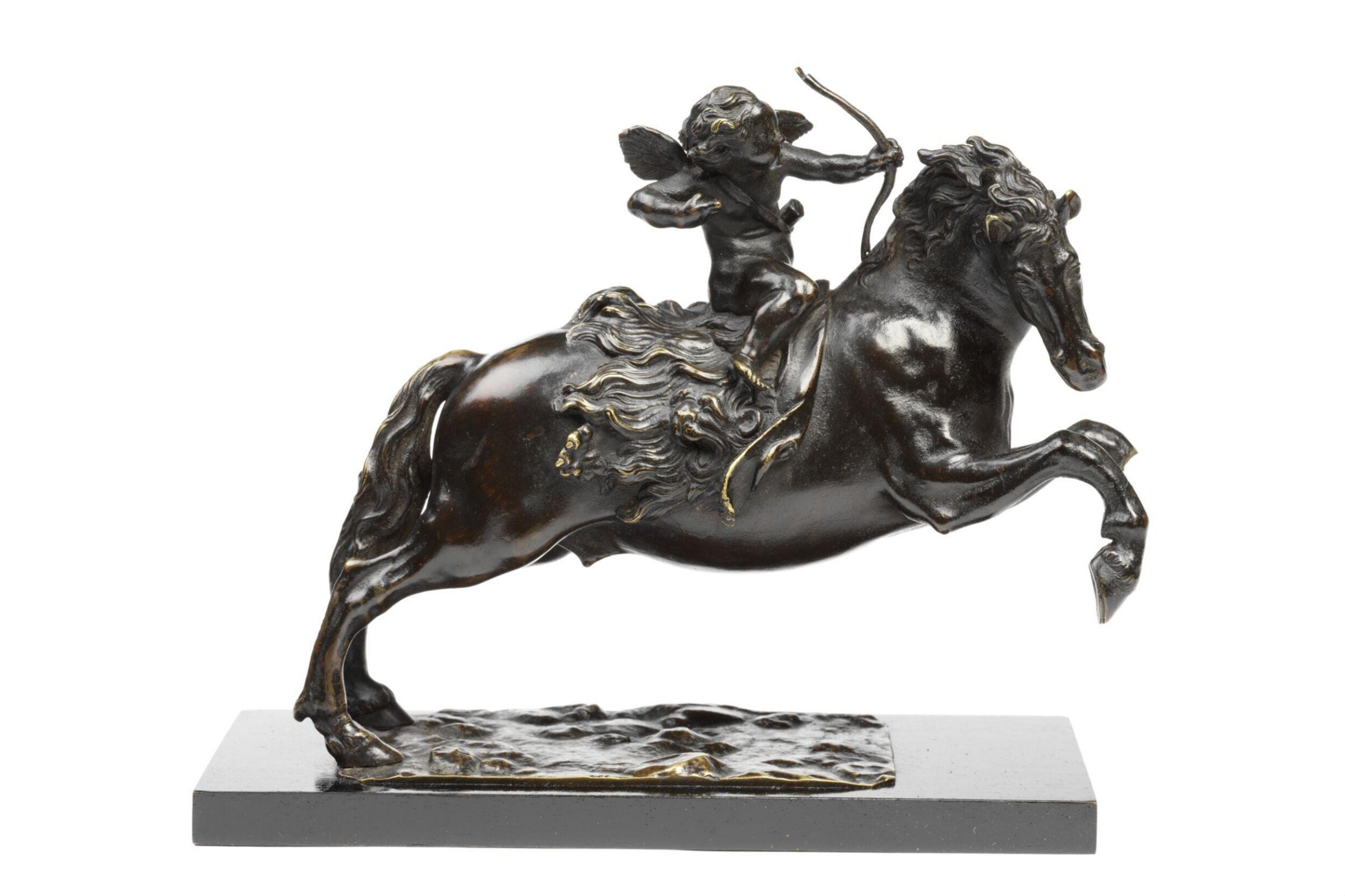
Cupid on Horseback, Francesco Fanelli, 1632-1639

Cupid on Horseback

1632-1639 · Victoria and Albert Museum

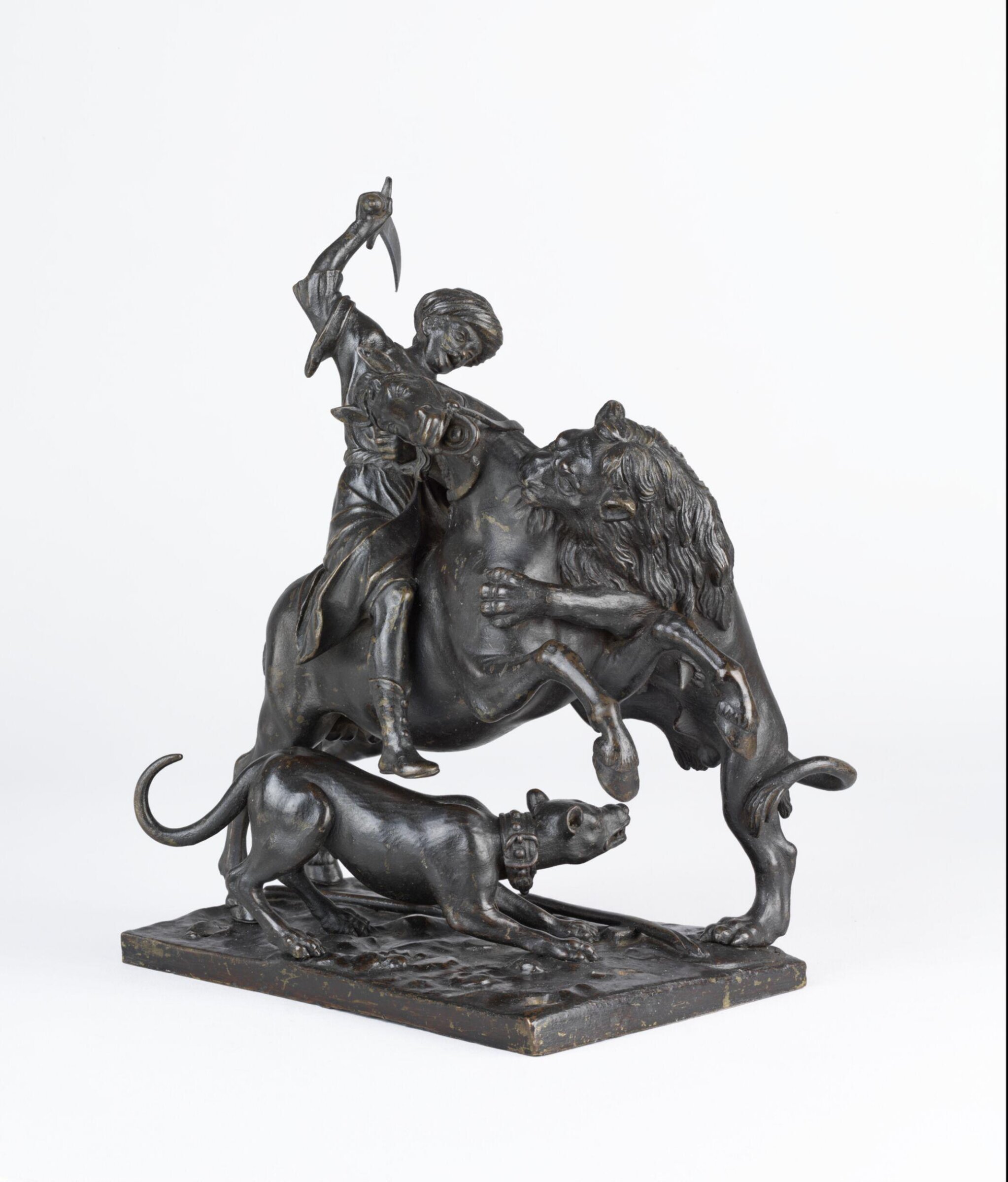
A mounted Turk attacked by a Lion, Francesco Fanelli, ca. 1632-1639

A mounted Turk attacked by a Lion

ca. 1632-1639 · Victoria and Albert Museum

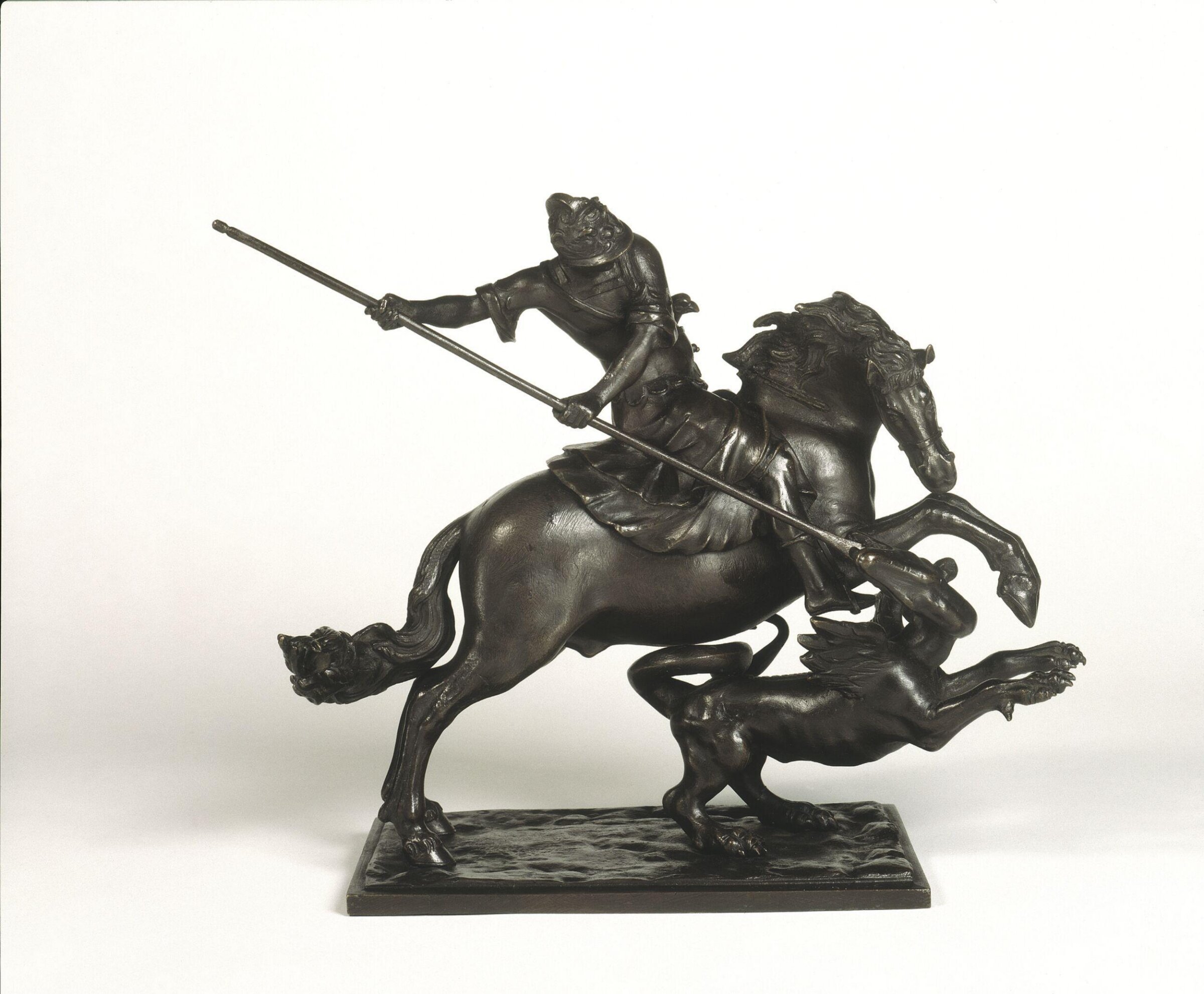
St George and the Dragon, Francesco Fanelli, 1632-1639

St George and the Dragon

1632-1639 · Victoria and Albert Museum

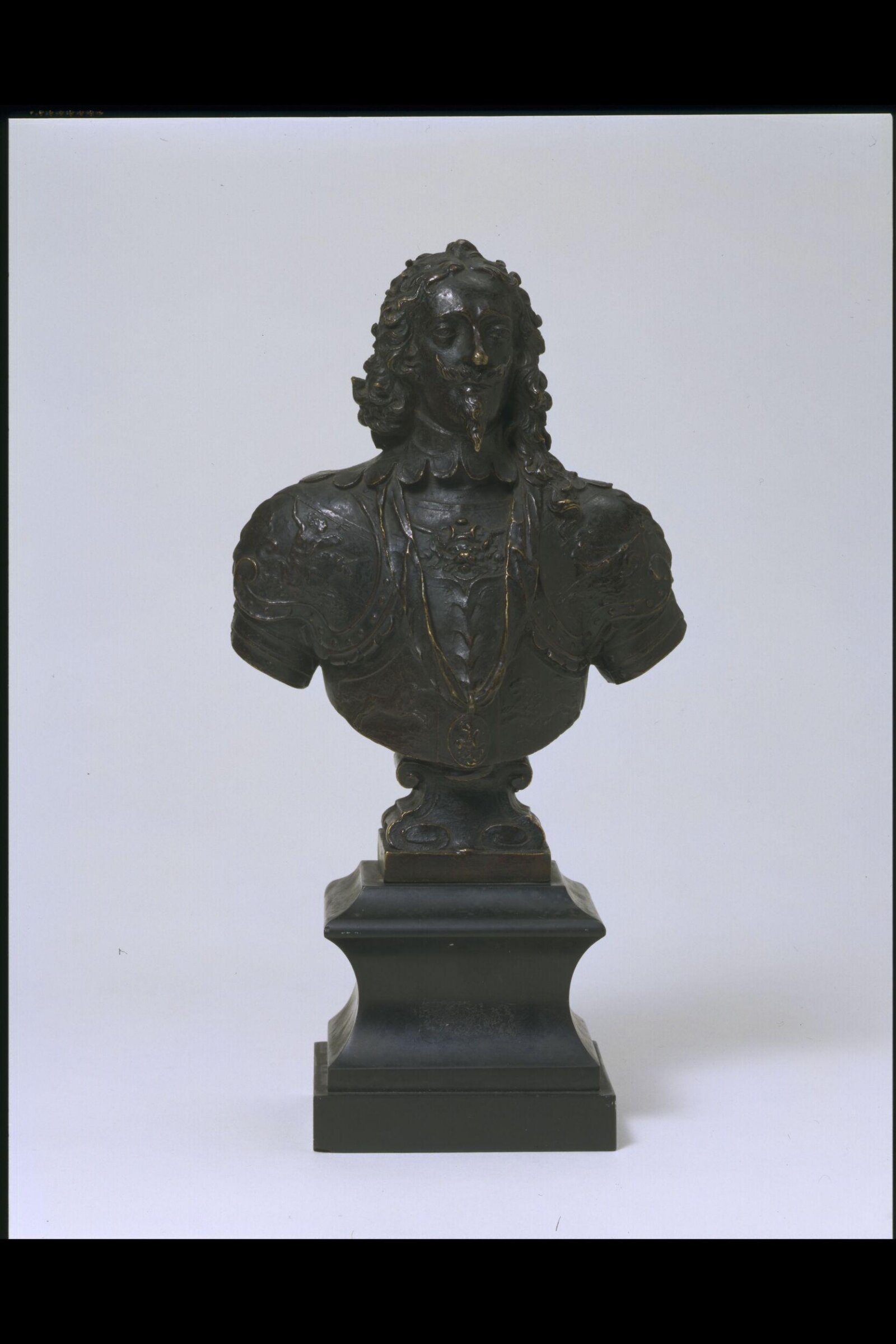
King Charles I, Francesco Fanelli, ca. 1635-1640

King Charles I

ca. 1635-1640 · Victoria and Albert Museum

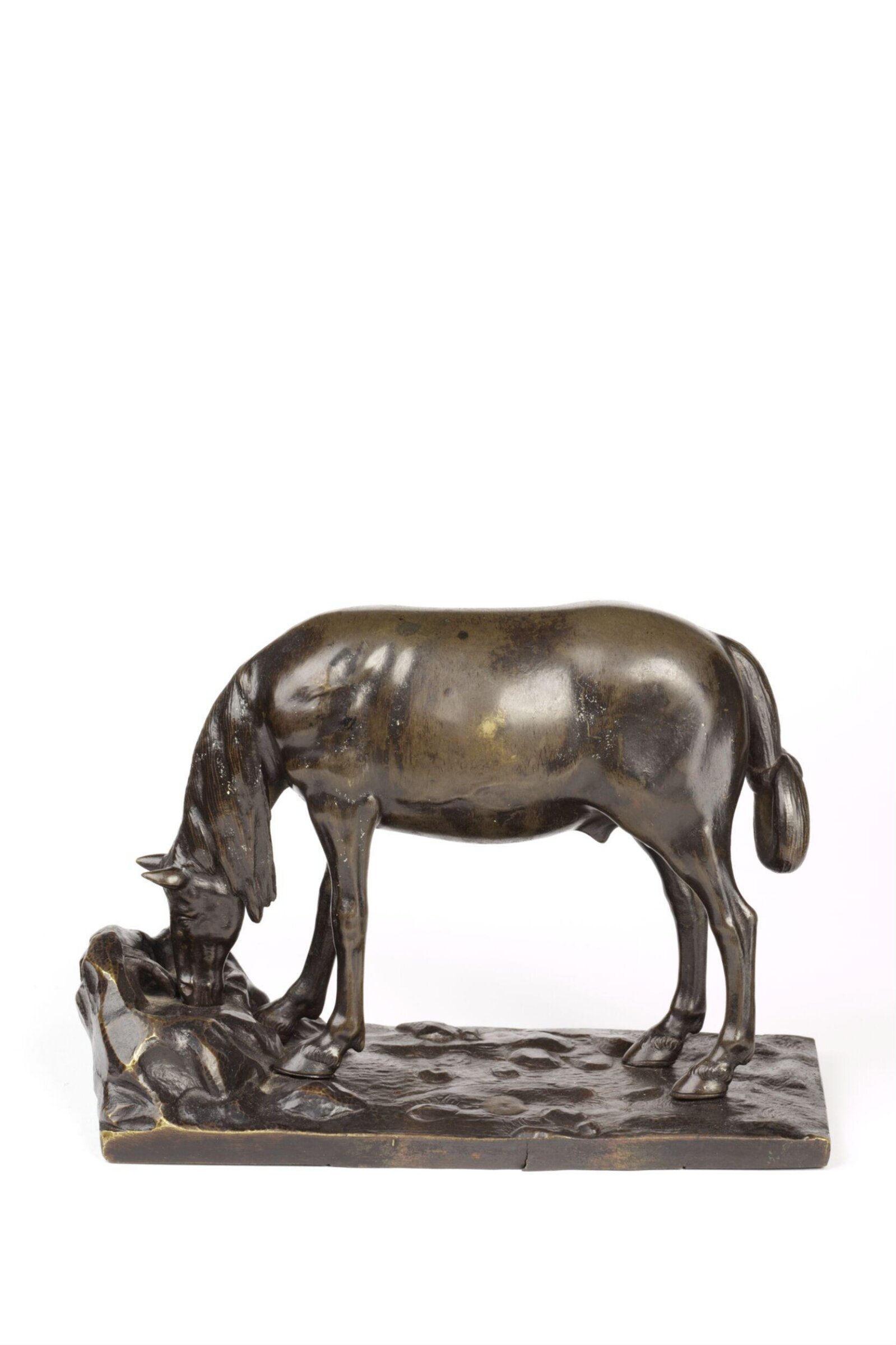
Horse Drinking from a Spring, Francesco Fanelli, ca. 1635-1640

Horse Drinking from a Spring

ca. 1635-1640 · Victoria and Albert Museum

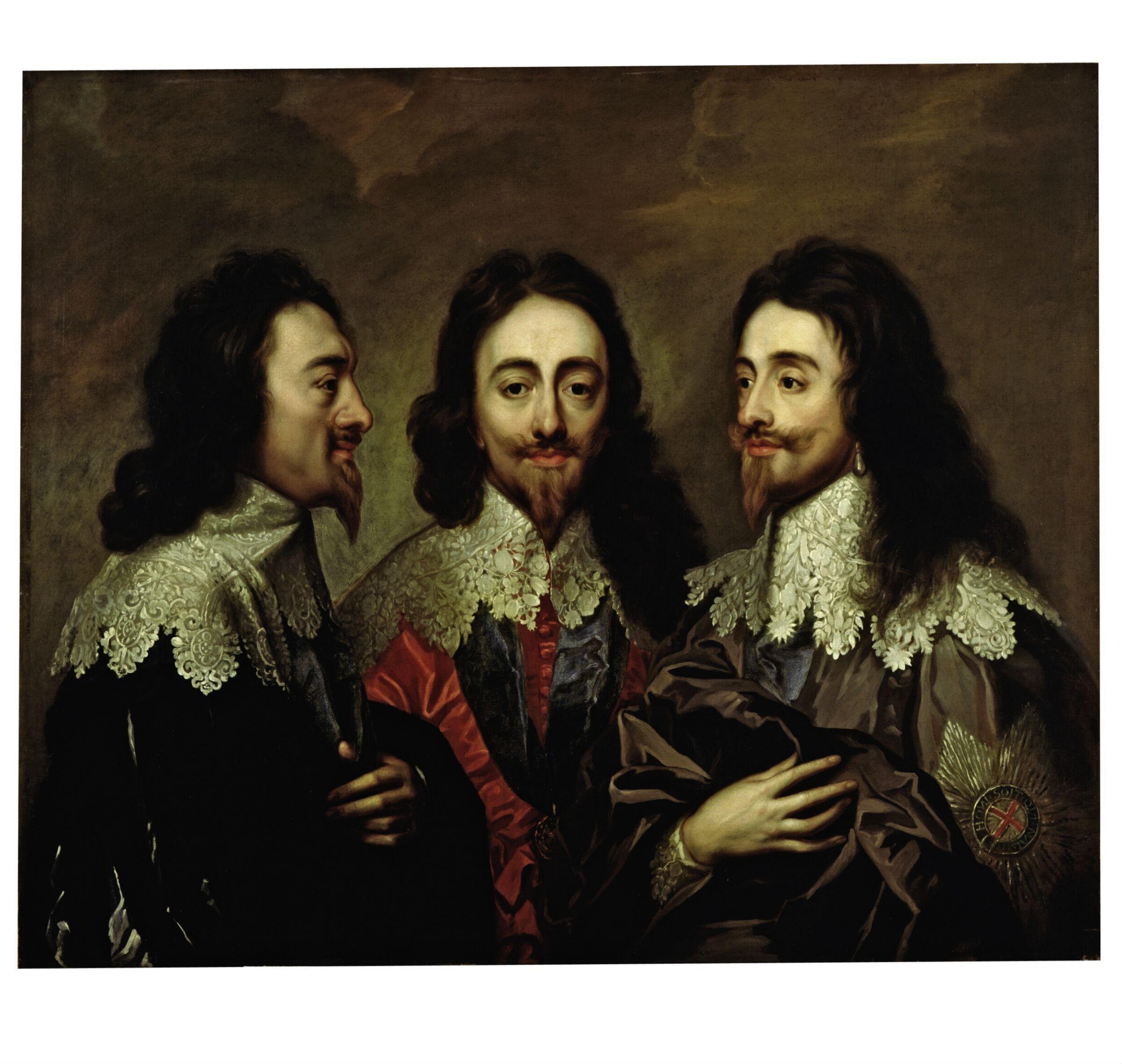
Charles I, after Anthony van Dyck, ca. 1750

After Anthony van Dyck

Charles I, ca. 1750

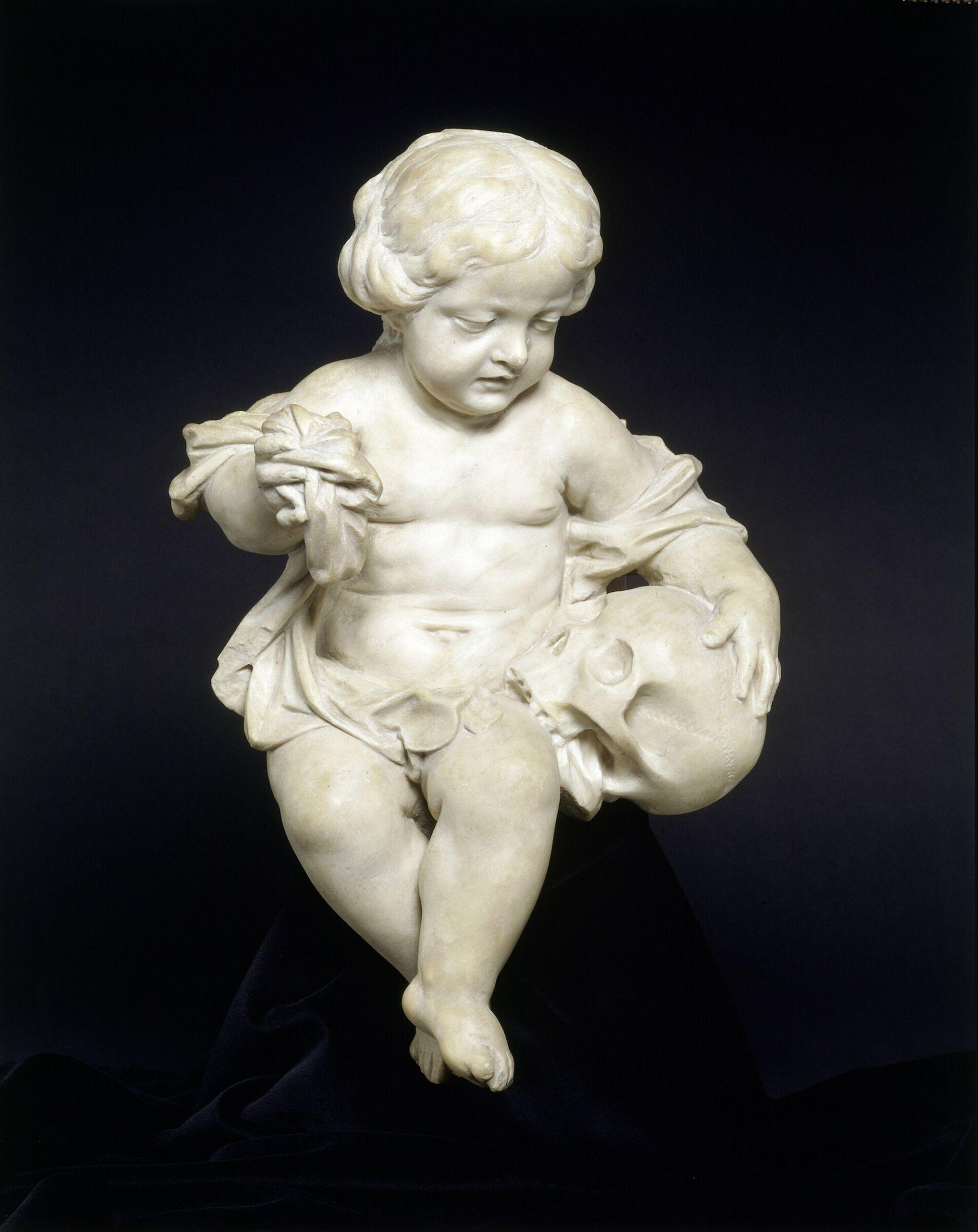
Mourning child with a skull, 1700-1720

Mourning child with a skull, 1700-1720

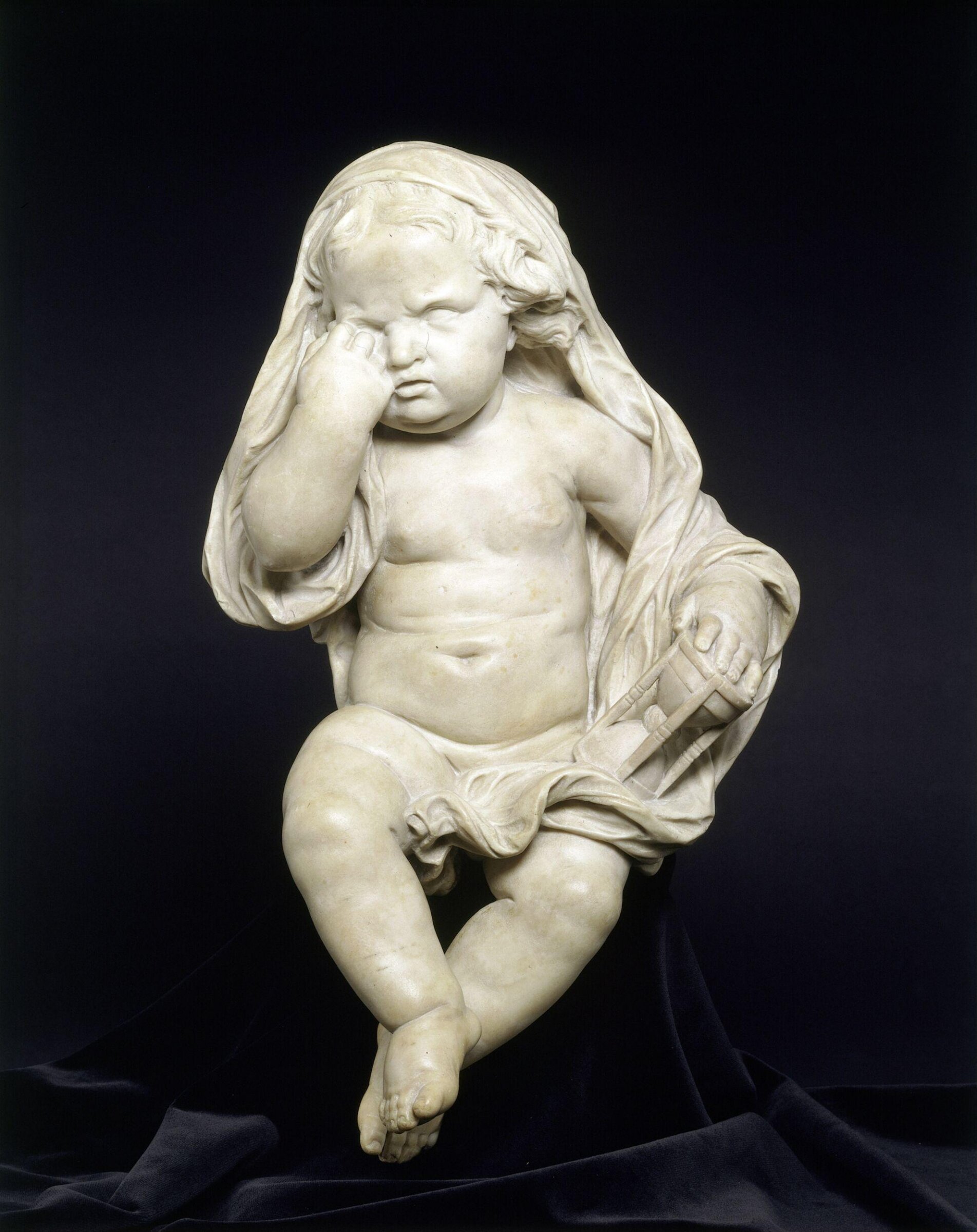
Mourning Child with hour glass, 1700-1720

Mourning Child with hour glass, 1700-1720

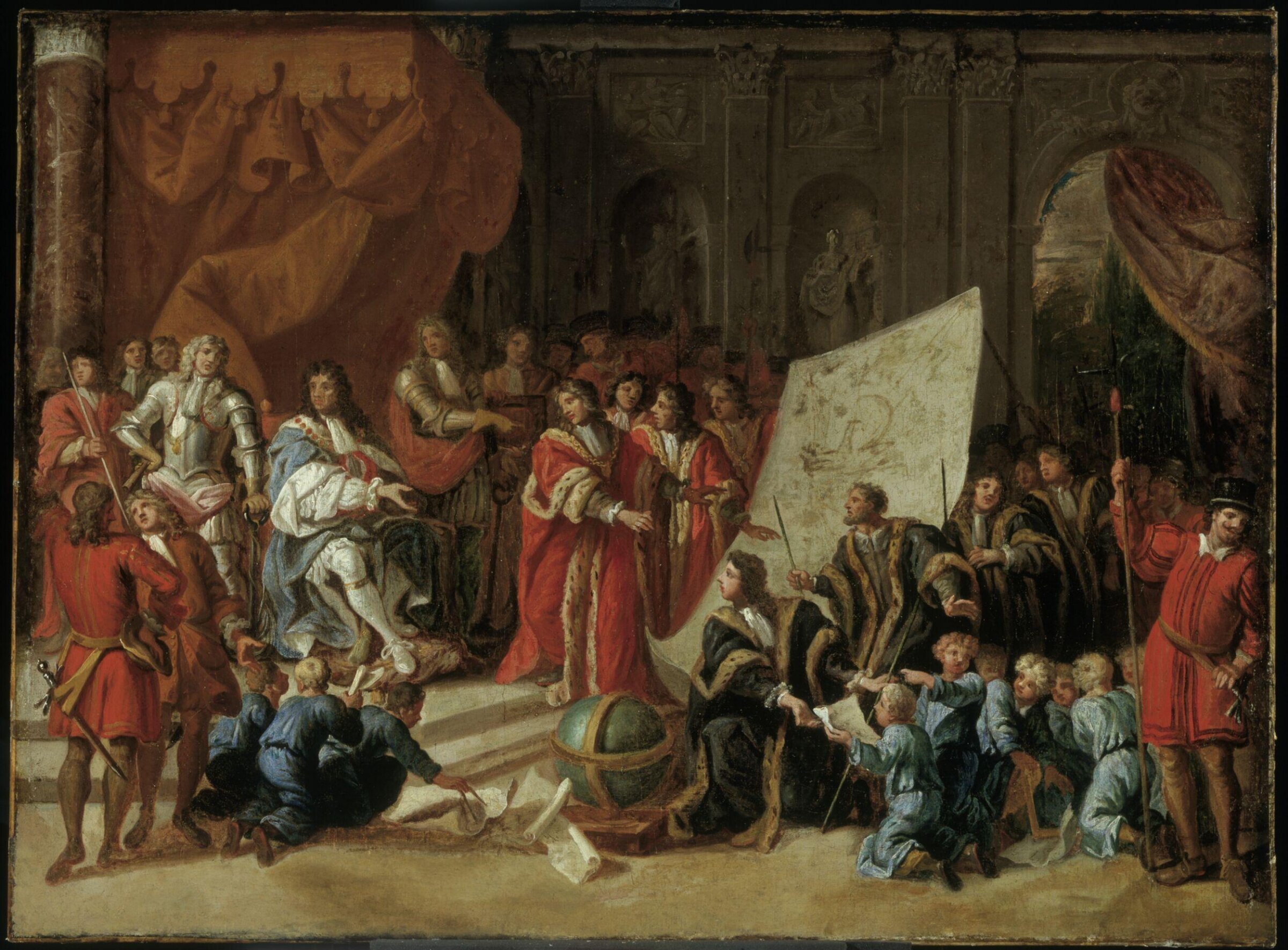
Charles II Giving Audience at Christ's Hospital, Antonio Verrio, ca. 1680

Antonio Verrio

Charles II Giving Audience at Christ's Hospital, ca. 1680

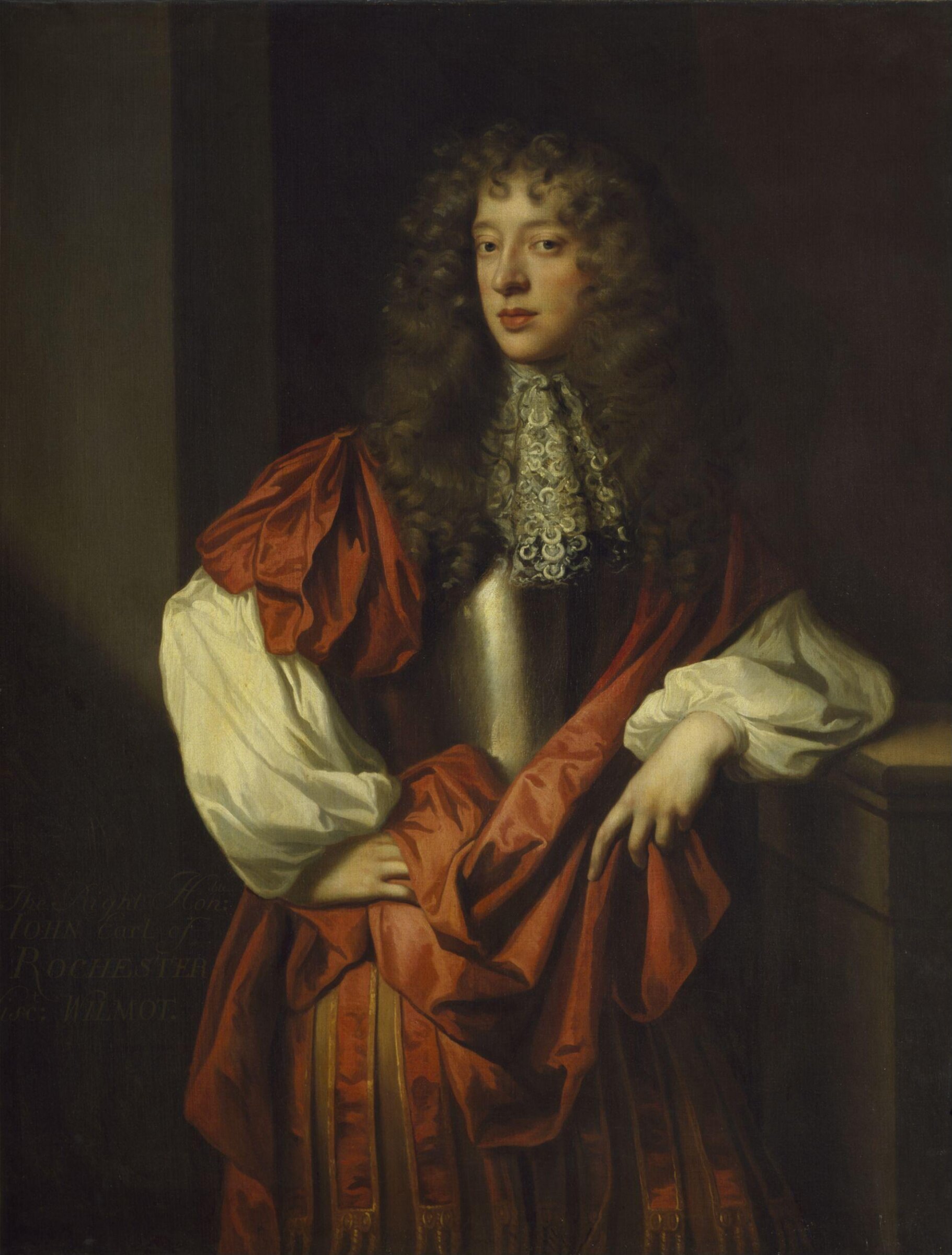
John Wilmot, Second Earl of Rochester, Peter Lely, ca. 1677

Peter Lely

John Wilmot, Second Earl of Rochester, ca. 1677

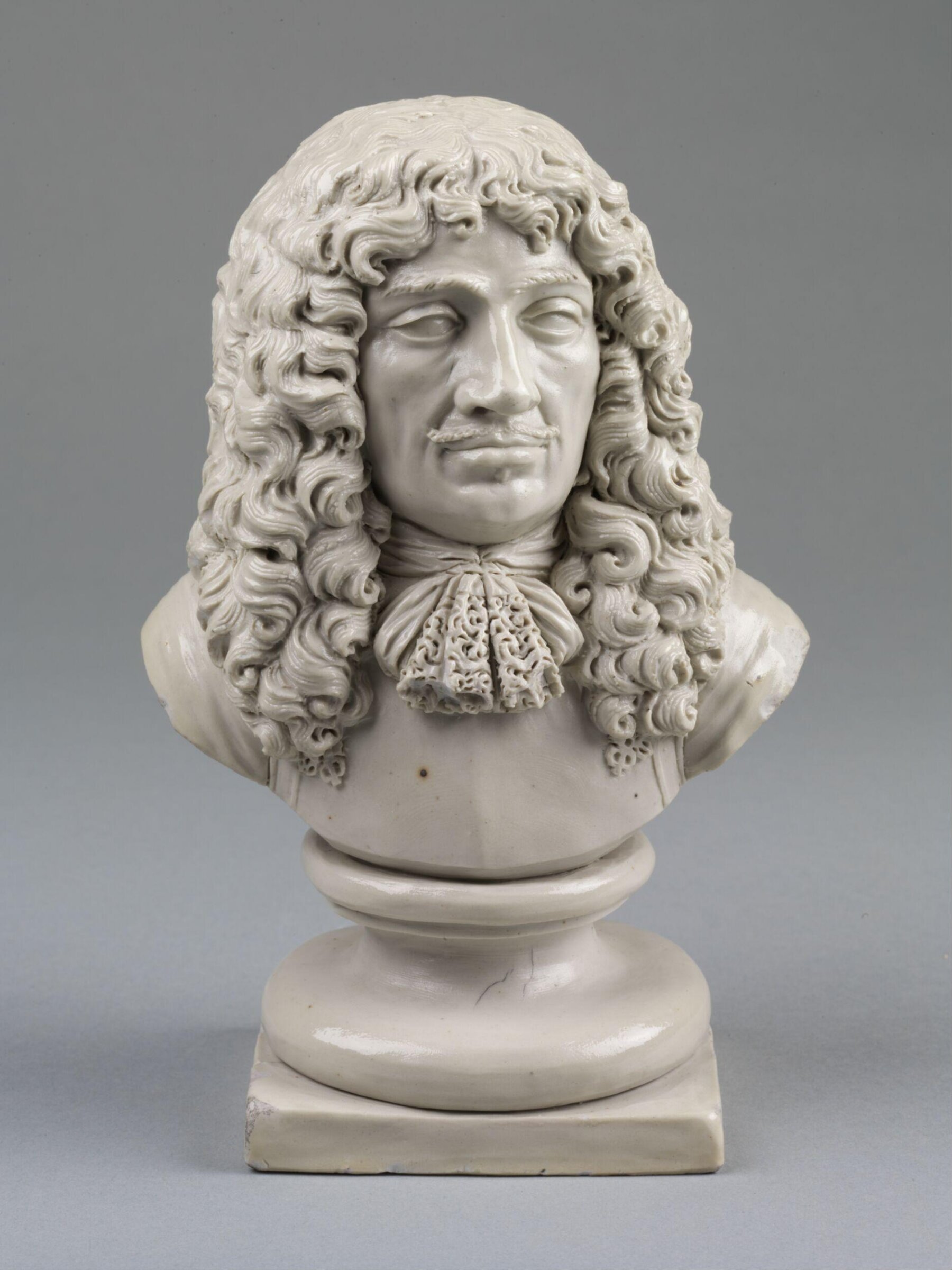
Bust, John Dwight's Fulham Pottery, ca. 1673-1675

John Dwight's Fulham Pottery

Bust, ca. 1673-1675

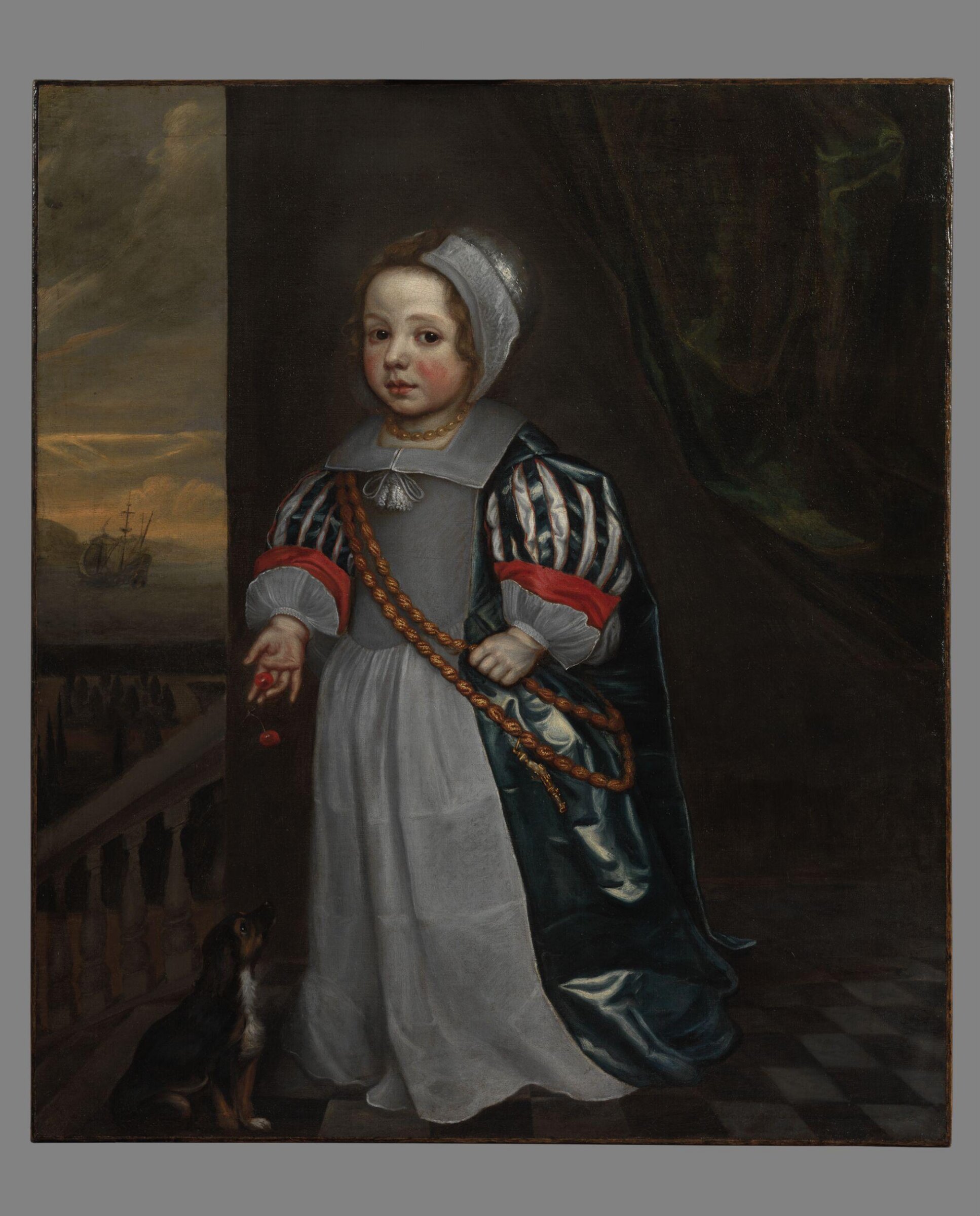
Portrait of Samuel Pasfield as a Child wearing the Pasfield Jewel, c.1661

Portrait of Samuel Pasfield as a Child wearing the Pasfield Jewel, c.1661

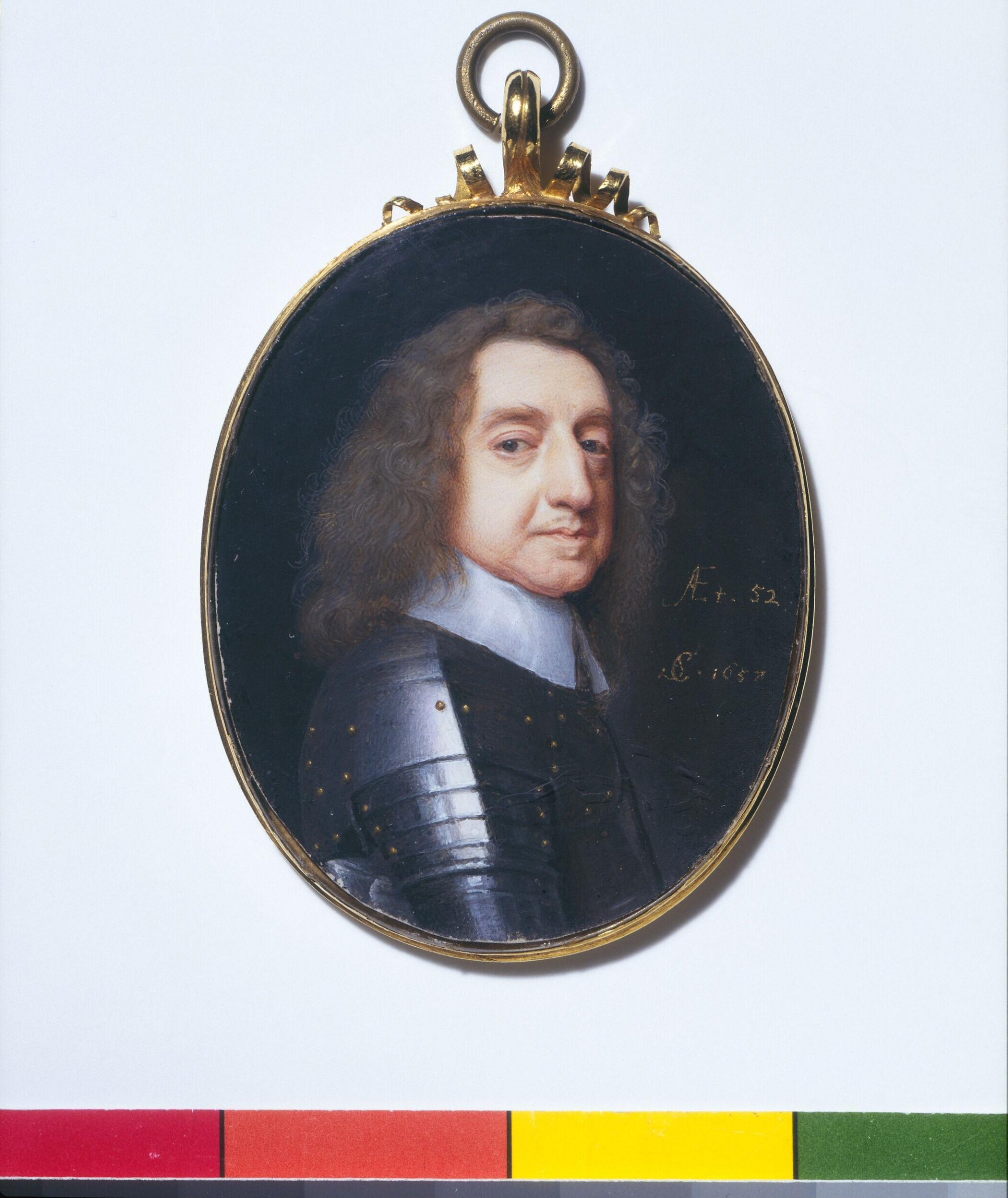
Sir William Palmer, Samuel Cooper, 1657

Samuel Cooper

Sir William Palmer, 1657

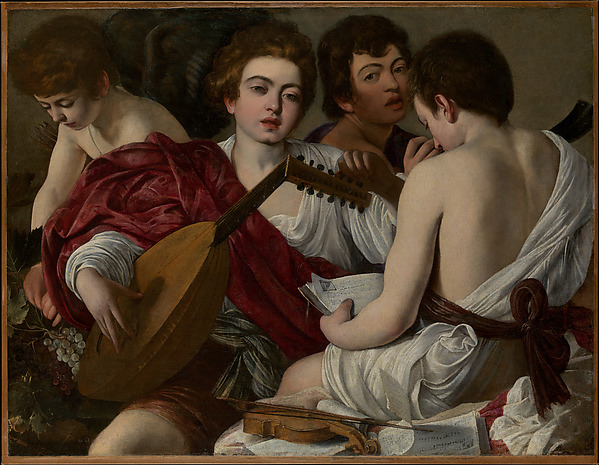
The Musicians, Caravaggio, 1597

Caravaggio

I Musici, 1597

Metropolitan Museum of Art

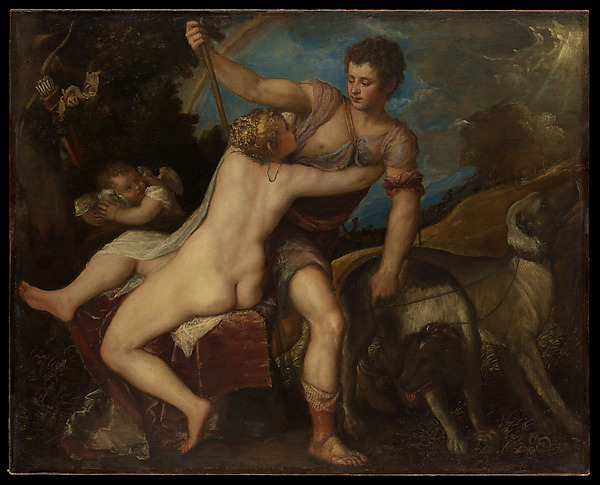
Venus and Adonis, Titian, 1550s

Titian

Venus and Adonis, 1550s

Metropolitan Museum of Art

Mars and Venus United by Love, Paolo Veronese, 1570s

Paolo Veronese

Marte e Venere uniti dall'amore, 1570s

Metropolitan Museum of Art

Psyche Carried to Olympus, Follower of Marcantonio Raimondi after Raphael

Raphael

Psyche Carried to Olympus

Non esposta · National Gallery of Art

Cupid Bound, Attributed to Raphael

Raphael

Cupid Bound

Non esposta · National Gallery of Art

Dance of Cupids, Marcantonio Raimondi after Raphael, c. 1517-1520

Raphael

Dance of Cupids, c. 1517-1520

Non esposta · National Gallery of Art

The Wedding Feast of Cupid and Psyche, François Perrier after Raphael, c. 1635

Raphael

The Wedding Feast of Cupid and Psyche, c. 1635

Non esposta · National Gallery of Art

Venus and Cupid, Agostino dei Musi after Raphael, 1516

Raphael

Venus and Cupid, 1516

Non esposta · National Gallery of Art

Che cosa raffigura

Cupid

In catalogo

SculturaBronzoBaroccoXVII secoloLondra