ART WIKI32.963 in sala
MappaCollezioneArtistiMuseiMostreRivista
Accedi

ART WIKI

Dove è appeso il capolavoro, e quando si può entrare.

Collezioni: Art Institute of Chicago, Cleveland Museum of Art, Ermitage, Galleria Tret'jakov, Getty Museum, Harvard Art Museums, Hirshhorn Museum and Sculpture Garden, Metropolitan Museum of Art, Minneapolis Institute of Art, Museo del Louvre, Museo Puškin delle belle arti, Museo russo, Museum of Modern Art, National Gallery of Art, National Museum of Asian Art, National Portrait Gallery, Rijksmuseum, Smithsonian American Art Museum, Statens Museum for Kunst, Victoria and Albert Museum, Villa Getty, Whitney Museum of American Art, Catalogo statale del fondo museale russo (274 musei), Europeana (19 musei), Wikidata (6 musei), Paris Musées (12 musei) e Joconde, la banca dati dei musei del Ministero della Cultura francese (495 musei). Le immagini appartengono ai titolari dei diritti.

Sezioni

  • Mappa
  • Ricerca
  • Collezione
  • Capolavori
  • Esposte ora
  • Artisti

Altro

  • Musei e gallerie
  • Mostre
  • Rivista
  • Da dove vengono i dati
  • Privacy e cookie
HomeMappaCatalogo
  1. Collezione/
  2. Rijksmuseum/
  3. Schetsblad met roeiboot
Schetsblad met roeiboot, Utagawa Hiroshige, 1807 - 1858
Utagawa Hiroshige, ritrattoUtagawa HiroshigeGiappone, 1797–1858

Schetsblad met roeiboot

1807 - 1858 · Drawing

Si può ammirare?

Non si sa

Rijksmuseum

Amsterdam, Paesi Bassi

Il proprietario è noto; non si sa se oggi sia esposta.

Fonte
Il museo
Sulla mappaPagina del museo

Scheda

1807 - 1858
17971858
Numero di inventario
RP-T-1960-293

Che cosa raffigura

Rowing-boat, canoe, etc.

In catalogo

Disegni e acquerelliNeoclassicismoRomanticismoXIX secolo

Fonti

  • Rijksmuseum
  • Immagine: Rijksmuseum — public domain

Nel frattempo, nella vita di Utagawa Hiroshige

Tutta la vita
  1. 1809

    Death of his mother and father: an orphan at twelve

    Hiroshige's mother died in early 1809 and his father later that year, but not before handing his fire warden duties to his twelve-year-old son. The boy was charged with preventing fires at Edo Castle, a duty that left him much leisure time.

  2. 1812

    Permission to sign his works: the name Hiroshige

    In 1812 Utagawa Hiroshige received the right to sign his own works; he worked under the pseudonym Andō Hiroshige.

  3. 1829–1830

    The turn to landscape: “Eight Views of Ōmi”

    Until then Hiroshige had worked in the usual ukiyo-e themes: book illustrations, beauties and kabuki actors. It was not until 1829–1830 that he began to produce the landscapes he is known for, such as the series “Eight Views of Ōmi”, and he also made an increasing number of bird and flower prints.

  4. 1832

    Journey to Kyoto along the Tōkaidō

    As a fire warden he was entitled to minor privileges reserved for low-ranking samurai, which is how he secured an invitation to join an official procession to Kyoto and travelled the Tōkaidō route linking the two capitals. He sketched the scenery along the way.

  5. 1856

    He becomes a Buddhist monk

    In 1856 Hiroshige “retired from the world”, becoming a Buddhist monk; this was the year he began his “One Hundred Famous Views of Edo”.

  6. 12 ottobre 1858

    Died

Altre opere di Utagawa Hiroshige

Tutte le opere
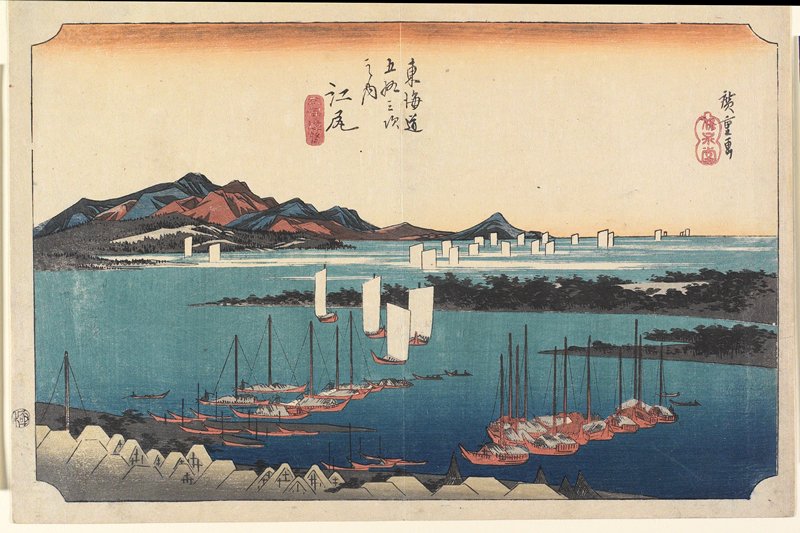
Ejiri: Distant View of Miho, Utagawa Hiroshige, c. 1832–33

Ejiri: Distant View of Miho

c. 1832–33 · Minneapolis Institute of Art

Shinano Province, Moon Reflected in the Sarashina Paddy-fields, Mount Kyōdai (Shinano, Sarashina tagoto no tsuki, Kyōdaisan), from the series Famous Places in the Sixty-odd Provinces [of Japan] ([Dai Nihon] Rokujūyoshū meisho zue), Utagawa Hiroshige 歌川広重, Edo period, 1853 (Kaei 6, 8th month)

Shinano Province, Moon Reflected in the Sarashina Paddy-fields, Mount Kyōdai (Shinano, Sarashina tagoto no tsuki, Kyōdaisan), from the series Famous Places in the Sixty-odd Provinces [of Japan] ([Dai Nihon] Rokujūyoshū meisho zue)

Edo period, 1853 (Kaei 6, 8th month) · Harvard Art Museums

The Plum Garden at Kameido Shrine, Utagawa Hiroshige, 1857

The Plum Garden at Kameido Shrine

1857 · Rijksmuseum

De Jumantsubo vlakte te Susaki bij Fukagawa, Utagawa Hiroshige, 1857

De Jumantsubo vlakte te Susaki bij Fukagawa

1857 · Rijksmuseum

Regenstorm te Shono, Utagawa Hiroshige, 1868 - 1950

Regenstorm te Shono

1868 - 1950 · Rijksmuseum

Vogel en camelia, Utagawa Hiroshige, 1850 - 1920

Vogel en camelia

1850 - 1920 · Rijksmuseum

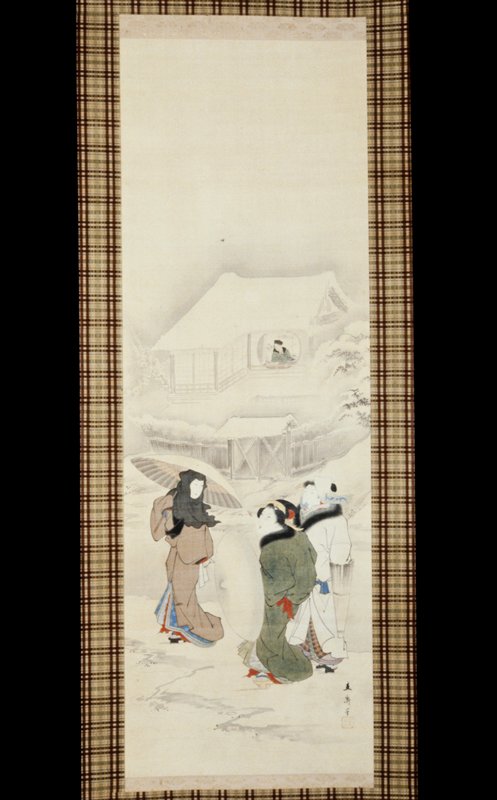
Three Beauties in Snow, Utagawa Hiroshige, 19th century

Three Beauties in Snow

19th century · Non esposta · Minneapolis Institute of Art

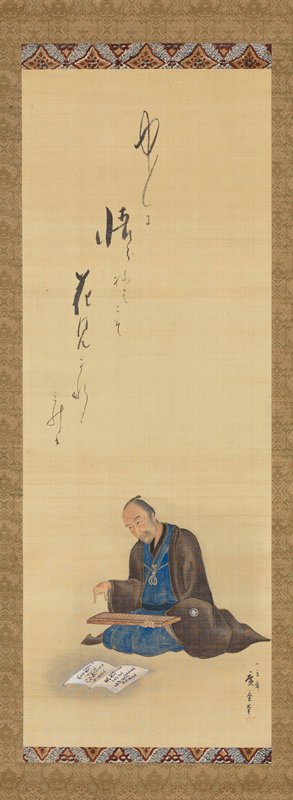
A Wealthy Merchant, Utagawa Hiroshige, mid 19th century

A Wealthy Merchant

mid 19th century · Non esposta · Minneapolis Institute of Art

Sotto lo stesso tetto: Rijksmuseum

Pagina del museo
Self-portrait, Vincent van Gogh, 1887

Vincent van Gogh

Self-portrait, 1887

La Corniche near Monaco, Claude Monet, 1884

Claude Monet

La Corniche bij Monaco, 1884

De Nachtwacht, Rembrandt van Rijn, 1642

Rembrandt van Rijn

Ronda di notte, 1642

Portrait of a Woman, Probably Maria Trip (1619-1683), Rembrandt van Rijn, 1639

Rembrandt van Rijn

Ritratto di Maria Trip, 1639

Still Life with Peacocks, Rembrandt van Rijn, c. 1639

Rembrandt van Rijn

Still Life with Peacocks, c. 1639

Landscape with a Stone Bridge, Rembrandt van Rijn, c. 1638

Rembrandt van Rijn

Landscape with a Stone Bridge, c. 1638

Man in Oriental Dress, Rembrandt van Rijn, 1635

Rembrandt van Rijn

Man in Oriental Dress, 1635

Portrait of Haesje Jacobsdr van Cleyburg, Rembrandt van Rijn, 1634

Rembrandt van Rijn

Portrait of Haesje Jacobsdr van Cleyburg, 1634