ART WIKI32.963 in sala
MappaCollezioneArtistiMuseiMostreRivista
Accedi

ART WIKI

Dove è appeso il capolavoro, e quando si può entrare.

Collezioni: Art Institute of Chicago, Cleveland Museum of Art, Ermitage, Galleria Tret'jakov, Getty Museum, Harvard Art Museums, Hirshhorn Museum and Sculpture Garden, Metropolitan Museum of Art, Minneapolis Institute of Art, Museo del Louvre, Museo Puškin delle belle arti, Museo russo, Museum of Modern Art, National Gallery of Art, National Museum of Asian Art, National Portrait Gallery, Rijksmuseum, Smithsonian American Art Museum, Statens Museum for Kunst, Victoria and Albert Museum, Villa Getty, Whitney Museum of American Art, Catalogo statale del fondo museale russo (274 musei), Europeana (19 musei), Wikidata (6 musei), Paris Musées (12 musei) e Joconde, la banca dati dei musei del Ministero della Cultura francese (495 musei). Le immagini appartengono ai titolari dei diritti.

Sezioni

  • Mappa
  • Ricerca
  • Collezione
  • Capolavori
  • Esposte ora
  • Artisti

Altro

  • Musei e gallerie
  • Mostre
  • Rivista
  • Da dove vengono i dati
  • Privacy e cookie
HomeMappaCatalogo
  1. Collezione/
  2. Minneapolis Institute of Art/
  3. Rosetta Deep Field
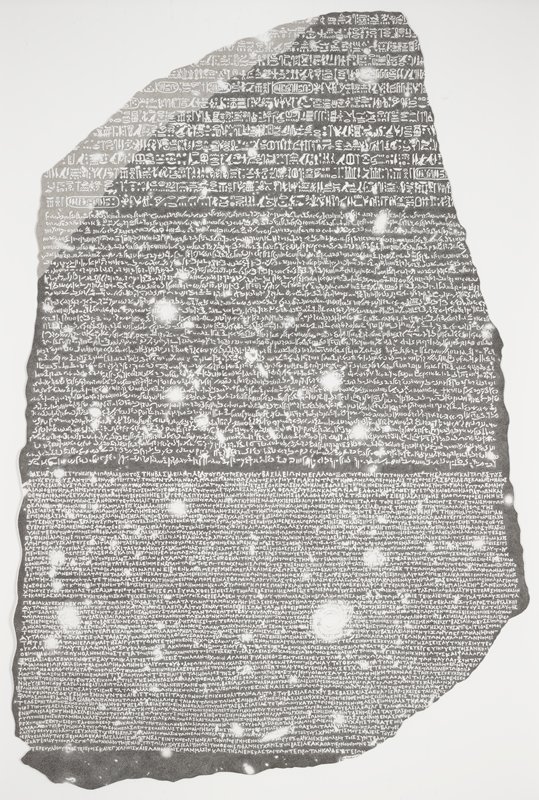
Rosetta Deep Field, Mia Rosenthal, 2017
MMia RosenthalStati Uniti

Rosetta Deep Field

2017 · Drawings, Works on Paper

Si può ammirare?

Al momento non riceve

Minneapolis Institute of Art

Minneapolis, Stati Uniti

Appartiene alla collezione, ma al momento non è esposta.

Verificato
3 giorni fa
Ultimo cambio di stato
25 set 2026
Fonte
Il museo
Sulla mappaPagina del museo

Sull’opera

Mia Rosenthal's meticulous drawing is on a piece of paper shaped to mimic the silhouette of the object it represents: the Rosetta Stone. This object is a stone slab dating from 196 BCE bearing a decree (a message) issued in Egypt about King Ptolemy V. It bears three sections of language, inscribed on the surface: Egyptian hieroglyphs (for temple priests), Demotic (cursive used for daily purposes by the people), and Ancient Greek (the language of the Greco-Macedonian rulers at the time). When the stone was located in 1799 hieroglyphics had not been translatable into other languages. The stone provided a key to their meaning by showing an example of translation in its form. Rosenthal, who is fascinated by deep history, carefully drew the stone and its intricate surface after seeing it in person by working from a reproduction on a souvenir tea towel from the British Museum gift shop.

Continua a leggere

She then superimposed an image from the Hubble Telescope's pictures of the ultra deep field which shows an estimated 10, 000 galaxies, including some that formed after the big bang. By combining two ways of imaging the world -- stone and language and transitory glimpses into unfathomable time—Rosenthal looks at the ways that humans try to understand their world, whether micro or macrocosmic.

Minneapolis Institute of Art

Scheda

Numero di inventario
2021.89.4

In catalogo

Disegni e acquerelliInchiostroArte contemporaneaXXI secoloStati Uniti

Fonti

  • Minneapolis Institute of Art
  • Immagine: Minneapolis Institute of Art — © Minneapolis Institute of Art
Sotto lo stesso tetto: Minneapolis Institute of Art

Pagina del museo
Olive Trees, Vincent van Gogh, 1889

Vincent van Gogh

Olive Trees, 1889

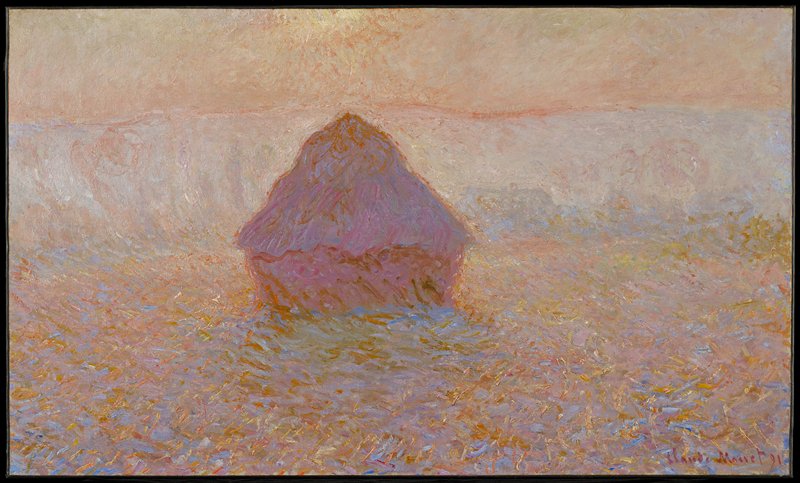
Grainstack, Sun in the Mist, Claude Monet, 1891

Claude Monet

Grainstack, Sun in the Mist, 1891

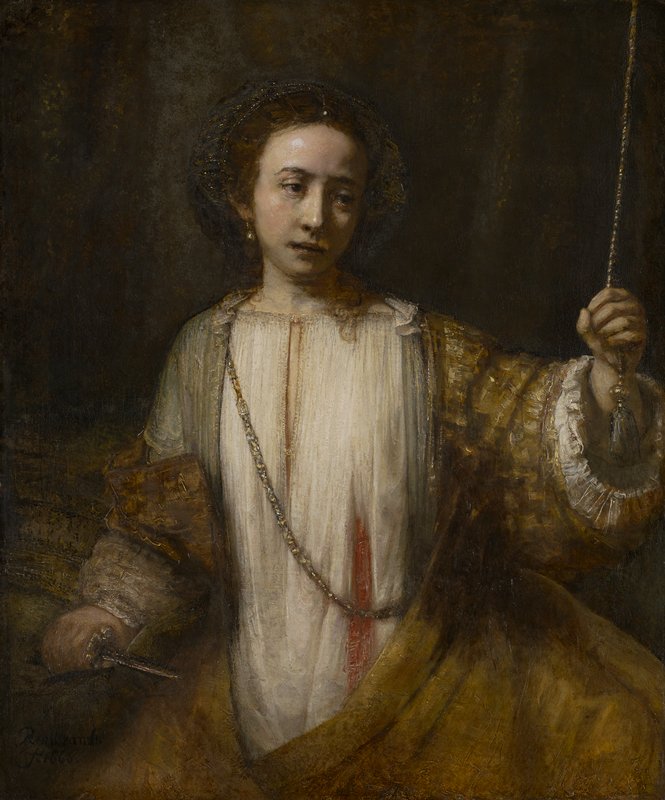
Lucretia, Rembrandt van Rijn, 1666

Rembrandt van Rijn

Lucretia, 1666

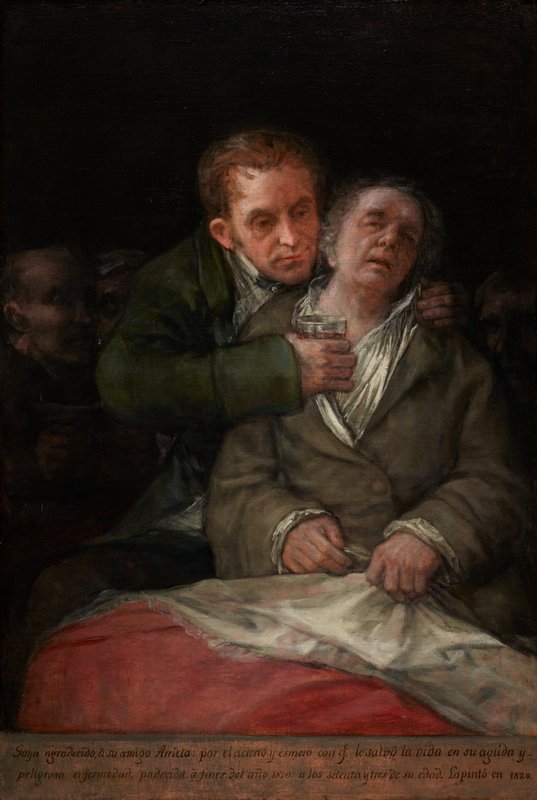
Self-Portrait with Dr. Arrieta, Francisco José de Goya y Lucientes, 1820

Francisco de Goya

Goya curato dal dottor Arrieta, 1820

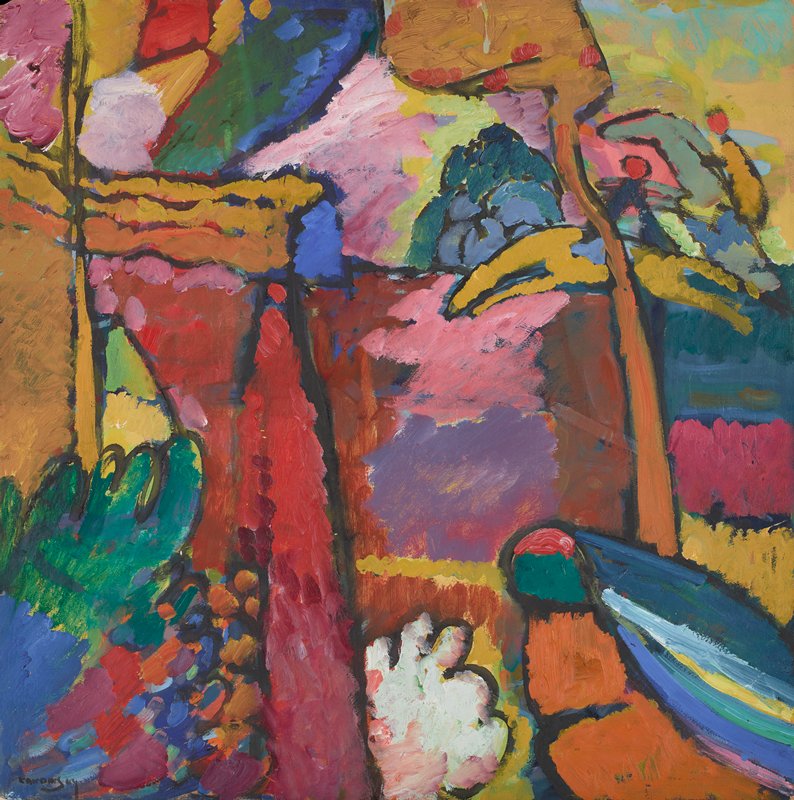
Study for Improvisation V, Vassily Kandinsky, 1910

Vasily Kandinsky

Study for Improvisation V, 1910

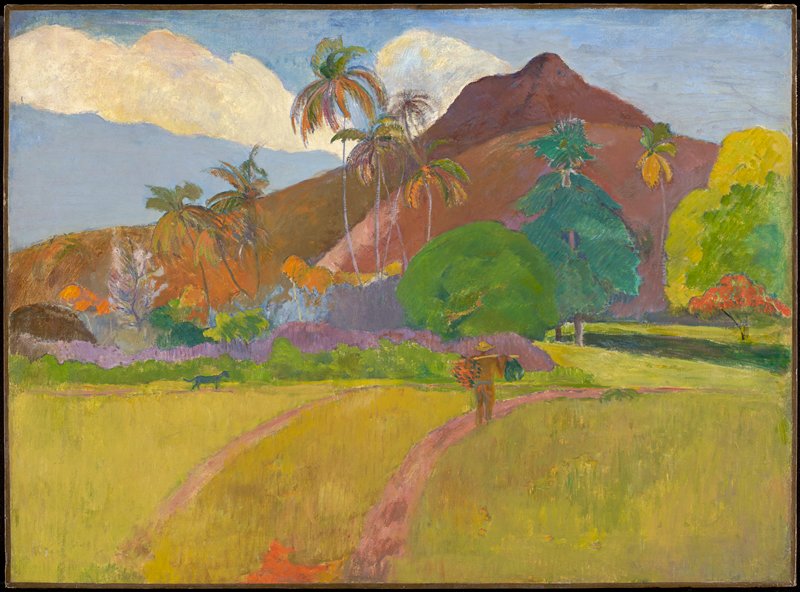
Tahitian Landscape, Paul Gauguin, 1891

Paul Gauguin

Tahitian Landscape, 1891

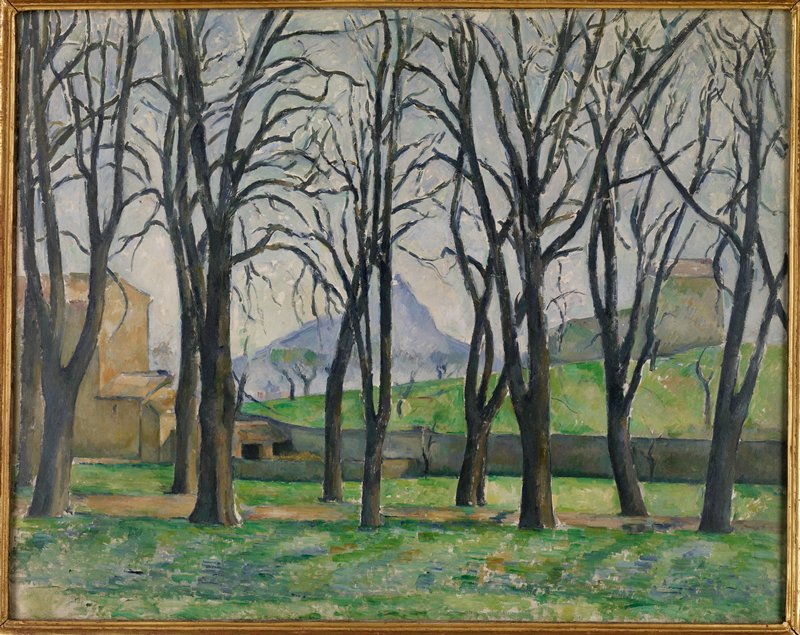
Chestnut Trees at Jas de Bouffan, Paul Cézanne, c. 1885–86

Paul Cézanne

Chestnut Trees at Jas de Bouffan, c. 1885–86

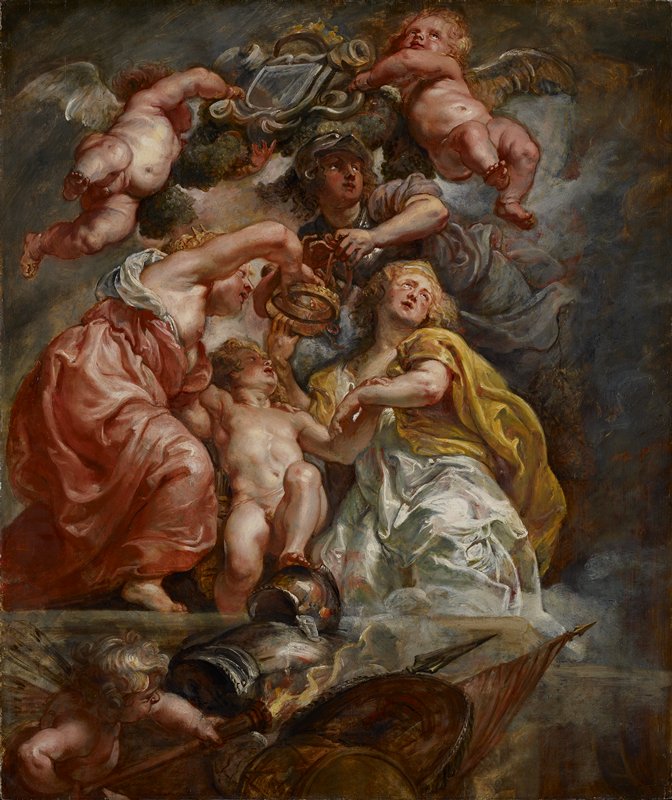
The Union of England and Scotland (Charles I as the Prince of Wales), Peter Paul Rubens, 1633–34

Peter Paul Rubens

The Union of England and Scotland (Charles I as the Prince of Wales), 1633–34