 Mikhail Vrubel1856–1910
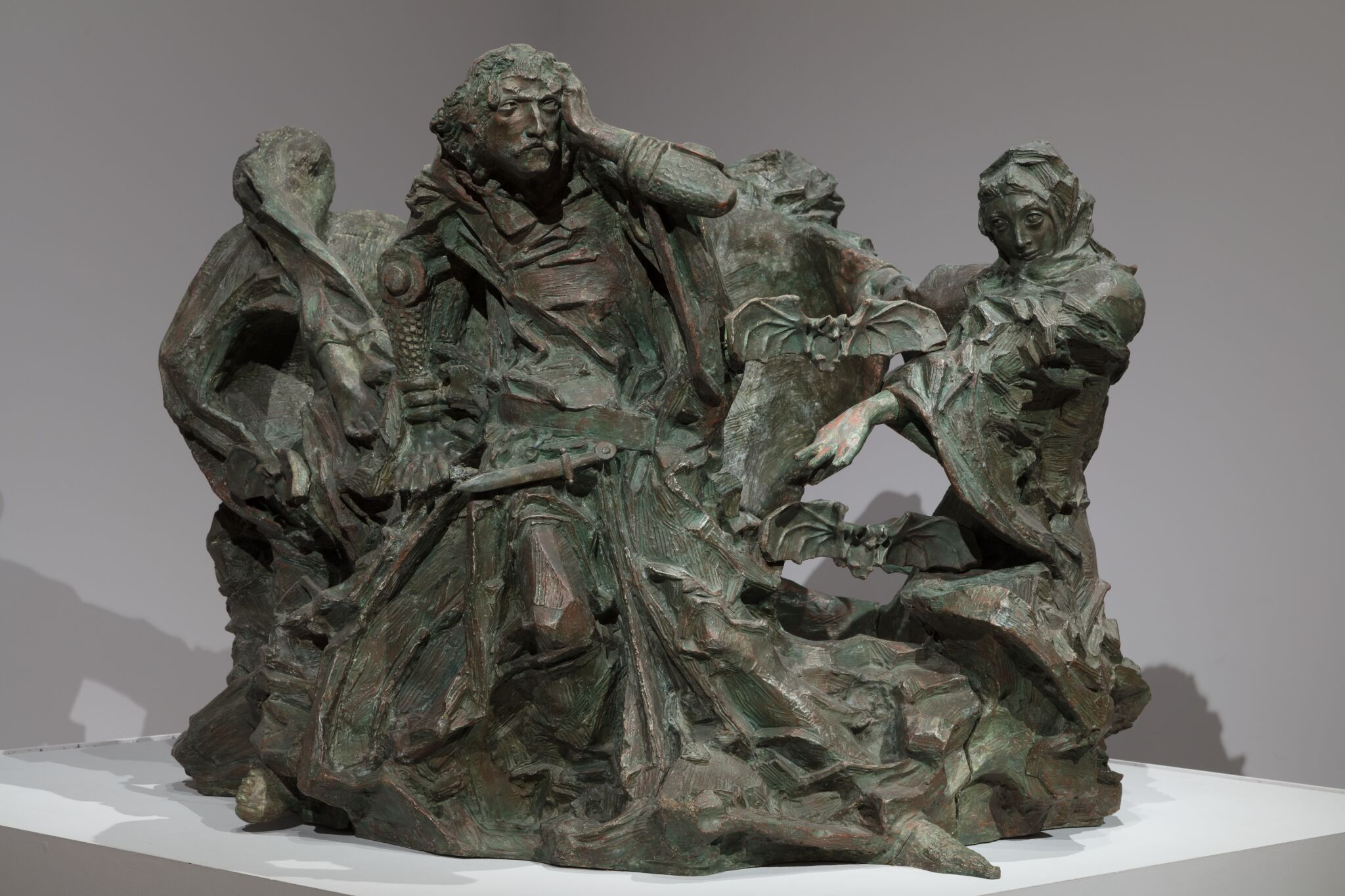
Роберт и монахини
Si può ammirare?
Non si sa: il museo mantiene il riserbo

Galleria Tret'jakov
Mosca, Russia
Il proprietario è noto. Se oggi sia esposta, il museo non lo dice, e a indovinare non ci hanno insegnato.
- Ultimo cambio di stato
- Fonte
- I dati di collezione del museo stesso
About the sculpture
In the museum's own words — the original
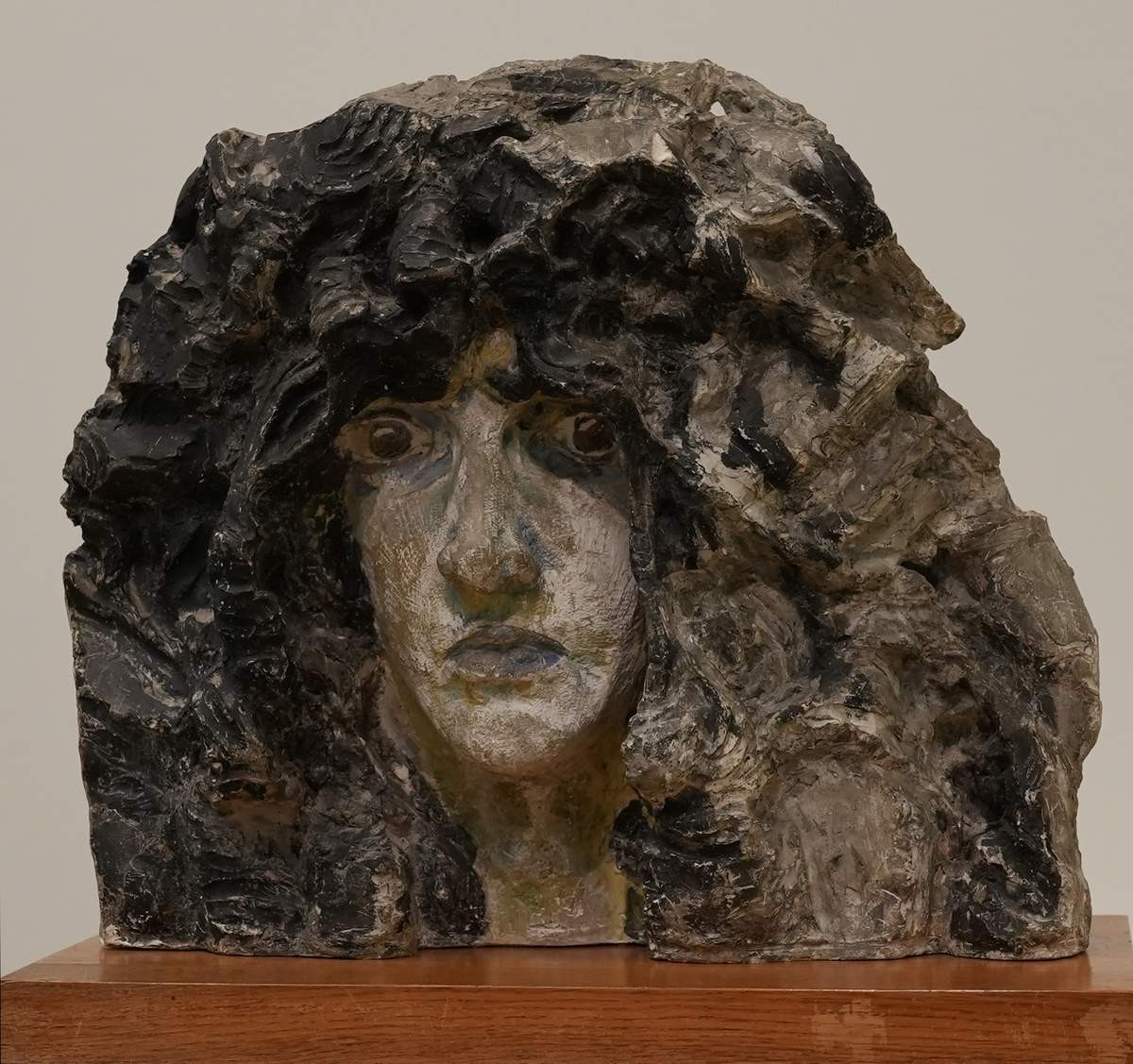
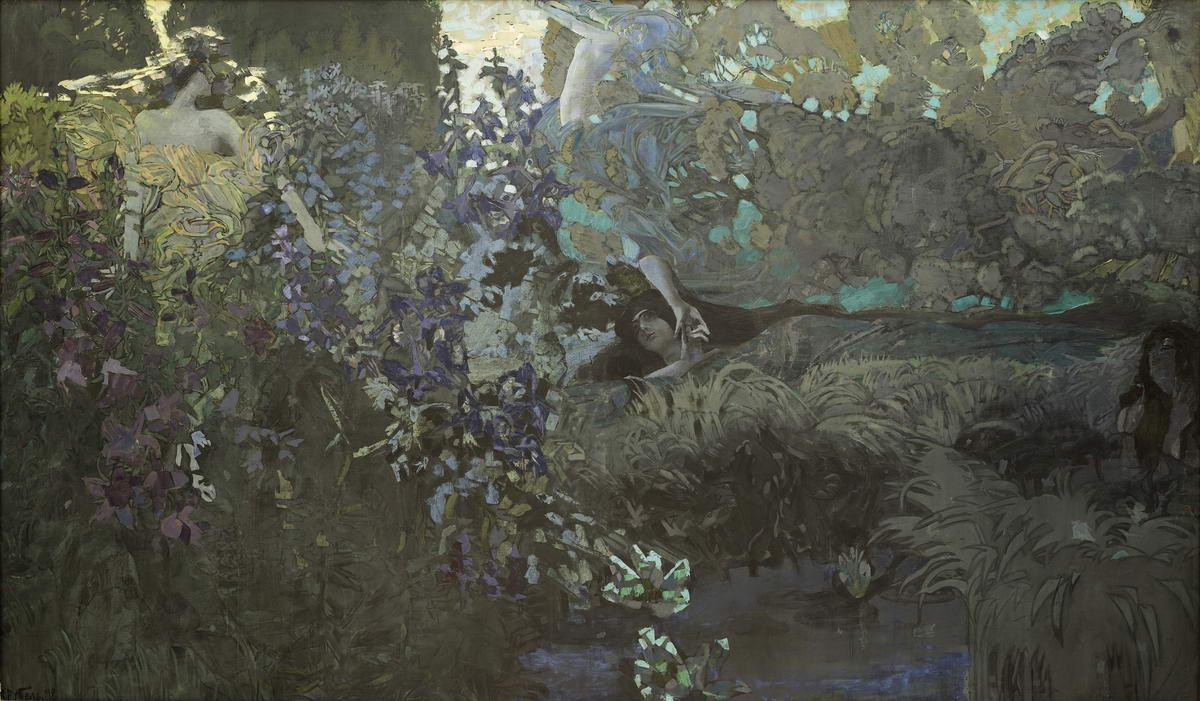
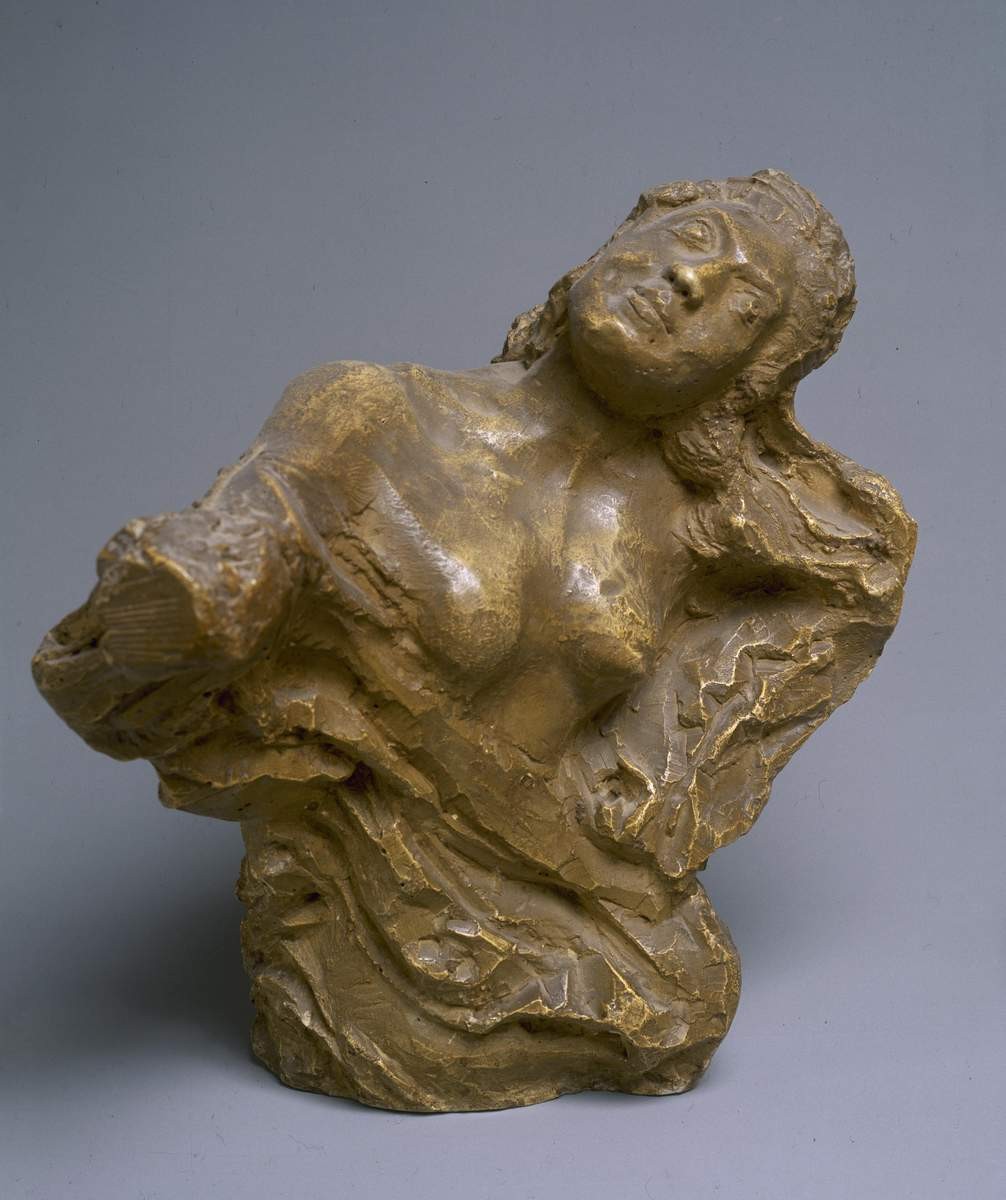
Скульптурная группа «Роберт и монахини» – одно из интересных произведений Михаила Александровича Врубеля. В 1894 году художник получил заказ на оформление московского особняка предпринимателя С.Т. Морозова. Он должен был исполнить три панно на тему «Времена дня» (1896–1897), композицию для витража и группу для декорирования готического фонаря на лестнице дома Морозова.
Эта скульптурная группа, получившая в литературе название «Роберт и монахини», была создана Врубелем под сильным впечатлением от оперы Джакомо Мейербера «Роберт-дьявол» (1831), поставленной в 1894 году на сцене частного театра В.А. Панаева в Санкт-Петербурге. Эмоциональное, наполненное мистицизмом произведение с острой драматической интригой было осмыслено художником через призму своего творчества. Он воплотил в сложной скульптурной композиции динамичные образы, самый захватывающий из которых – Роберт.
Read on
Главный герой, нормандский рыцарь, в поисках волшебной силы для возвращения своей возлюбленной обманом приведен дьяволом на кладбище, чтобы сорвать кипарисовую ветвь с могилы святой Розалии. Изображен момент, когда Роберт начинает сомневаться в правильности своего поступка. Его фигуру обступают три монахини, кружа его, словно в хороводе.
Искусствовед и художник Н.А. Прахов так описывал процесс работы: «С помощью своего приятеля художника К.А. Коровина он [Врубель] набил рейки и дранки, поверх которых набросил рогожи в кажущемся беспорядке. Все это на вид бесформенное сооружение под толстым слоем набросанного алебастра скоро превратилось в „готическую“ скульптуру с ее характерными ломаными линиями и угловатым объемом».
В собрании Третьяковской галереи находится исполненный в гипсе оригинал группы «Роберт и монахини», с которого был выполнен отлив в бронзе на фабрике художественной бронзы братьев Е., Л. и Ф. Вишневских в 1898 году для особняка С.Т. Морозова (сейчас там Дом приемов МИД России). В 1996 году по заказу Третьяковской галереи был выполнен отлив в бронзе «Роберт и монахини», который хранится в собрании.
Galleria Tret'jakov
Scheda
- Numero di inventario
- 13218-13221
In catalogo
Fonti
- Galleria Tret'jakov: the museum's own open data · acquisita 7 giorni fa
- Immagine: Galleria Tret'jakov — © State Tretyakov Gallery
Nel frattempo, nella vita di Mikhail Vrubel
Tutta la vitaearly 1896
Meeting Nadezhda Zabela
In St Petersburg Vrubel stepped in for the ailing Korovin as designer of Humperdinck’s opera “Hansel and Gretel”, which Mamontov was financing, and at a rehearsal he first heard, then saw, the singer of Gretel — Nadezhda Zabela. Rushing up to her in the interval with the cry “What a lovely voice!”, he proposed almost on the day they met, and later told his sister that had she refused, he would have killed himself on the spot.
22 May 1896
The Academy rejects his Nizhny Novgorod panels
Mamontov secured Vrubel a commission for two huge panels for the art section of the All-Russian Exhibition — “Mikula Selyaninovich” and “The Princess of the Dream”, a hundred square metres in three months. But the academician Albert Benois, in charge of the pavilion, demanded sketches, a telegram went to St Petersburg — “Vrubel’s panels are monstrous, they must be removed” — the Academy’s commission ruled them unfit to show, and on 22 May the works were carried out of the pavilion.
July 1896
Mamontov’s pavilion for the “rejected” panels
Mamontov bought both panels for 5,000 roubles: Polenov and Korovin finished “Mikula”, Vrubel completed “The Princess of the Dream” in a shed at the Abramtsevo pottery, and in time for the imperial couple’s visit on 15–17 July the canvases were shown in a specially built pavilion signposted “Exhibition of decorative panels by the artist M. A. Vrubel, rejected by the jury of the Imperial Academy of Arts” — the words naming the Academy’s jury soon had to be painted over. A newspaper battle followed: Nikolai Garin-Mikhailovsky offered the first balanced analysis of Vrubel’s art, while Maxim Gorky mocked his panels in five articles.
28 July 1896
Marries Nadezhda Zabela in Geneva
Meeting Zabela’s family went badly — the age gap troubled them (he was 40, she 28), and the bride herself knew that Vrubel drank and squandered money — but on 28 July the couple were married in the Cathedral of the Exaltation of the Holy Cross in Geneva. They spent their honeymoon in a guesthouse in Lucerne, where Vrubel went on working on panels for A. V. Morozov’s Gothic study: by the wedding he was literally penniless and had walked from the station to his bride’s.
summer 1898
First symptoms of illness
During a summer stay in Ukraine the first symptoms of his future illness appeared: his migraines grew so severe that he took phenacetin in huge quantities — up to 25 grains or more, according to his sister-in-law. A previously unknown irritability set in too, especially when someone disagreed with his opinion of a work of art.
January 1898
“Morning” at Diaghilev’s exhibition
In St Petersburg Ilya Repin advised Vrubel not to destroy his panel “Morning”, which a client had turned down, but to show it at an exhibition. So the canvas went into Sergei Diaghilev’s exhibition of Russian and Finnish artists at the museum of the Stieglitz School.