 Grosz, GeorgeGermania, 1893–1959
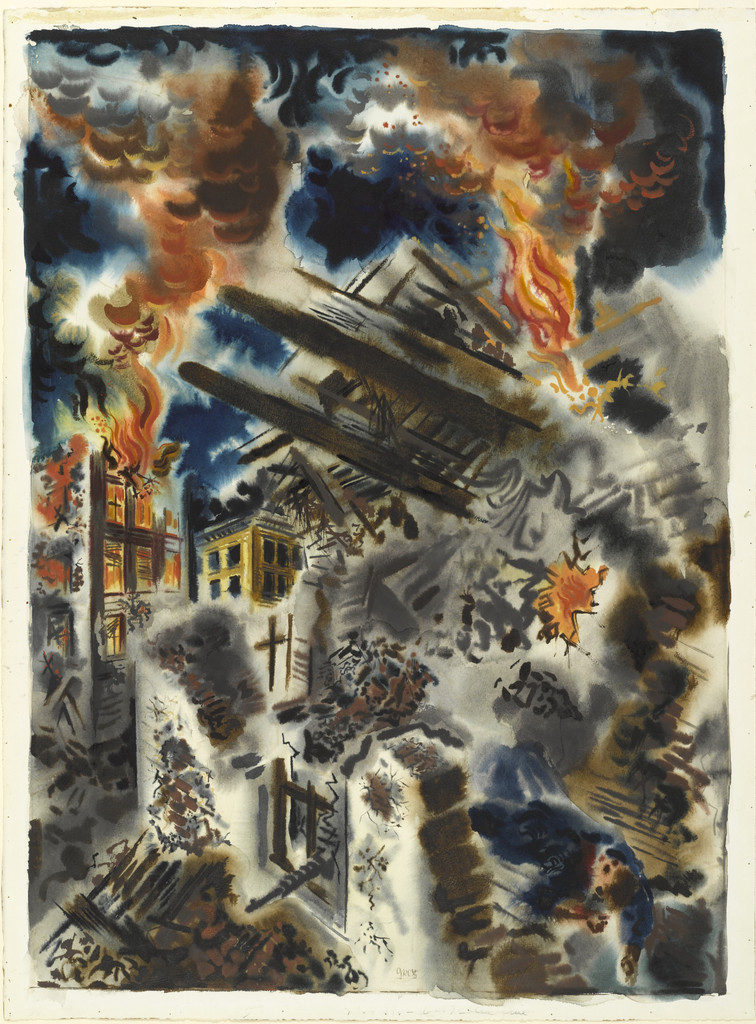
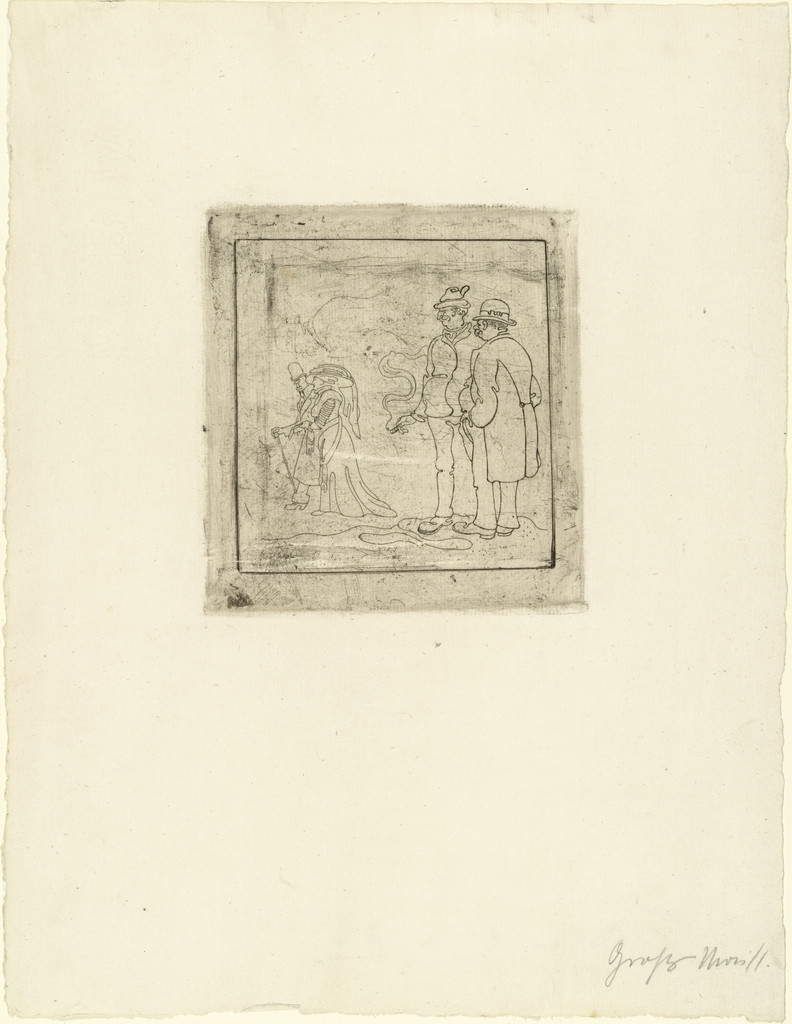
Punishment (Strafe)
Si può ammirare?
Al momento non riceve

New York, Stati Uniti
Appartiene alla collezione, ma al momento non è esposta.
- Verificato
- Fonte
- Il museo
Scheda
- Numero di inventario
- 169.1934
In catalogo
Fonti
- Museum of Modern Art
- Immagine: Museum of Modern Art — © the artist or rights holder
Nel frattempo, nella vita di Grosz, George
Tutta la vita1928–1933 · Residenza
Wilmersdorf
1932
An invitation to teach in New York
Bitterly anti-Nazi, Grosz accepts an invitation to teach the summer semester at the Art Students League of New York; in October 1932 he returns to Germany.
1933
A break with the past: a new style and subjects
In America Grosz resolves to make a clean break with his past and changes his style and subject matter: in place of his corrosive vision of the city he paints conventional nudes and many landscape watercolours. In his autobiography he writes that much that had frozen within him in Germany melted in America and that he deliberately destroyed a part of his past.
12 – 23 January 1933
Emigration to the United States
On 12 January 1933 Grosz and his family emigrate to the United States; their ship docks in New York on 23 January, a week before Hitler comes to power in Berlin.
1933–1945
His work is classed as “degenerate art”
In Nazi Germany Grosz's work is classed as 'degenerate art'.
1933–1955
Teaching at the Art Students League
Grosz teaches at the Art Students League of New York until 1955; his students include Romare Bearden, who was influenced by his collage style, Joseph Glasco and Robert Cenedella, whom he mentored from 1957 to 1959.


![The End of the Road (Out of Fear of Starvation) [Das Ende des Weges (Aus Nahrungssorgen)], George Grosz, 1913](https://www.moma.org/media/W1siZiIsIjEyMTkwNyJdLFsicCIsImNvbnZlcnQiLCItcmVzaXplIDEwMjR4MTAyNFx1MDAzZSJdXQ.jpg?sha=864379f3ce59af36)