 Mikhail Nesterov1862–1942
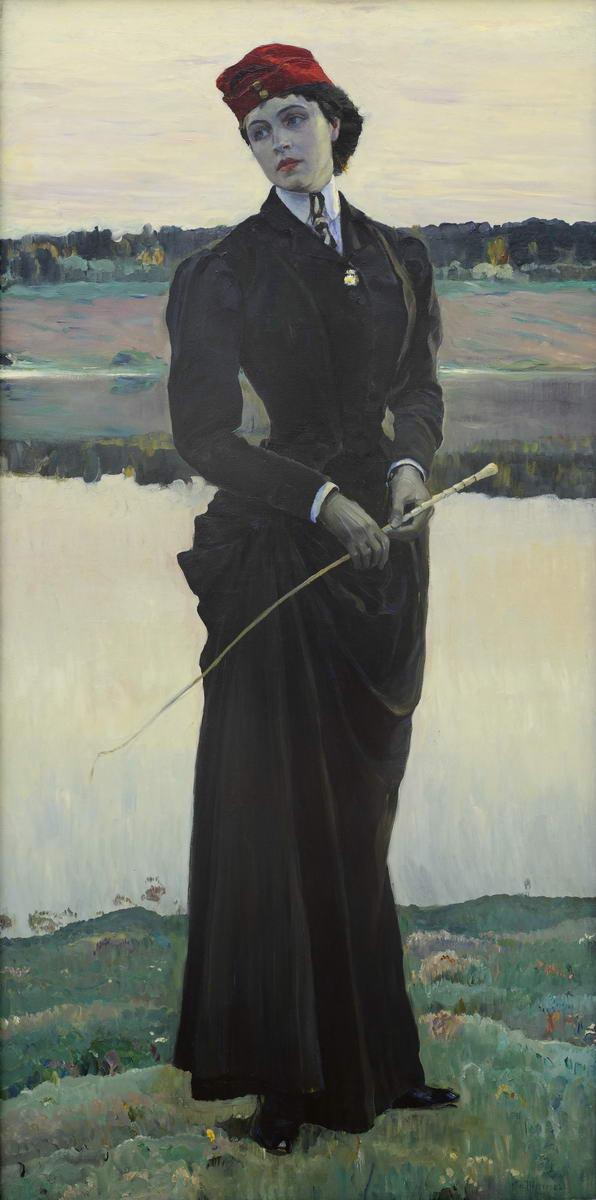
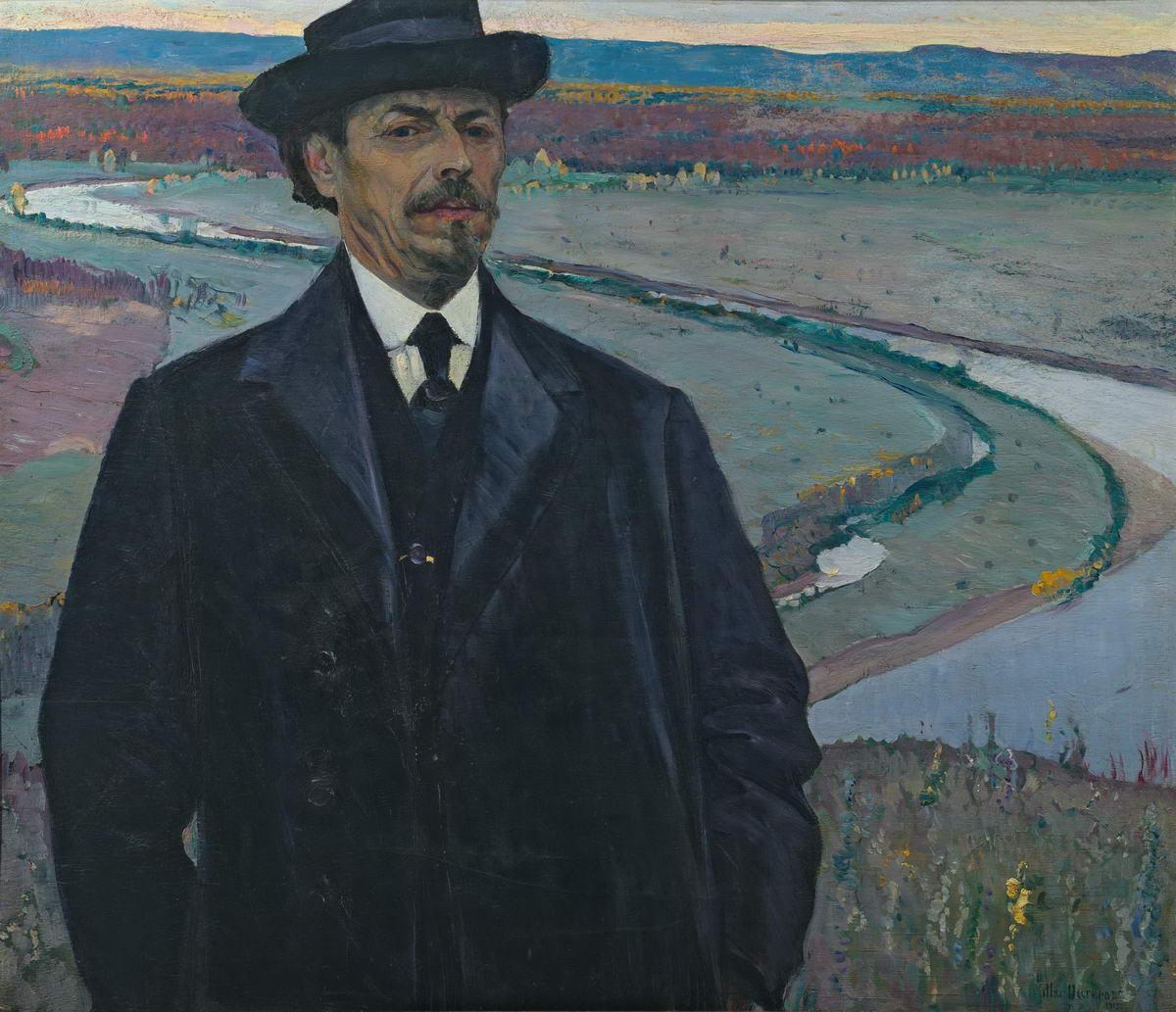
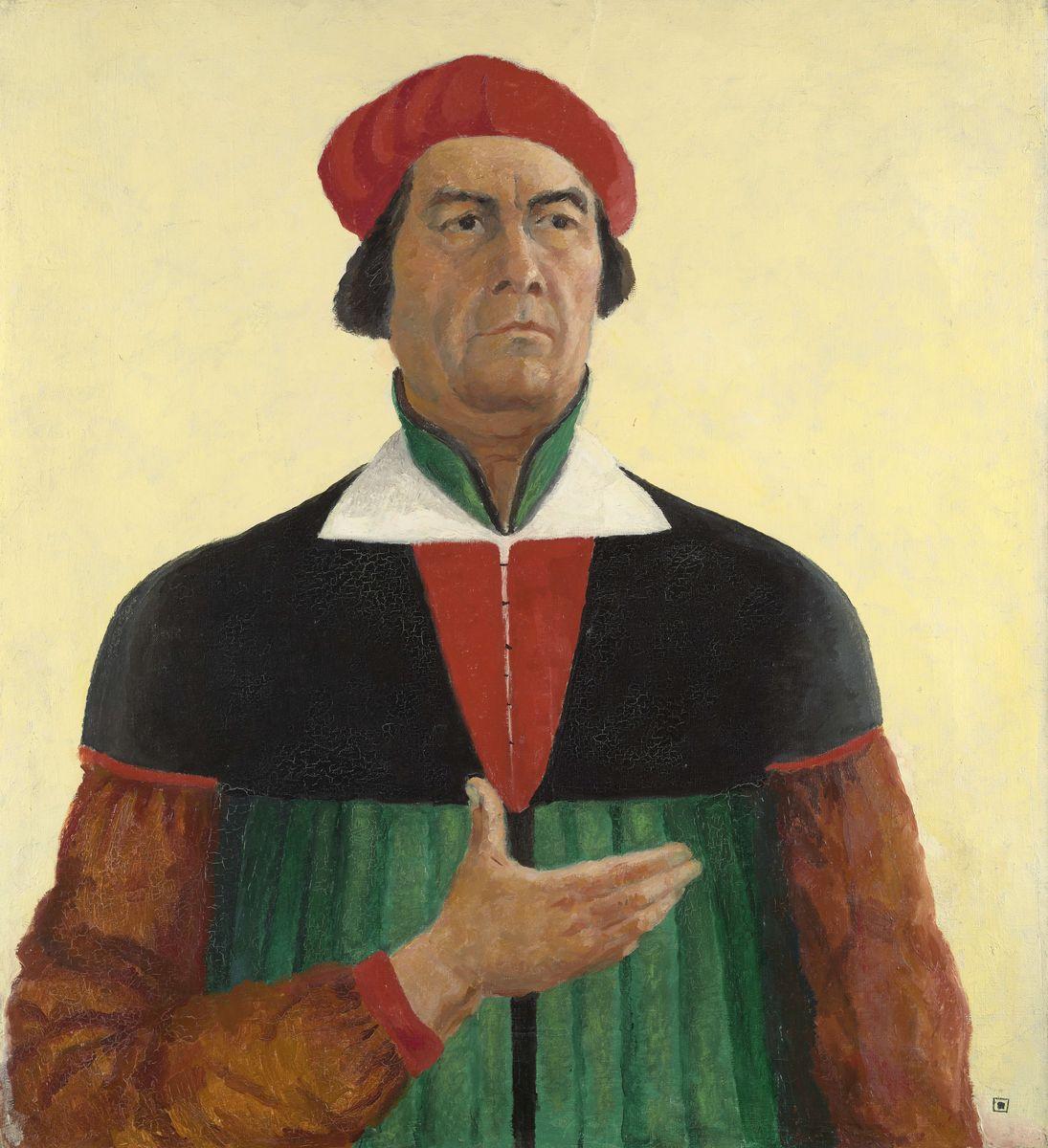
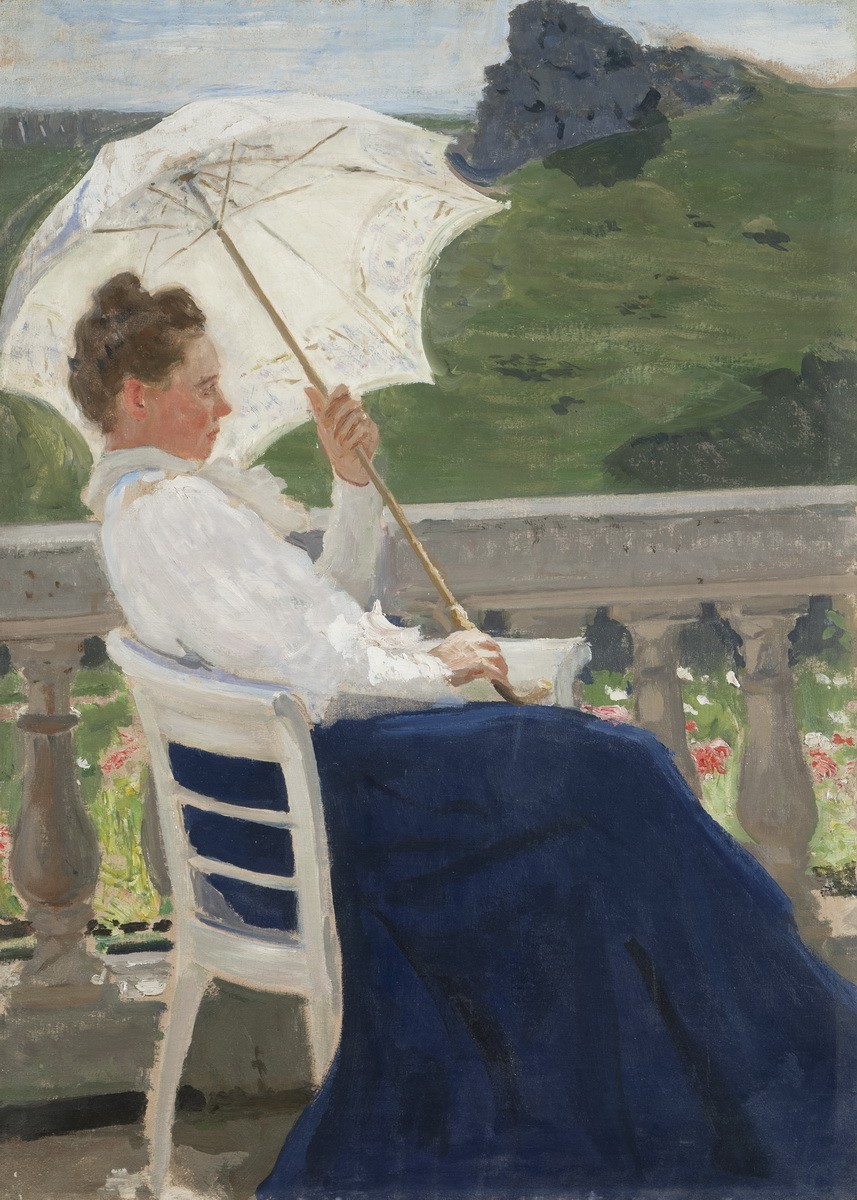
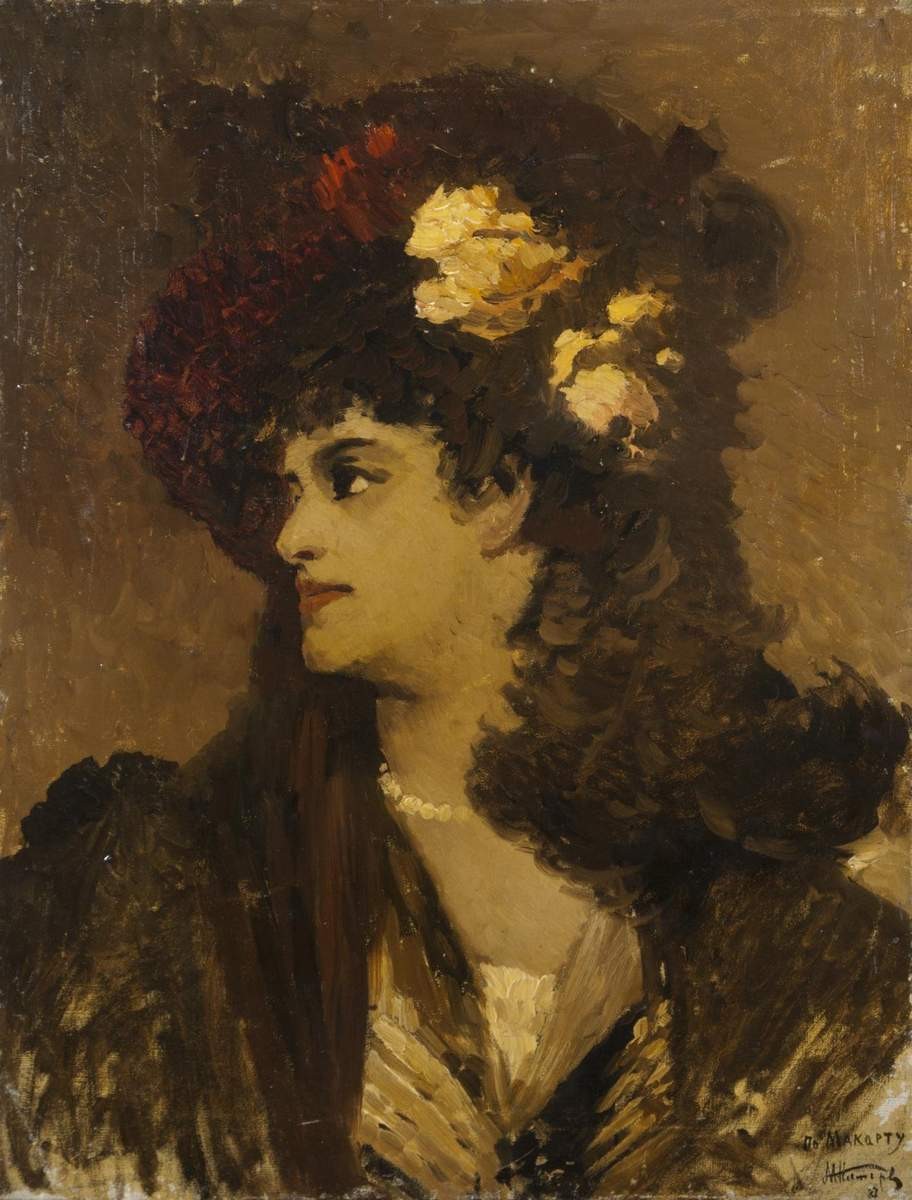
Портрет Т. М.
Si può vedere?
Non si sa
Dove si trova «Портрет Т. М.» oggi? Collezione: Museo russo, San Pietroburgo. Non si sa.

San Pietroburgo, Russia
Il proprietario è noto; non si sa se oggi sia esposta.
- Ultimo cambio di stato
- Fonte
- Il museo
Scheda
- Numero di inventario
- Ж-1852
Che cosa raffigura
In catalogo
Fonti
- Museo russo
- Immagine: Museo russo — © State Russian Museum
Nella vita di Mikhail Nesterov
Tutta la vita1874–1886 · Formazione
Moscow School of Painting, Sculpture and Architecture
summer 1885
Marries Maria Martynovskaya against his parents' will
In the summer of 1885, against his parents' wishes, Nesterov married Maria Ivanovna Martynovskaya; after the wedding he went on earning his living by illustrating Pushkin, Gogol and Dostoevsky.
May 1886
Daughter Olga is born; his wife dies
In May 1886 Nesterov's daughter Olga was born and his wife Maria Ivanovna died. He later carried the image of his beloved wife into many of his works.
1889
“The Hermit” at the 17th Peredvizhniki show
Shown at the 17th Peredvizhniki exhibition, “The Hermit” caused a stir and placed the young Nesterov among the most outstanding painters of the day; the word “mood” recurred in almost every review. Pavel Tretyakov bought the painting.
May 1889
First journey abroad
With the money from selling “The Hermit” to Tretyakov, Nesterov set off on his first trip abroad: Warsaw, Vienna, Venice, Florence, Rome, Naples with Pompeii and Capri, Paris, Munich, Berlin, Dresden. He brought back dozens of studies on lemon-wood panels, most of them from Capri; his travel diary (20 April – 24 July 1889) is kept in the Presidential Library.
May – July 1889
Carpaccio in Venice, Bastien-Lepage in Paris
In Venice Nesterov was struck above all by Vittore Carpaccio's “naive composition” and “childlike faith”, in Rome by Raphael's frescoes and the Sistine Chapel. In Paris he saw the painting of Puvis de Chavannes and Bastien-Lepage, whose “Joan of Arc”, art historians agree, decisively shaped the concept of “The Vision to the Youth Bartholomew”.