 PisanelloItalia, 1395–1455
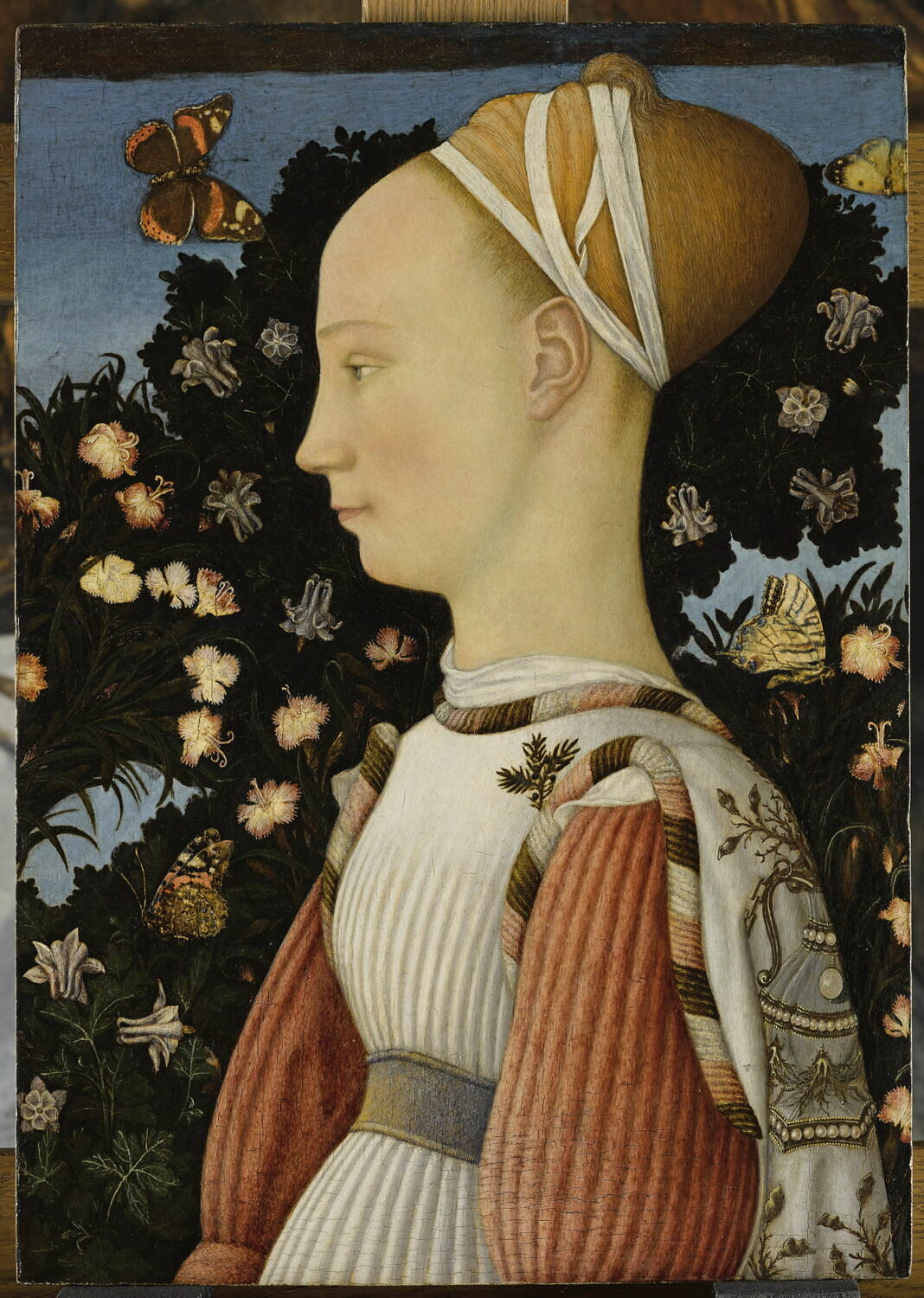
Ritratto di principessa estense
Portrait d'une princesse de la Maison d'Este
Si può vedere?
Non esposta al momento
Dove si trova «Ritratto di principessa estense» oggi? Collezione: Museo del Louvre, Parigi. Non esposta al momento. Verificato 26 settembre 2026.

Parigi, Francia
Appartiene alla collezione, ma al momento non è esposta.
- Verificato
- Ultimo cambio di stato
- Fonte
- Il museo
Sul dipinto
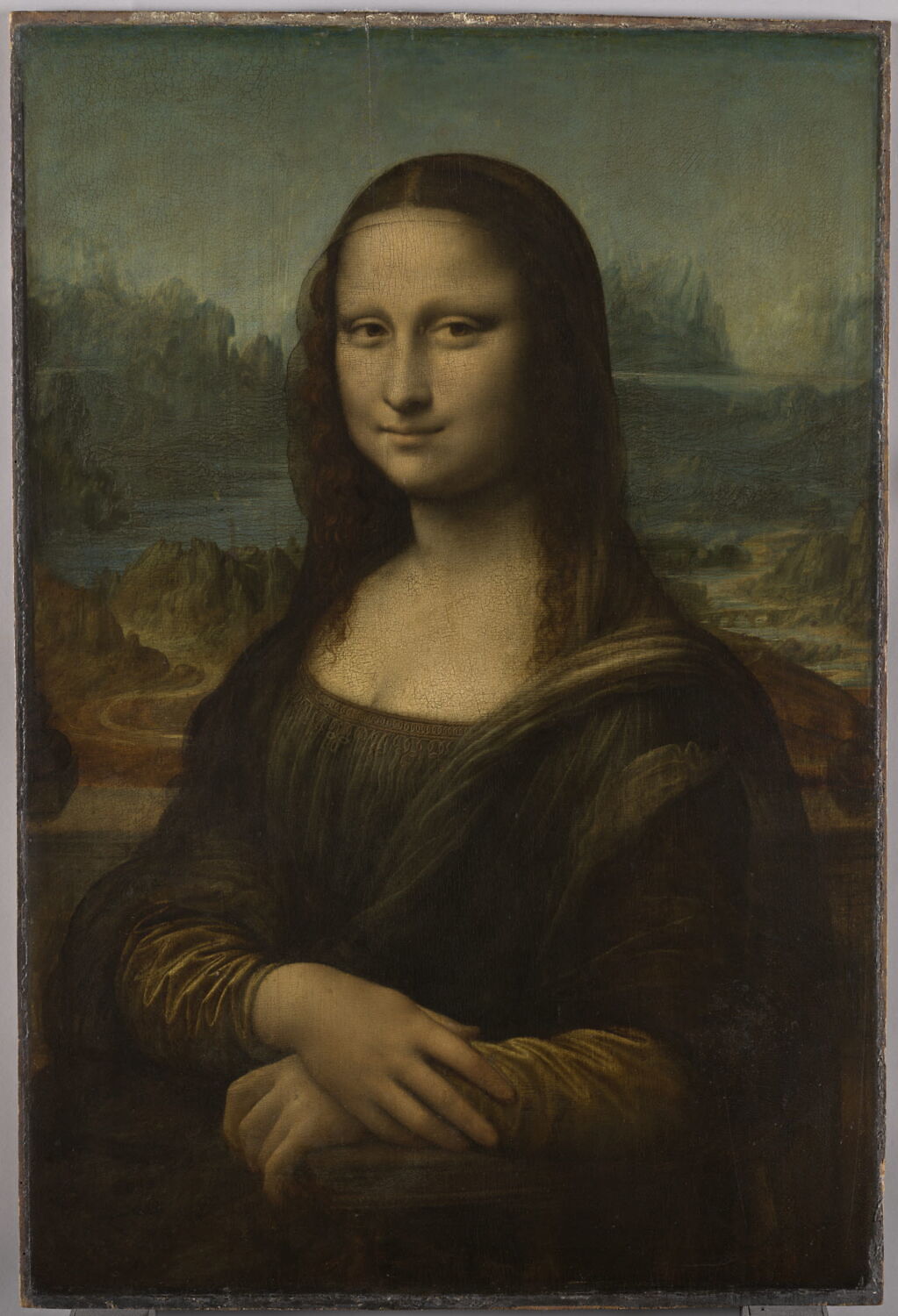
Ritratto di principessa estense è un dipinto, tempera su tavola (43x30 cm), attribuito a Pisanello, databile tra il 1435 e il 1445 circa e conservato nel Museo del Louvre a Parigi.
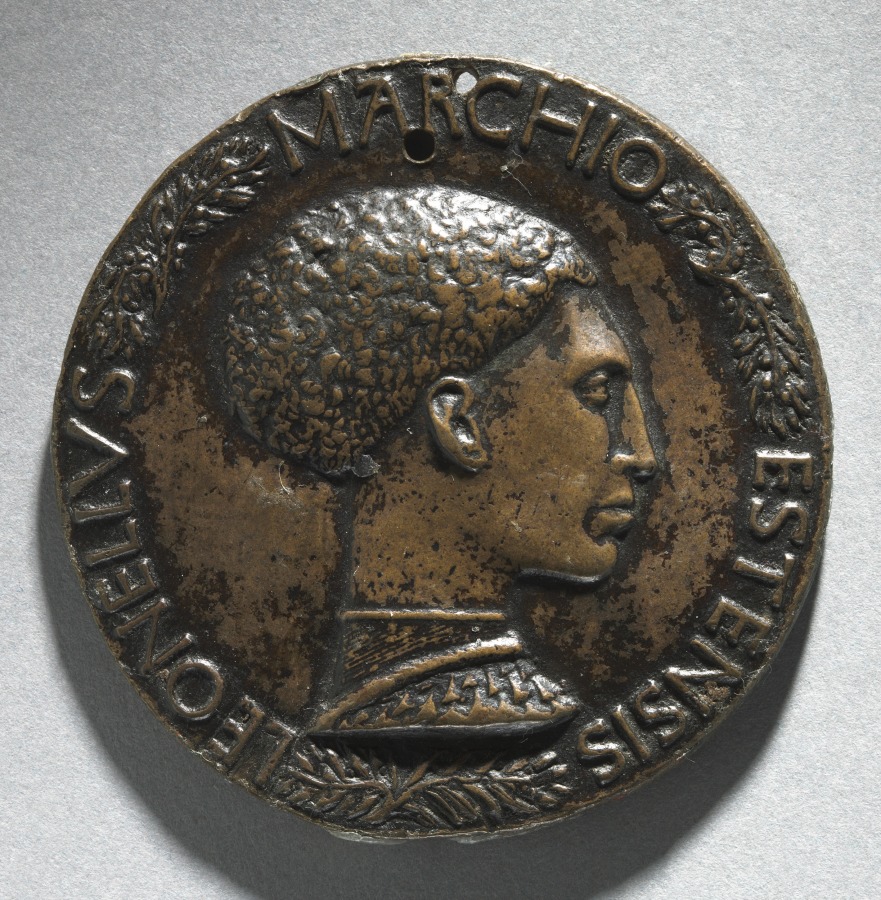
Si ritiene che il personaggio raffigurato nel dipinto sia Ginevra d'Este (o della sorella gemella Lucia d'Este) anche se quando il quadro venne catalogato, si era ritenuto in un primo tempo che la persona in questione potesse essere Margherita Gonzaga, moglie di Leonello d'Este, il principe umanista per cui Pisanello fece anche un ritratto e ben cinque medaglie commemorative.
Scheda
- Numero di inventario
- RF 766
In catalogo
Fonti
- Museo del Louvre
- Immagine: Museo del Louvre — © 2016 GrandPalaisRmn (musée du Louvre) / Franck Raux
Nella vita di Pisanello
Tutta la vitaAugust – October 1427
Sudden death of his mentor Gentile da Fabriano
Gentile da Fabriano, Pisanello's teacher and friend, died suddenly in Rome, leaving his frescoes in the Basilica of St. John Lateran unfinished. It fell to his pupil to complete them.
1431–1432
Completes Gentile's frescoes at the Lateran
Pisanello completed the frescoes his master had begun in the Basilica of St. John Lateran; they were destroyed when Francesco Borromini rebuilt the basilica in the 17th century, and a faint sketch of them by Borromini is kept in the Kupferstichkabinett in Berlin. In Rome he saw the monuments of antiquity, made many drawings after ancient works and came increasingly under the influence of the classical style.
1439
Besieges Verona with the Gonzaga troops
In the war against the Republic of Venice, Pisanello joined the troops of Gianfrancesco I Gonzaga besieging Verona. Other accounts place the decision, taken together with Gonzaga, in 1438, when war broke out between Milan and Venice.
1441–1444
At the court of Leonello d'Este in Ferrara
Barred from Venetian lands, Pisanello worked at the court of Leonello d'Este in Ferrara after a stay in Milan in 1440–1441. There he grew close to the humanist Guarino da Verona, giving him a “Saint Jerome”; Guarino answered with an enthusiastic Latin poem in his honor.
1442
Venice sentences him in absentia to lose his tongue
Soon after Verona was relieved, the Venetian authorities banned the artist from their territory and then sentenced him in absentia to the confiscation of his property and the loss of his tongue “for slandering the republic and uttering words defaming the government”. Only highly placed friends saved him from the punishment.
1448
Moves to Naples, to the court of Alfonso of Aragon
Invited by King Alfonso of Aragon, Pisanello lived in Naples from December 1448 until the end of his life, enjoying great repute at the Aragonese court; the poet Porcellio wrote an ode in his honor.