 Philippe de ChampaigneFrancia, 1602–1674
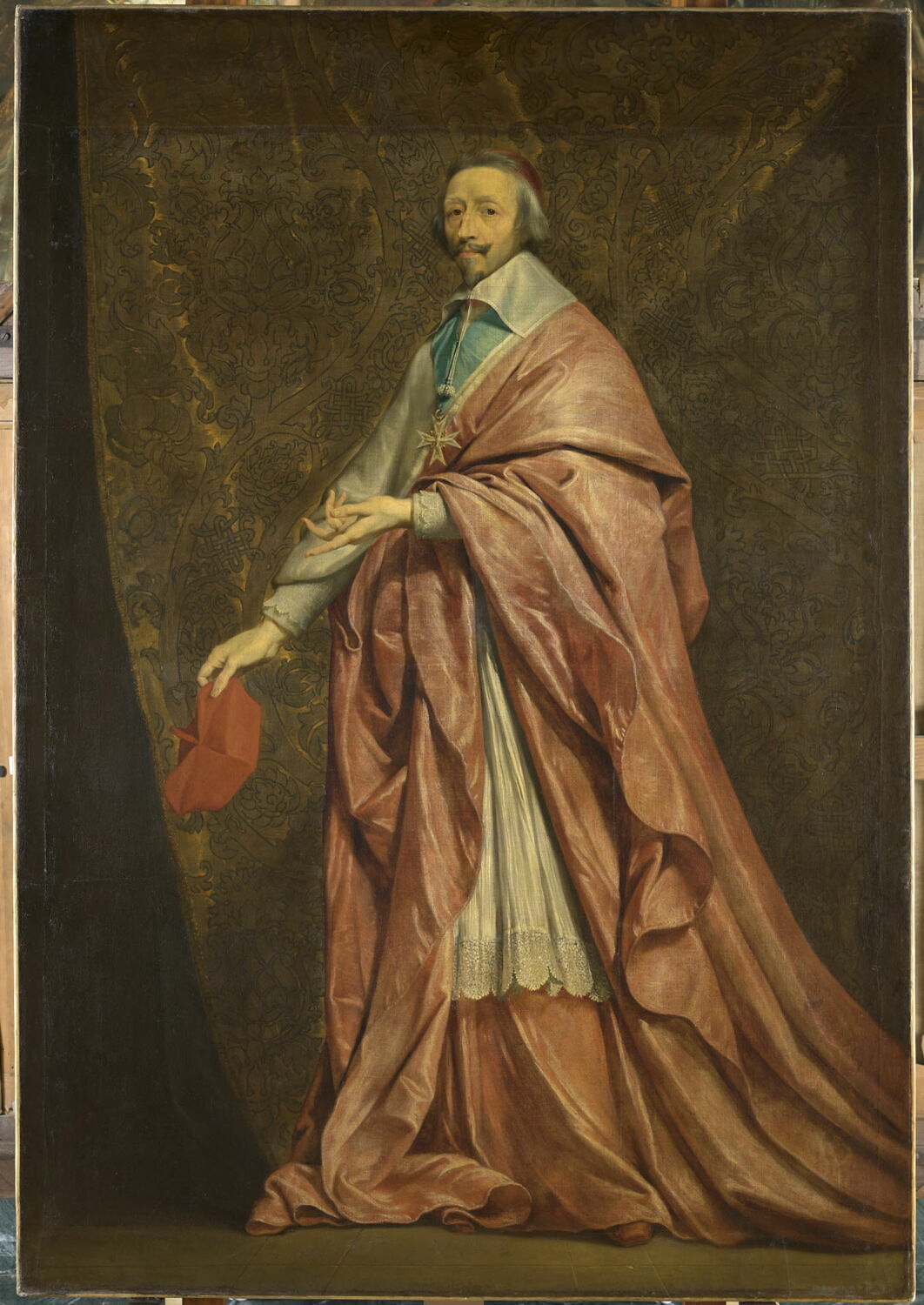
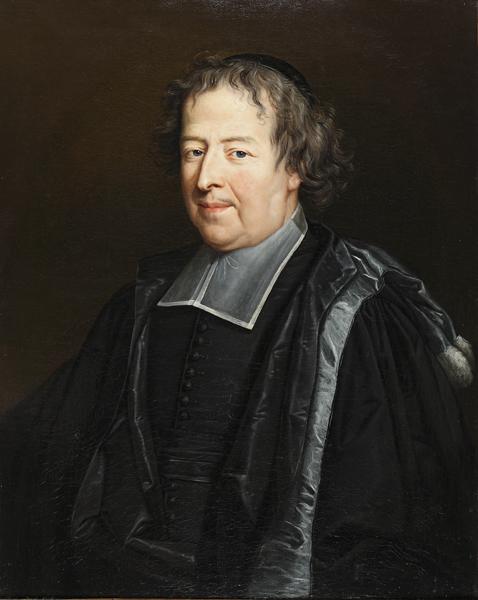
Portrait d'homme d'église
Si può vedere?
Non si sa
Dove si trova «Portrait d'homme d'église» oggi? Collezione: Museo Thomas-Henry, Cherbourg-Octeville. Non si sa.
Cherbourg-Octeville, Francia
Il proprietario è noto; non si sa se oggi sia esposta.
- Ultimo cambio di stato
- Fonte
- Il museo
Scheda
- Numero di inventario
- 835.44 ; 44 (N° catalogue 1835) ; 44 (N° catalogue 1870) ; 44 (N° catalogue 1912) ; 44 (N° catalogue 1949) ; FCHER29 (N° Base Eros C2RMF)
Che cosa raffigura
In catalogo
Fonti
- Museo Thomas-Henry
- Immagine: Museo Thomas-Henry — © Daniel Sohier - utilisation soumise à autorisation; Ministère de la Culture (France), base Joconde
Nella vita di Philippe de Champaigne
Tutta la vita26 maggio 1602
Born
1621
Moves to Paris
Having turned down the chance to visit Italy and to join Rubens' studio, Champaigne moved to Paris in 1621, where he worked as an independent master from about 1624.
1628
Marries Nicolas Duchesne's daughter
According to Houbraken, Duchesne resented Champaigne's growing popularity at court, so Champaigne went back to Brussels to live with his brother; only on hearing of Duchesne's death did he return to marry his daughter. Succeeding Duchesne, he became the Queen's Painter with a salary of 1,200 livres.
1640
Comes under the influence of Jansenism
From 1640 onward, in the later part of his life, Champaigne came under the influence of Jansenism.
1648
A founder of the Royal Academy
Champaigne was one of the founding members of the Académie royale de peinture et de sculpture, the premier art institution of Ancien Régime France.
12 agosto 1674
Died