ART WIKI32.963 in sala
MappaCollezioneArtistiMuseiMostreRivista
Accedi

ART WIKI

Dove è appeso il capolavoro, e quando si può entrare.

Collezioni: Art Institute of Chicago, Cleveland Museum of Art, Ermitage, Galleria Tret'jakov, Getty Museum, Harvard Art Museums, Hirshhorn Museum and Sculpture Garden, Metropolitan Museum of Art, Minneapolis Institute of Art, Museo del Louvre, Museo Puškin delle belle arti, Museo russo, Museum of Modern Art, National Gallery of Art, National Museum of Asian Art, National Portrait Gallery, Rijksmuseum, Smithsonian American Art Museum, Statens Museum for Kunst, Victoria and Albert Museum, Villa Getty, Whitney Museum of American Art, Catalogo statale del fondo museale russo (274 musei), Europeana (19 musei), Wikidata (6 musei), Paris Musées (12 musei) e Joconde, la banca dati dei musei del Ministero della Cultura francese (495 musei). Le immagini appartengono ai titolari dei diritti.

Sezioni

  • Mappa
  • Ricerca
  • Collezione
  • Capolavori
  • Esposte ora
  • Artisti

Altro

  • Musei e gallerie
  • Mostre
  • Rivista
  • Da dove vengono i dati
  • Privacy e cookie
HomeMappaCatalogo
  1. Collezione/
  2. Museo del Louvre/
  3. Gilles
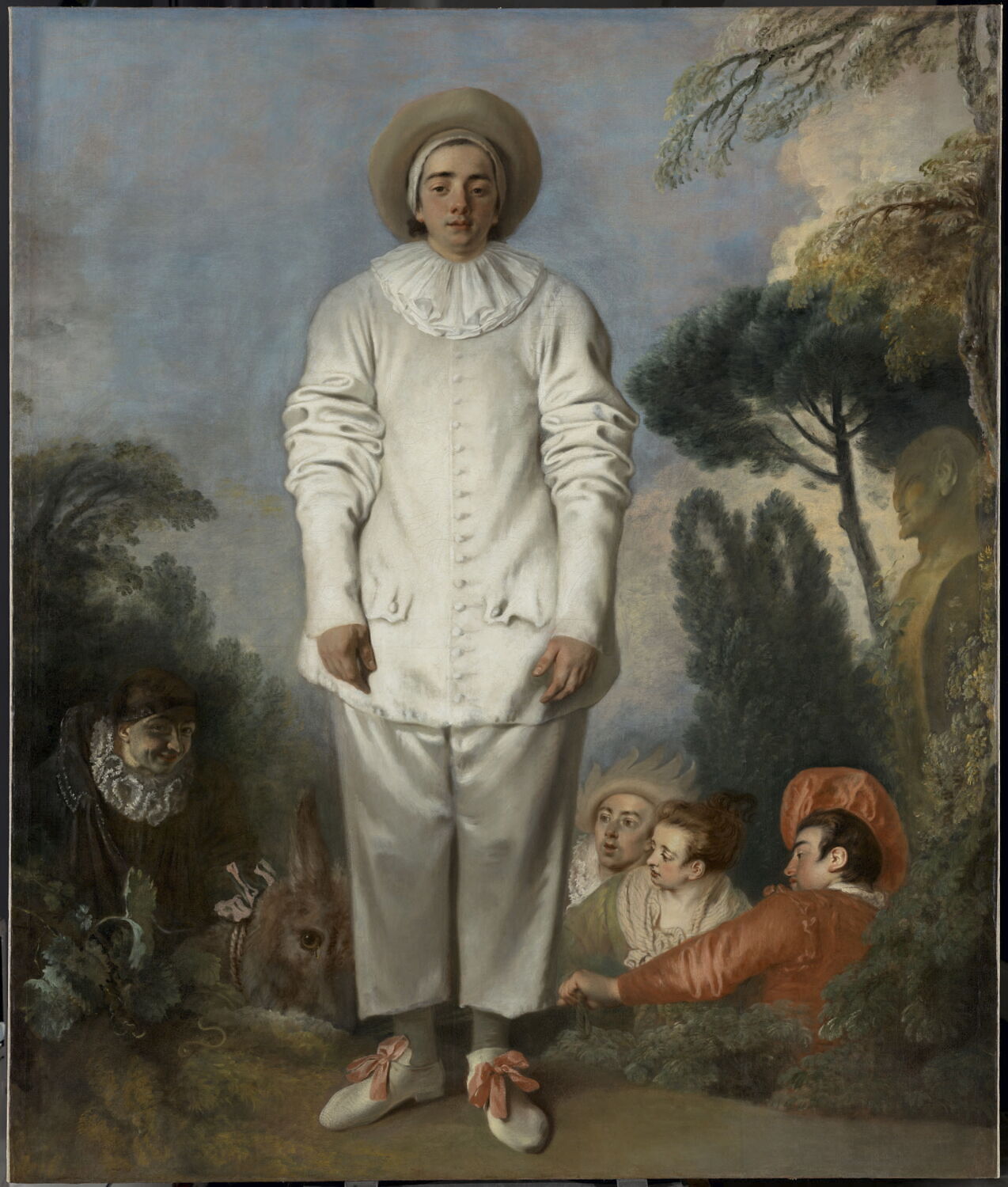
Gilles, Jean-Antoine Watteau, 1e quart du XVIIIe siècle (vers 1718 - 1719)
Jean-Antoine Watteau, ritrattoJean-Antoine WatteauFrancia, 1684–1721

Gilles

Pierrot

1e quart du XVIIIe siècle (vers 1718 - 1719) · Peintures

Si può ammirare?

Sì, riceve visite

Museo del Louvre

Parigi, Francia

Sala917, Aile Sully, Niveau 2

Esposta al pubblico. Chi lo garantisce è indicato qui sotto.

Verificato
12 giorni fa
Ultimo cambio di stato
26 set 2026
Fonte
Il museo
Sulla mappaPagina del museo

Sul dipinto

Gilles (conosciuto anche come Pierrot detto Gilles) è un olio su tela (184x149) di Antoine Watteau, completato tra il 1718 ed il 1719. È custodito al museo del Louvre di Parigi.

Wikipedia · CC BY-SA

Scheda

1e quart du XVIIIe siècle (vers 1718 - 1719)
16841721
Numero di inventario
MI 1121

In catalogo

DipintiOlioPittura franceseBaroccoXVIII secolo

Fonti

  • Museo del Louvre
  • Immagine: Museo del Louvre — © 2024 GrandPalaisRmn (musée du Louvre) / Mathieu Rabeau

Nel frattempo, nella vita di Jean-Antoine Watteau

Tutta la vita
  1. 1710s

    Meets Edme-François Gersaint

    At Sirois's house Watteau meets his son-in-law, the art dealer Edme-François Gersaint, who soon becomes a close friend.

  2. 1710s

    Tuberculosis sets in

    Watteau's fame grows steadily, yet he is as a rule dissatisfied with everything that comes from his brush; at the same time he develops a serious illness, tuberculosis.

  3. 28 August 1717

    Elected to the Academy: a “fête galante”

    By 1717 Watteau's “gallant scenes” have had such wide success that an exception is made for his reception piece, “Pilgrimage to Cythera”: in the minutes the words “pilgrimage to Cythera” are struck out and replaced by “fête galante”. Watteau is elected a full member of the Academy; the ceremony is attended by the First Painter to the King, Antoine Coypel, by Claude Gillot and by the Regent, the Duke of Orléans.

  4. late 1719 – summer 1720

    To London, to see Dr Richard Mead

    Watteau's health is failing, and he goes to England at the invitation of Philippe Mercier, an admirer and imitator, hoping to overcome tuberculosis with the help of the well-known physician Richard Mead. The treatment brings no noticeable result and the London climate only aggravates his condition; he returns to Paris in summer 1720, gravely ill.

  5. spring 1721

    Moves to Nogent-sur-Marne

    In spring Watteau's condition worsens; he leaves Gersaint's house but soon asks for help again, since he finds it hard to breathe in Paris. His friend the Abbé Pierre-Maurice Haranger asks Philippe Le Fèvre, the steward of the king's minor entertainments, to make available an empty house with a garden on the edge of Nogent-sur-Marne, far from the stuffiness and bustle of the capital.

  6. 18 luglio 1721

    Died

Altre opere di Jean-Antoine Watteau

Tutte le opere
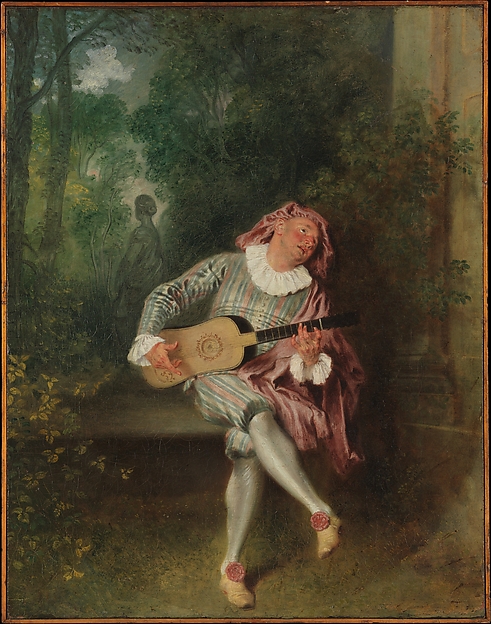
Mezzetin, Antoine Watteau, ca. 1718–20

Mezzetin

ca. 1718–20 · Metropolitan Museum of Art

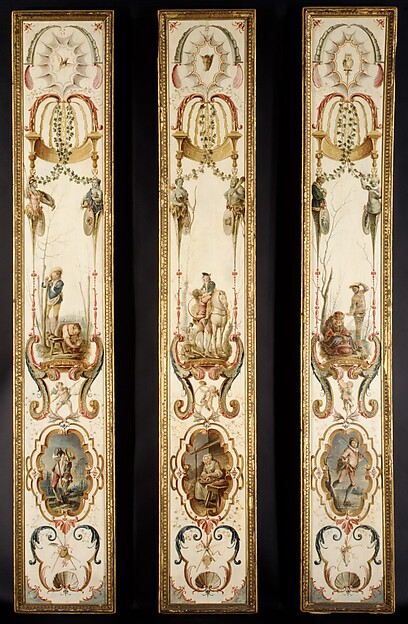
November and December (part of a set illustrating the months of the year), Antoine Watteau, second quarter 18th century

November and December (part of a set illustrating the months of the year)

second quarter 18th century · Metropolitan Museum of Art

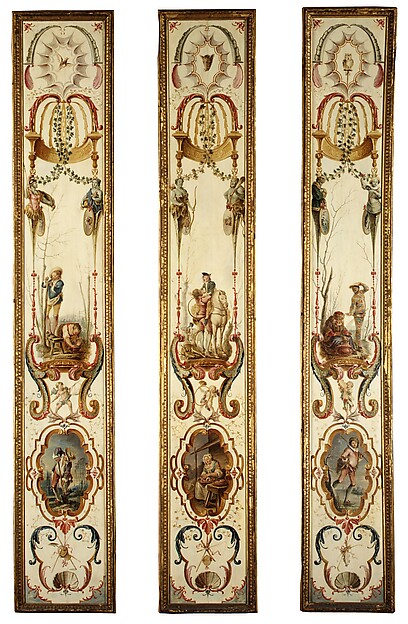
January and February (part of a set illustrating the months of the year), Antoine Watteau, second quarter 18th century

January and February (part of a set illustrating the months of the year)

second quarter 18th century · Metropolitan Museum of Art

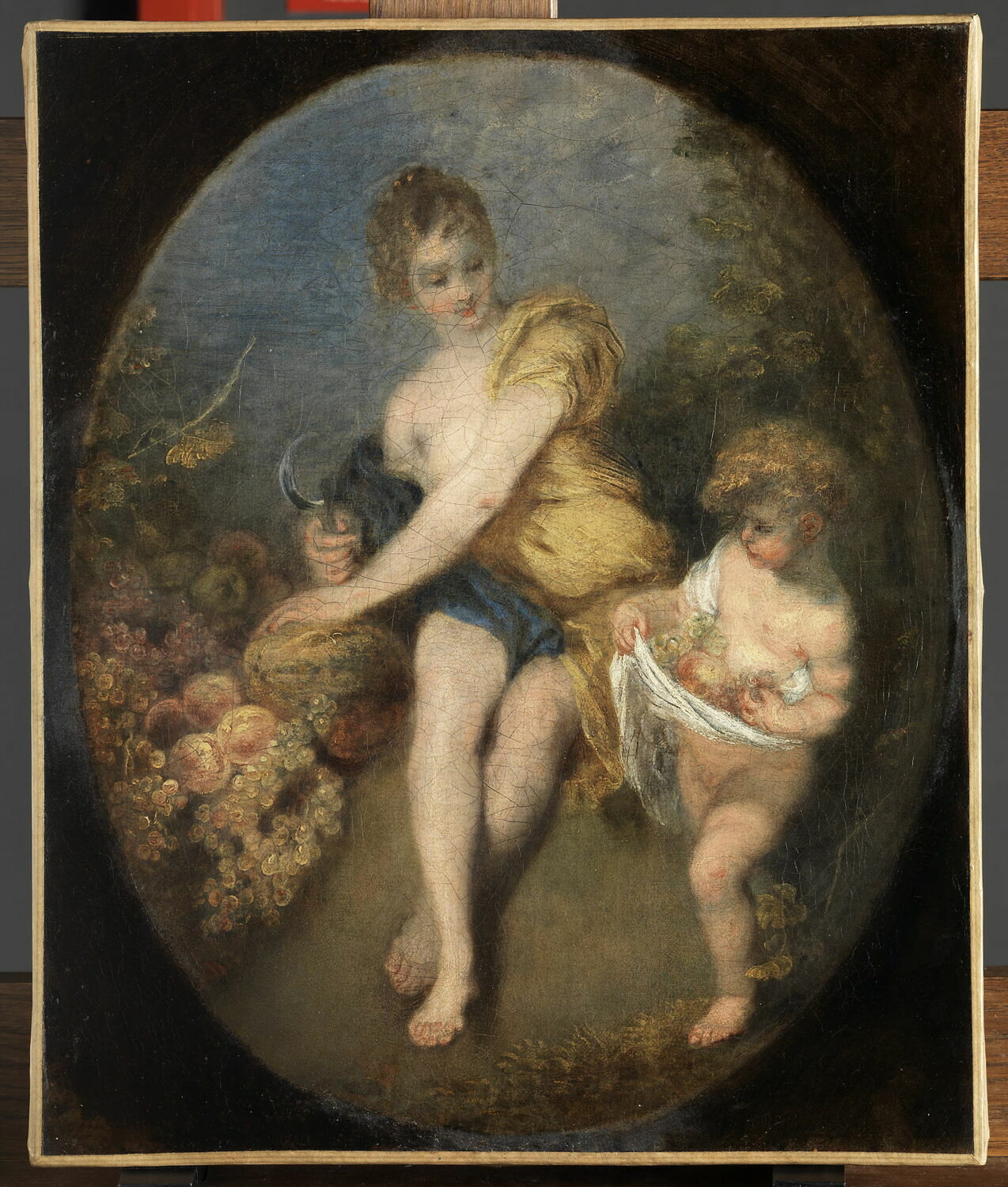
L'Automne, Watteau, Jean-Antoine, 1e quart du XVIIIe siècle (1700 - 1725)

L'Automne

1e quart du XVIIIe siècle (1700 - 1725) · Museo del Louvre

La Finette, Watteau, Jean-Antoine, 1e quart du XVIIIe siècle (1700 - 1725)

La Finette

1e quart du XVIIIe siècle (1700 - 1725) · Museo del Louvre

Actors of the Comedie-Francaise, Jean-Antoine Watteau, 1710s

Actors of the Comedie-Francaise

1710s · Ermitage

Landscape, Jean-Antoine Watteau, 1710s

Landscape

1710s · Ermitage

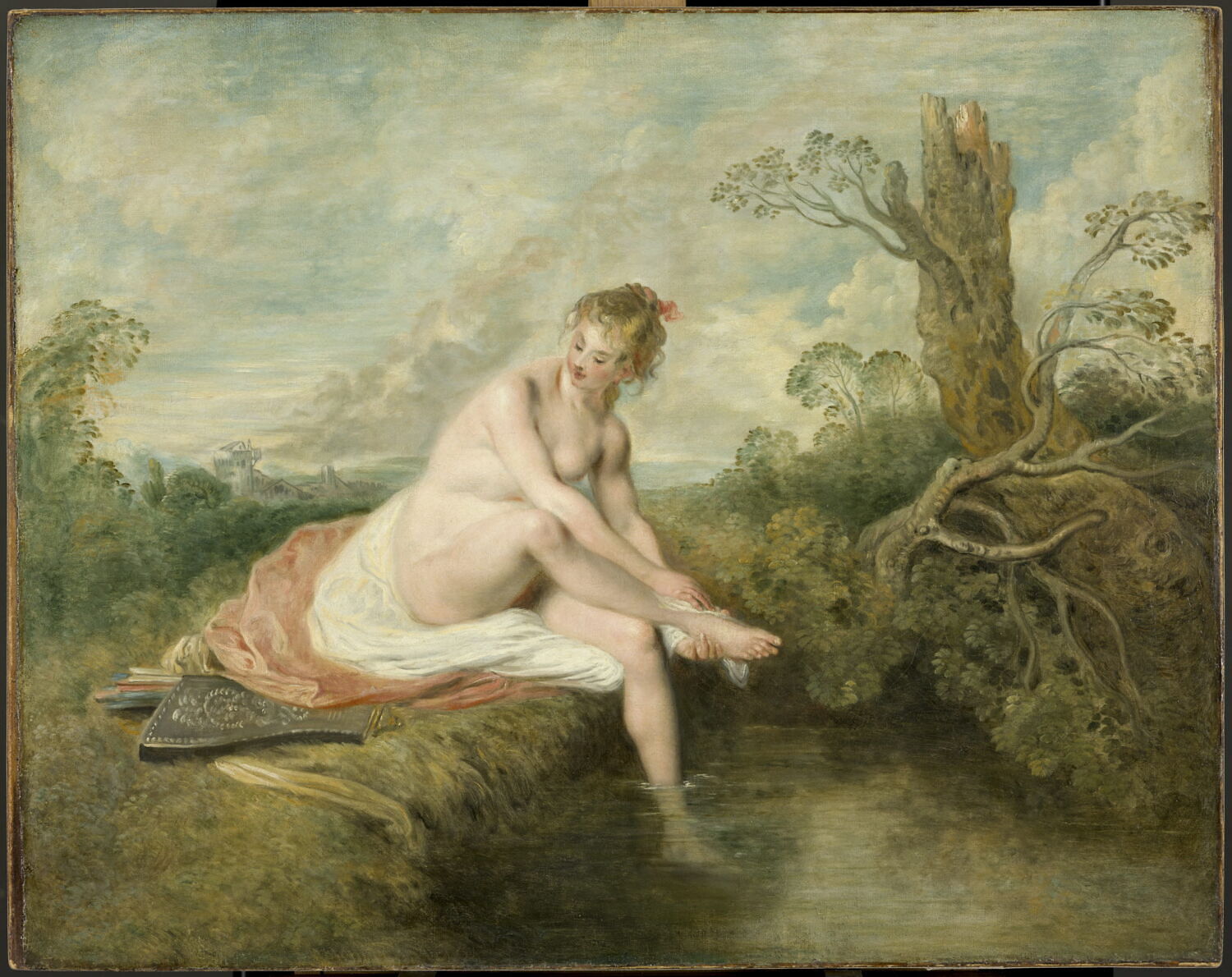
Diane au bain, Watteau, Jean-Antoine, 1e quart du XVIIIe siècle (vers 1715 - 1716)

Diane au bain

1e quart du XVIIIe siècle (vers 1715 - 1716) · Museo del Louvre

Sotto lo stesso tetto: Museo del Louvre

Pagina del museo
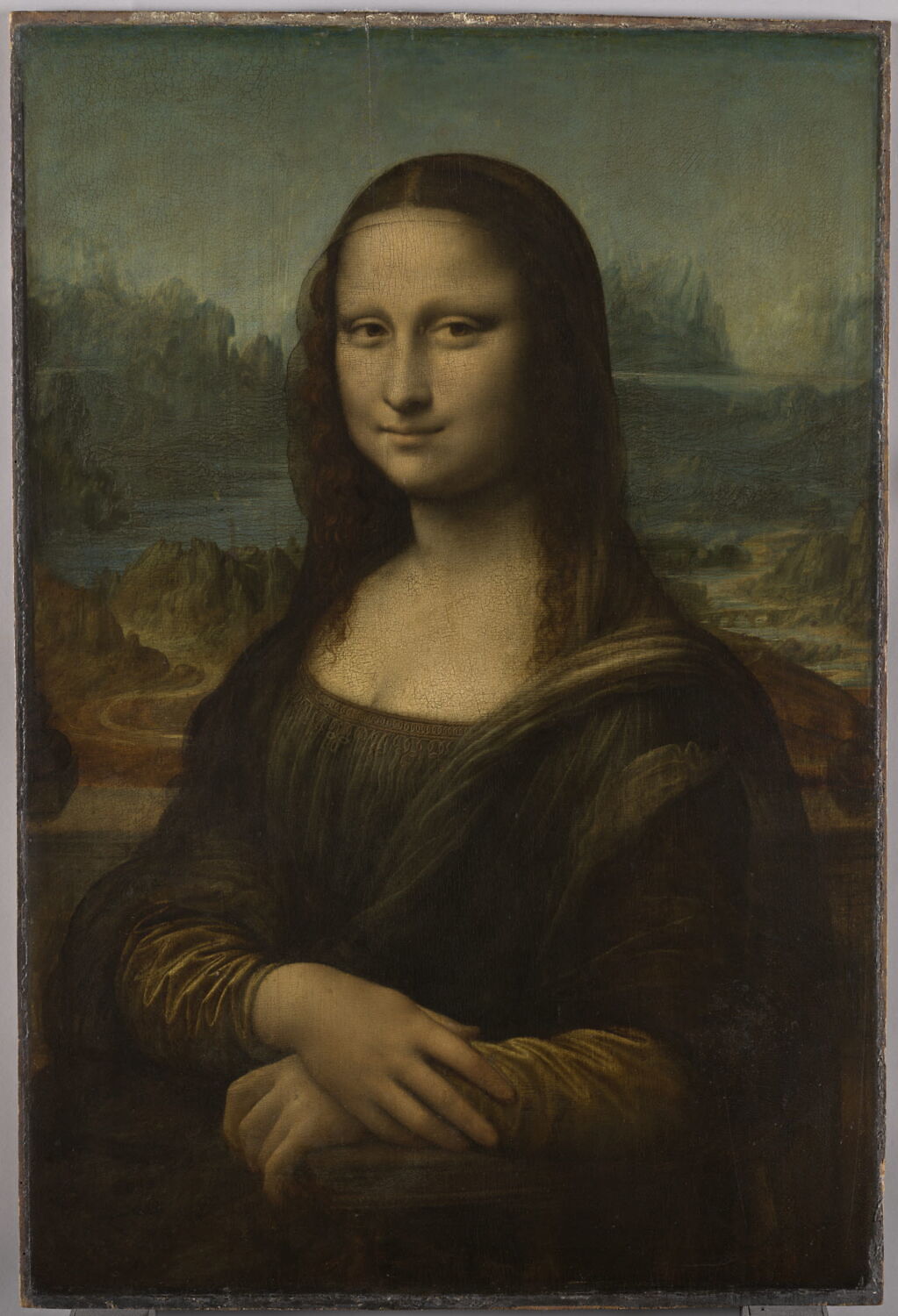
Portrait de Lisa Gherardini, épouse de Francesco del Giocondo, dit La Joconde ou Monna Lisa, Léonard de Vinci, 1e quart du XVIe siècle (1503 - 1519)

Leonardo da Vinci

La Gioconda, 1e quart du XVIe siècle (1503 - 1519)

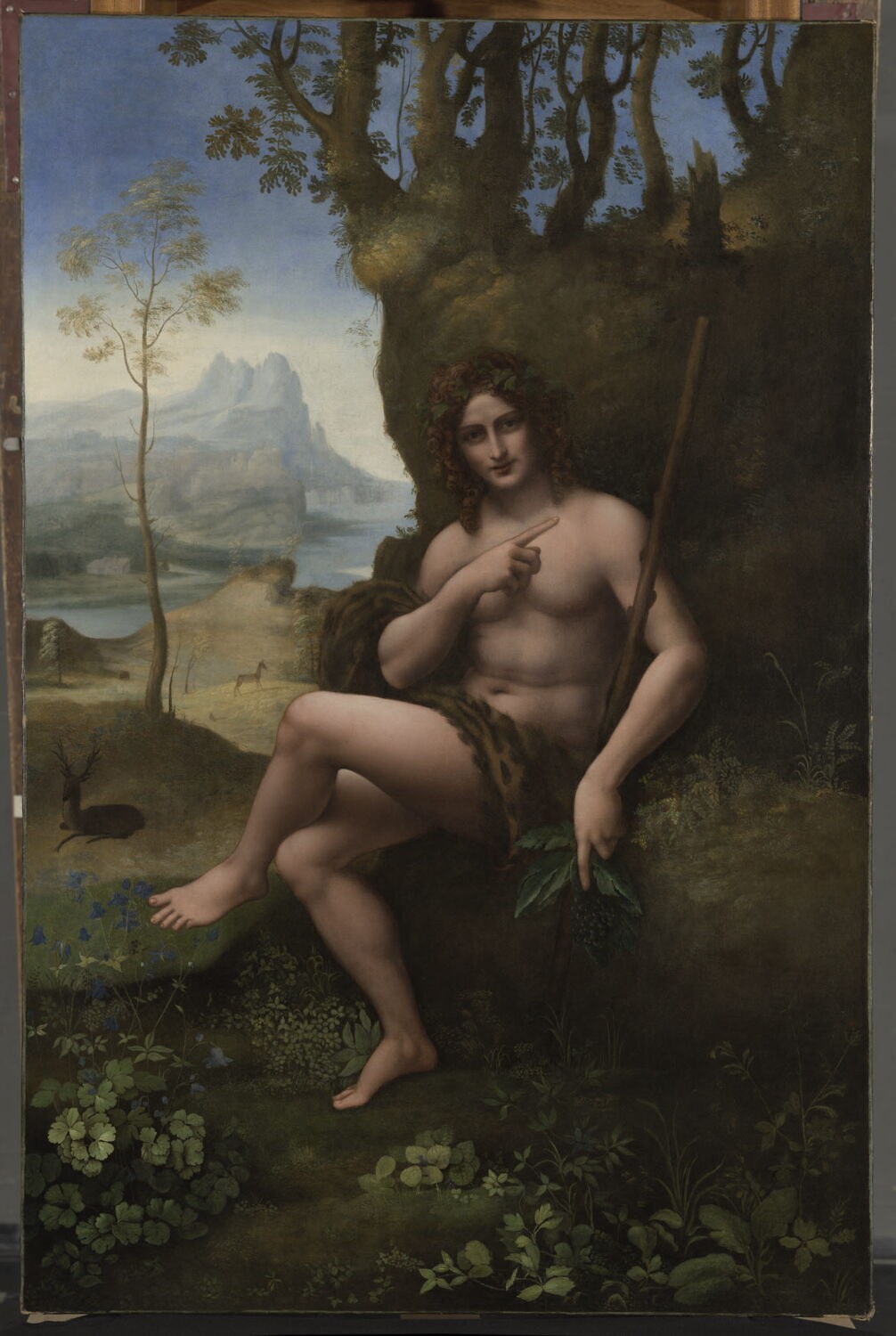
Saint Jean Baptiste, Léonard de Vinci, 1e quart du XVIe siècle (vers 1517 - 1520)

Leonardo da Vinci

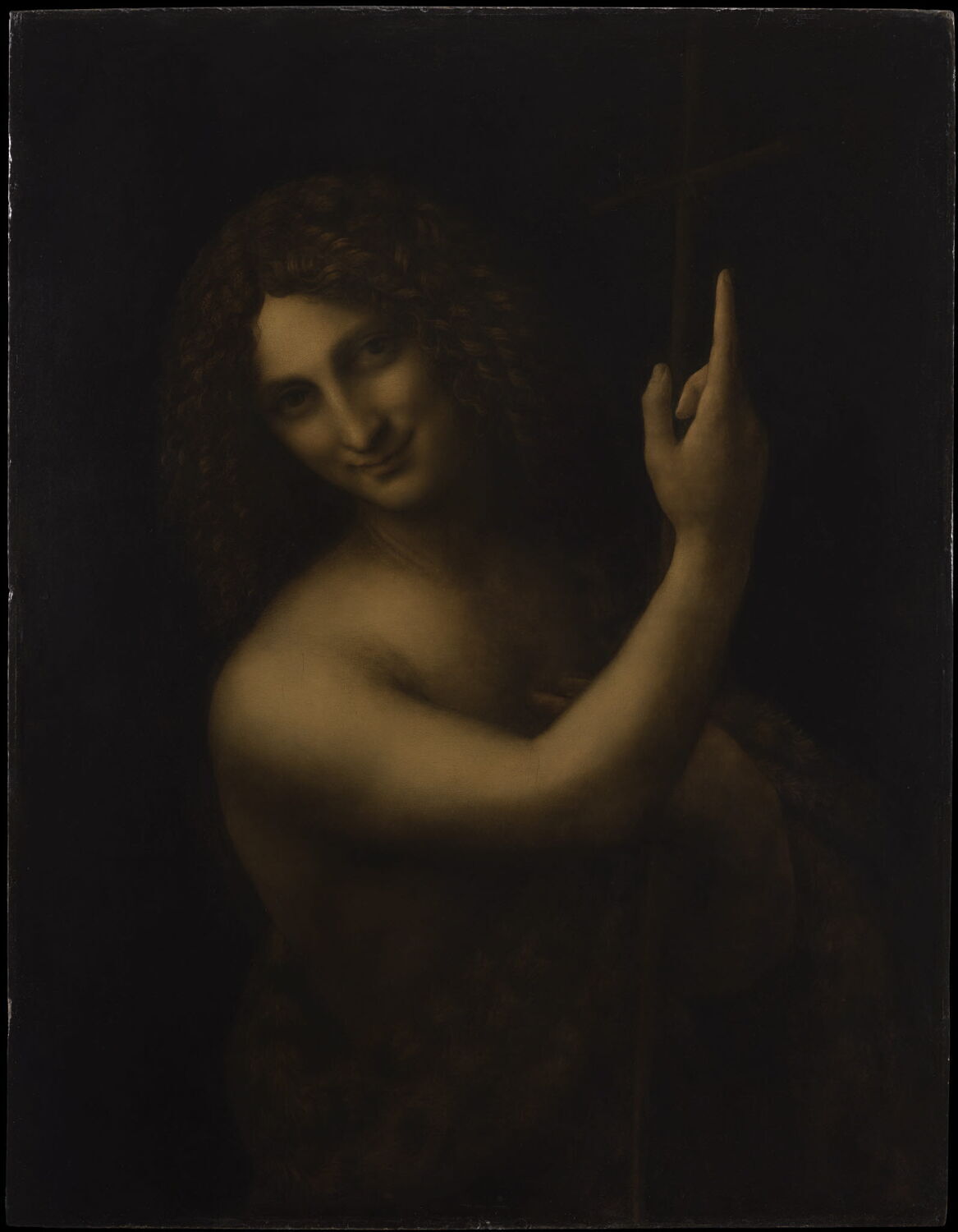
Bacco, 1e quart du XVIe siècle (vers 1517 - 1520)

Saint Jean Baptiste, Léonard de Vinci, 1e quart du XVIe siècle (vers 1508 - 1519)

Leonardo da Vinci

San Giovanni Battista, 1e quart du XVIe siècle (vers 1508 - 1519)

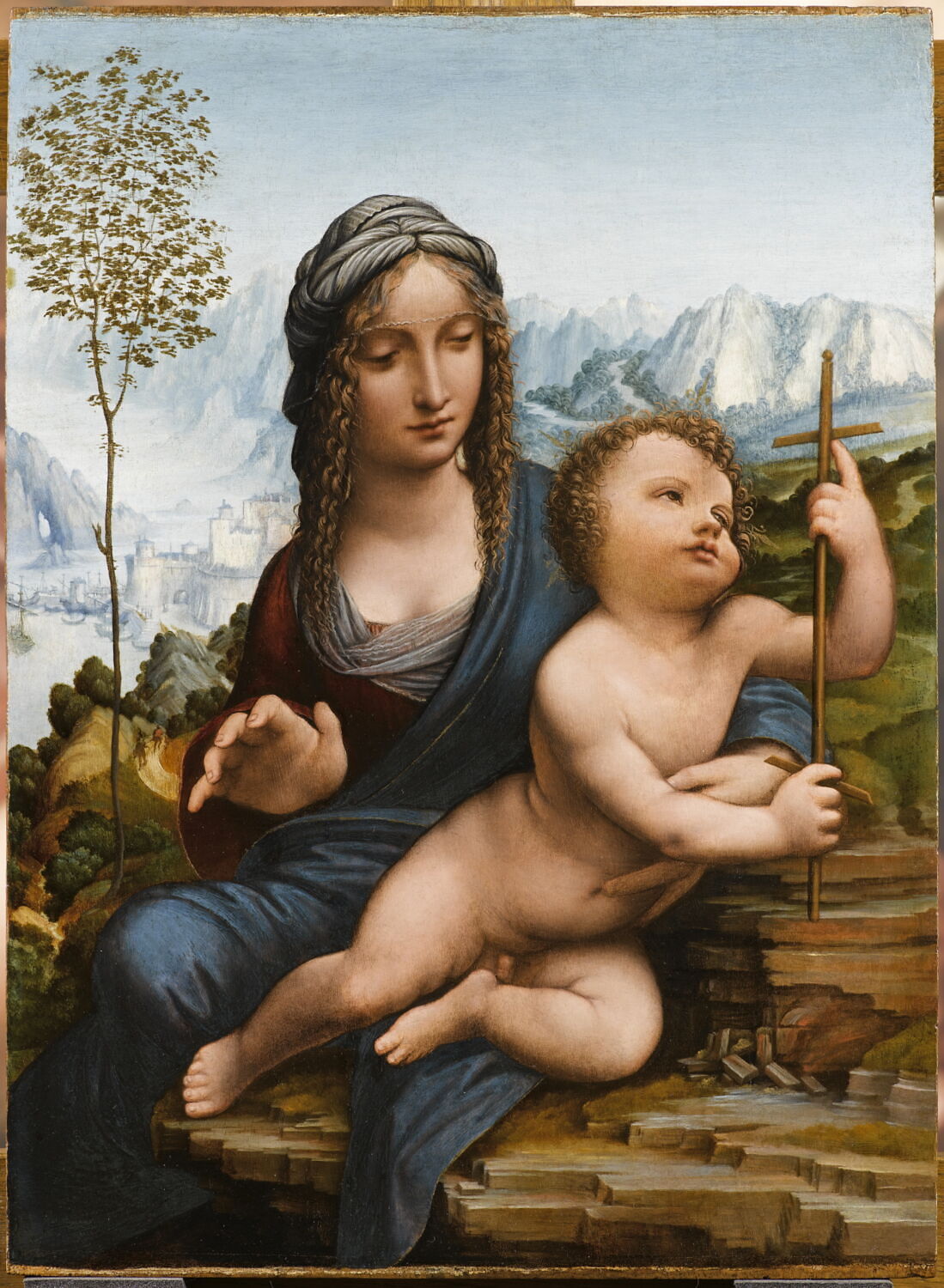
La Vierge et l'Enfant Jésus, dite Vierge au dévidoir ou Vierge aux fuseaux, Léonard de Vinci, XVIe siècle (vers 1505 - 1520)

Leonardo da Vinci

La Vierge et l'Enfant Jésus, dite Vierge au dévidoir ou Vierge aux fuseaux, XVIe siècle (vers 1505 - 1520)

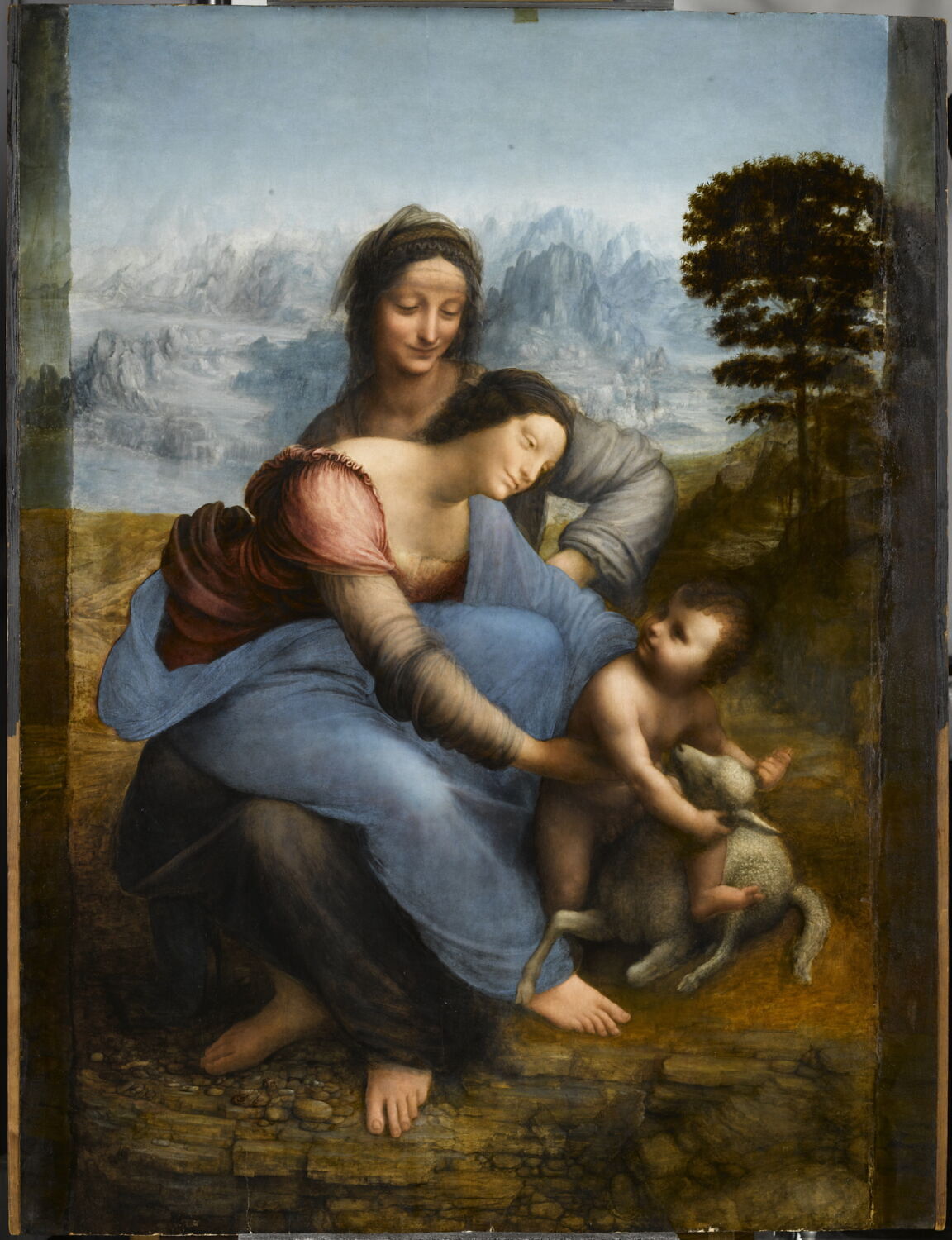
La Vierge, l'Enfant Jésus et sainte Anne, dit La Sainte Anne, Léonard de Vinci, 1e quart du XVIe siècle (vers 1503 - 1519)

Leonardo da Vinci

Sant'Anna, la Vergine e il Bambino con l'agnellino, 1e quart du XVIe siècle (vers 1503 - 1519)

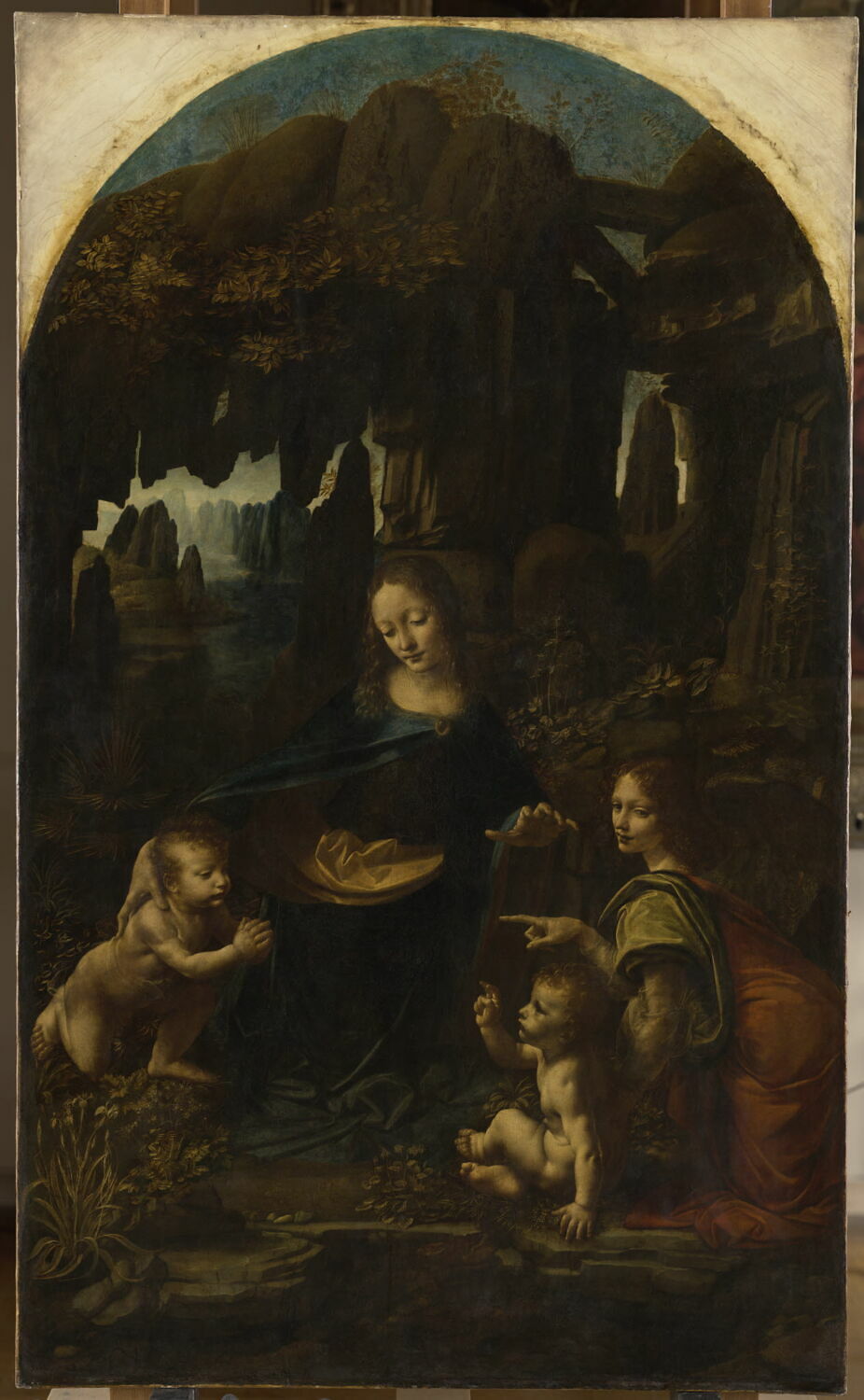
La Vierge, l'Enfant Jésus, saint Jean Baptiste et un ange, dit La Vierge aux rochers, Léonard de Vinci, 4e quart du XVe siècle (vers 1483 - 1494)

Leonardo da Vinci

La Vierge, l'Enfant Jésus, saint Jean Baptiste et un ange, dit La Vierge aux rochers, 4e quart du XVe siècle (vers 1483 - 1494)

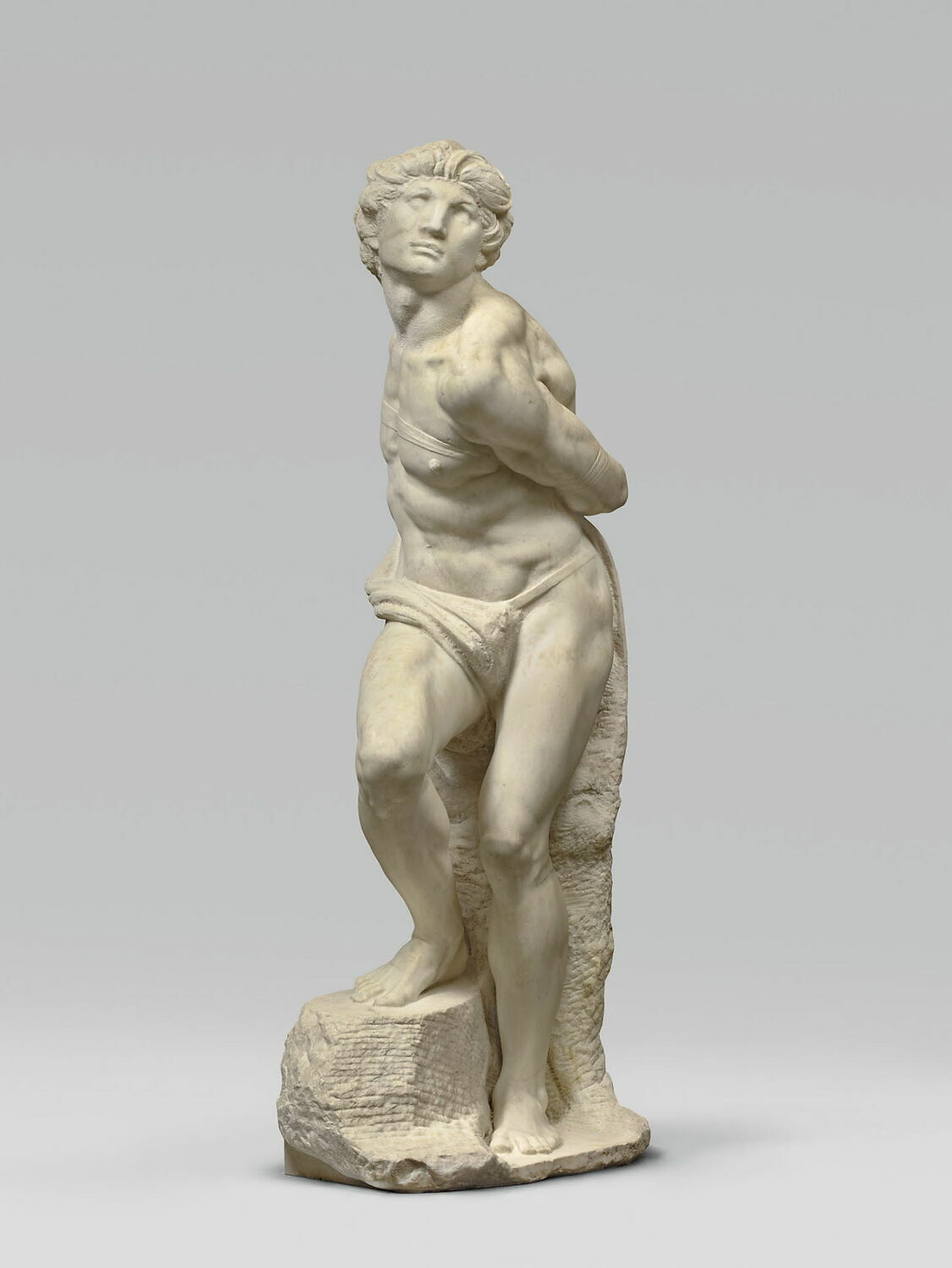
Esclave rebelle, Buonarroti, Michelangelo dit Michel-Ange, 1513 - 1515

Michelangelo

Schiavo ribelle, 1513 - 1515

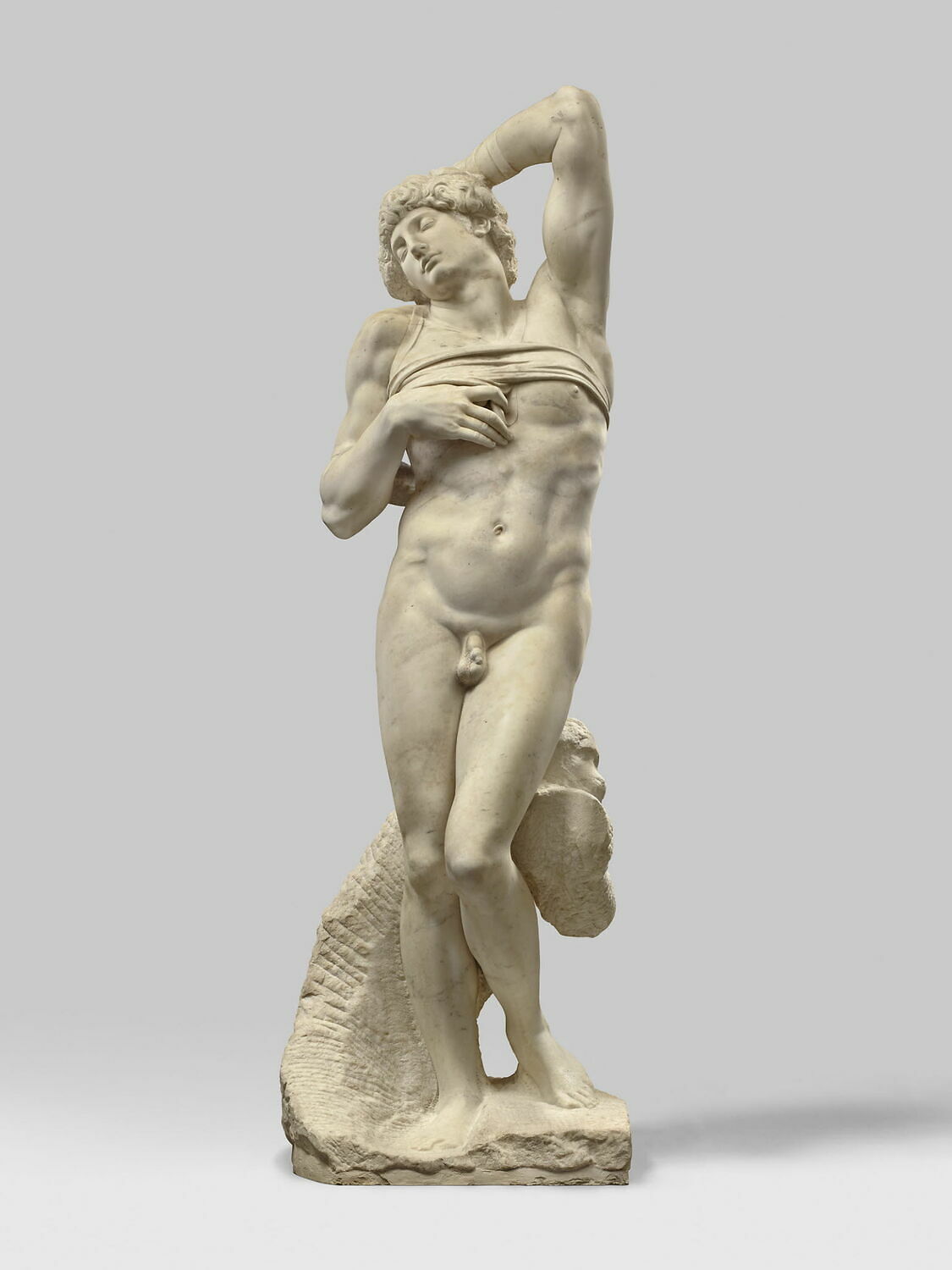
Esclave mourant, Buonarroti, Michelangelo dit Michel-Ange, 1513 - 1515

Michelangelo

Schiavo morente, 1513 - 1515