Pierre-Narcisse GuérinFrancia, 1774–1833
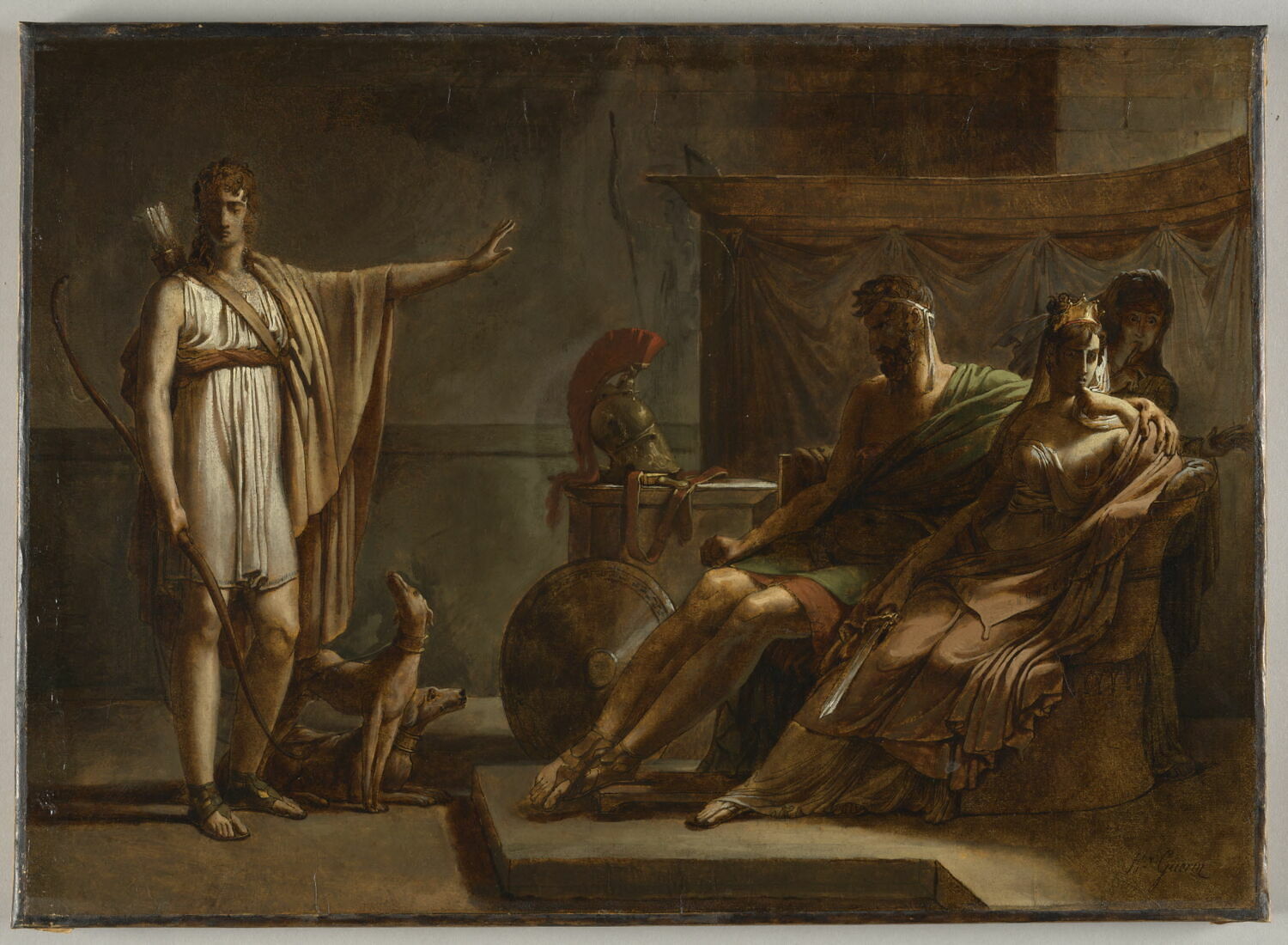
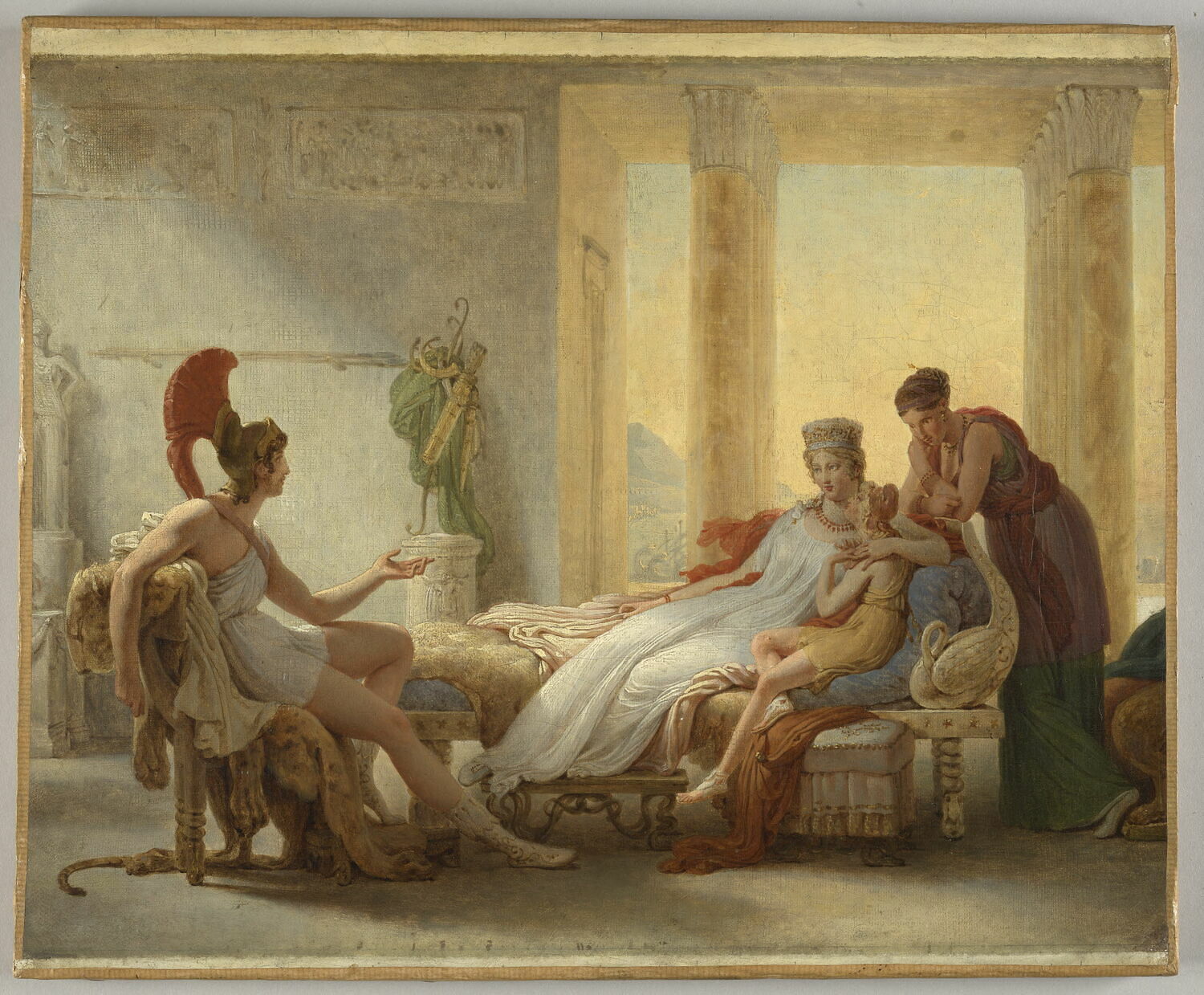
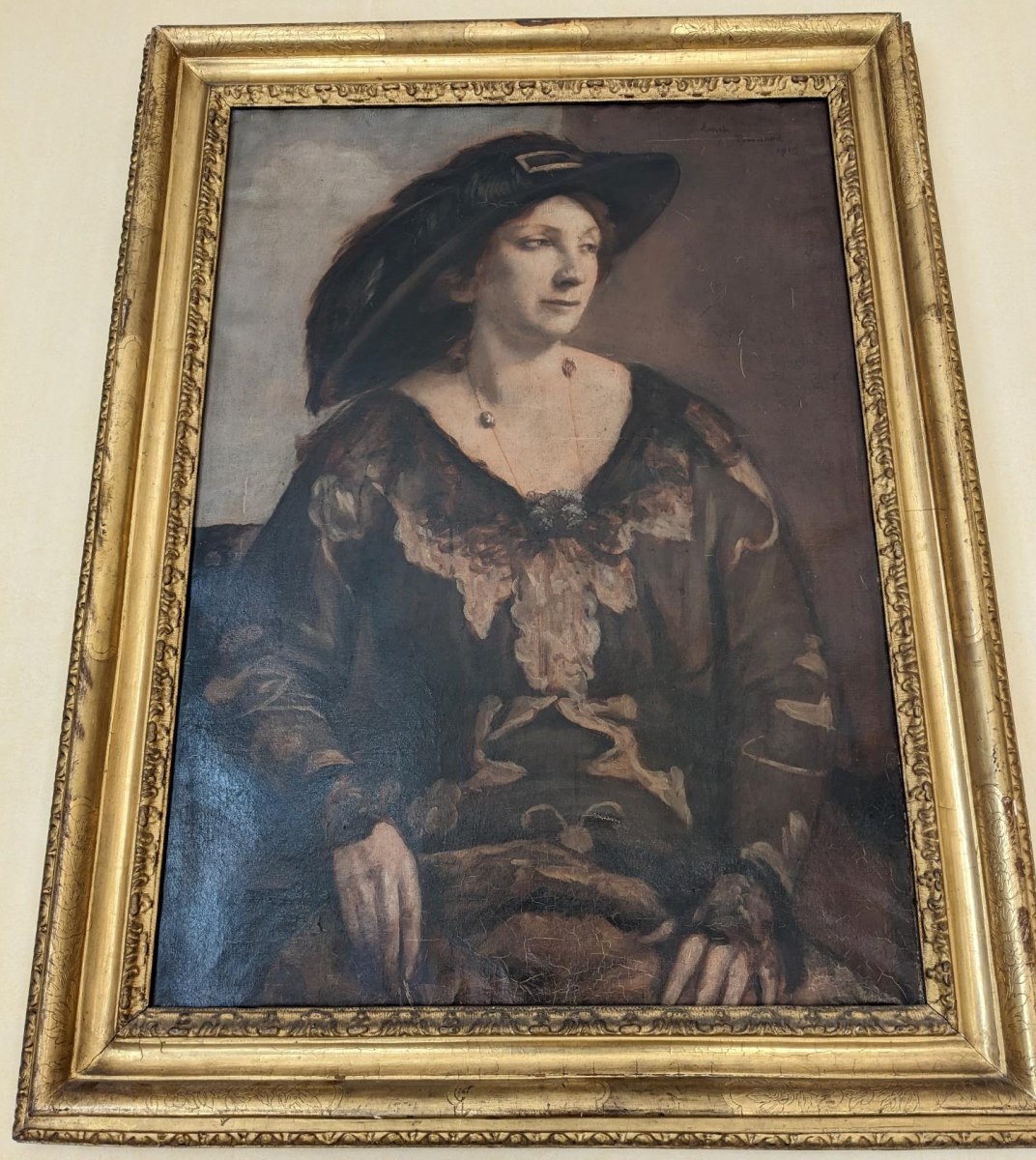
Phèdre et Hippolyte
Si può vedere?
Non si sa
Dove si trova «Phèdre et Hippolyte» oggi? Collezione: Musée des Beaux-Arts, Tours. Non si sa.
Tours, Francia
Il proprietario è noto; non si sa se oggi sia esposta.
- Ultimo cambio di stato
- Fonte
- Il museo
Sul dipinto
Con le parole del museo — in francese
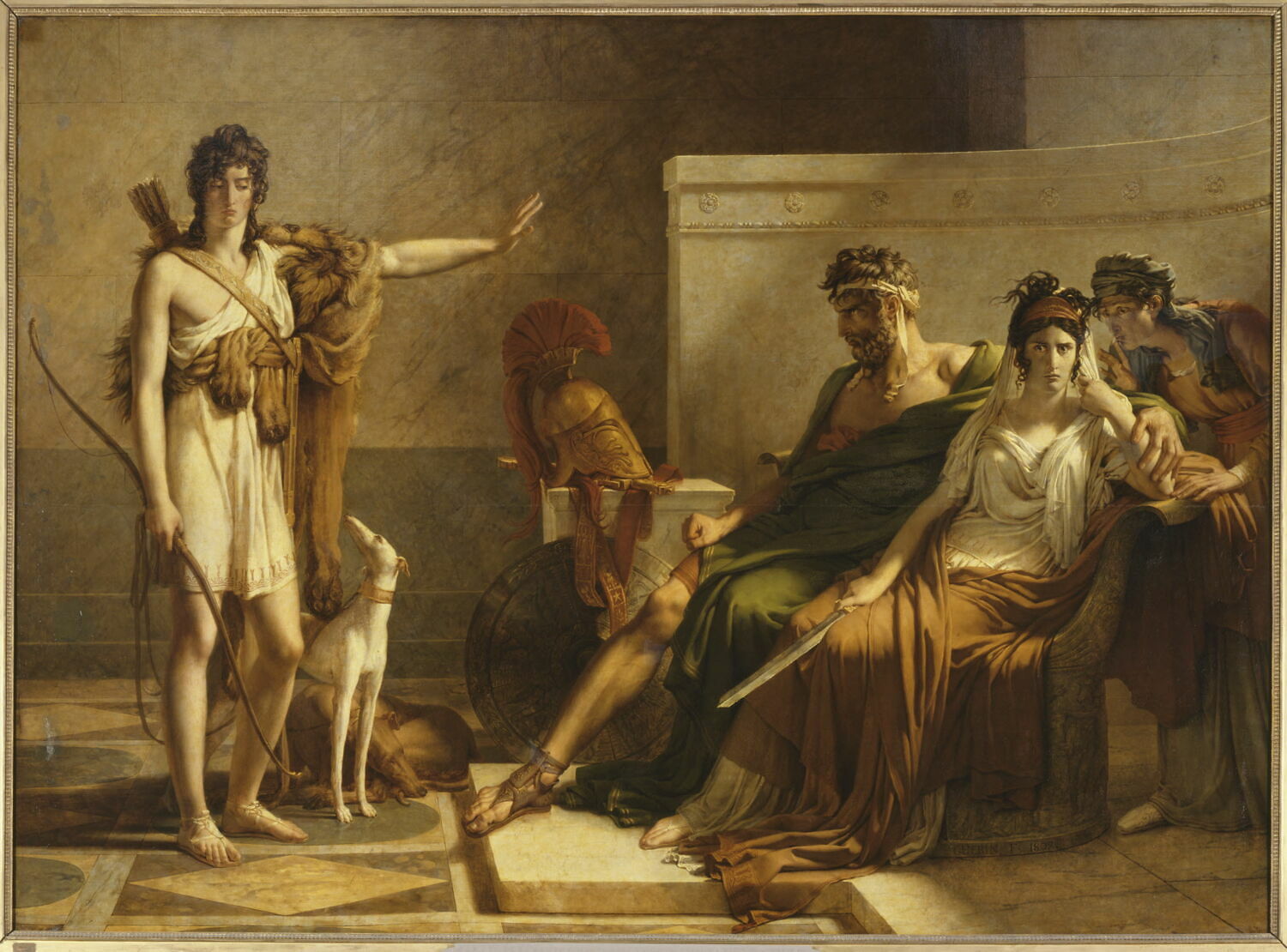
Huile sur toile ; Copie réduite d'après l'original de Guérin (Musée des Beaux-Arts de Bordeaux). Peut-être entrée au musée avec la récupération du legs Trobriand qui comporte une "Scène romaine, école de David, copie réduite".
Musée des Beaux-Arts
Scheda
- Numero di inventario
- 1947-43-41
Che cosa raffigura
In catalogo
Fonti
- Musée des Beaux-Arts
- Immagine: Musée des Beaux-Arts — © Tours, musée des Beaux-Arts; Ministère de la Culture (France), base Joconde
Nella vita di Pierre-Narcisse Guérin
Tutta la vita1785–1803 · Luogo di lavoro
Paris
1799
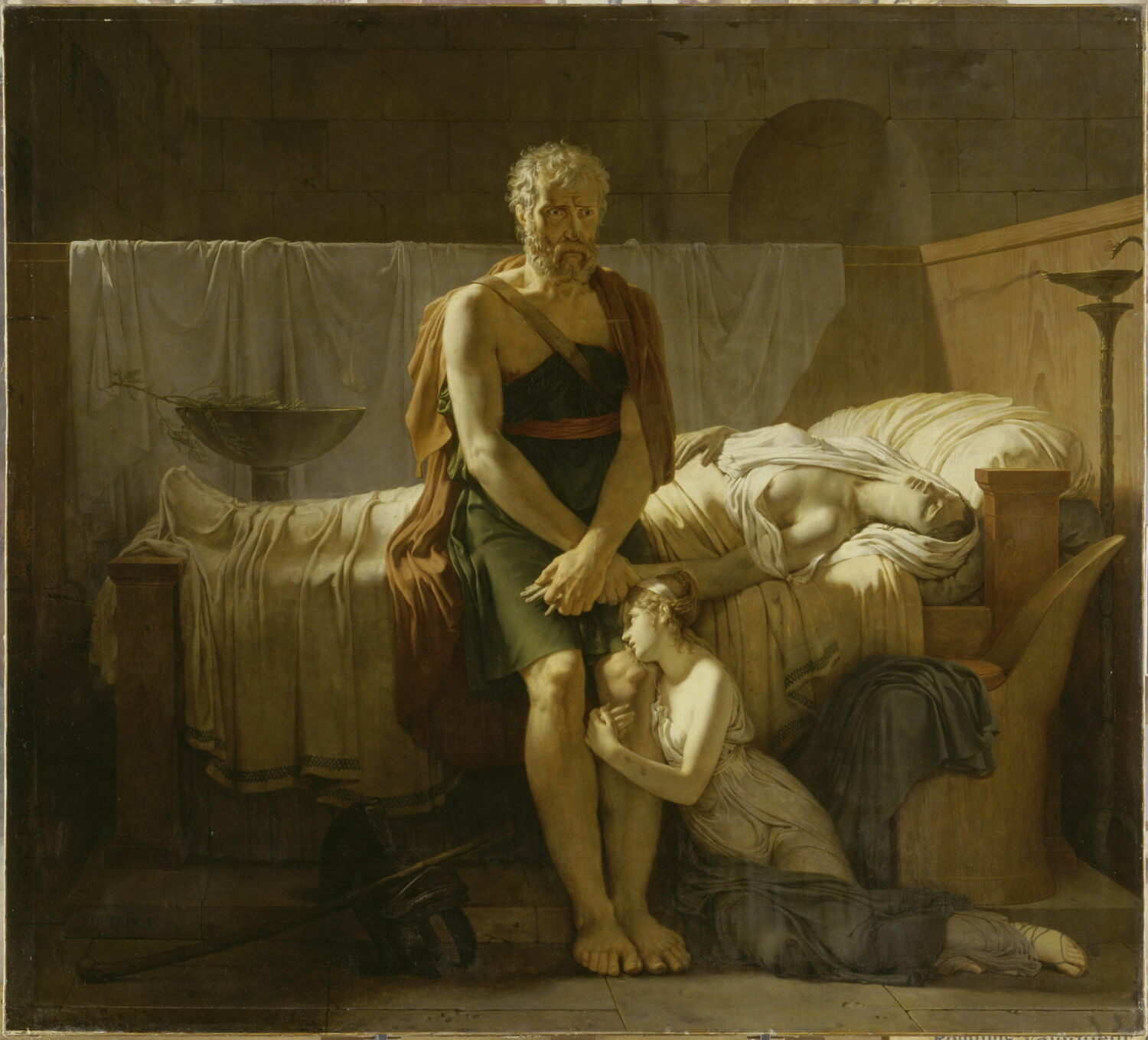
“Marcus Sextus” at the Paris Salon of 1799
The painting “Marcus Sextus”, in which the hero, returning from exile, finds his wife on her deathbed, was a huge success: poets celebrated it in odes, and throughout the exhibition visitors stood before it every day.
1804–1806 · Formazione
French Academy in Rome
1810
The Paris Salon of 1810: three paintings
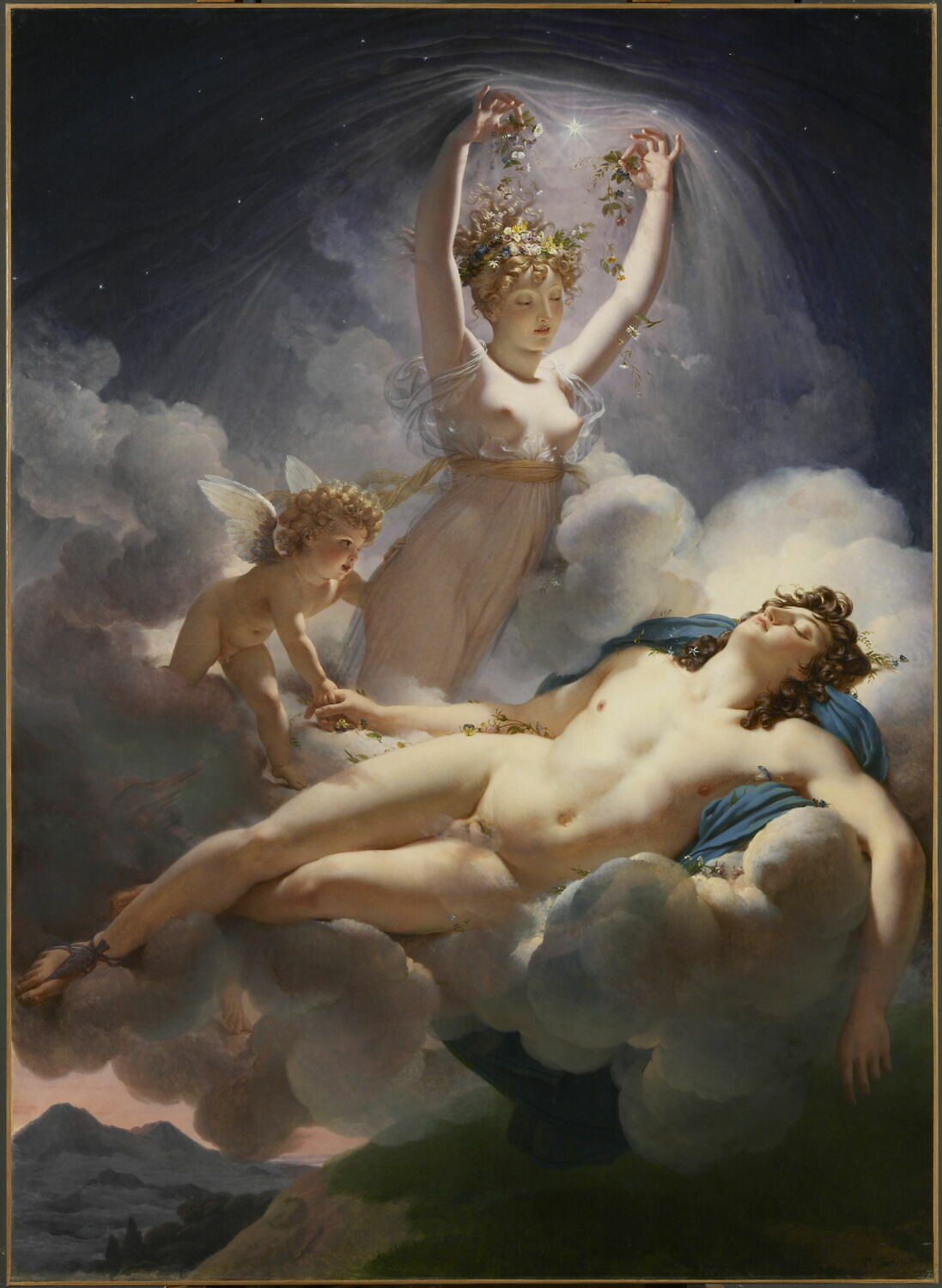
Returning to Paris after several years in Italy, Guérin appeared at the Salon again with three paintings. “Dawn Abducting Cephalus” was received coldly, while “Napoleon Pardoning the Rebels in Cairo, 30 October 1798” drew sharp criticism.
1810
Opens a studio in Paris
Guérin’s studio soon became very lively: the best-known French Romantic painters came out of it — Théodore Géricault, Eugène Delacroix, Ary Scheffer, Léon Cogniet, André Jacques Orsel, Louis-Pierre Henriquel-Dupont, Paul Huet and others. Unmarried and childless, he devoted himself entirely to his studio and his pupils, with whom he was very close.
16 luglio 1833
Died