ART WIKI32.963 in sala
MappaCollezioneArtistiMuseiMostreRivista
Accedi

ART WIKI

Dove è appeso il capolavoro, e quando si può entrare.

Collezioni: Art Institute of Chicago, Cleveland Museum of Art, Ermitage, Galleria Tret'jakov, Getty Museum, Harvard Art Museums, Hirshhorn Museum and Sculpture Garden, Metropolitan Museum of Art, Minneapolis Institute of Art, Museo del Louvre, Museo Puškin delle belle arti, Museo russo, Museum of Modern Art, National Gallery of Art, National Museum of Asian Art, National Portrait Gallery, Rijksmuseum, Smithsonian American Art Museum, Statens Museum for Kunst, Victoria and Albert Museum, Villa Getty, Whitney Museum of American Art, Catalogo statale del fondo museale russo (274 musei), Europeana (19 musei), Wikidata (6 musei), Paris Musées (12 musei) e Joconde, la banca dati dei musei del Ministero della Cultura francese (495 musei). Le immagini appartengono ai titolari dei diritti.

Sezioni

  • Mappa
  • Ricerca
  • Collezione
  • Capolavori
  • Esposte ora
  • Artisti

Altro

  • Musei e gallerie
  • Mostre
  • Rivista
  • Da dove vengono i dati
  • Privacy e cookie
HomeMappaCatalogo
  1. Collezione/
  2. Museum of Modern Art/
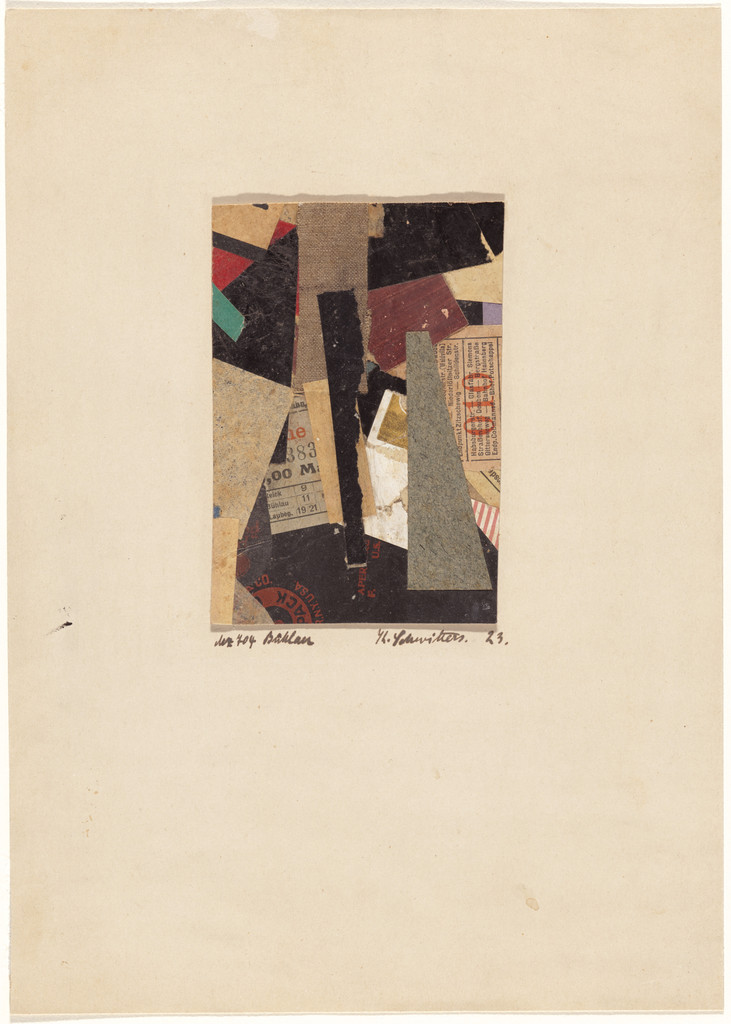
  3. Mz 704. Bühlau
Mz 704. Bühlau, Kurt Schwitters, 1923
Kurt Schwitters, ritrattoKurt SchwittersGermania, 1887–1948

Mz 704. Bühlau

1923 · Drawing

Si può ammirare?

Al momento non riceve

Museum of Modern Art

New York, Stati Uniti

Appartiene alla collezione, ma al momento non è esposta.

Verificato
8 giorni fa
Fonte
Il museo
Sulla mappaPagina del museo

Scheda

1923 · a 36 anni
18871948
Numero di inventario
198.1953

In catalogo

Disegni e acquerelliModernismoXX secolo

Fonti

  • Museum of Modern Art
  • Immagine: Museum of Modern Art — © the artist or rights holder

Nel frattempo, nella vita di Kurt Schwitters

Tutta la vita
  1. 1920s

    Lecture and recital tours across Europe

    Together with other members of the international avant-garde — Jean Arp, Raoul Hausmann and Tristan Tzara — he organises and takes part in tours of provocative evening recitals and lectures in Czechoslovakia, the Netherlands and Germany.

  2. 1922

    Answers Huelsenbeck with an absurdist story

    Huelsenbeck had ridiculed him as ‘the Caspar David Friedrich of the Dadaist Revolution’; in reply Schwitters publishes in the magazine Der Sturm the story ‘Franz Mullers Drahtfrühling’, about an innocent bystander who starts a revolution ‘merely by being there’.

  3. 1922–1923

    Dada evenings in the Netherlands with Van Doesburg

    In 1922 Theo van Doesburg organises Dada performances in Amsterdam, Leiden, Utrecht and The Hague: the Dadaists he invites decline, and the programme is carried by Theo van Doesburg, Nelly van Doesburg (performing as Petrò van Doesburg), Schwitters and sometimes Vilmos Huszár. Schwitters’s solo evening takes place on 13 April 1923 in Drachten, where he later stays often with the local painter Thijs Rinsema and makes collages, probably together with him.

  4. 1923–1932

    Publishes the periodical ‘Merz’

    The periodical appears from 1923 to 1932, each issue devoted to a central theme: no. 5 (1923) is a portfolio of prints by Jean Arp, and double issue 8/9 (1924) is edited and typeset by El Lissitzky, whose friendship proves particularly influential and brings Schwitters’s pictures closer to Constructivism. In all, 21 issues appeared; by numbering, the last is no. 24.

  5. after 1924

    Runs the advertising agency Merzwerbe

    After the demise of the Der Sturm gallery in 1924 he runs an advertising agency, Merzwerbe, whose clients include Pelikan inks and Bahlsen biscuits. Designs, test prints and proof sheets from these jobs often crop up in his Merz pictures.

  6. 14 February 1925

    First performance of the ‘Ursonate’

    He performs the ‘Ursonate’ for the first time at the home of Irmgard Kiepenheuer in Potsdam, then performs it regularly, developing and extending it; in 1932 he publishes the notation in the last ‘Merz’ (no. 24, typography by Jan Tschichold) and continues to develop the piece for at least ten more years.
Altre opere di Kurt Schwitters

Tutte le opere
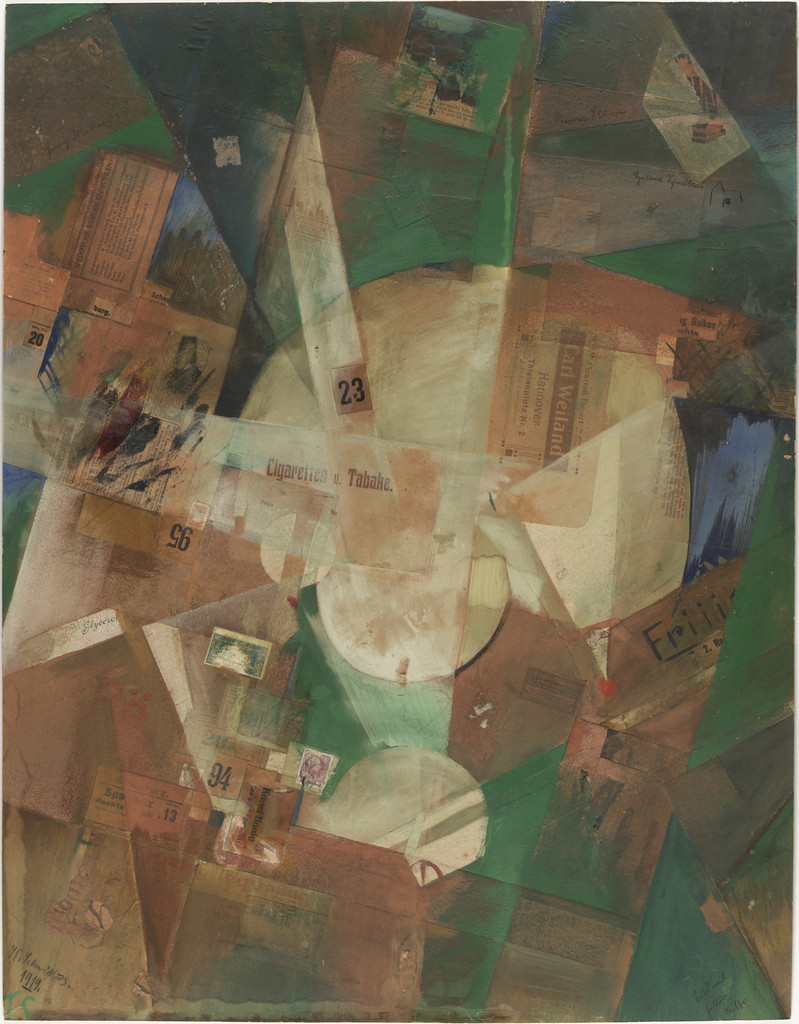
Picture with Light Center (Bild mit heller Mitte), Kurt Schwitters, 1919

Picture with Light Center (Bild mit heller Mitte)

1919 · Museum of Modern Art

Untitled, Kurt Schwitters, c. 1946

Untitled

c. 1946 · Art Institute of Chicago

For the Modern, Kurt Schwitters, 1947

For the Modern

1947 · Art Institute of Chicago

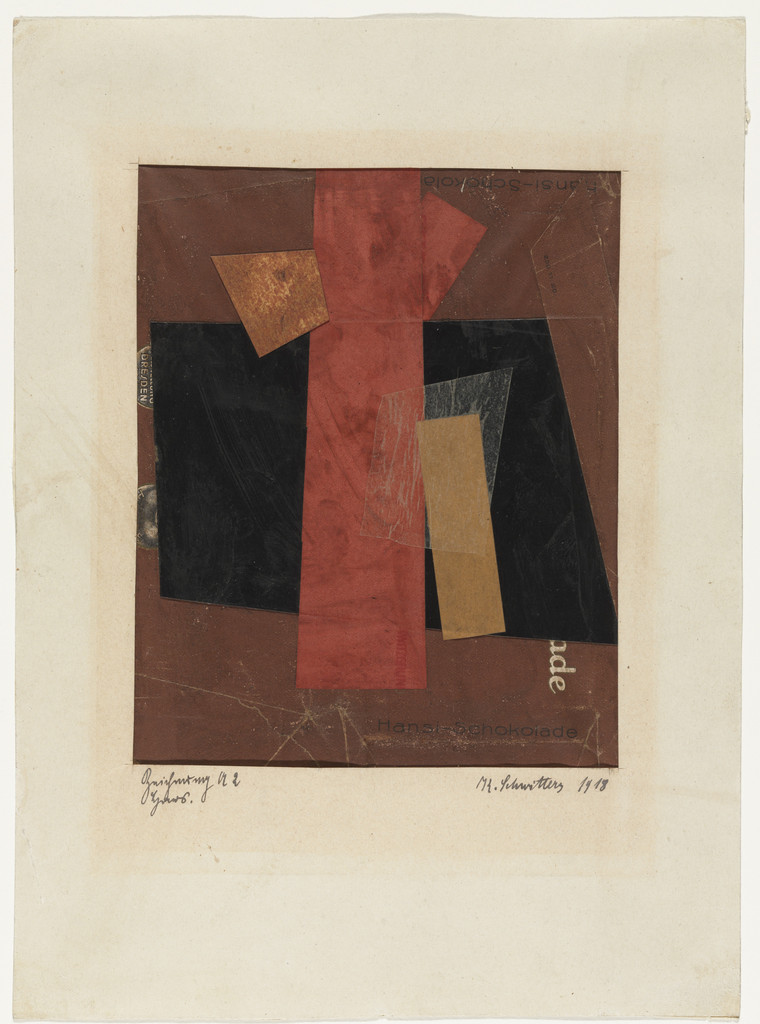
Drawing A2: Hansi, Kurt Schwitters, 1918

Drawing A2: Hansi

1918 · Non esposta · Museum of Modern Art

Untitled, Kurt Schwitters, 1919

Untitled

1919 · Non esposta · National Gallery of Art

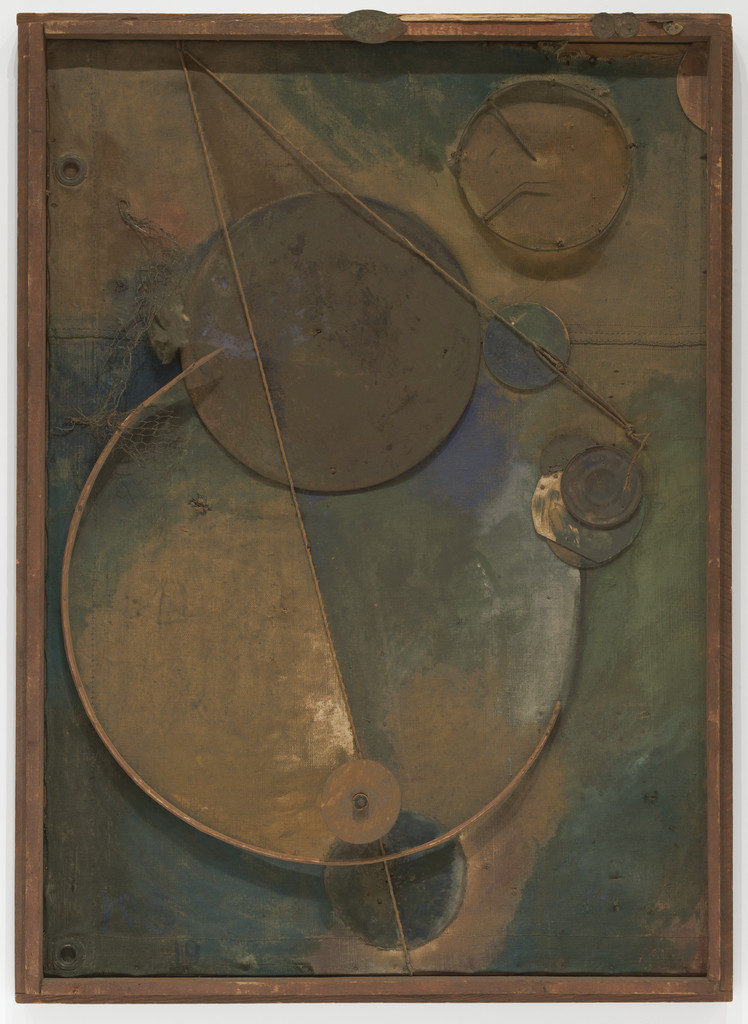
Revolving, Kurt Schwitters, 1919

Revolving

1919 · Non esposta · Museum of Modern Art

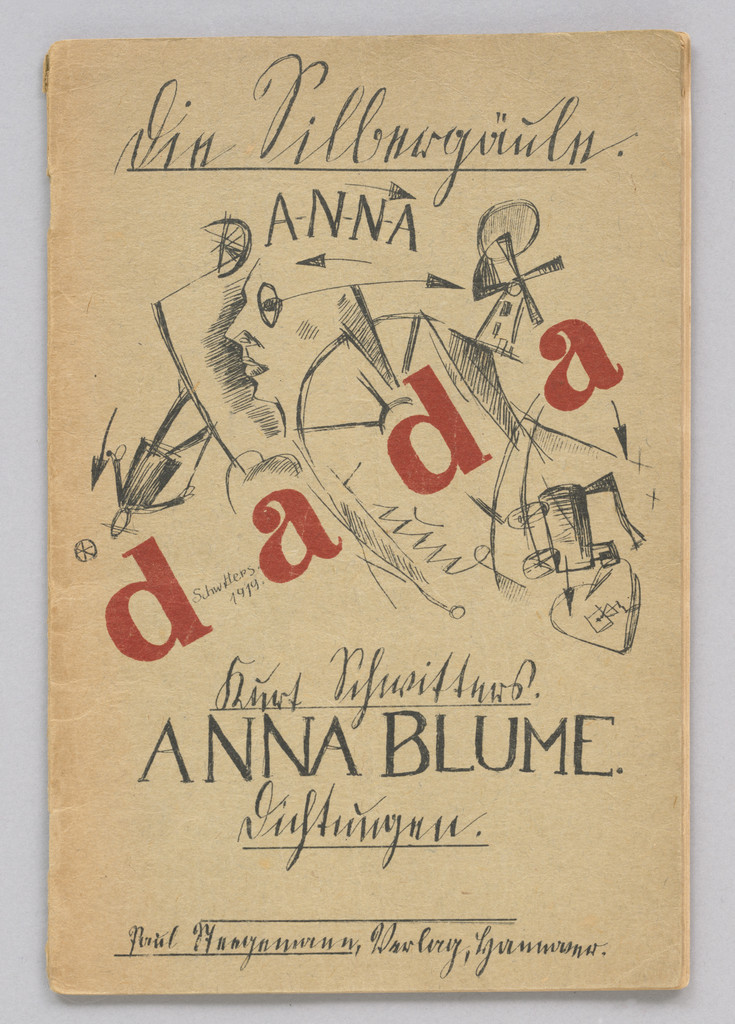
Anna Blume: Dichtungen (Die Silbergäule, vol. 39/40), Kurt Schwitters, 1919

Anna Blume: Dichtungen (Die Silbergäule, vol. 39/40)

1919 · Non esposta · Museum of Modern Art

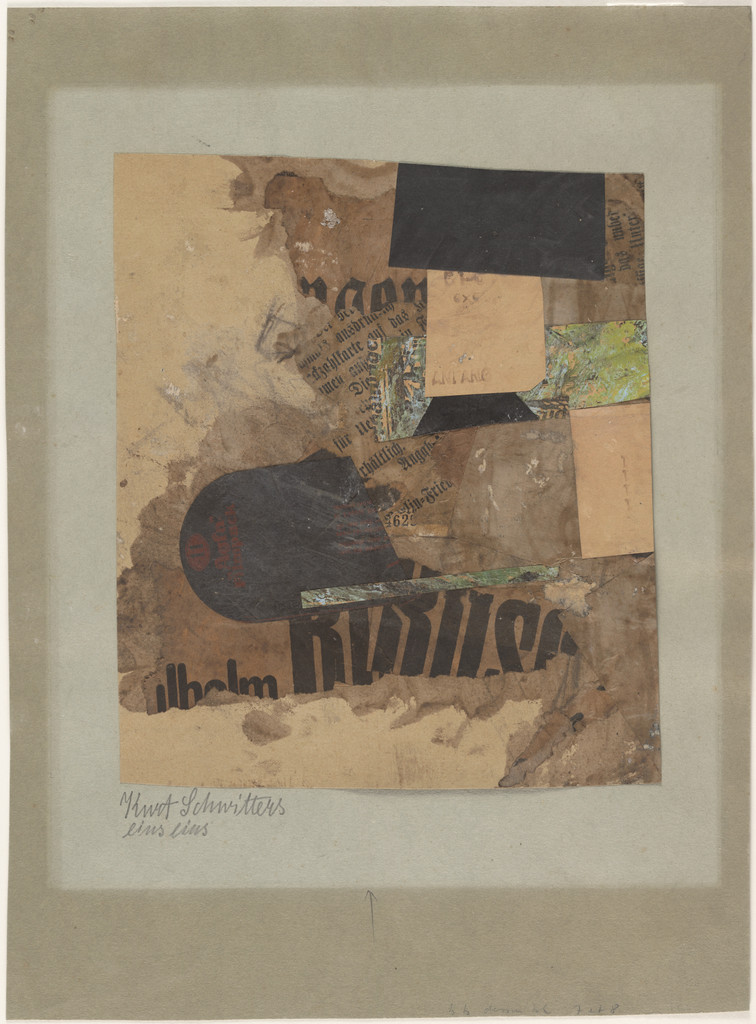
One One (Eins Eins), Kurt Schwitters, 1919–20

One One (Eins Eins)

1919–20 · Non esposta · Museum of Modern Art

Sotto lo stesso tetto: Museum of Modern Art

Pagina del museo
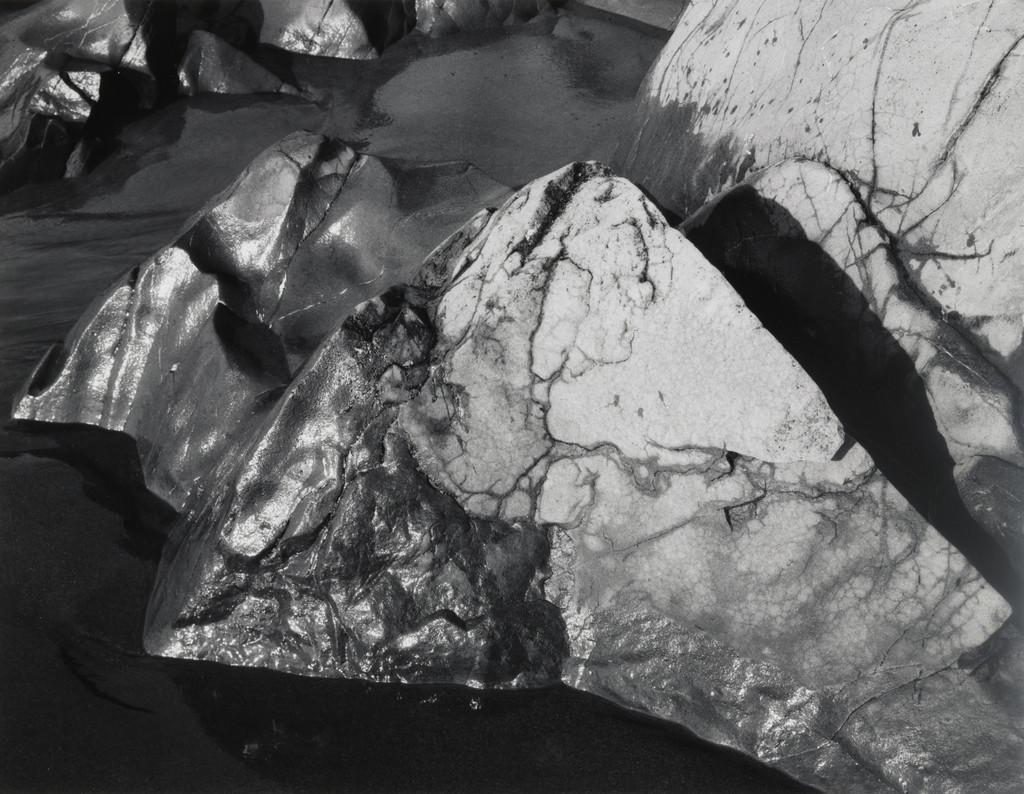
Rock, Bakers Beach, San Francisco, California, Ansel Adams, c. 1931

Ansel Adams

Rock, Bakers Beach, San Francisco, California, c. 1931

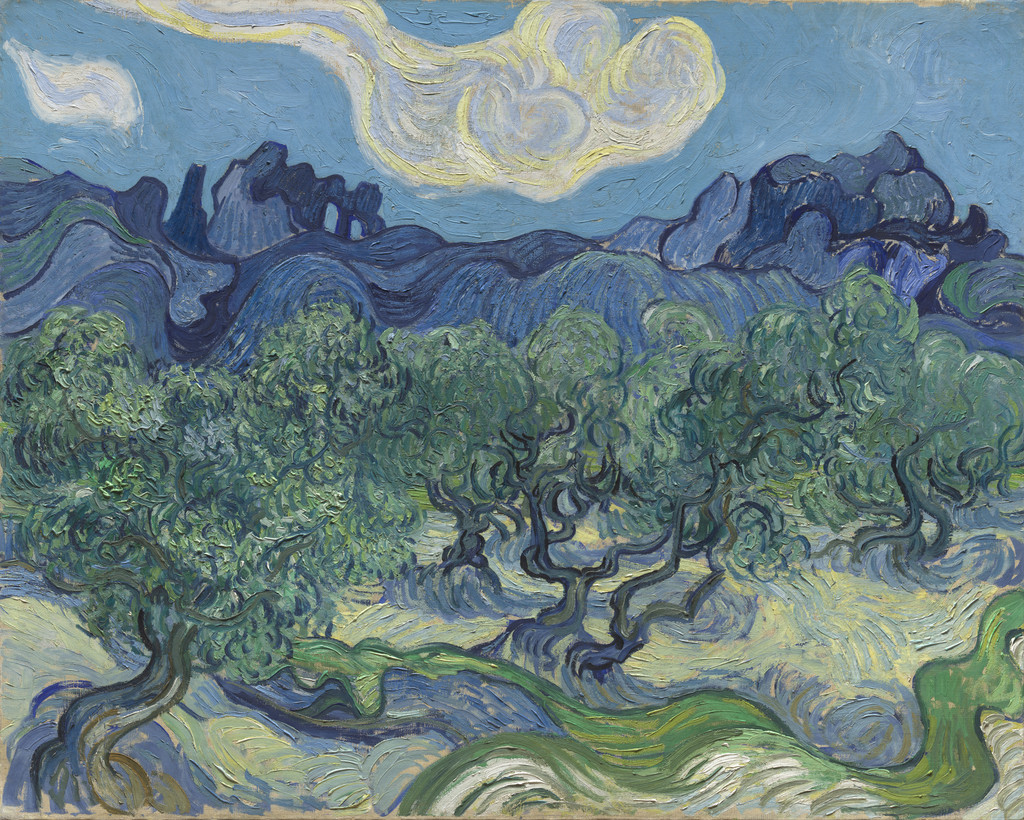
The Olive Trees, Vincent van Gogh, Saint Rémy, June-July 1889

Vincent van Gogh

The Olive Trees, Saint Rémy, June-July 1889

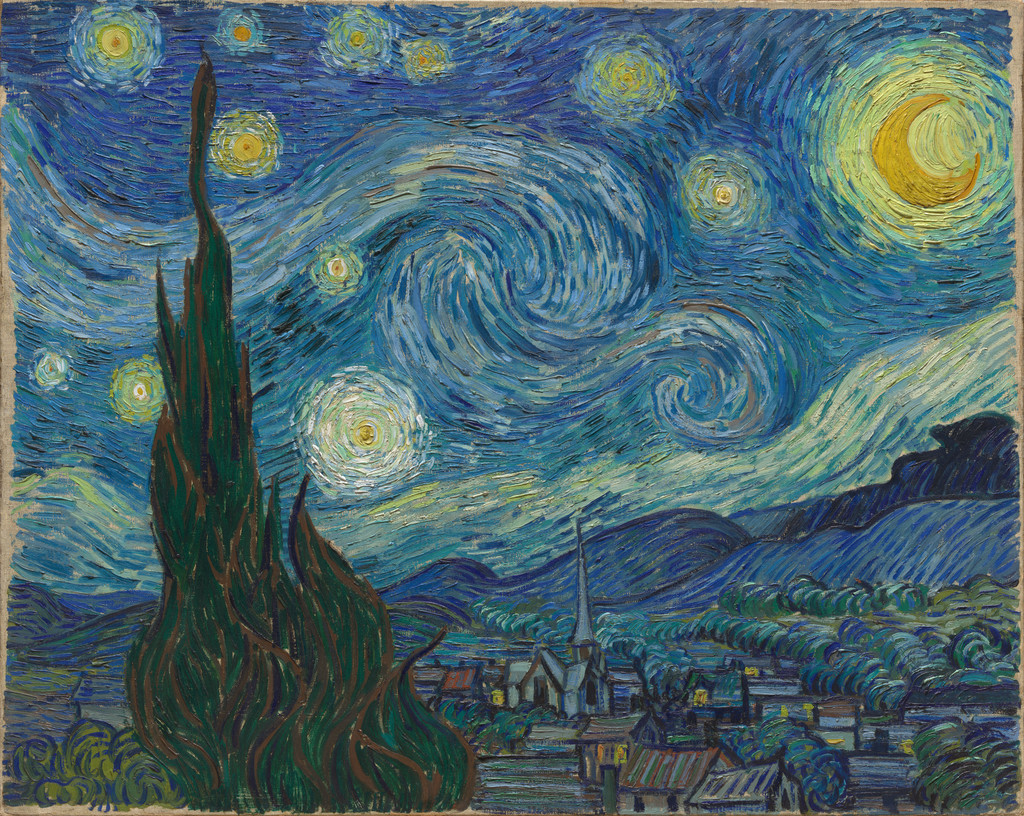
The Starry Night, Vincent van Gogh, Saint Rémy, June 1889

Vincent van Gogh

Notte stellata, Saint Rémy, June 1889

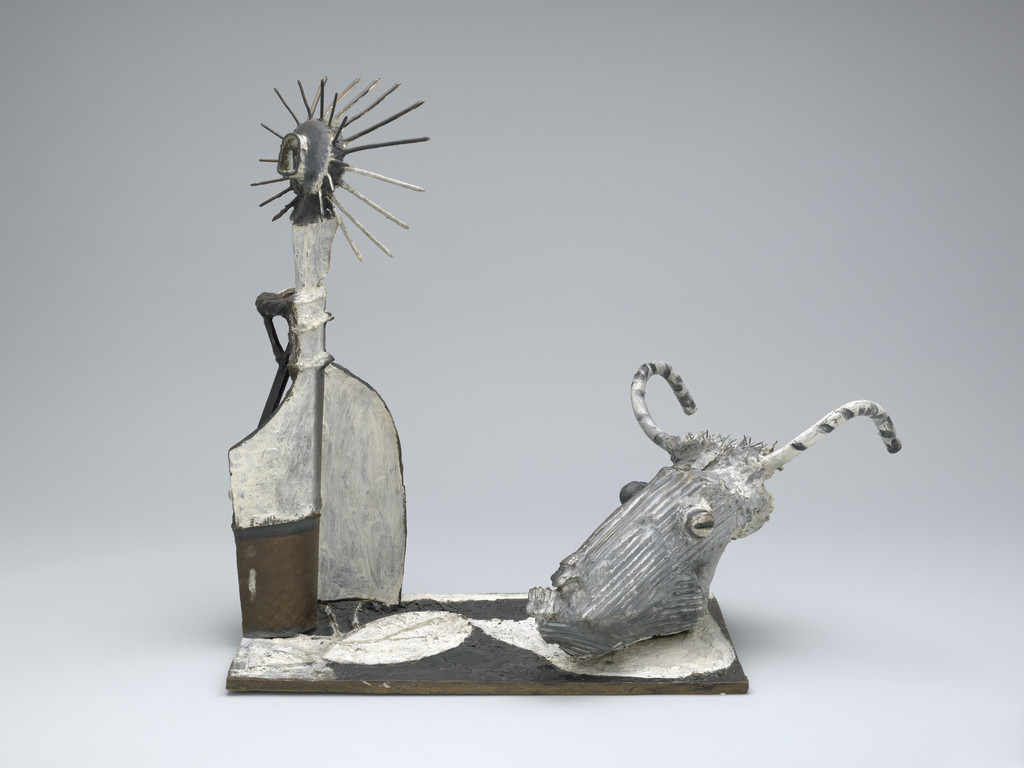
Goat Skull and Bottle, Pablo Picasso, Vallauris, 1951 (cast 1954)

Pablo Picasso

Goat Skull and Bottle, Vallauris, 1951 (cast 1954)

She-Goat, Pablo Picasso, Vallauris, 1950 (cast 1952)

Pablo Picasso

She-Goat, Vallauris, 1950 (cast 1952)

Face in Profile (plate, page 21) from Corps perdu, Pablo Picasso, 1949, published 1950

Pablo Picasso

Face in Profile (plate, page 21) from Corps perdu, 1949, published 1950

Coupling (plate, page 17) from Corps perdu, Pablo Picasso, 1949, published 1950

Pablo Picasso

Coupling (plate, page 17) from Corps perdu, 1949, published 1950

"Présence" (chapter title, page 13) from Corps perdu, Pablo Picasso, 1949, published 1950

Pablo Picasso

"Présence" (chapter title, page 13) from Corps perdu, 1949, published 1950