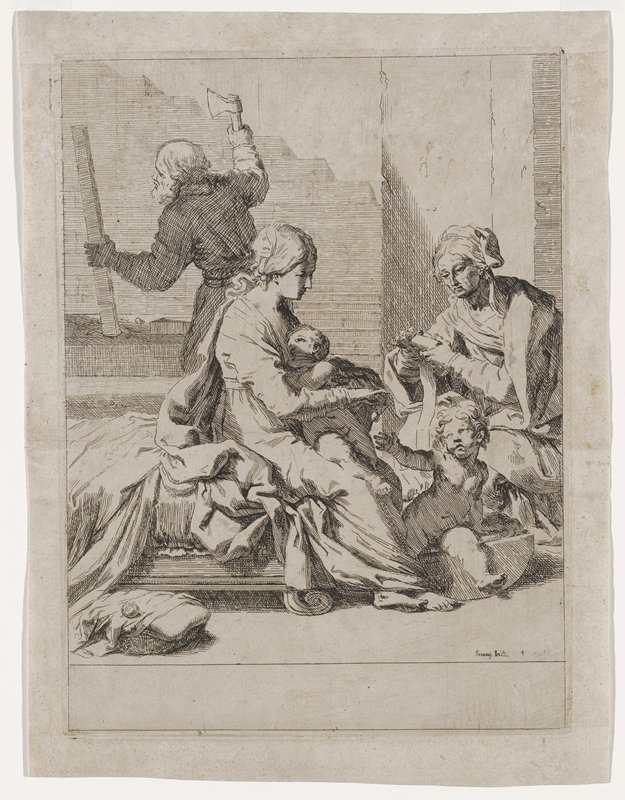
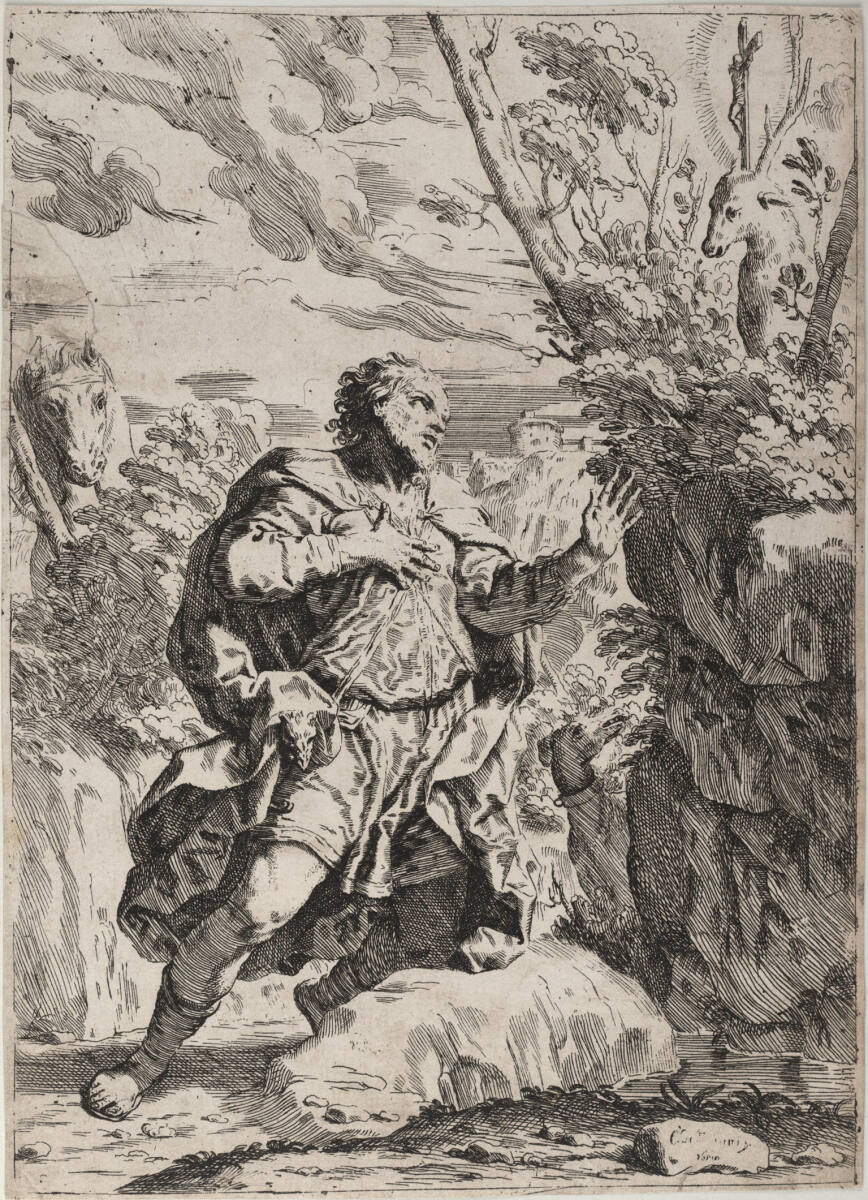
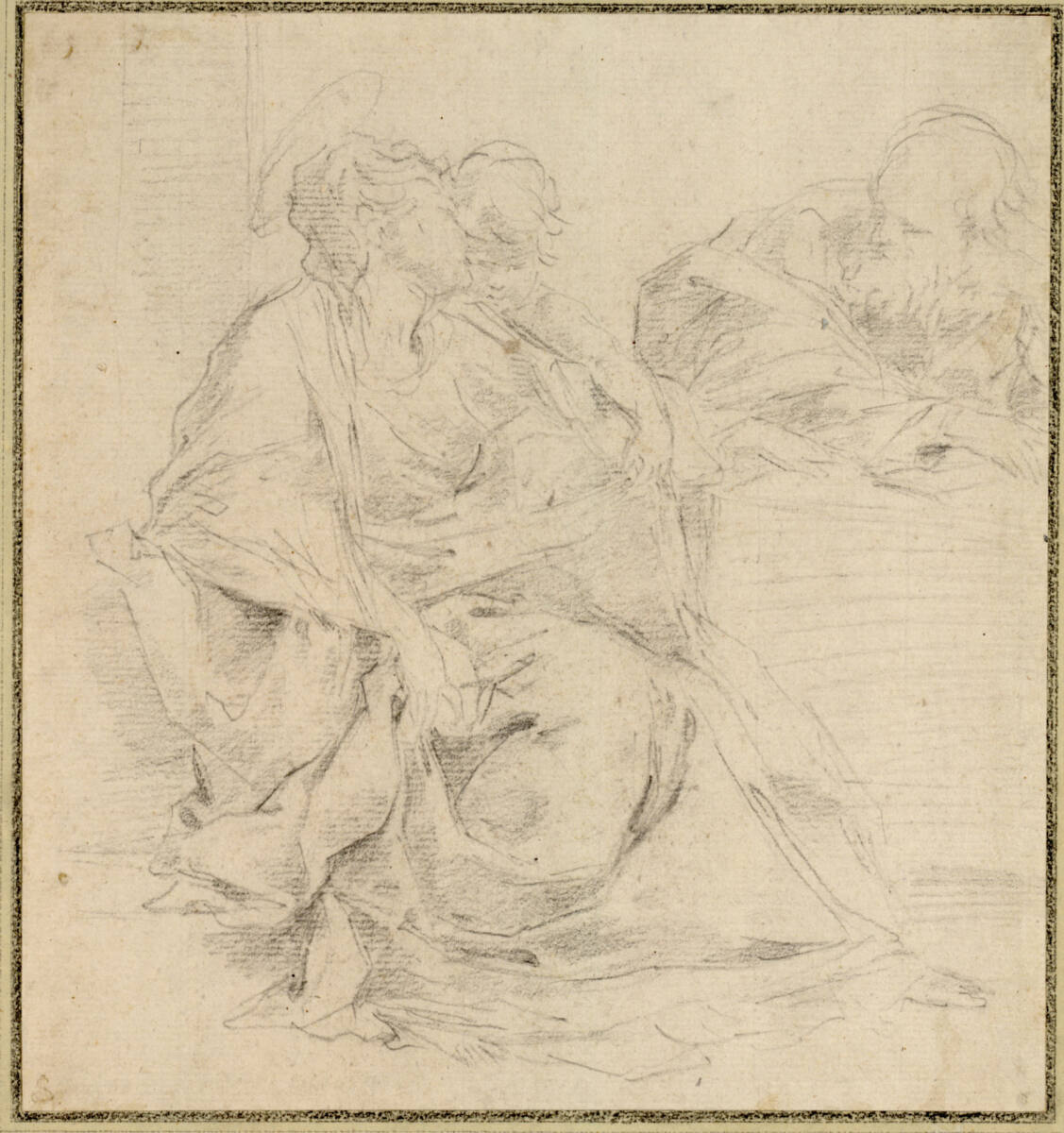
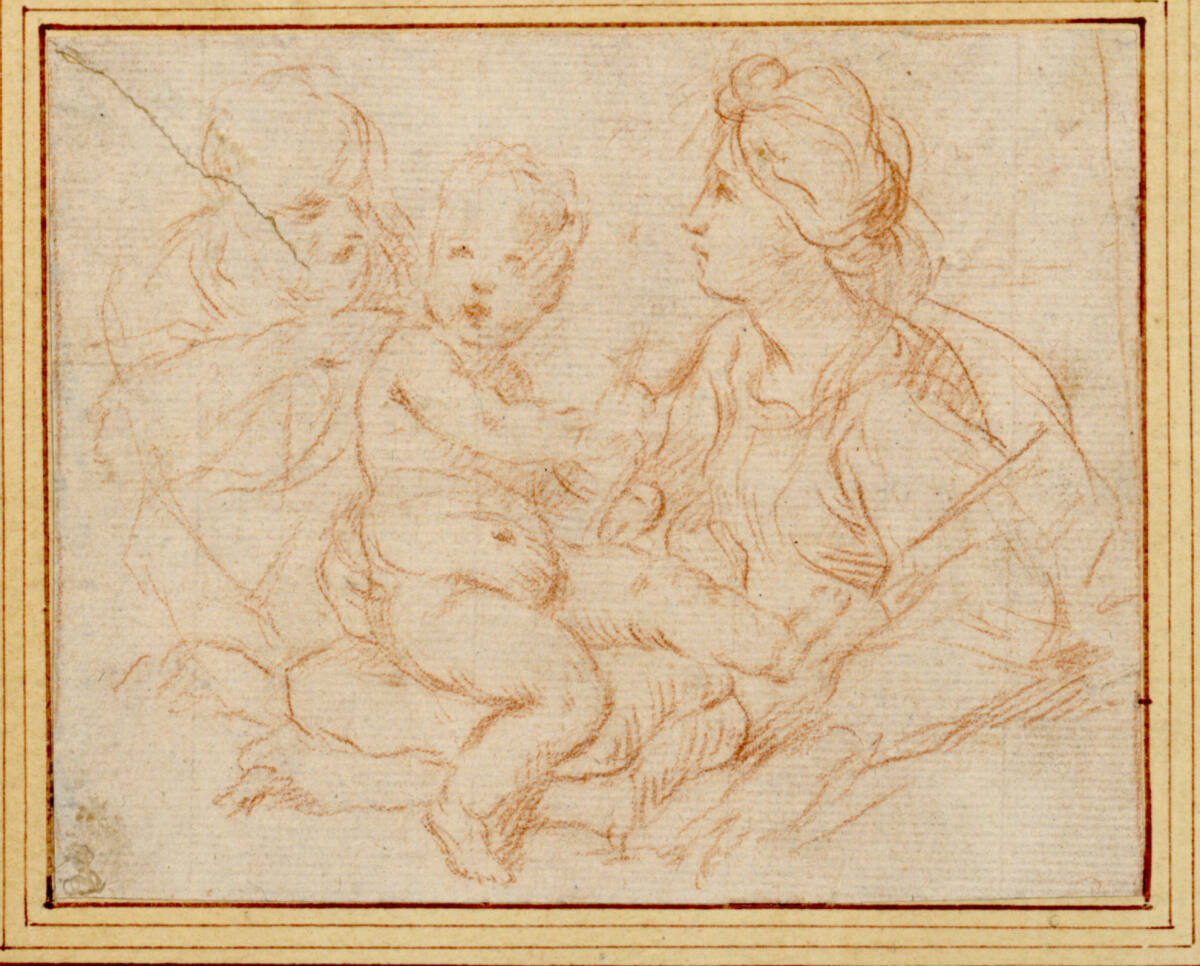
Elisabetta SiraniItalia, 1638–1665
Christ Child
Si può vedere?
Non esposta al momento
Dove si trova «Christ Child» oggi? Collezione: Ermitage, San Pietroburgo. Non esposta al momento. Verificato 29 agosto 2026.

San Pietroburgo, Russia
Appartiene alla collezione, ma al momento non è esposta.
- Verificato
- Ultimo cambio di stato
- Fonte
- Il museo
Sul dipinto
Con le parole del museo — in russo
В записках художницы, где она отмечала все свои работы, упоминается, вероятно, эта картина: «Младенец Христос, на меди, который правой рукой показывает нам крест, а в левой держит оливковую ветвь. Я сделала одну его ногу попирающей череп, думая облегчить понимание смысла, для синьора Лоренцо Дзагони». Эта композиция представляет характерный для Сирани вариант интерпретации темы memento mori (помни о смерти), призывающей не забывать о бренности жизни и неизбежности смерти. Художница создала очаровательный нежный облик младенца, окруженного парящими в золотом свете херувимами, мастерски работая в технике масляной живописи на гладкой медной поверхности. Небольшая картина, как драгоценность, была задумана для того, чтобы зритель рассматривал сияющие краски и выразительные детали с близкого расстояния.
Ermitage
Scheda
- Numero di inventario
- ГЭ-220
In catalogo
Fonti
- Ermitage
- Immagine: Ermitage — © State Hermitage Museum
Nella vita di Elisabetta Sirani
Tutta la vita1660
Opens a painting school for women
She opens a school — the first school of painting for women in Europe outside a convent, open regardless of the women’s artistic and social connections; besides her younger sisters Barbara and Anna Maria she trains at least twelve young women, among them the wood-engraver Veronica Fontana, Caterina Pepoli, Maria Elena Panzacchi, Camelia Lanteri, Lucretia Forni, Veronica Franchi and Ginevra Cantofoli, who was portrayed as Sirani’s rival.
1660
Admitted to the Accademia di San Luca in Rome
In the same year, 1660, she is admitted to the Accademia di San Luca in Rome.
c. 1660
Turns to small devotional images of the Virgin
Around 1660 she begins to concentrate on small devotional images — the Virgin and Child and the Holy Family — which were enormously popular with private collectors; her patrons range from cardinals, kings, princes and dukes to merchants and academics from Bologna and across Europe. Among such works is the Virgin and Child of 1663 (National Museum of Women in the Arts, Washington).
1664
Cosimo de’ Medici in her studio
Cosimo de’ Medici, visiting her studio, finds her at work on a portrait of his uncle and at once commissions a Madonna for his own collection; she paints it so fast that the paint is dry and he takes the picture away with him. Diplomats, political leaders and noblemen regularly came to her studio to watch her work.
13 May 1664
Paints a portrait before witnesses to silence her doubters
To refute the charge that she could not have painted so many pictures herself, she invites her doubters to watch her paint a portrait in a single sitting.