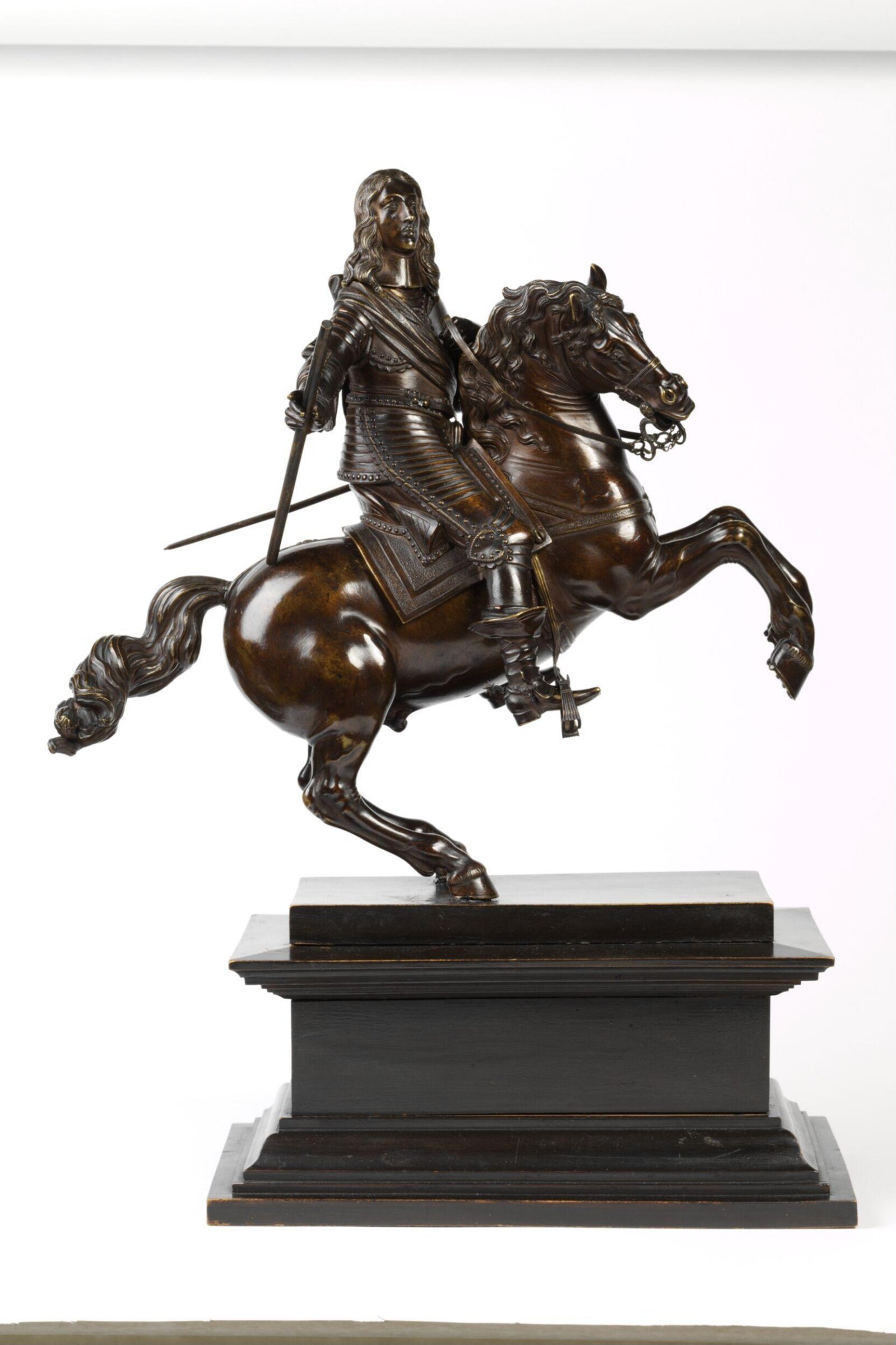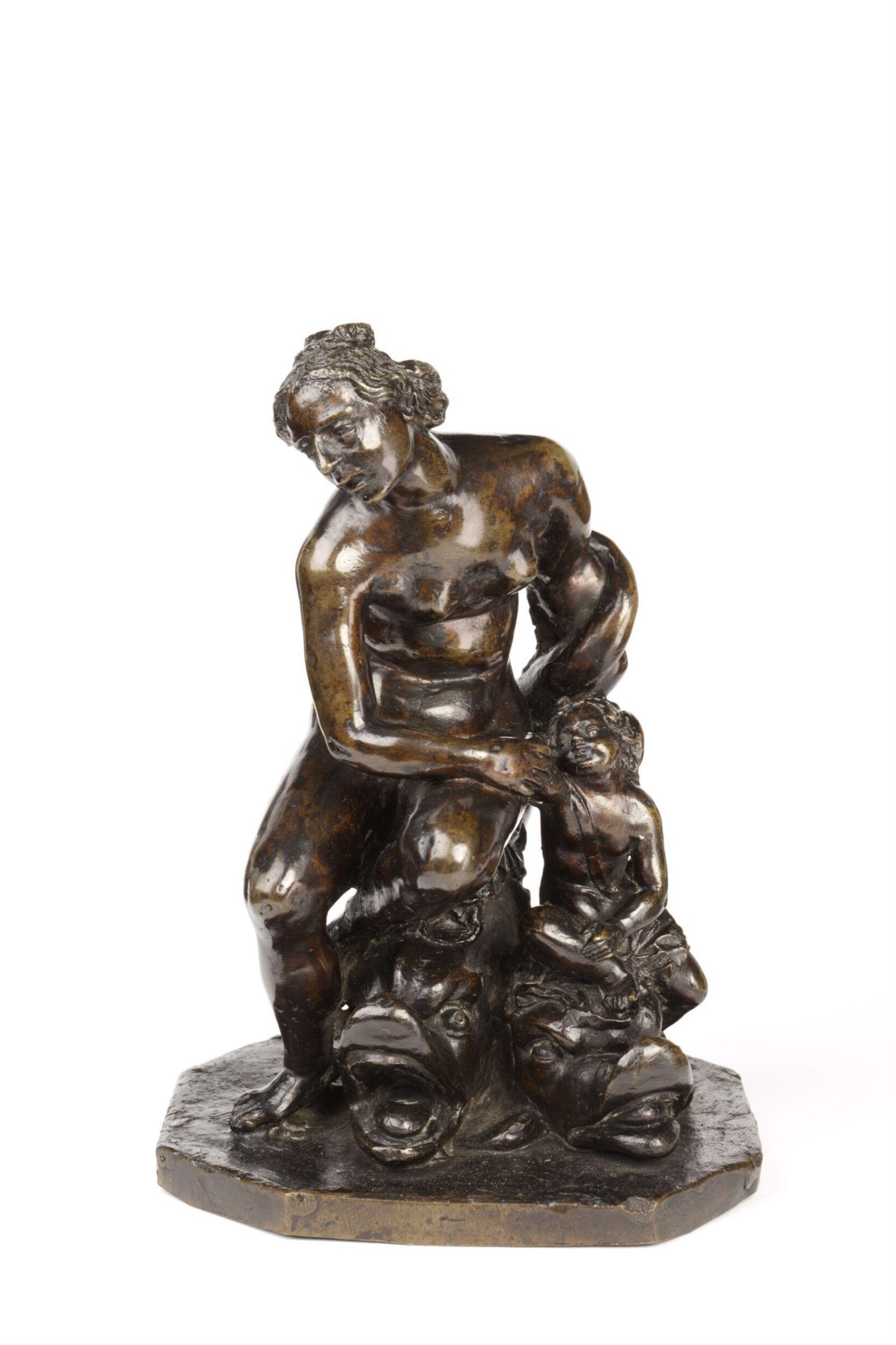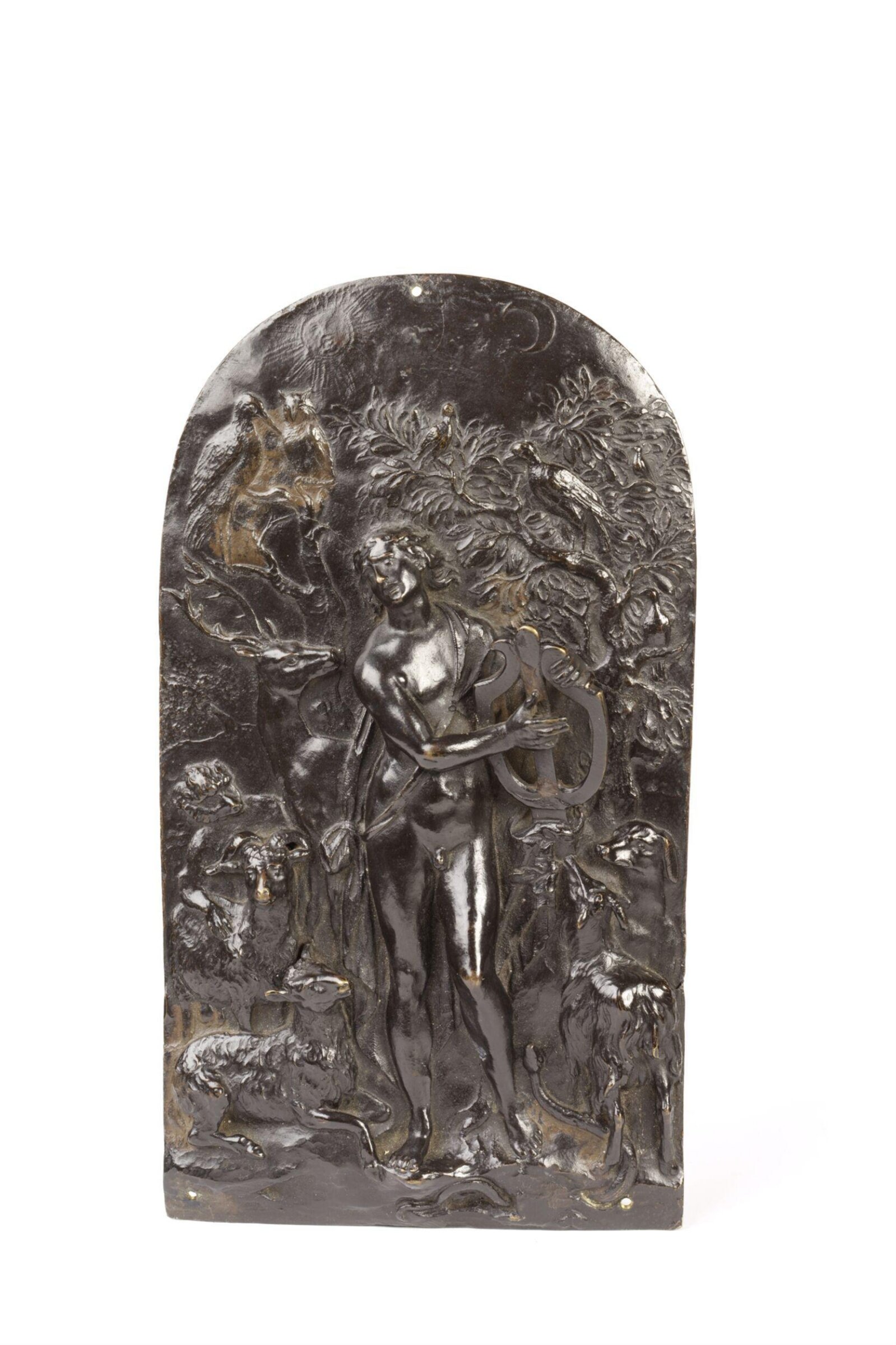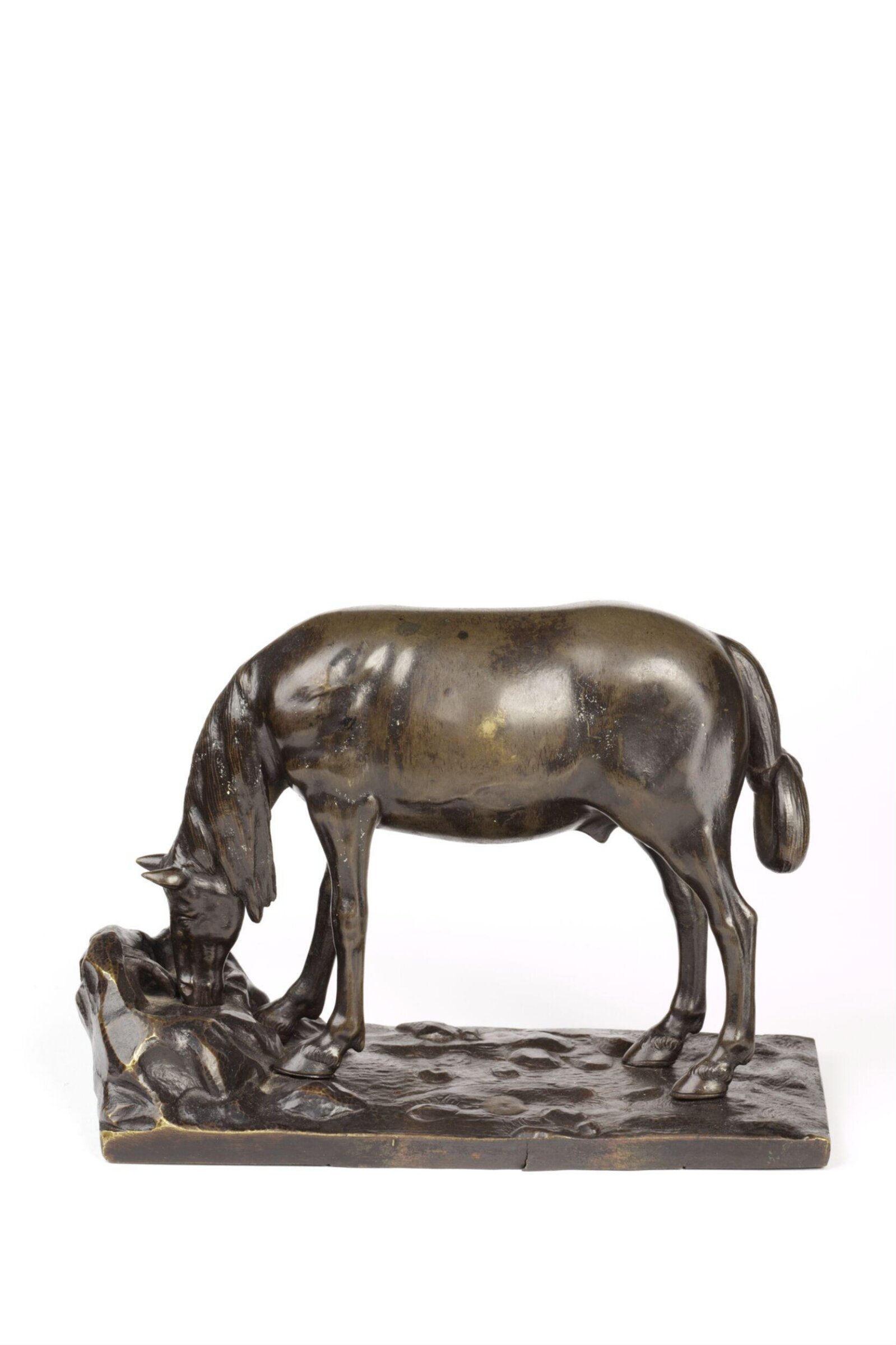
 Giovanni Battista FogginiItalia, 1652–1725
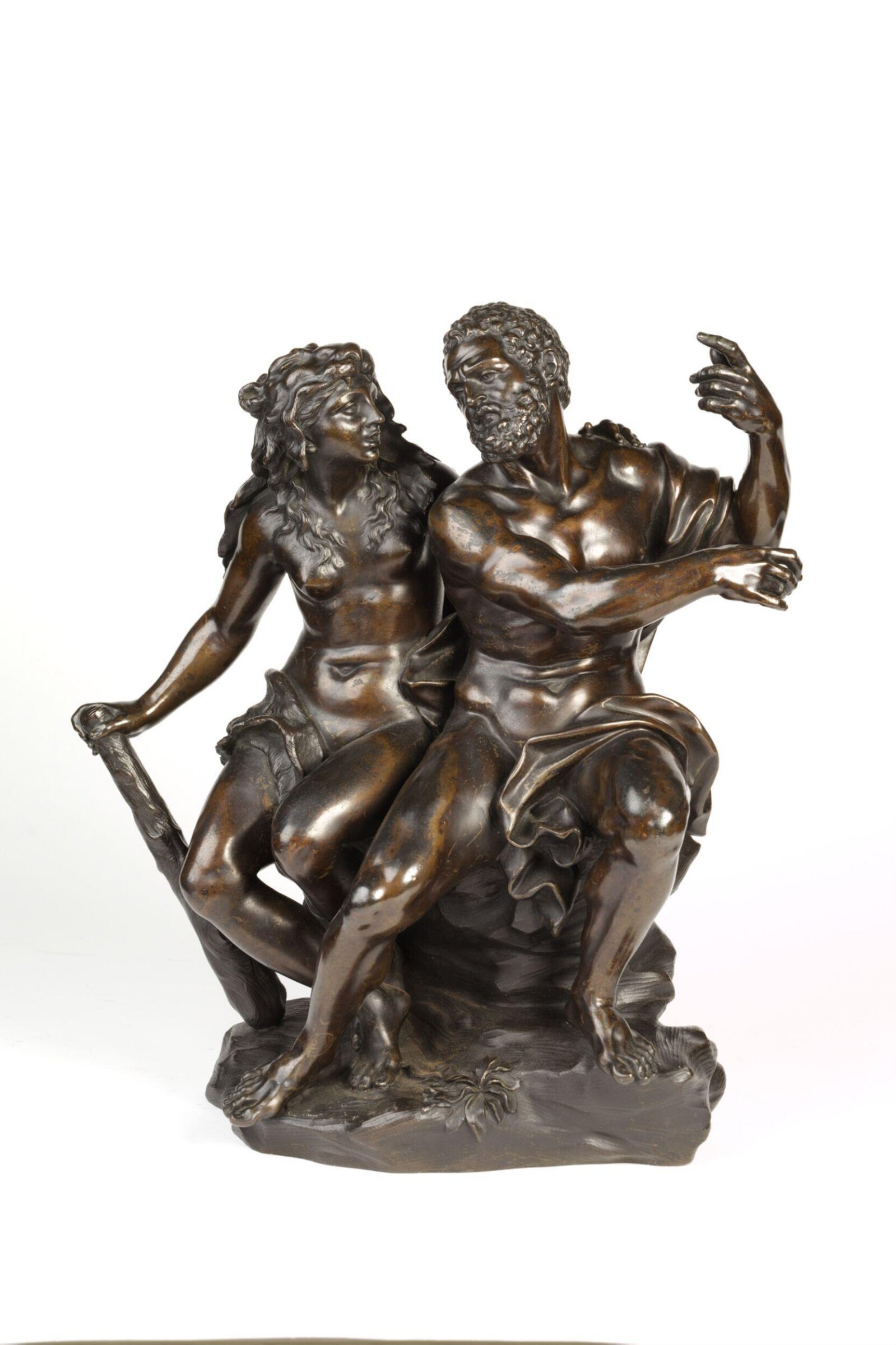
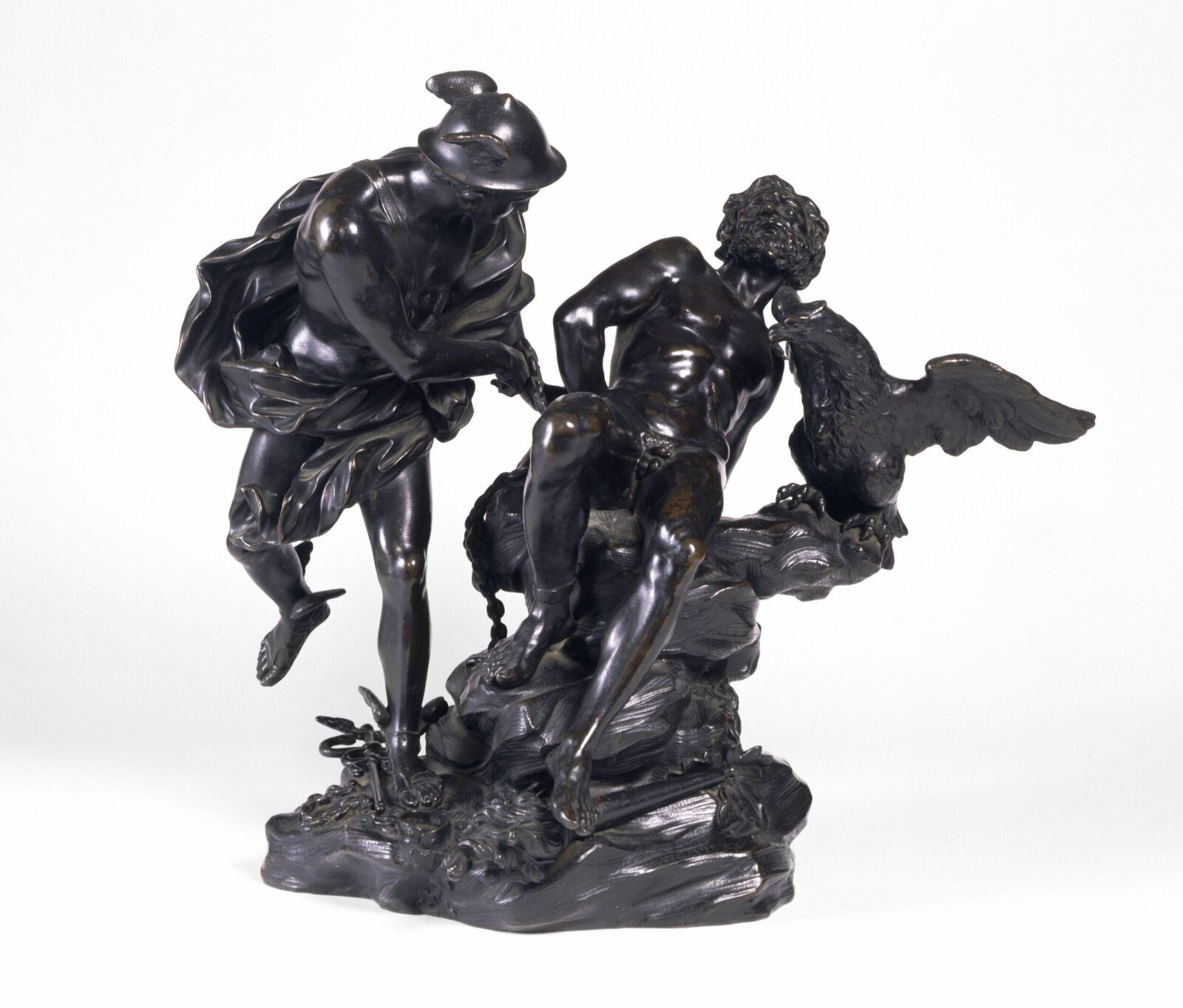
Mercury binding Prometheus
Si può vedere?
Sì, esposta ora
Dove si trova «Mercury binding Prometheus» oggi? Victoria and Albert Museum, Sculpture, Room 117, Londra. Sì, esposta ora. Verificato 25 settembre 2026.

Chiuso· apre domani alle 10:00
Esposta al pubblico.
- Verificato
- Ultimo cambio di stato
- Fonte
- Il museo
Sulla scultura
In Greek mythology, Prometheus, the son of a Titan, stole fire from the gods for the benefit of mankind, and was punished by Jupiter by being chained to a rock, where an eagle fed daily on his liver, perpetually renewed. He was later set free by Hercules. According to legend, it was either Vulcan or Mercury that bound Prometheus, and here it is Mercury, the messenger of the gods, identified by his winged helmet and sandals, and his caduceus or magic wand with two entwined snakes, which lies by his foot.
Leggi
An inscription on the base records that this bronze was given by Grand-Duke Cosimo III of Tuscany to the French painter Hyacinthe Rigaud in 1716, together with its companion group representing The Flaying of Marsyas (see A.2-1967). The bronzes were received in exchange for a self-portrait that Rigaud sent to form part of the Duke's collection of self-portraits (Uffizi, Florence). Such exchanges were common and considered by both sides as a honour. Cosimo probably ordered versions of existing models from his court sculptor, Giovanni Battista Foggini, and this is the only known cast of this model.
Foggini was born in Florence in 1652 and was later sent to Rome by Cosimo III, where he studied under Ecole Ferrata. On his return, he became the leading Florentine sculptor, bringing with him the exuberant Baroque style that had evolved in Rome. A gifted portrait artist, Foggini was appointed Grand-Ducal Sculptor in 1687, which gave him access to the foundry in the Borgo Pinto used by his predecessors Giambologna and Pietro Tacca. His elaborate bronzes mark the transition from the intimate small Renaissance bronze to larger-scale decorative and theatrical Baroque works. The dramatic movement and flowing drapery are typical of the style, but despite their dynamism, this group and its companion are designed to be seen primarily from the front.
.
Victoria and Albert Museum
Scheda
- Numero di inventario
- A.3-1967
Che cosa raffigura
In catalogo
Fonti
- Victoria and Albert Museum
- Immagine: Victoria and Albert Museum — © Victoria and Albert Museum, London