ART WIKI32.963 in sala
MappaCollezioneArtistiMuseiMostreRivista
Accedi

ART WIKI

Dove è appeso il capolavoro, e quando si può entrare.

Collezioni: Art Institute of Chicago, Cleveland Museum of Art, Ermitage, Galleria Tret'jakov, Getty Museum, Harvard Art Museums, Hirshhorn Museum and Sculpture Garden, Metropolitan Museum of Art, Minneapolis Institute of Art, Museo del Louvre, Museo Puškin delle belle arti, Museo russo, Museum of Modern Art, National Gallery of Art, National Museum of Asian Art, National Portrait Gallery, Rijksmuseum, Smithsonian American Art Museum, Statens Museum for Kunst, Victoria and Albert Museum, Villa Getty, Whitney Museum of American Art, Catalogo statale del fondo museale russo (274 musei), Europeana (19 musei), Wikidata (6 musei), Paris Musées (12 musei) e Joconde, la banca dati dei musei del Ministero della Cultura francese (495 musei). Le immagini appartengono ai titolari dei diritti.

Sezioni

  • Mappa
  • Ricerca
  • Collezione
  • Capolavori
  • Esposte ora
  • Artisti

Altro

  • Musei e gallerie
  • Mostre
  • Rivista
  • Da dove vengono i dati
  • Privacy e cookie
HomeMappaCatalogo
  1. Collezione/
  2. Herzog Anton Ulrich-Museum/
  3. Mercurius
Mercurius, Hans Sebald Beham, 1520–1550
Hans Sebald Beham, ritrattoHans Sebald BehamGermania, 1500–1550
Mercurius

1520–1550 · Print

Si può ammirare?

Non si sa

Herzog Anton Ulrich-Museum

Braunschweig, Germania

Il proprietario è noto; non si sa se oggi sia esposta.

Ultimo cambio di stato
27 set 2026
Fonte
Il museo
Sulla mappaPagina del museo

Scheda

1520–1550
15001550

Altre opere di Hans Sebald Beham

Tutte le opere

Dalla collezione: Herzog Anton Ulrich-Museum

Pagina del museo

Sullo stesso tema · Die Geschichte des Merkur (Hermes)

Tutte le opere sul tema

Che cosa raffigura

Caduceus (Stab mit zwei Schlangen, Attribut Merkurs)Die Geschichte des Merkur (Hermes)Eine Person spielt ein BlasinstrumentBand, Schriftrolle, Banderole (Ornament)Flöte, Aulos, SchnabelflöteWolkenMerkur und seine Kinder (Planetenkinder) in Verbindung mit den Tierkreiszeichen Zwillinge und JungfrauAnthropomorphe Wesen (legendär oder nicht) mit Köpfen, Gliedmaßen oder Organen von außergewöhnlicher Anzahl, an ungewöhnlichen Stellen oder in abnormer FormPetasus (Attribute Merkurs)ZwillingeMerkur

In catalogo

StampeRinascimentoXVI secolo

Fonti

  • Herzog Anton Ulrich-Museum
  • Immagine: Herzog Anton Ulrich-Museum — CC BY-NC-SA 4.0
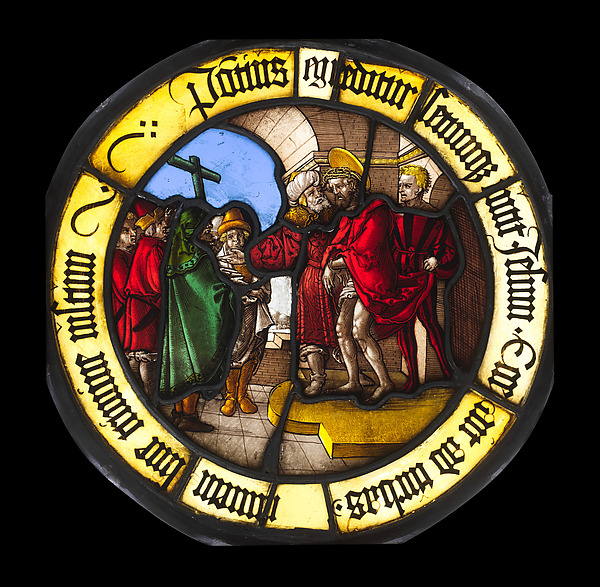
Ecce Homo (one of a pair), Sebald Beham, ca. 1525

Ecce Homo (one of a pair)

ca. 1525 · Metropolitan Museum of Art

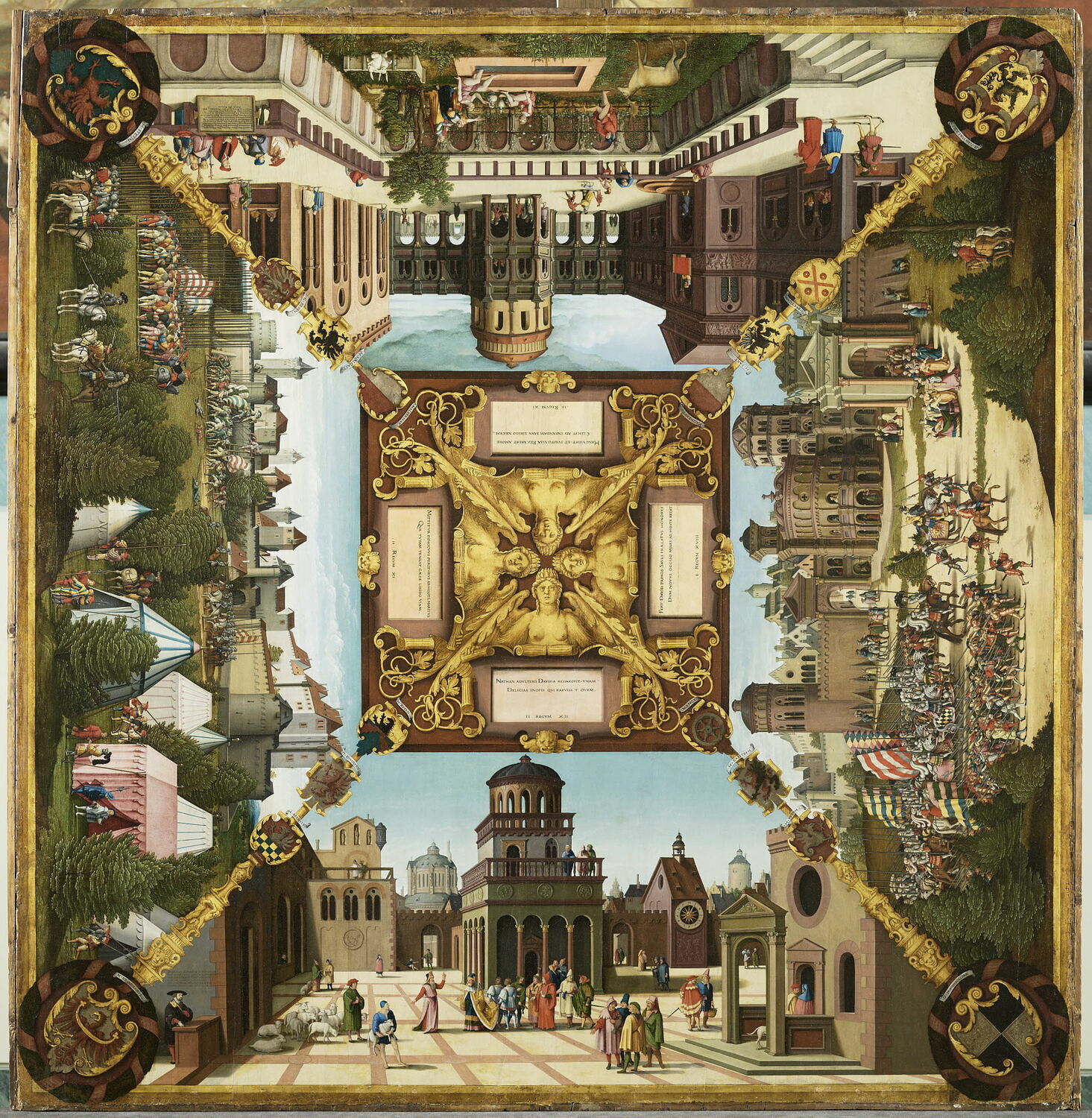
Table peinte illustrant l'Histoire de David, Beham, Hans Sebald, XVIe siècle (1534)

Table peinte illustrant l'Histoire de David

XVIe siècle (1534) · Museo del Louvre

Adam and Eve, Sebald Beham, 16th century

Adam and Eve

16th century · Harvard Art Museums

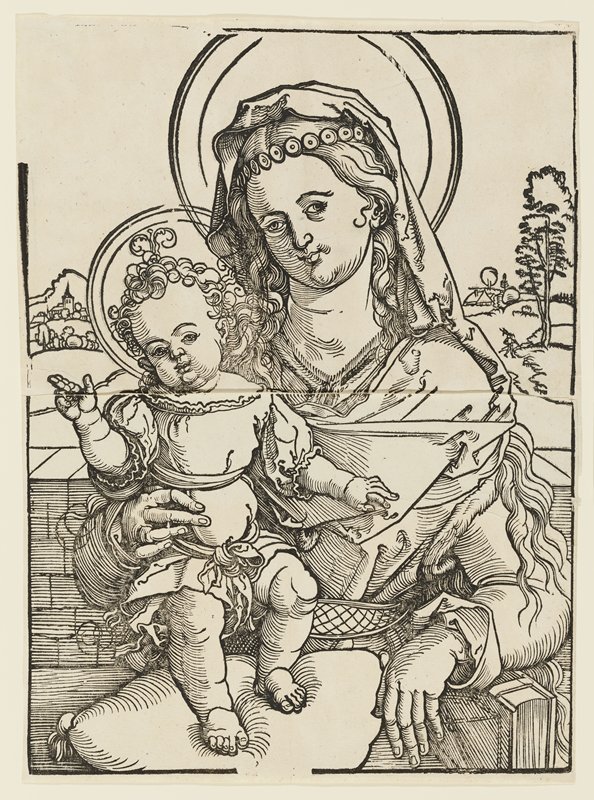
Virgin and Child, Sebald Beham, 1518–25

Virgin and Child

1518–25 · Minneapolis Institute of Art

Eve, Sebald Beham, 1519

Eve

1519 · Harvard Art Museums

The Man of Sorrows, Hans Sebald Beham, 1520

The Man of Sorrows

1520 · Art Institute of Chicago

The Head of Christ, Sebald Beham, 1520

The Head of Christ

1520 · Harvard Art Museums

Hercules and Nessus, from The Labors of Hercules, Hans Sebald Beham, 1542

Hercules and Nessus, from The Labors of Hercules

1542 · Art Institute of Chicago

Portrait d'Adolphe de Vignacourt Grand Maître de Malthe, Caravaggio, 1704–1755

Caravaggio

Portrait d'Adolphe de Vignacourt Grand Maître de Malthe, 1704–1755

Ecce Homo, Caravaggio, 1674–1684

Caravaggio

Ecce Homo, 1674–1684

Heiliger Hieronymus, Caravaggio

Caravaggio

Heiliger Hieronymus

Bildnis eines Mannes, Rembrandt, 1839–1850

Rembrandt van Rijn

Bildnis eines Mannes, 1839–1850

Bildnis einer Frau, Rembrandt, 1839–1850

Rembrandt van Rijn

Bildnis einer Frau, 1839–1850

Tobias und seine Frau, Rembrandt, 1773

Rembrandt van Rijn

Tobias und seine Frau, 1773

Tobias und seine Frau, Rembrandt, 1773

Rembrandt van Rijn

Tobias und seine Frau, 1773

Lot mit seinen Töchtern, Rembrandt, 1771

Rembrandt van Rijn

Lot mit seinen Töchtern, 1771

Merkur, Virgil Solis, 1534–1562

Virgil Solis

Merkur, 1534–1562

Herzog Anton Ulrich-Museum

Merkur mit dem Zeichen des Krebses, Johann Georg Bergmüller, 1708–1762

Johann Georg Bergmüller

Merkur mit dem Zeichen des Krebses, 1708–1762

Herzog Anton Ulrich-Museum

Schmuckleistenentwurf mit den sieben Planetengöttern in Querovalfeldern von je ca. 10 x 23 mm, 16th century

Schmuckleistenentwurf mit den sieben Planetengöttern in Querovalfeldern von je ca. 10 x 23 mm, 16th century

Herzog Anton Ulrich-Museum

Paris, Merkur, Venus und Amor, Johann Christoph Weigel, 1693

Johann Christoph Weigel

Paris, Merkur, Venus und Amor, 1693

Herzog Anton Ulrich-Museum

Il pomo d'oro, 4. Bild: Der Garten auf dem Berge Ida, Lodovico Ottavio Burnacini, 1667

Lodovico Ottavio Burnacini

Il pomo d'oro, 4. Bild: Der Garten auf dem Berge Ida, 1667

Herzog Anton Ulrich-Museum

Il pomo d'oro, 4. Bild: Garten auf dem Berge Ida, Lodovico Ottavio Burnacini, 1667

Lodovico Ottavio Burnacini

Il pomo d'oro, 4. Bild: Garten auf dem Berge Ida, 1667

Herzog Anton Ulrich-Museum

Merkur, Gregorius Fentzel, 1640–1660

Gregorius Fentzel

Merkur, 1640–1660

Herzog Anton Ulrich-Museum

Merkur, Monogrammist IB, 1528

Monogrammist IB

Merkur, 1528

Herzog Anton Ulrich-Museum