ART WIKI32.963 in sala
MappaCollezioneArtistiMuseiMostreRivista
Accedi

ART WIKI

Dove è appeso il capolavoro, e quando si può entrare.

Collezioni: Art Institute of Chicago, Cleveland Museum of Art, Ermitage, Galleria Tret'jakov, Getty Museum, Harvard Art Museums, Hirshhorn Museum and Sculpture Garden, Metropolitan Museum of Art, Minneapolis Institute of Art, Museo del Louvre, Museo Puškin delle belle arti, Museo russo, Museum of Modern Art, National Gallery of Art, National Museum of Asian Art, National Portrait Gallery, Rijksmuseum, Smithsonian American Art Museum, Statens Museum for Kunst, Victoria and Albert Museum, Villa Getty, Whitney Museum of American Art, Catalogo statale del fondo museale russo (274 musei), Europeana (19 musei), Wikidata (6 musei), Paris Musées (12 musei) e Joconde, la banca dati dei musei del Ministero della Cultura francese (495 musei). Le immagini appartengono ai titolari dei diritti.

Sezioni

  • Mappa
  • Ricerca
  • Collezione
  • Capolavori
  • Esposte ora
  • Artisti

Altro

  • Musei e gallerie
  • Mostre
  • Rivista
  • Da dove vengono i dati
  • Privacy e cookie
HomeMappaCatalogo
  1. Collezione/
  2. Museum Kunstpalast/
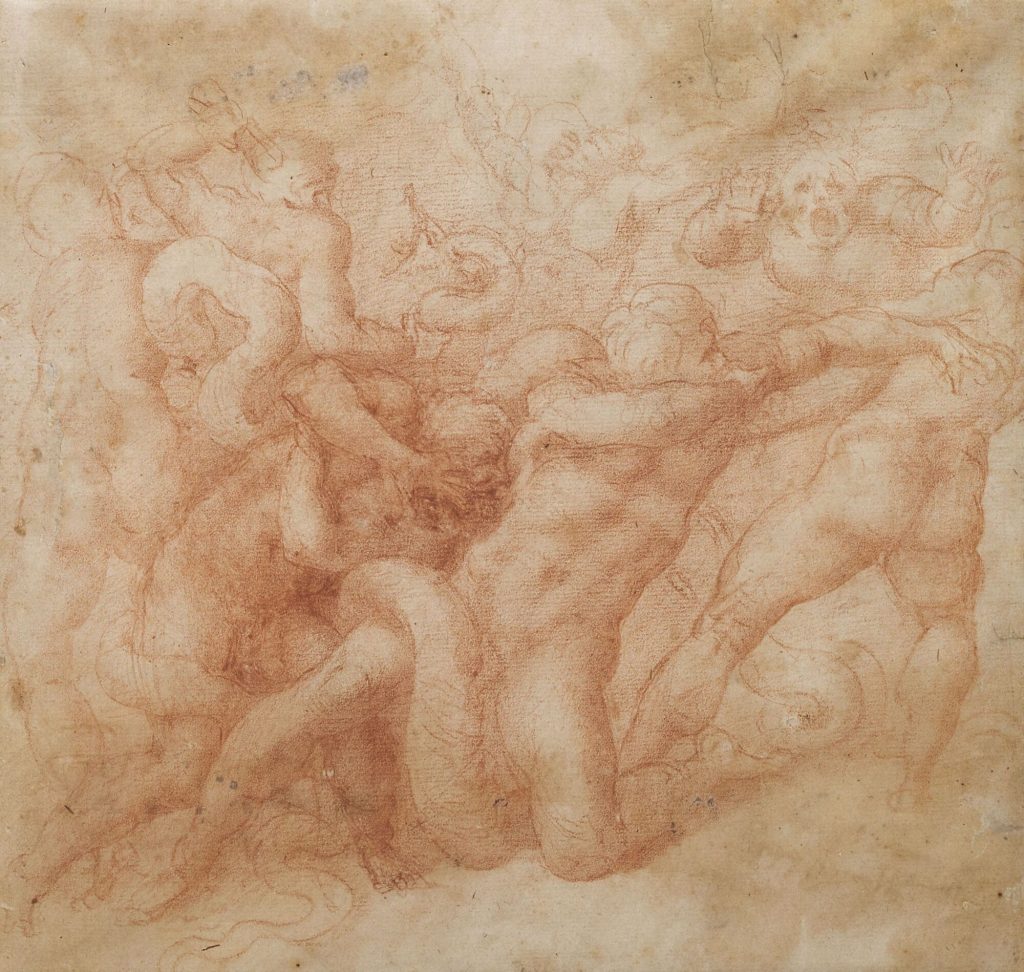
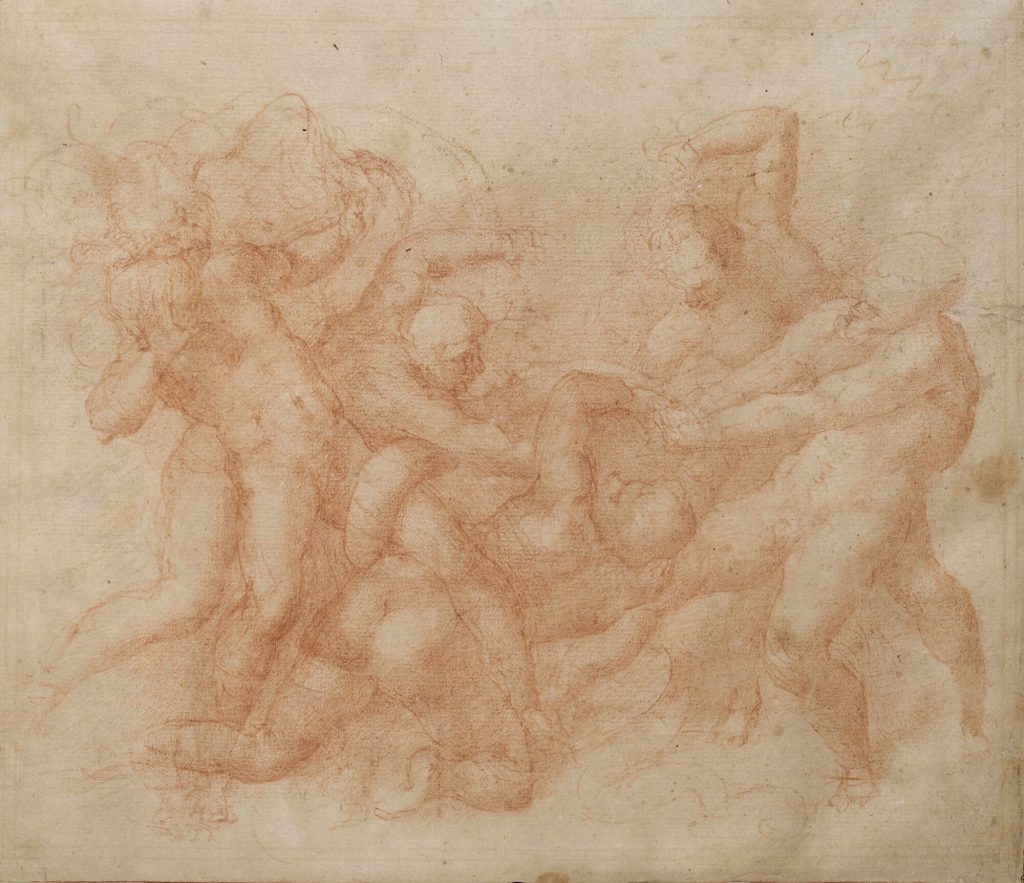
  3. Männer im Kampf mit einer Schlange
Männer im Kampf mit einer Schlange, Michelangelo, 1525–1535
Michelangelo, ritrattoMichelangeloItalia, 1475–1564

Männer im Kampf mit einer Schlange

1525–1535 · Drawing

Si può ammirare?

Non si sa

Museum Kunstpalast

Düsseldorf, Germania

Il proprietario è noto; non si sa se oggi sia esposta.

Ultimo cambio di stato
27 set 2026
Fonte
Il museo
Sulla mappaPagina del museo

Scheda

1525–1535
14751564

In catalogo

Disegni e acquerelliRinascimentoXVI secolo

Fonti

  • Museum Kunstpalast
  • Immagine: Museum Kunstpalast — In Copyright

Nel frattempo, nella vita di Michelangelo

Tutta la vita
  1. 1516–1534 · Luogo di lavoro

    Florence

  2. 1527

    The Medici expelled: inspector of the republic's fortifications

    After the Medici were expelled from Florence, Michelangelo, a republican at heart, joined the popular movement and became chief inspector of fortifications. He abandoned his post and set off for Venice, meaning to go on to France, but returned and rendered his city important services during the siege by imperial troops.

  3. 1530

    A death sentence and a hiding place under the Medici Chapel

    Florence fell, the Medici returned to power and Pope Clement VII sentenced Michelangelo to death. He is thought to have hidden for two months in a small chamber under the Medici chapels, covering its walls with charcoal and chalk drawings, until he was pardoned so that he could complete the Sistine Chapel and the Medici tombs.

  4. 1532

    Meets Tommaso dei Cavalieri

    Aged 57, Michelangelo met the 23-year-old Roman patrician Tommaso dei Cavalieri and addressed to him his longest, deeply felt sequence of poems, as well as drawings such as the Ganymede and the Fall of Phaëthon. Cavalieri replied, “Never have I loved a man more than I love you,” and remained devoted to him until his death.

  5. 1534

    Moves from Florence to Rome

    Michelangelo left Florence for Rome and lived near the church of Santa Maria di Loreto. Despite his support for the republic, Pope Clement VII restored his allowance and made a new contract with him for the tomb of Julius II.

  6. c. 1537

    Friendship with Vittoria Colonna

    In Rome Michelangelo met the poet Vittoria Colonna, a noble widow, then forty-seven. They shared a sincere platonic love, exchanging sonnets on spiritual matters, and in the 1530s she was his spiritual guide.
Altre opere di Michelangelo

Tutte le opere
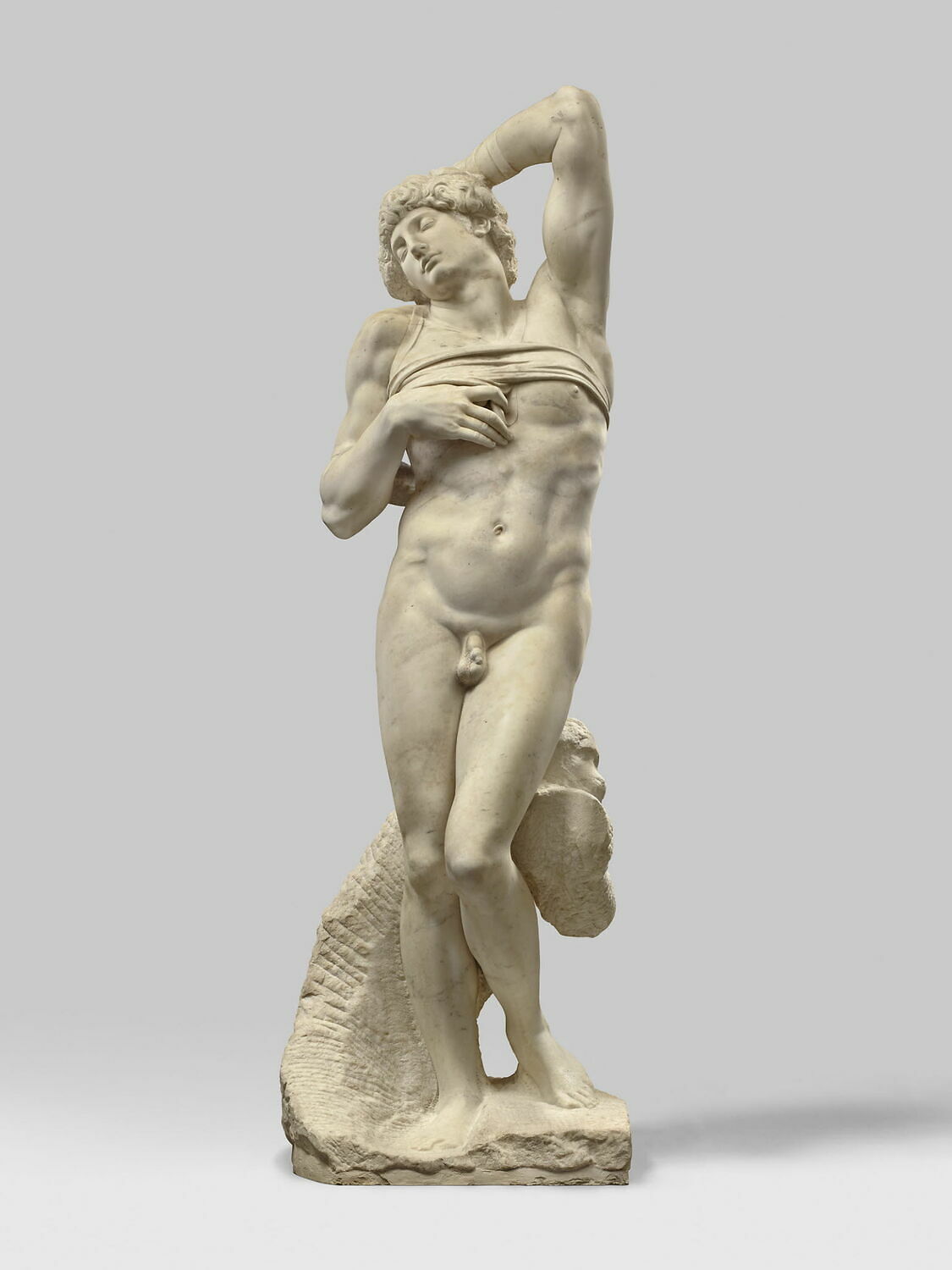
Esclave mourant, Buonarroti, Michelangelo dit Michel-Ange, 1513 - 1515

Schiavo morente

1513 - 1515 · Museo del Louvre

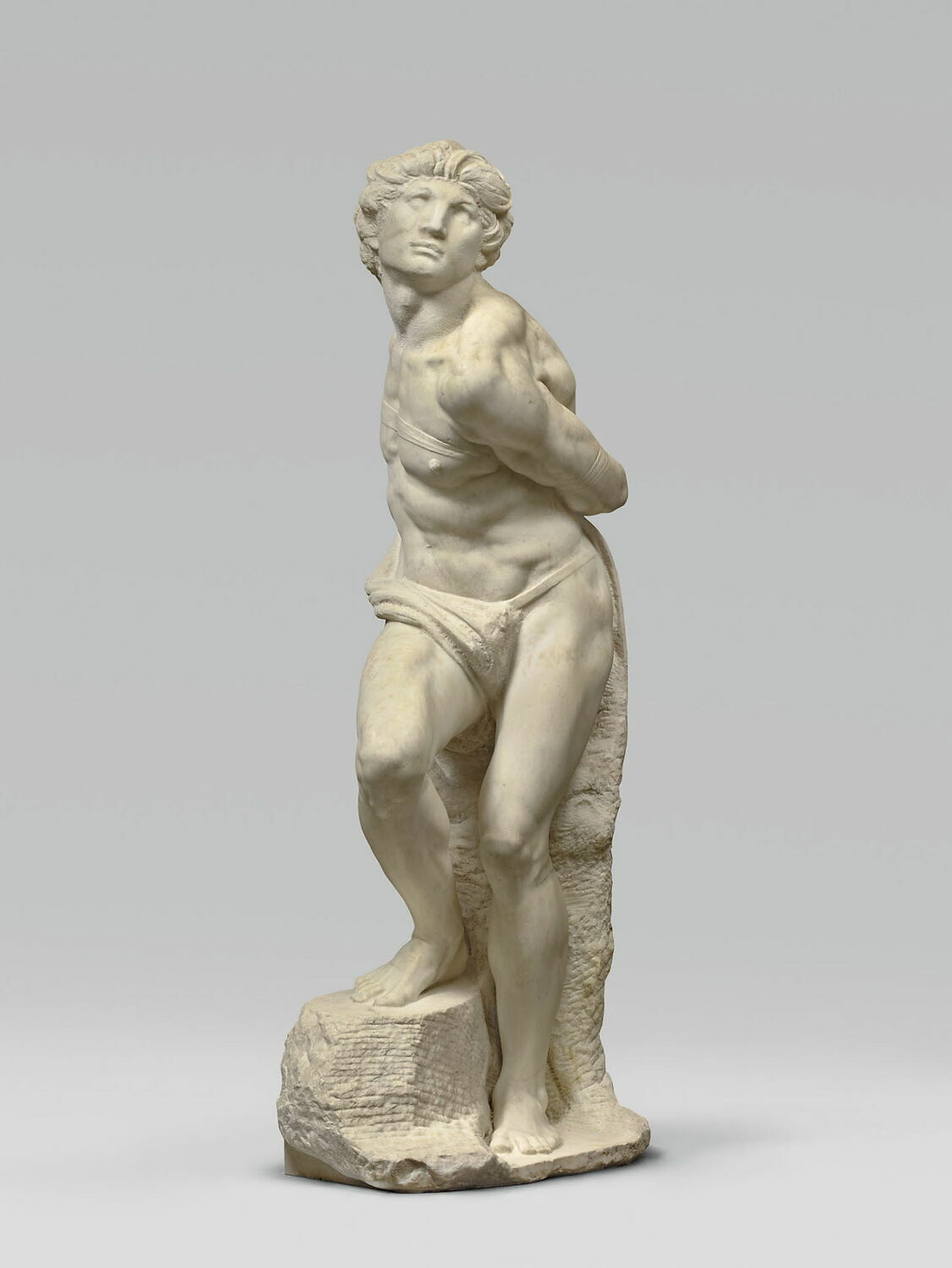
Esclave rebelle, Buonarroti, Michelangelo dit Michel-Ange, 1513 - 1515

Schiavo ribelle

1513 - 1515 · Museo del Louvre

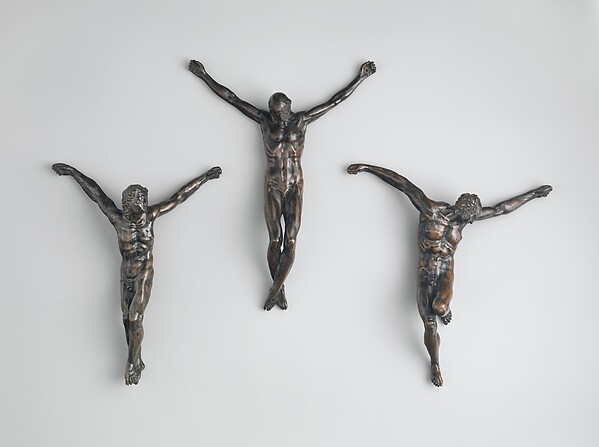
Christ and the Two Thieves Crucified, Michelangelo Buonarroti, ca. 1560–70

Christ and the Two Thieves Crucified

ca. 1560–70 · Metropolitan Museum of Art

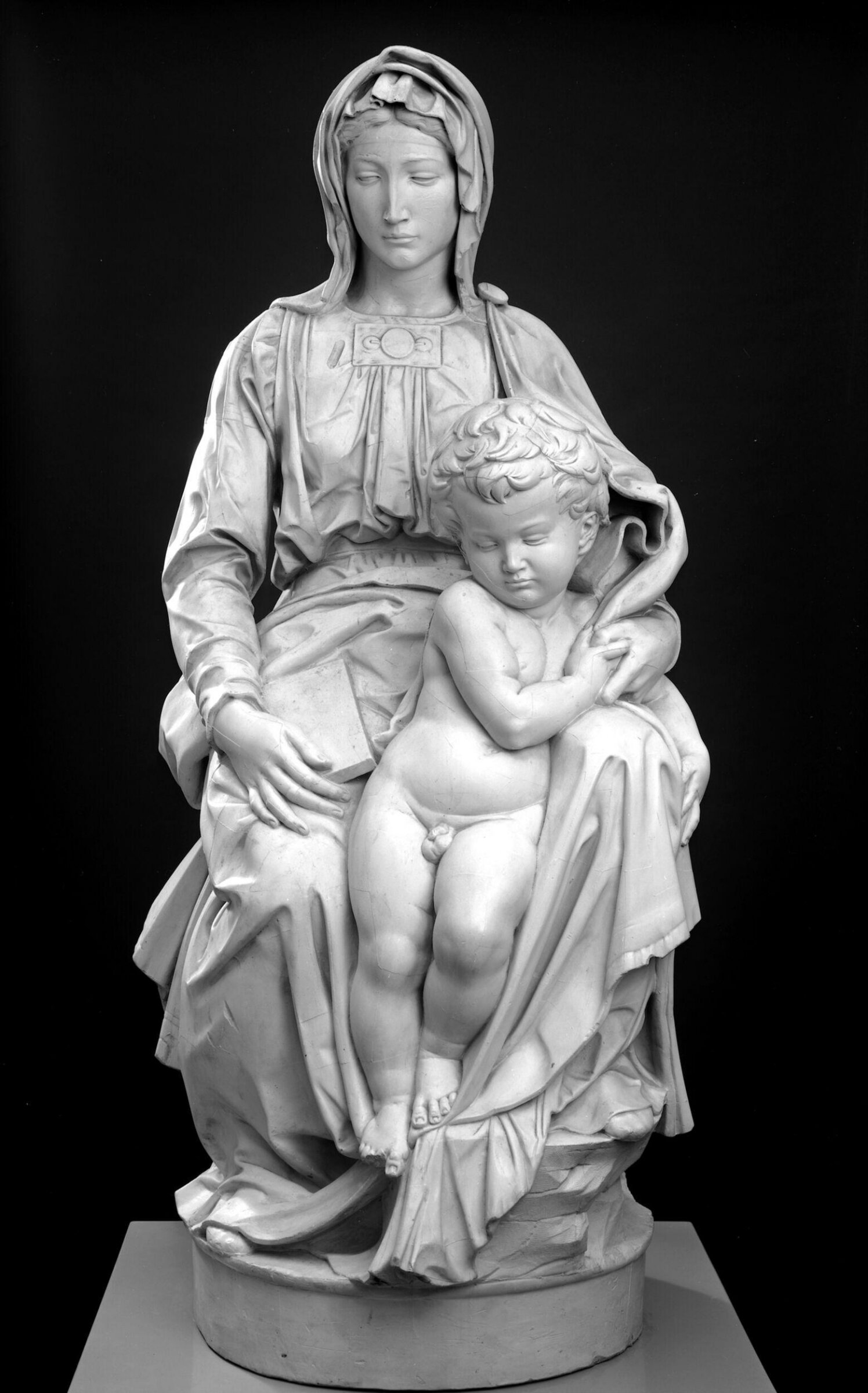
Bruges Madonna, Michelangelo, 1504-6

Bruges Madonna

1504-6 · Victoria and Albert Museum

Design for an Equestrian Statue of Henry II of France, Michelangelo, 1559 - 1564

Design for an Equestrian Statue of Henry II of France

1559 - 1564 · Rijksmuseum

The Prophet Ezekiel, Giorgio Ghisi after Michelangelo, early 1570s

The Prophet Ezekiel

early 1570s · Non esposta · National Gallery of Art

The Eritrean Sibyl, Giorgio Ghisi after Michelangelo, early 1570s

The Eritrean Sibyl

early 1570s · Non esposta · National Gallery of Art

Two Nude Men, Marcantonio Raimondi after Michelangelo

Two Nude Men

Non esposta · National Gallery of Art

Dalla collezione: Museum Kunstpalast

Pagina del museo
Die Eherne Schlange, Michelangelo, 1525–1535

Michelangelo

Die Eherne Schlange, 1525–1535

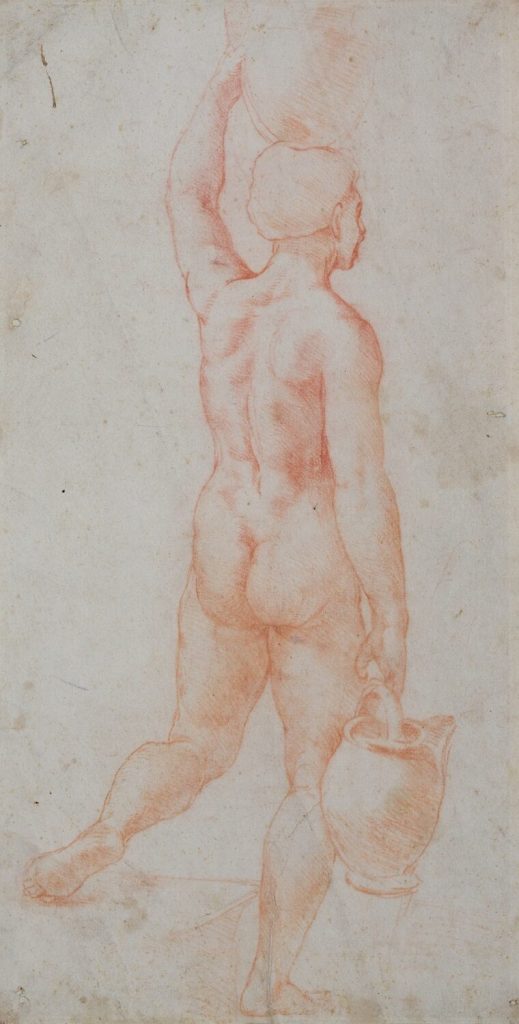
Wasserträgerin, Raphael

Raphael

Wasserträgerin

Acht sitzende Bischöfe, Raphael

Raphael

Acht sitzende Bischöfe

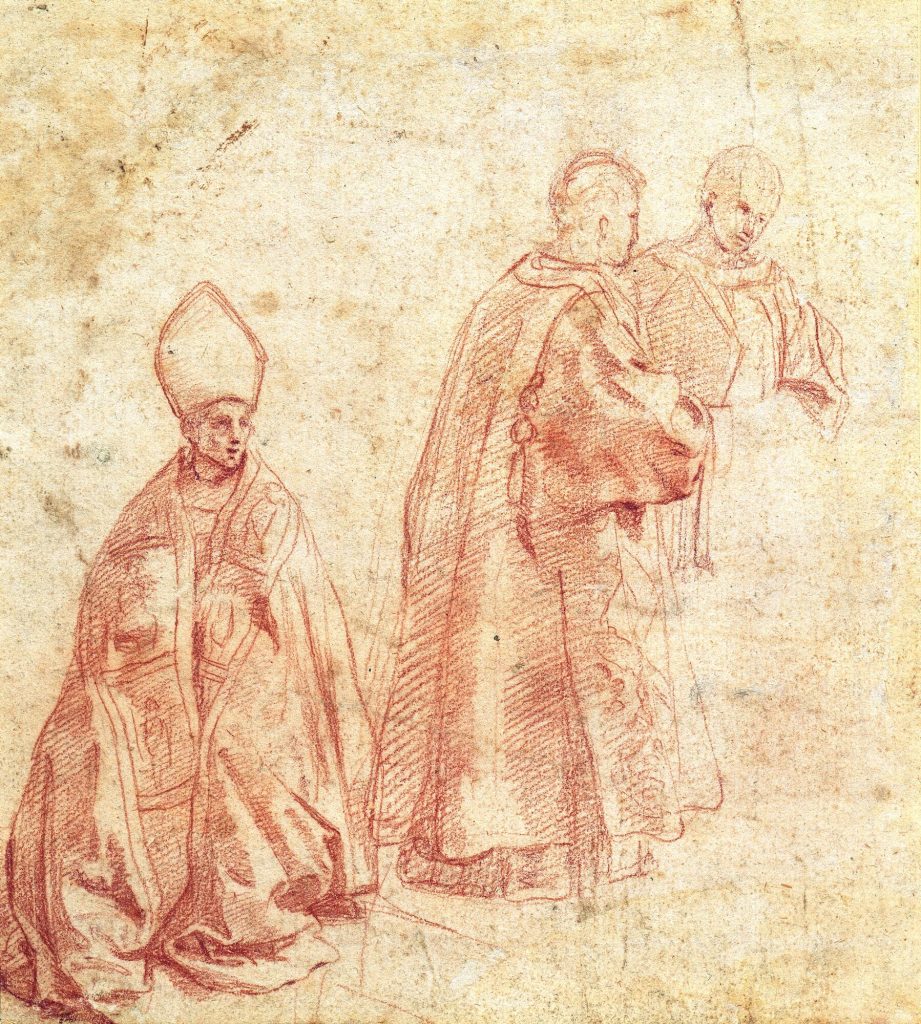
Studie eines knieenden Kardinalbischofs und zweier Kardinaldiakone, Raphael

Raphael

Studie eines knieenden Kardinalbischofs und zweier Kardinaldiakone

Dame im Morgengewande, Gustav Klimt, 1896

Gustav Klimt

Dame im Morgengewande, 1896

Liegende nackte Frau ("La Negresse Couché"), Rembrandt, 1658

Rembrandt van Rijn

Liegende nackte Frau ("La Negresse Couché"), 1658

Liegende nackte Frau ("La Negresse Couché"), Rembrandt, 1658

Rembrandt van Rijn

Liegende nackte Frau ("La Negresse Couché"), 1658

Christus und die Samariterin, Rembrandt, 1657

Rembrandt van Rijn

Christus und die Samariterin, 1657