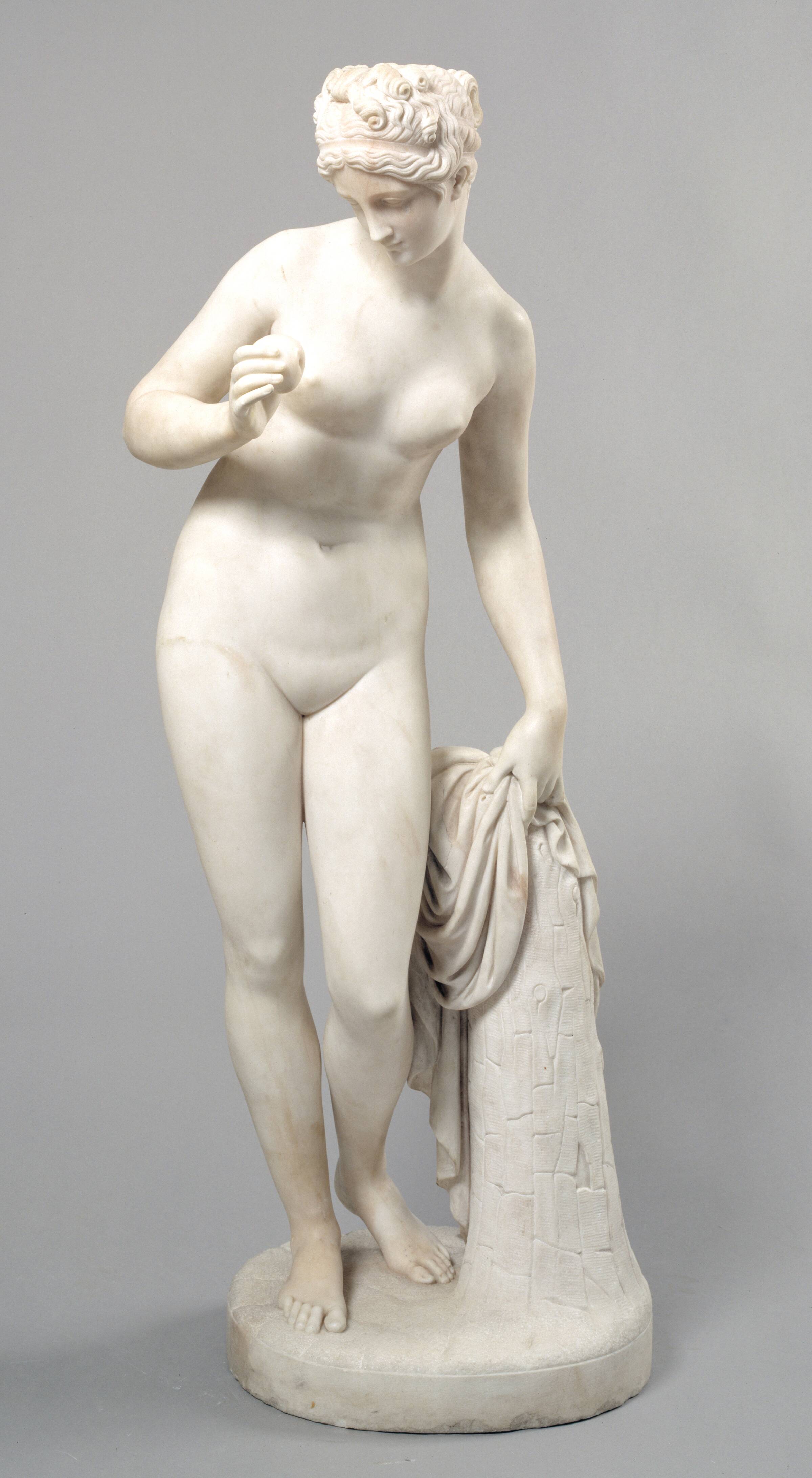
Bertel ThorvaldsenDanimarca, 1770–1844
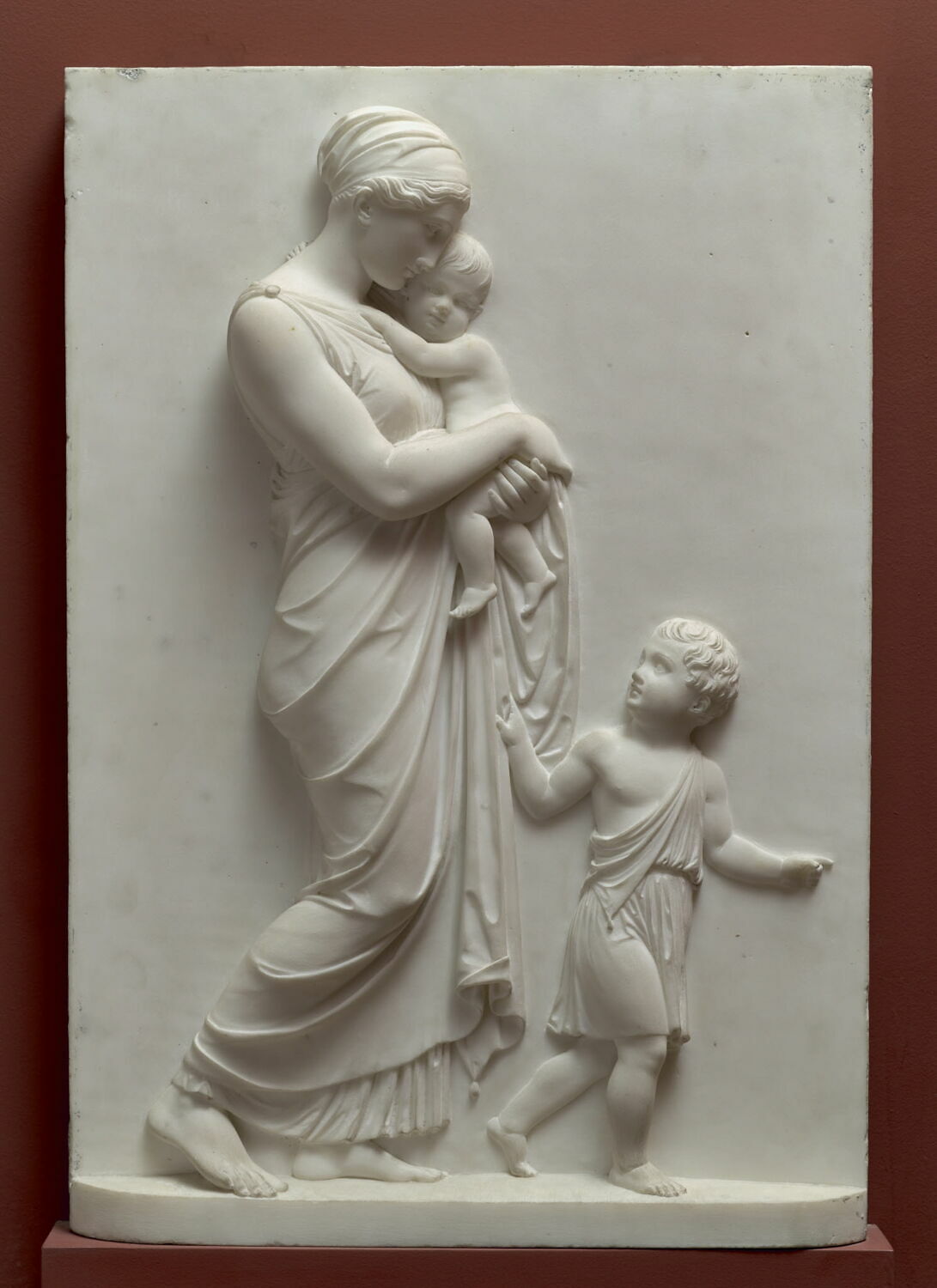
Мадонна
Si può ammirare?
Non si sa: il museo mantiene il riserbo

Museo Puškin delle belle arti
Mosca, Russia
Il proprietario è noto. Se oggi sia esposta, il museo non lo dice, e a indovinare non ci hanno insegnato.
- Ultimo cambio di stato
- 28 set 2026
- Fonte
- I dati di collezione del museo stesso
Scheda
- Numero di inventario
- Р-13379
In catalogo
Fonti
- Museo Puškin delle belle arti: the museum's own open data · acquisita 6 giorni fa
- Immagine: Museo Puškin delle belle arti — © Pushkin State Museum of Fine Arts
Nel frattempo, nella vita di Bertel Thorvaldsen
Tutta la vita1797–1838
“Restores” the Aegina marbles for Prince Ludwig
In his Roman workshop in the Palazzo Barberini Thorvaldsen “restored” the recently discovered Aegina marbles, adding lost arms and heads. On his recommendation the fragments were bought by Prince Ludwig of Bavaria, the future King Ludwig I; the reconstructed pediment groups of the Aegina temple can now be seen in Munich’s Glyptothek.
1797–1838
The Roman years: a home, a workshop and a mentor
In Rome Thorvaldsen lived at the Casa Buti on the Via Sistina, in front of the Spanish Steps, and had his workshop in the stables of the Palazzo Barberini. He also studied with another Dane, Asmus Jacob Carstens, whose handling of classical themes became a source of inspiration.
1801
Canova praises the model of “Jason”
Thorvaldsen’s first success in Rome was the model for a statue of Jason, finished in 1801 and highly praised by Antonio Canova, the city’s most popular sculptor. But the work sold slowly and his stipend ran out, so he planned to return to Denmark.
1803
Thomas Hope’s commission keeps him in Rome
In 1803, as Thorvaldsen was about to leave Rome, the wealthy English art patron Thomas Hope commissioned the Jason in marble; from then on his success was assured, and for sixteen years he did not leave Italy. The marble Jason was finished only 25 years later, as the master quickly became a very busy man.
1803
Anna Maria von Uhden leaves her husband
As a frequent guest at the house of Georg Zoëga, the Danish archaeologist who had taken the young sculptor under his wing, Thorvaldsen met Anna Maria von Uhden, née Magnani, who had worked there as a maid and married a German archaeologist. She became his mistress and left her husband in 1803.
1805
Expands the workshop and hires assistants
In 1805 Thorvaldsen had to expand his workshop and take on several assistants. They did most of the marble cutting, while the master limited himself to the sketches and finishing touches.