ART WIKI32.963 in sala
MappaCollezioneArtistiMuseiMostreRivista
Accedi

ART WIKI

Dove è appeso il capolavoro, e quando si può entrare.

Collezioni: Art Institute of Chicago, Cleveland Museum of Art, Ermitage, Galleria Tret'jakov, Getty Museum, Harvard Art Museums, Hirshhorn Museum and Sculpture Garden, Metropolitan Museum of Art, Minneapolis Institute of Art, Museo del Louvre, Museo Puškin delle belle arti, Museo russo, Museum of Modern Art, National Gallery of Art, National Museum of Asian Art, National Portrait Gallery, Rijksmuseum, Smithsonian American Art Museum, Statens Museum for Kunst, Victoria and Albert Museum, Villa Getty, Whitney Museum of American Art, Catalogo statale del fondo museale russo (274 musei), Europeana (19 musei), Wikidata (6 musei), Paris Musées (12 musei) e Joconde, la banca dati dei musei del Ministero della Cultura francese (495 musei). Le immagini appartengono ai titolari dei diritti.

Sezioni

  • Mappa
  • Ricerca
  • Collezione
  • Capolavori
  • Esposte ora
  • Artisti

Altro

  • Musei e gallerie
  • Mostre
  • Rivista
  • Da dove vengono i dati
  • Privacy e cookie
HomeMappaCatalogo
  1. Collezione/
  2. Museo del Louvre/
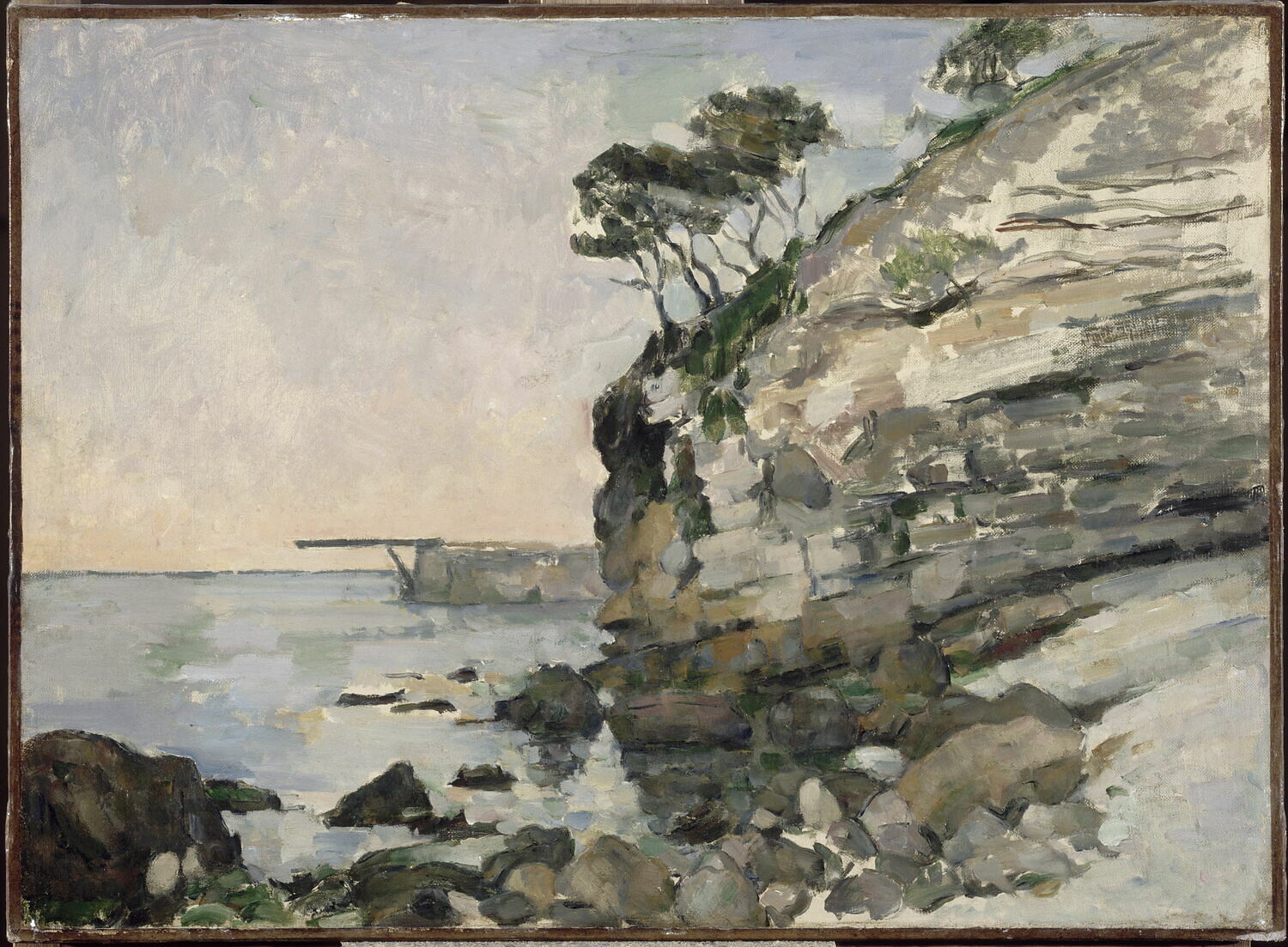
  3. L'Estaque, effet du soir
L'Estaque, effet du soir, Cézanne, Paul, 3e quart du XIXe siècle (1850 - 1875)
Paul Cézanne, ritrattoPaul CézanneFrancia, 1839–1906

L'Estaque, effet du soir

3e quart du XIXe siècle (1850 - 1875) · Peintures

Si può ammirare?

Al momento non riceve

Museo del Louvre

Parigi, Francia

Appartiene alla collezione, ma al momento non è esposta.

Verificato
11 giorni fa
Ultimo cambio di stato
26 set 2026
Fonte
I dati di collezione del museo stesso
Sulla mappaPagina del museo

Scheda

3e quart du XIXe siècle (1850 - 1875)
18391906
Numero di inventario
RF 1961 34

In catalogo

DipintiOlioPittura franceseRealismoXIX secolo

Fonti

  • Museo del Louvre: i dati aperti del museo · acquisita 11 giorni fa
  • Immagine: Museo del Louvre — © 2000 GrandPalaisRmn (musée du Louvre) / René-Gabriel Ojéda

Nel frattempo, nella vita di Paul Cézanne

Tutta la vita
  1. 1852

    Friendship with Émile Zola at the Collège Bourbon

    At the Collège Bourbon in Aix, Cézanne befriended Émile Zola and Baptistin Baille; the three were nicknamed "Les Trois Inséparables" (The Three Inseparables).

  2. April 1861

    Move to Paris to Pursue Painting

    Against the objections of his banker father, he abandoned his law studies and moved to Paris at Zola's urging. Rejected by the École des Beaux-Arts, he studied at the free Académie Suisse, where he met Camille Pissarro.

  3. 1863

    Participation in the First Salon des Refusés

    Cézanne's paintings were shown at the first Salon des Refusés, established by Napoleon III after the scandal over the rejection of works by Manet, Pissarro, and Monet.

  4. 1872

    Working with Pissarro in Pontoise

    At Pissarro's invitation he worked in Pontoise; his mentor persuaded him to abandon dark tones and paint with the three primary colors, which lightened Cézanne's palette.

  5. 15 April – 15 May 1874

    First Impressionist Exhibition

    He took part in the first group exhibition of the future Impressionists in the studio of the photographer Nadar; his "A Modern Olympia" provoked critical outrage. "The House of the Hanged Man" was bought by Count Doria for 300 francs — one of the few paintings sold.

  6. 1877

    Sixteen Works at the Third Impressionist Exhibition

    He presented 16 works at the third Impressionist exhibition, once again met with harsh criticism. It was the last time he exhibited with the Impressionists.
Altre opere di Paul Cézanne

Tutte le opere
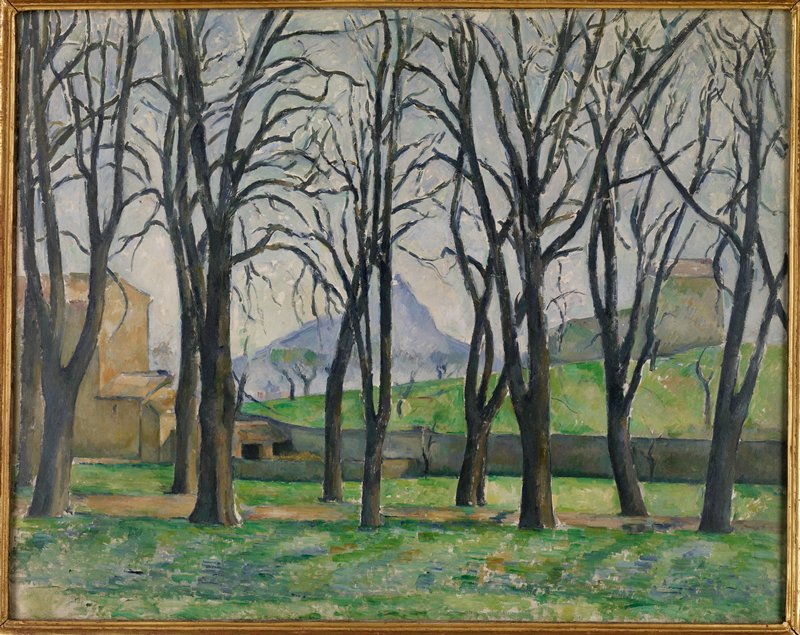
Chestnut Trees at Jas de Bouffan, Paul Cézanne, c. 1885–86

Chestnut Trees at Jas de Bouffan

c. 1885–86 · Minneapolis Institute of Art

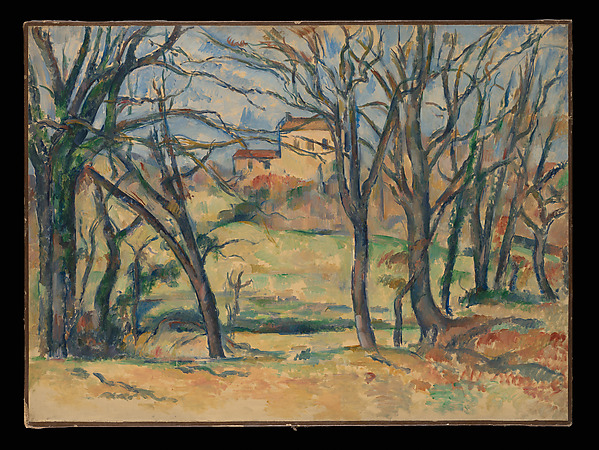
Trees and Houses Near the Jas de Bouffan, Paul Cézanne, 1885–86

Trees and Houses Near the Jas de Bouffan

1885–86 · Metropolitan Museum of Art

Apples, Peaches, Pears and Grapes, Paul Cézanne, 19th century

Apples, Peaches, Pears and Grapes

19th century · Ermitage

The Artist's Father, Reading "L'Événement", Paul Cezanne, 1866

The Artist's Father, Reading "L'Événement"

1866 · National Gallery of Art

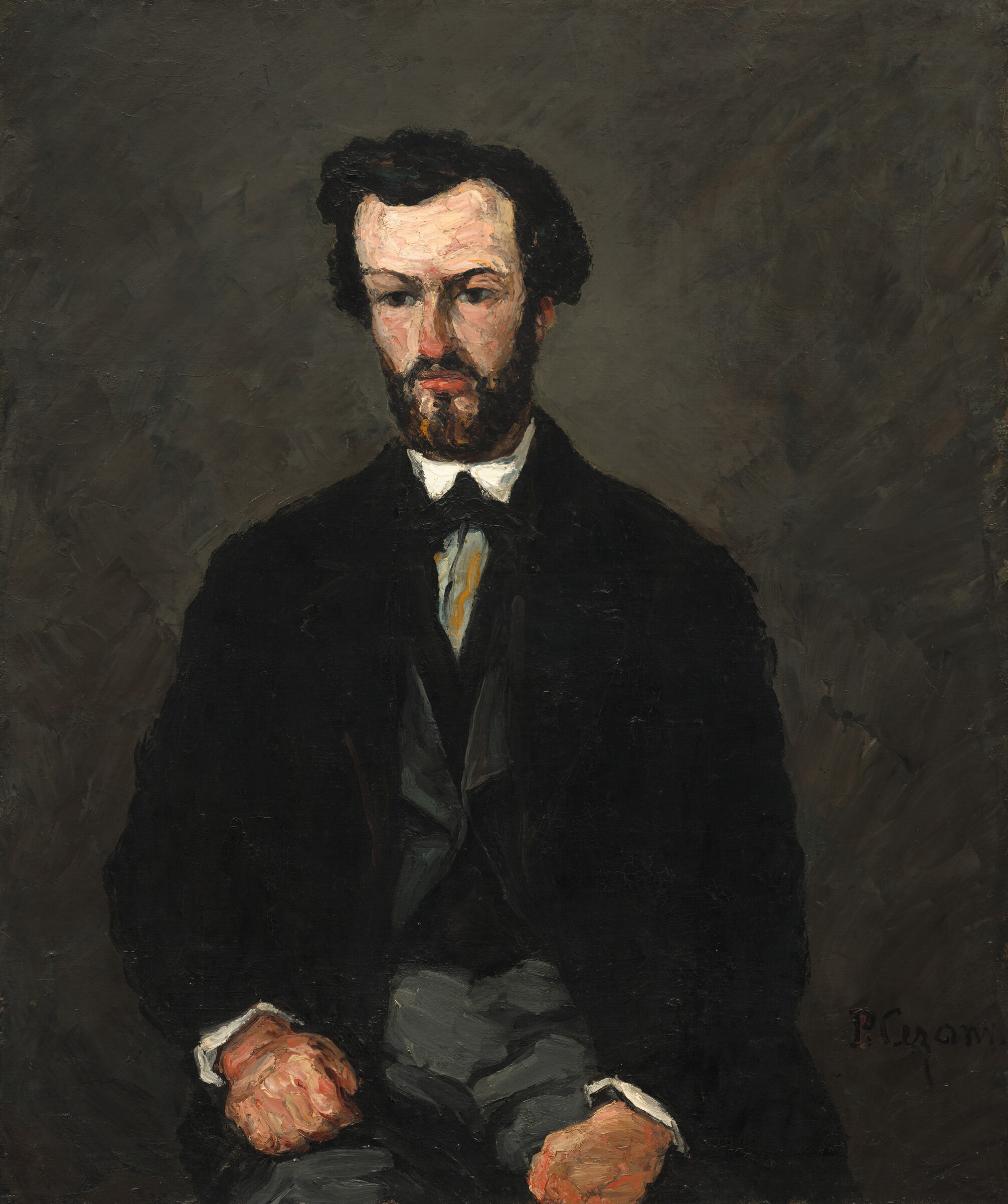
Antony Valabrègue, Paul Cezanne, 1866

Antony Valabrègue

1866 · National Gallery of Art

Ragazza al pianoforte, Paul Cézanne, 1869

Ragazza al pianoforte

1869 · Ermitage

Portrait of Anthony Valabrègue, Paul Cézanne, 1869–1871

Portrait of Anthony Valabrègue

1869–1871 · Getty Museum

Flowers in a blue vase, Paul Cézanne, 1870s

Flowers in a blue vase

1870s · Ermitage

Sotto lo stesso tetto: Museo del Louvre

Pagina del museo
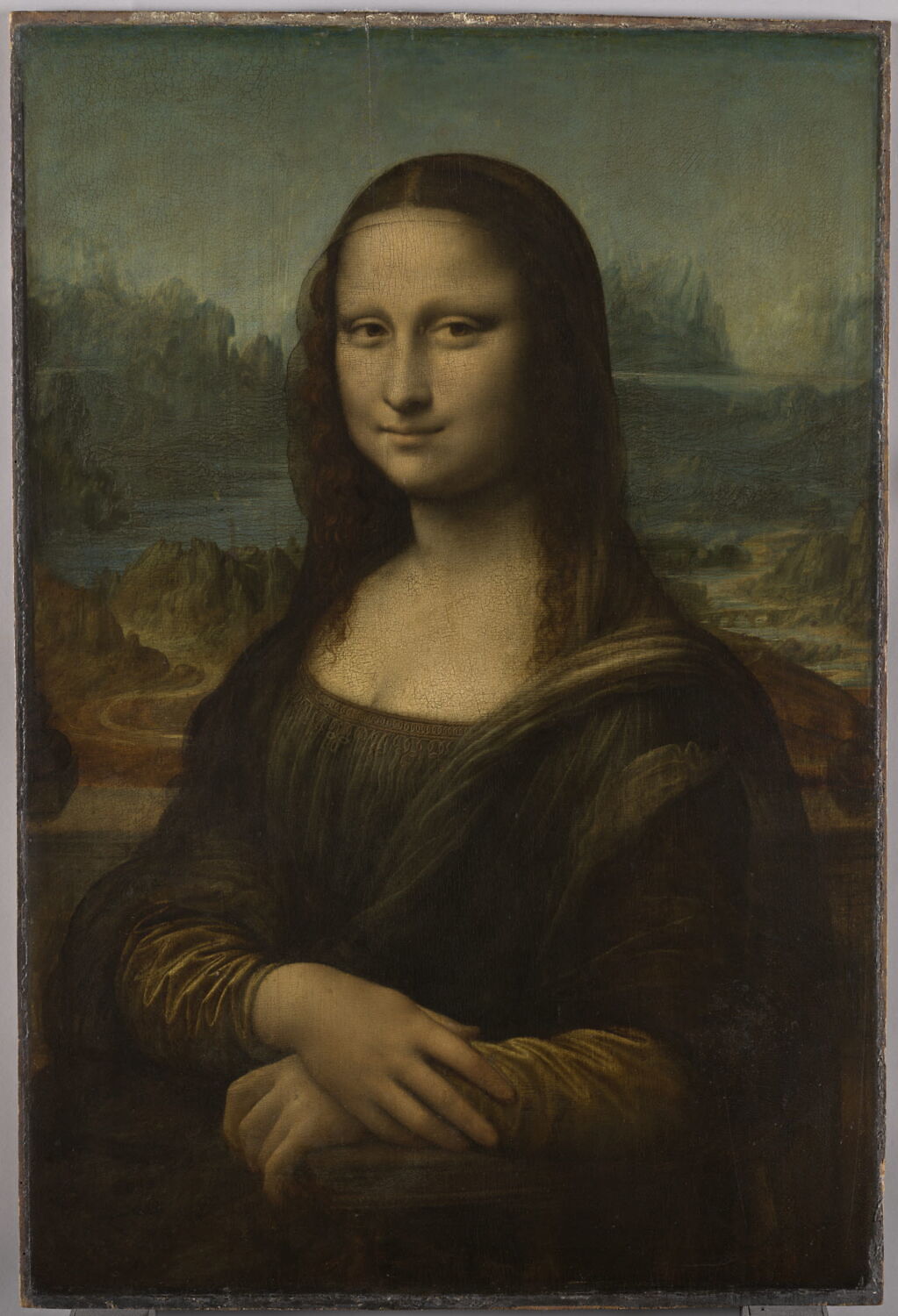
Portrait de Lisa Gherardini, épouse de Francesco del Giocondo, dit La Joconde ou Monna Lisa, Léonard de Vinci, 1e quart du XVIe siècle (1503 - 1519)

Leonardo da Vinci

La Gioconda, 1e quart du XVIe siècle (1503 - 1519)

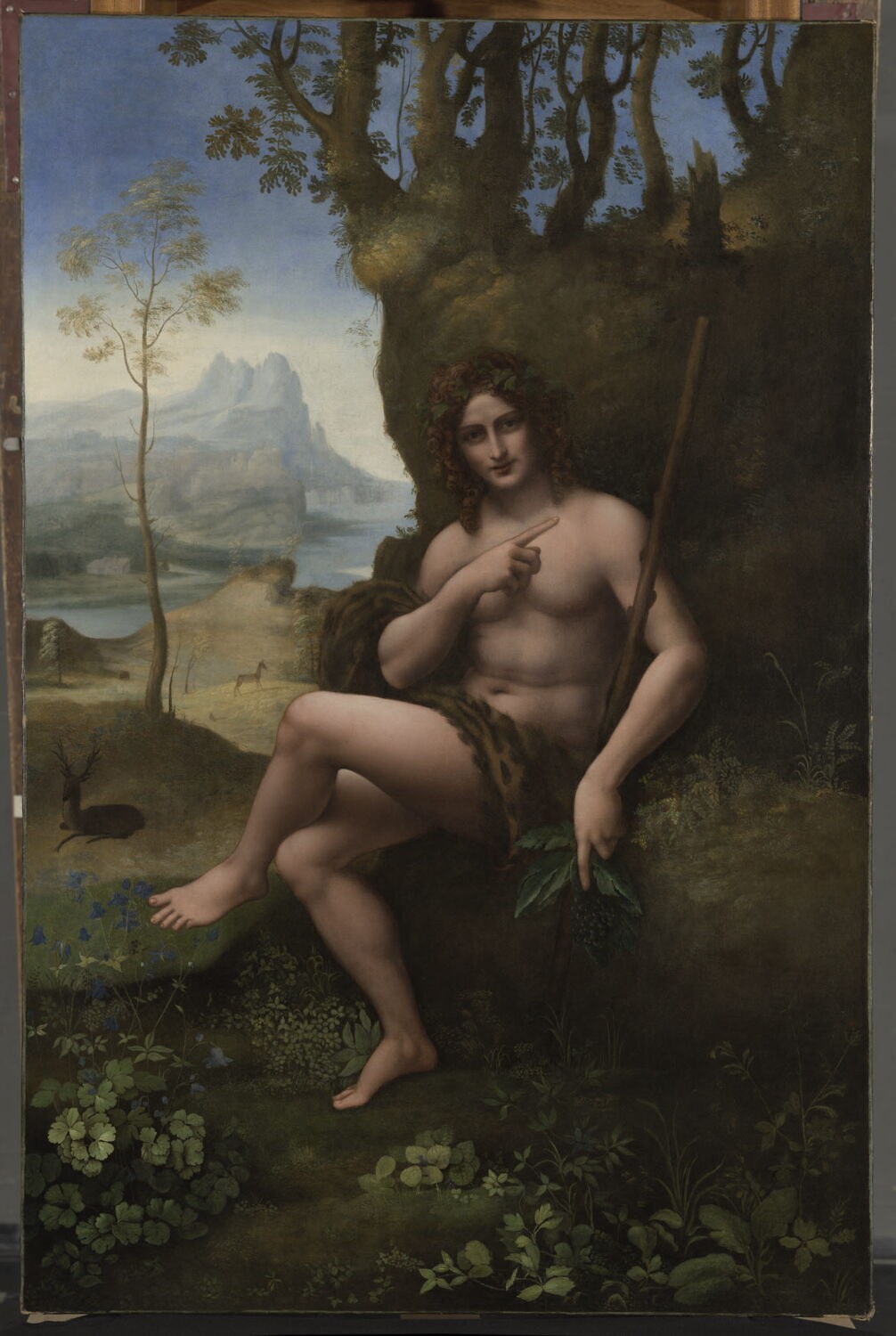
Saint Jean Baptiste, Léonard de Vinci, 1e quart du XVIe siècle (vers 1517 - 1520)

Leonardo da Vinci

Bacco, 1e quart du XVIe siècle (vers 1517 - 1520)

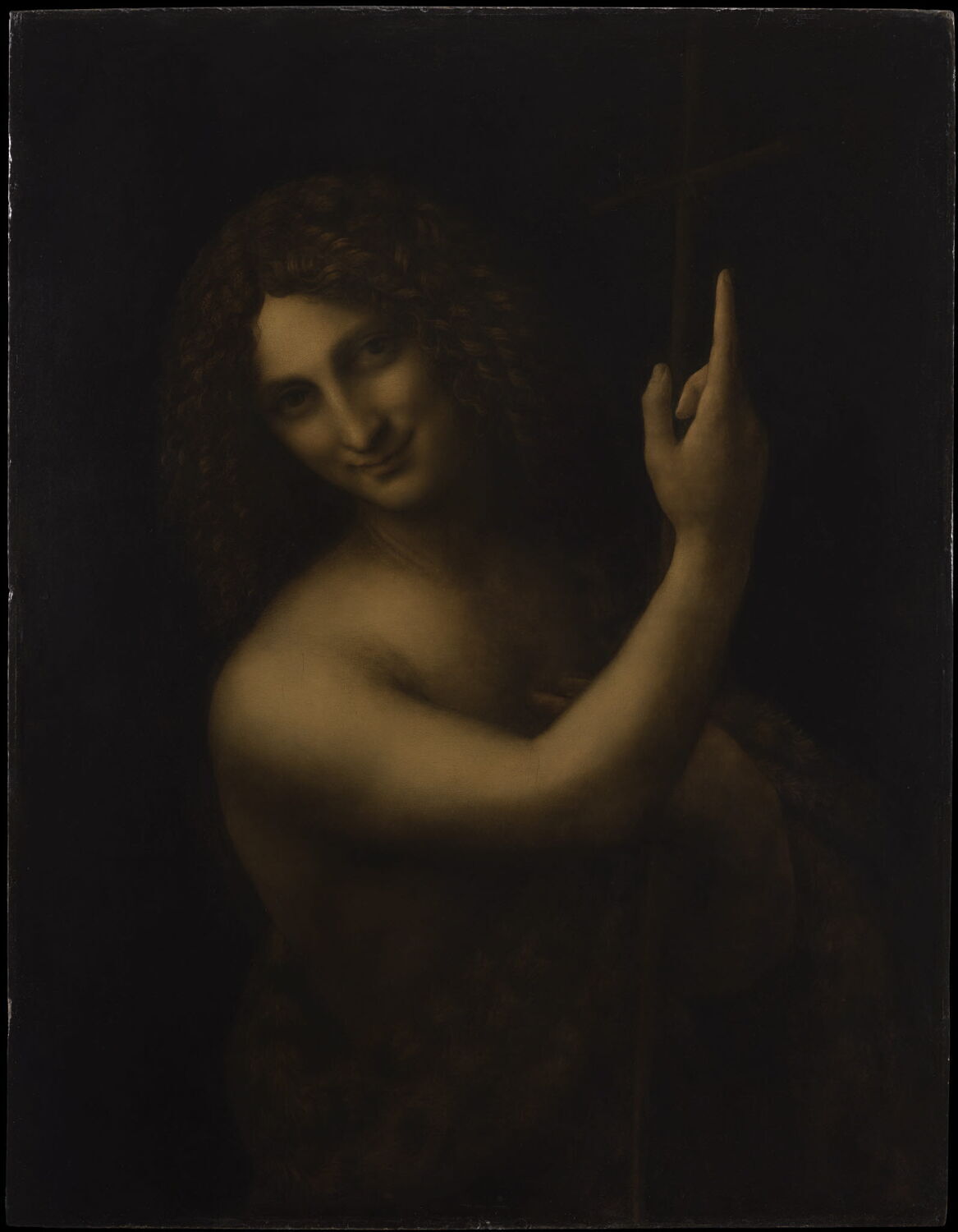
Saint Jean Baptiste, Léonard de Vinci, 1e quart du XVIe siècle (vers 1508 - 1519)

Leonardo da Vinci

San Giovanni Battista, 1e quart du XVIe siècle (vers 1508 - 1519)

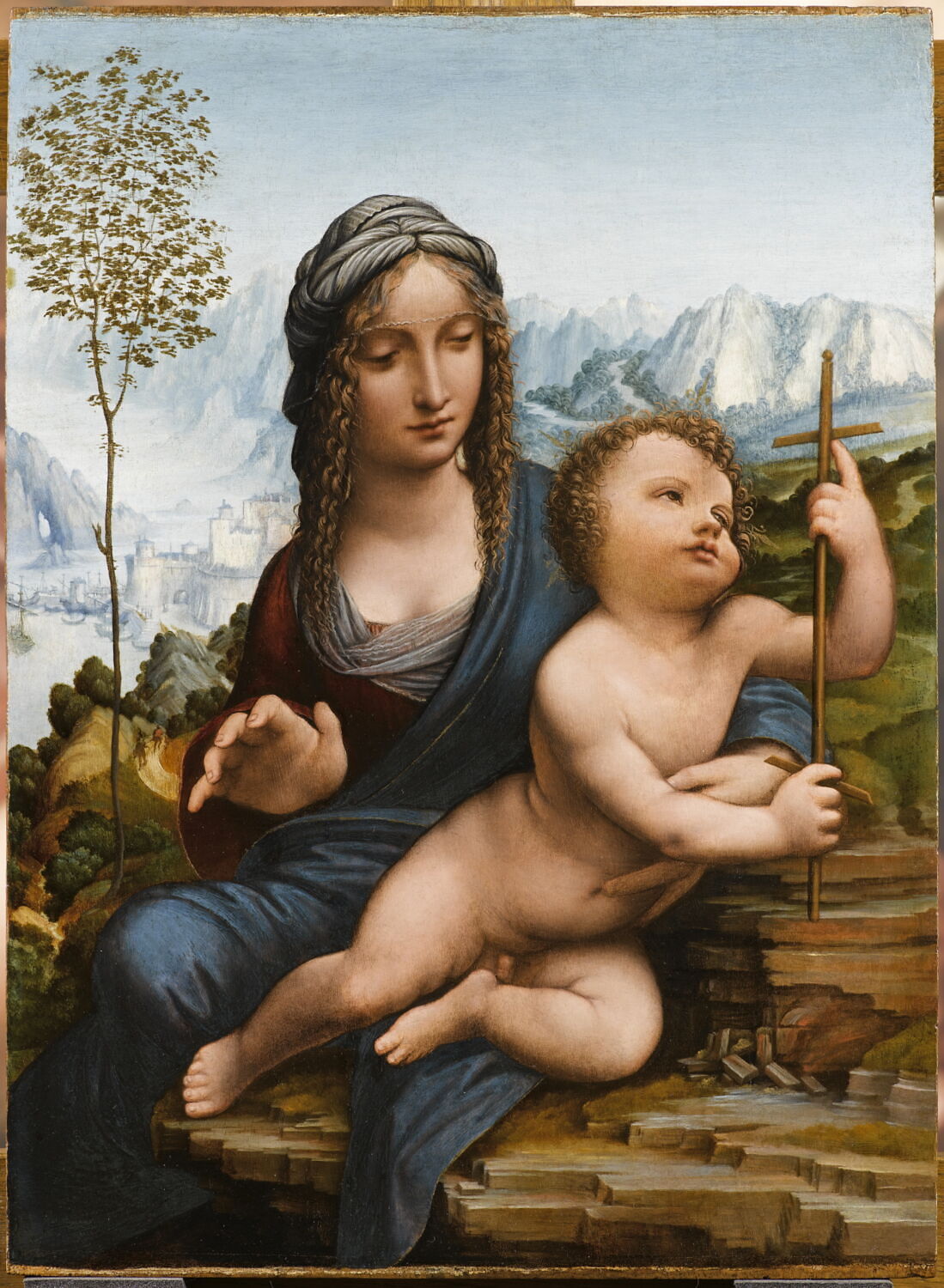
La Vierge et l'Enfant Jésus, dite Vierge au dévidoir ou Vierge aux fuseaux, Léonard de Vinci, XVIe siècle (vers 1505 - 1520)

Leonardo da Vinci

La Vierge et l'Enfant Jésus, dite Vierge au dévidoir ou Vierge aux fuseaux, XVIe siècle (vers 1505 - 1520)

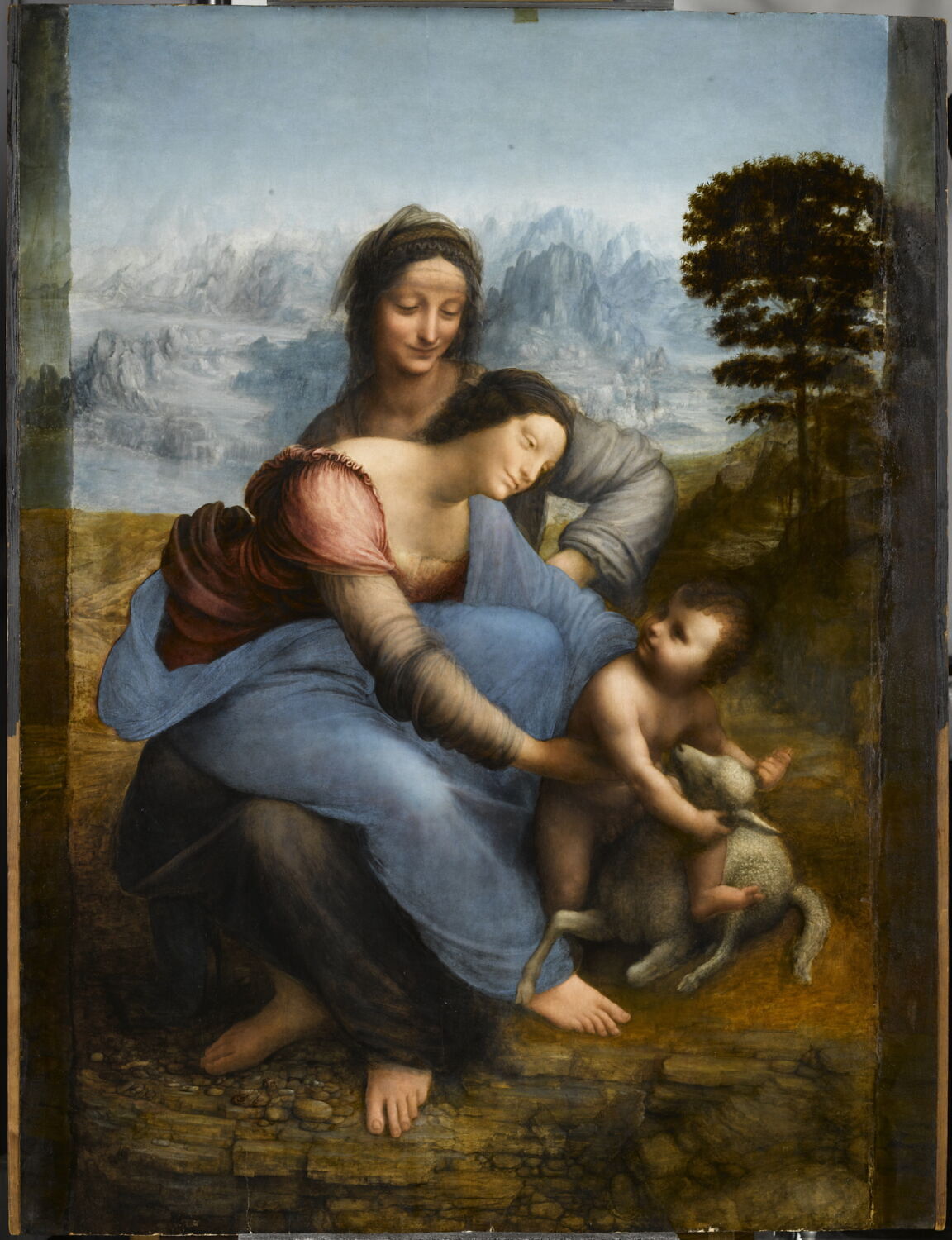
La Vierge, l'Enfant Jésus et sainte Anne, dit La Sainte Anne, Léonard de Vinci, 1e quart du XVIe siècle (vers 1503 - 1519)

Leonardo da Vinci

Sant'Anna, la Vergine e il Bambino con l'agnellino, 1e quart du XVIe siècle (vers 1503 - 1519)

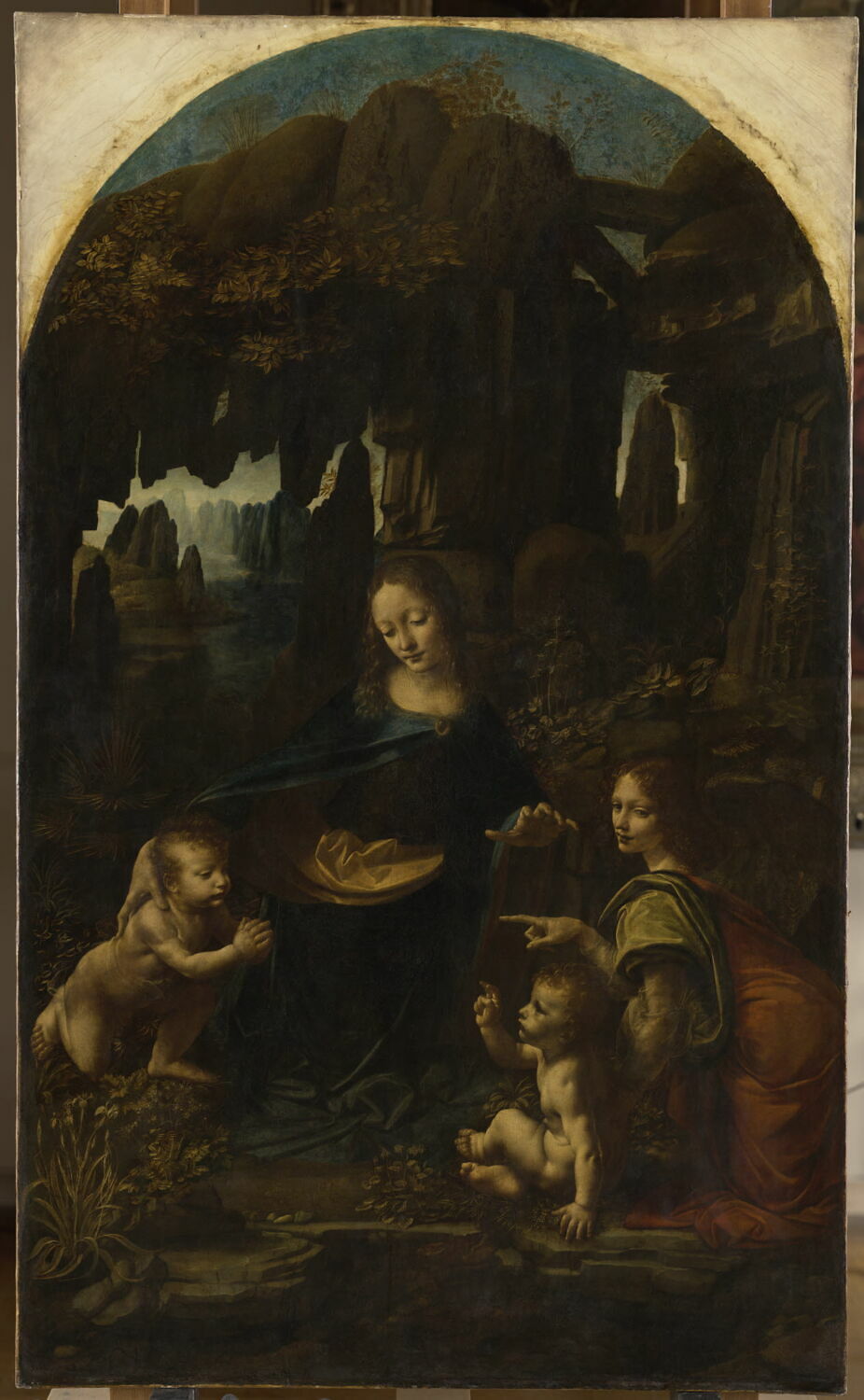
La Vierge, l'Enfant Jésus, saint Jean Baptiste et un ange, dit La Vierge aux rochers, Léonard de Vinci, 4e quart du XVe siècle (vers 1483 - 1494)

Leonardo da Vinci

La Vierge, l'Enfant Jésus, saint Jean Baptiste et un ange, dit La Vierge aux rochers, 4e quart du XVe siècle (vers 1483 - 1494)

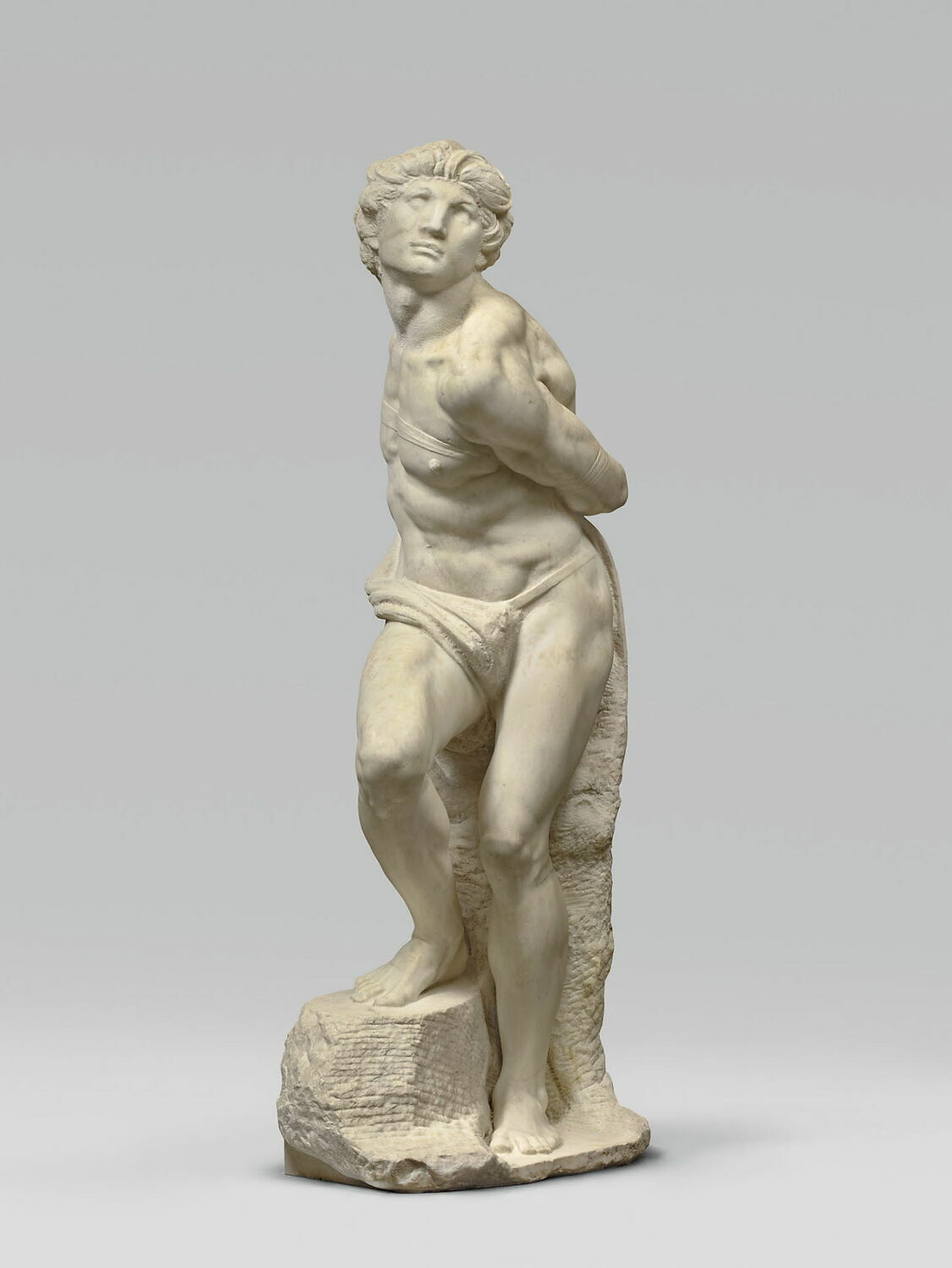
Esclave rebelle, Buonarroti, Michelangelo dit Michel-Ange, 1513 - 1515

Michelangelo

Schiavo ribelle, 1513 - 1515

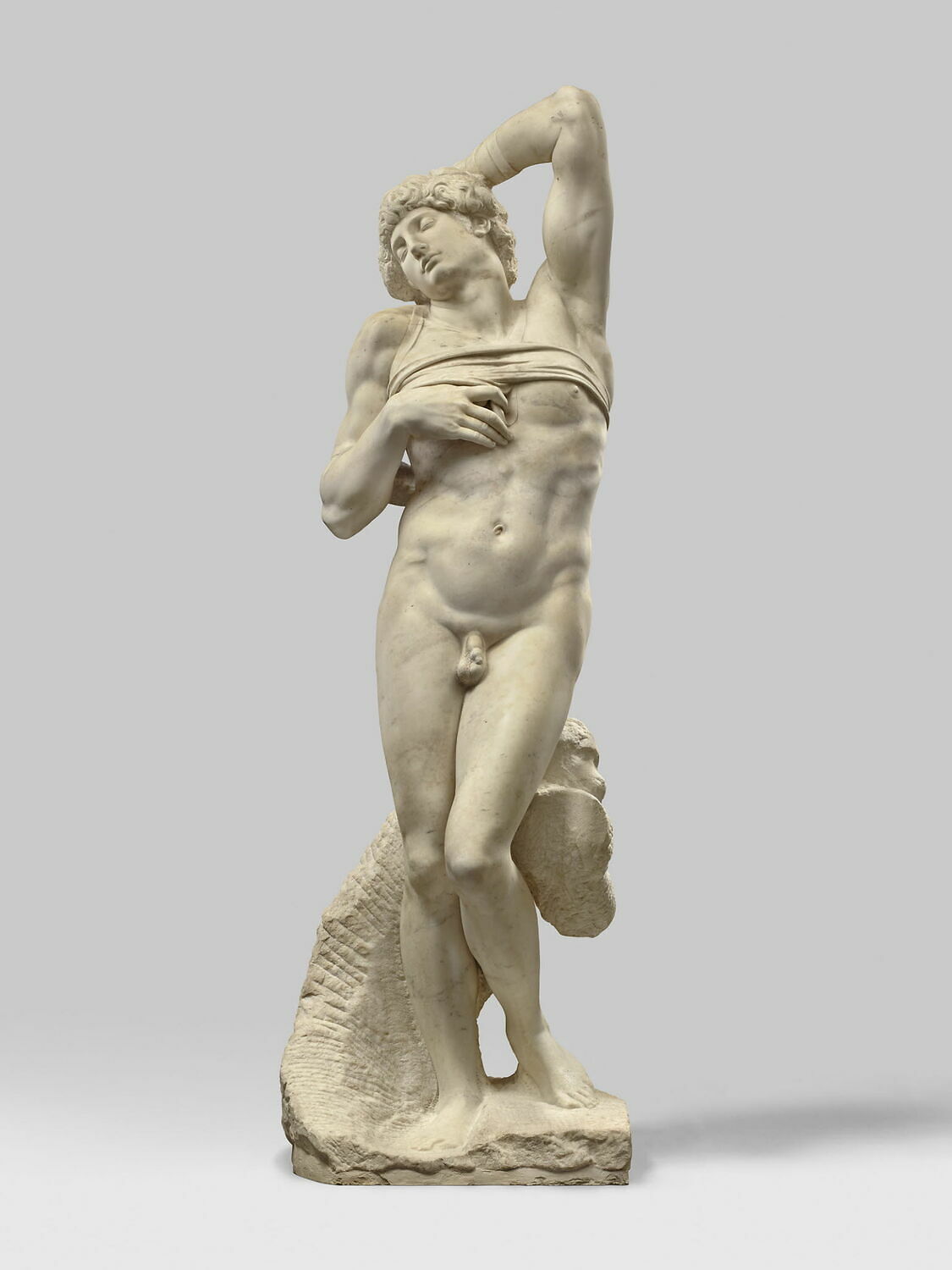
Esclave mourant, Buonarroti, Michelangelo dit Michel-Ange, 1513 - 1515

Michelangelo

Schiavo morente, 1513 - 1515