Arkhip KuindzhiUcraina, 1842–1910
Лесные дали
Si può vedere?
Non si sa
Dove si trova «Лесные дали» oggi? Collezione: Samara Art Museum, Samara. Non si sa.
Samara, Russia
Il proprietario è noto; non si sa se oggi sia esposta.
- Ultimo cambio di stato
- Fonte
- Il museo
Sul dipinto
Con le parole del museo — in russo
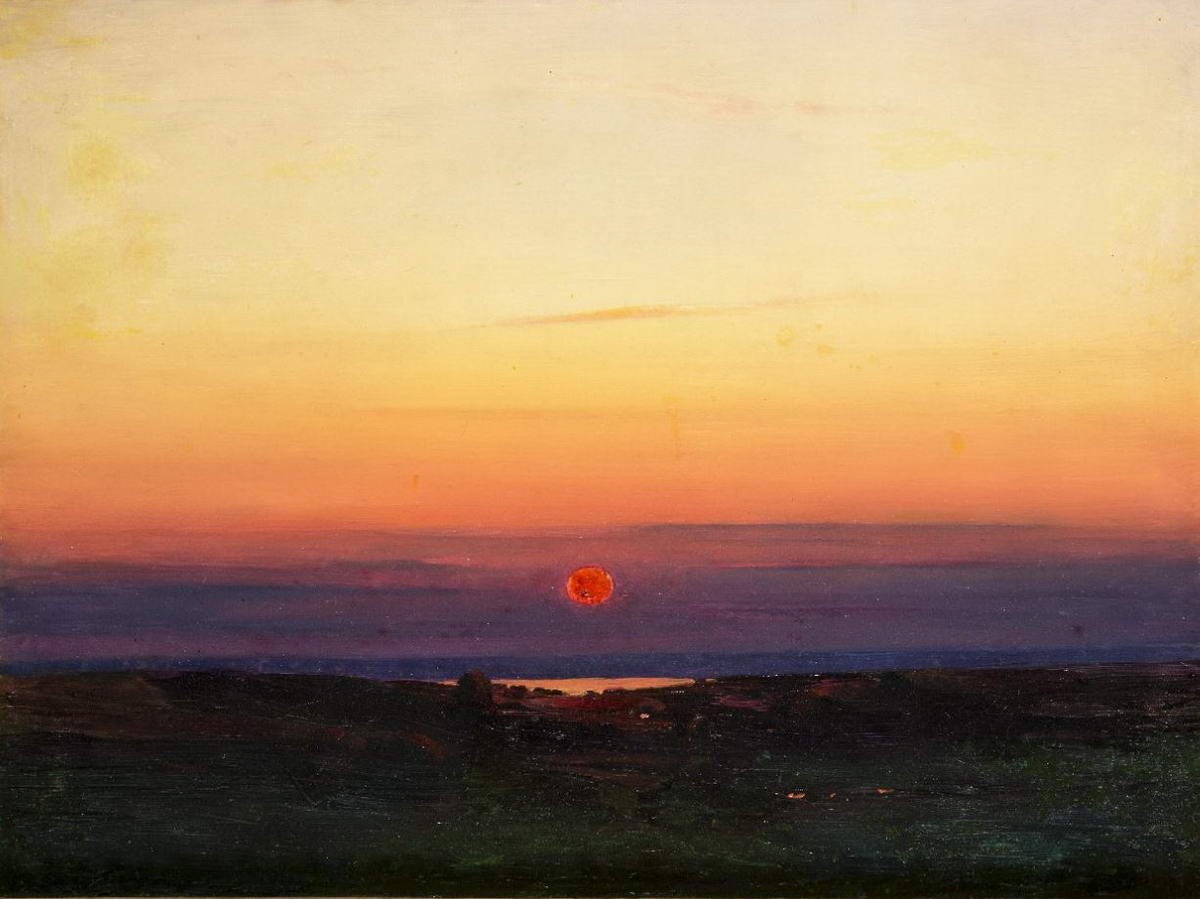
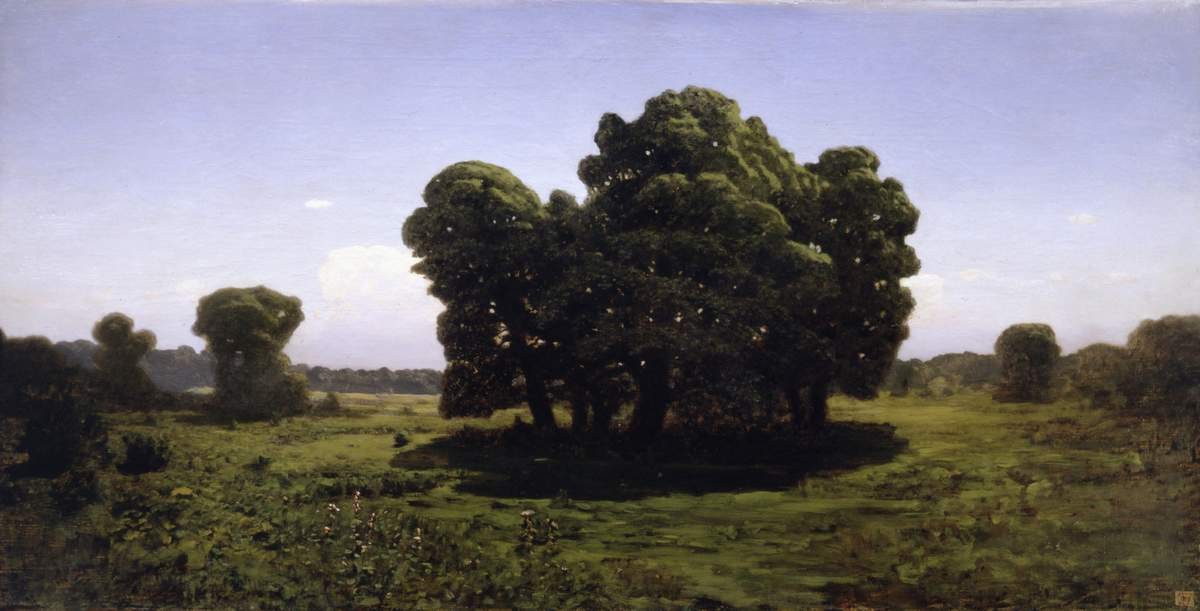
На первом плане картины верхушка покатой горы с редкими кряжистыми соснами. Среди деревьев выделяется силуэтом верхняя сосна немного сдвинутая влево от центра. Высота горы противопоставлена далеко внизу уходящей равнине покрытой лесом. Пасмурное затянутое облаками небо, кончается полосой просвета у горизонта.
Samara Art Museum
Scheda
- Numero di inventario
- Ж-26
In catalogo
Fonti
- Il Catalogo statale del fondo museale della Russia
- Immagine: Samara Art Museum — © Самарский областной художественный музей · Госкаталог музейного фонда РФ
Nella vita di Arkhip Kuindzhi
Tutta la vita1878
The World Exhibition in Paris
In 1878 Kuindzhi’s works were shown at the World Exhibition in Paris in the presence of the artist and his wife; public and critics admired them and noted the absence of foreign influence. The critic Duranty called him the most interesting of the young Russian painters, in whom, more than in others, an original national character is felt.
late 1879
The break with the Peredvizhniki
By the end of 1879 Kuindzhi broke with the Peredvizhniki for good: an anonymous newspaper article sharply criticised both his work and the Society, and its author turned out to be Klodt. Kuindzhi demanded Klodt’s expulsion but, realising that Klodt, an Academy professor, would not be expelled, announced his own withdrawal despite attempts to persuade him to stay; many scholars consider the story only a pretext for a break that had long been brewing.
October – November 1880
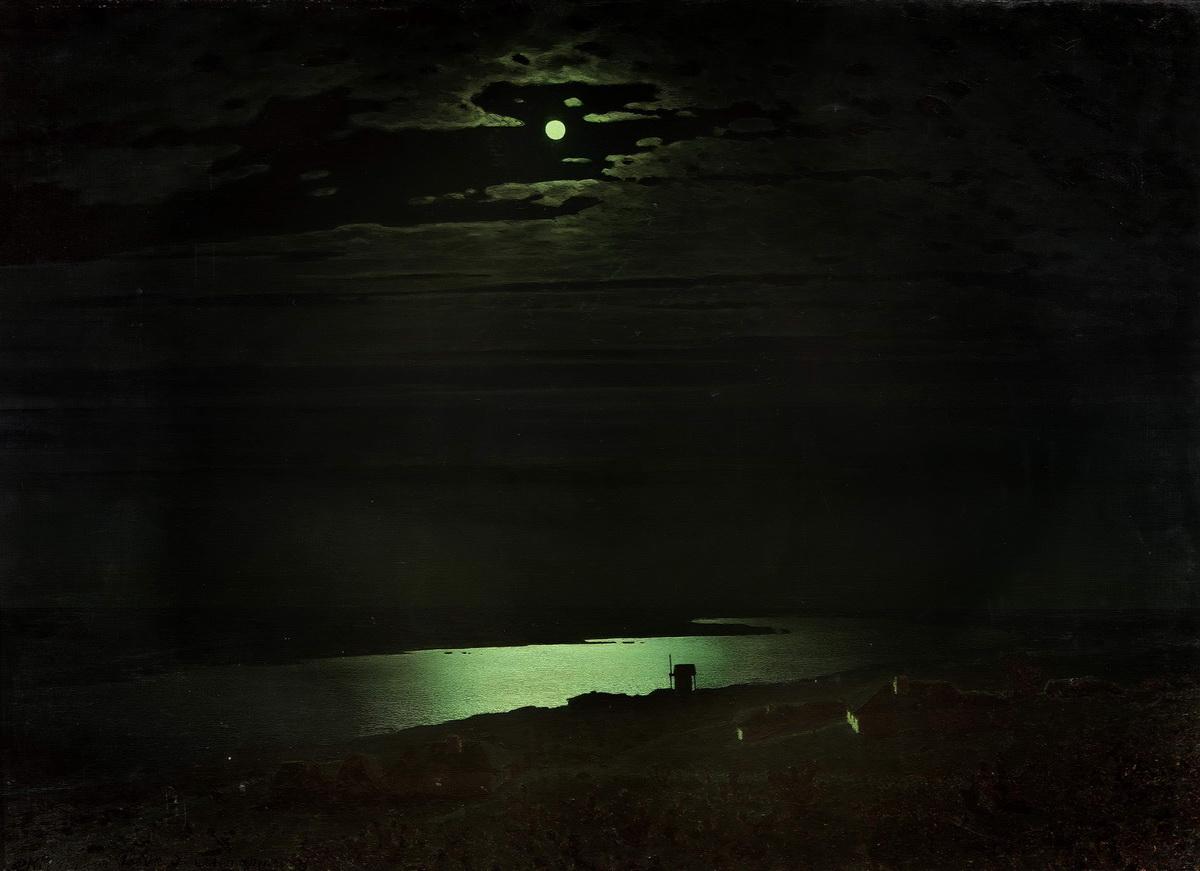
A one-painting exhibition: “Moonlit Night on the Dnieper”
In autumn 1880 Kuindzhi staged an exhibition of a single painting at the Society for the Encouragement of Artists: he draped the hall’s windows and lit the canvas with a beam of electric light. “Moonlit Night on the Dnieper” was an unprecedented success. The painting was bought by Grand Duke Konstantin Konstantinovich, who took it with him on a round-the-world voyage, and under the action of the sea air its bitumen paints darkened.
1882
The last exhibition before the silence
In June 1882, in the Solodovnikov Passage on Kuznetsky Most, Kuindzhi staged an exhibition of two paintings, “The Birch Grove” and “Moonlit Night on the Dnieper”. After it he “fell silent” for twenty years, shutting himself up in his studio and showing his work to no one.
1882–1901
Twenty years of seclusion
The reasons for the seclusion are unknown; he was probably tired of the fuss and of accusations of cheap effects. The public thought he had exhausted himself, but he worked tirelessly, searching for pigments and grounds resistant to the air, and created about five hundred sketches and finished works and about three hundred graphic works.
1894–1897
Heads the landscape studio of the Higher Art School
From 1894 to 1897 Kuindzhi was professor-head of the landscape studio of the Higher Art School at the Academy of Arts.