 Pierre-Auguste RenoirFrancia, 1841–1919
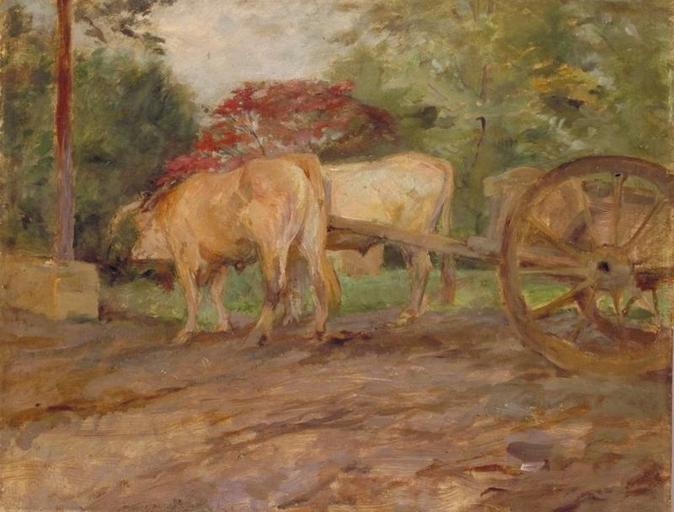
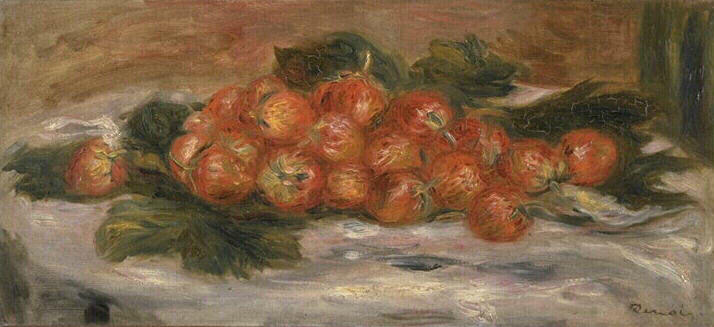
Les fraises
Si può vedere?
Non si sa
Dove si trova «Les fraises» oggi? Collezione: Musée des Beaux-Arts, Bordeaux. Non si sa.
Bordeaux, Francia
Il proprietario è noto; non si sa se oggi sia esposta.
- Ultimo cambio di stato
- Fonte
- Il museo
Sul dipinto
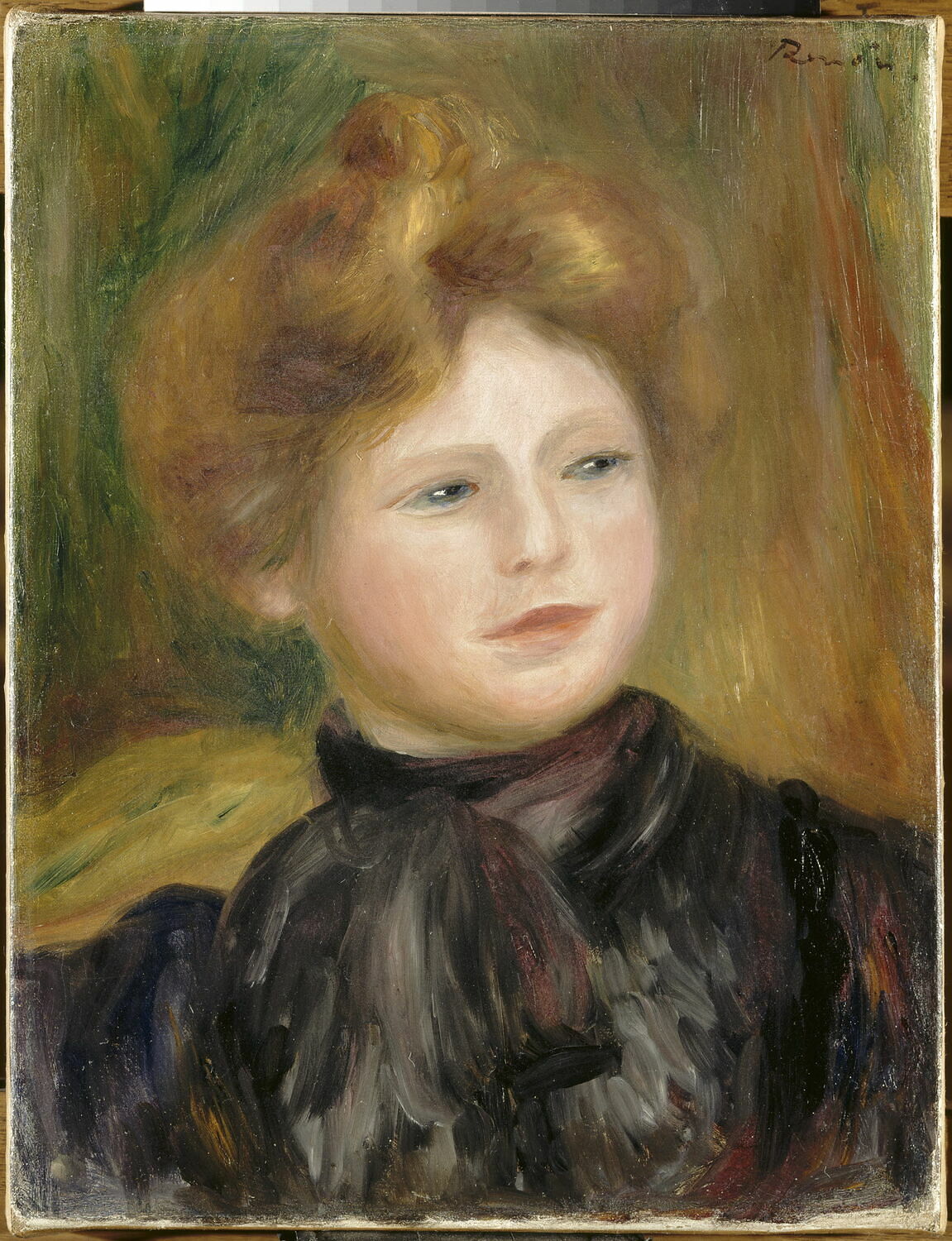
Le fragole (Les Fraises) è un dipinto a olio su tela (23x39 cm) realizzato nel 1908 dal pittore francese Pierre-Auguste Renoir, oggi conservato nel Musée des Beaux-Arts di Bordeaux.
Scheda
- Numero di inventario
- Bx D 1961 12 36
Che cosa raffigura
In catalogo
Fonti
- Musée des Beaux-Arts
- Immagine: Musée des Beaux-Arts — © Lysiane Gauthier; Ministère de la Culture (France), base Joconde
Nella vita di Pierre-Auguste Renoir
Tutta la vita1862–1864 · Formazione
Beaux-Arts de Paris
1873
Founding the society of the future Impressionists
Renoir and his friends created the Anonymous Cooperative Society of Artists, Painters, Sculptors and Engravers — the future Impressionist group.
15 April – 15 May 1874
First Impressionist exhibition
Renoir took an active part in organizing the exhibition and showed a pastel and six paintings, among them "The Dancer" and "La Loge" (The Theater Box). It was at his suggestion that the catalogue carried the title of Monet's painting "Impression, Sunrise," which gave rise to the word "Impressionists."
1879
Triumph at the Salon of 1879
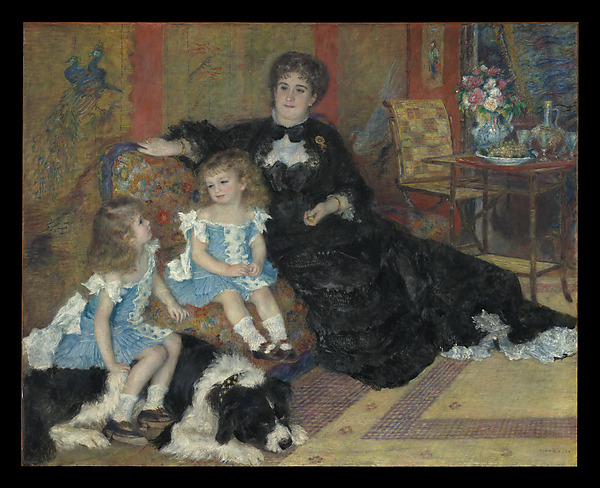
Presenting "Portrait of Madame Charpentier and Her Children" and the full-length "Portrait of the Actress Jeanne Samary," Renoir won universal recognition, and with it financial independence.
1881
Algeria, Madrid, Italy
Renoir traveled to Algeria, the land of Delacroix, then to Madrid to see the works of Velázquez, and to Italy, where he saw Titian in Florence and Raphael in Rome. The journey convinced him that with Impressionism he had "reached the limit," and turned him toward classicism.
1883–1890
The "Ingres" period
Impressed by the classics of the Italian Renaissance and by Ingres, Renoir effectively broke with Impressionism: his lines became crisp, his colors more restrained and cooler. The artist himself called this period "sour"; it includes "Dance in the Country," "Dance in the City" and "Dance at Bougival."