 Thomas CoutureFrancia, 1815–1879
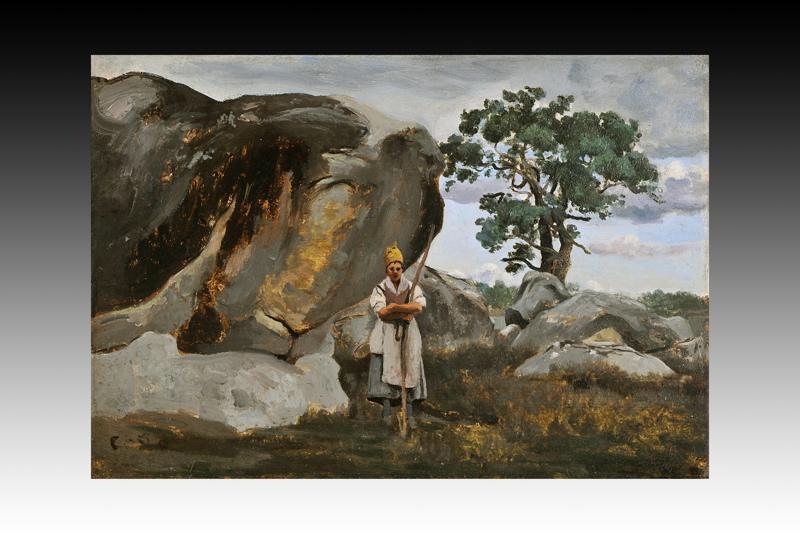
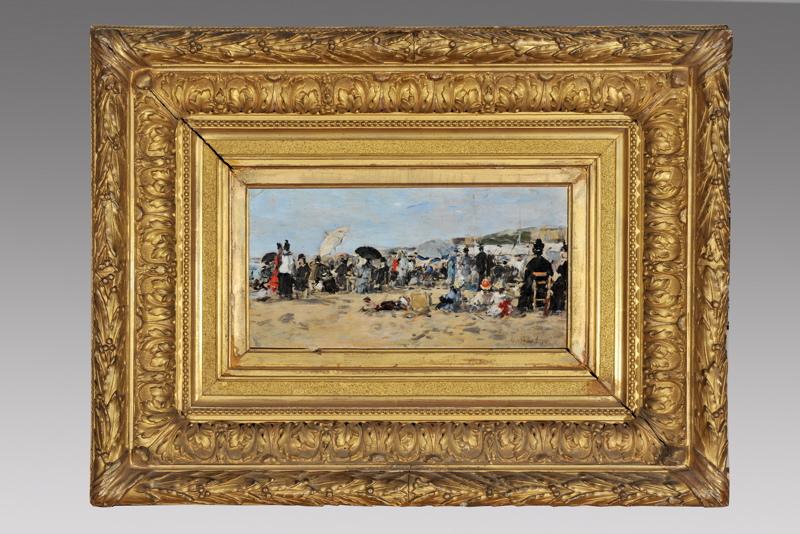
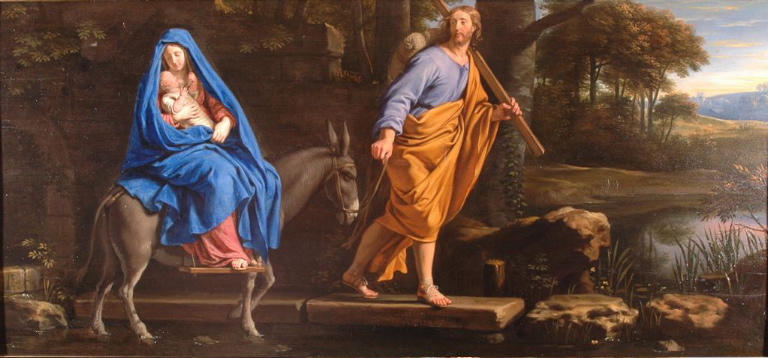
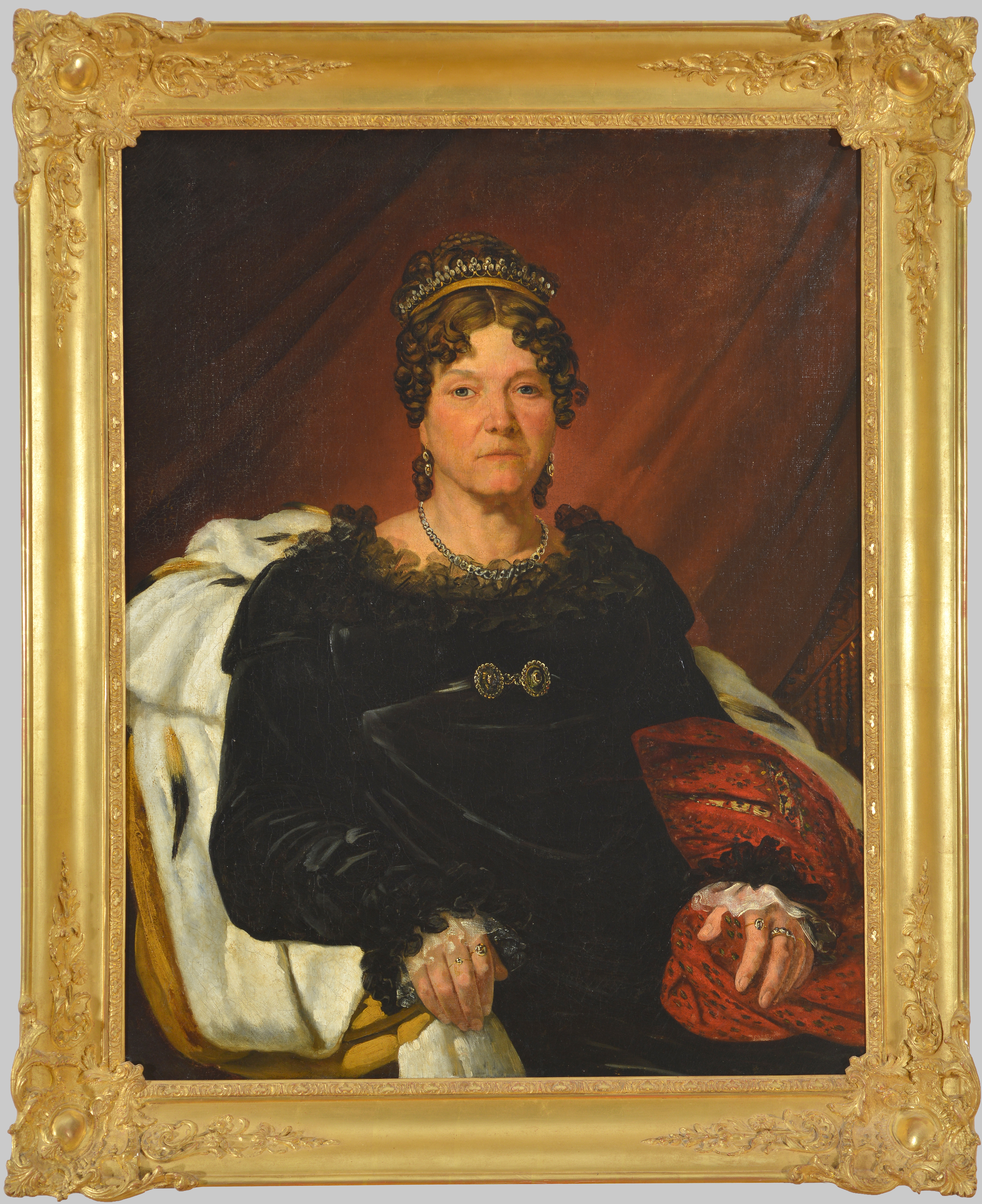
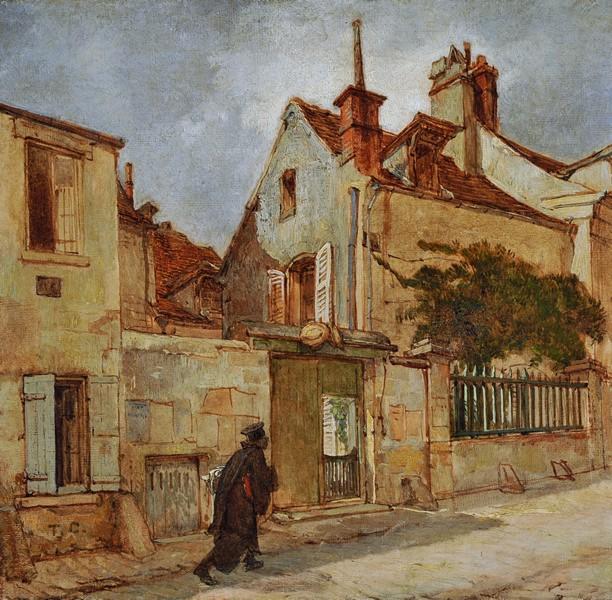
Le retour de l'audience
Si può ammirare?
Non si sa
Senlis, Francia
Il proprietario è noto; non si sa se oggi sia esposta.
- Ultimo cambio di stato
- Fonte
- Il museo
Scheda
- Numero di inventario
- D.A.2006.0.23.1 ; RF.1964.14
Che cosa raffigura
In catalogo
Fonti
- Musée d'art et d'archéologie de Senlis
- Immagine: Musée d'art et d'archéologie de Senlis — © Christian Schryve, Compiègne; Ministère de la Culture (France), base Joconde
Nel frattempo, nella vita di Thomas Couture
Tutta la vitalate 1840s – 1850s
Commissions for murals from the state and the Church
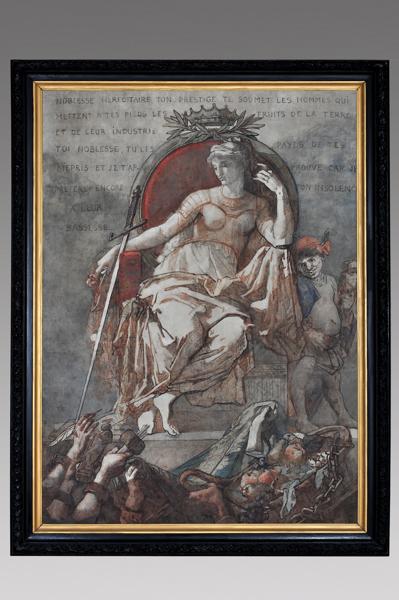
His innovative technique draws much attention, and from the late 1840s through the 1850s Couture receives government and church commissions for murals. He never completed the first two, and the third met with mixed criticism.
after 1858
The final break with Manet over “The Absinthe Drinker”
Manet invites Couture to his home, where Couture declares himself outraged by the “drunkard” and by the “vileness” the artist has created. The cause is Manet’s “The Absinthe Drinker” (1858–1859); after that, teacher and pupil never meet again.
1860
Leaves Paris for his native Senlis
Upset by the unfavourable reception of his murals, Couture leaves Paris in 1860 and for a time returns to his hometown of Senlis, where he goes on teaching the young artists who come to him.
1863
Forced to close his atelier
In 1863 Couture is forced to close his atelier, among other reasons because a year earlier many of his pupils had gone over to Courbet.
1867
The book “Méthode et entretiens d’atelier”
In 1867 Couture publishes in Paris a book of his own ideas and working methods, “Méthode et entretiens d’atelier” (“Method and Workshop Interviews”), as a challenge to the academic establishment. His answer to a publisher who asked for an autobiography is also remembered: biography is the exaltation of personality, and personality is the scourge of our time.
1869
Moves to Villiers-le-Bel
In 1869 Couture moves to Villiers-le-Bel. According to the critic Albert Wolff, he lives there in a seclusion which, thanks to the complete indifference of his contemporaries, turns him into a man buried alive.