ART WIKI32.963 in sala
MappaCollezioneArtistiMuseiMostreRivista
Accedi

ART WIKI

Dove è appeso il capolavoro, e quando si può entrare.

Collezioni: Art Institute of Chicago, Cleveland Museum of Art, Ermitage, Galleria Tret'jakov, Getty Museum, Harvard Art Museums, Hirshhorn Museum and Sculpture Garden, Metropolitan Museum of Art, Minneapolis Institute of Art, Museo del Louvre, Museo Puškin delle belle arti, Museo russo, Museum of Modern Art, National Gallery of Art, National Museum of Asian Art, National Portrait Gallery, Rijksmuseum, Smithsonian American Art Museum, Statens Museum for Kunst, Victoria and Albert Museum, Villa Getty, Whitney Museum of American Art, Catalogo statale del fondo museale russo (274 musei), Europeana (19 musei), Wikidata (6 musei), Paris Musées (12 musei) e Joconde, la banca dati dei musei del Ministero della Cultura francese (495 musei). Le immagini appartengono ai titolari dei diritti.

Sezioni

  • Mappa
  • Ricerca
  • Collezione
  • Capolavori
  • Esposte ora
  • Artisti

Altro

  • Musei e gallerie
  • Mostre
  • Rivista
  • Da dove vengono i dati
  • Privacy e cookie
HomeMappaCatalogo
  1. Collezione/
  2. Museo del Louvre/
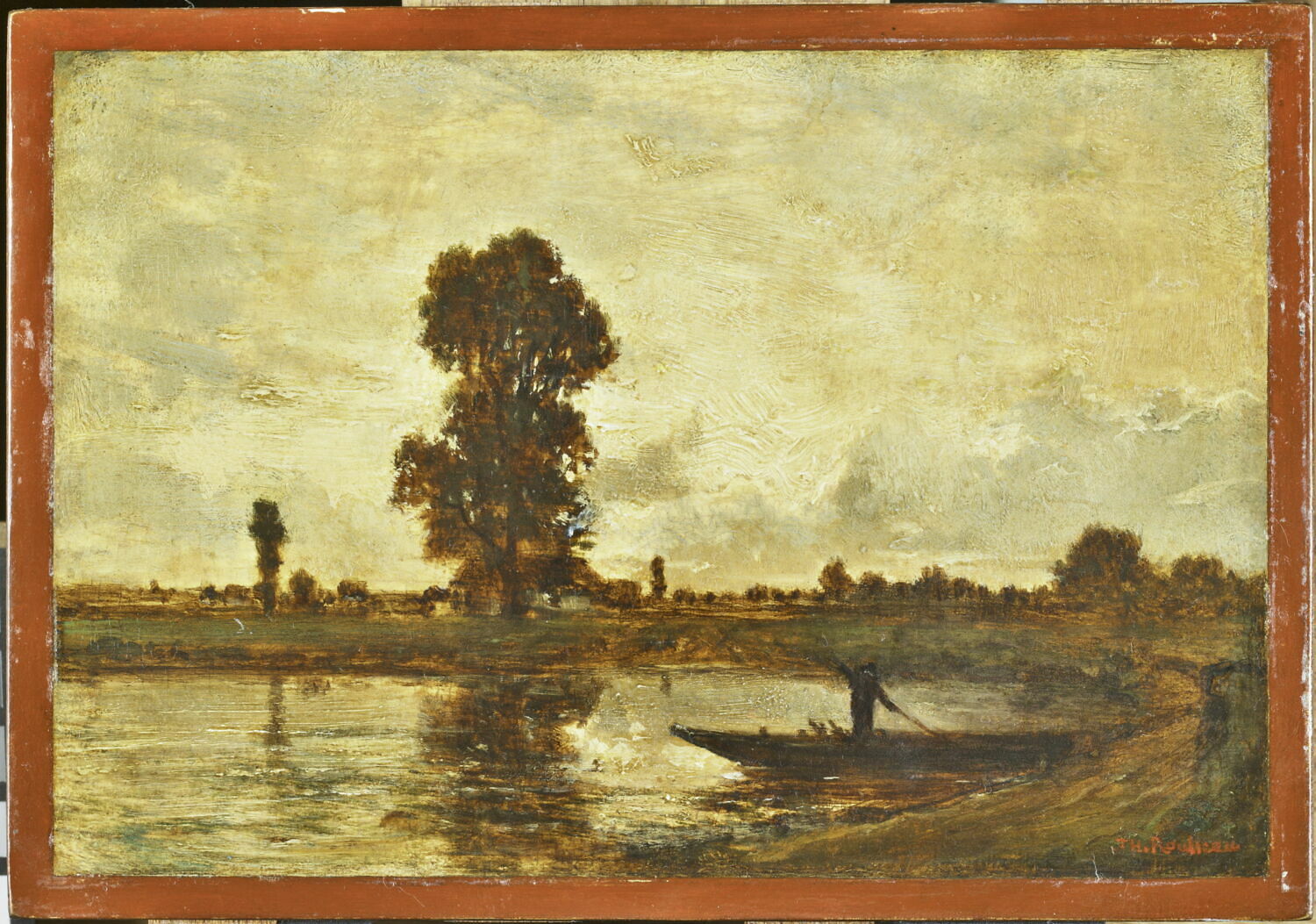
  3. Le passeur
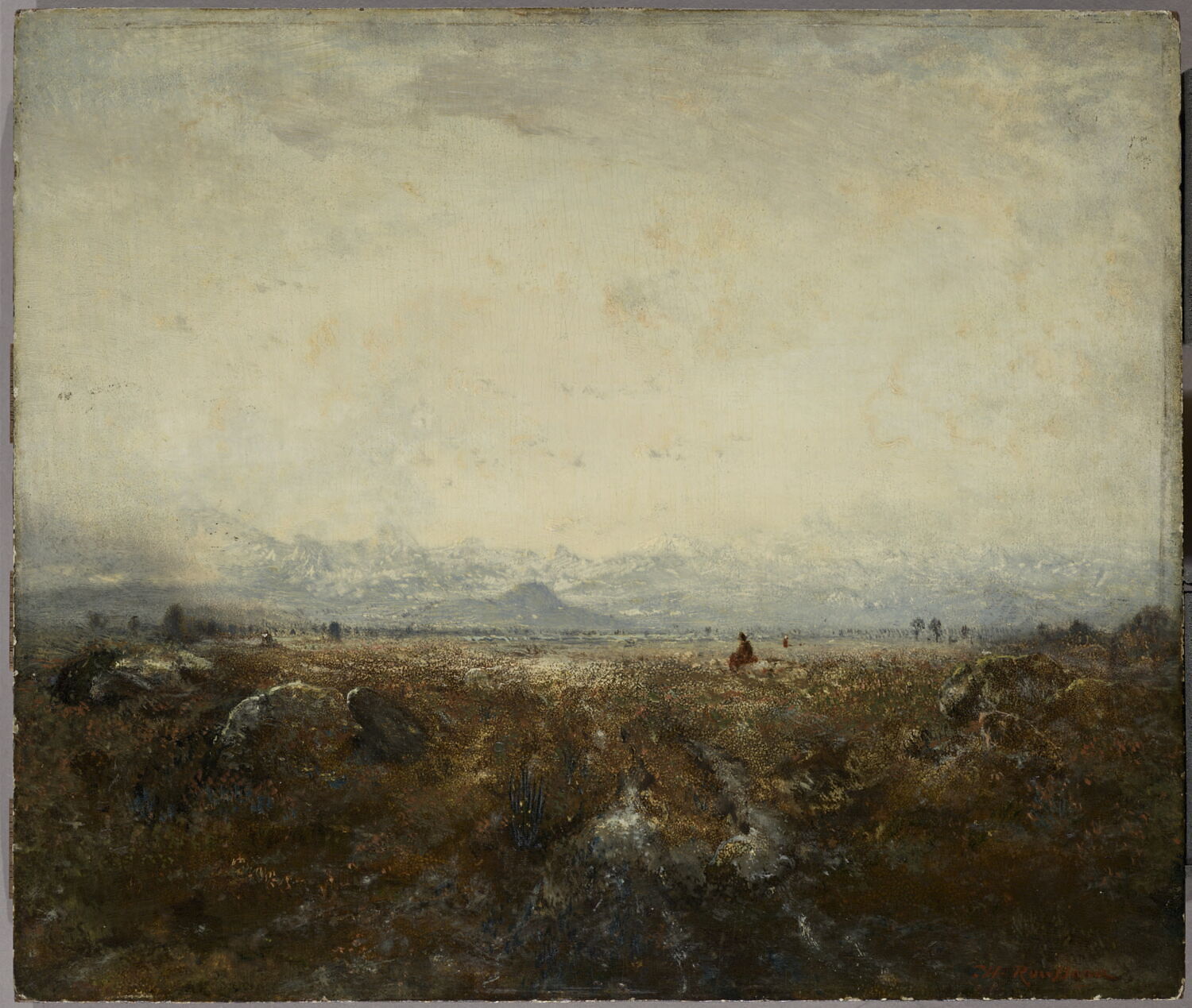
Le passeur, Rousseau, Théodore, 3e quart du XIXe siècle (1850 - 1875)
Théodore Rousseau, ritrattoThéodore RousseauFrancia, 1812–1867

Le passeur

3e quart du XIXe siècle (1850 - 1875) · Peintures

Scheda

Numero di inventario
RF 1444

Nel frattempo, nella vita di Théodore Rousseau

Tutta la vita
  1. 1836–1849

    “Le grand refusé”

    After 1841 Rousseau stopped sending work to the Salon until 1849; dubbed “le grand refusé”, he became known through the writings of his friend, the critic Théophile Thoré, while his father, who had at first regretted his son's forsaking business, sided with him in all his conflicts with the Salon. In these years of “artistic exile” Rousseau painted some of his best pictures: “The Chestnut Avenue”, “The Marsh in the Landes” (now in the Louvre) and “Hoar-Frost”.

  2. 1848

    Settles in Barbizon for good

    Until then Rousseau had lived at Barbizon only occasionally, but in 1848 he settled in the forest village (with his wife, by some accounts) and spent most of his remaining days in its vicinity. His neighbour, the landscape painter Jules Dupré, recalled how hard Rousseau found it to know when a picture was finished, and how he would sometimes carry off a canvas on which his friend had laboured too long.

  3. 1849

    Returns to the Salon

    In 1849 Rousseau sent work to the Salon again, and all three of his submissions were accepted. He could now obtain fair sums for his pictures, though only about a tenth of their value thirty years after his death, and his admirers grew in number.

  4. 1851

    Exhibits “The Edge of the Forest”

    In 1851, after the reorganization of the Salon of 1848, Rousseau exhibited his masterpiece, “The Edge of the Forest” (now in the Louvre). The authorities still ignored him: that year the Legion of Honour went to Narcisse Diaz, whom Rousseau had taught to paint trees, while he himself received the Cross only soon afterwards.

Altre opere di Théodore Rousseau

Tutte le opere

Sotto lo stesso tetto: Museo del Louvre

Pagina del museo
  • 1855

    Exposition Universelle: the rejected pictures acclaimed

    At the Exposition Universelle of 1855, where all of Rousseau's pictures rejected over the previous twenty years were gathered together, his works were acknowledged as one of the best of the many groups exhibited.

  • 22 dicembre 1867

    Died

  • Si può ammirare?

    Al momento non riceve

    Museo del Louvre

    Parigi, Francia

    Appartiene alla collezione, ma al momento non è esposta.

    Verificato
    12 giorni fa
    Ultimo cambio di stato
    26 set 2026
    Fonte
    Il museo
    Sulla mappaPagina del museo

    In catalogo

    DipintiOlioPittura franceseRealismoXIX secolo

    Fonti

    • Museo del Louvre
    • Immagine: Museo del Louvre — © 2011 GrandPalaisRmn (musée du Louvre) / Michel Urtado
    The Forest in Winter at Sunset, Théodore Rousseau, ca. 1846–67

    The Forest in Winter at Sunset

    ca. 1846–67 · Metropolitan Museum of Art

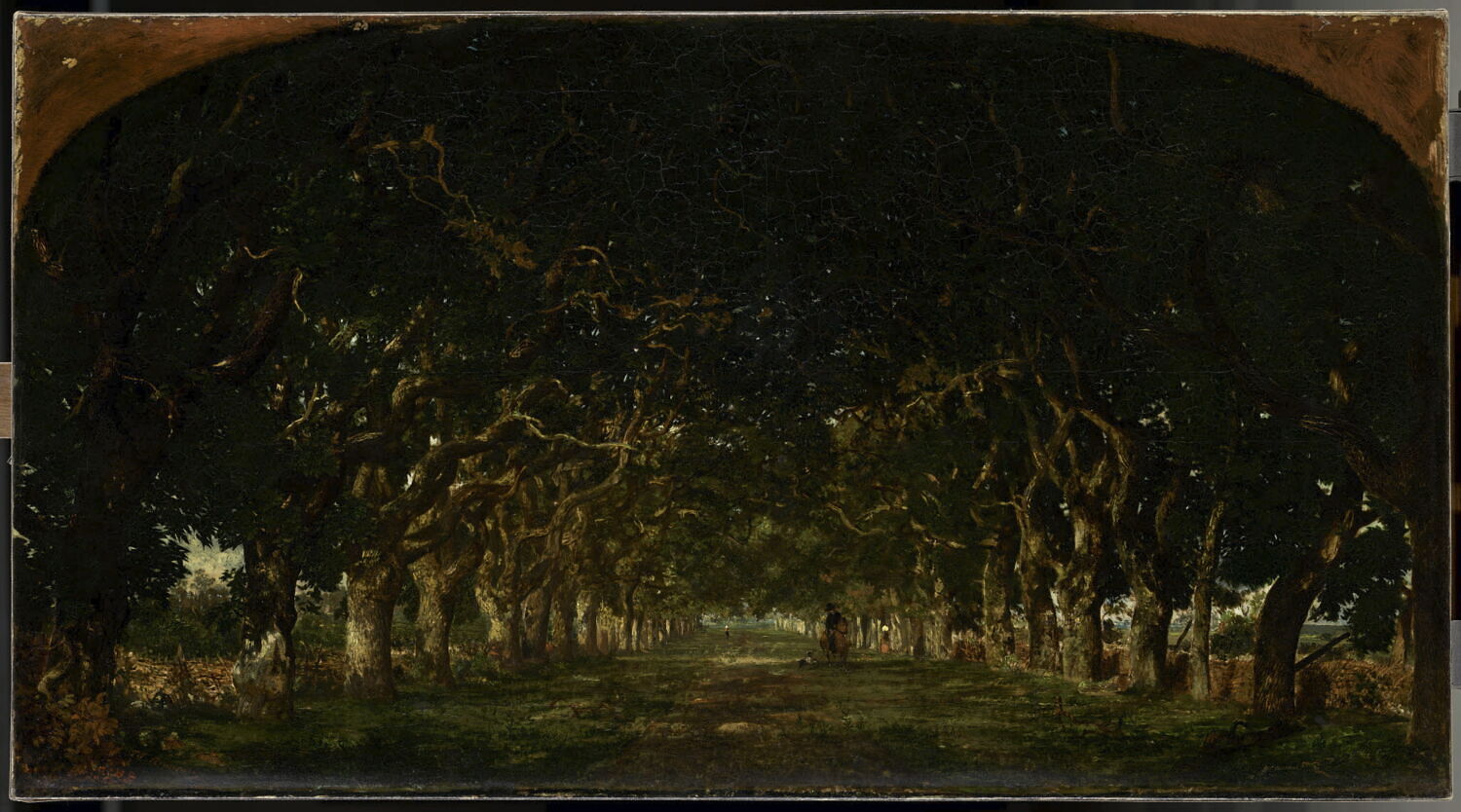
    L'allée des châtaigniers, Rousseau, Théodore, 2e quart du XIXe siècle (1825 - 1850)

    L'allée des châtaigniers

    2e quart du XIXe siècle (1825 - 1850) · Museo del Louvre

    Panoramic Landscape near the River Moselle, Théodore Rousseau, c. 1830

    Panoramic Landscape near the River Moselle

    c. 1830 · National Gallery of Art

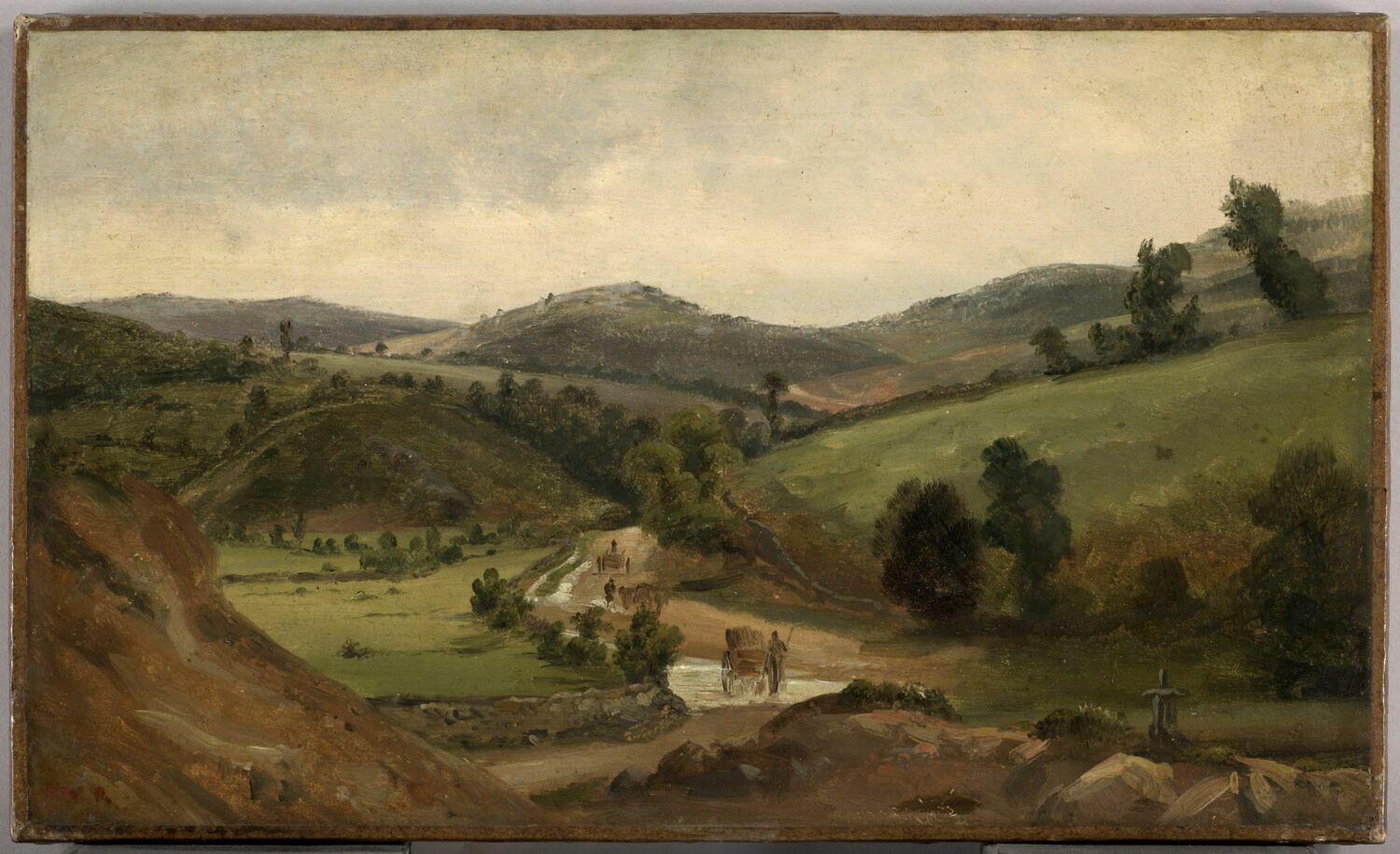
    Paysage (Auvergne?), Rousseau, Théodore, 2e quart du XIXe siècle (vers 1830)

    Paysage (Auvergne?)

    2e quart du XIXe siècle (vers 1830) · Museo del Louvre

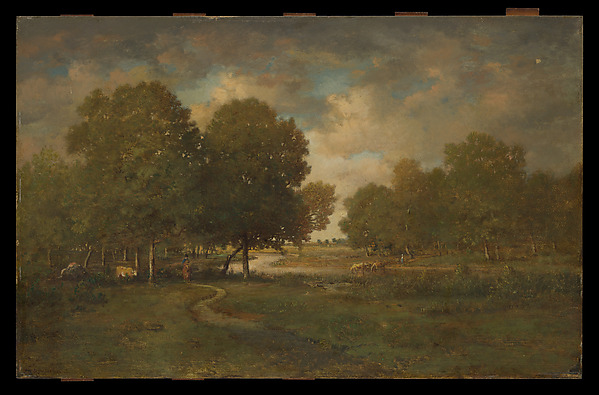
    A River in a Meadow, Théodore Rousseau, ca. 1840

    A River in a Meadow

    ca. 1840 · Metropolitan Museum of Art

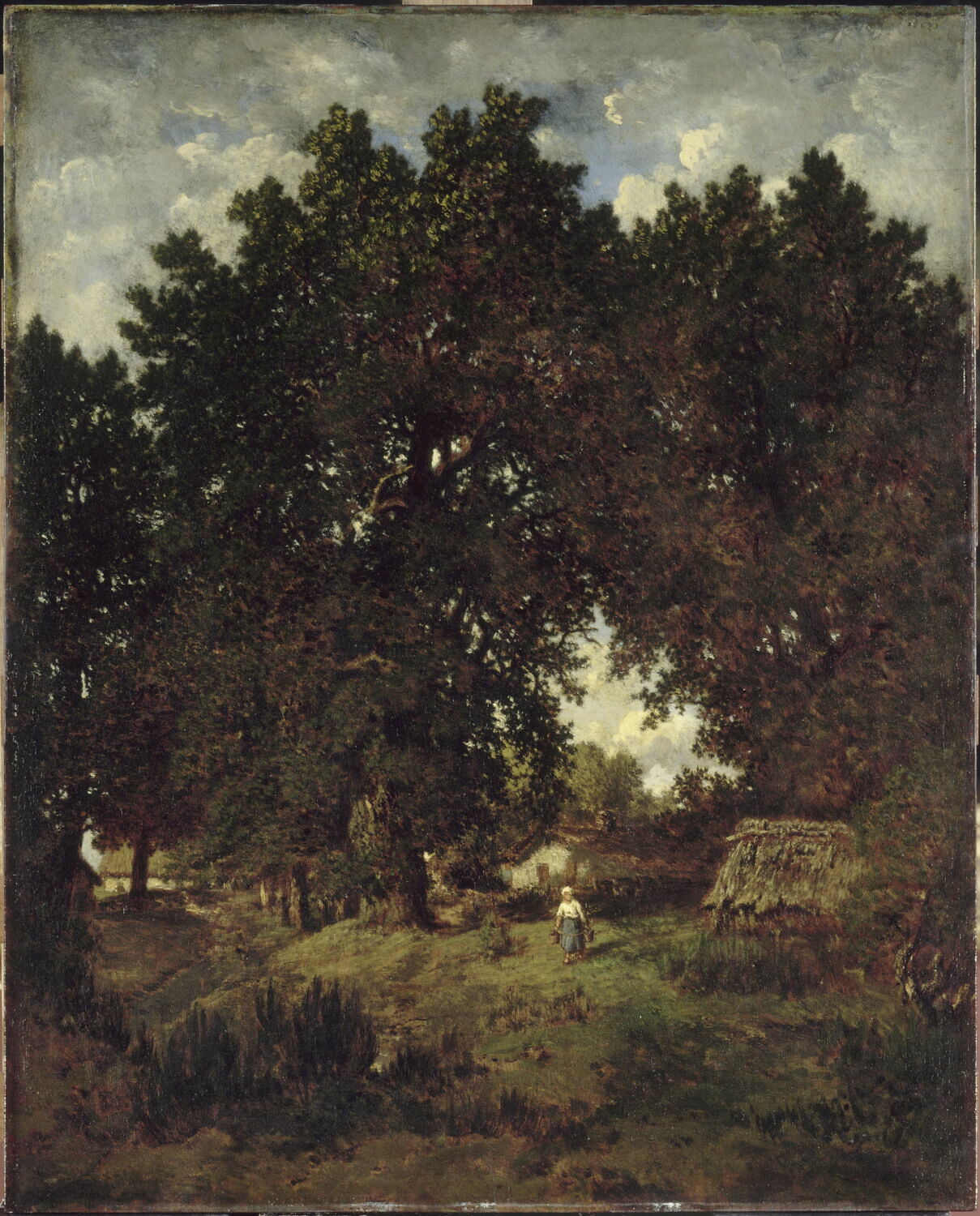
    Village sous les arbres, Rousseau, Théodore, Milieu du XIXe siècle (1840 - 1860)

    Village sous les arbres

    Milieu du XIXe siècle (1840 - 1860) · Museo del Louvre

    La plaine en avant des Pyrénées, Rousseau, Théodore, 2e quart du XIXe siècle (1844)

    La plaine en avant des Pyrénées

    2e quart du XIXe siècle (1844) · Museo del Louvre

    A River Landscape, Théodore Rousseau, ca. 1845–50

    A River Landscape

    ca. 1845–50 · Metropolitan Museum of Art

    Portrait de Lisa Gherardini, épouse de Francesco del Giocondo, dit La Joconde ou Monna Lisa, Léonard de Vinci, 1e quart du XVIe siècle (1503 - 1519)

    Leonardo da Vinci

    La Gioconda, 1e quart du XVIe siècle (1503 - 1519)

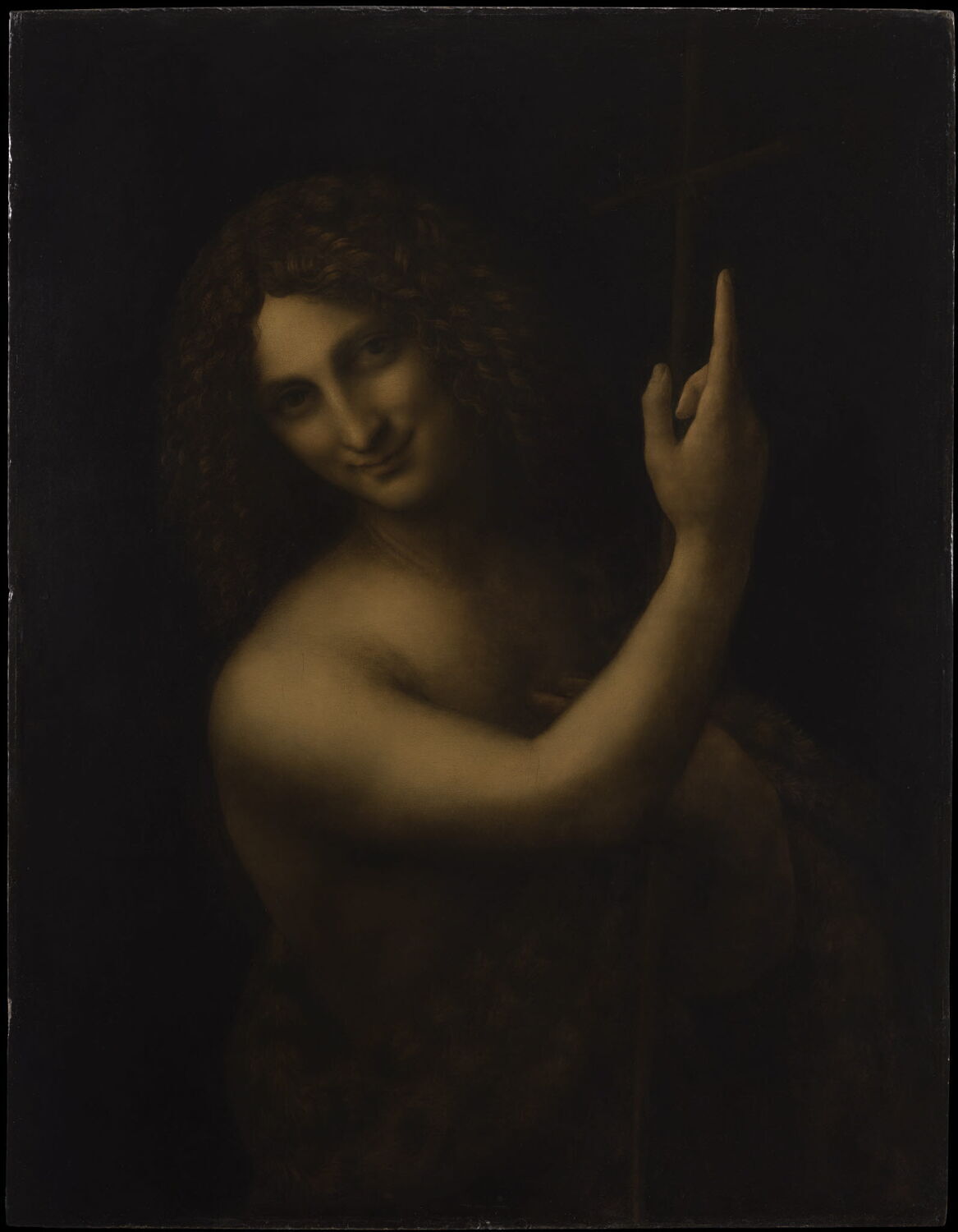
    Saint Jean Baptiste, Léonard de Vinci, 1e quart du XVIe siècle (vers 1517 - 1520)

    Leonardo da Vinci

    Bacco, 1e quart du XVIe siècle (vers 1517 - 1520)

    Saint Jean Baptiste, Léonard de Vinci, 1e quart du XVIe siècle (vers 1508 - 1519)

    Leonardo da Vinci

    San Giovanni Battista, 1e quart du XVIe siècle (vers 1508 - 1519)

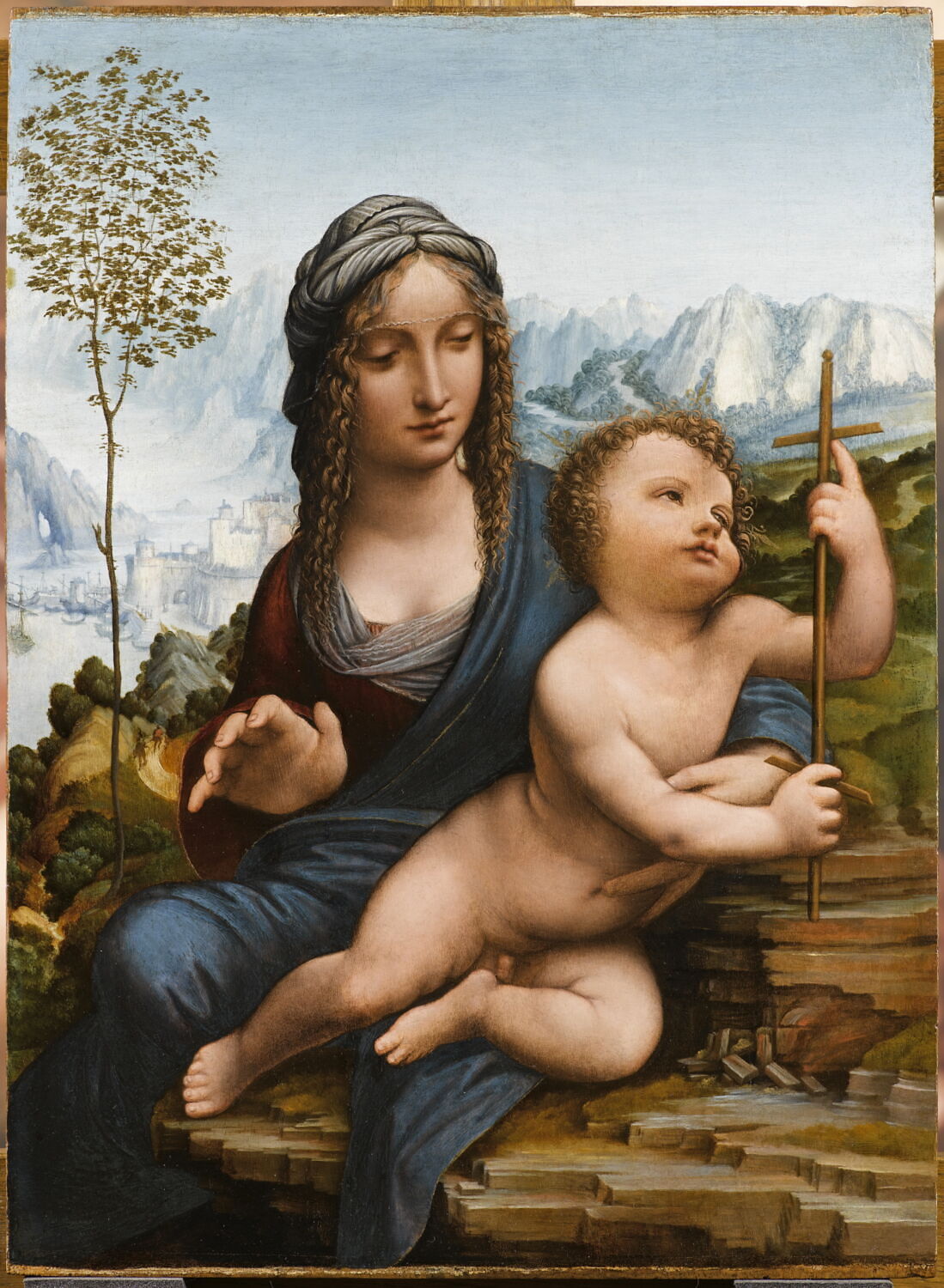
    La Vierge et l'Enfant Jésus, dite Vierge au dévidoir ou Vierge aux fuseaux, Léonard de Vinci, XVIe siècle (vers 1505 - 1520)

    Leonardo da Vinci

    La Vierge et l'Enfant Jésus, dite Vierge au dévidoir ou Vierge aux fuseaux, XVIe siècle (vers 1505 - 1520)

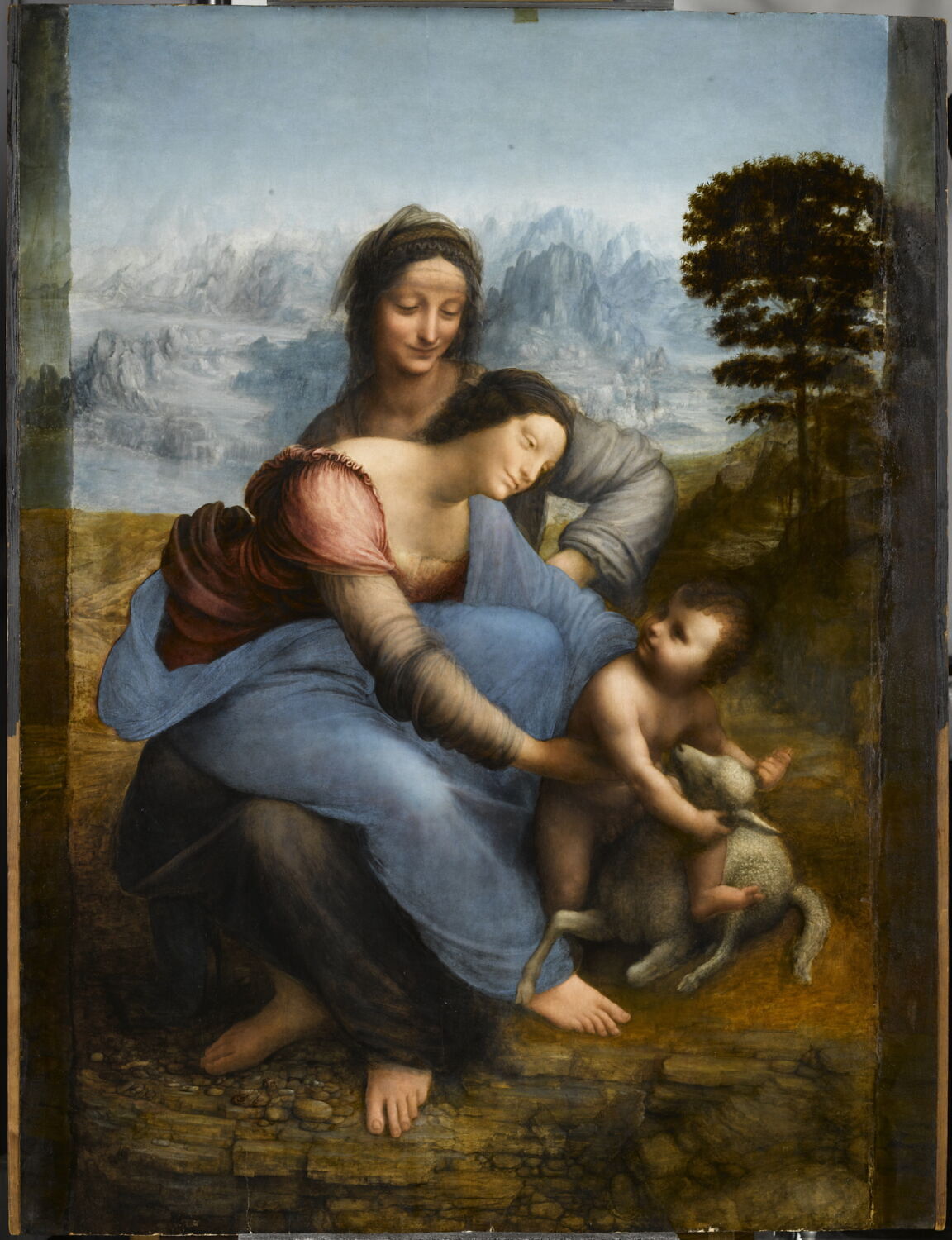
    La Vierge, l'Enfant Jésus et sainte Anne, dit La Sainte Anne, Léonard de Vinci, 1e quart du XVIe siècle (vers 1503 - 1519)

    Leonardo da Vinci

    Sant'Anna, la Vergine e il Bambino con l'agnellino, 1e quart du XVIe siècle (vers 1503 - 1519)

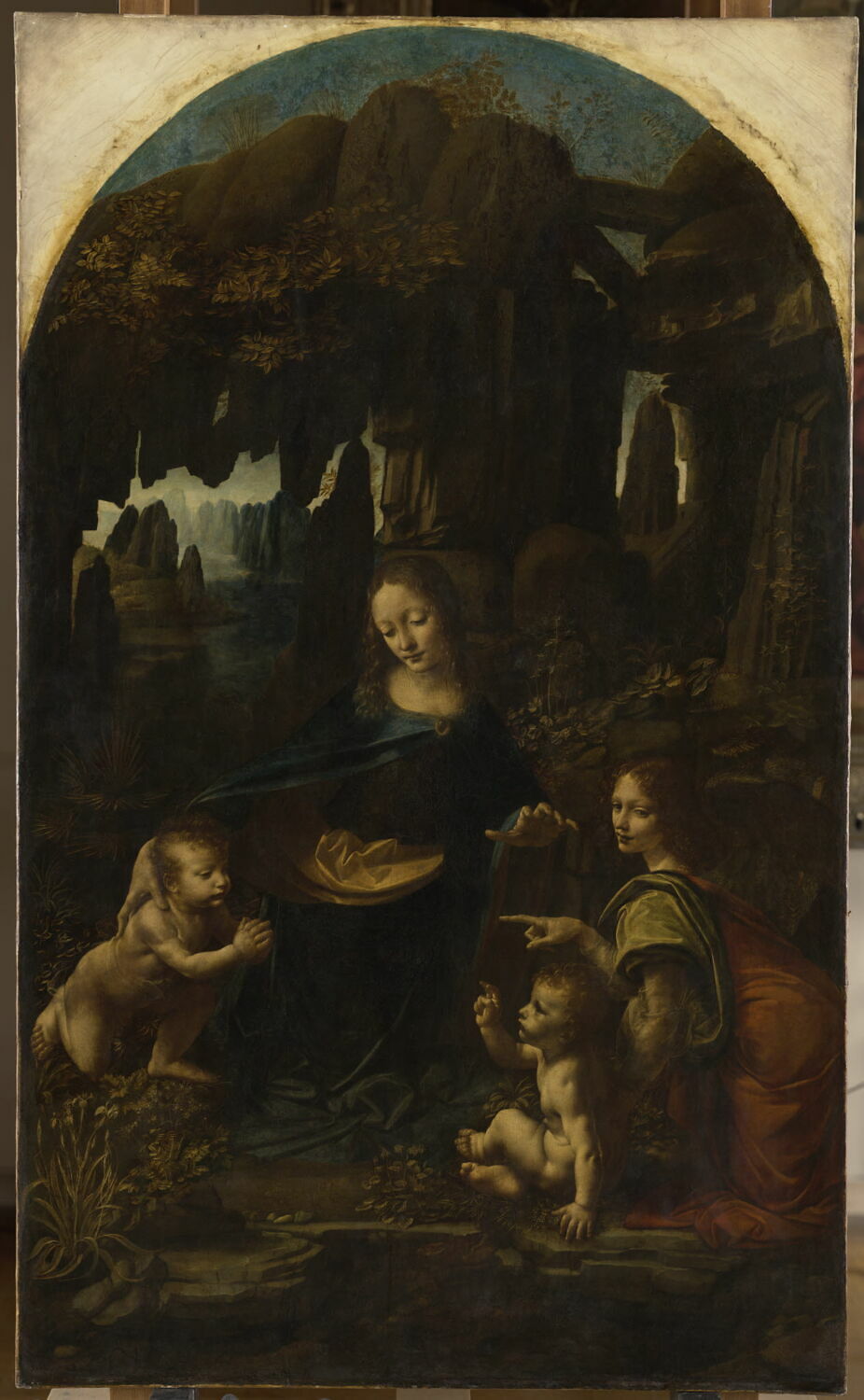
    La Vierge, l'Enfant Jésus, saint Jean Baptiste et un ange, dit La Vierge aux rochers, Léonard de Vinci, 4e quart du XVe siècle (vers 1483 - 1494)

    Leonardo da Vinci

    La Vierge, l'Enfant Jésus, saint Jean Baptiste et un ange, dit La Vierge aux rochers, 4e quart du XVe siècle (vers 1483 - 1494)

    Esclave rebelle, Buonarroti, Michelangelo dit Michel-Ange, 1513 - 1515

    Michelangelo

    Schiavo ribelle, 1513 - 1515

    Esclave mourant, Buonarroti, Michelangelo dit Michel-Ange, 1513 - 1515

    Michelangelo

    Schiavo morente, 1513 - 1515