ART WIKI32.963 in sala
MappaCollezioneArtistiMuseiMostreRivista
Accedi

ART WIKI

Dove è appeso il capolavoro, e quando si può entrare.

Collezioni: Art Institute of Chicago, Cleveland Museum of Art, Ermitage, Galleria Tret'jakov, Getty Museum, Harvard Art Museums, Hirshhorn Museum and Sculpture Garden, Metropolitan Museum of Art, Minneapolis Institute of Art, Museo del Louvre, Museo Puškin delle belle arti, Museo russo, Museum of Modern Art, National Gallery of Art, National Museum of Asian Art, National Portrait Gallery, Rijksmuseum, Smithsonian American Art Museum, Statens Museum for Kunst, Victoria and Albert Museum, Villa Getty, Whitney Museum of American Art, Catalogo statale del fondo museale russo (274 musei), Europeana (19 musei), Wikidata (6 musei), Paris Musées (12 musei) e Joconde, la banca dati dei musei del Ministero della Cultura francese (495 musei). Le immagini appartengono ai titolari dei diritti.

Sezioni

  • Mappa
  • Ricerca
  • Collezione
  • Capolavori
  • Esposte ora
  • Artisti

Altro

  • Musei e gallerie
  • Mostre
  • Rivista
  • Da dove vengono i dati
  • Privacy e cookie
HomeMappaCatalogo
  1. Collezione/
  2. Museo del Louvre/
  3. Le Bouffon au luth
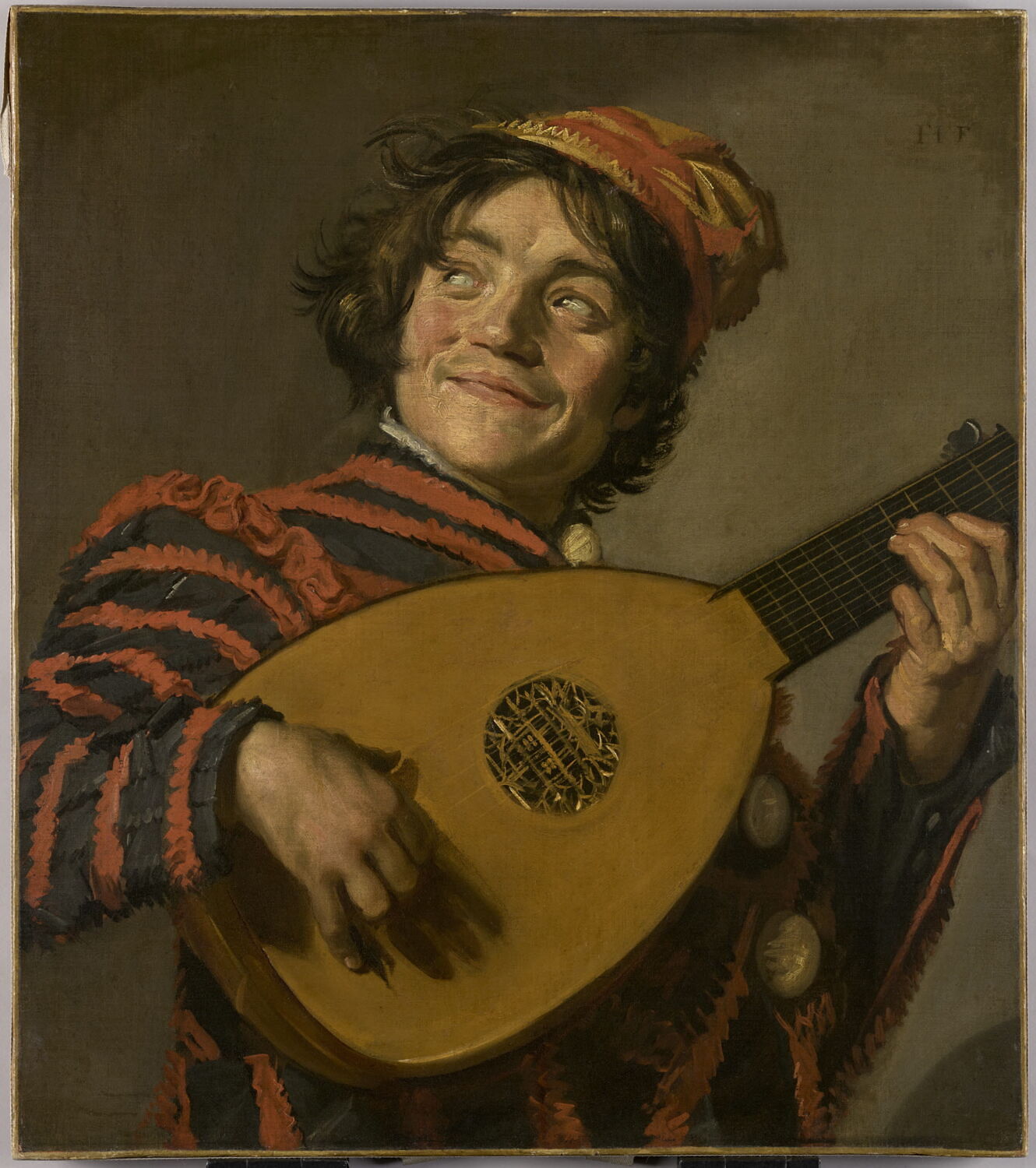
Le Bouffon au luth, Hals, Frans, 1e moitié du XVIIe siècle (vers 1623-1624) (avant 1623 - 1624)
Frans Hals, ritrattoFrans HalsPaesi Bassi, 1581–1666

Le Bouffon au luth

1e moitié du XVIIe siècle (vers 1623-1624) (avant 1623 - 1624) · Peintures

Si può ammirare?

Sì, riceve visite

Museo del Louvre

Parigi, Francia

Sala846, Aile Richelieu, Niveau 2

Esposta al pubblico. Chi lo garantisce è indicato qui sotto.

Verificato
12 giorni fa
Ultimo cambio di stato
26 set 2026
Fonte
Il museo
Sulla mappaPagina del museo

Sul dipinto

The Lute Player is an oil-on-canvas painting from 1623 or 1624 now in the Louvre by the Haarlem painter Frans Hals, showing a smiling actor wearing a jester's costume and playing a lute.

Continua a leggere

This painting was documented by Wilhelm von Bode in 1883, Ernst Wilhelm Moes in 1909 and Hofstede de Groot in 1910, who wrote:98. A FOOL WITH A MANDOLINE. B. 45; M. 216.- Half-length. A man turned half-right, in a red costume trimmed with yellow. He has long hair, and wears a red and yellow cap. His head is seen in full face; he looks up to the left. With his right hand he touches the strings of a mandoline; his left hand grasps the neck. Very freely handled. Especially good are the various contrasting flesh-tones, the red and yellow of the costume, and the reflections in the eyes. [Compare 95.] Signed in the right at top, F. H.; canvas, about 29 inches by 24 inches. A copy (B. 16, and see M. 216) is in the Rijksmuseum, Amsterdam, 1907 catalogue, No. 1093; it measures 26 inches by 24 inches, having rather less at the foot than the original. In the collection of Baron Gustave de Rothschild, Paris.

The theme of a lute player painted at half length originated in Italy, and the Dutch painter Dirck van Baburen first introduced this theme in the Northern Netherlands with his lute player of 1622. Baburen's player is pointing his lute towards the viewer with his mouth open in song. Hals' player is looking up and smiling naturally, as if he is playing with a singer or another musician not in view. This painting is a good example of Hals' "rough style" of painting with loose brush strokes.

A period copy now in the collection of the Rijksmuseum has been dated before 1626 based on an engraving, and it has been attributed variously to Hals, his brother Dirk, and Judith Leyster.

Two other paintings of lute players by Hals are:

Hals was not the only painter to be influenced by Baburen. Hendrik ter Brugghen painted several lute players in the 1620s, and a few of them seem to merge aspects of Baburen and Hals, though his later version seems to follow Hals more closely.

Wikipedia · CC BY-SA

Scheda

1e moitié du XVIIe siècle (vers 1623-1624) (avant 1623 - 1624)
15811666
Numero di inventario
RF 1984 32

In catalogo

DipintiOlioPittura olandeseBaroccoXVII secolo

Fonti

  • Museo del Louvre
  • Immagine: Museo del Louvre — © 2018 GrandPalaisRmn (musée du Louvre) / Mathieu Rabeau

Nel frattempo, nella vita di Frans Hals

Tutta la vita
  1. 1612–1624

    Service in the Haarlem civic guard

    From 1612 to 1624 Hals serves in the local civic guard (schutterij); he will paint his first “militia picture” in 1616 and his last in 1639.

  2. 1617–1666 · Luogo di lavoro

    Haarlem

  3. 1618–1626

    The chamber of rhetoric “The Vine Branches”

    From 1618 to 1626 Hals is a member of Haarlem's chamber of rhetoric, the literary society “The Vine Branches” (De Wijngaertranken).

  4. 1623

    Daughter born: Adriaentje Hals

  5. dicembre 1624

    Son born: Jacob Hals

  6. 1626

    Pupil: Adriaen van Ostade
Altre opere di Frans Hals

Tutte le opere
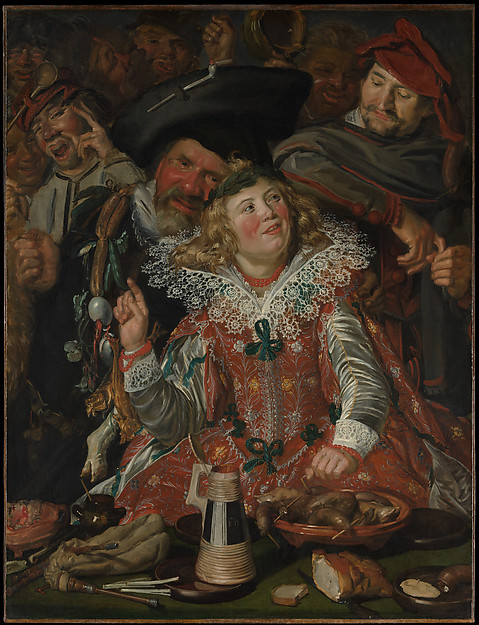
Merrymakers at Shrovetide, Frans Hals, ca. 1616–17

Merrymakers at Shrovetide

ca. 1616–17 · Metropolitan Museum of Art

De vrolijke drinker, Frans Hals, c. 1628 - c. 1630

De vrolijke drinker

c. 1628 - c. 1630 · Rijksmuseum

Portrait of Duijfje van Gerwen (1618-1658), Frans Hals, c. 1637

Portrait of Duijfje van Gerwen (1618-1658)

c. 1637 · Rijksmuseum

Portrait of Jan van de Poll (1597-1678), Frans Hals, c. 1637

Portrait of Jan van de Poll (1597-1678)

c. 1637 · Rijksmuseum

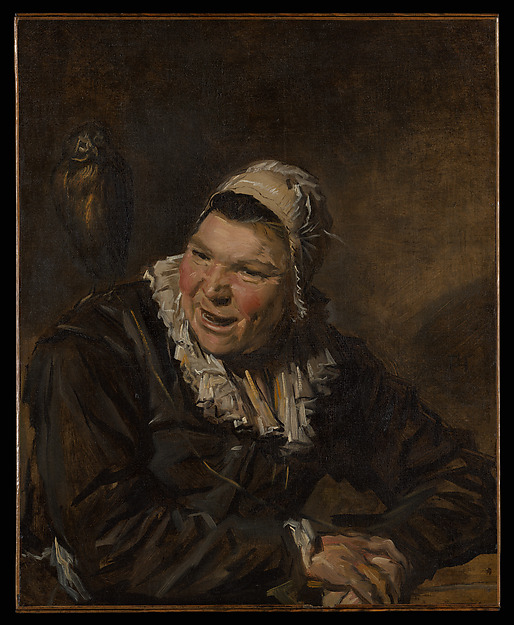
Barbara Claes (died 1663, called “Malle Babbe”), Frans Hals

Barbara Claes (died 1663, called “Malle Babbe”)

Metropolitan Museum of Art

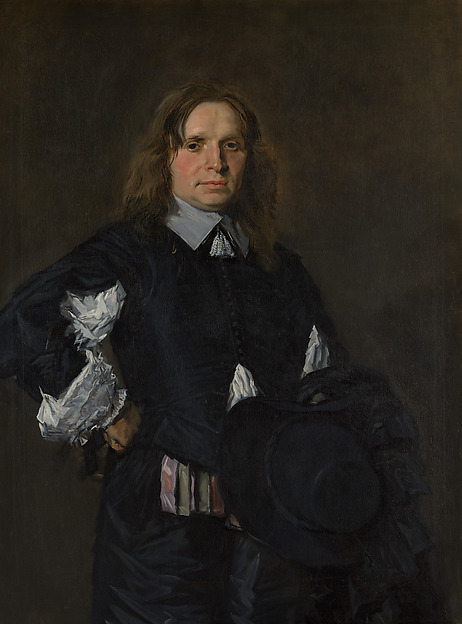
Portrait of a Man, Frans Hals, early 1650s

Portrait of a Man

early 1650s · Metropolitan Museum of Art

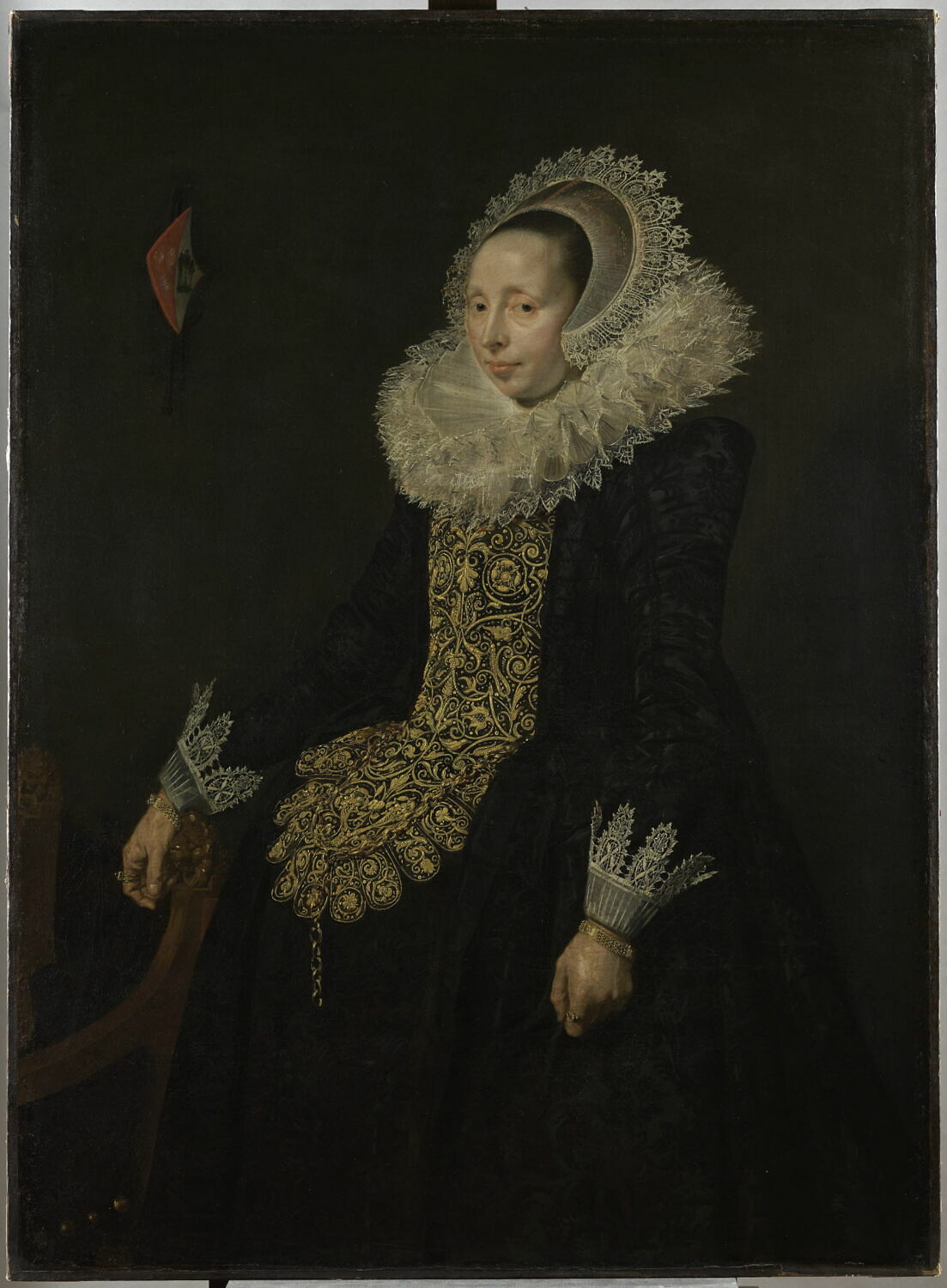
Portrait de Catarina Both van der Eem (1589-1666), troisième épouse de Paulus van Beresteyn, Hals, Frans, 1e quart du XVIIe siècle (1619 - 1620)

Portrait de Catarina Both van der Eem (1589-1666), troisième épouse de Paulus van Beresteyn

1e quart du XVIIe siècle (1619 - 1620) · Museo del Louvre

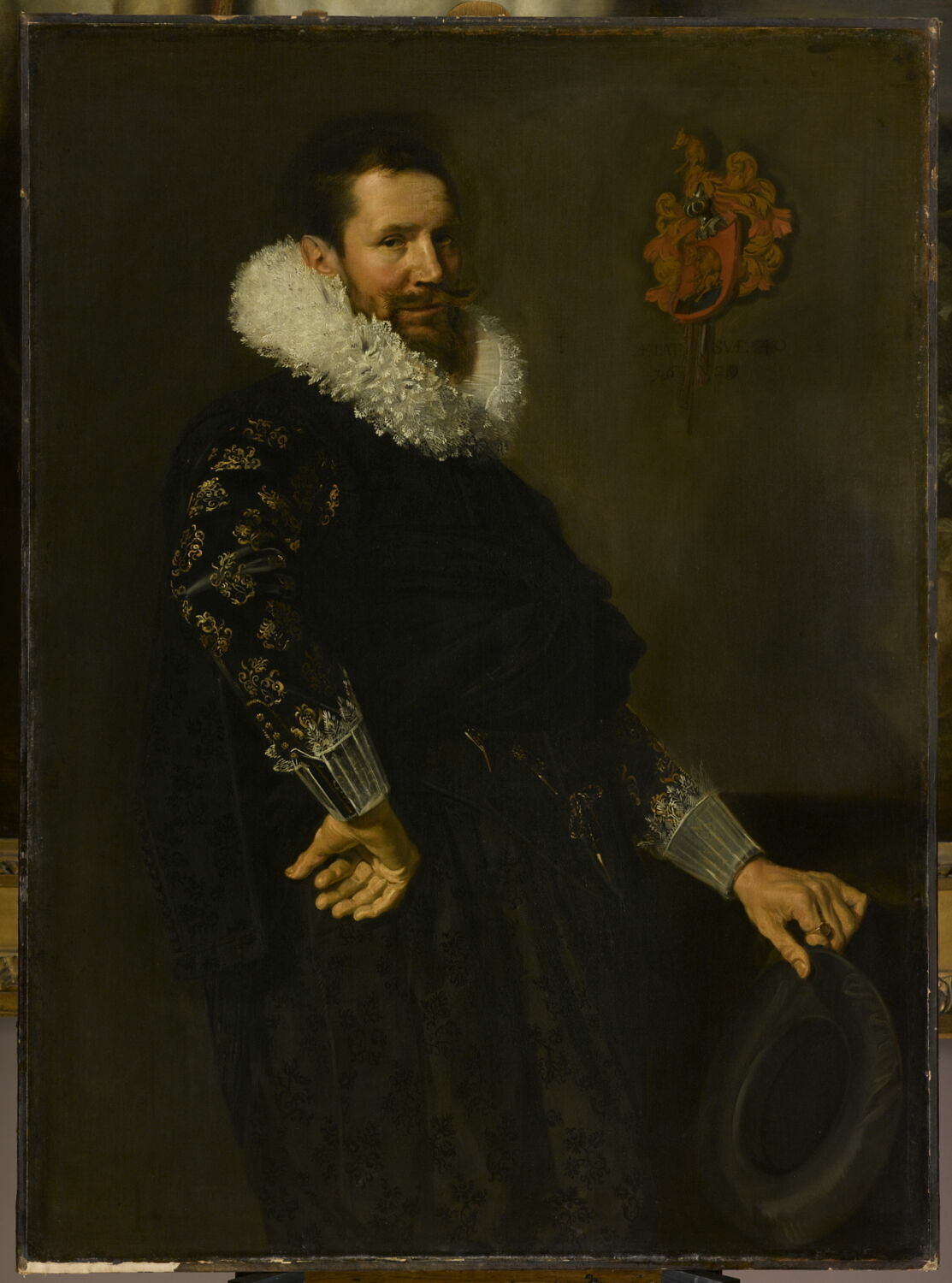
Paulus Van Beresteyn, homme de loi à Haarlem, 1619 ou 1620 (?), Hals, Frans, 1e quart du XVIIe siècle (vers 1619 - 1620)

Paulus Van Beresteyn, homme de loi à Haarlem, 1619 ou 1620 (?)

1e quart du XVIIe siècle (vers 1619 - 1620) · Museo del Louvre

Sotto lo stesso tetto: Museo del Louvre

Pagina del museo
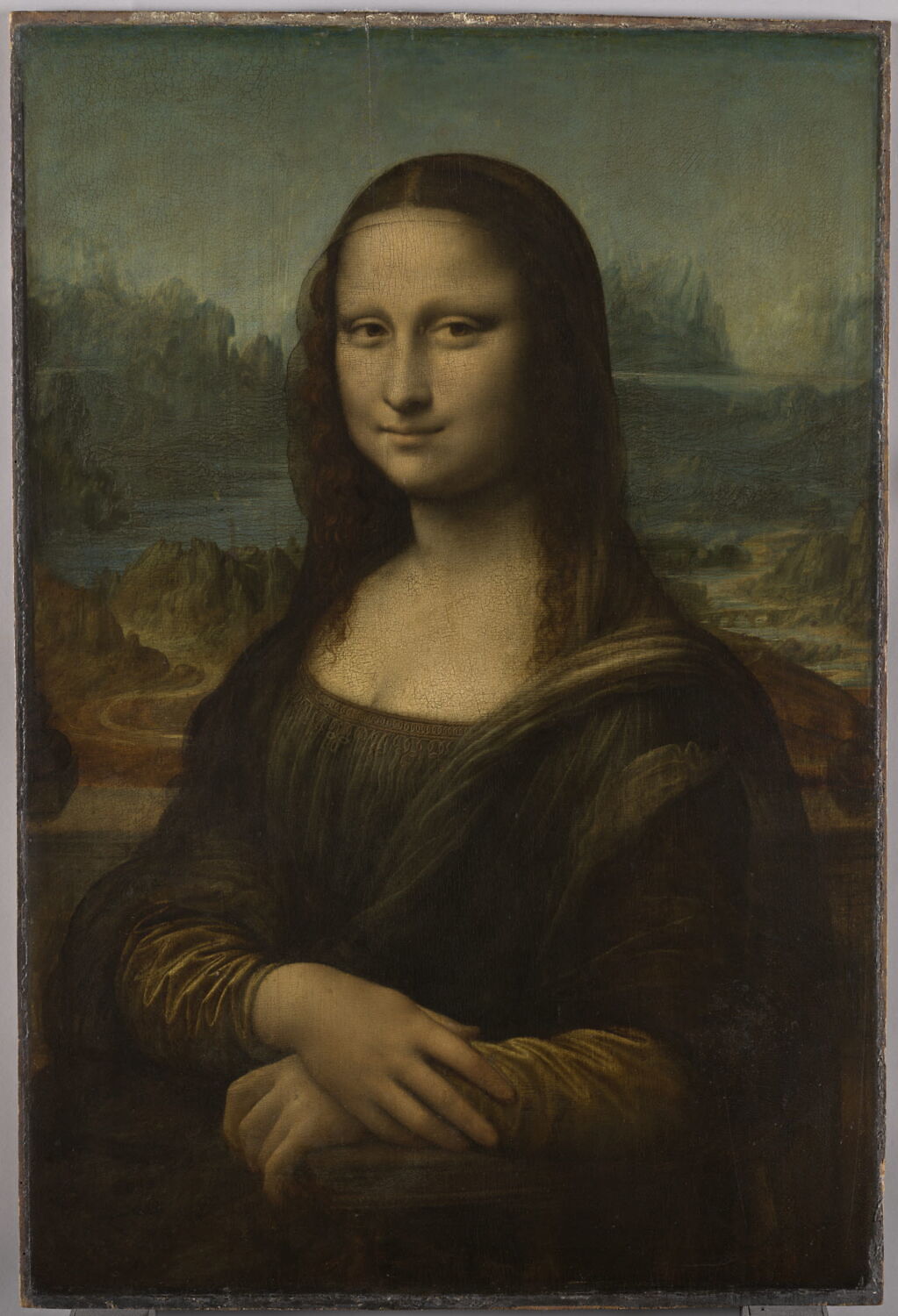
Portrait de Lisa Gherardini, épouse de Francesco del Giocondo, dit La Joconde ou Monna Lisa, Léonard de Vinci, 1e quart du XVIe siècle (1503 - 1519)

Leonardo da Vinci

La Gioconda, 1e quart du XVIe siècle (1503 - 1519)

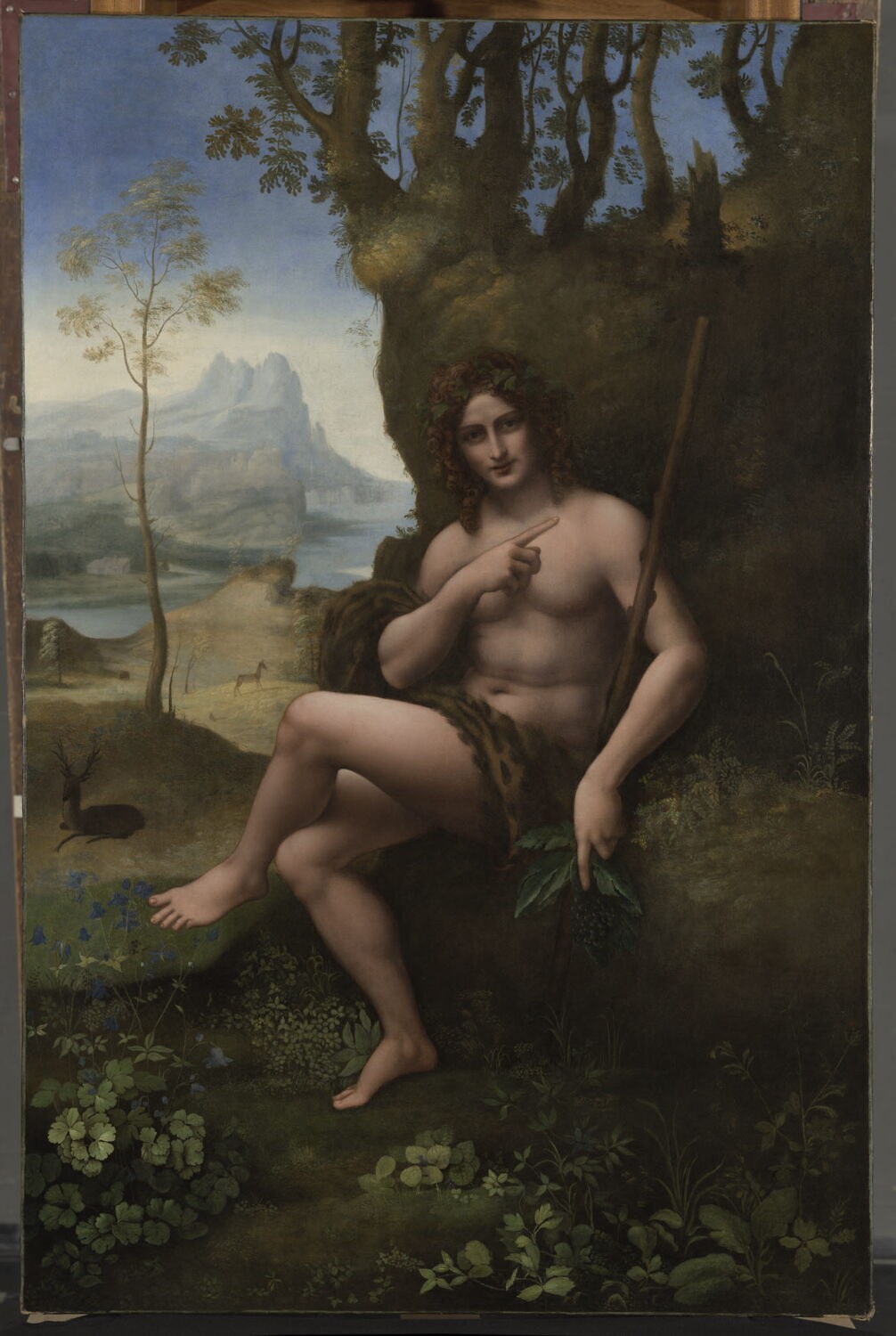
Saint Jean Baptiste, Léonard de Vinci, 1e quart du XVIe siècle (vers 1517 - 1520)

Leonardo da Vinci

Bacco, 1e quart du XVIe siècle (vers 1517 - 1520)

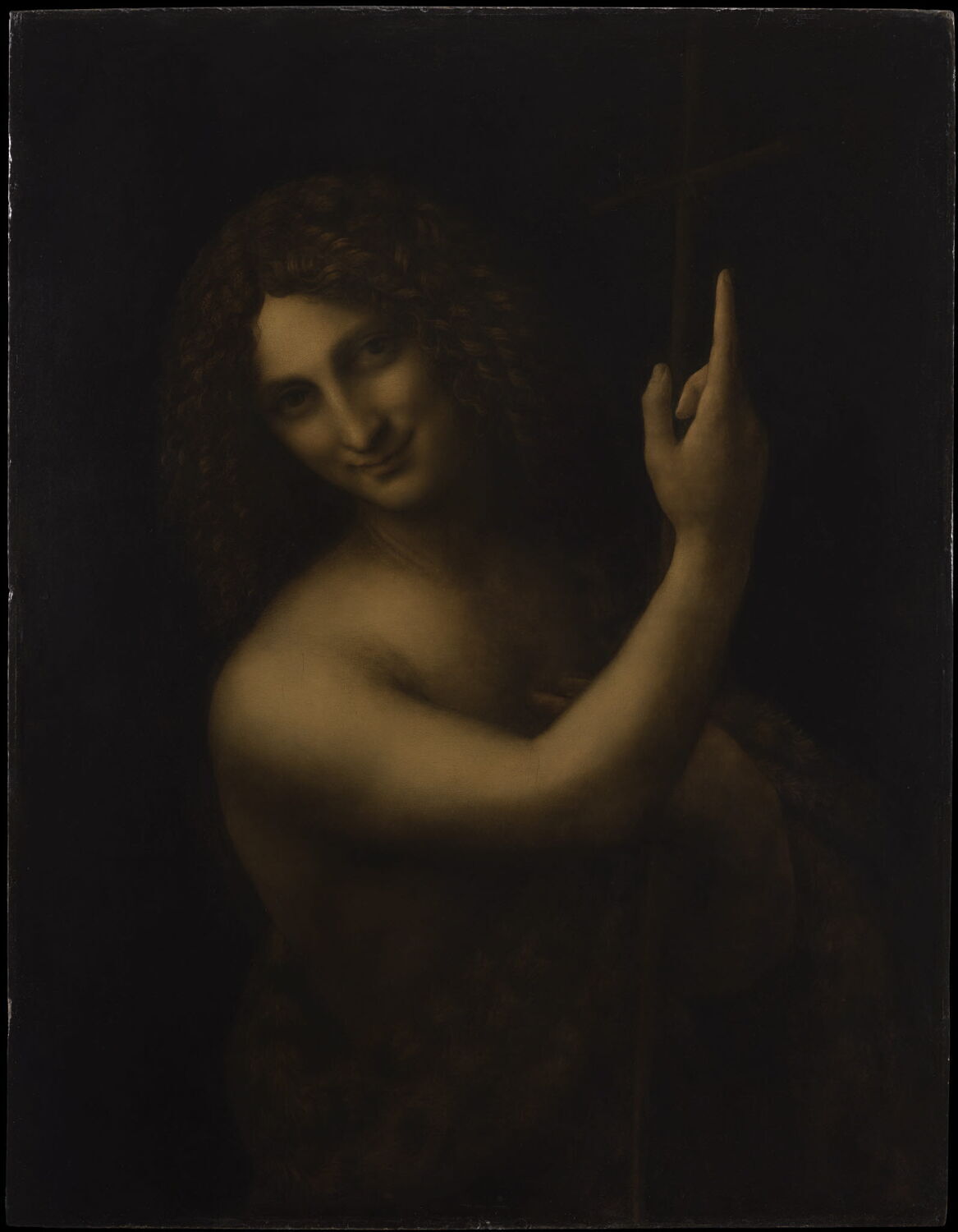
Saint Jean Baptiste, Léonard de Vinci, 1e quart du XVIe siècle (vers 1508 - 1519)

Leonardo da Vinci

San Giovanni Battista, 1e quart du XVIe siècle (vers 1508 - 1519)

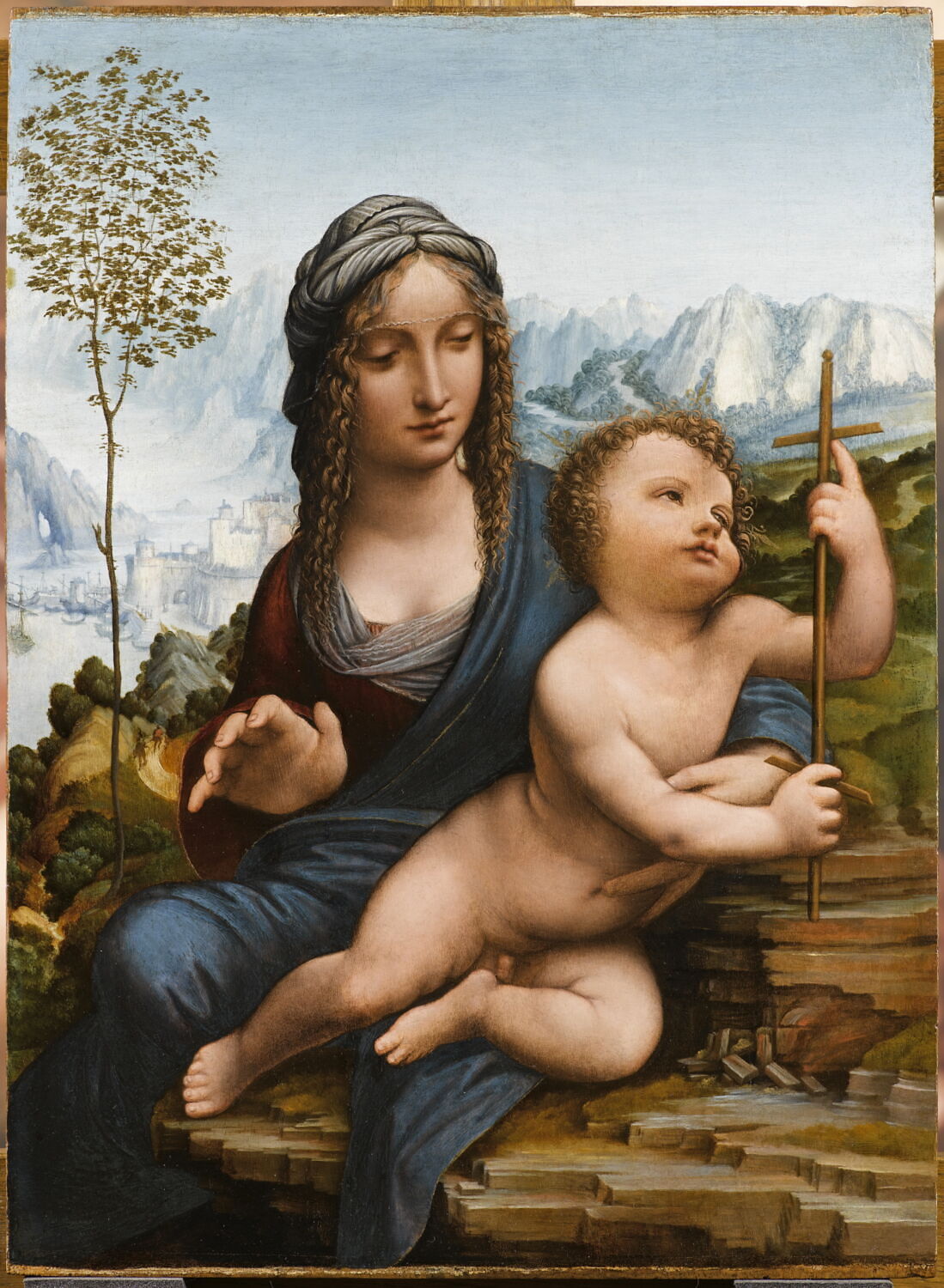
La Vierge et l'Enfant Jésus, dite Vierge au dévidoir ou Vierge aux fuseaux, Léonard de Vinci, XVIe siècle (vers 1505 - 1520)

Leonardo da Vinci

La Vierge et l'Enfant Jésus, dite Vierge au dévidoir ou Vierge aux fuseaux, XVIe siècle (vers 1505 - 1520)

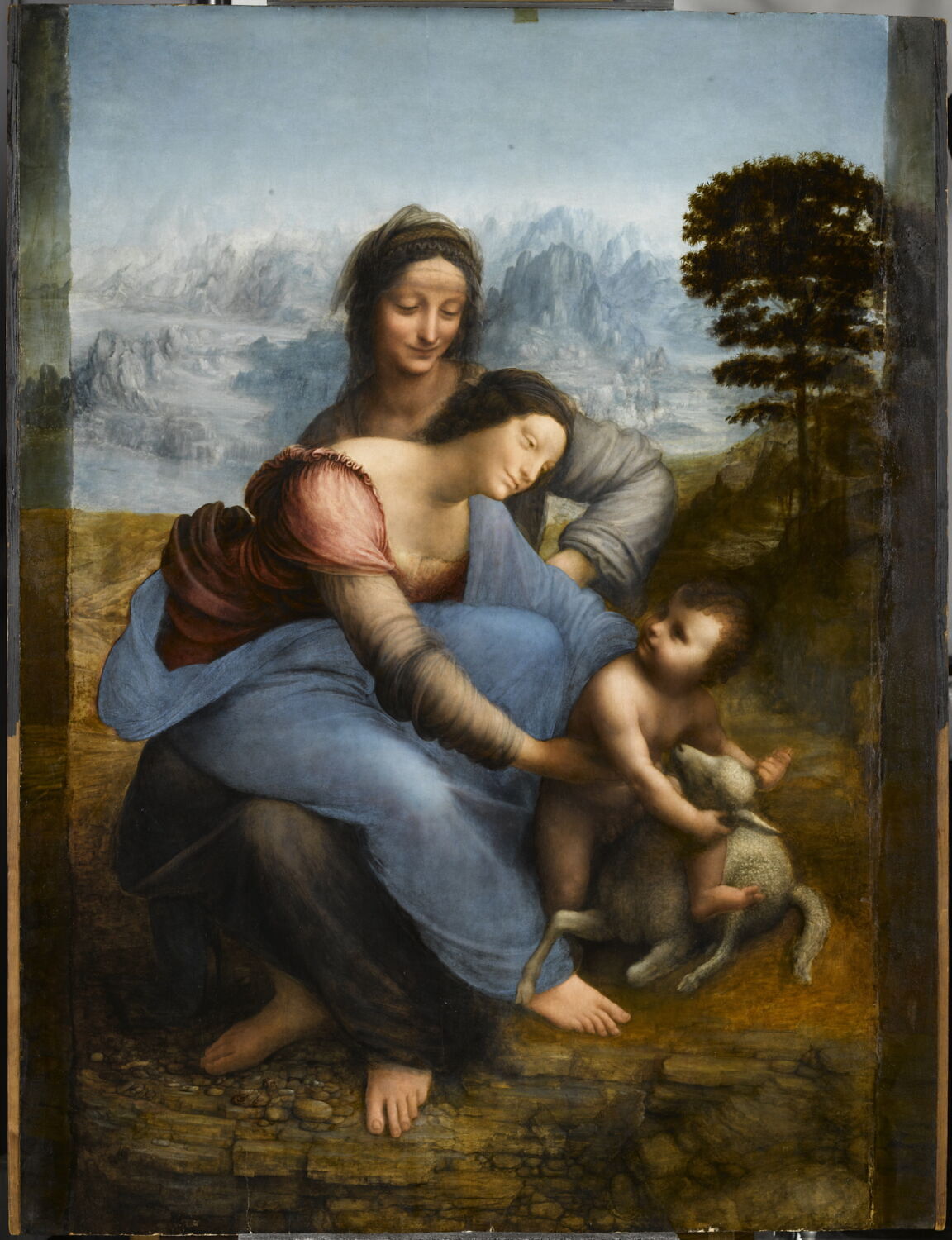
La Vierge, l'Enfant Jésus et sainte Anne, dit La Sainte Anne, Léonard de Vinci, 1e quart du XVIe siècle (vers 1503 - 1519)

Leonardo da Vinci

Sant'Anna, la Vergine e il Bambino con l'agnellino, 1e quart du XVIe siècle (vers 1503 - 1519)

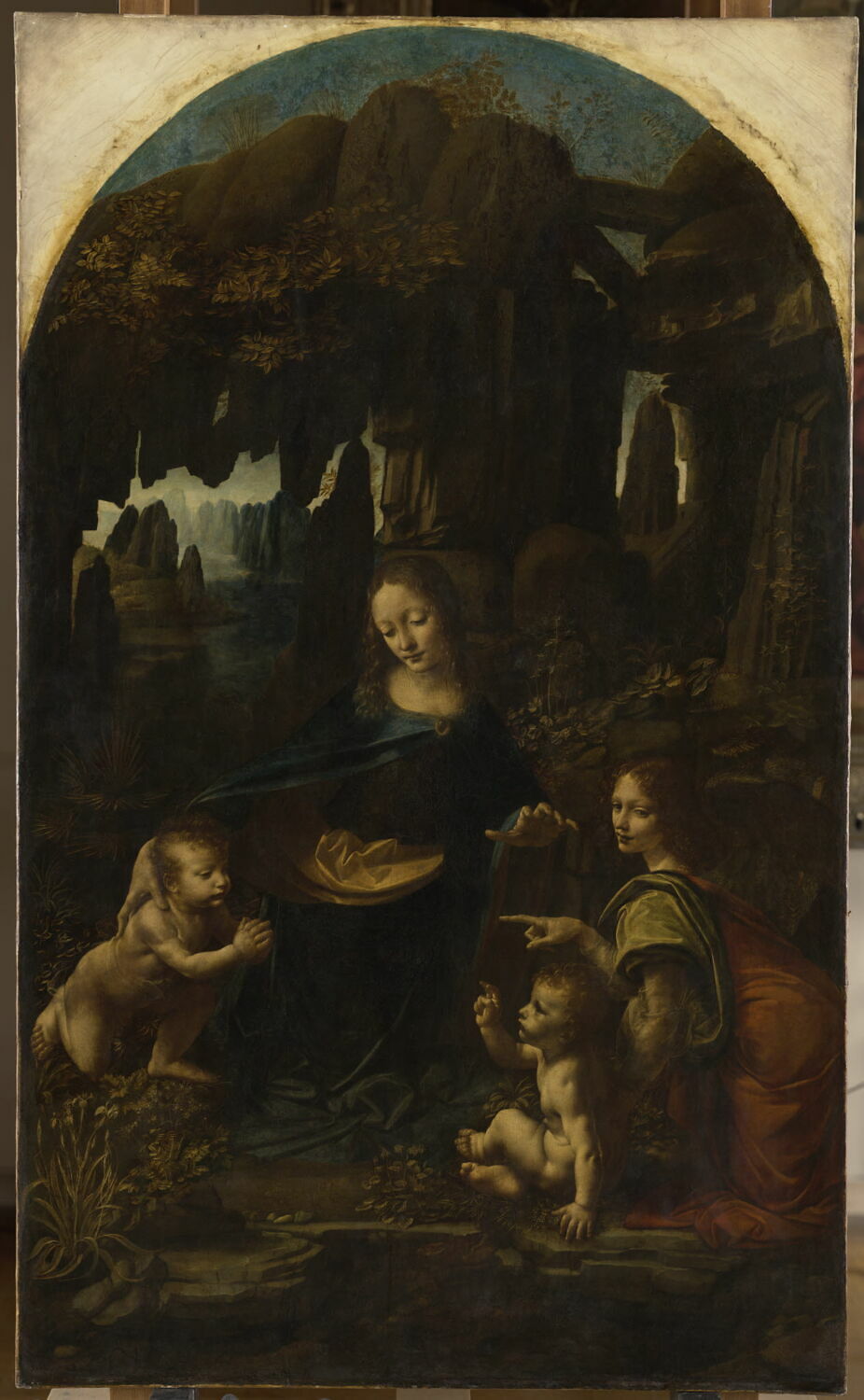
La Vierge, l'Enfant Jésus, saint Jean Baptiste et un ange, dit La Vierge aux rochers, Léonard de Vinci, 4e quart du XVe siècle (vers 1483 - 1494)

Leonardo da Vinci

La Vierge, l'Enfant Jésus, saint Jean Baptiste et un ange, dit La Vierge aux rochers, 4e quart du XVe siècle (vers 1483 - 1494)

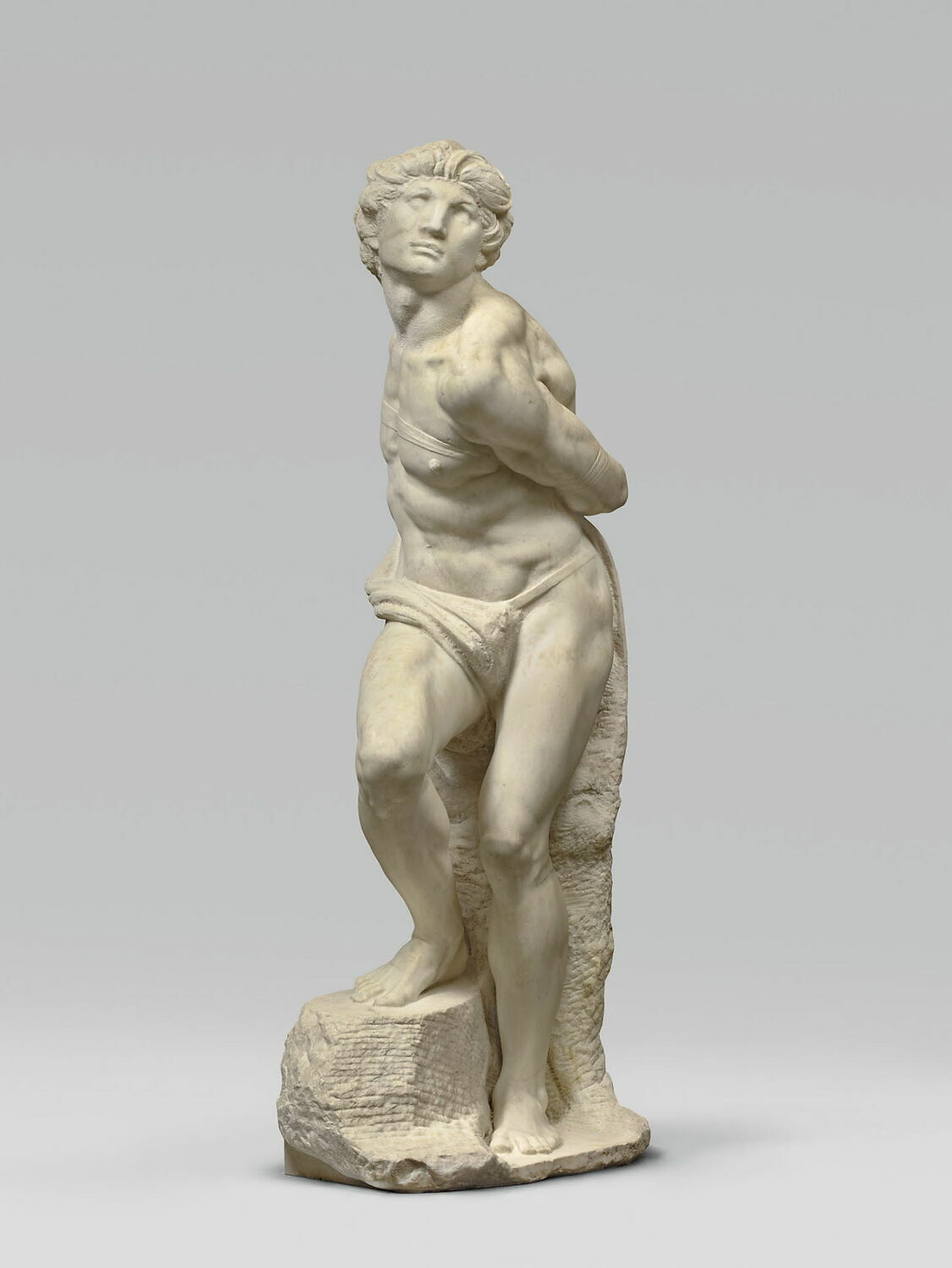
Esclave rebelle, Buonarroti, Michelangelo dit Michel-Ange, 1513 - 1515

Michelangelo

Schiavo ribelle, 1513 - 1515

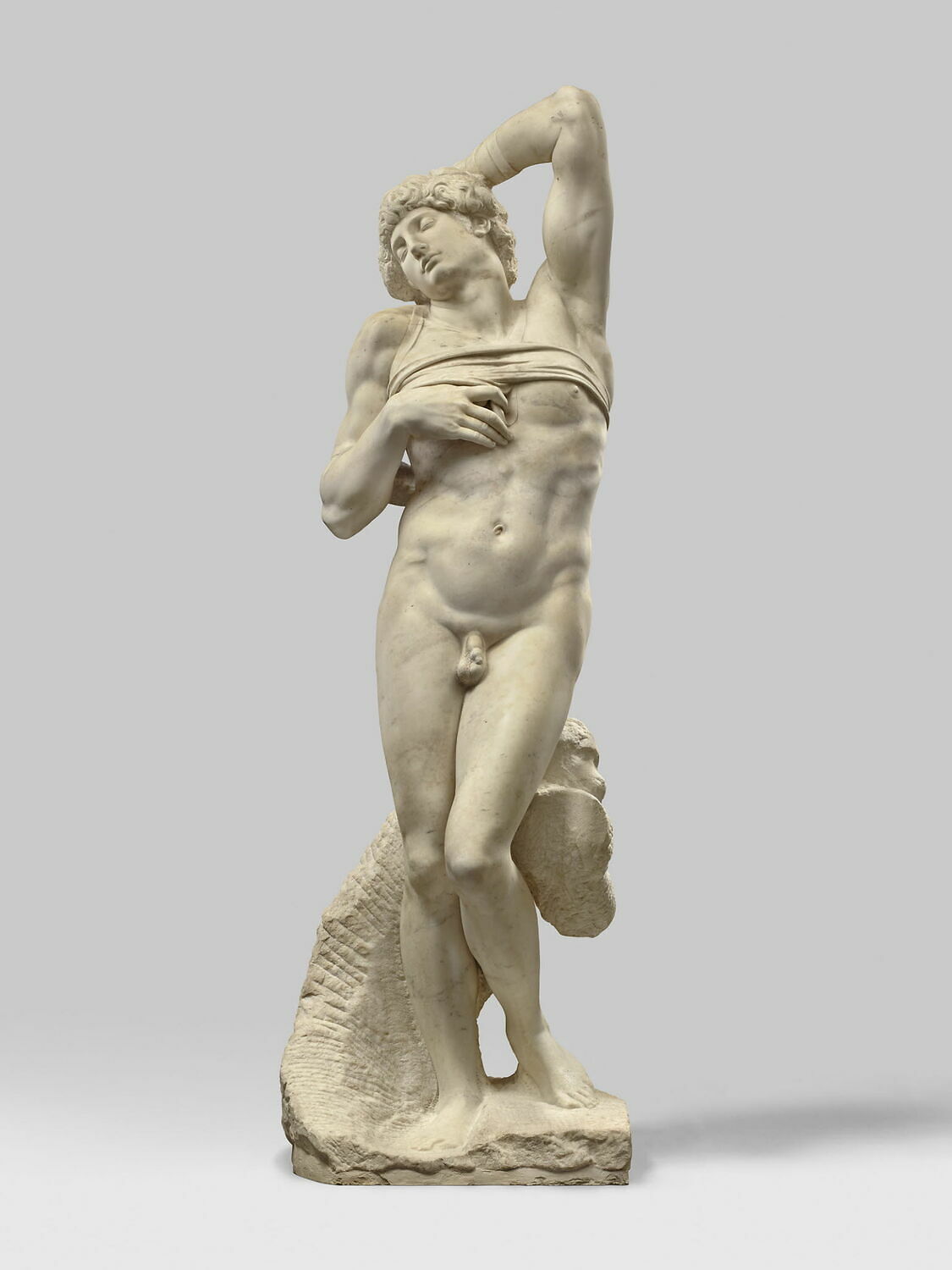
Esclave mourant, Buonarroti, Michelangelo dit Michel-Ange, 1513 - 1515

Michelangelo

Schiavo morente, 1513 - 1515