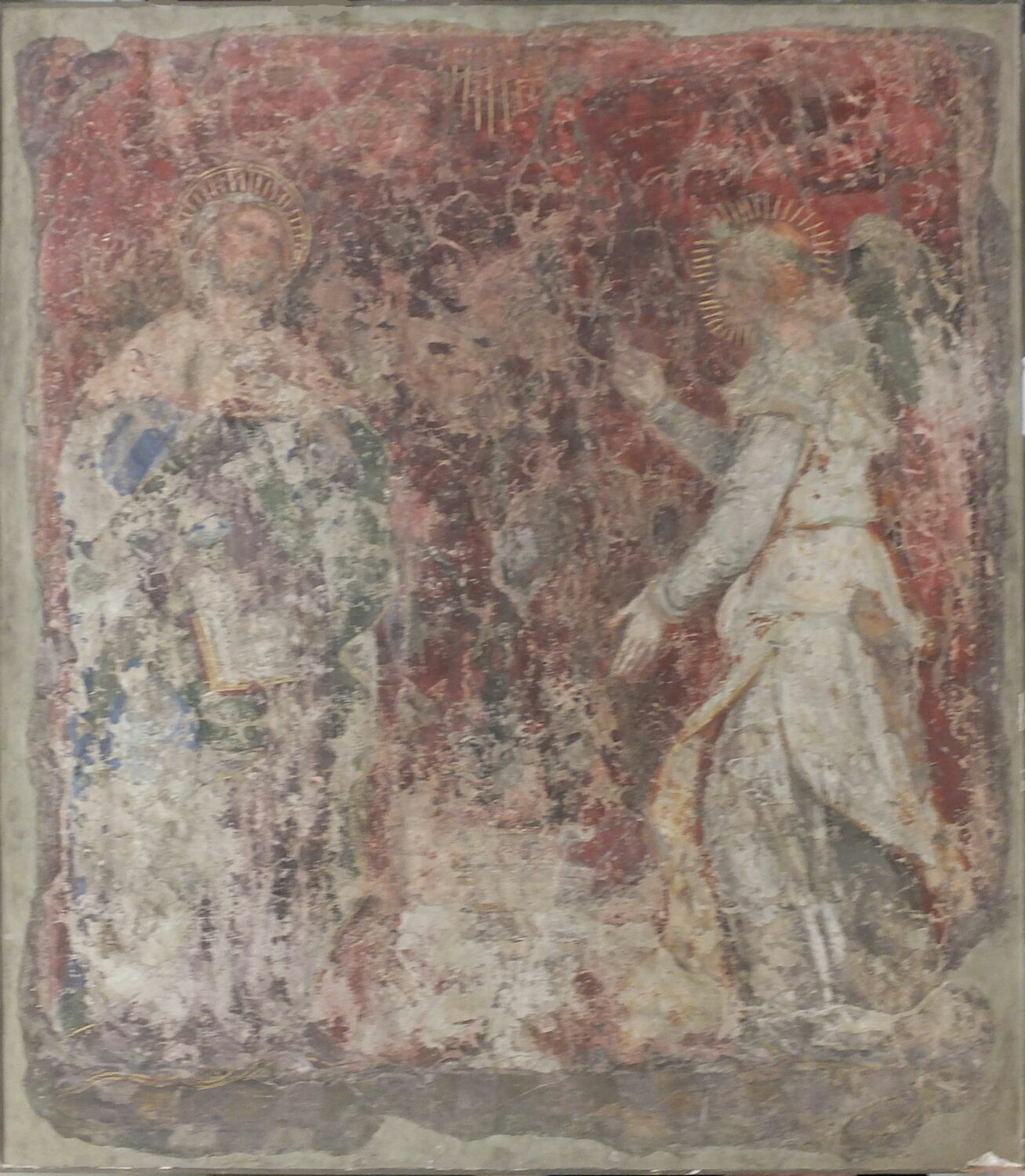
 Bernardino LuiniItalia, 1480–1532
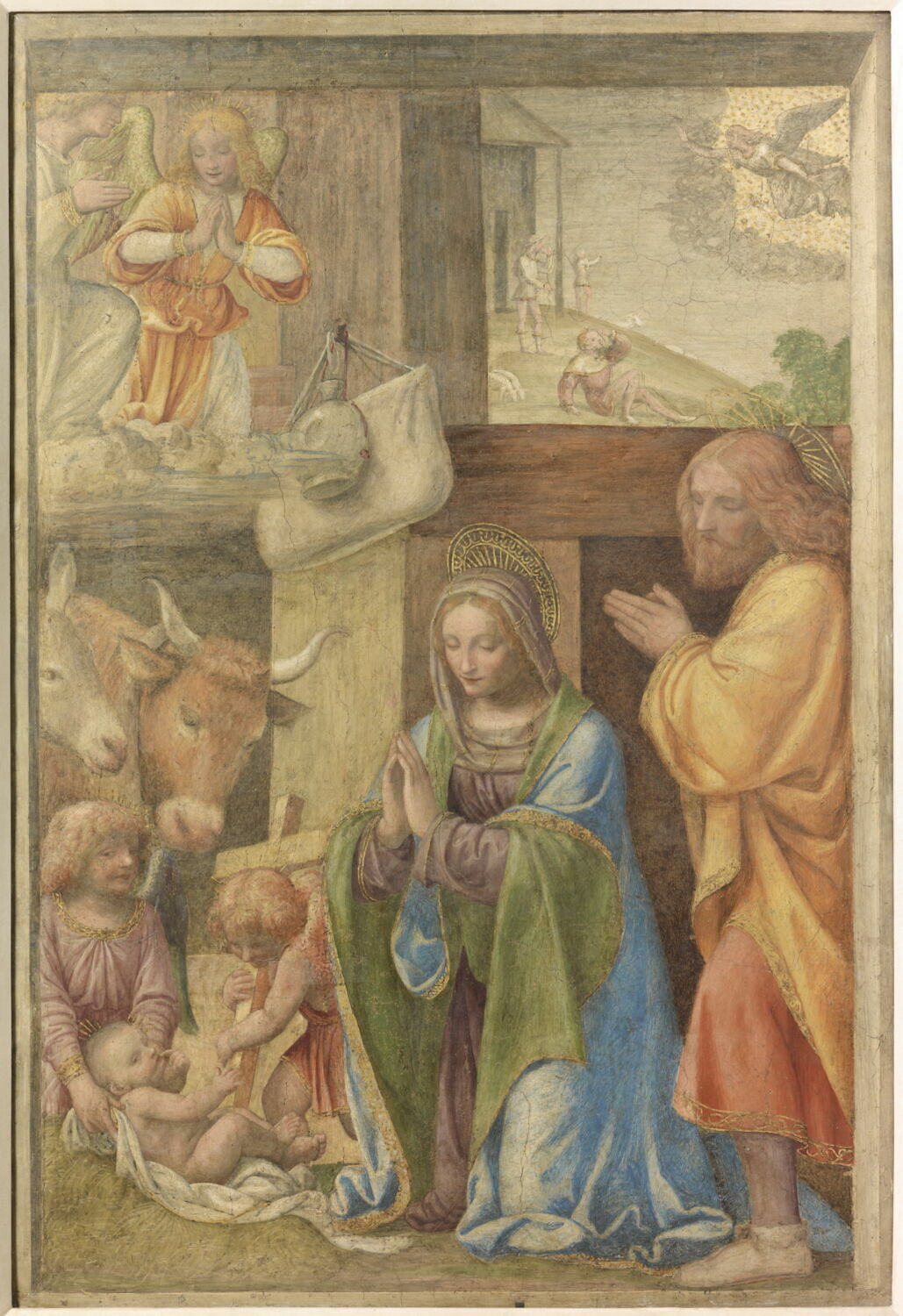
L'Annonciation
Si può ammirare?
Al momento non riceve

Museo del Louvre
Parigi, Francia
Appartiene alla collezione, ma al momento non è esposta.
- Verificato
- 9 giorni fa
- Ultimo cambio di stato
- 26 set 2026
- Fonte
- I dati di collezione del museo stesso
Scheda
- Numero di inventario
- MI 716
Fonti
- Museo del Louvre: the museum's own open data · acquisita 9 giorni fa
- Immagine: Museo del Louvre — © 2013 Musée du Louvre / Département des Peintures
Nel frattempo, nella vita di Bernardino Luini
Tutta la vita1500
Moves to Milan with his father
Together with his father, the landowner Giovanni Donato de Scapis, Bernardino de Scapis — a native of Runo (Dumenza) near Luino on Lake Maggiore, hence the name “Luini” — moves to Milan. Accounts of his teachers differ: according to Lomazzo he trained under Giovan Stefano Scotto, while others consider him a pupil of Ambrogio Bergognone.
1504–1507
Lives in the Veneto, probably in Treviso
Luini lived in the Veneto and, probably, in Treviso, where he associated with the city's Lombard architects — the Lombardo family and the brothers Lorenzo and Giovan Battista Bregno. This is apparently attested by a “Madonna with Child” signed “Bernardinus Mediolanensis faciebat”, whose attribution remains disputed.
1509
Returns to Milan with a commission for a polyptych
Of the polyptych he was commissioned to paint, only “St Anthony of Padua” in the Museo Poldi Pezzoli survives today. Luini's early paintings are in a late Gothic style reminiscent of Bergognone, who is considered his direct mentor.
c. 1510
Marries Margherita Lomazzo
They had four sons — Tobia, Evangelista, Giovanni Pietro and Aurelio; the last two became painters and carried on their father's work after his death in 1532.
1521
Travels to Rome and falls under Raphael's influence
Raphael's influence is evident in the subsequent frescoes in the Villa La Pelucca (1520–1523) and in other works now in the Brera.
1532
Died