ART WIKI32.963 in sala
MappaCollezioneArtistiMuseiMostreRivista
Accedi

ART WIKI

Dove è appeso il capolavoro, e quando si può entrare.

Collezioni: Art Institute of Chicago, Cleveland Museum of Art, Ermitage, Galleria Tret'jakov, Getty Museum, Harvard Art Museums, Hirshhorn Museum and Sculpture Garden, Metropolitan Museum of Art, Minneapolis Institute of Art, Museo del Louvre, Museo Puškin delle belle arti, Museo russo, Museum of Modern Art, National Gallery of Art, National Museum of Asian Art, National Portrait Gallery, Rijksmuseum, Smithsonian American Art Museum, Statens Museum for Kunst, Victoria and Albert Museum, Villa Getty, Whitney Museum of American Art, Catalogo statale del fondo museale russo (274 musei), Europeana (19 musei), Wikidata (6 musei), Paris Musées (12 musei) e Joconde, la banca dati dei musei del Ministero della Cultura francese (495 musei). Le immagini appartengono ai titolari dei diritti.

Sezioni

  • Mappa
  • Ricerca
  • Collezione
  • Capolavori
  • Esposte ora
  • Artisti

Altro

  • Musei e gallerie
  • Mostre
  • Rivista
  • Da dove vengono i dati
  • Privacy e cookie
HomeMappaCatalogo
  1. Collezione/
  2. Minneapolis Institute of Art/
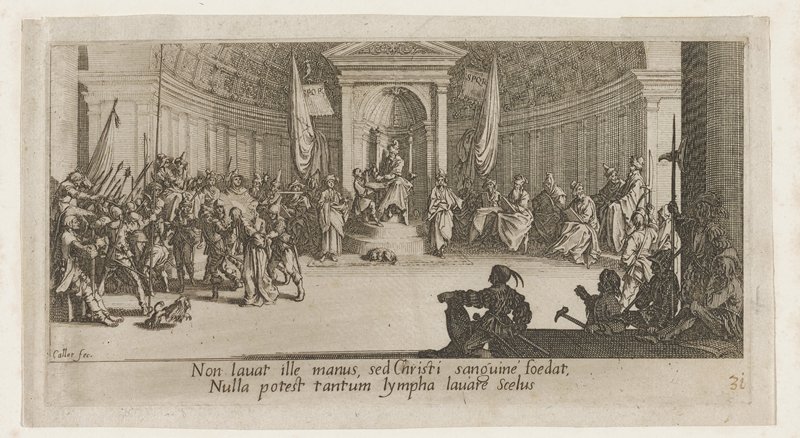
  3. La condamnation à mort
La condamnation à mort, Jacques Callot, 1618
Jacques Callot, ritrattoJacques CallotFrancia, 1592–1635

La condamnation à mort

1618 · Print · 11.43 × 21.59 cm

Si può ammirare?

Al momento non riceve

Minneapolis Institute of Art

Minneapolis, Stati Uniti

Appartiene alla collezione, ma al momento non è esposta.

Verificato
3 giorni fa
Ultimo cambio di stato
25 set 2026
Fonte
Il museo
Sulla mappaPagina del museo

Scheda

1618 · a 26 anni
15921635
Numero di inventario
2001.254.2.3

In catalogo

StampeAcquaforteBaroccoXVII secoloFrancia

Fonti

  • Minneapolis Institute of Art
  • Immagine: Minneapolis Institute of Art — public domain

Nel frattempo, nella vita di Jacques Callot

Tutta la vita
  1. 1611–1621 · Luogo di lavoro

    Florence

  2. 1614–1621

    At the court of Cosimo II de’ Medici

    Under Parigi’s direction Callot works at the court of the Grand Duke of Tuscany Cosimo II de’ Medici in the Uffizi, designing festivals and theatrical performances — later these give him themes for his series of grotesque prints; during his Florentine years he becomes an independent master and often works for the Medici.

  3. 1617

    Switches to hard ground and repeated biting

    From 1617 Callot uses, instead of the soft ground customary until then, the acid-resistant hard ground of Florentine joiners and furniture-makers; it allows the plate to be bitten repeatedly, with parts of the spatial planes successively covered by varnish, and gives broad tonal gradations; he is also credited with the échoppe, an etching needle with a slanted end that produces a swelling line.

Altre opere di Jacques Callot

Tutte le opere
Lust, Jacques Callot, 17th century

Lust

17th century · Harvard Art Museums

Temptation of Saint Anthony, Jacques Callot, 17th century

Temptation of Saint Anthony

17th century · Harvard Art Museums

Envy, Jacques Callot, 17th century

Envy

17th century · Harvard Art Museums

Pardon des Rochelois, Jacques Callot, 17th century

Pardon des Rochelois

17th century · Harvard Art Museums

Pride, Jacques Callot, 17th century

Pride

17th century · Harvard Art Museums

Anger, Jacques Callot, 17th century

Anger

17th century · Harvard Art Museums

Descente dans l'île de Ré, Jacques Callot, 17th century

Descente dans l'île de Ré

17th century · Harvard Art Museums

Gluttony, Jacques Callot, 17th century

Gluttony

17th century · Harvard Art Museums

Sotto lo stesso tetto: Minneapolis Institute of Art

Pagina del museo
Olive Trees, Vincent van Gogh, 1889

Vincent van Gogh

Olive Trees, 1889

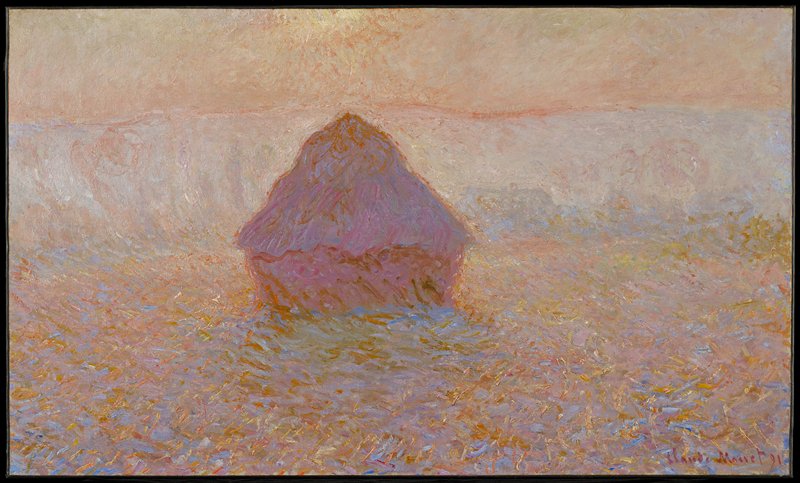
Grainstack, Sun in the Mist, Claude Monet, 1891

Claude Monet

Grainstack, Sun in the Mist, 1891

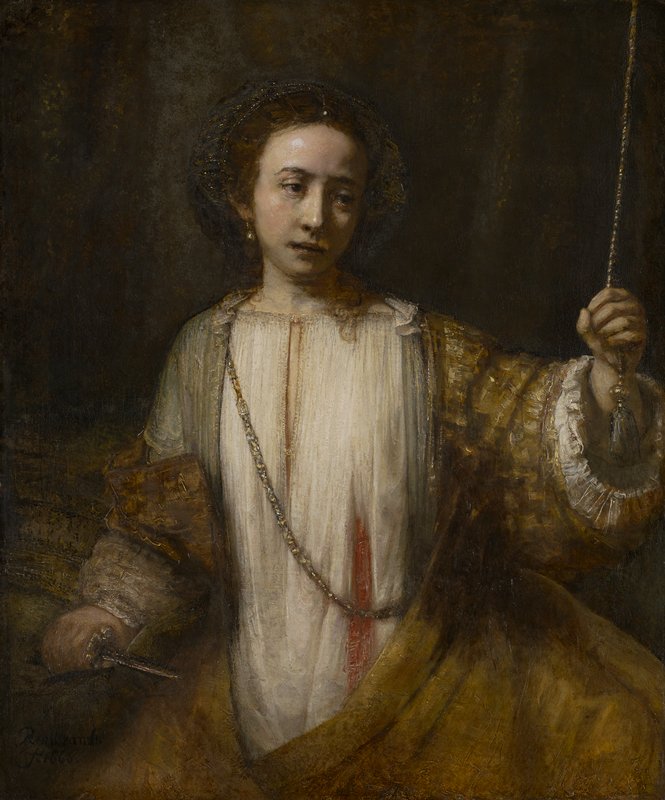
Lucretia, Rembrandt van Rijn, 1666

Rembrandt van Rijn

Lucretia, 1666

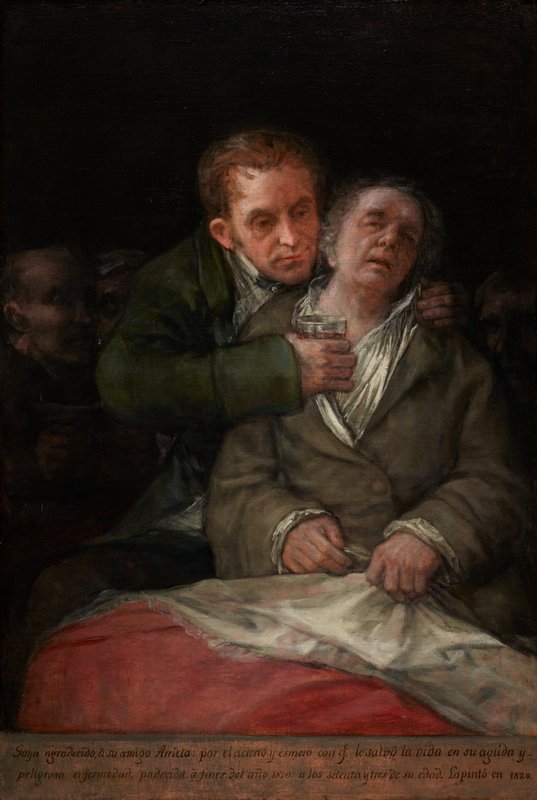
Self-Portrait with Dr. Arrieta, Francisco José de Goya y Lucientes, 1820

Francisco de Goya

Goya curato dal dottor Arrieta, 1820

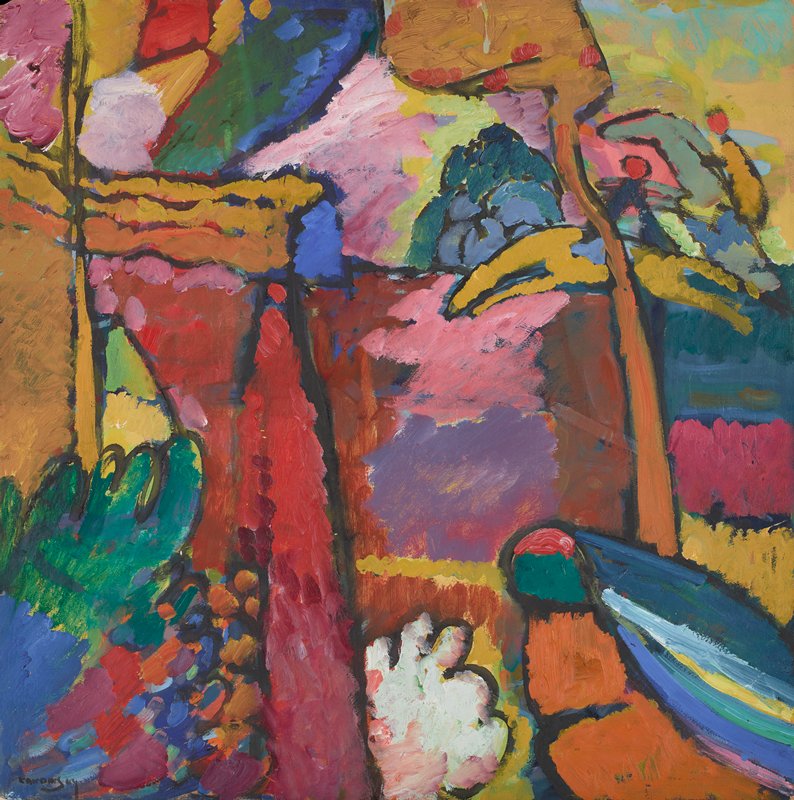
Study for Improvisation V, Vassily Kandinsky, 1910

Vasily Kandinsky

Study for Improvisation V, 1910

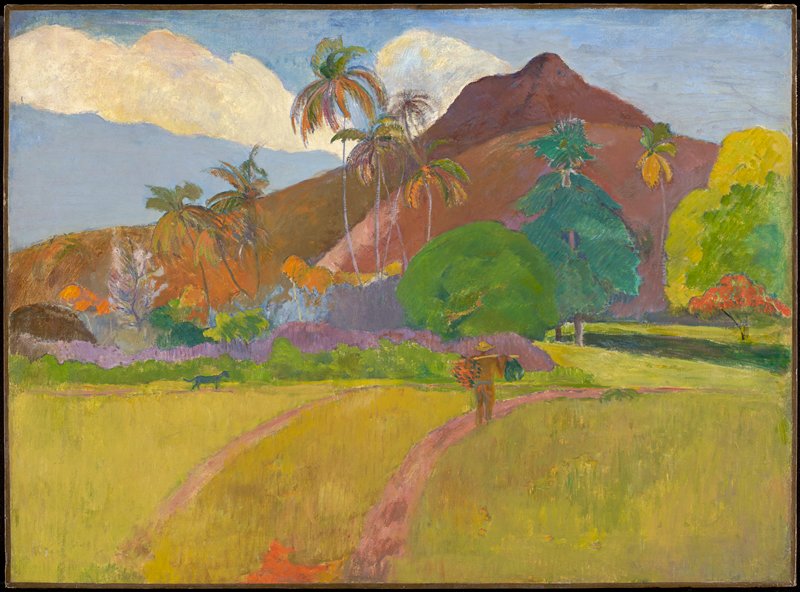
Tahitian Landscape, Paul Gauguin, 1891

Paul Gauguin

Tahitian Landscape, 1891

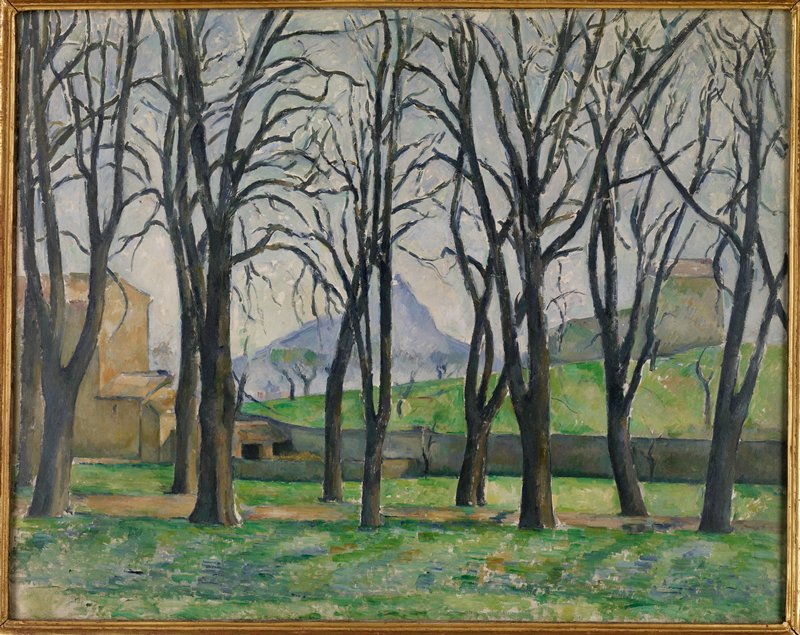
Chestnut Trees at Jas de Bouffan, Paul Cézanne, c. 1885–86

Paul Cézanne

Chestnut Trees at Jas de Bouffan, c. 1885–86

The Union of England and Scotland (Charles I as the Prince of Wales), Peter Paul Rubens, 1633–34

Peter Paul Rubens

The Union of England and Scotland (Charles I as the Prince of Wales), 1633–34