ART WIKI32.963 in sala
MappaCollezioneArtistiMuseiMostreRivista
Accedi

ART WIKI

Dove è appeso il capolavoro, e quando si può entrare.

Collezioni: Art Institute of Chicago, Cleveland Museum of Art, Ermitage, Galleria Tret'jakov, Getty Museum, Harvard Art Museums, Hirshhorn Museum and Sculpture Garden, Metropolitan Museum of Art, Minneapolis Institute of Art, Museo del Louvre, Museo Puškin delle belle arti, Museo russo, Museum of Modern Art, National Gallery of Art, National Museum of Asian Art, National Portrait Gallery, Rijksmuseum, Smithsonian American Art Museum, Statens Museum for Kunst, Victoria and Albert Museum, Villa Getty, Whitney Museum of American Art, Catalogo statale del fondo museale russo (274 musei), Europeana (19 musei), Wikidata (6 musei), Paris Musées (12 musei) e Joconde, la banca dati dei musei del Ministero della Cultura francese (495 musei). Le immagini appartengono ai titolari dei diritti.

Sezioni

  • Mappa
  • Ricerca
  • Collezione
  • Capolavori
  • Esposte ora
  • Artisti

Altro

  • Musei e gallerie
  • Mostre
  • Rivista
  • Da dove vengono i dati
  • Privacy e cookie
HomeMappaCatalogo
  1. Collezione/
  2. Museo del Louvre/
  3. La Charité
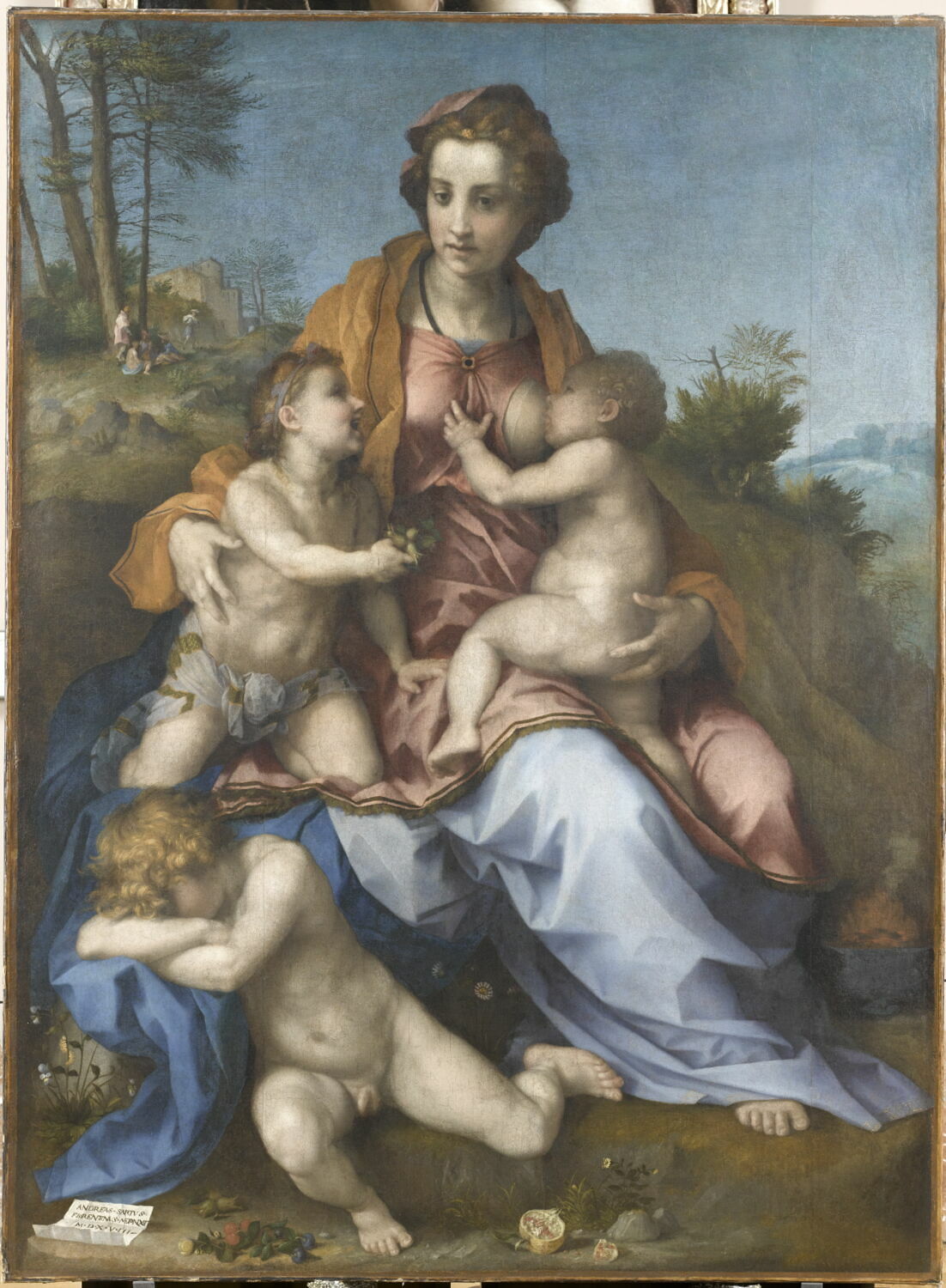
La Charité, Andrea del Sarto, XVIe siècle (1518 - 1519)
Andrea del Sarto, ritrattoAndrea del SartoItalia, 1486–1530

La Charité

XVIe siècle (1518 - 1519) · Peintures

Si può ammirare?

Sì, riceve visite

Museo del Louvre

Parigi, Francia

Sala712, Aile Denon, Niveau 1

Esposta al pubblico. Chi lo garantisce è indicato qui sotto.

Verificato
12 giorni fa
Ultimo cambio di stato
26 set 2026
Fonte
Il museo
Sulla mappaPagina del museo

Sul dipinto

La Carità è un dipinto a olio su tavola trasferito su tela (185x137 cm) di Andrea del Sarto, firmato, datato 1518 e conservato nel Museo del Louvre di Parigi.

Wikipedia · CC BY-SA

Scheda

XVIe siècle (1518 - 1519)
14861530
Numero di inventario
INV 712

In catalogo

DipintiOlioPittura italianaRinascimentoXVI secolo

Fonti

  • Museo del Louvre
  • Immagine: Museo del Louvre — © 2011 GrandPalaisRmn (musée du Louvre) / Tony Querrec

Nel frattempo, nella vita di Andrea del Sarto

Tutta la vita
  1. 1510s

    The first pupils: Rosso Fiorentino and Pontormo

    In the 1510s Andrea himself acquires pupils, among them Rosso Fiorentino and Jacopo da Pontormo; their work develops their teacher’s sculptural drawing and decorative compositions and leads towards Florentine Mannerism.

  2. 1518

    Married: Lucrezia del Fede

  3. 1518

    At the court of François I in France

    Before the end of 1516 a “Pietà” of Andrea’s composition, and afterward a “Madonna”, are sent to the French court, and in 1518 François I invites him: Andrea travels to Paris in June (by other accounts, in May, to the palace of Fontainebleau) with his pupil Andrea Squarzzella, leaving his wife Lucrezia in Florence. Court life evidently does not suit him; of his works in France only a portrait of the dauphin and “Charity” (now in the Louvre) are mentioned.

  4. 1519

    Back from France, and the story of the king’s money

    Already in 1519 Andrea returns to Florence; according to Vasari, Lucrezia writes to him demanding that he come back, and the king lets him go for a short absence, entrusting him with money to buy works of art for the French court — but Andrea spends it on a house in Florence and loses the chance to return. Some historians dismiss the story as apocryphal; it inspired Robert Browning’s poem “Andrea del Sarto Called the ‘Faultless Painter’” (1855).

  5. 1520

    He begins building his own house

    In 1520 Andrea begins building his own house in Florence at the corner of via San Sebastiano and via del Mandorlo; the building still stands four centuries later, and after its first owner several other artists lived in it, rebuilding it to their own needs.
Altre opere di Andrea del Sarto

Tutte le opere
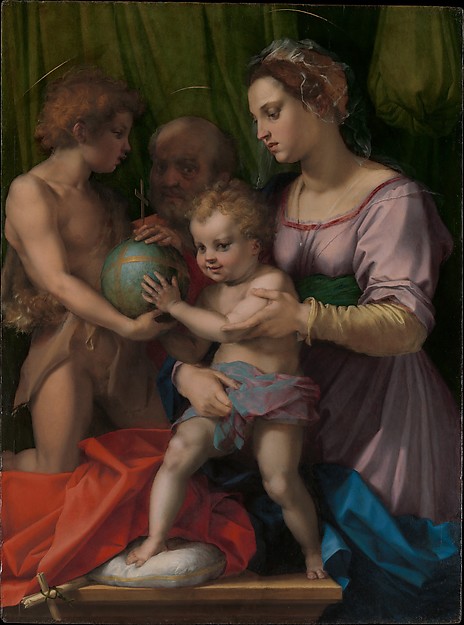
The Holy Family with the Young Saint John the Baptist, Andrea del Sarto, ca. 1528

The Holy Family with the Young Saint John the Baptist

ca. 1528 · Metropolitan Museum of Art

The Virgin and Child with St Catherine, St Elizabeth and St John the Baptist, Andrea del Sarto, 1513

The Virgin and Child with St Catherine, St Elizabeth and St John the Baptist

1513 · Ermitage

La Vierge, l'Enfant Jésus, sainte Élisabeth, le petit saint Jean Baptiste et deux anges, dit La Sainte Famille aux Anges, Andrea del Sarto, 1e quart du XVIe siècle (vers 1515 - 1516)

La Vierge, l'Enfant Jésus, sainte Élisabeth, le petit saint Jean Baptiste et deux anges, dit La Sainte Famille aux Anges

1e quart du XVIe siècle (vers 1515 - 1516) · Museo del Louvre

La Vierge, l'Enfant Jésus, sainte Élisabeth et le petit saint Jean Baptiste, Andrea del Sarto, 1e quart du XVIe siècle (vers 1516)

La Vierge, l'Enfant Jésus, sainte Élisabeth et le petit saint Jean Baptiste

1e quart du XVIe siècle (vers 1516) · Museo del Louvre

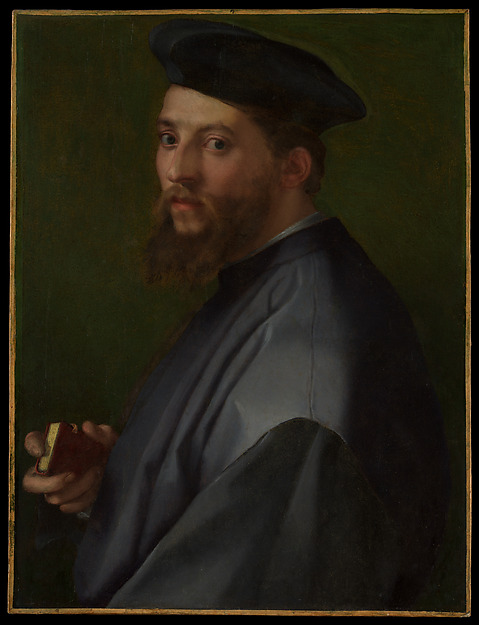
Portrait of a Man, Andrea del Sarto, 1528–29

Portrait of a Man

1528–29 · Metropolitan Museum of Art

Holy Family with St John the Baptist, Andrea del Sarto, c. 1529

Holy Family with St John the Baptist

c. 1529 · Ermitage

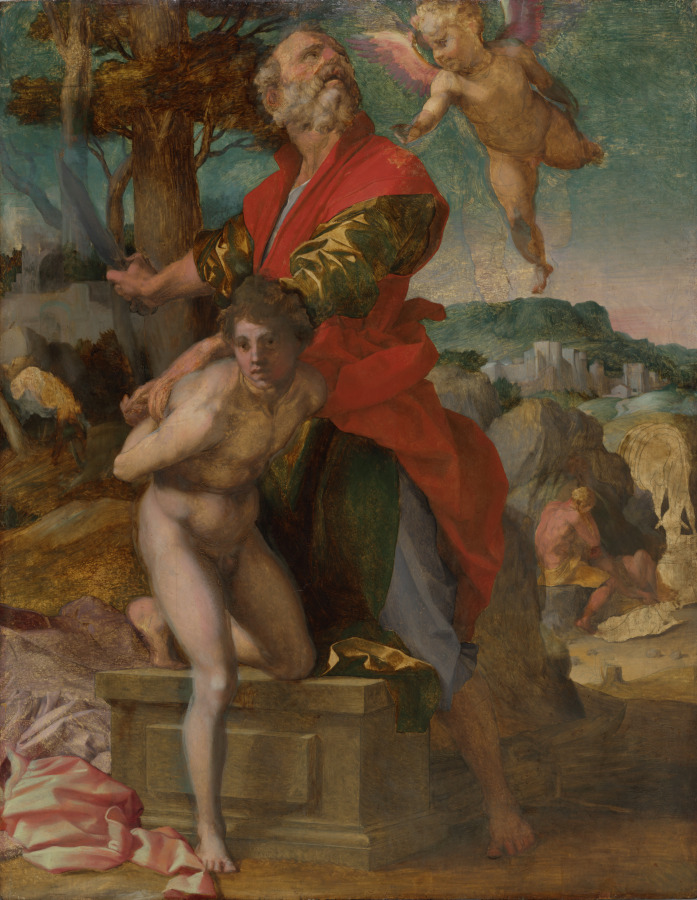
The Sacrifice of Isaac, Andrea del Sarto, c. 1527

The Sacrifice of Isaac

c. 1527 · Cleveland Museum of Art

Lucrezia di Lippo di Iacopo Guidi, Andrea del Sarto, 1525/28

Lucrezia di Lippo di Iacopo Guidi

1525/28 · Art Institute of Chicago

Sotto lo stesso tetto: Museo del Louvre

Pagina del museo
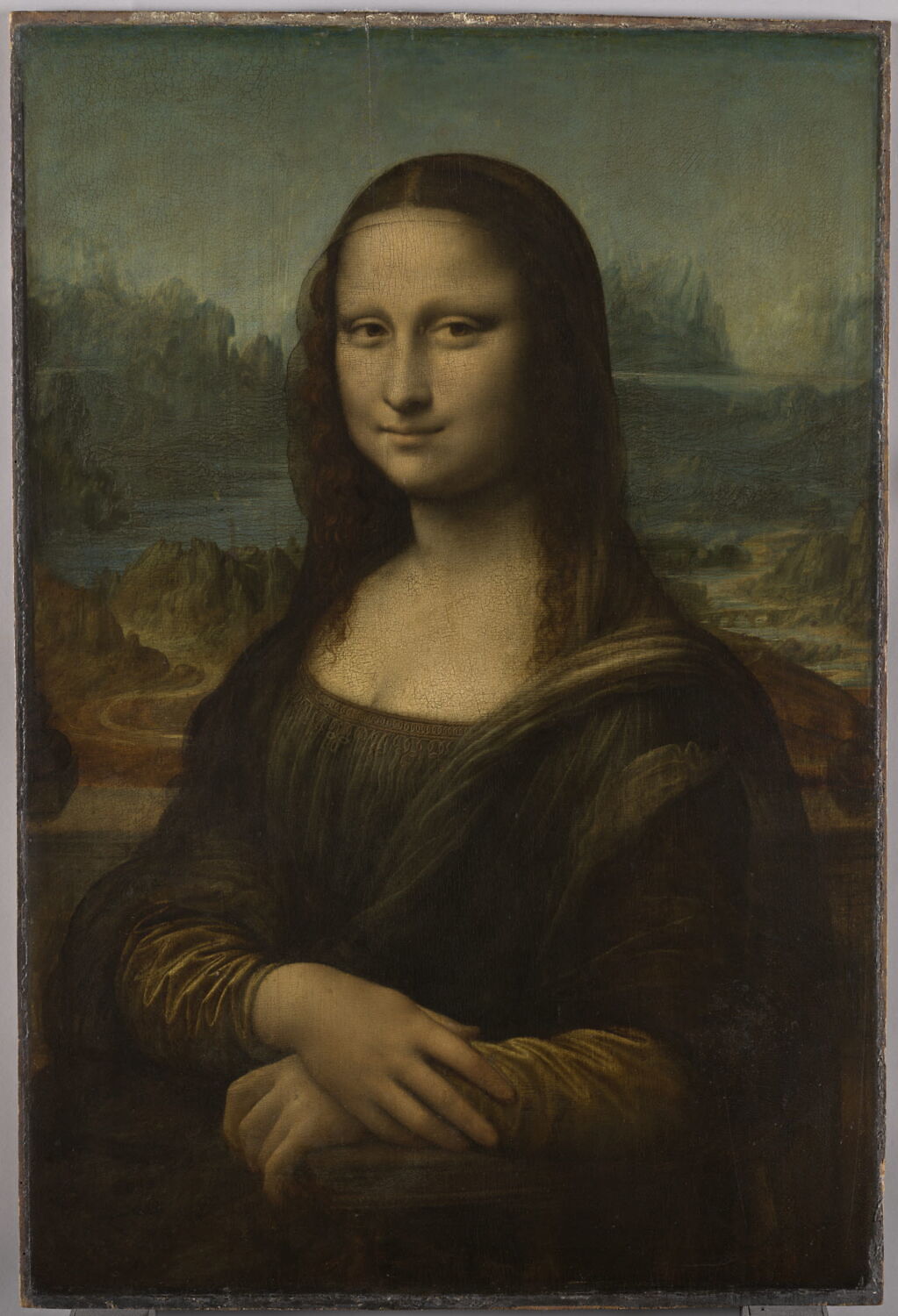
Portrait de Lisa Gherardini, épouse de Francesco del Giocondo, dit La Joconde ou Monna Lisa, Léonard de Vinci, 1e quart du XVIe siècle (1503 - 1519)

Leonardo da Vinci

La Gioconda, 1e quart du XVIe siècle (1503 - 1519)

Saint Jean Baptiste, Léonard de Vinci, 1e quart du XVIe siècle (vers 1517 - 1520)

Leonardo da Vinci

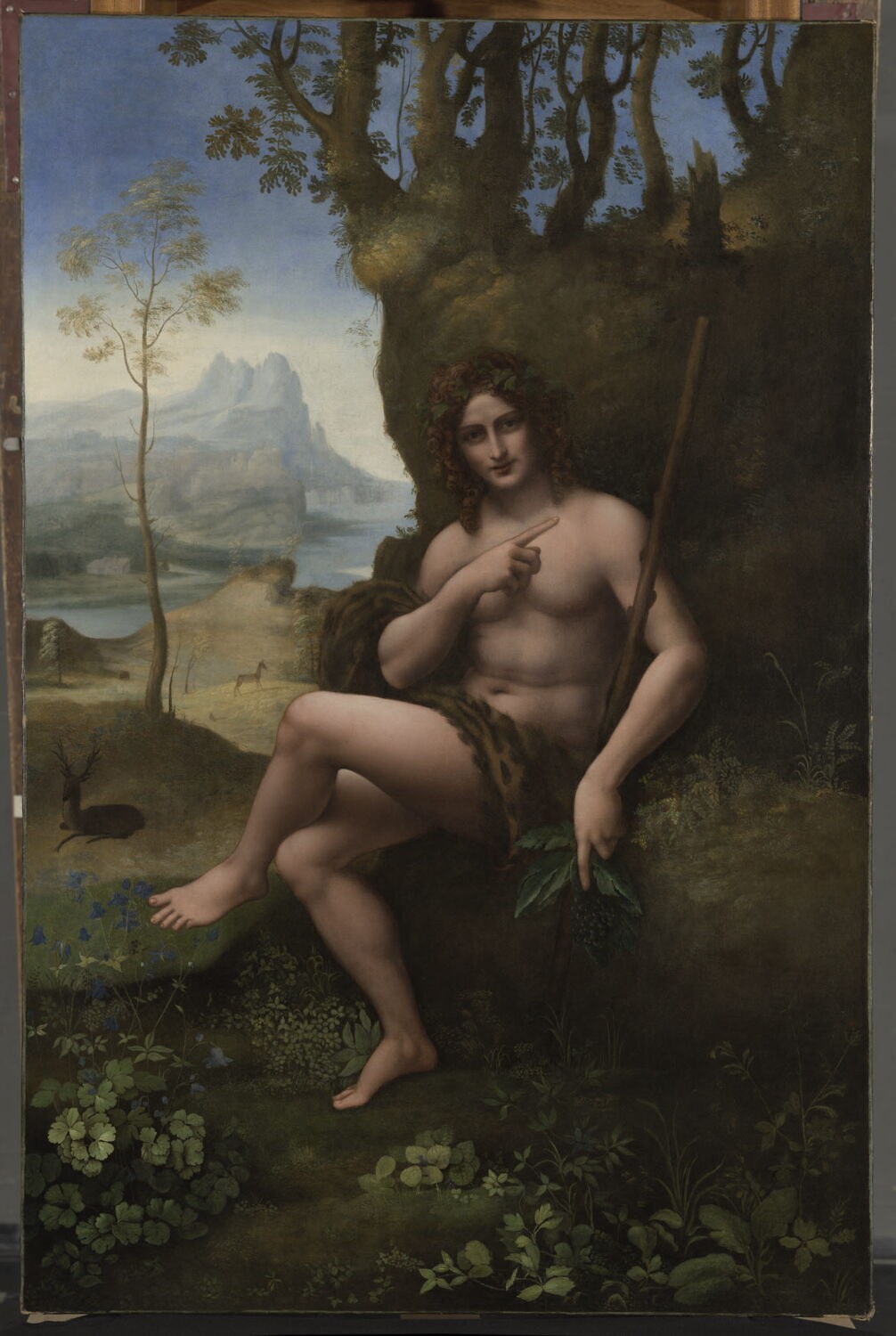
Bacco, 1e quart du XVIe siècle (vers 1517 - 1520)

Saint Jean Baptiste, Léonard de Vinci, 1e quart du XVIe siècle (vers 1508 - 1519)

Leonardo da Vinci

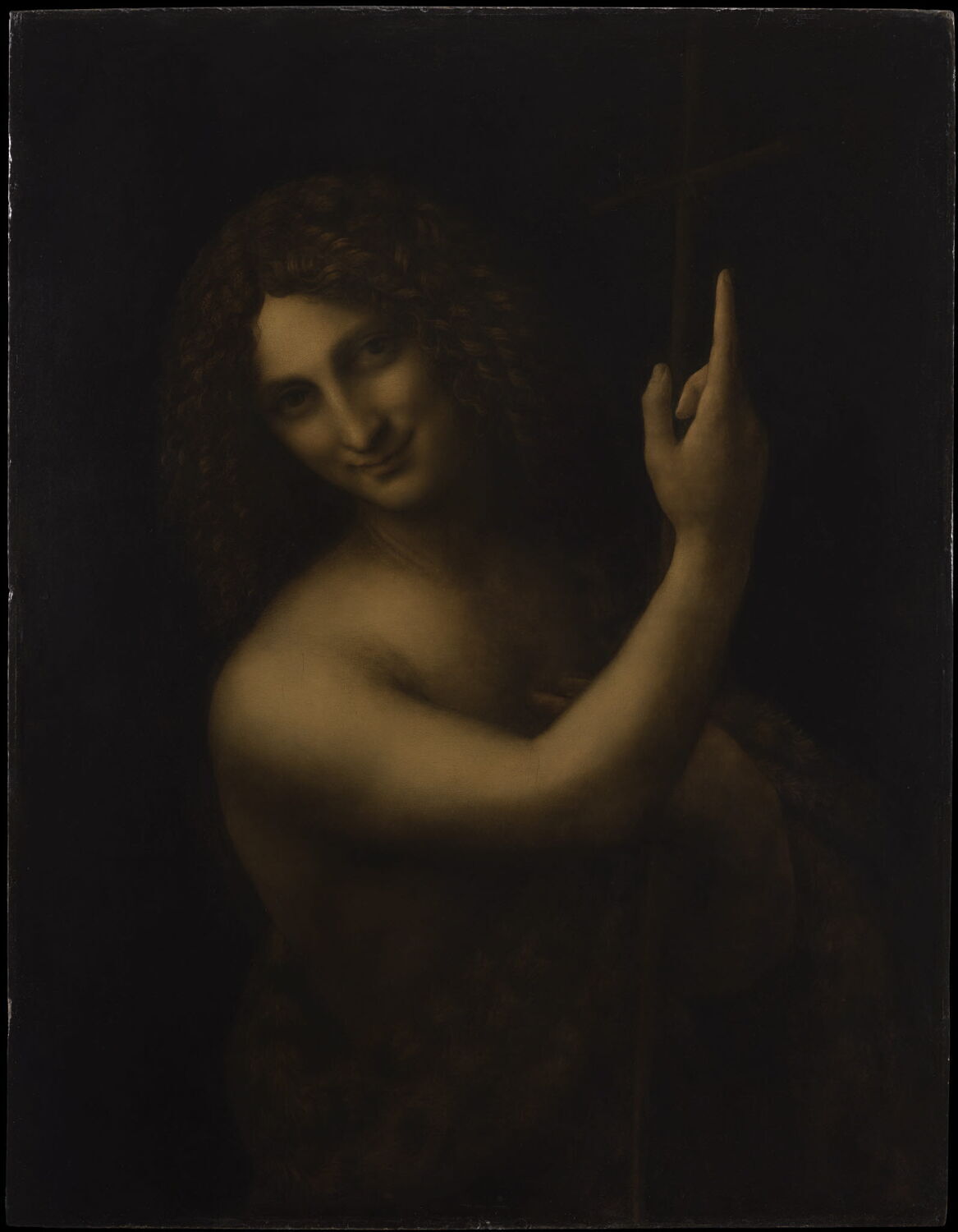
San Giovanni Battista, 1e quart du XVIe siècle (vers 1508 - 1519)

La Vierge et l'Enfant Jésus, dite Vierge au dévidoir ou Vierge aux fuseaux, Léonard de Vinci, XVIe siècle (vers 1505 - 1520)

Leonardo da Vinci

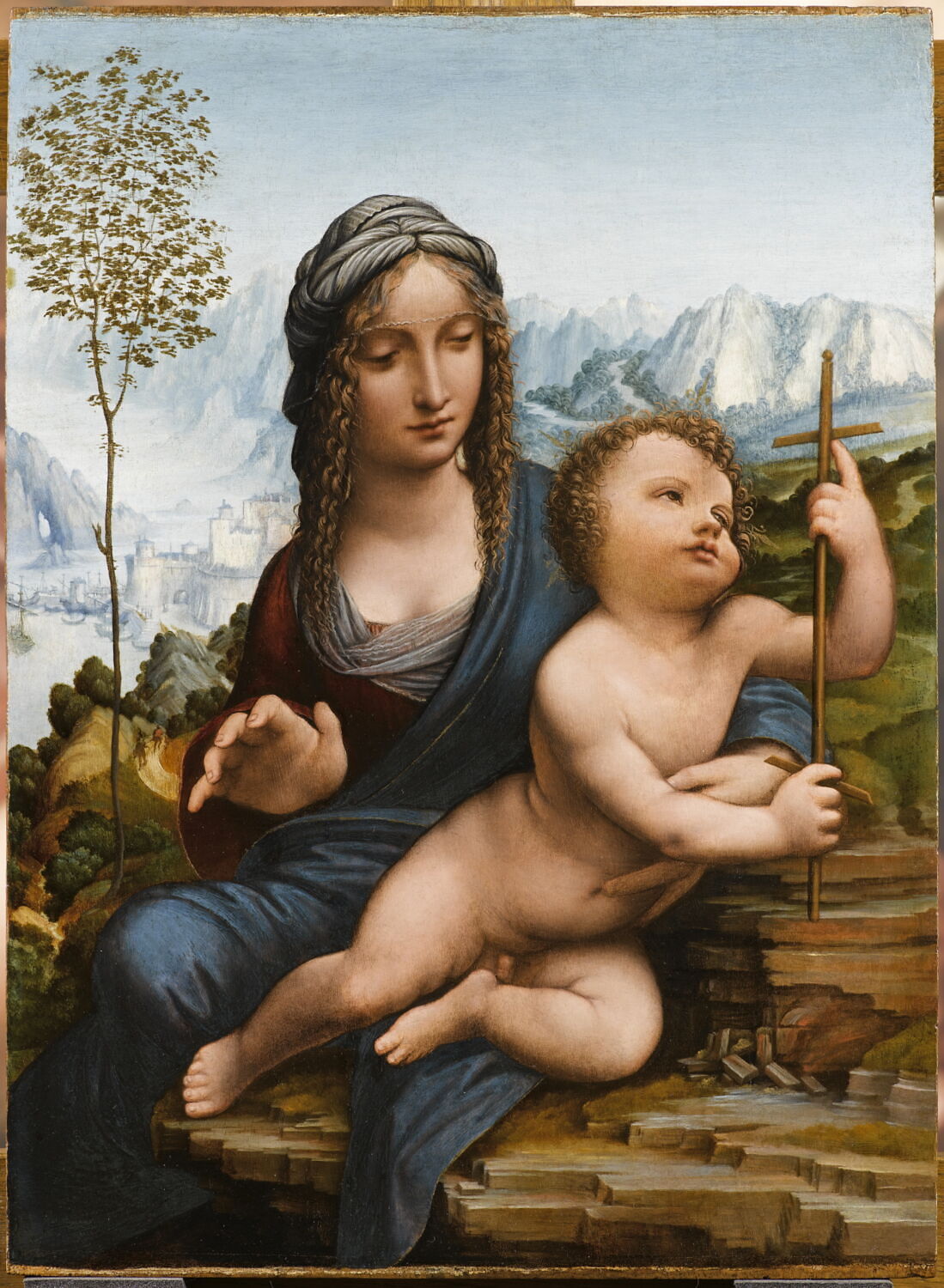
La Vierge et l'Enfant Jésus, dite Vierge au dévidoir ou Vierge aux fuseaux, XVIe siècle (vers 1505 - 1520)

La Vierge, l'Enfant Jésus et sainte Anne, dit La Sainte Anne, Léonard de Vinci, 1e quart du XVIe siècle (vers 1503 - 1519)

Leonardo da Vinci

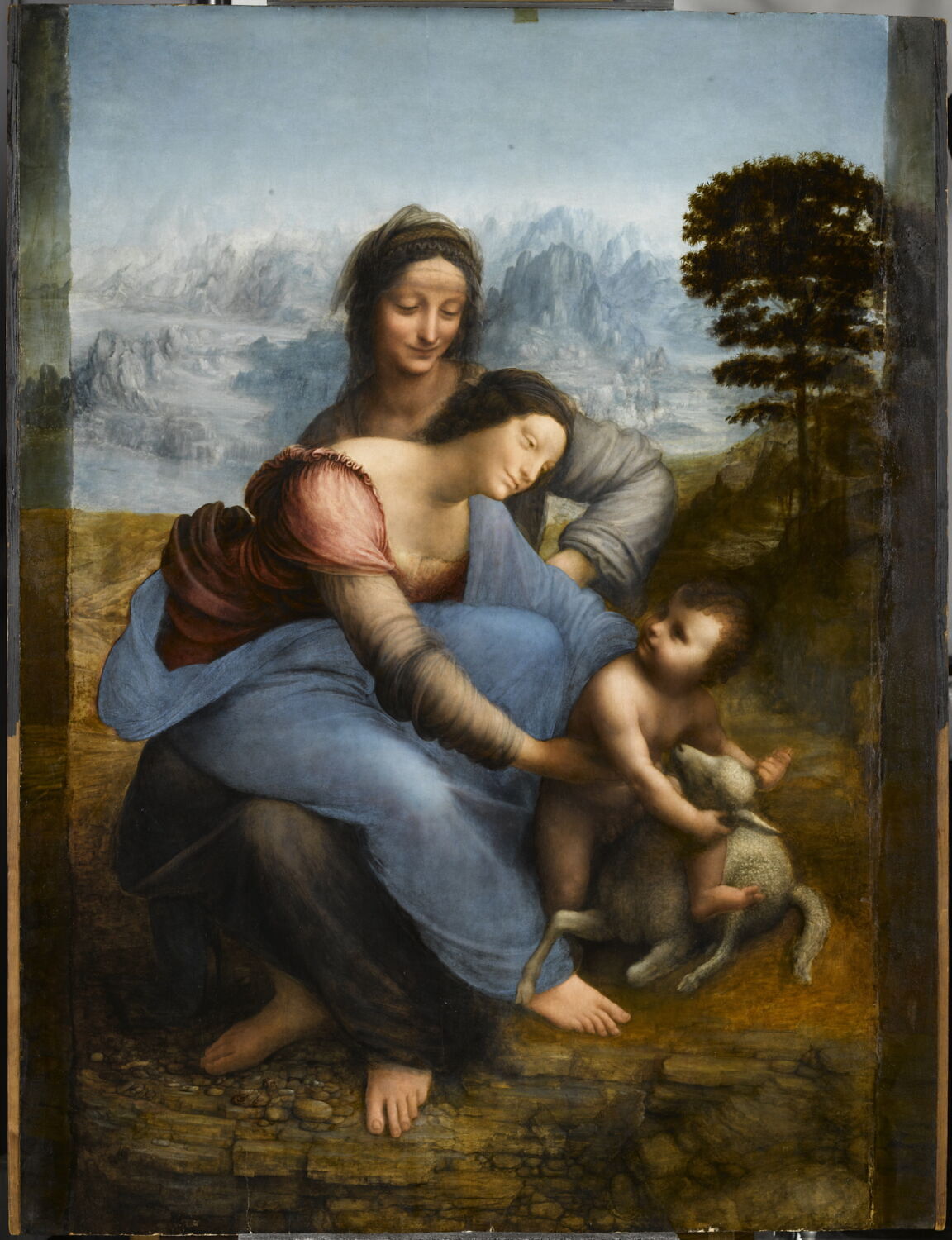
Sant'Anna, la Vergine e il Bambino con l'agnellino, 1e quart du XVIe siècle (vers 1503 - 1519)

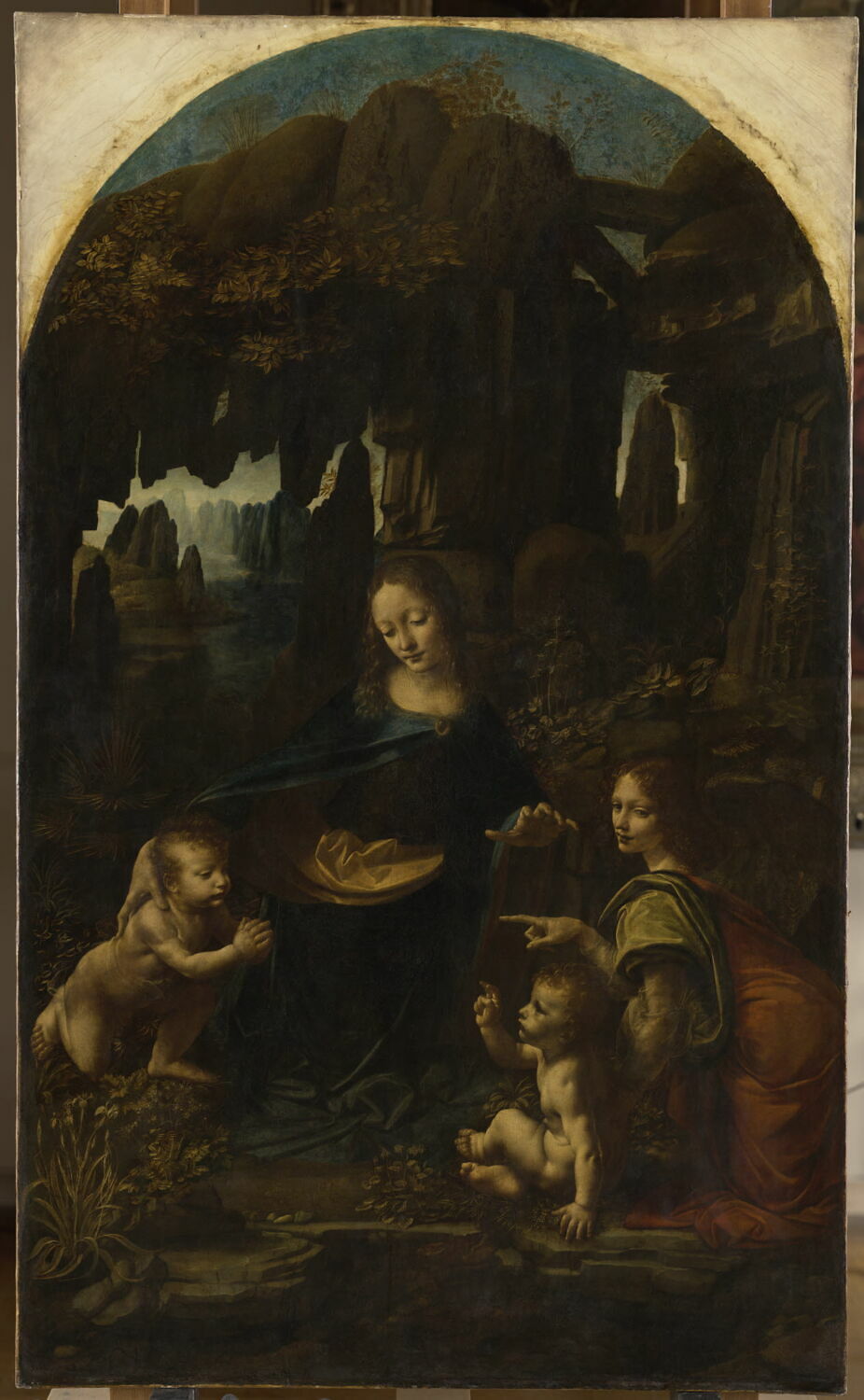
La Vierge, l'Enfant Jésus, saint Jean Baptiste et un ange, dit La Vierge aux rochers, Léonard de Vinci, 4e quart du XVe siècle (vers 1483 - 1494)

Leonardo da Vinci

La Vierge, l'Enfant Jésus, saint Jean Baptiste et un ange, dit La Vierge aux rochers, 4e quart du XVe siècle (vers 1483 - 1494)

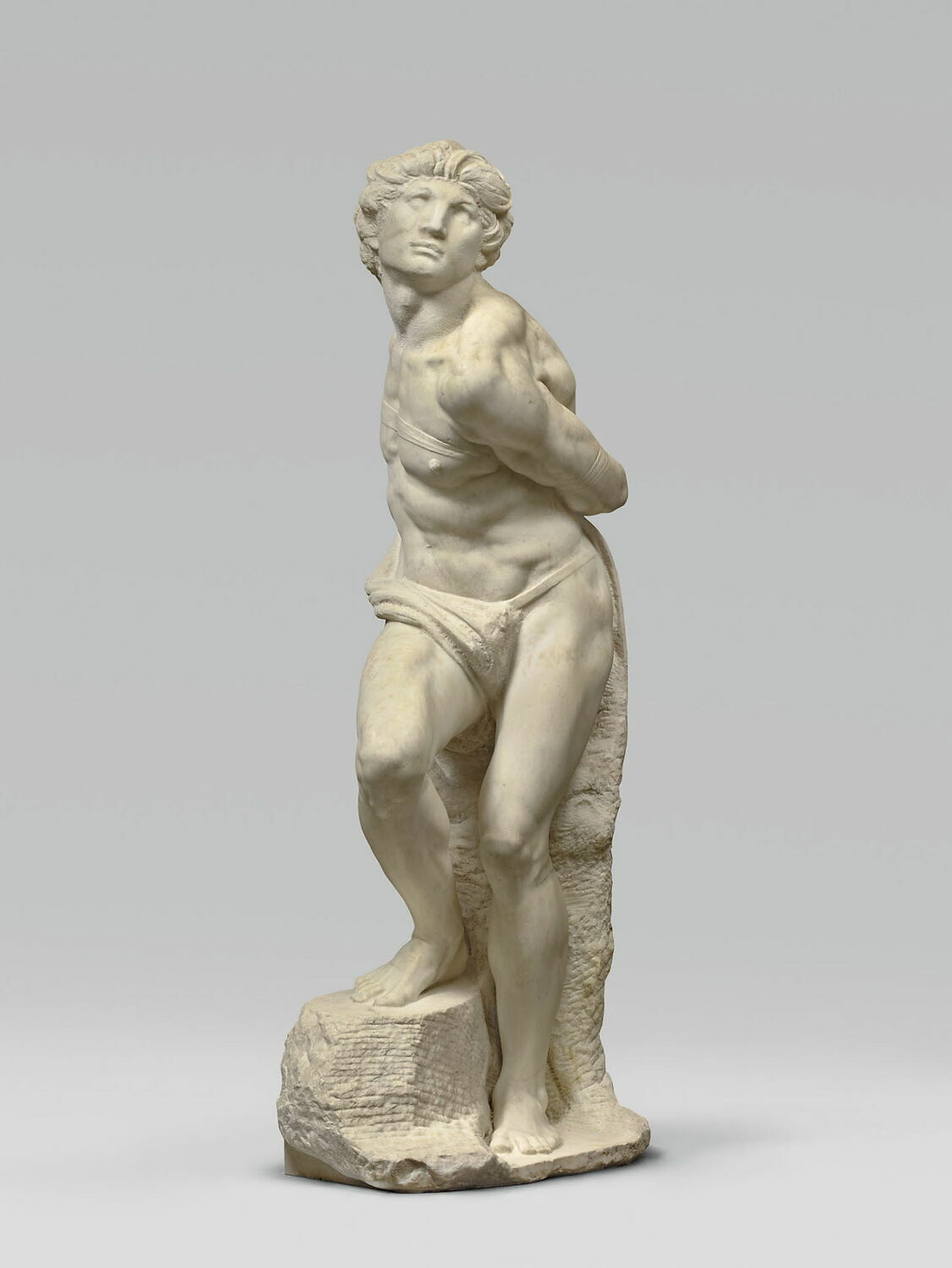
Esclave rebelle, Buonarroti, Michelangelo dit Michel-Ange, 1513 - 1515

Michelangelo

Schiavo ribelle, 1513 - 1515

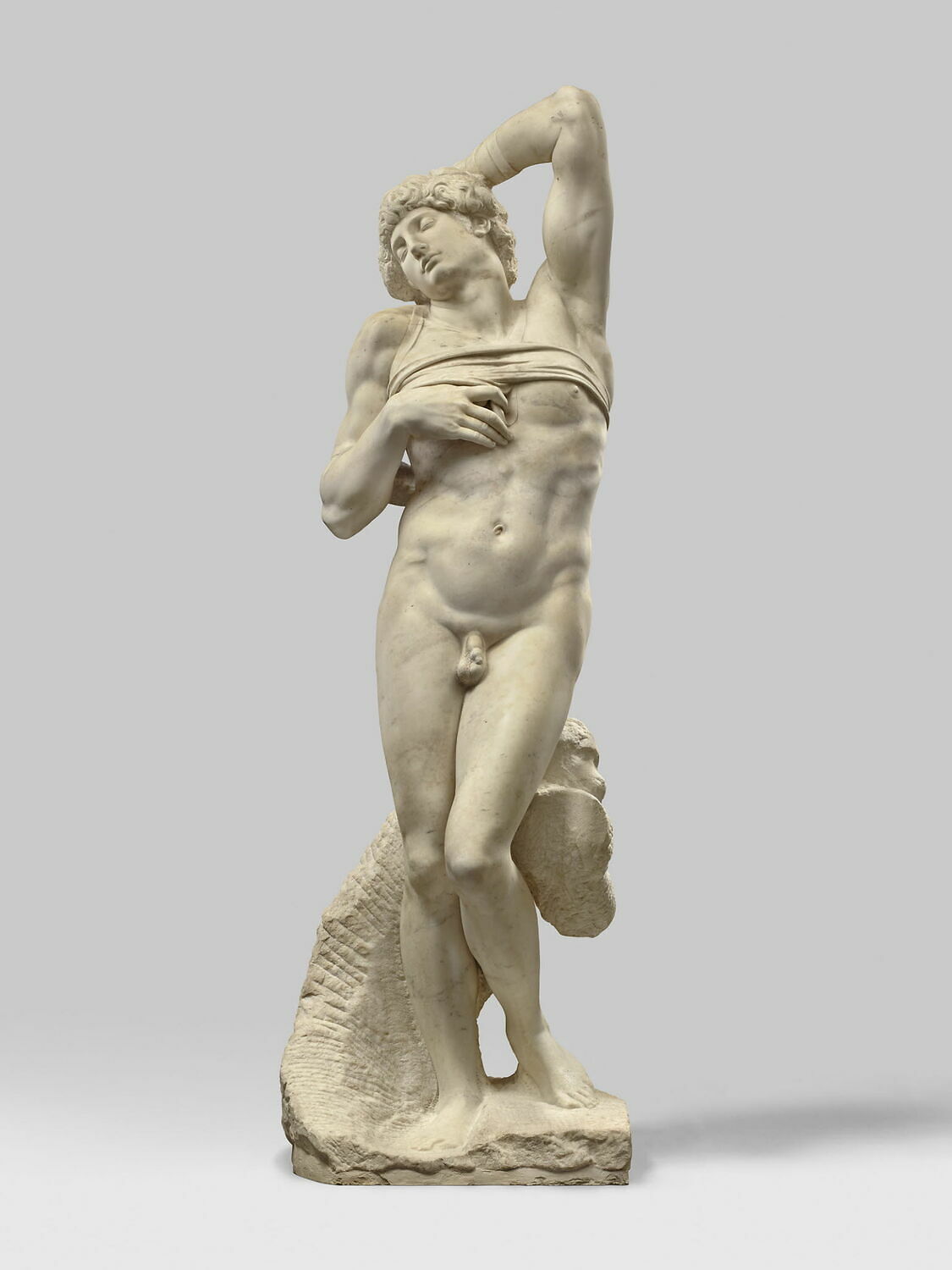
Esclave mourant, Buonarroti, Michelangelo dit Michel-Ange, 1513 - 1515

Michelangelo

Schiavo morente, 1513 - 1515