Arkhip KuindzhiUcraina, 1842–1910
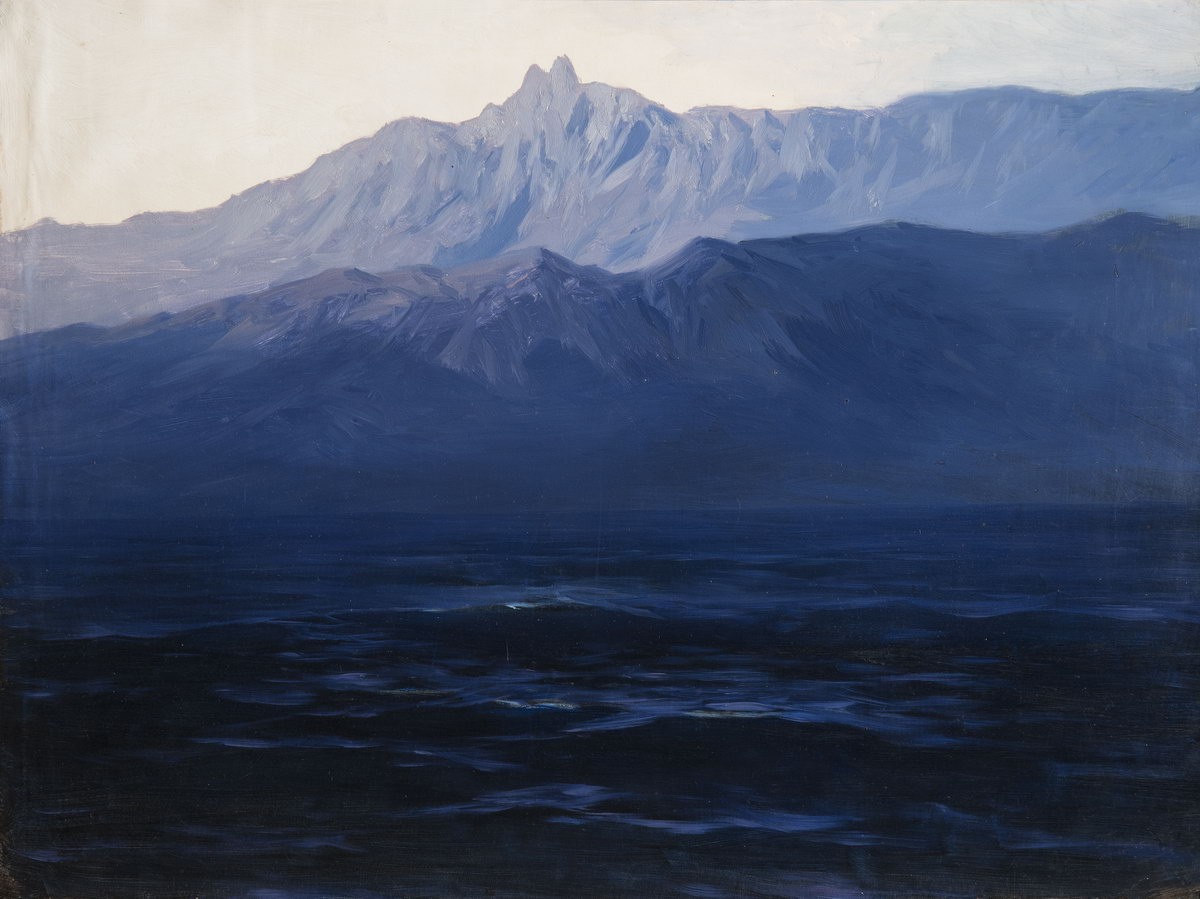
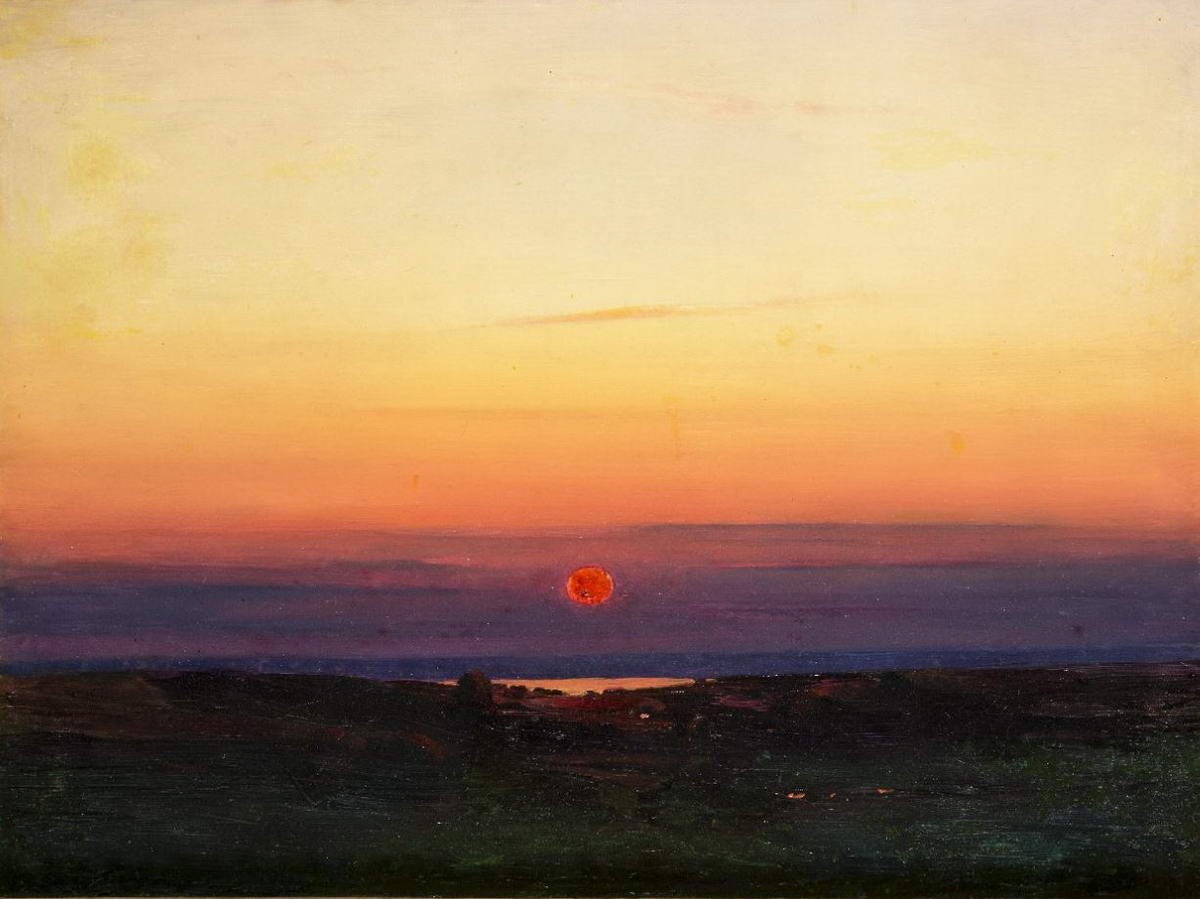
Крым. Море
Si può vedere?
Non si sa
Dove si trova «Крым. Море» oggi? Collezione: North Ossetian State Art Museum named after M. S. Tuganov, Vladikavkaz. Non si sa.
Vladikavkaz, Russia
Il proprietario è noto; non si sa se oggi sia esposta.
- Ultimo cambio di stato
- Fonte
- Il museo
Sul dipinto
Con le parole del museo — in russo
2/3 картины - небо, покрытое свинцовыми тучами. На горизонте - розовая полоса восходящего солнца. Темно-синее море.
North Ossetian State Art Museum named after M. S. Tuganov
Scheda
In catalogo
Fonti
- Il Catalogo statale del fondo museale della Russia
- Immagine: North Ossetian State Art Museum named after M. S. Tuganov — © Северо-Осетинский государственный художественный музей им. М. С. Туганова · Госкаталог музейного фонда РФ
Nella vita di Arkhip Kuindzhi
Tutta la vita27 gennaio 1841
Born
summer 1855
To Feodosia, to Aivazovsky
The grain merchant Amoretti (in another version, A. L. Durante) noticed Arkhip’s drawings and advised him to go to the Crimea to see Aivazovsky. In summer 1855 Kuindzhi came to Feodosia and, at the marine painter’s estate near the village of Sheikh-Mamai, ground paints and painted a fence; on his return Aivazovsky said he could not teach him personally and advised Odessa or the St Petersburg Academy.
1865
Moves to St Petersburg and fails twice to enter the Academy
In 1865 Kuindzhi decided to enter the Academy of Arts and left for St Petersburg, but his first two attempts failed.
15 September 1868
Awarded the title of free artist
On 15 September 1868 the Council of the Academy of Arts awarded Kuindzhi the title of free artist. Only after a petition to the Council was he allowed to sit the examinations in the main and special subjects needed for a diploma.
late 1879
The break with the Peredvizhniki
By the end of 1879 Kuindzhi broke with the Peredvizhniki for good: an anonymous newspaper article sharply criticised both his work and the Society, and its author turned out to be Klodt. Kuindzhi demanded Klodt’s expulsion but, realising that Klodt, an Academy professor, would not be expelled, announced his own withdrawal despite attempts to persuade him to stay; many scholars consider the story only a pretext for a break that had long been brewing.
1882
The last exhibition before the silence
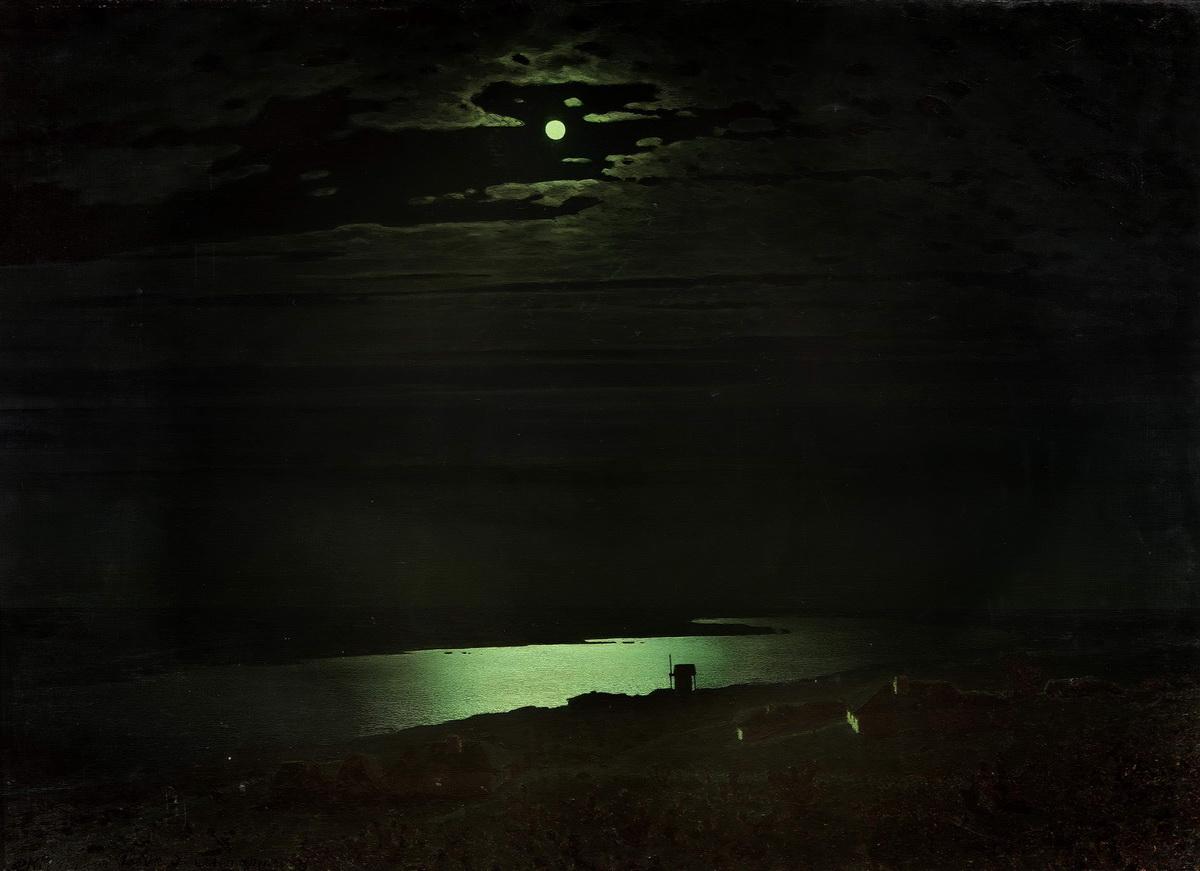
In June 1882, in the Solodovnikov Passage on Kuznetsky Most, Kuindzhi staged an exhibition of two paintings, “The Birch Grove” and “Moonlit Night on the Dnieper”. After it he “fell silent” for twenty years, shutting himself up in his studio and showing his work to no one.