Ensor, JamesBelgio, 1860–1949
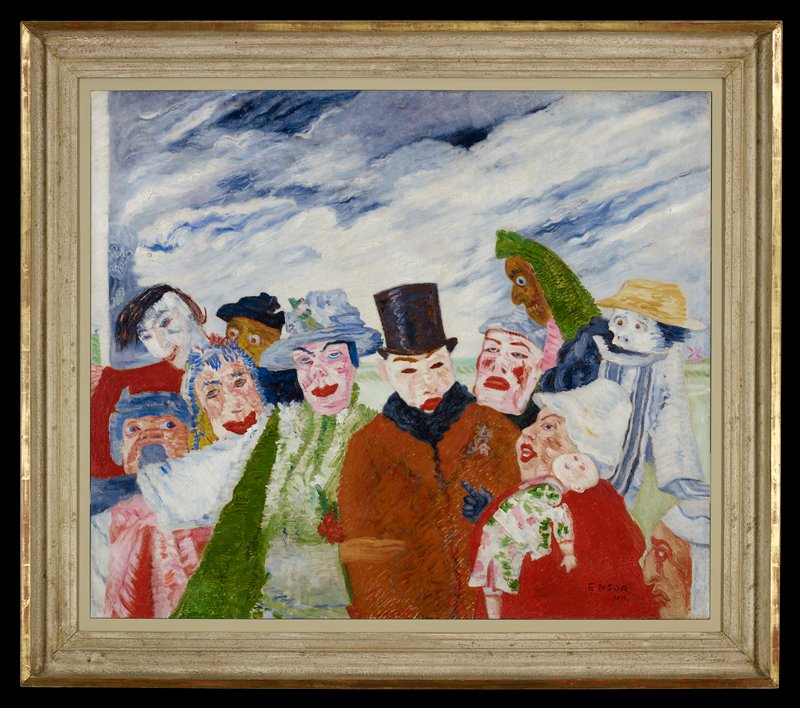
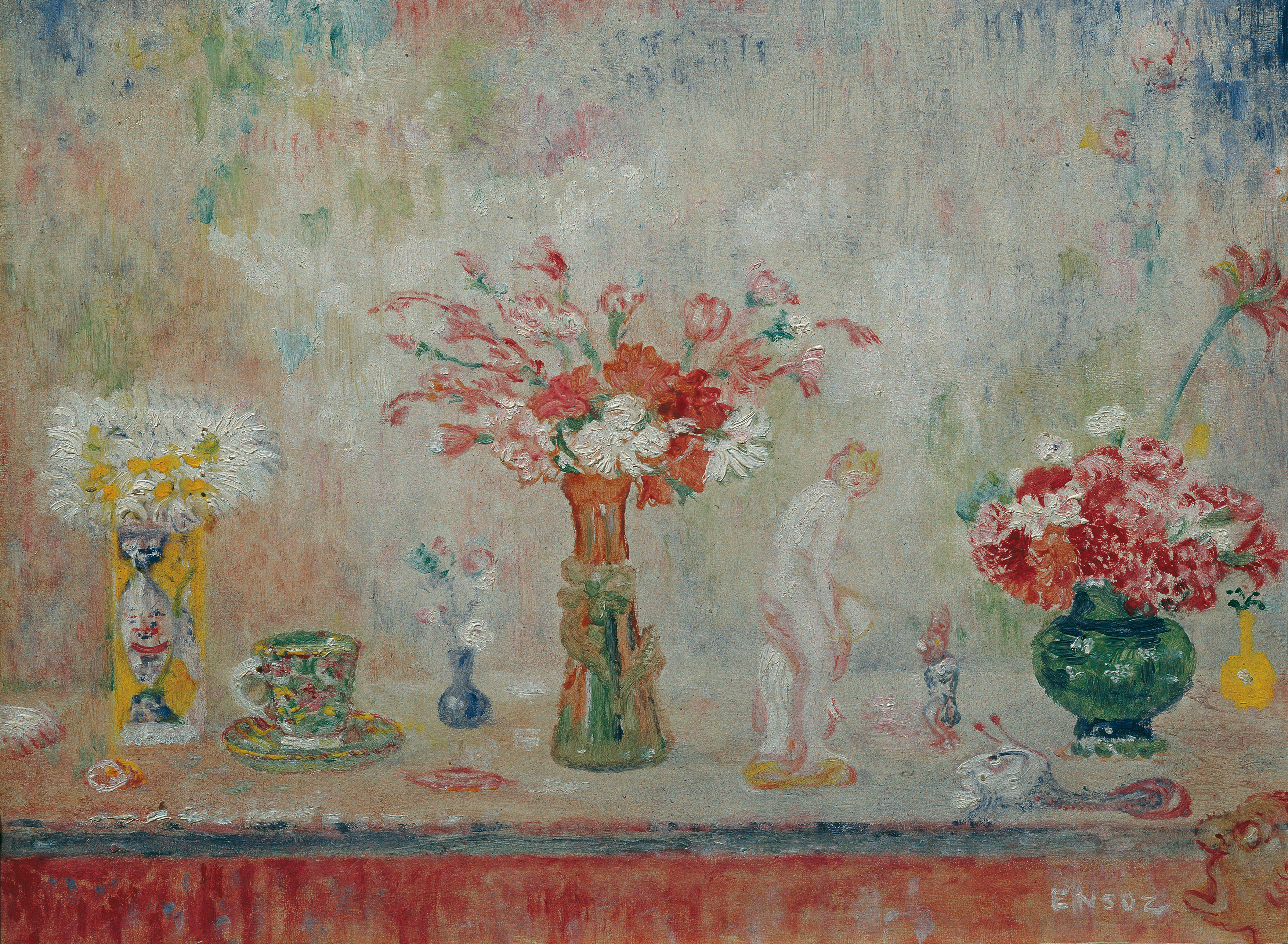
Kermis bij een molen
Si può ammirare?
Non si sa

Amsterdam, Paesi Bassi
Il proprietario è noto; non si sa se oggi sia esposta.
- Fonte
- Il museo
Sull’opera
Con le parole del museo — in olandese
Bij de molen in het landschap dansen en feesten mensen.
Rijksmuseum
Scheda
- Numero di inventario
- RP-P-1991-40
Che cosa raffigura
In catalogo
Fonti
- Rijksmuseum
- Immagine: Rijksmuseum — public domain
Nel frattempo, nella vita di Ensor, James
Tutta la vita1860–1949 · Luogo di lavoro
Ostend
1880s
Brief trips to France and the Netherlands
Ensor travelled very little: in the 1880s, just three brief trips to France and two to the Netherlands.
1883–1893 · Affiliazione
Les XX
1887
Death of his father
His father, James Frederic Ensor, died — a scion of a wealthy English family who never found his footing in Belgium, mocked by small-town Ostend as a drunkard and failure, yet always supportive of his son's passion for art. Left the only man in the family, James felt a special responsibility for his younger sister Mariette (Mitche).
1888–1892
Turning-point years: the Passion of Christ
Ensor turned to religious themes, most often the torments of Christ, expressing through them his disgust at the inhumanity of the world; an atheist, he identified with Christ as a victim of mockery. At the height of his creative powers, between 1886 and 1891, he made 86 of his 133 etchings.