 Diego VelázquezSpagna, 1599–1660
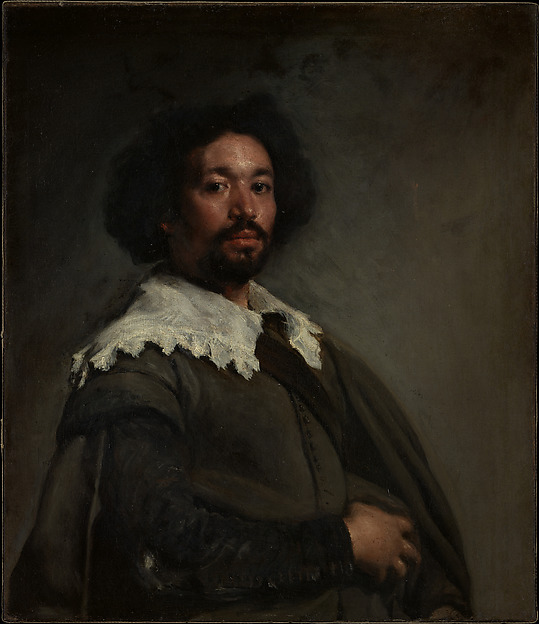
Ritratto di Juan de Pareja
Juan de Pareja (ca. 1608–1670)
Si può vedere?
Sì, esposta ora
Dove si trova «Ritratto di Juan de Pareja» oggi? Metropolitan Museum of Art, Sala 625, New York. Sì, esposta ora. Verificato 29 settembre 2026.

New York, Stati Uniti
Chiuso· apre domani alle 10:00
Esposta al pubblico.
- Verificato
- Ultimo cambio di stato
- Fonte
- Il museo
Sul dipinto
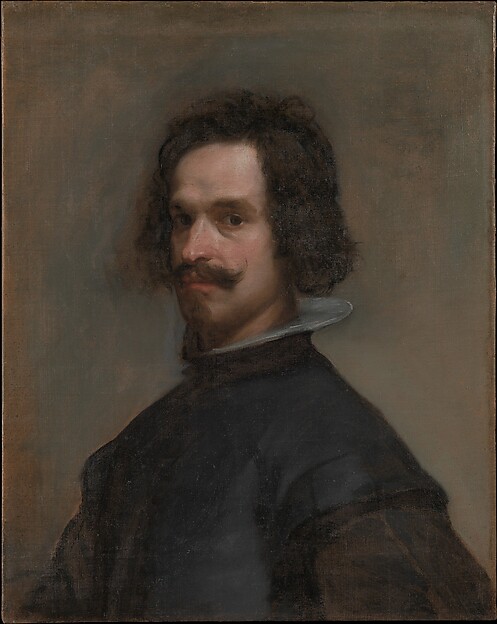
Il ritratto di Juan de Pareja è un dipinto realizzato dall'artista spagnolo Diego Velázquez, raffigurante il servo Juan de Pareja - anch'egli noto pittore - che apparteneva al Velázquez al momento della realizzazione della tela. Velázquez realizzò il ritratto a Roma, durante il suo secondo viaggio in Italia, nel 1650. Si tratta del più antico ritratto a noi noto avente come soggetto un uomo spagnolo di origini africane.
È stato il primo dipinto ad essere venduto per una cifra superiore al milione di sterline. All'epoca del suo acquisto nel 1970 da parte del Metropolitan Museum of Art, dove tuttora è esposto, fu considerata "una delle più importanti acquisizioni della storia del museo".
Scheda
- Numero di inventario
- 1971.86
Che cosa raffigura
In catalogo
Fonti
- Metropolitan Museum of Art
- Immagine: Metropolitan Museum of Art — Open Access (CC0)
Nella vita di Diego Velázquez
Tutta la vita1622–1660 · Luogo di lavoro
Madrid
1649
Second journey to Italy, buying art for the king
The king charged Velázquez with buying paintings and sculpture in Italy for the royal collection. With his assistant Juan de Pareja, at that time still a slave, he sailed from Málaga to Genoa and, travelling via Milan to Venice, bought works by Titian, Tintoretto and Veronese; in Modena the duke received him with much favour.
1649–1651
Travel: Italy
1650
Frees Juan de Pareja
Velázquez freed from slavery his assistant Juan de Pareja, whom he had himself trained in painting.
25 May 1651
Return to Madrid: the late period begins
Hurried home by the king, Velázquez left Italy; art historians date the start of his late period to his return to Madrid that June.
1652
Appointed aposentador mayor of the palace
The king chose Velázquez for the high office of aposentador mayor, responsible for the quarters occupied by the court. The demanding post took time from his art, yet his works of these years are among the summits of his style.