
 Yayoi KusamaGiappone, 1929–2026
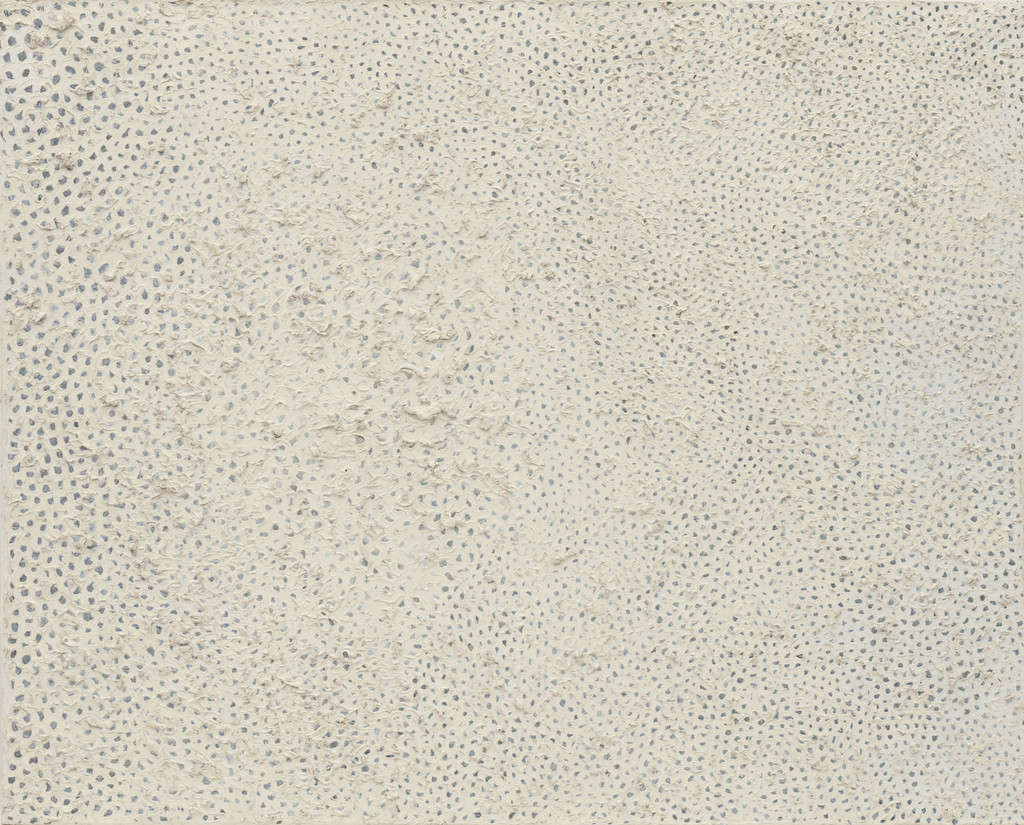
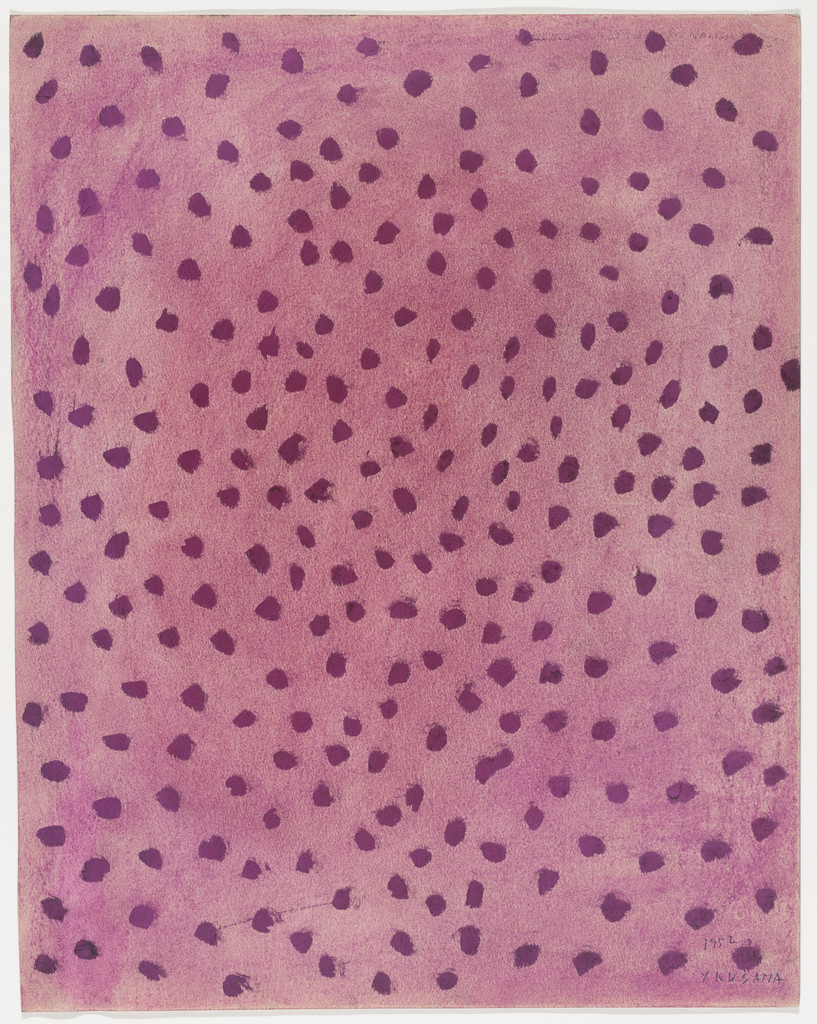
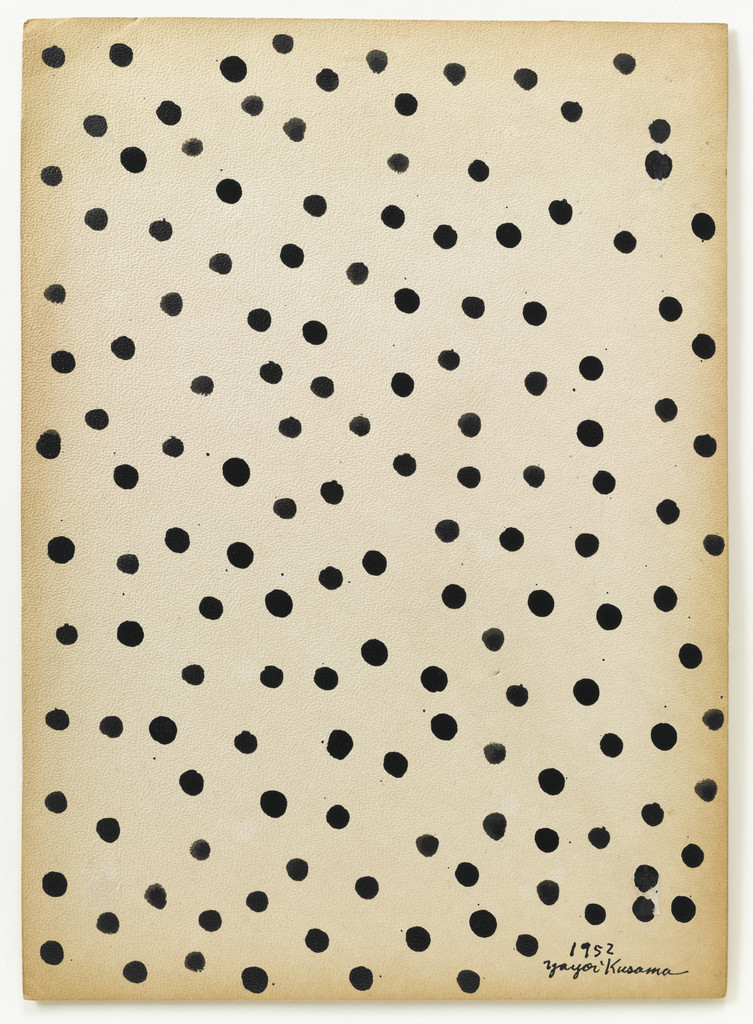
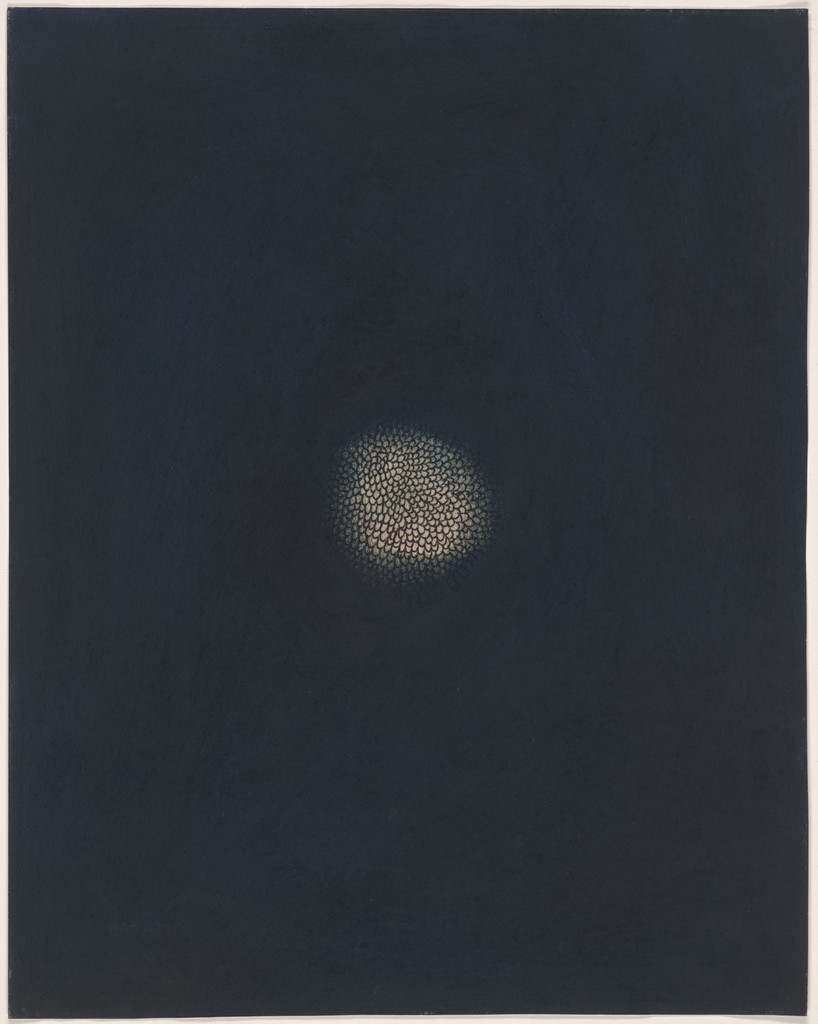
Infinity Nets Yellow
Si può ammirare?
Sì, riceve visite

Esposta al pubblico. Chi lo garantisce è indicato qui sotto.
- Verificato
- 6 ore fa
- Ultimo cambio di stato
- 19 ago 2026
- Fonte
- I dati di collezione del museo stesso
Scheda
- Numero di inventario
- 2002.37.1
What it shows
In catalogo
Fonti
- National Gallery of Art: the museum's own open data · acquisita 6 giorni fa
- Immagine: National Gallery of Art — © the artist or rights holder
Nel frattempo, nella vita di Yayoi Kusama
Tutta la vita1950s
Letters to Georgia O’Keeffe decide her fate
The chief artistic impression of Kusama’s youth was a book of reproductions of Georgia O’Keeffe’s paintings; she tracked down the artist’s address and wrote to her, a correspondence began, and as a result Yayoi decided to leave for the United States. As she recalled, her mother threw an envelope with a million yen in her face, telling her never to cross the threshold of the house again.
1958
New York: an apartment without heating
A year later, following O’Keeffe’s advice, Kusama came to New York, where it was almost impossible for a woman, and an Asian one at that, to break through: she rented an unheated apartment, could barely afford paint and in the cold sometimes got up at night to draw so as not to freeze. Once she carried a painting taller than herself through forty blocks of Manhattan, offering it to the Whitney Museum, and was turned down.
1959
First solo exhibition in New York
In 1959 Kusama held her first solo exhibition in New York at the Brata Gallery, an artists’ co-op, showing a series of white net paintings; Donald Judd reviewed them enthusiastically, and he and Frank Stella each acquired a painting.
1959–1972
A passionate platonic bond with Joseph Cornell
In New York Kusama had a brief relationship with Judd and then a passionate but platonic one with Joseph Cornell, twenty-six years her senior: they phoned each other daily, sketched each other, and he sent her personalised collages. The bond lasted until Cornell’s death in 1972.
1960–1975
Travel: United States
1962
The only woman in the “Nul” exhibition
In 1962 Kusama was the only woman among the participants of the international group exhibition “Nul” (“Zero”) at the Stedelijk Museum in Amsterdam, alongside Lucio Fontana and Otto Piene.

![Ginevra de' Benci [obverse], Leonardo da Vinci, c. 1474/1478](https://api.nga.gov/iiif/8f29e3c9-a289-4d53-abf0-31a66e9e98fa/full/!2400,2400/0/default.jpg)
![Wreath of Laurel, Palm, and Juniper with a Scroll inscribed Virtutem Forma Decorat [reverse], Leonardo da Vinci, c. 1474/1478](https://api.nga.gov/iiif/ff62e8d0-45c4-498f-ad36-6358de827e04/full/!2400,2400/0/default.jpg)


