ART WIKI33.040 in sala
MappaCollezioneArtistiMuseiMostreRivista
Accedi

ART WIKI

Dove è appeso il capolavoro, e quando si può entrare.

Collezioni: Art Institute of Chicago, Cleveland Museum of Art, Ermitage, Galleria Tret'jakov, Getty Museum, Harvard Art Museums, Hirshhorn Museum and Sculpture Garden, Metropolitan Museum of Art, Minneapolis Institute of Art, Museo del Louvre, Museo Puškin delle belle arti, Museo russo, Museum of Modern Art, National Gallery of Art, National Museum of Asian Art, National Portrait Gallery, Rijksmuseum, Smithsonian American Art Museum, Statens Museum for Kunst, Victoria and Albert Museum, Villa Getty, Whitney Museum of American Art, Catalogo statale del fondo museale russo (274 musei), Europeana (19 musei), Wikidata (6 musei), Paris Musées (12 musei) e Joconde, la banca dati dei musei del Ministero della Cultura francese (495 musei). Le immagini appartengono ai titolari dei diritti.

Sezioni

  • Mappa
  • Ricerca
  • Collezione
  • Capolavori
  • Esposte ora
  • Artisti

Altro

  • Musei e gallerie
  • Mostre
  • Rivista
  • Da dove vengono i dati
  • Privacy e cookie
HomeMappaCatalogo
  1. Collezione/
  2. Victoria and Albert Museum/
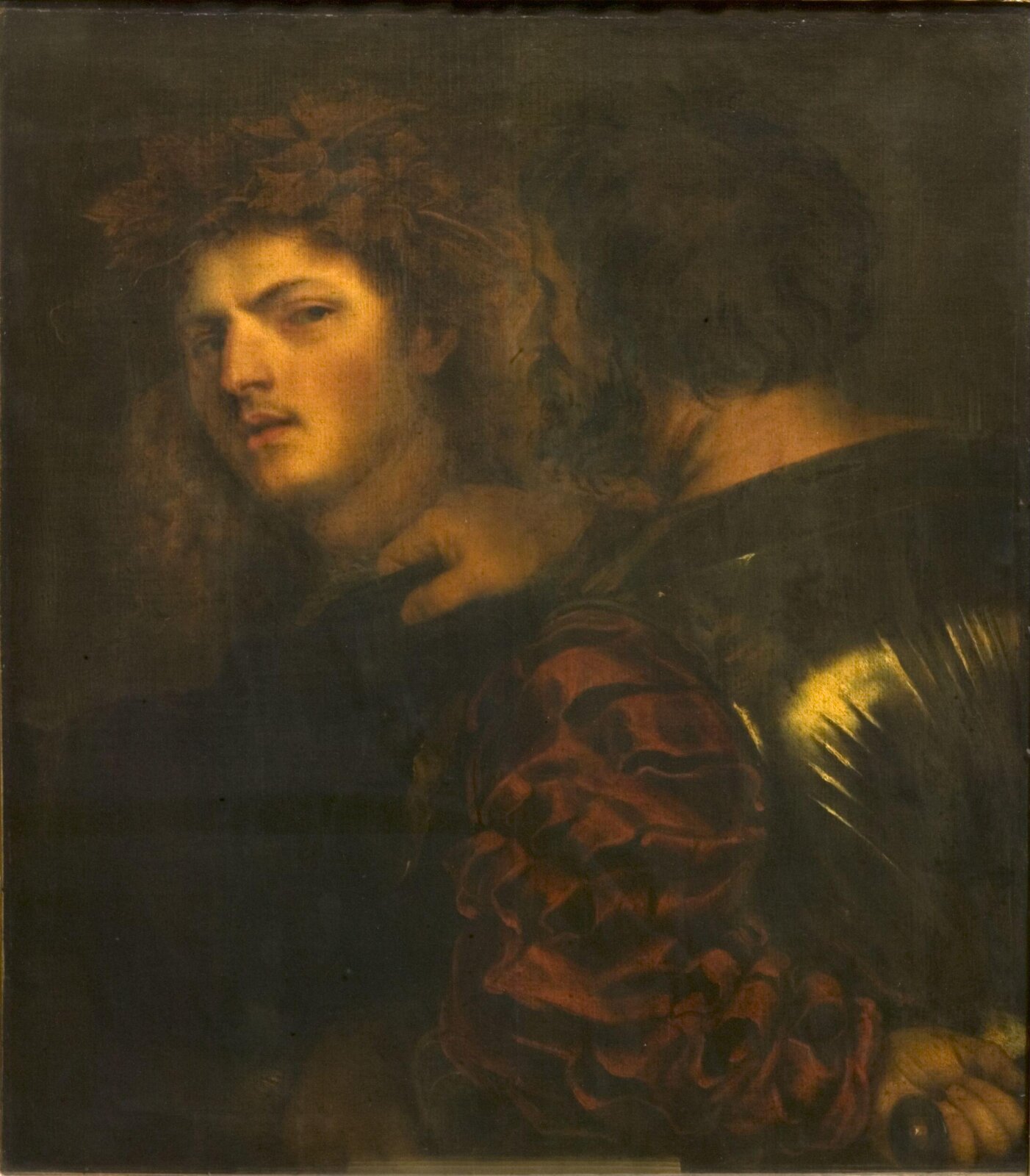
  3. <i>Il Bravo</i>
<i>Il Bravo</i>, after Titian, 16th century
Aafter TitianItalia

<i>Il Bravo</i>

16th century · Oil painting · 58.3 × 73.6 cm

Sul dipinto

Titian (c. ?1485–90-1576) was a Venetian painter, draughtsman and printmaker and treated all manners of subjects from religious subjects to portraits and allegories and scenes from Classical mythology and history. His work marks the transition from the 15th-century tradition characterised by meticulous finish and the use of bright local colours to the 16th century interest in a broader technique, with less defined outlines and more congruous colouring. Although based in Venice, Titian received commissions for royal and noble patrons outside Venice and Italy, notably for Philip II of Spain and his works had a formative influence on major European painters of the 17th century, including Rubens and Velázquez.

Continua a leggere

CAI.97 appears to be a 16th century copy of Titian's painting of ca. 1521-23 in the Kunsthistorisches Museum, Vienna of roughly the same dimensions. The Vienna picture is recorded as in the home of Zuan Antonio Venier in Venice in 1528 and in the collection of Bartolomeo della Nave in the same city by 1648, suggesting that the V&A copy was painted there around this time. However, the V&A picture lacks the luminescent colouring, skilled handling of light and the same attention to detail visible in Titian's original. There are also some differences in the facial expression of the youth.

The subject represented is still debated, with scholars divided as to whether it depicts an episode from Plutarch's Life of Marius in which Caius Lucius attacks Trebonius or a subject derived from Euripides' Bacchae and Ovid's Metamorphoses,: Bacchus' arrest by Pentheus, the king of Thebes, who opposed the spread of his cult. The identification of the scene with Bacchus is supported by the crown of vine leaves worn by the young man and his mane of blond hair, also visible in Titian's representation of the god in the Bacchus and Ariadne (London, National Gallery, NG35). Several other copies of the Vienna picture are known.

Victoria and Albert Museum

Scheda

Numero di inventario
CAI.97

Altre opere di after Titian

Tutte le opere

Sotto lo stesso tetto: Victoria and Albert Museum

Pagina del museo

Sullo stesso tema · Daggers (weapons)

Tutte le opere sul tema

Si può ammirare?

Al momento non riceve

Victoria and Albert Museum

Londra, Regno Unito

Appartiene alla collezione, ma al momento non è esposta.

Verificato
13 giorni fa
Ultimo cambio di stato
25 set 2026
Fonte
Il museo
Sulla mappaPagina del museo

Che cosa raffigura

Daggers (weapons)IvyWreathBody armour

In catalogo

DipintiOlioPittura italianaRinascimentoXVI secoloPittura veneta

Fonti

  • Victoria and Albert Museum
  • Immagine: Victoria and Albert Museum — © Victoria and Albert Museum, London
The Submersion of Pharaoh's Army in the Red Sea (block k), After Titian, c. 1514-c. 1515

The Submersion of Pharaoh's Army in the Red Sea (block k)

c. 1514-c. 1515 · Non esposta · Harvard Art Museums

The Submersion of Pharaoh's Army in the Red Sea, After Titian, c. 1514-1515

The Submersion of Pharaoh's Army in the Red Sea

c. 1514-1515 · Non esposta · Harvard Art Museums

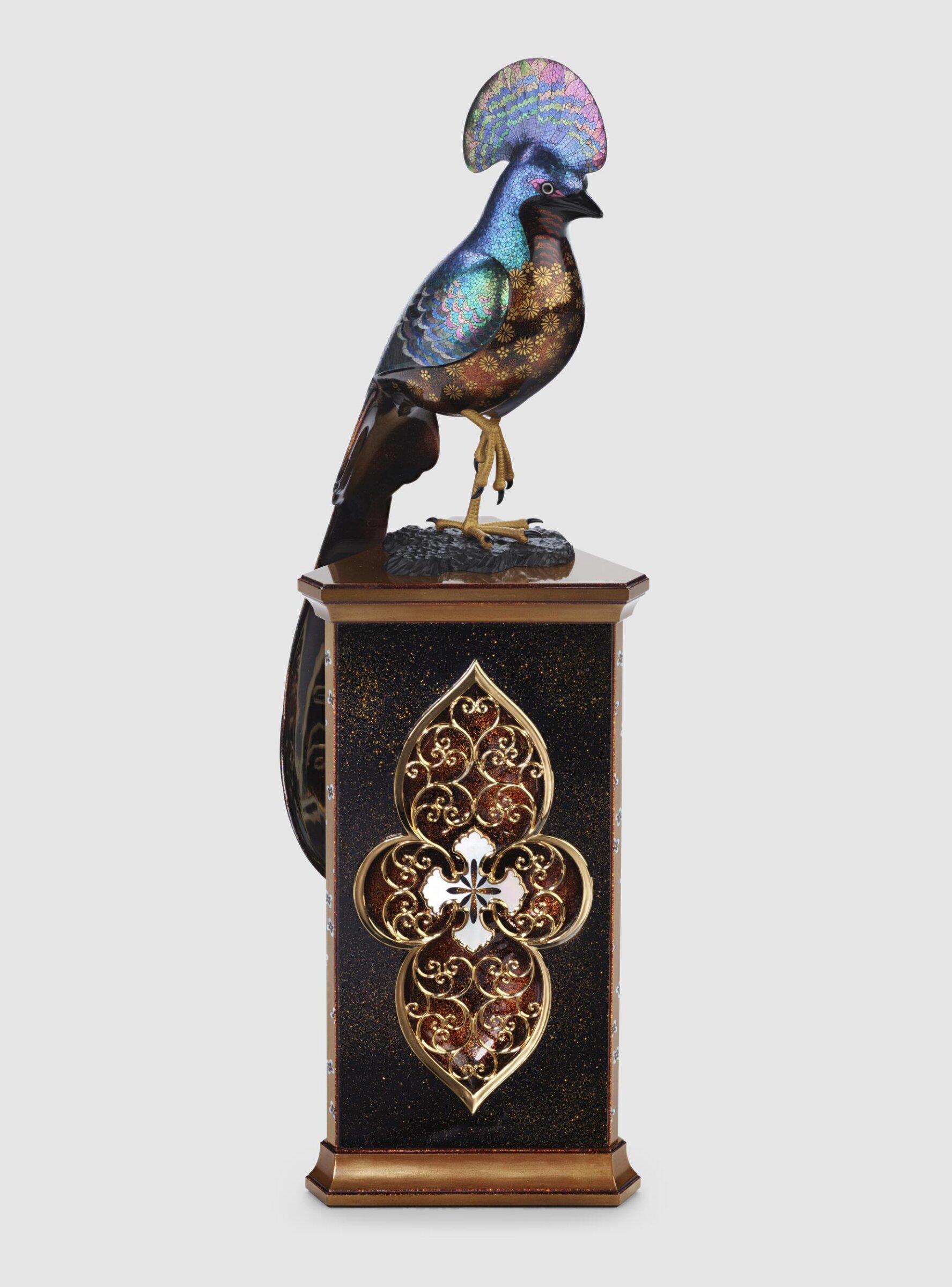
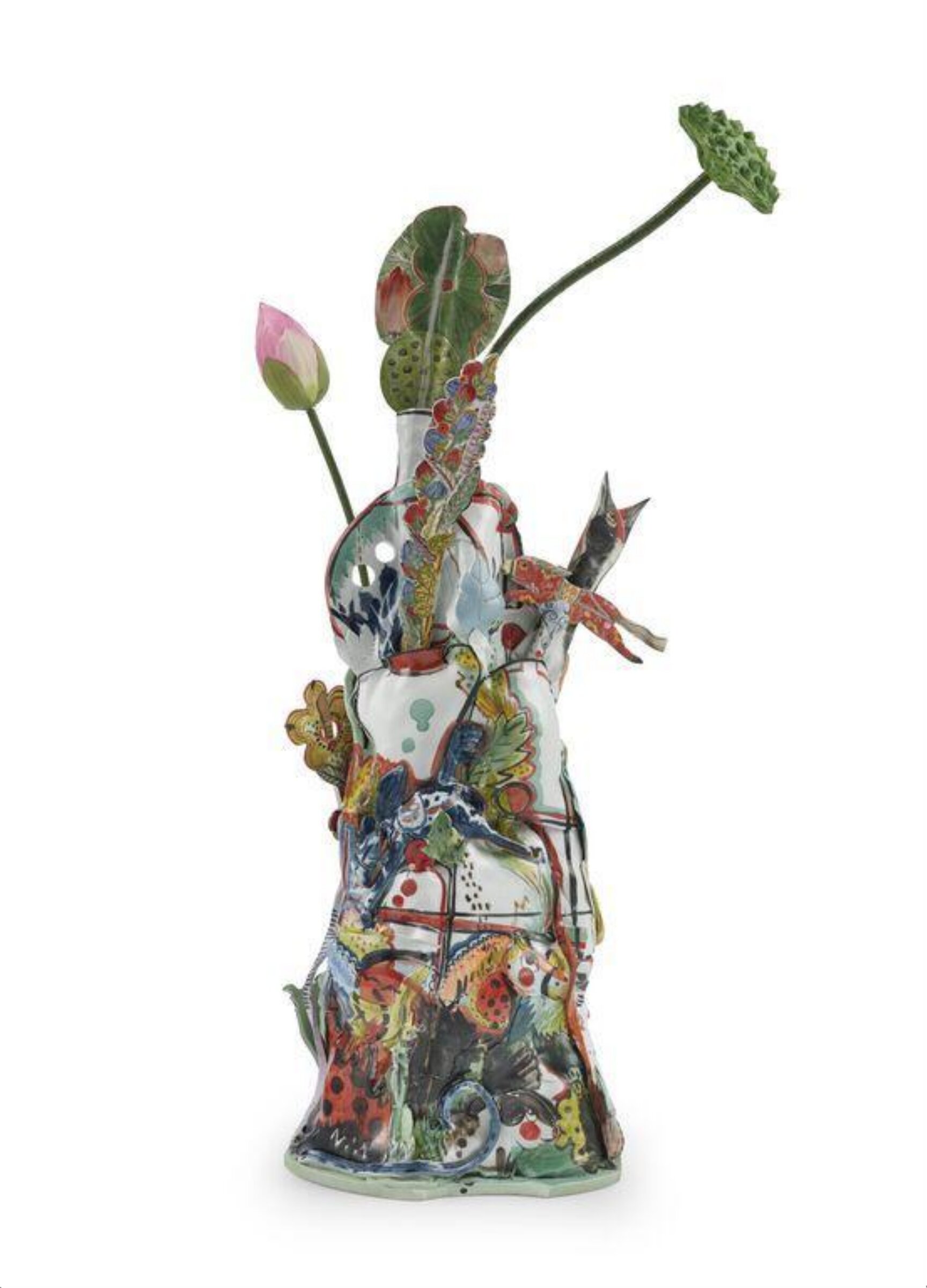
Bird of Paradise, Hashimoto Chitaka, 2026

Hashimoto Chitaka

Bird of Paradise, 2026

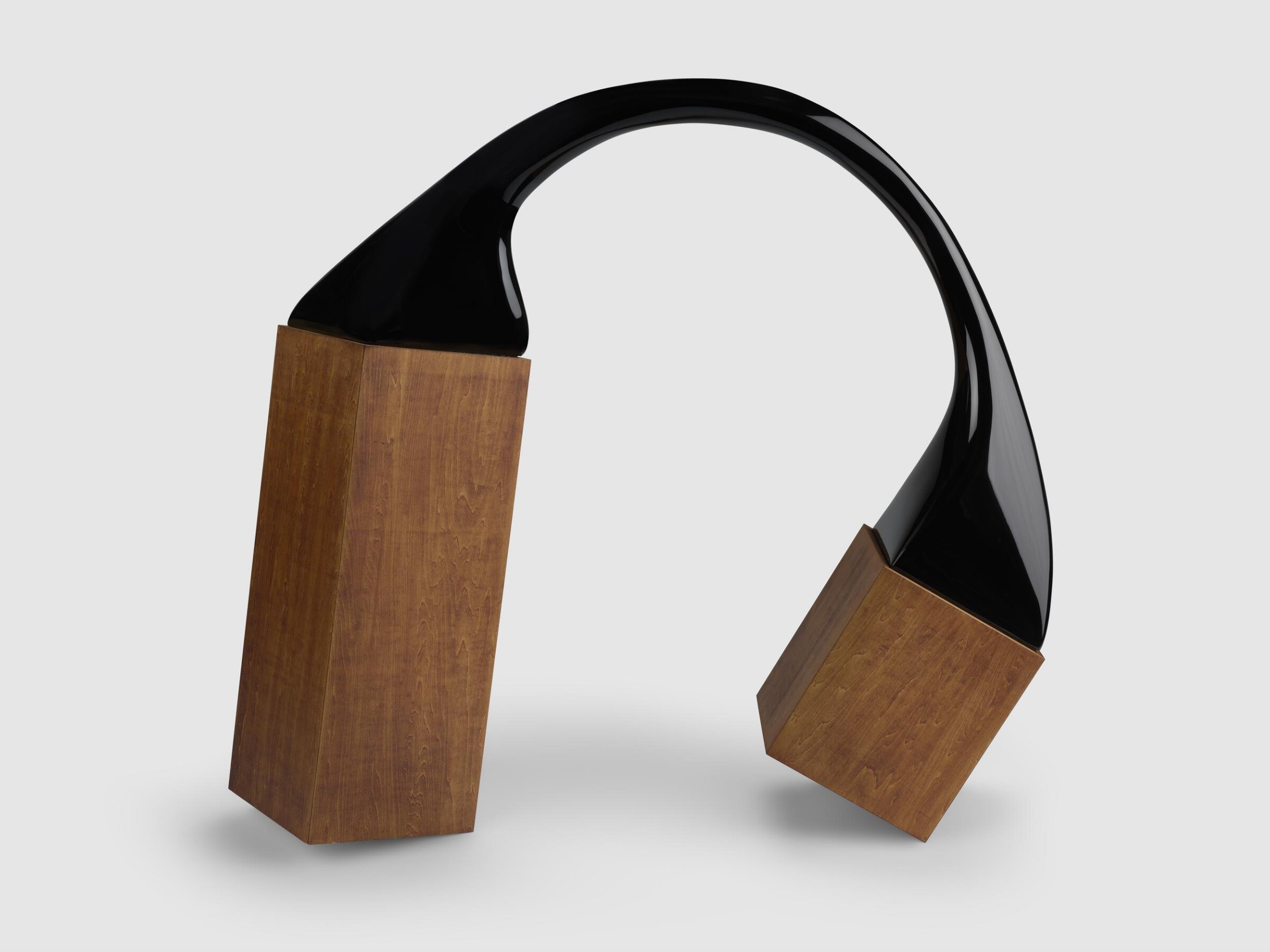
Torsion 2, Taruma Shoko, 2025

Taruma Shoko

Torsion 2, 2025

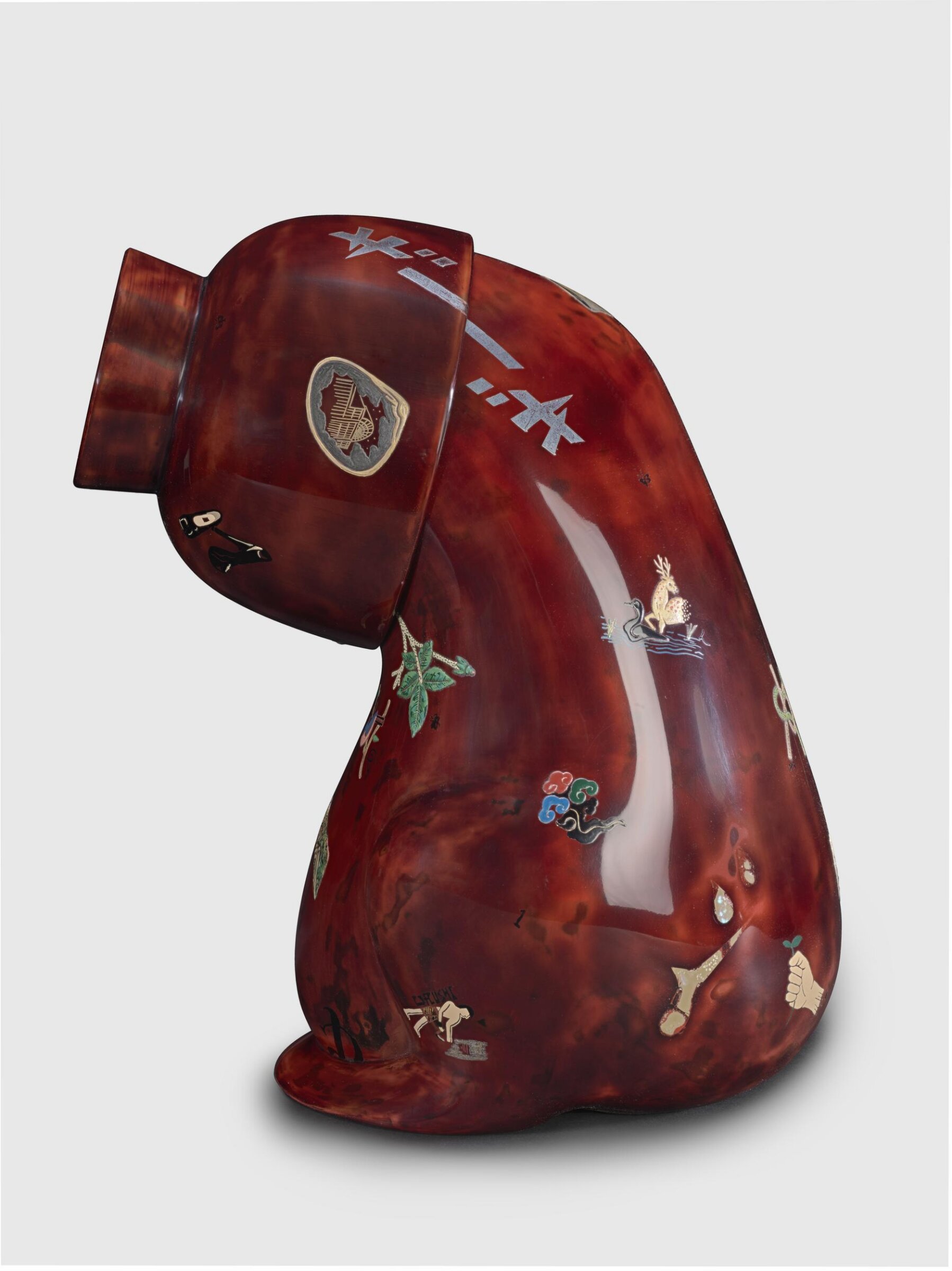
Fu, Someya Satoshi, 2025

Someya Satoshi

Fu, 2025

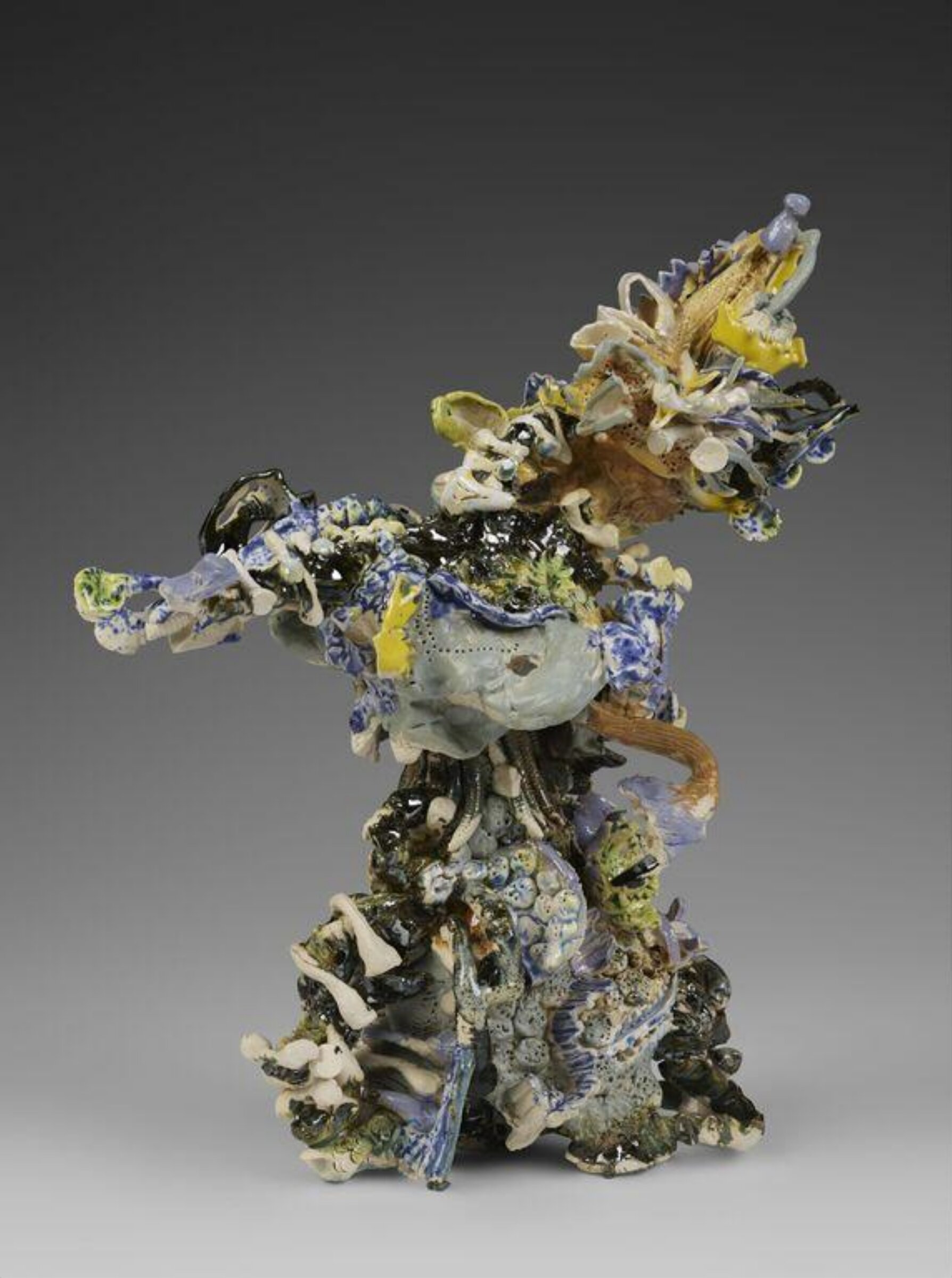
Bow Before the Curtain Falls, 2024

Bow Before the Curtain Falls, 2024

Summer, 2024

Summer, 2024

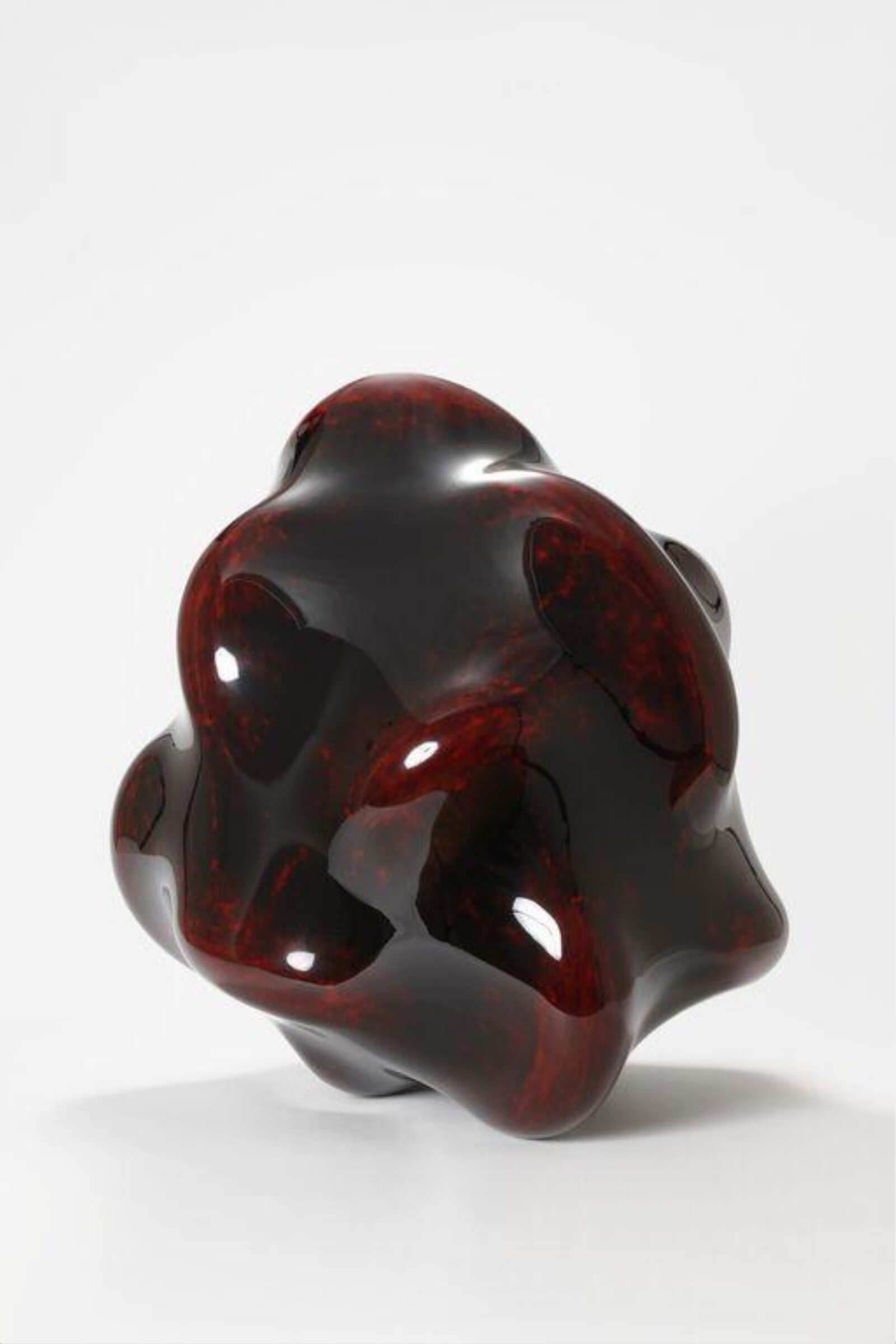
Red Flow, Ishizuka Genta, 2024

Ishizuka Genta

Red Flow, 2024

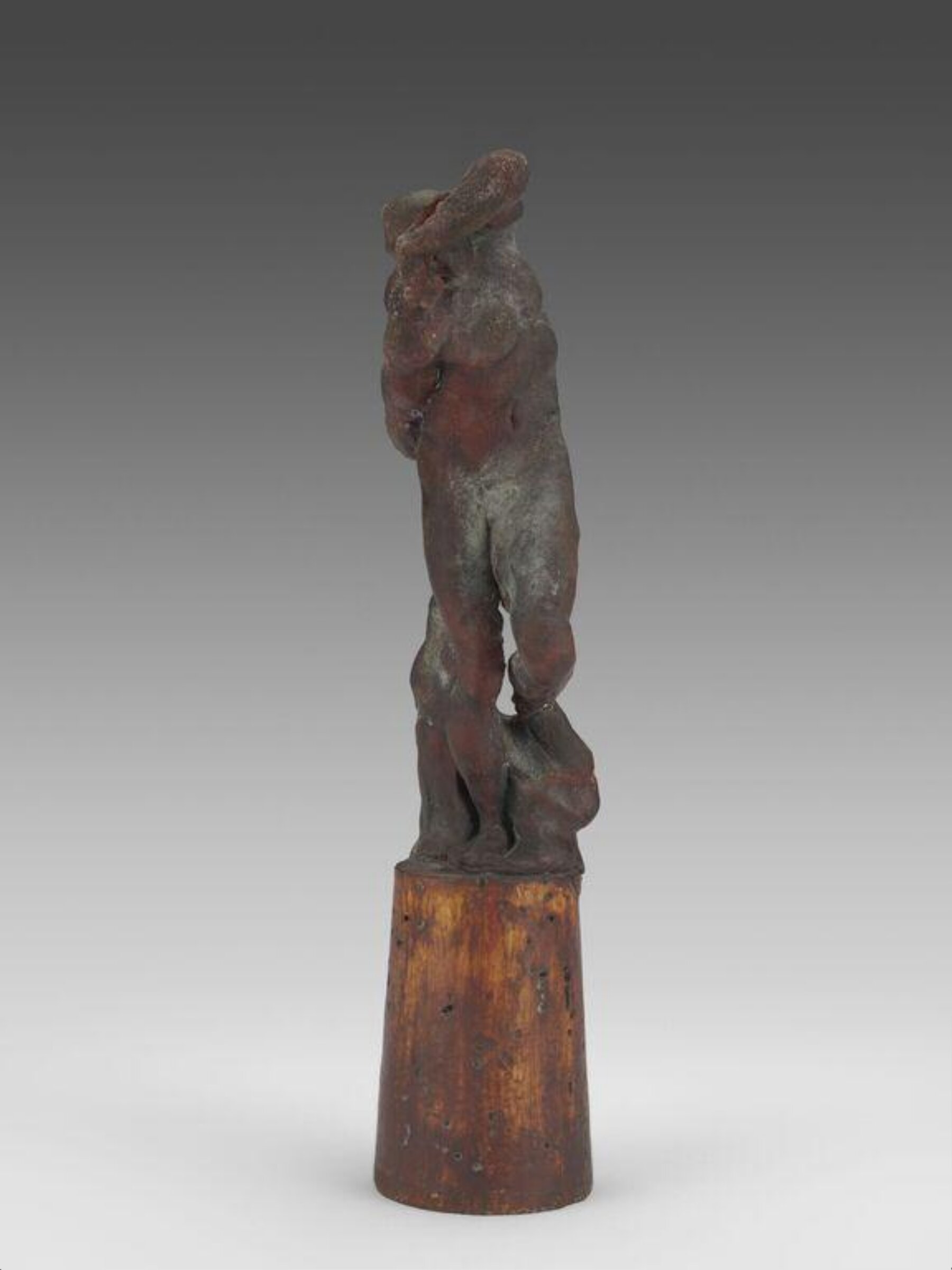
3D replica of Michelangelo's Prisoner (4117-1854), Factum Arte, 2024

Factum Arte

3D replica of Michelangelo's Prisoner (4117-1854), 2024

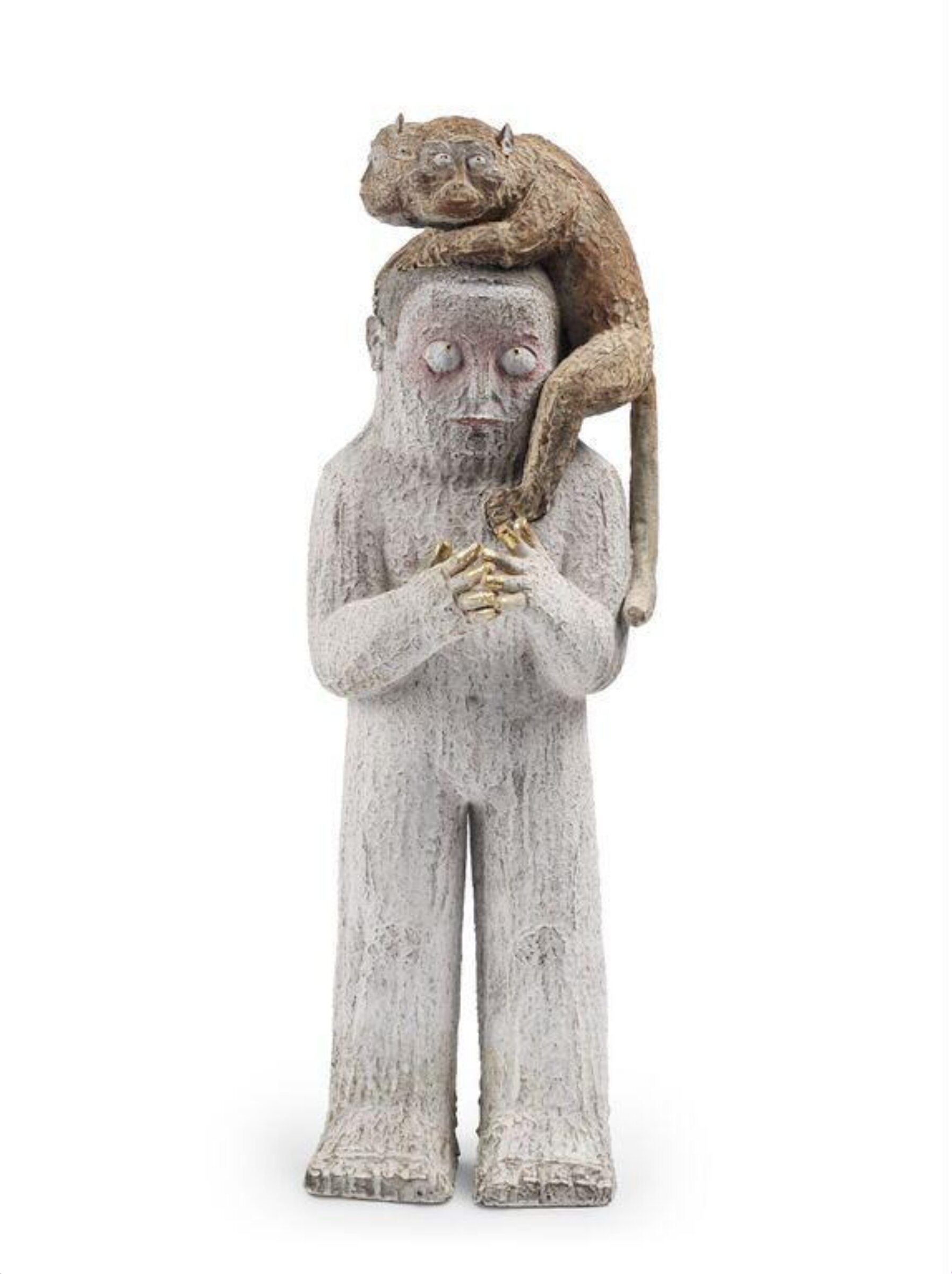
Sculpture, ‘Co-Existence – the Man and the Monkey’, Zhao Lin, 2024

Zhao Lin

Sculpture, ‘Co-Existence – the Man and the Monkey’, 2024

Standing figure of an officer, ca. 1628 - ca. 1658

Standing figure of an officer, ca. 1628 - ca. 1658

Non esposta · Victoria and Albert Museum

Painting, mid to late 17th century

Painting, mid to late 17th century

Non esposta · Victoria and Albert Museum

Painting, first half 18th century

Painting, first half 18th century

Non esposta · Victoria and Albert Museum