 Tina ModottiStati Uniti, 1896–1942
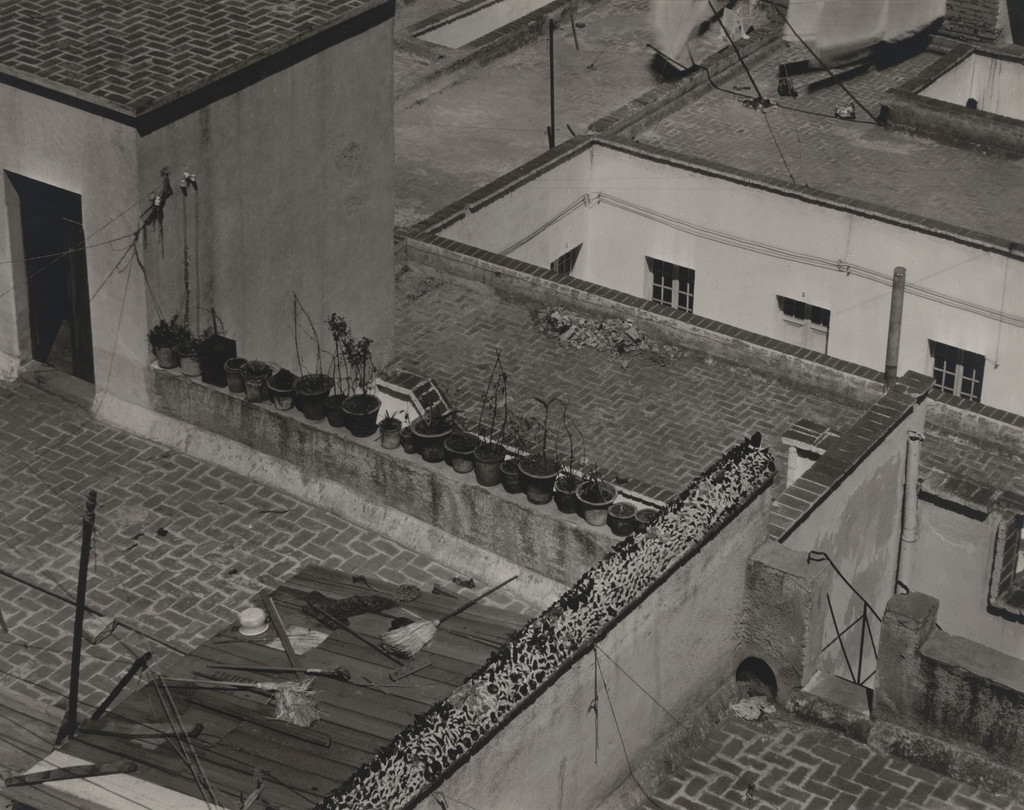
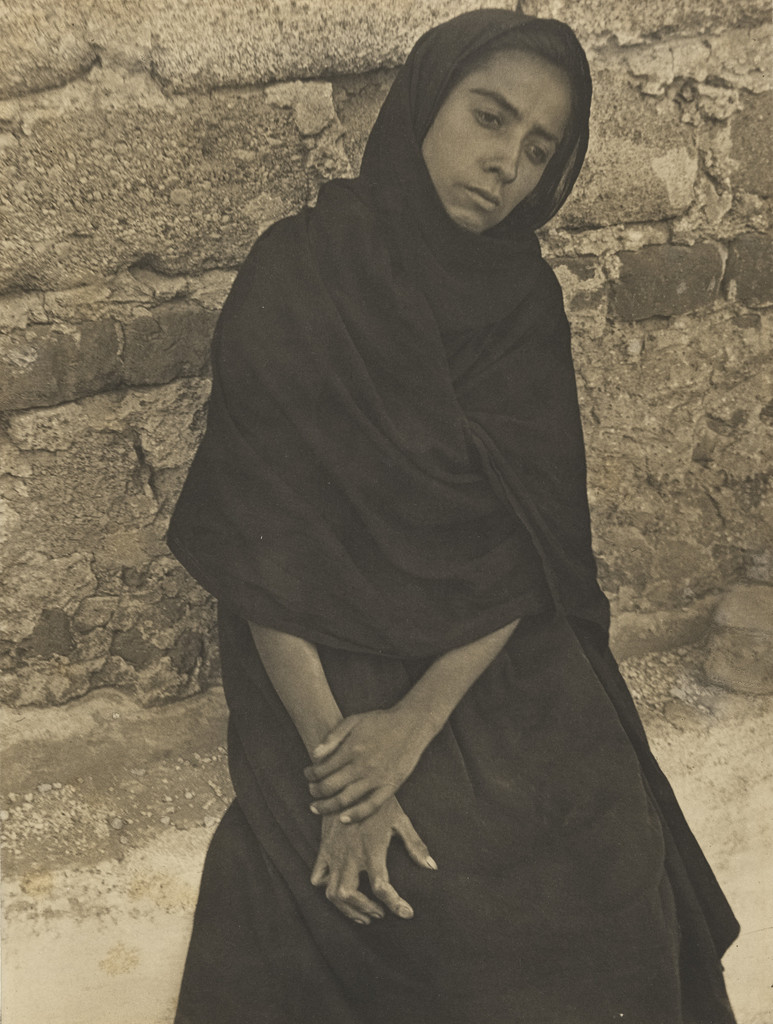
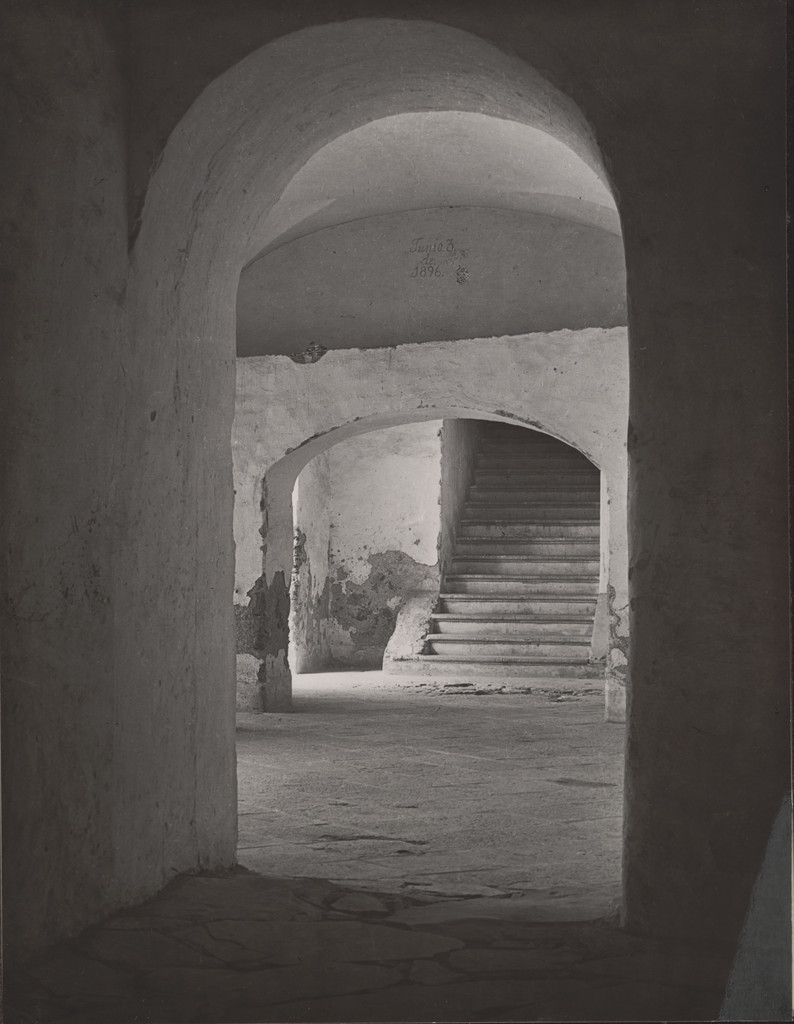
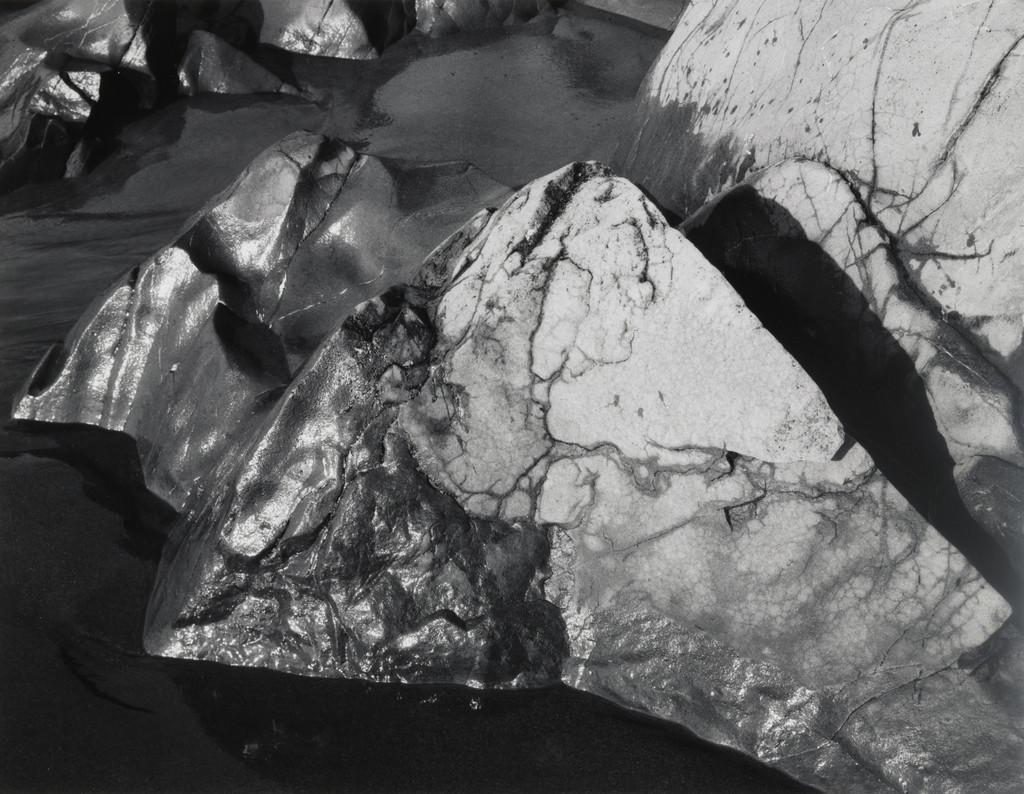
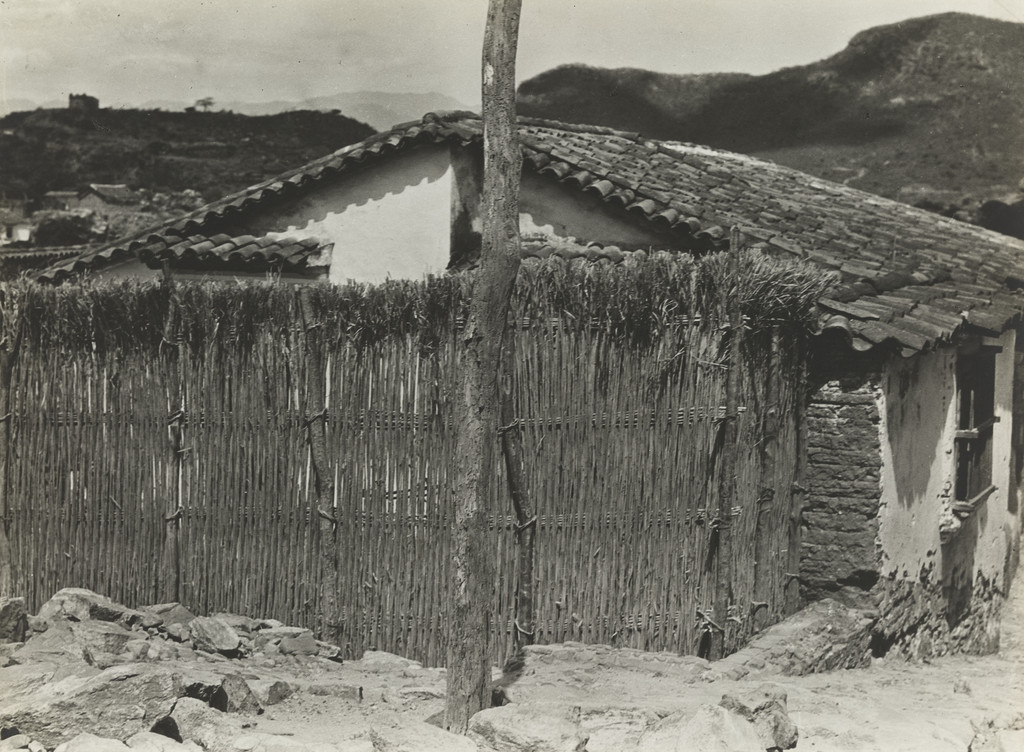
House in Tehuantepec
Si può vedere?
Non esposta al momento
Dove si trova «House in Tehuantepec» oggi? Collezione: Museum of Modern Art, New York. Non esposta al momento. Verificato 22 settembre 2026.

New York, Stati Uniti
Appartiene alla collezione, ma al momento non è esposta.
- Verificato
- Fonte
- Il museo
Scheda
- Numero di inventario
- 340.1965
In catalogo
Fonti
- Museum of Modern Art
- Immagine: Museum of Modern Art — © the artist or rights holder
Nella vita di Tina Modotti
Tutta la vita1921
Meets Edward Weston
In Los Angeles, in the bohemian circle of the couple's friends, Modotti meets the photographer Edward Weston and his creative partner Margrethe Mather; by 1921 she is Weston's lover. It is through her relationship with him that she develops into an important fine-art photographer and documentarian.
1923
Returns to Mexico City with Weston
Modotti returns to Mexico City with Weston and his son Chandler, leaving behind Weston's wife Flora and their three youngest children; she agrees to run his studio free of charge in return for his mentoring in photography. Other accounts say she set out for Mexico with Weston as early as 1922.
1927
Joins the Mexican Communist Party
Modotti joins the Mexican Communist Party and becomes far more politically active: her focus shifts, and more and more of her work becomes politically motivated. The Mexican photographer Manuel Álvarez Bravo divided her photographic career into two categories, “Romantic” and “Revolutionary”.
1929
Mella assassinated; Modotti arrested
Julio Antonio Mella is assassinated while walking in the street with Modotti from the offices of Red Aid; Modotti is arrested at once but later released and cleared of his murder.
1930
Exiled from Mexico
Amid the Mexican government's anti-communist campaign, and on suspicion of plotting the attempt on President Ortiz Rubio, Modotti is expelled from Mexico.
from 1931
Gives up photography for politics
After 1931 Modotti no longer photographs, and reports of later photographs are unsubstantiated. She explained her decision to abandon photography for political work after her expulsion from Mexico by saying that she could not solve the problem of life by losing herself in the problem of art.