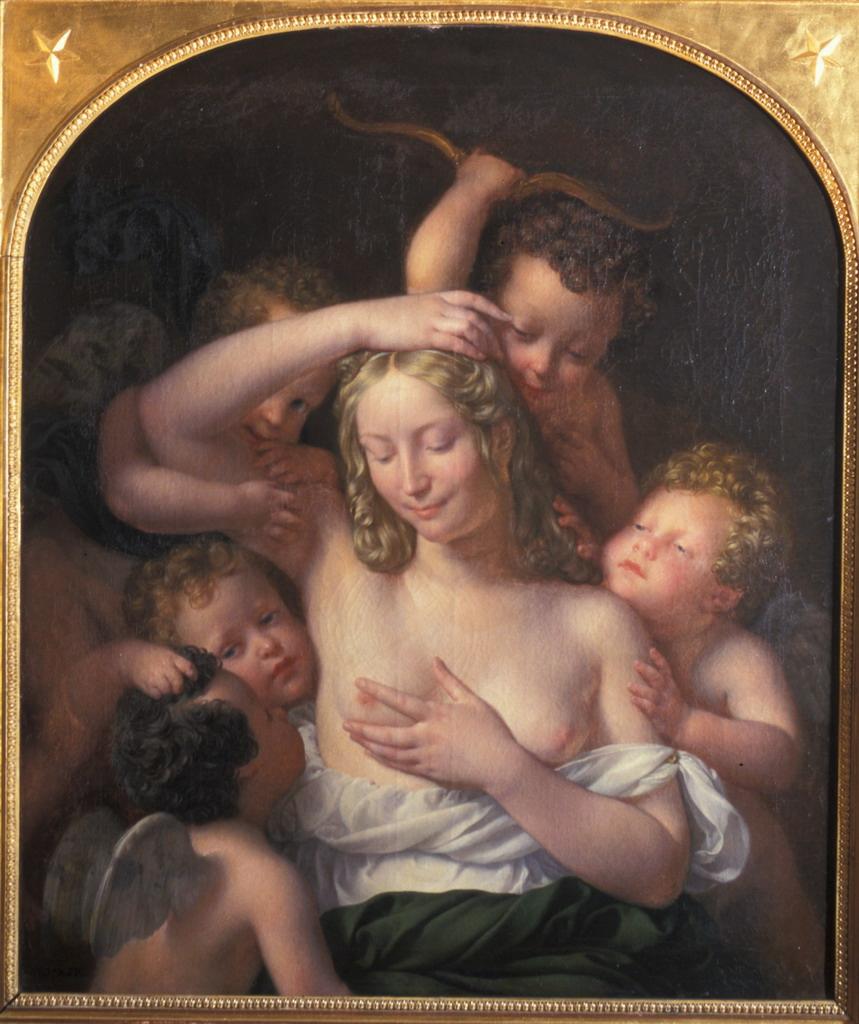
Guido ReniItalia, 1575–1642
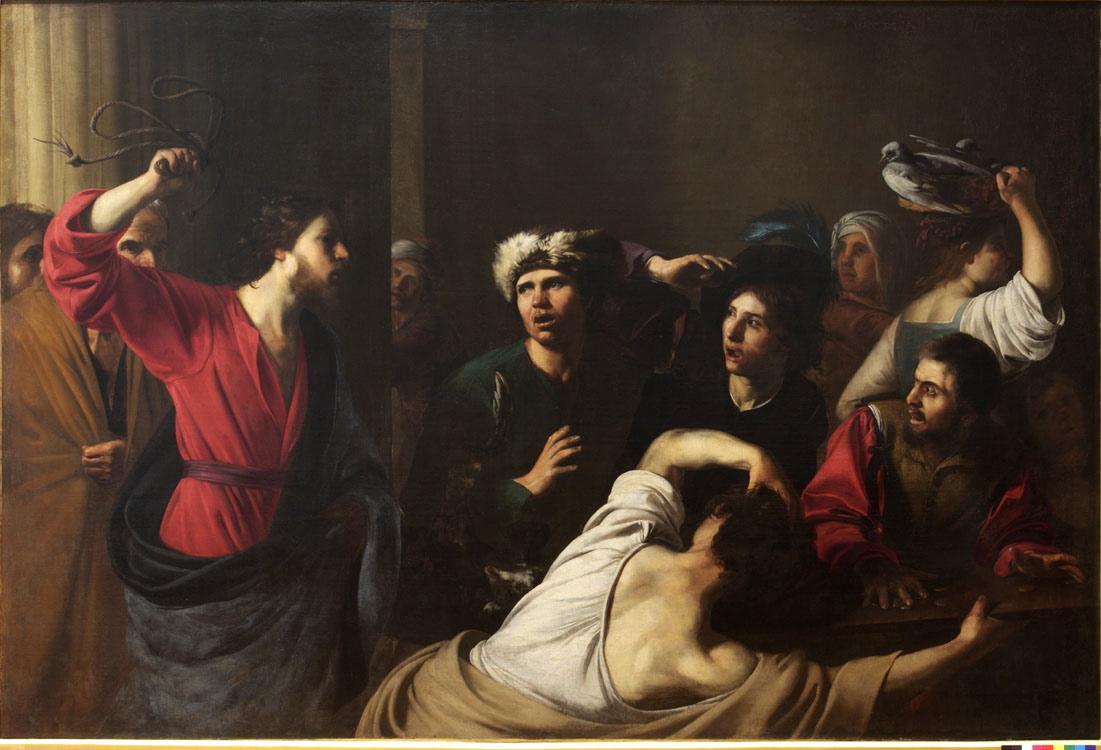
Hippomène et Atalante
Si può vedere?
Non si sa
Dove si trova «Hippomène et Atalante» oggi? Collezione: Musée des Beaux-Arts de Libourne, Libourne. Non si sa.
Libourne, Francia
Il proprietario è noto; non si sa se oggi sia esposta.
- Ultimo cambio di stato
- Fonte
- Il museo
Scheda
- Numero di inventario
- 2022.0.1 ; D.872.1.6
Che cosa raffigura
In catalogo
Fonti
- Musée des Beaux-Arts de Libourne
- Immagine: Musée des Beaux-Arts de Libourne — © Libourne ; musée des beaux-arts et d'archéologie; Ministère de la Culture (France), base Joconde
Nella vita di Guido Reni
Tutta la vita4 novembre 1575
Born
1584
He gives up music for Denis Calvaert's studio
In 1584, according to the biographer Carlo Cesare Malvasia, who knew the artist personally, the boy gives up the music his father had begun teaching him and enters the studio of the Flemish painter Denis Calvaert, who undertook to keep his apprentice for ten years. There he studies engravings by Dürer and Raphael and teaches himself copper engraving with the burin; soon Francesco Albani and Domenichino join the studio.
c. 1595
He enters Ludovico Carracci's Accademia degli Incamminati
At about twenty he enters the Bolognese “Accademia degli Incamminati”, headed by Ludovico Carracci; his friend and fellow pupil Francesco Albani follows him at once.
by 1601
He moves to Rome: the Farnese Palace frescoes
By the end of 1601 he and Albani move to Rome to work, under Annibale Carracci, Ludovico's cousin, on the frescoes of the Farnese Palace.
1607–1614
Under Paul V: one of the Borghese family's leading painters
After returning briefly to Bologna he goes back to Rome and becomes one of the premier painters under Pope Paul V (Borghese); between 1607 and 1614 he is one of the painters most patronized by the Borghese family.
c. 1614
He leaves Rome over low pay
According to rumour he was assigned to paint the papal Chapel of the Annunciation at Montecavallo, but, feeling underpaid by the papal ministers, Reni leaves Rome for Bologna once again, leaving the role of the city's pre-eminent artist to Domenichino.