ART WIKI32.963 in sala
MappaCollezioneArtistiMuseiMostreRivista
Accedi

ART WIKI

Dove è appeso il capolavoro, e quando si può entrare.

Collezioni: Art Institute of Chicago, Cleveland Museum of Art, Ermitage, Galleria Tret'jakov, Getty Museum, Harvard Art Museums, Hirshhorn Museum and Sculpture Garden, Metropolitan Museum of Art, Minneapolis Institute of Art, Museo del Louvre, Museo Puškin delle belle arti, Museo russo, Museum of Modern Art, National Gallery of Art, National Museum of Asian Art, National Portrait Gallery, Rijksmuseum, Smithsonian American Art Museum, Statens Museum for Kunst, Victoria and Albert Museum, Villa Getty, Whitney Museum of American Art, Catalogo statale del fondo museale russo (274 musei), Europeana (19 musei), Wikidata (6 musei), Paris Musées (12 musei) e Joconde, la banca dati dei musei del Ministero della Cultura francese (495 musei). Le immagini appartengono ai titolari dei diritti.

Sezioni

  • Mappa
  • Ricerca
  • Collezione
  • Capolavori
  • Esposte ora
  • Artisti

Altro

  • Musei e gallerie
  • Mostre
  • Rivista
  • Da dove vengono i dati
  • Privacy e cookie
HomeMappaCatalogo
  1. Collezione/
  2. Minneapolis Institute of Art/
  3. Hikaru Genji
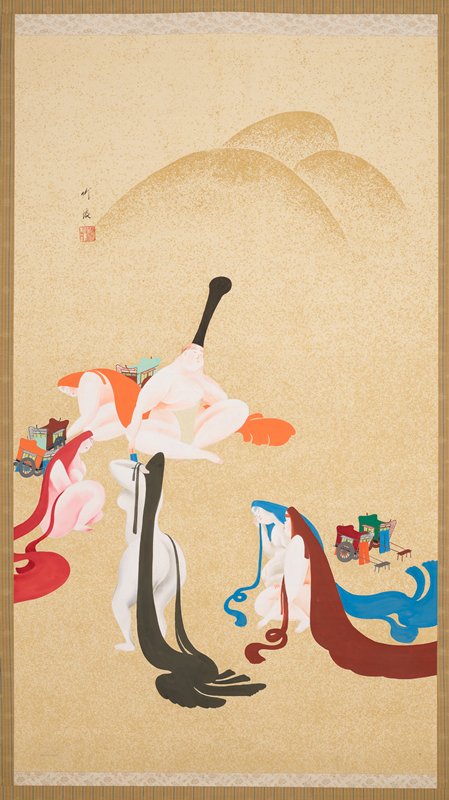
Hikaru Genji, Otake Chikuha, 1921
Otake Chikuha, ritrattoOtake ChikuhaGiappone, 1878–1936

Hikaru Genji

1921 · Painting

Si può ammirare?

Al momento non riceve

Minneapolis Institute of Art

Minneapolis, Stati Uniti

Appartiene alla collezione, ma al momento non è esposta.

Verificato
3 giorni fa
Ultimo cambio di stato
25 set 2026
Fonte
Il museo
Sulla mappaPagina del museo

Sul dipinto

In this painting, Otake Chikuha took a very unusual approach to a subject that has fascinated Japanese artists since the classical Heian period (794–1185)—namely, the Tale of Genji and its titular character, Hikaru Genji.

Otake began training as a painter when he was only five years old, studying the brush styles of famous Nanga-school painters. As a teenager he relocated from rural northeast Japan to cosmopolitan Tokyo, where he shifted his attention to the Japanese painting and woodblock print tradition called ukiyo-e and, in the early 1900s, was briefly among the most popular painters active in the city. After the Great Kanto Earthquake of 1923 he refocused again, turning his attention to the Italian modernist movement Futurism.

Minneapolis Institute of Art

Scheda

1921 · a 43 anni
18781936
Numero di inventario
2015.114.33

In catalogo

DipintiInchiostroPittura giapponeseModernismoXX secoloGiappone

Fonti

  • Minneapolis Institute of Art
  • Immagine: Minneapolis Institute of Art — © Minneapolis Institute of Art
Altre opere di Otake Chikuha

Tutte le opere
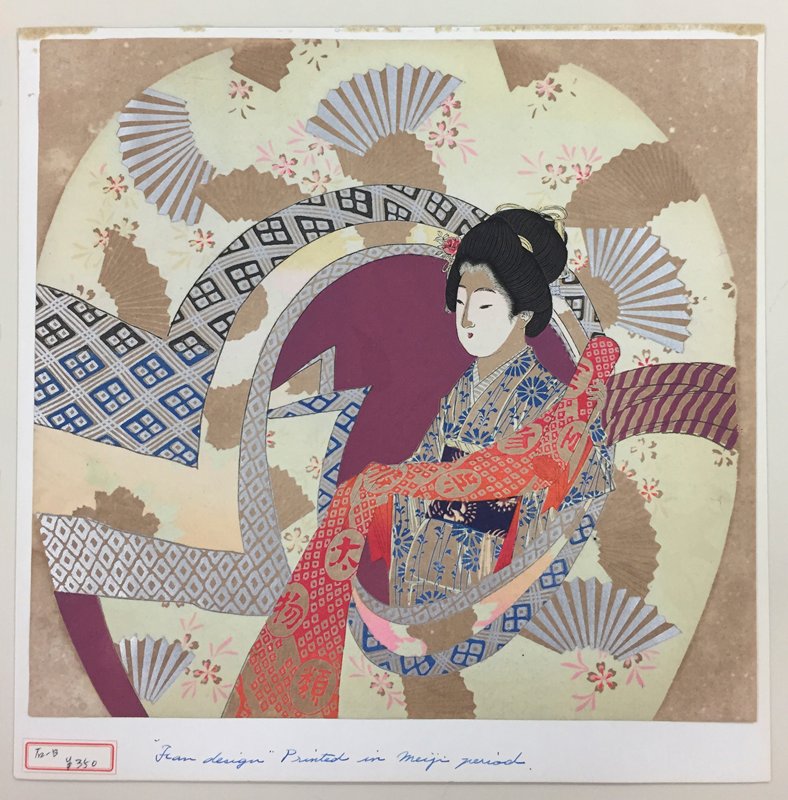
No. 42, Woman with patterned fabric and pleated fans, Otake Chikuha, 1902

No. 42, Woman with patterned fabric and pleated fans

1902 · Non esposta · Minneapolis Institute of Art
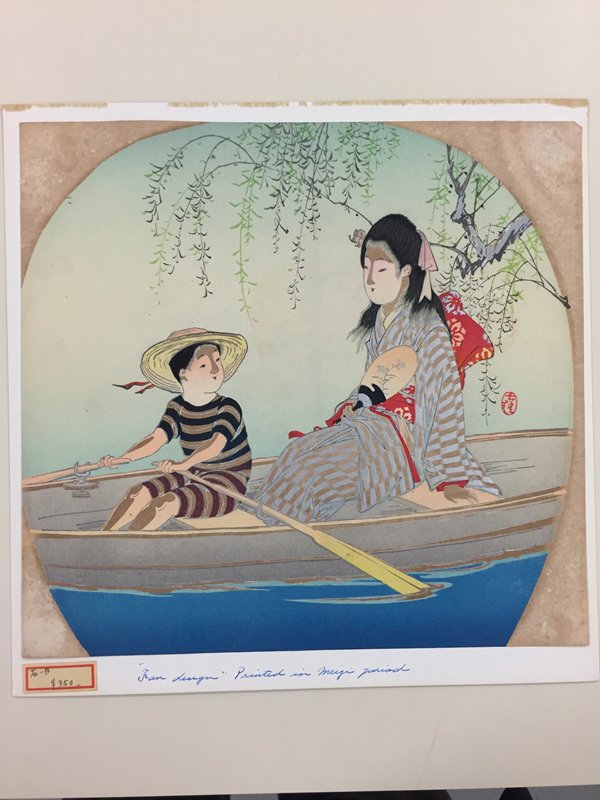
No. 51, Young woman and boy in rowboat, Otake Chikuha, 1903

No. 51, Young woman and boy in rowboat

1903 · Non esposta · Minneapolis Institute of Art
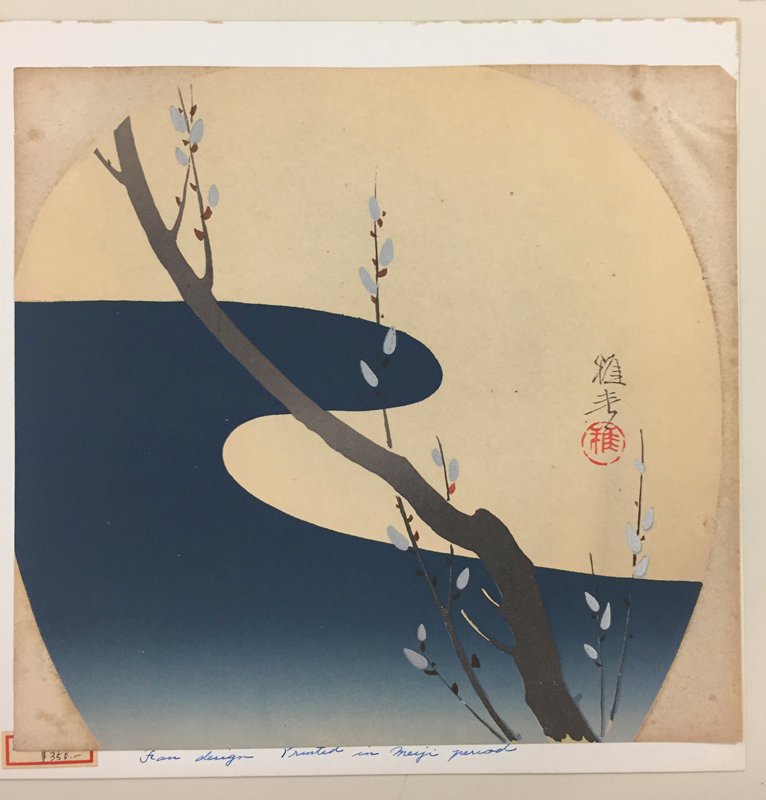
No. 57, Willow branch over a stream, Otake Chikuha, 1904

No. 57, Willow branch over a stream

1904 · Non esposta · Minneapolis Institute of Art

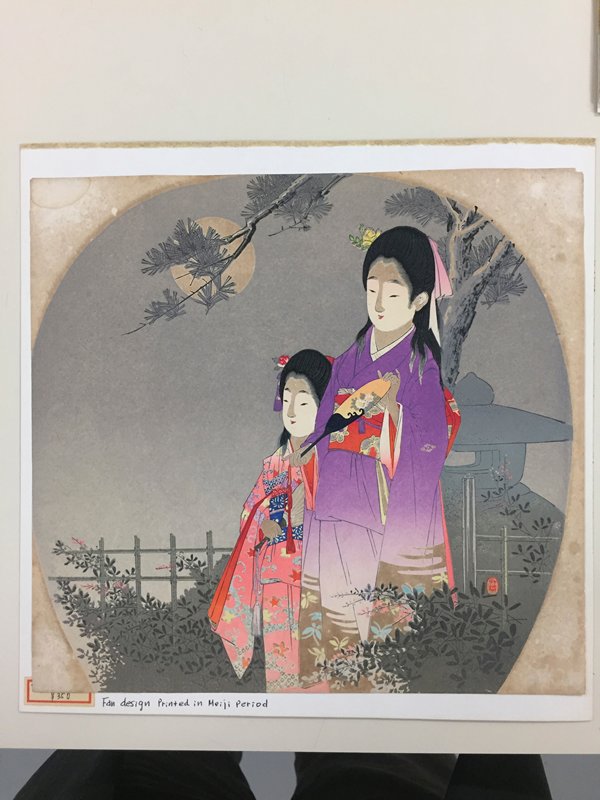
No. 72, Two young girls, Otake Chikuha, 1905

No. 72, Two young girls

1905 · Non esposta · Minneapolis Institute of Art

Sotto lo stesso tetto: Minneapolis Institute of Art

Pagina del museo
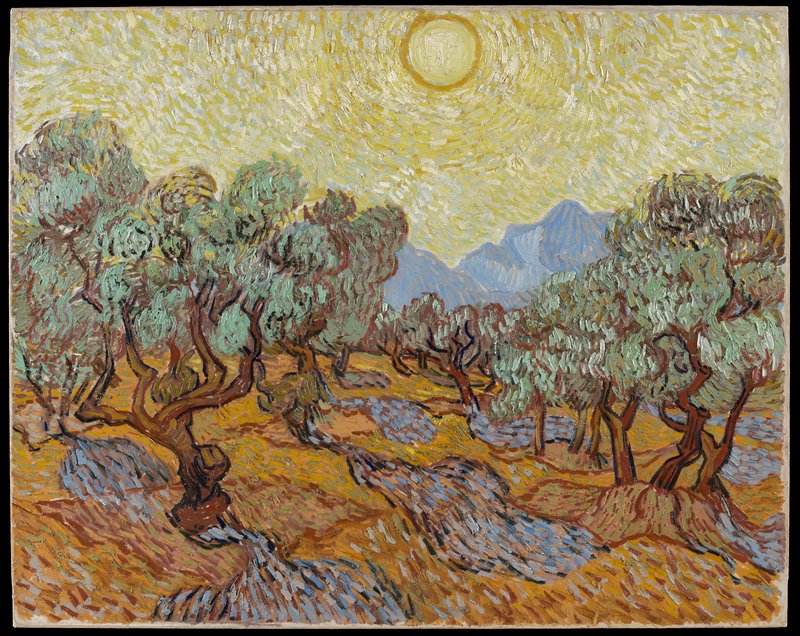
Olive Trees, Vincent van Gogh, 1889

Vincent van Gogh

Olive Trees, 1889

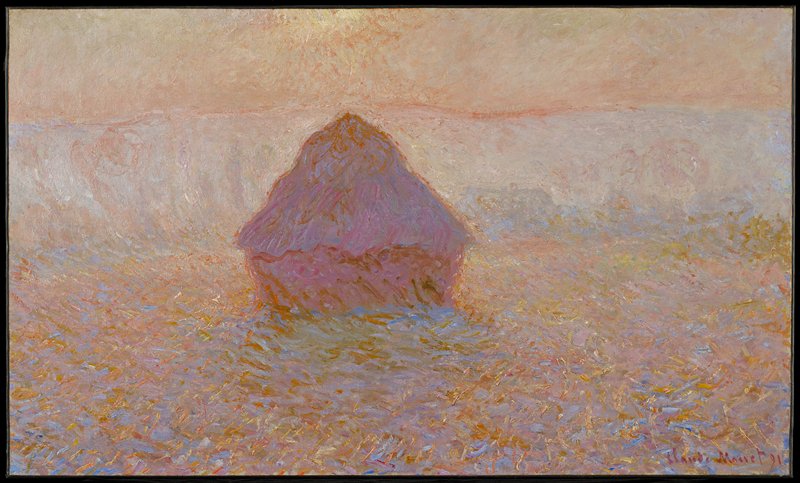
Grainstack, Sun in the Mist, Claude Monet, 1891

Claude Monet

Grainstack, Sun in the Mist, 1891

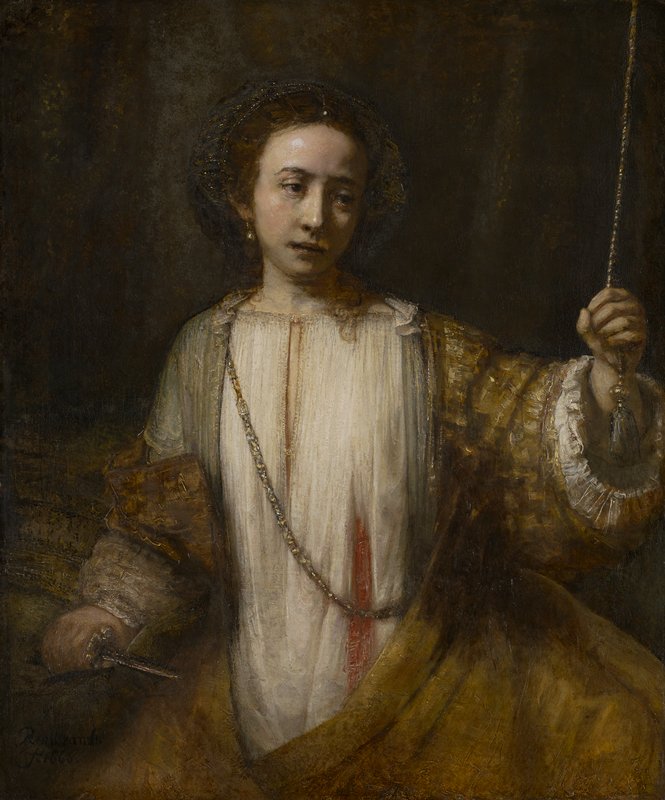
Lucretia, Rembrandt van Rijn, 1666

Rembrandt van Rijn

Lucretia, 1666

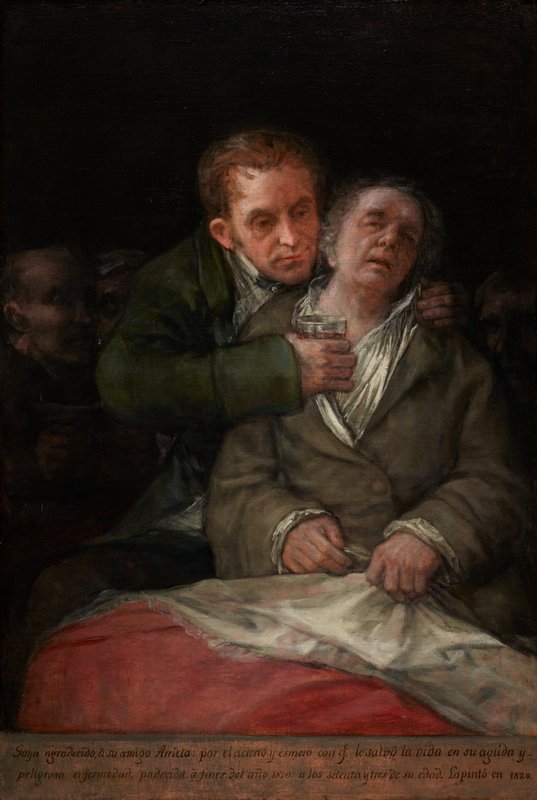
Self-Portrait with Dr. Arrieta, Francisco José de Goya y Lucientes, 1820

Francisco de Goya

Goya curato dal dottor Arrieta, 1820

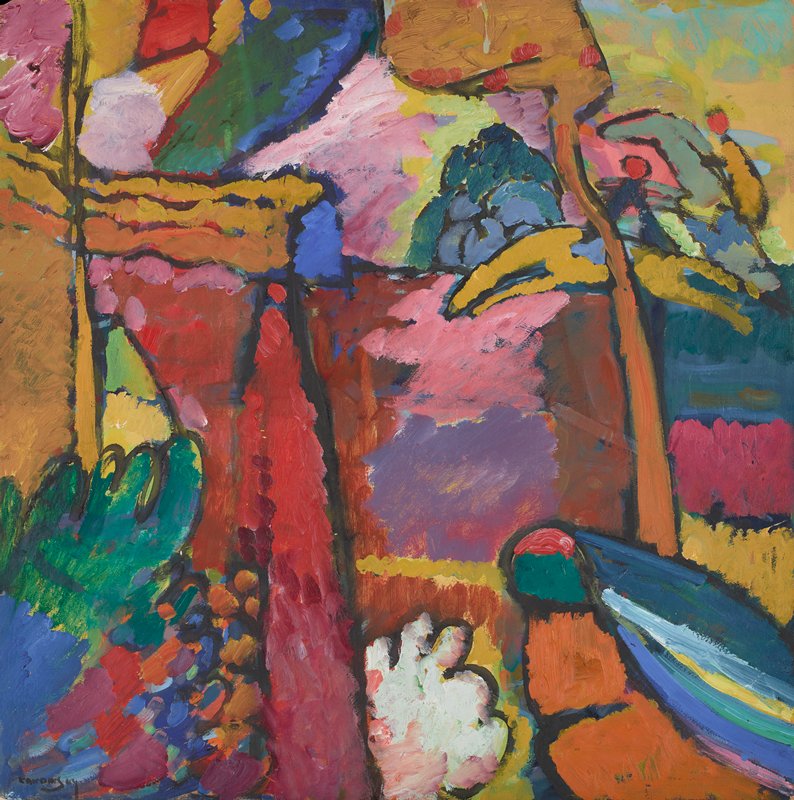
Study for Improvisation V, Vassily Kandinsky, 1910

Vasily Kandinsky

Study for Improvisation V, 1910

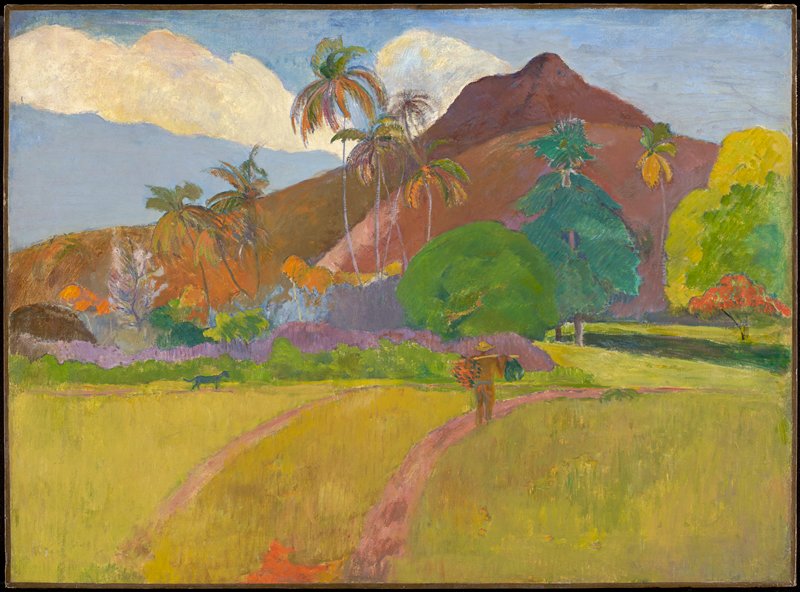
Tahitian Landscape, Paul Gauguin, 1891

Paul Gauguin

Tahitian Landscape, 1891

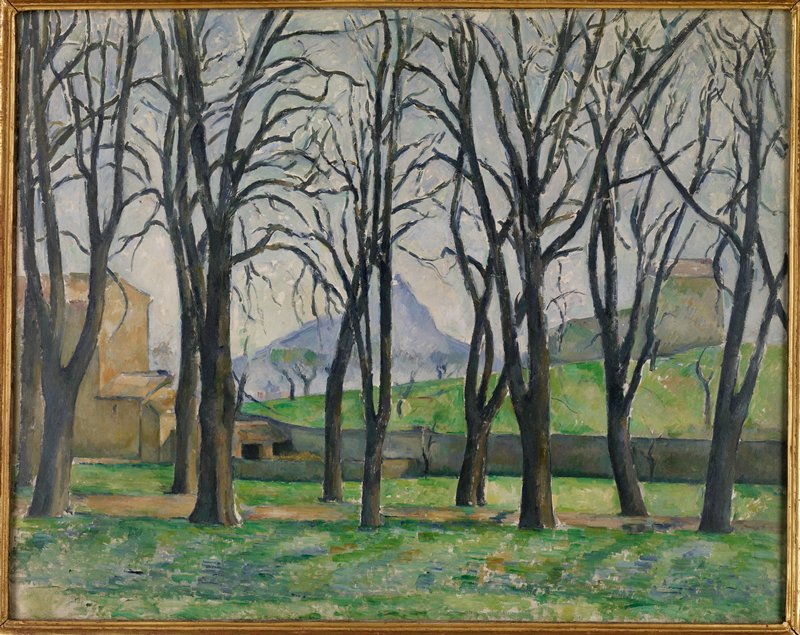
Chestnut Trees at Jas de Bouffan, Paul Cézanne, c. 1885–86

Paul Cézanne

Chestnut Trees at Jas de Bouffan, c. 1885–86

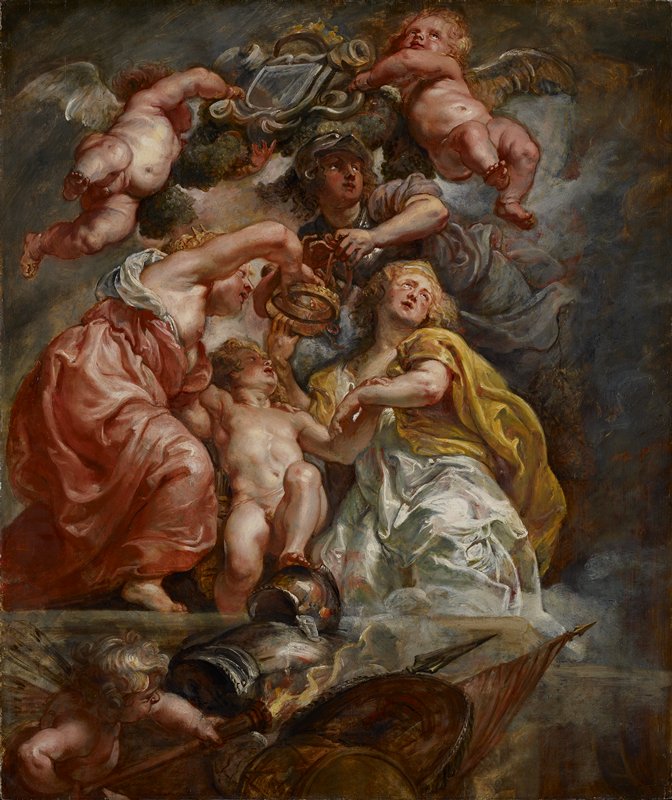
The Union of England and Scotland (Charles I as the Prince of Wales), Peter Paul Rubens, 1633–34

Peter Paul Rubens

The Union of England and Scotland (Charles I as the Prince of Wales), 1633–34