ART WIKI32.963 in sala
MappaCollezioneArtistiMuseiMostreRivista
Accedi

ART WIKI

Dove è appeso il capolavoro, e quando si può entrare.

Collezioni: Art Institute of Chicago, Cleveland Museum of Art, Ermitage, Galleria Tret'jakov, Getty Museum, Harvard Art Museums, Hirshhorn Museum and Sculpture Garden, Metropolitan Museum of Art, Minneapolis Institute of Art, Museo del Louvre, Museo Puškin delle belle arti, Museo russo, Museum of Modern Art, National Gallery of Art, National Museum of Asian Art, National Portrait Gallery, Rijksmuseum, Smithsonian American Art Museum, Statens Museum for Kunst, Victoria and Albert Museum, Villa Getty, Whitney Museum of American Art, Catalogo statale del fondo museale russo (274 musei), Europeana (19 musei), Wikidata (6 musei), Paris Musées (12 musei) e Joconde, la banca dati dei musei del Ministero della Cultura francese (495 musei). Le immagini appartengono ai titolari dei diritti.

Sezioni

  • Mappa
  • Ricerca
  • Collezione
  • Capolavori
  • Esposte ora
  • Artisti

Altro

  • Musei e gallerie
  • Mostre
  • Rivista
  • Da dove vengono i dati
  • Privacy e cookie
HomeMappaCatalogo
  1. Collezione/
  2. Minneapolis Institute of Art/
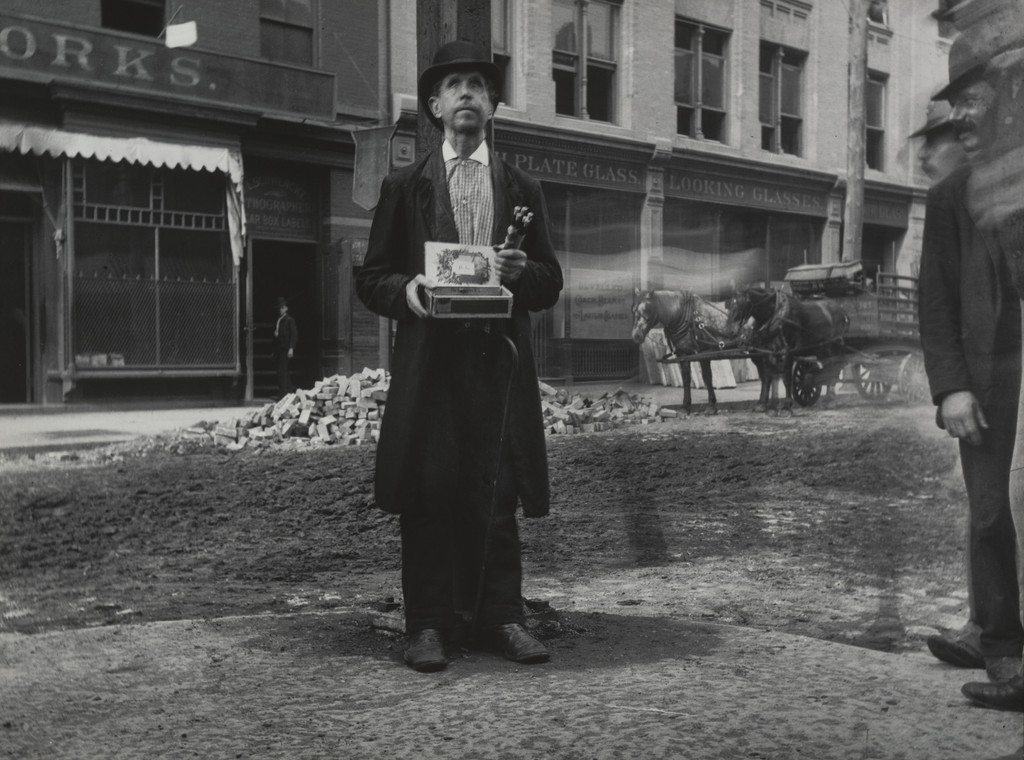
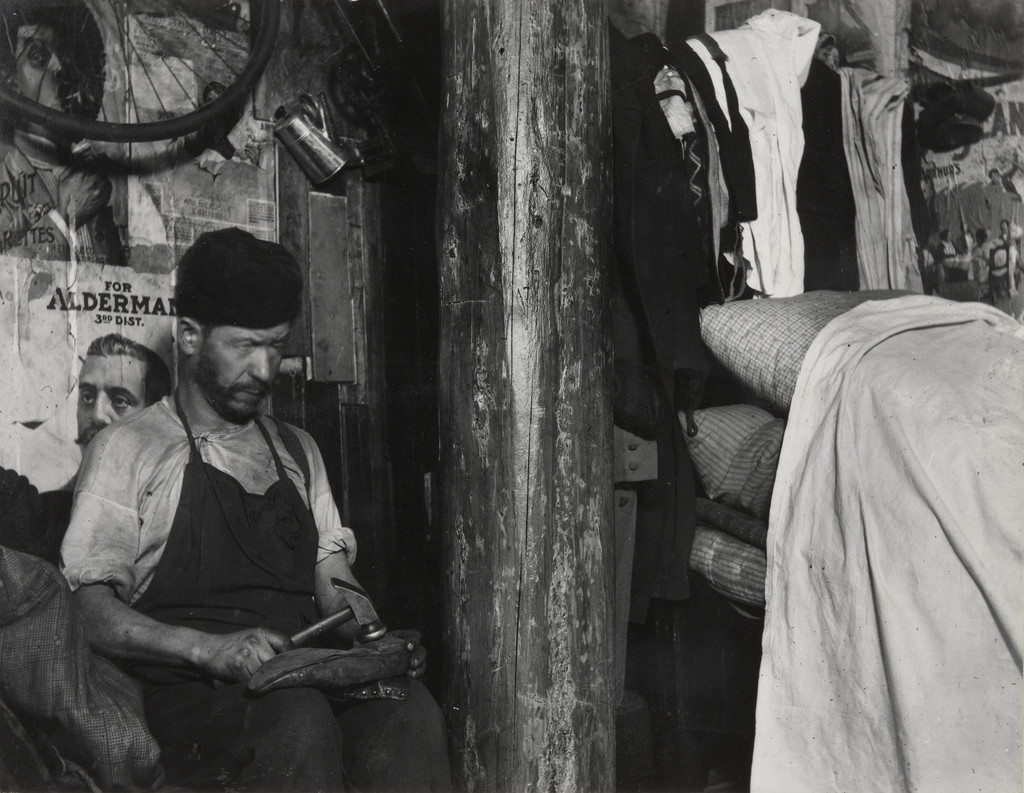
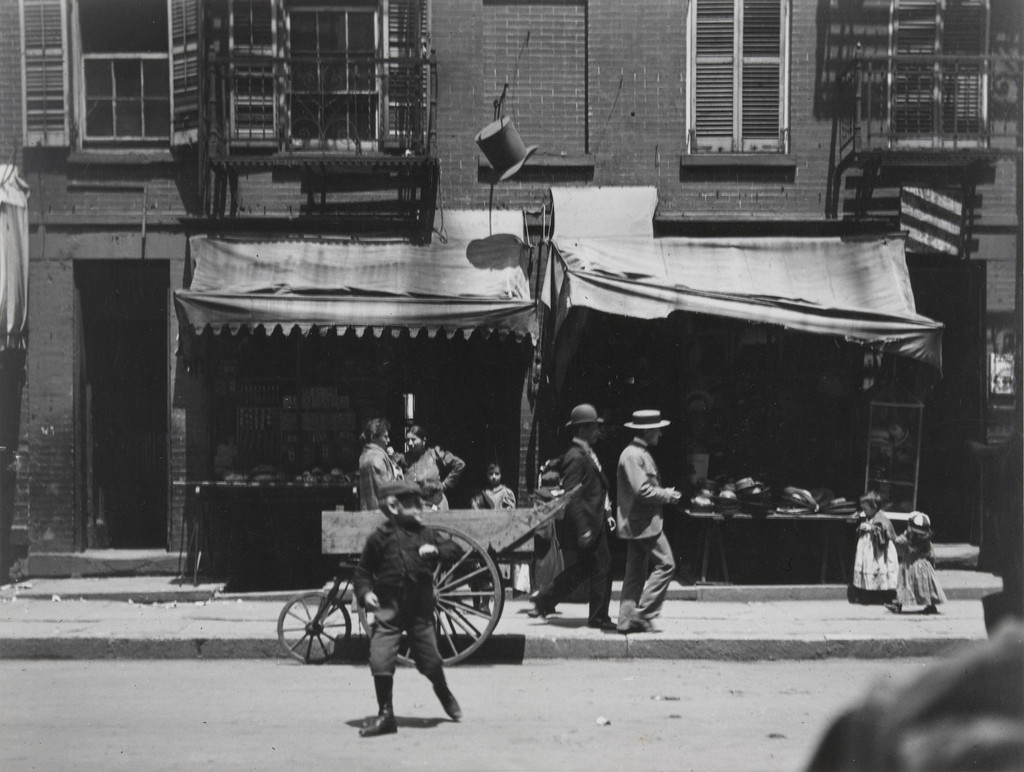
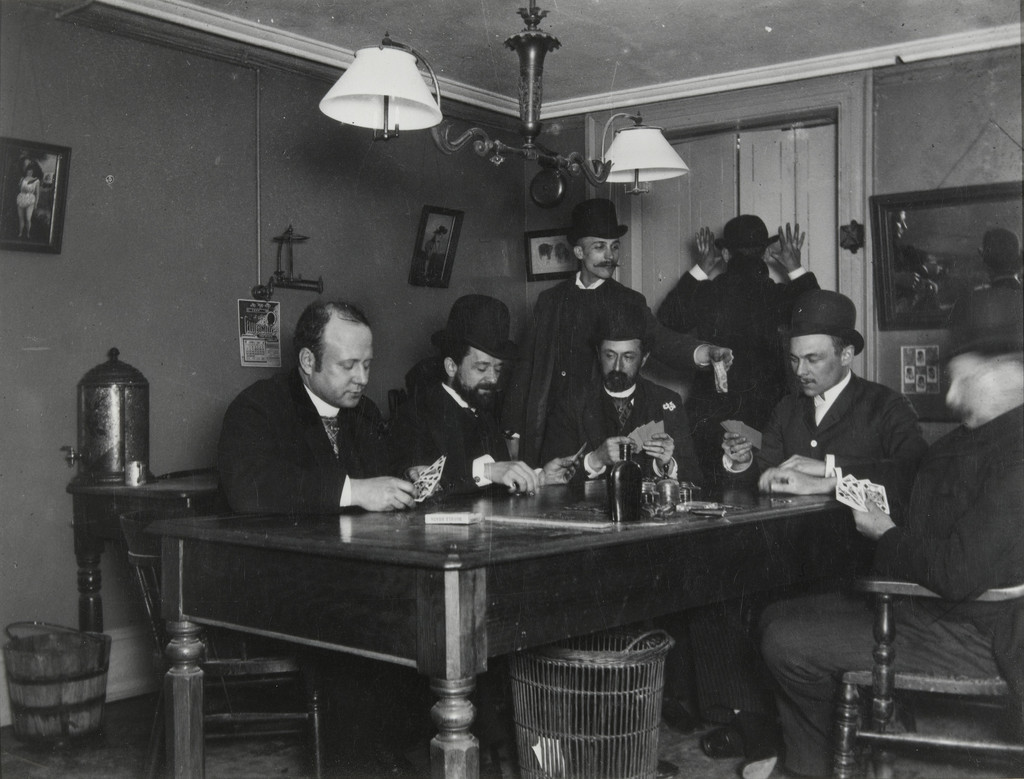
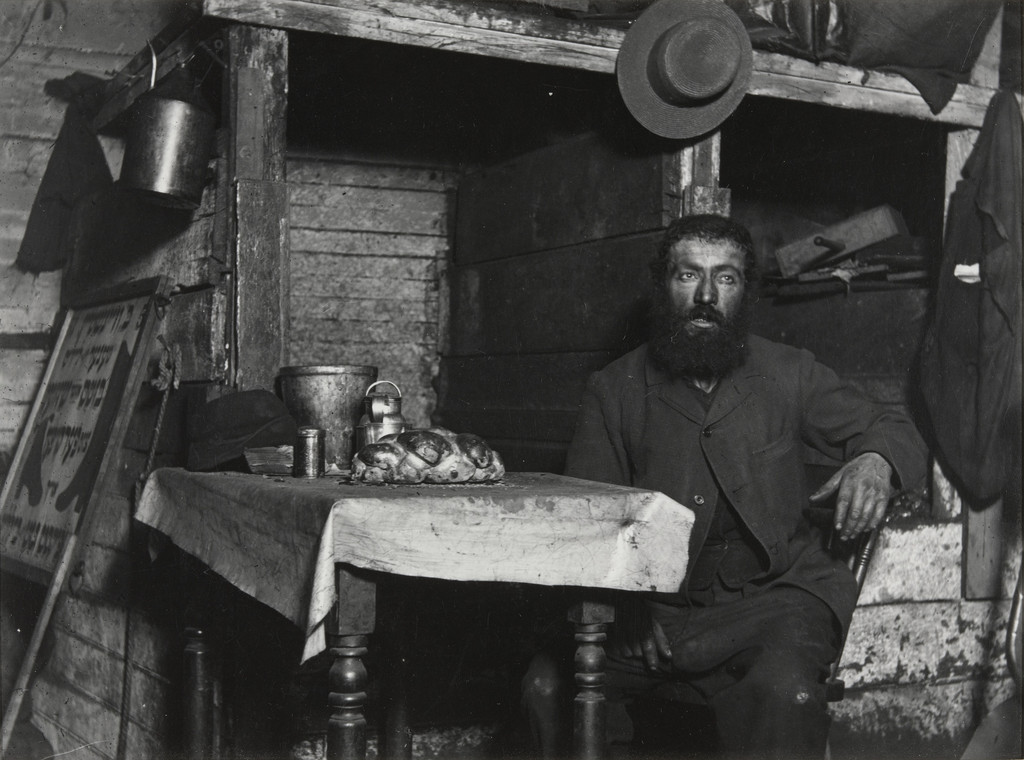
  3. Hell's Kitchen with Sebastopol
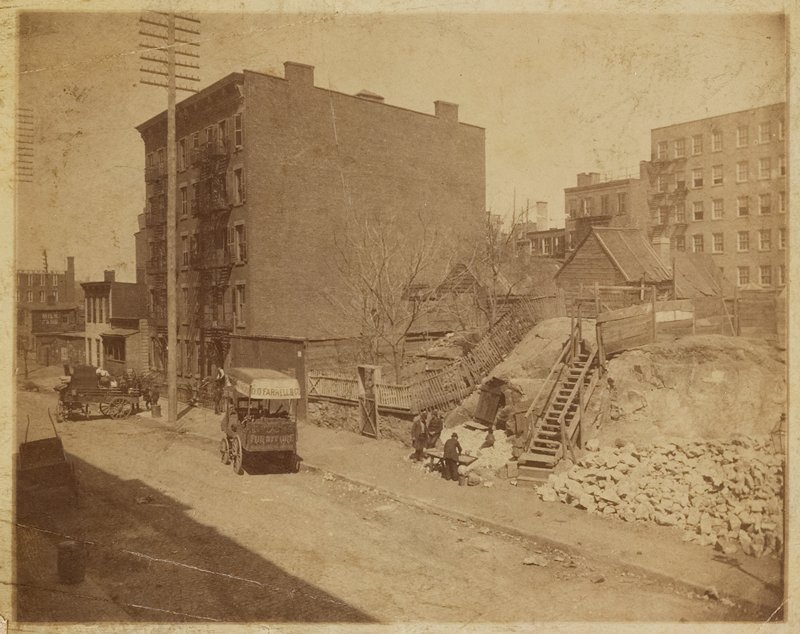
Hell's Kitchen with Sebastopol, Jacob A. Riis, c. 1890
Jacob August Riis, ritrattoJacob August RiisStati Uniti, 1849–1914

Hell's Kitchen with Sebastopol

c. 1890 · Photograph · 9.21 × 11.59 cm

Si può ammirare?

Al momento non riceve

Minneapolis Institute of Art

Minneapolis, Stati Uniti

Appartiene alla collezione, ma al momento non è esposta.

Verificato
3 giorni fa
Ultimo cambio di stato
25 set 2026
Fonte
Il museo
Sulla mappaPagina del museo

Scheda

c. 1890
18491914
Numero di inventario
98.262

In catalogo

FotografieStampa all’albuminaImpressionismoXIX secoloStati Uniti

Fonti

  • Minneapolis Institute of Art
  • Immagine: Minneapolis Institute of Art — public domain

Nel frattempo, nella vita di Jacob August Riis

Tutta la vita
  1. 1870–1914 · Luogo di lavoro

    New York City

  2. January 1888

    Buys his own camera

    The first team soon tires of the late hours, and Riis's assistants prove lazy, one of them dishonest. On Nagle's advice Riis pays $25 for a 4×5 box camera, plate holders, a tripod and developing and printing equipment, and tries them out at the potter's field cemetery on Hart Island: two exposures, badly overexposed but successful.

  3. 12 February 1888

    First report on his night photographs in the Sun

    The Sun publishes Riis's unsigned article on pictures of the city's crime and misery by night and day, illustrated with twelve line drawings after the photographs. It presents the material as the foundation of a lecture, “The Other Half: How It Lives and Dies in New York”, to be given at church and Sunday school exhibitions.

  4. 1888–1889

    Lantern-slide lectures and new acquaintances

    An editor at Harper's New Monthly Magazine says he likes the photographs but not the writing, and Riis decides to speak to the public directly: Adolph Schauffler and Josiah Strong arrange a lecture at the Broadway Tabernacle, and a Health Department clerk, W. L. Craig, becomes his partner. The lantern-slide lectures make little money but bring Riis together with Charles Henry Parkhurst and an editor of Scribner's Magazine, who invites him to submit an illustrated article.

  5. Christmas 1889

    The article “How the Other Half Lives” in Scribner's Magazine

    An eighteen-page article by Riis, illustrated with line drawings made from his photographs, appears in the Christmas 1889 issue of the magazine. Its publication brings an invitation to expand the material into an entire book.

  6. 1890

    The book “How the Other Half Lives” is published

    He writes “How the Other Half Lives: Studies Among the Tenements of New York” at night, reporting for the New York Sun by day and lecturing in the evenings. It reuses the line drawings from the magazine article and adds seventeen halftone reproductions of photographs — the first extensive use of halftones in a book; it sells well, though some reviewers fault the author for oversimplifying and exaggerating (other accounts give 1891 as the year of publication).
Altre opere di Jacob August Riis

Tutte le opere
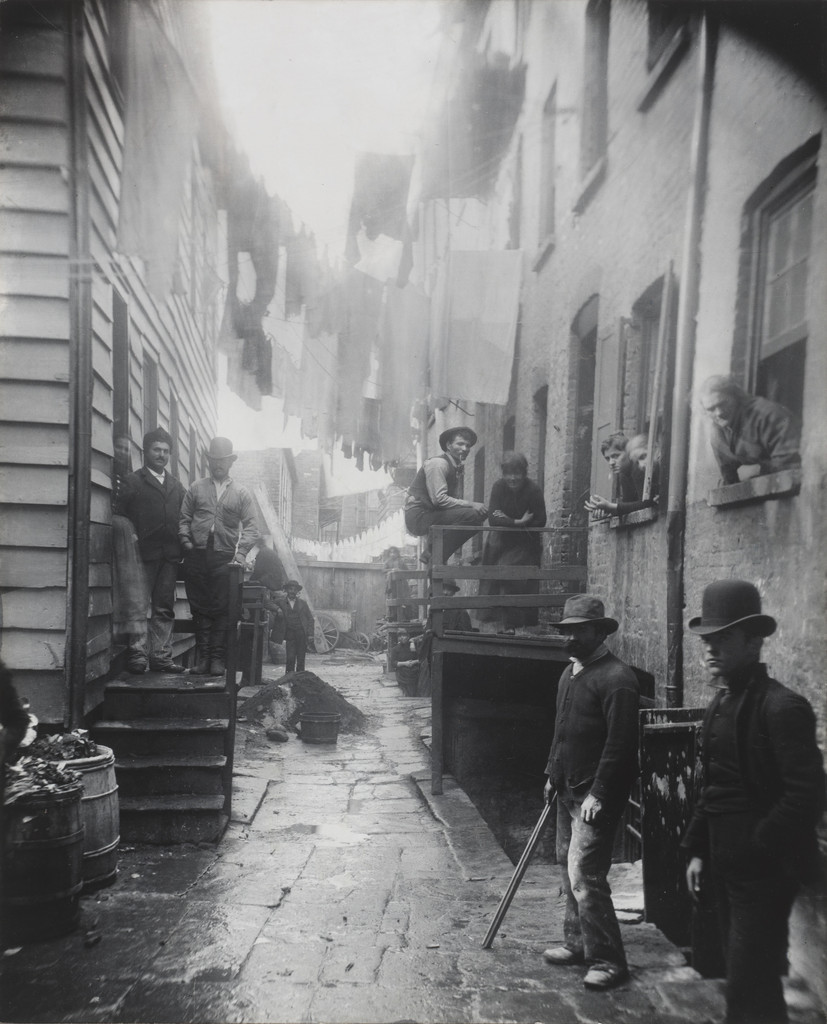
Bandits' Roost, 59 1/2 Mulberry Street, Jacob August Riis, 1888

Bandits' Roost, 59 1/2 Mulberry Street

1888 · Non esposta · Museum of Modern Art

Sabbath Eve in a Coal Celler, Ludlow Street, Jacob August Riis, 1888-1895

Sabbath Eve in a Coal Celler, Ludlow Street

1888-1895 · Non esposta · Museum of Modern Art

Blind Beggar, Jacob August Riis, 1888

Blind Beggar

1888 · Non esposta · Museum of Modern Art

Shoemaker, Broome Street, Jacob August Riis, 1888-1895

Shoemaker, Broome Street

1888-1895 · Non esposta · Museum of Modern Art

The Street, their Playground, Jacob August Riis, 1888-1895

The Street, their Playground

1888-1895 · Non esposta · Museum of Modern Art

Reporter Office at 301 Mulberry Street, Jacob August Riis, 1888

Reporter Office at 301 Mulberry Street

1888 · Non esposta · Museum of Modern Art

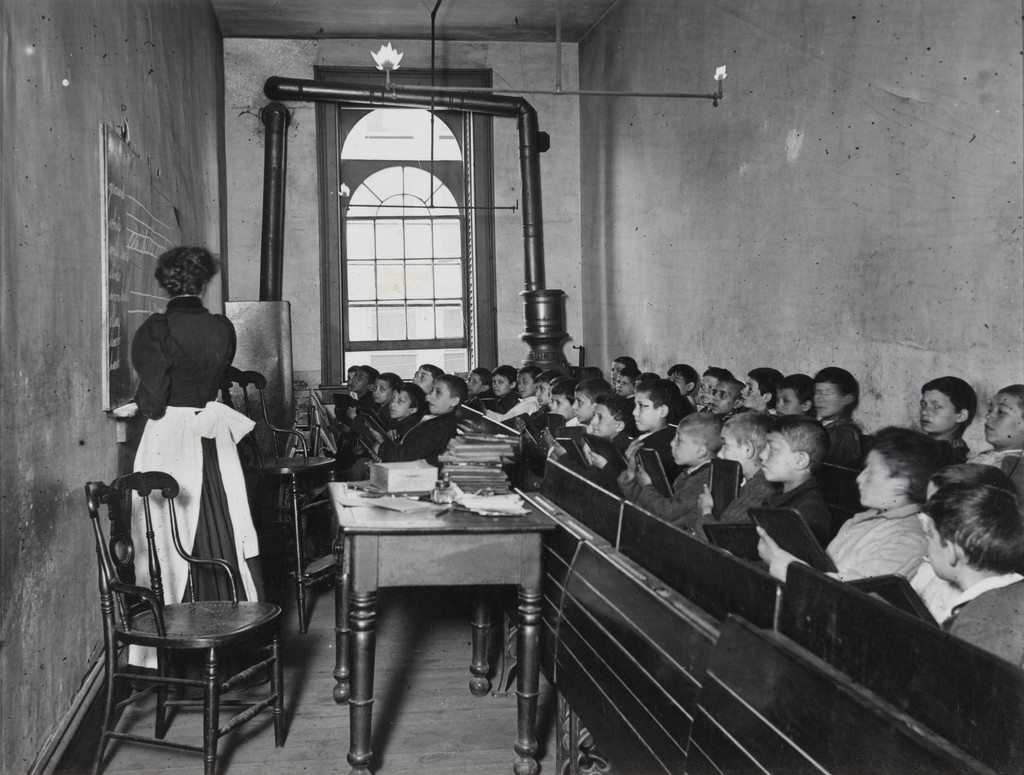
East Side Public School. A Class in the Condemned Essex Market School. Gas burning by day, Jacob August Riis, 1888-95

East Side Public School. A Class in the Condemned Essex Market School. Gas burning by day

1888-95 · Non esposta · Museum of Modern Art

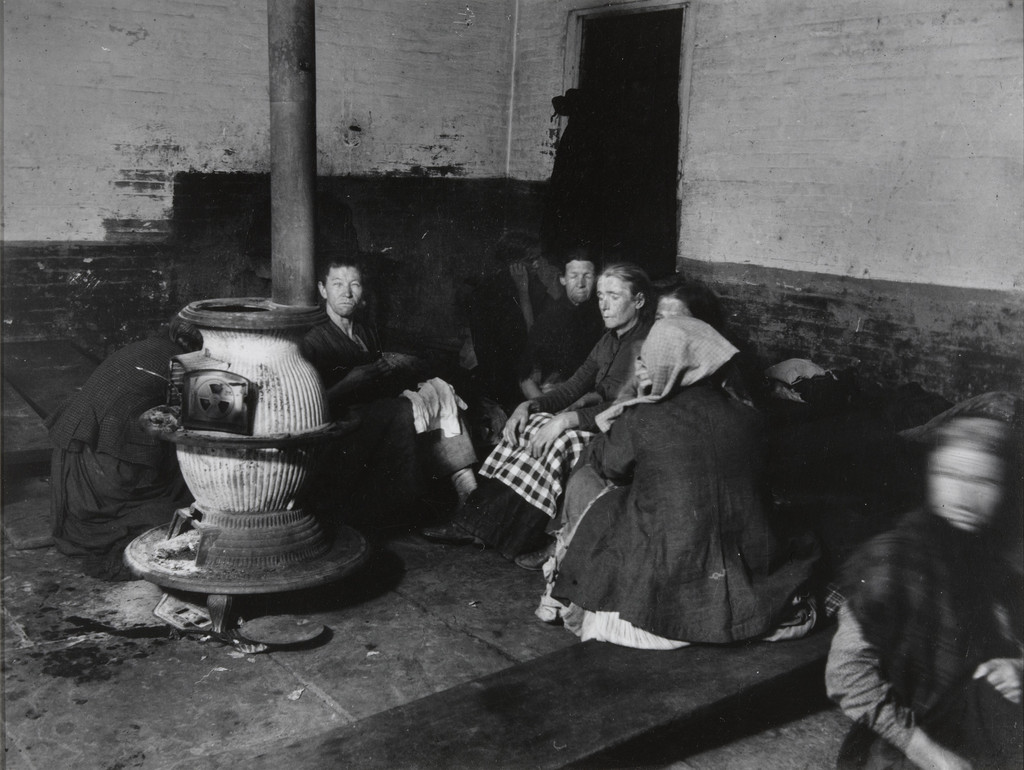
Police Station Lodgers in Elizabeth Street Station, Jacob August Riis, 1888-95

Police Station Lodgers in Elizabeth Street Station

1888-95 · Non esposta · Museum of Modern Art

Sotto lo stesso tetto: Minneapolis Institute of Art

Pagina del museo
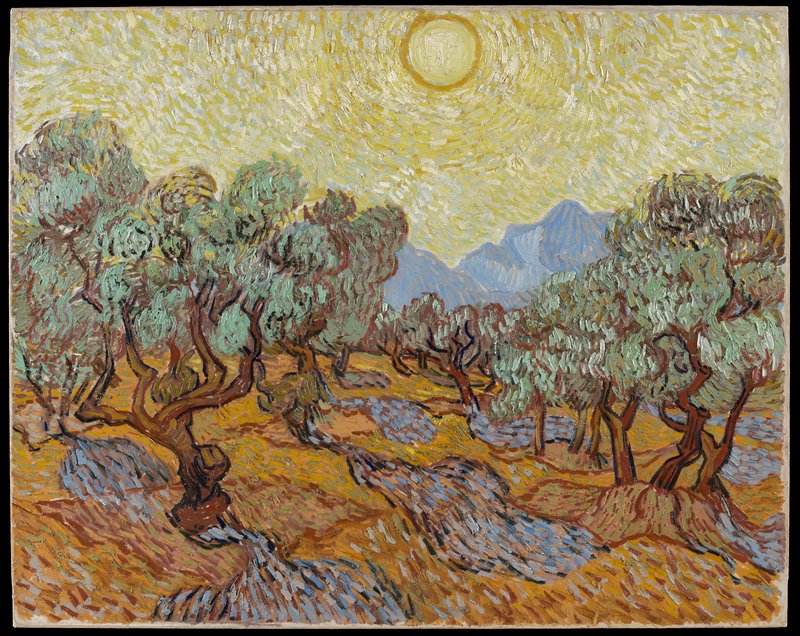
Olive Trees, Vincent van Gogh, 1889

Vincent van Gogh

Olive Trees, 1889

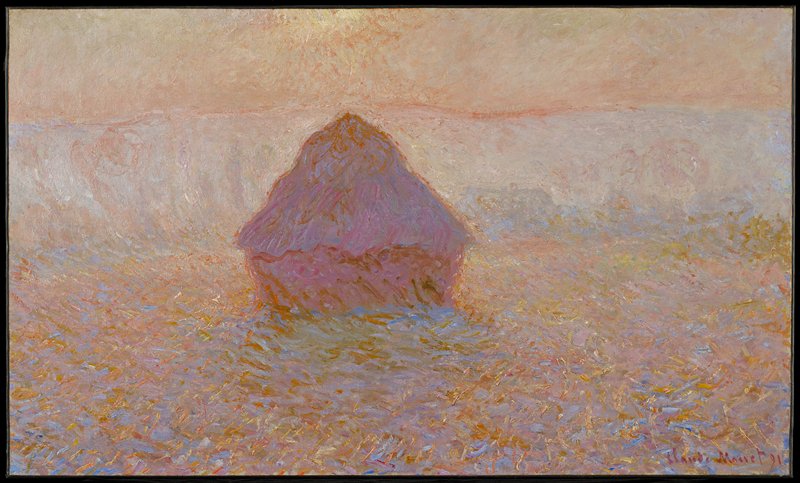
Grainstack, Sun in the Mist, Claude Monet, 1891

Claude Monet

Grainstack, Sun in the Mist, 1891

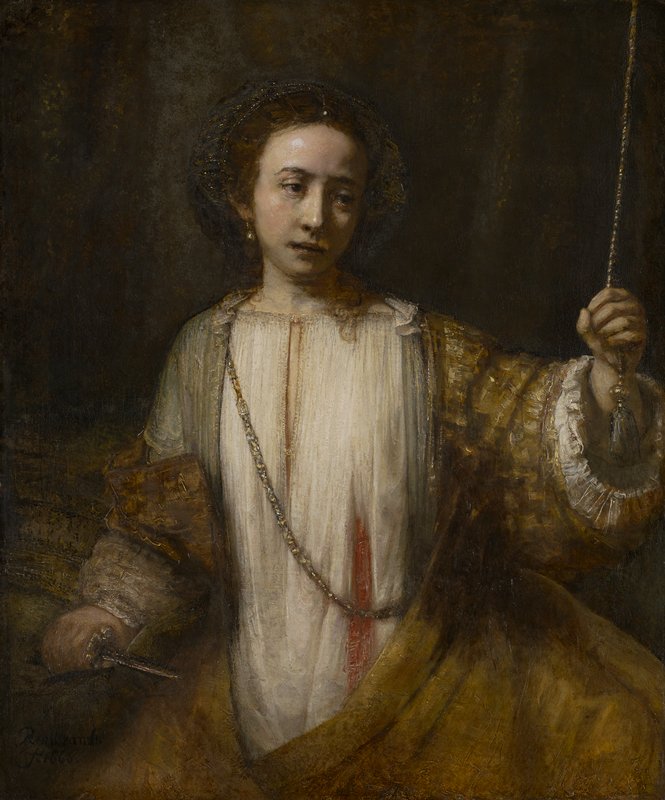
Lucretia, Rembrandt van Rijn, 1666

Rembrandt van Rijn

Lucretia, 1666

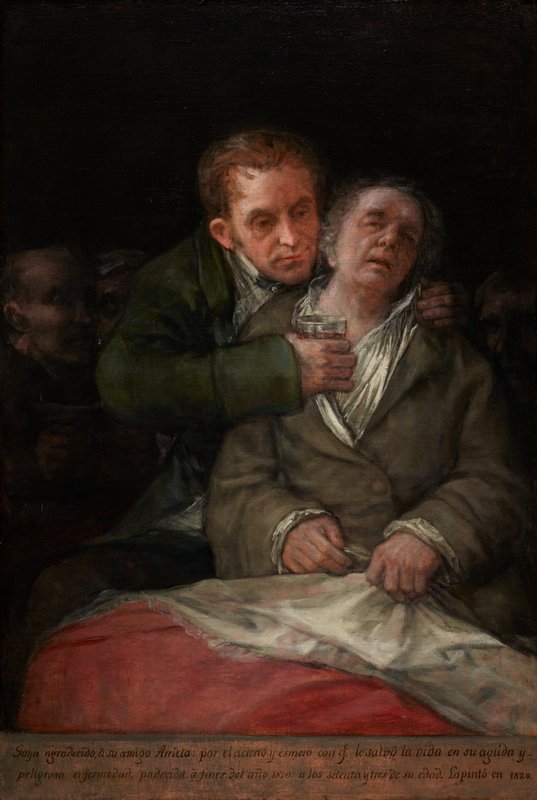
Self-Portrait with Dr. Arrieta, Francisco José de Goya y Lucientes, 1820

Francisco de Goya

Goya curato dal dottor Arrieta, 1820

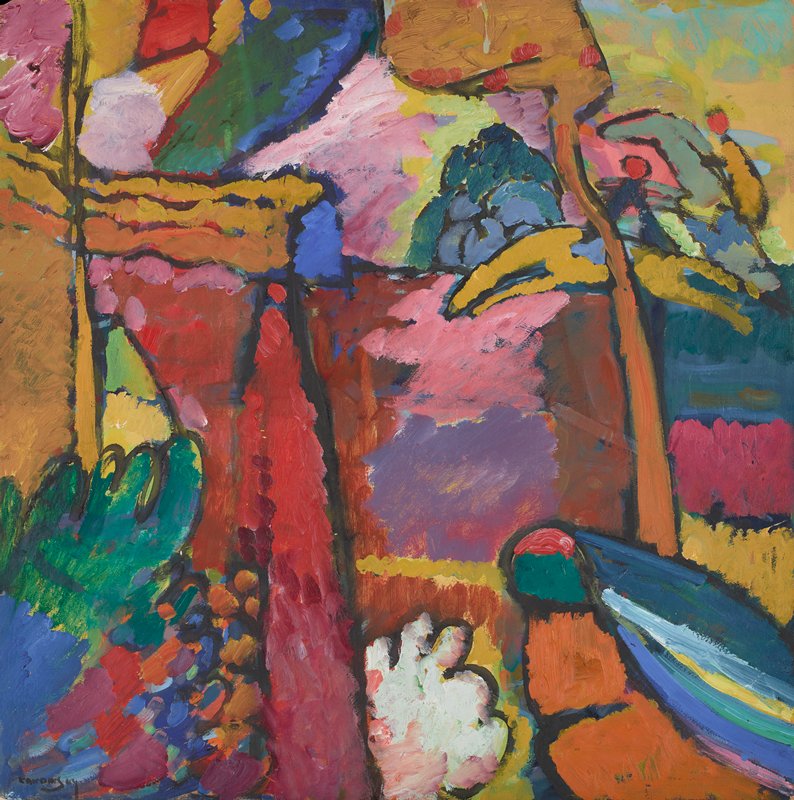
Study for Improvisation V, Vassily Kandinsky, 1910

Vasily Kandinsky

Study for Improvisation V, 1910

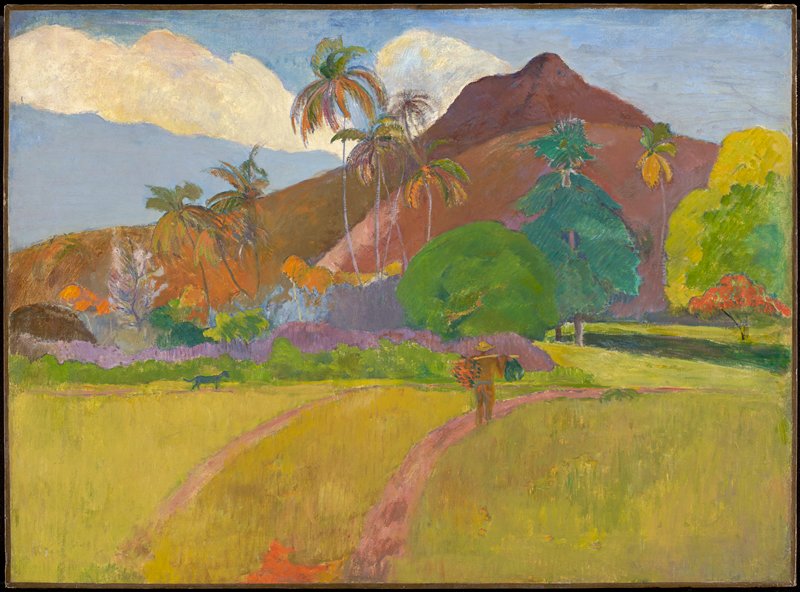
Tahitian Landscape, Paul Gauguin, 1891

Paul Gauguin

Tahitian Landscape, 1891

Chestnut Trees at Jas de Bouffan, Paul Cézanne, c. 1885–86

Paul Cézanne

Chestnut Trees at Jas de Bouffan, c. 1885–86

The Union of England and Scotland (Charles I as the Prince of Wales), Peter Paul Rubens, 1633–34

Peter Paul Rubens

The Union of England and Scotland (Charles I as the Prince of Wales), 1633–34