 Camille CorotFrancia, 1796–1875
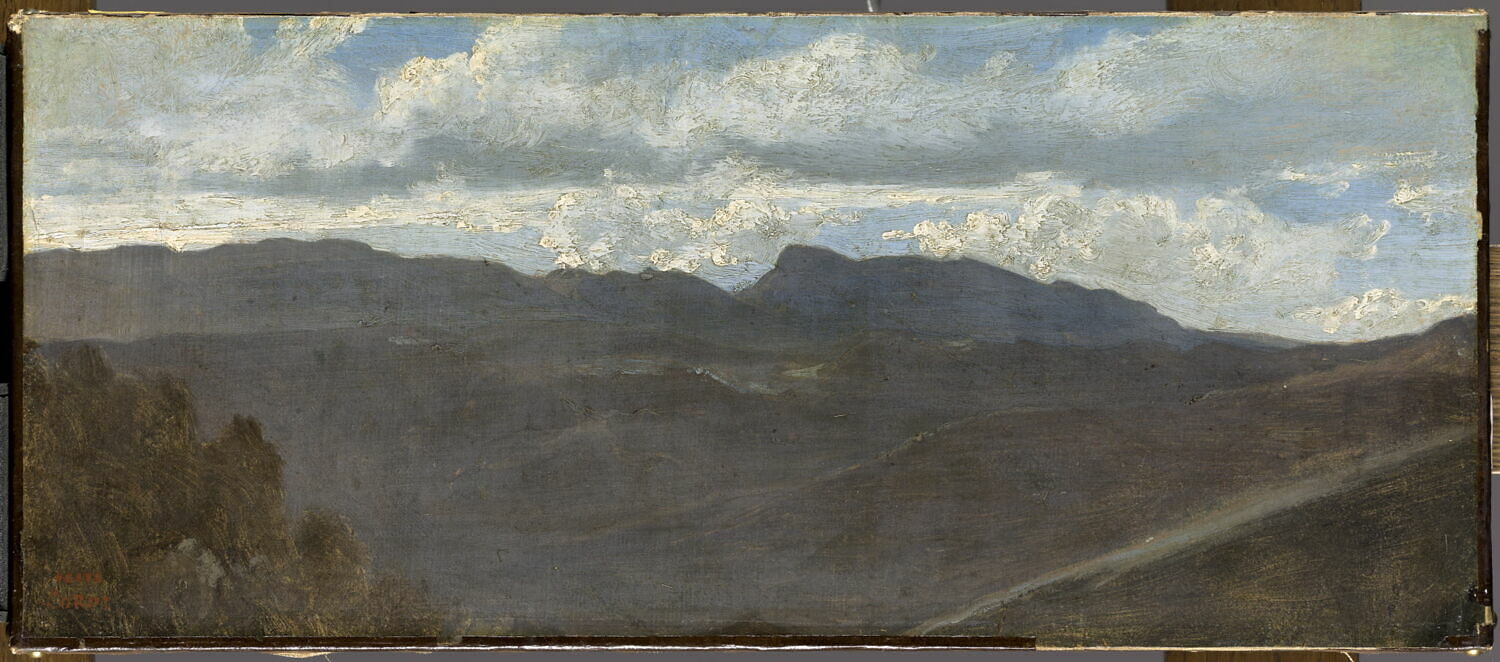
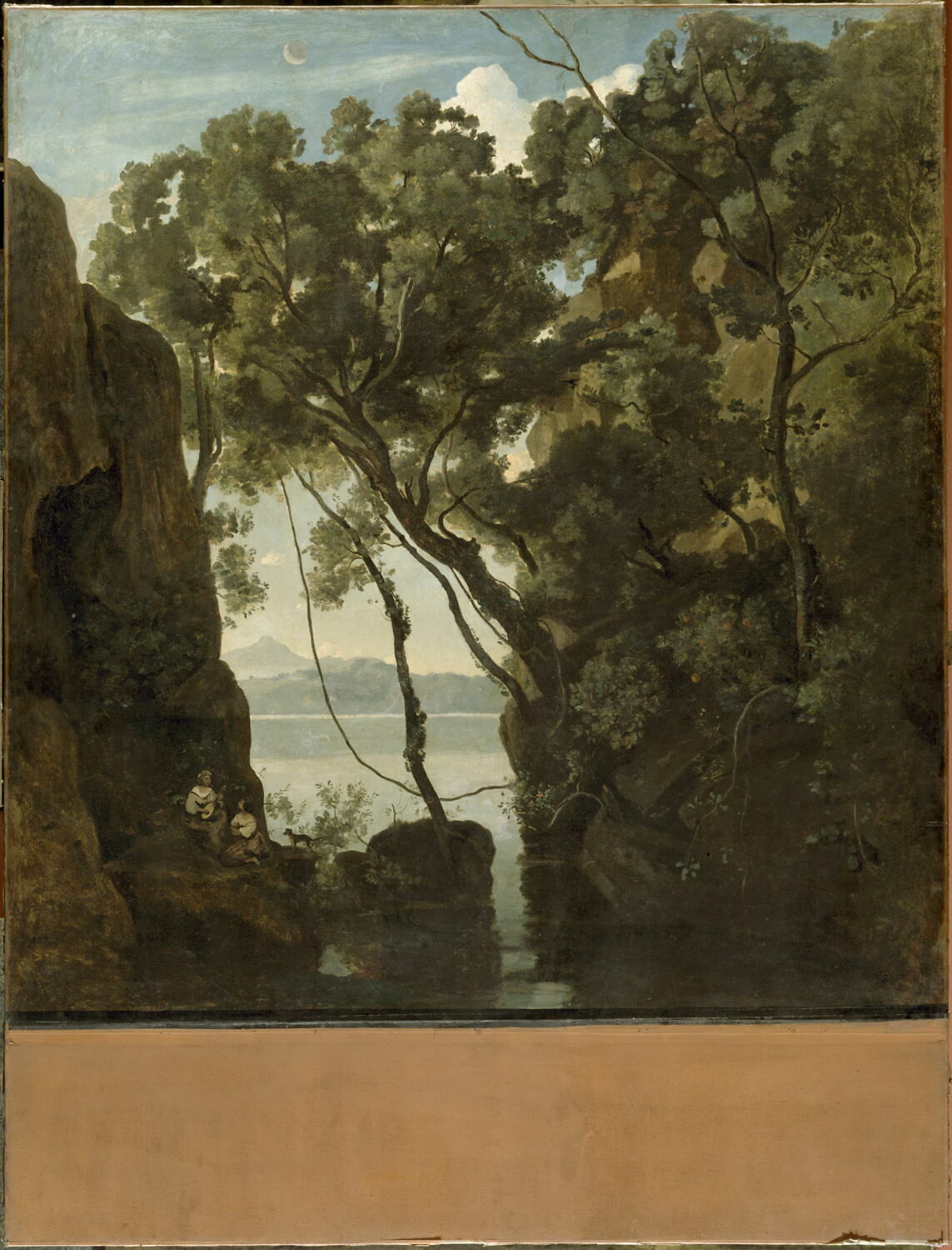
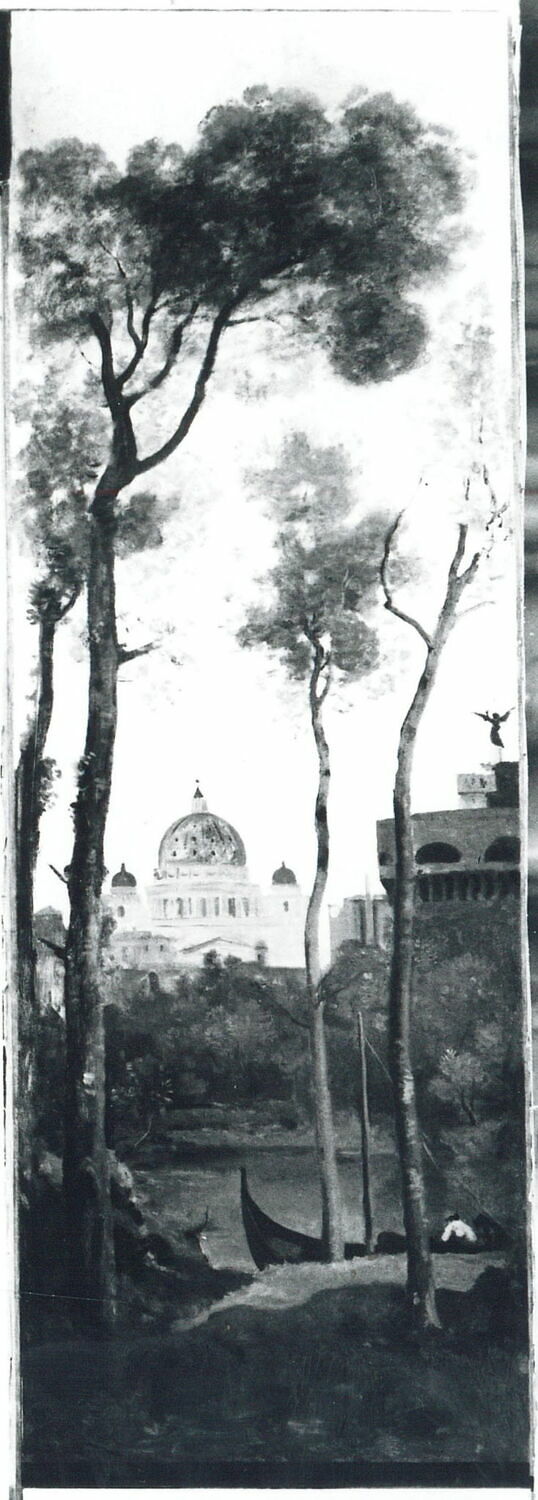
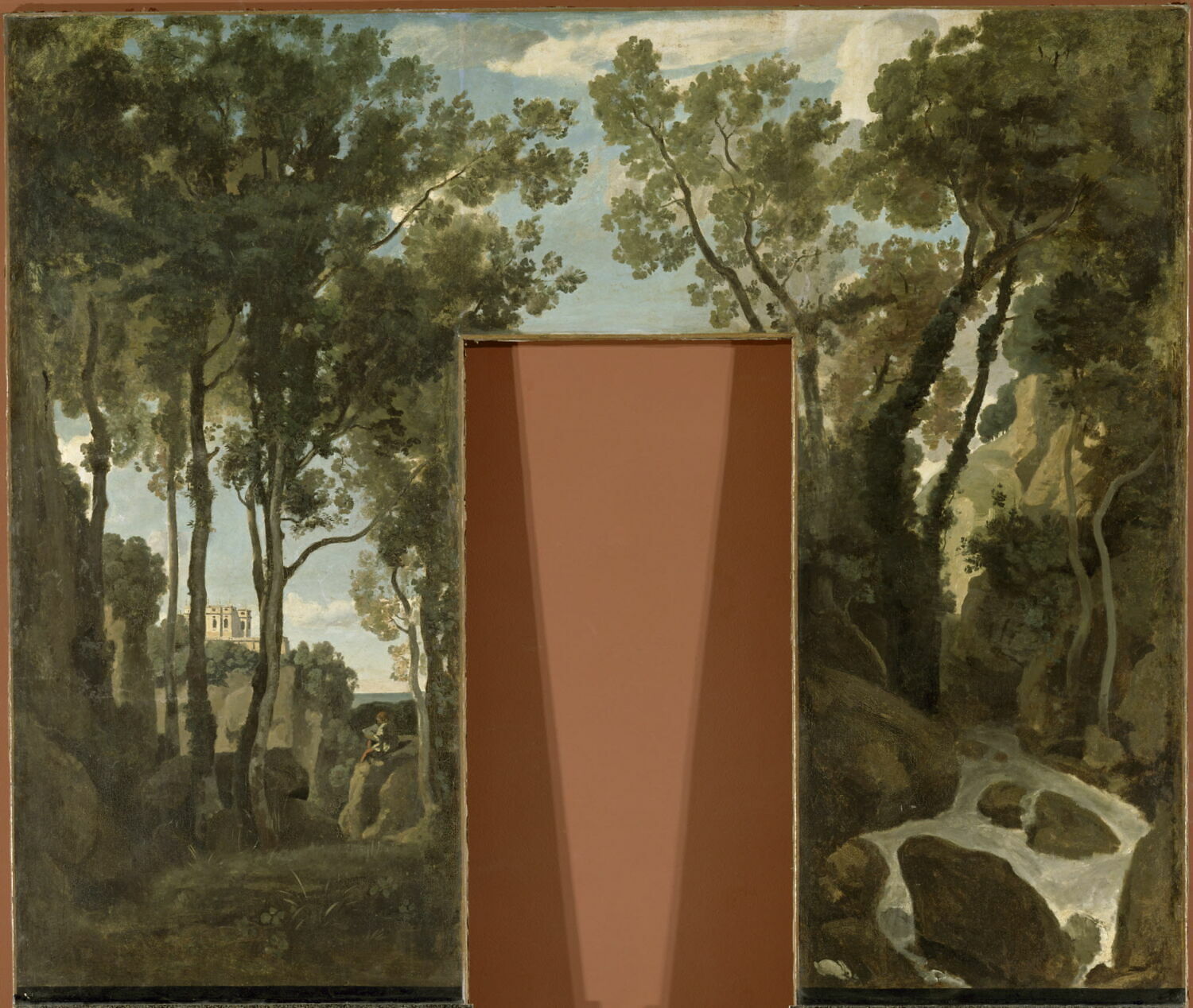
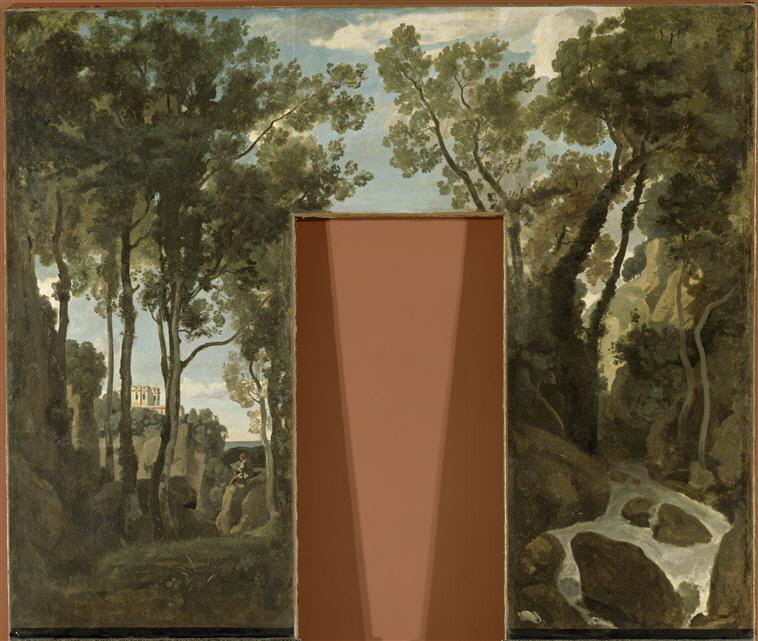
Gorges du Tyrol.
Si può vedere?
Sì, esposta ora
Dove si trova «Gorges du Tyrol.» oggi? Museo del Louvre, Salle 947, Aile Sully, Niveau 2, Parigi. Sì, esposta ora. Verificato 26 settembre 2026.

Aperto· fino alle 18:00
Esposta al pubblico.
- Verificato
- Ultimo cambio di stato
- Fonte
- Il museo
Scheda
- Numero di inventario
- RF 2605 B
In catalogo
Fonti
- Museo del Louvre
- Immagine: Museo del Louvre — © 1989 GrandPalaisRmn (musée du Louvre) / RMN Agence photo
Nella vita di Camille Corot
Tutta la vita1825–1828
First trip to Italy
With his parents' support Corot went to Italy to study the Renaissance masters and draw the crumbling monuments of antiquity; his parents' condition was that he paint a self-portrait for them, his first. In three years he completed over 200 drawings and 150 paintings, worked and travelled with several young French painters, and spent most of his time around Rome and in the Italian countryside.
1825–1828
A vow to landscape: no marriage for the sake of painting
Although strongly attracted to Italian women, Corot wrote that he had only one goal in life, to make landscapes, and that this firm resolution kept him from a serious attachment, that is, from marriage. He did in fact forsake any long-term relationships with women and remained very close to his parents even in his fifties.
1827
Salon debut: “View at Narni”
In 1827 Corot sent his first painting to the Salon, “View at Narni”. He transformed a quick study of a ruined Roman aqueduct in bright sun into an idyllic pastoral setting with giant shade trees and green lawns, a conversion meant to appeal to the Neoclassical jurors.
spring 1829
Spring in Barbizon: the Forest of Fontainebleau
In the spring of 1829 Corot came to Barbizon to paint in the Forest of Fontainebleau, where he had first painted at Chailly in 1822; he returned in the autumn of 1830 and the summer of 1831, making drawings and oil studies. There he met the members of the Barbizon school: Théodore Rousseau, Paul Huet, Constant Troyon, Jean-François Millet and the young Charles-François Daubigny.
1835
A sensation at the Salon: “Hagar in the Wilderness”
In 1835 Corot created a sensation at the Salon with his biblical painting “Hagar in the Wilderness”, showing Hagar and the child Ishmael dying of thirst until saved by an angel; his bold, fresh statement of the Neoclassical ideal succeeded with the critics. The biblical and mythological subjects that followed did not succeed as well, as the critics found him wanting in comparison with Poussin.
1848
After the Revolution of 1848, a seat on the Salon jury
Corot's public treatment improved dramatically after the Revolution of 1848, when he was admitted to the Salon jury; that year he also received a second-class medal at the Salon. It brought him little state patronage, however.