ART WIKI33.040 in sala
MappaCollezioneArtistiMuseiMostreRivista
Accedi

ART WIKI

Dove è appeso il capolavoro, e quando si può entrare.

Collezioni: Art Institute of Chicago, Cleveland Museum of Art, Ermitage, Galleria Tret'jakov, Getty Museum, Harvard Art Museums, Hirshhorn Museum and Sculpture Garden, Metropolitan Museum of Art, Minneapolis Institute of Art, Museo del Louvre, Museo Puškin delle belle arti, Museo russo, Museum of Modern Art, National Gallery of Art, National Museum of Asian Art, National Portrait Gallery, Rijksmuseum, Smithsonian American Art Museum, Statens Museum for Kunst, Victoria and Albert Museum, Villa Getty, Whitney Museum of American Art, Catalogo statale del fondo museale russo (274 musei), Europeana (19 musei), Wikidata (6 musei), Paris Musées (12 musei) e Joconde, la banca dati dei musei del Ministero della Cultura francese (495 musei). Le immagini appartengono ai titolari dei diritti.

Sezioni

  • Mappa
  • Ricerca
  • Collezione
  • Capolavori
  • Esposte ora
  • Artisti

Altro

  • Musei e gallerie
  • Mostre
  • Rivista
  • Da dove vengono i dati
  • Privacy e cookie
HomeMappaCatalogo
  1. Collezione/
  2. Minneapolis Institute of Art/
  3. Golden Bird
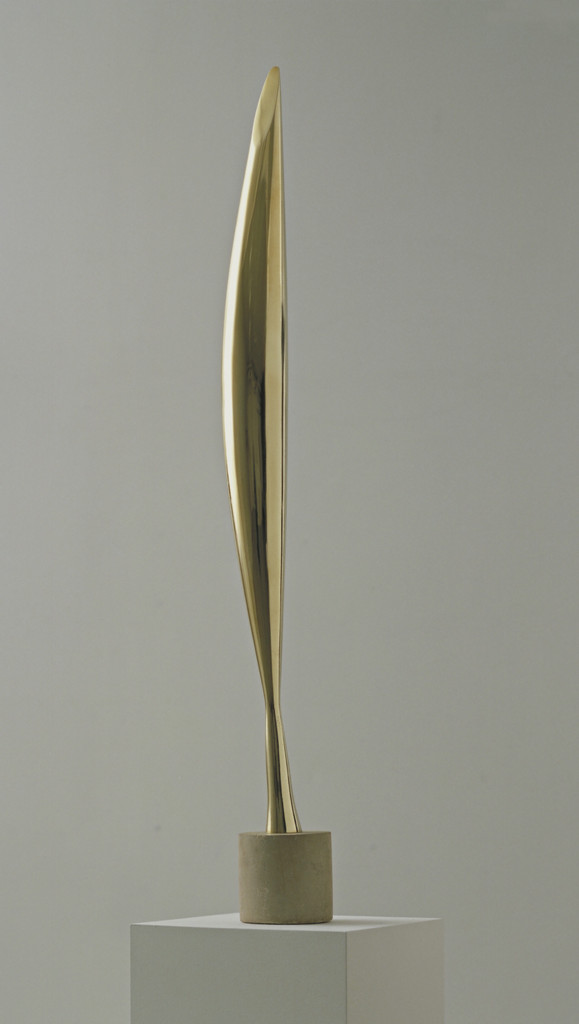
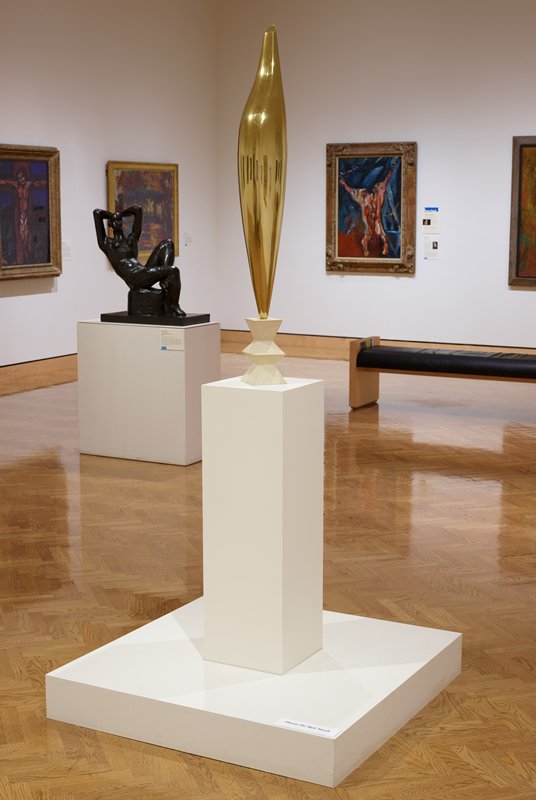
Golden Bird, Constantin Brancusi, c. 1919
Constantin Brancusi, ritrattoConstantin BrancusiRomania, 1876–1957

Golden Bird

c. 1919 · Sculpture · 95.9 × 16.5 cm

Si può ammirare?

Sì, riceve visite

Minneapolis Institute of Art

Minneapolis, Stati Uniti

SalaG377

Esposta al pubblico. Chi lo garantisce è indicato qui sotto.

Verificato
9 giorni fa
Ultimo cambio di stato
25 set 2026
Fonte
Il museo
Sulla mappaPagina del museo

Sulla scultura

Constantin Brancusi began making abstract sculptures at about the same time Wassily Kandinsky, his contemporary was exploring abstraction in painting. Kandinsky eventually chose to obscure the natural objects that provided the starting point for his abstractions, whereas Brancusi took natural forms to an extreme of simplification but never completely excluded them from his work. Golden Bird belongs to a series of twenty-eight marbles and bronzes exploring the theme of birds and their flight, which Brancusi executed between 1910 and the early 1950s. His inspiration for these sculptures was a Romanian folktale about a dazzling golden bird called the Maiastra, whose magical song restored sight to the blind and youth to the aged. The shiny polished bronze of Golden Bird recalls the Maiastra's brilliant plumage, and the vertical thrust of the neck suggests open-throated song.

Minneapolis Institute of Art

Scheda

c. 1919
18761957
Numero di inventario
55.39

Nel frattempo, nella vita di Constantin Brancusi

Tutta la vita
  1. 1910s

    “Mobile groups”: rearranging the sculptures

    During the 1910s Brâncuși arranges sculptures and pedestals in changing compositions that he calls “mobile groups”: he moves the works and watches how each change alters the space around them. When he sells a sculpture he often puts a plaster version in the same position, and by the 1920s the studio is also an exhibition space whose arrangement forms part of the work.

  2. 1915–1917

    The First World War: a refusal to serve

    Brâncuși stays in Paris after the outbreak of World War I; in 1915 he donates works to an exhibition at Bernheim-Jeune that raises money for Polish artists affected by the war. As a Romanian citizen he remains liable for military service, but he refuses to serve in 1916 and receives a permanent exemption on 8 November 1917.

  3. 1919

    Meeting Erik Satie

    The writer Henri-Pierre Roché brings the composer Erik Satie, exactly ten years older than Brâncuși, to his studio together with Marcel Duchamp, beginning a friendship that lasts from 1919 to 1925. After dinner Brâncuși plays the violin for his guest, and Satie, in Roché’s words, teaches him verbal fencing, self-belief and clarity of thought.

  4. 1920

    “Princess X” excluded from the Salon des Indépendants

    In January 1920 the organizers of the Salon des Indépendants exclude “Princess X” (1915–1916) because they regard its shape as phallic. Fernand Léger and other friends of Brâncuși protest, the sculpture is returned to the exhibition, and the dispute leads to the manifesto “Pour l’indépendance de l’art”, signed by more than seventy artists and writers; Erik Satie signed the protest petition on 25 February 1920.
Altre opere di Constantin Brancusi

Tutte le opere

Nella stessa sala · G377, Minneapolis Institute of Art

Pagina del museo
  • 1921

    Man Ray and the darkroom

    Brâncuși, who has photographed his work since the 1910s, meets Man Ray in 1921, who helps him buy equipment, set up a darkroom and improve his developing methods. He photographs the sculptures under changing light, alters his framing and documents the relationships between the works and the surrounding space; he also films his studio and sculptures mounted on rotating bases.

  • September 1921

    A Brâncuși issue of “The Little Review”

    In September 1921 the American magazine “The Little Review” publishes an issue devoted to Brâncuși, with an essay by Ezra Pound and 24 photographic plates showing sculptures and views of the studio.

  • In catalogo

    SculturaBronzoModernismoXX secoloRomania

    Fonti

    • Minneapolis Institute of Art
    • Immagine: Minneapolis Institute of Art — © Artists Rights Society (ARS), New York / ADAGP, Paris
    Maiastra, Constantin Brancusi, 1910-12

    Maiastra

    1910-12 · Museum of Modern Art

    Maiastra, Constantin Brâncuși, c. 1911

    Maiastra

    c. 1911 · National Gallery of Art

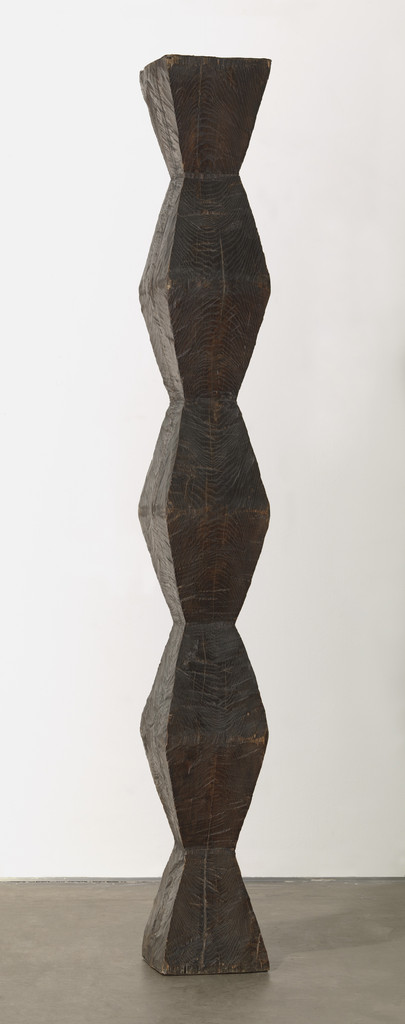
    Endless Column, Constantin Brancusi, version I, 1918

    Endless Column

    version I, 1918 · Museum of Modern Art

    The Newborn, Constantin Brancusi, version I, 1920

    The Newborn

    version I, 1920 · Museum of Modern Art

    Socrates, Constantin Brancusi, 1922

    Socrates

    1922 · Museum of Modern Art

    Bird in Space, Constantin Brâncuși, 1925

    Bird in Space

    1925 · National Gallery of Art

    Bird in Space, Constantin Brâncuși, 1927

    Bird in Space

    1927 · National Gallery of Art

    Bird in Space, Constantin Brancusi, 1928

    Bird in Space

    1928 · Museum of Modern Art

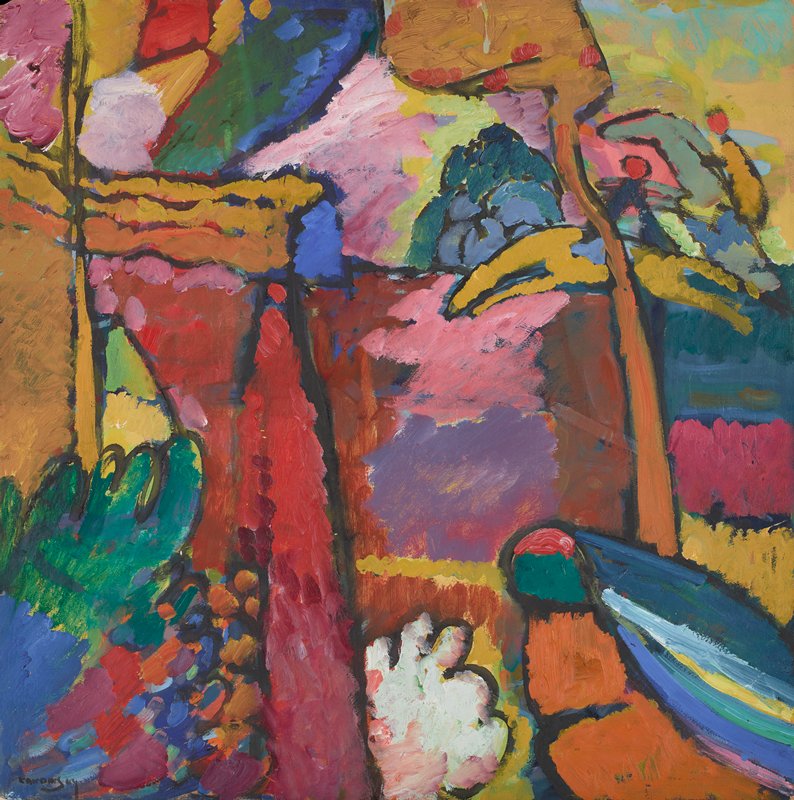
    Study for Improvisation V, Vassily Kandinsky, 1910

    Vasily Kandinsky

    Study for Improvisation V, 1910

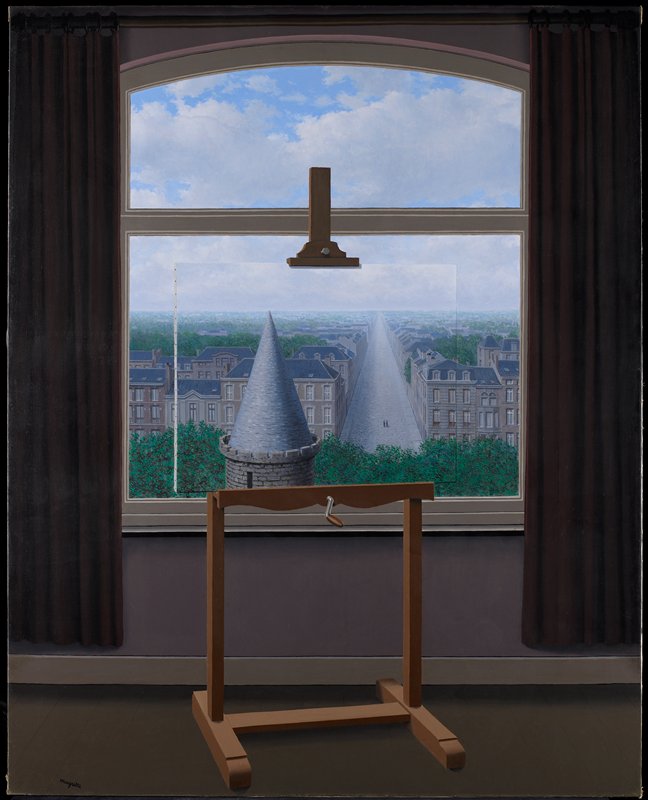
    The Promenades of Euclid, René Magritte, 1955

    René Magritte

    The Promenades of Euclid, 1955

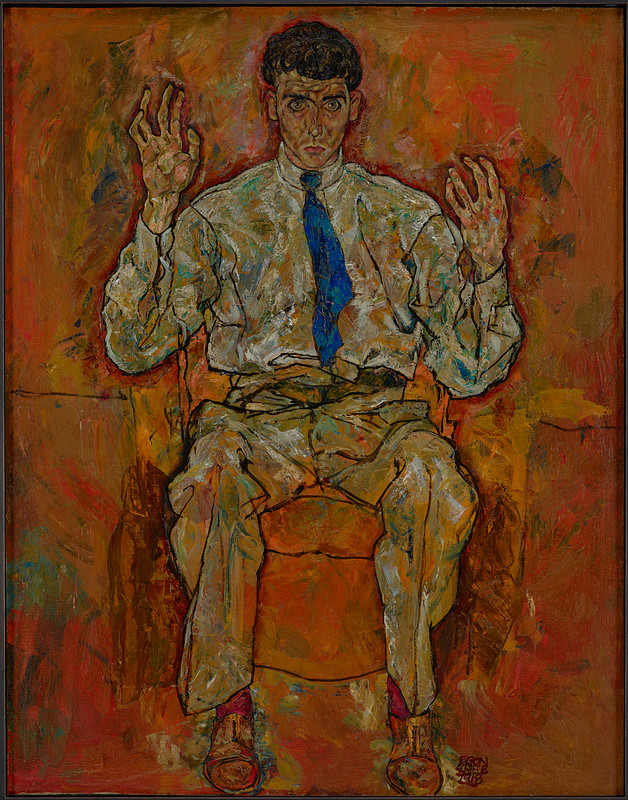
    Portrait of Albert Paris von Gütersloh, Egon Schiele, 1918

    Egon Schiele

    Portrait of Albert Paris von Gütersloh, 1918

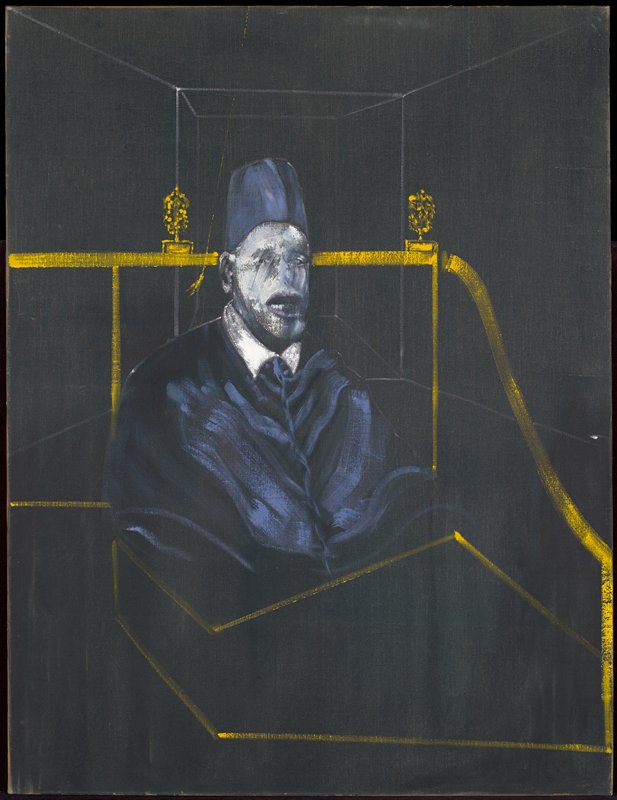
    Study for Portrait VI, Francis Bacon, 1953

    Francis Bacon

    Study for Portrait VI, 1953

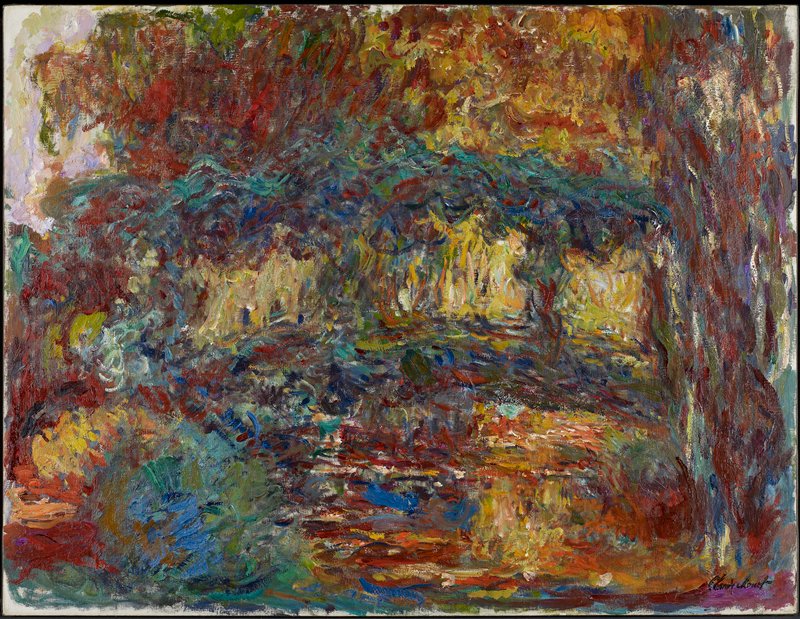
    The Japanese Bridge, Claude Monet, c. 1923–25

    Claude Monet

    The Japanese Bridge, c. 1923–25

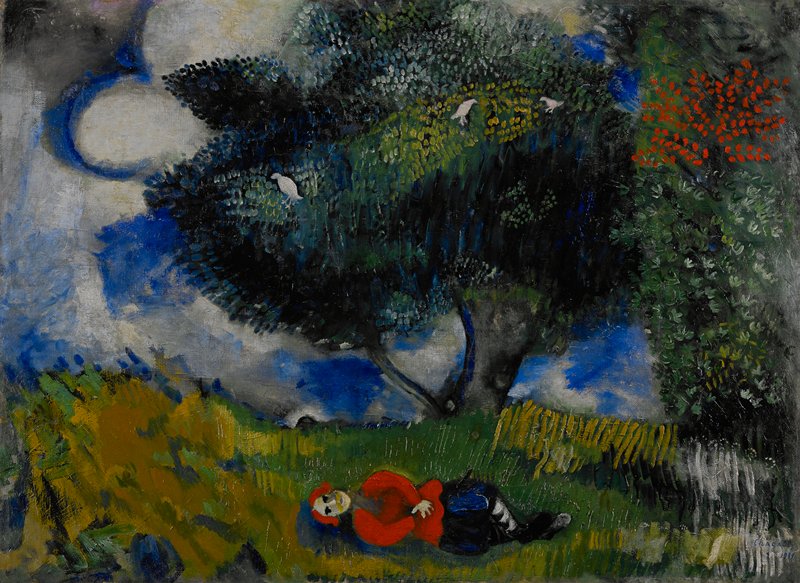
    The Poet with the Birds, Marc Chagall, 1911

    Marc Chagall

    The Poet with the Birds, 1911

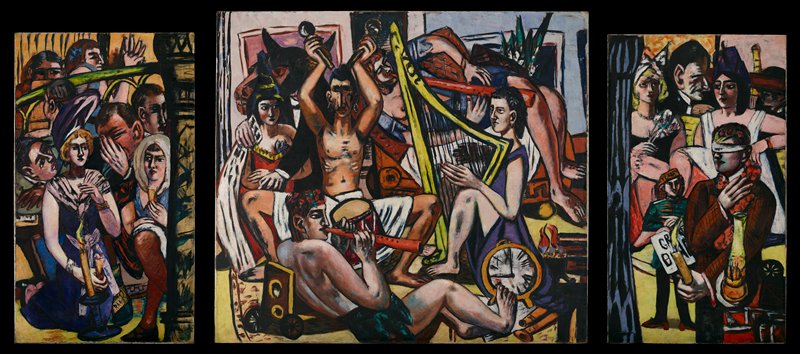
    Blind Man's Buff, Max Beckmann, 1945

    Max Beckmann

    Blind Man's Buff, 1945

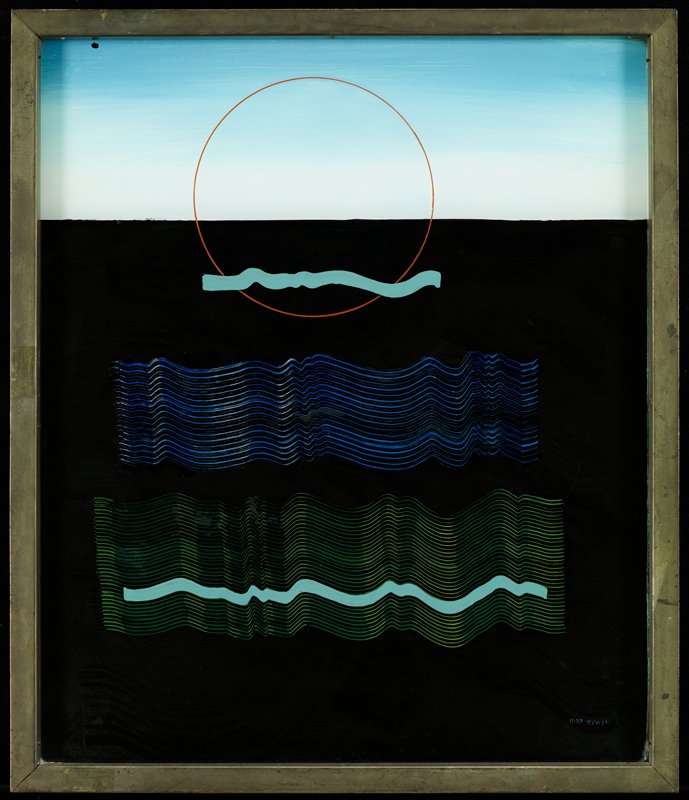
    Soleil rouge maritime, Max Ernst, 1927

    Max Ernst

    Soleil rouge maritime, 1927