ART WIKI33.040 in sala
MappaCollezioneArtistiMuseiMostreRivista
Accedi

ART WIKI

Dove è appeso il capolavoro, e quando si può entrare.

Collezioni: Art Institute of Chicago, Cleveland Museum of Art, Ermitage, Galleria Tret'jakov, Getty Museum, Harvard Art Museums, Hirshhorn Museum and Sculpture Garden, Metropolitan Museum of Art, Minneapolis Institute of Art, Museo del Louvre, Museo Puškin delle belle arti, Museo russo, Museum of Modern Art, National Gallery of Art, National Museum of Asian Art, National Portrait Gallery, Rijksmuseum, Smithsonian American Art Museum, Statens Museum for Kunst, Victoria and Albert Museum, Villa Getty, Whitney Museum of American Art, Catalogo statale del fondo museale russo (274 musei), Europeana (19 musei), Wikidata (6 musei), Paris Musées (12 musei) e Joconde, la banca dati dei musei del Ministero della Cultura francese (495 musei). Le immagini appartengono ai titolari dei diritti.

Sezioni

  • Mappa
  • Ricerca
  • Collezione
  • Capolavori
  • Esposte ora
  • Artisti

Altro

  • Musei e gallerie
  • Mostre
  • Rivista
  • Da dove vengono i dati
  • Privacy e cookie
HomeMappaCatalogo
  1. Collezione/
  2. Cleveland Museum of Art/
  3. Funerary Panel of a Man
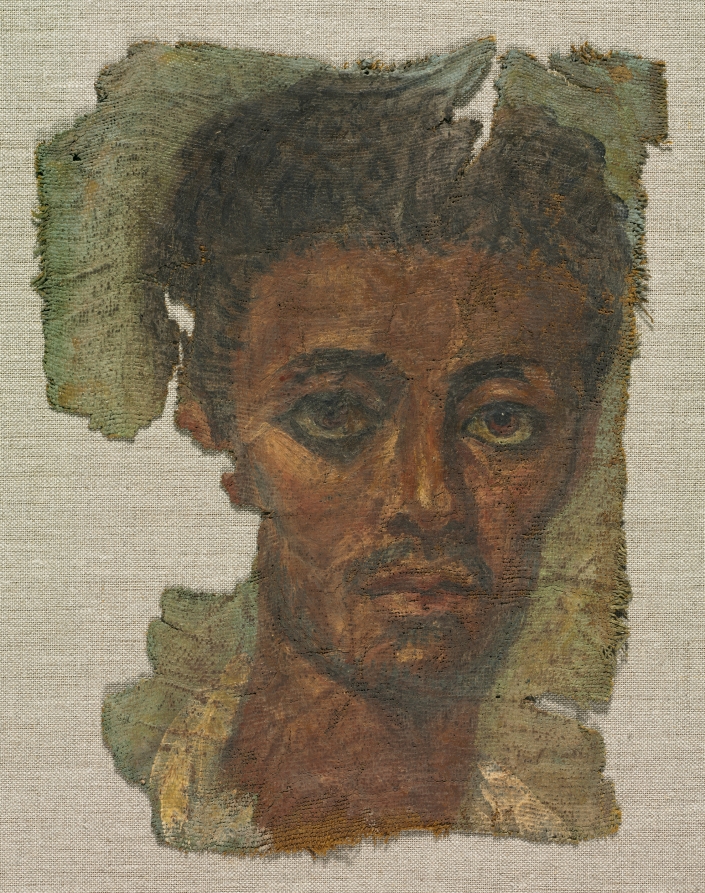
Funerary Panel of a Man, about 138–92 CE

Funerary Panel of a Man

about 138–92 CE · Painting

Si può ammirare?

Sì, riceve visite

Cleveland Museum of Art

Cleveland, Stati Uniti

Sala107 Egyptian

Esposta al pubblico. Chi lo garantisce è indicato qui sotto.

Verificato
9 giorni fa
Ultimo cambio di stato
19 ago 2026
Fonte
Il museo
Sulla mappaPagina del museo

Sul dipinto

A young man with a slight mustache and warm brown eyes looks at the viewer from this painting. The linen on which his image was rendered was a less popular alternative to wood. Its delicate surface was only workable with brushes, and not the flat metal tools used for details on wooden paintings. The rest of the cartonnage (body case) the man’s image was once part of was painted with ancient Egyptian religious imagery, like that of the young man Artemidorus. The blended decorative forms on the cartonnage show how distinctive Greco-Roman and Egyptian representational systems interacted in Roman-ruled Egypt.

Cleveland Museum of Art

Scheda

Numero di inventario
1971.135

Nella stessa sala · 107 Egyptian, Cleveland Museum of Art

Pagina del museo

In catalogo

DipintiEncaustoAntonine-era Roman Empire (Egypt), unknown painter

Fonti

  • Cleveland Museum of Art
  • Immagine: Cleveland Museum of Art — Museum open access
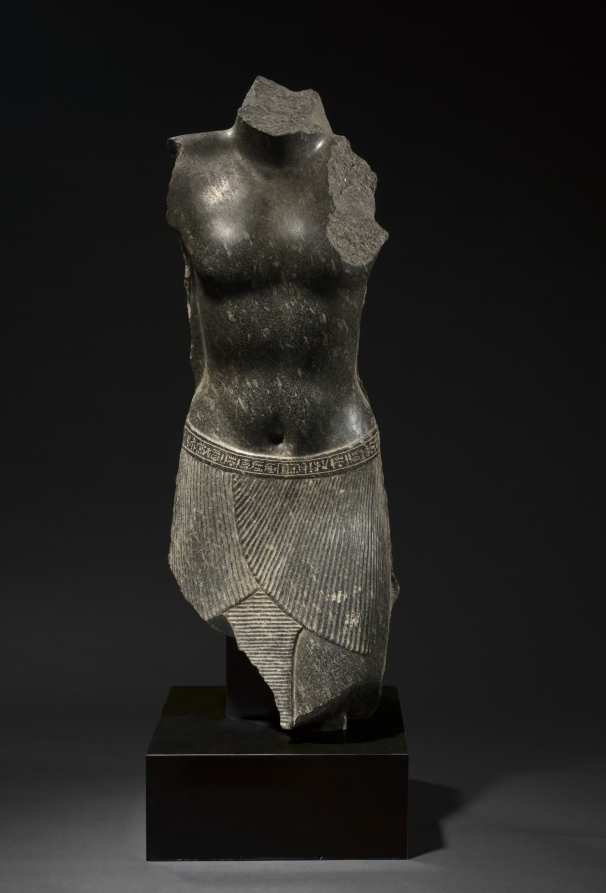
Torso of Amenpayom, probably 200–100 BCE

Torso of Amenpayom, probably 200–100 BCE

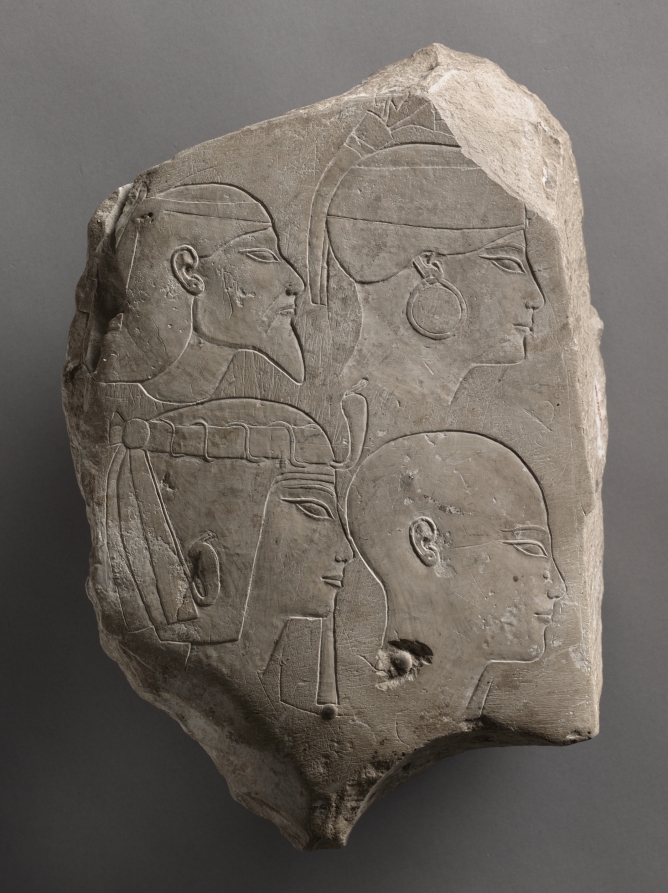
Trial Piece Worked on Both Sides, c. 1391–1353 BCE

Trial Piece Worked on Both Sides, c. 1391–1353 BCE

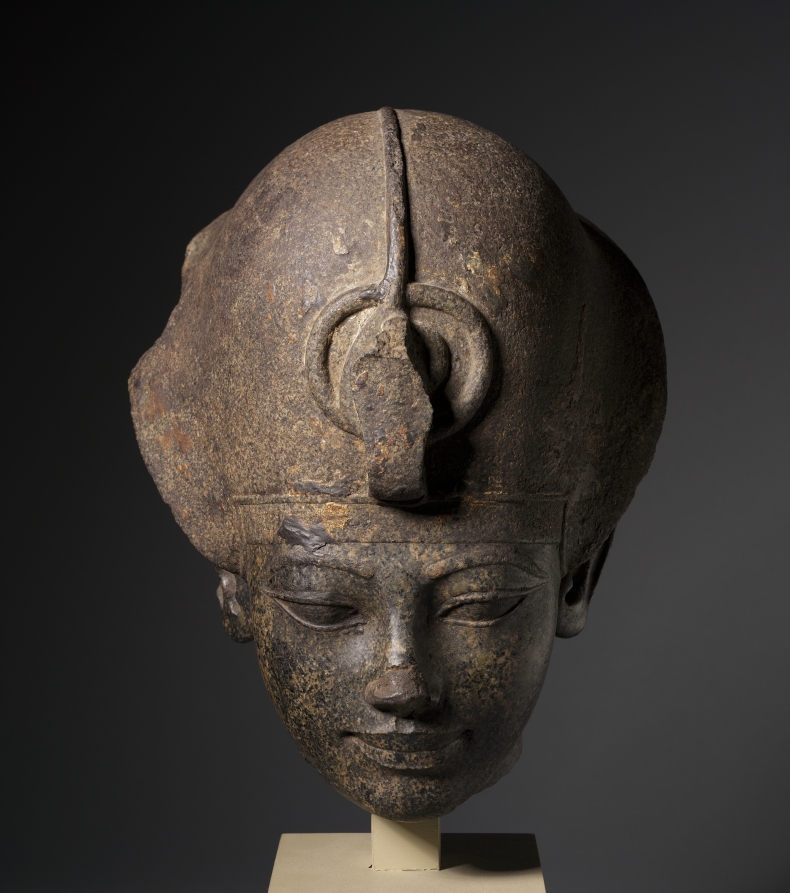
Head of Amenhotep III Wearing the Blue Crown, c. 1391–1353 BCE

Head of Amenhotep III Wearing the Blue Crown, c. 1391–1353 BCE

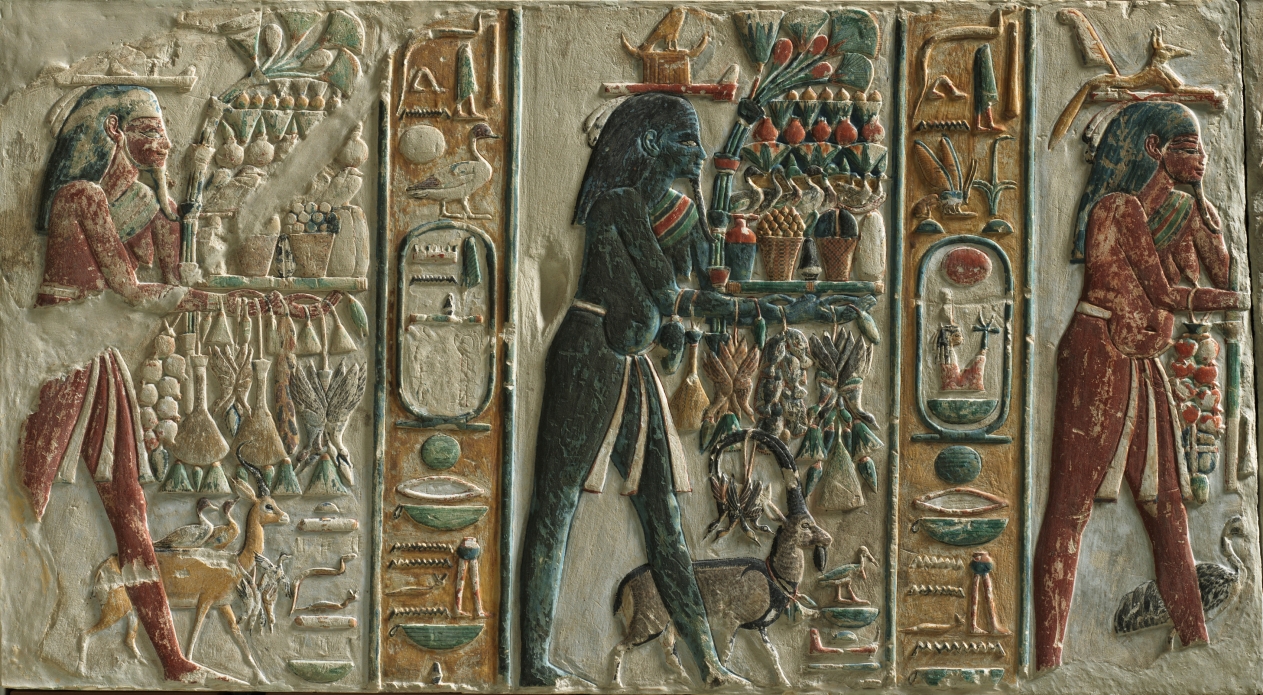
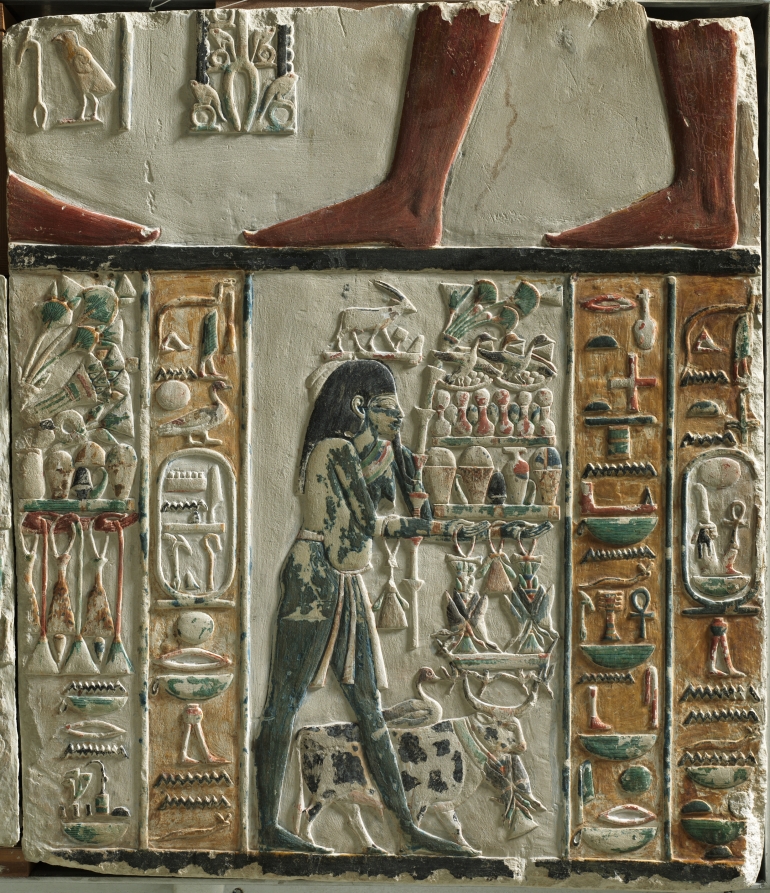
Nome Gods Bearing Offerings, c. 1391–1353 BCE

Nome Gods Bearing Offerings, c. 1391–1353 BCE

Nome Gods Bearing Offerings, c. 1391–1353 BCE

Nome Gods Bearing Offerings, c. 1391–1353 BCE

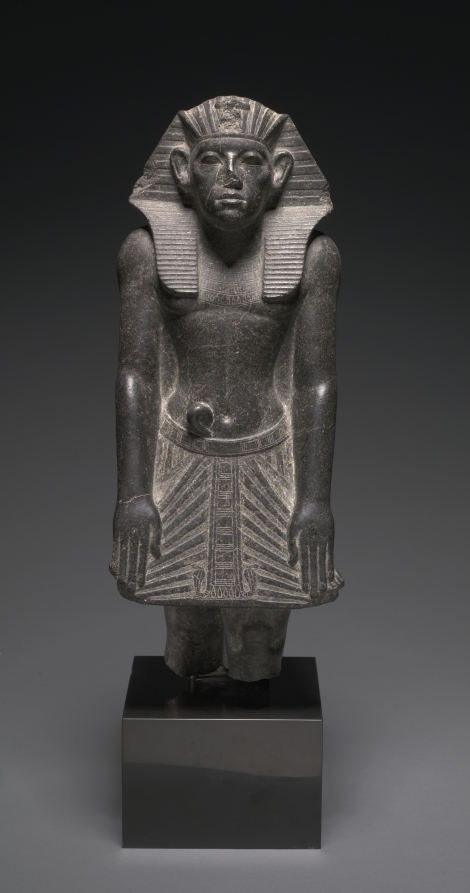
Statue of Amenemhat III, c. 1859–1814 BCE

Statue of Amenemhat III, c. 1859–1814 BCE

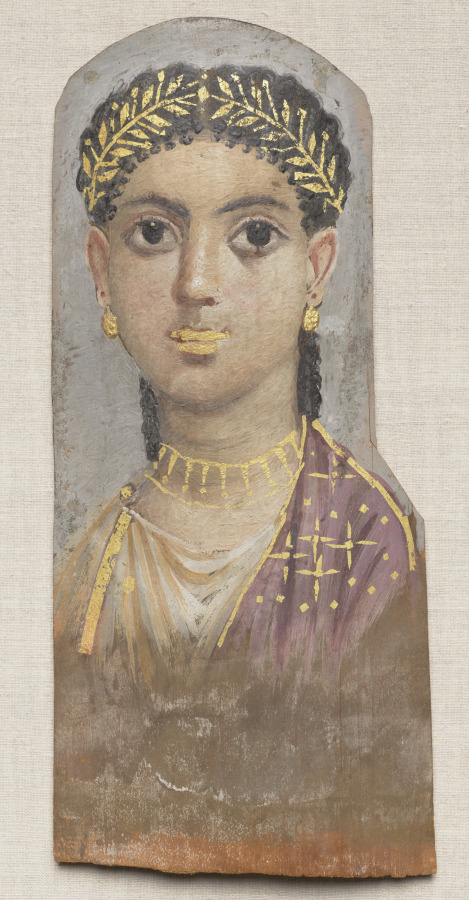
Funerary Portrait of a Young Girl, c. 25–37 CE

Funerary Portrait of a Young Girl, c. 25–37 CE

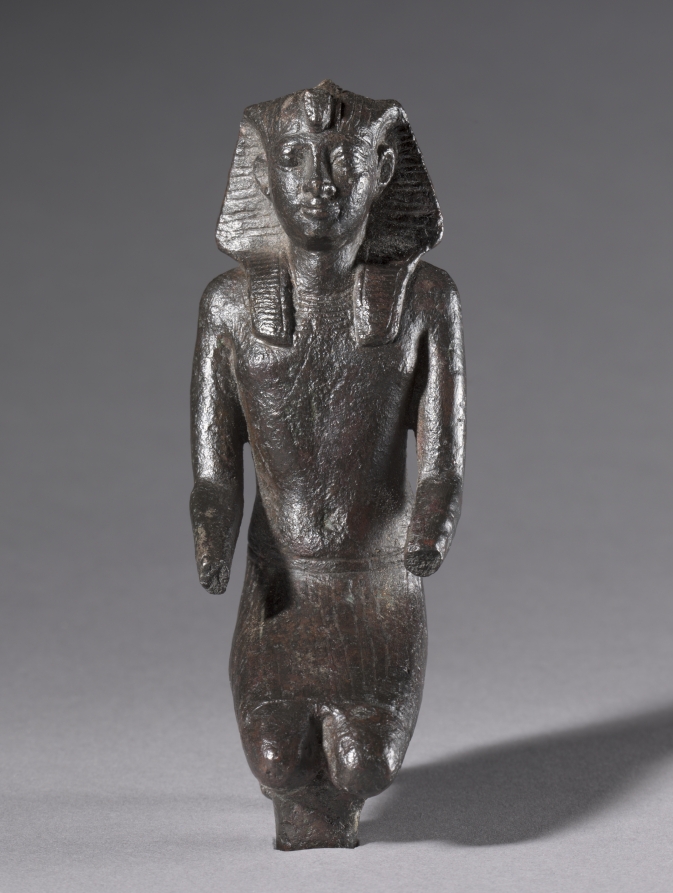
Statuette of Kneeling King, 304–30 BCE

Statuette of Kneeling King, 304–30 BCE