ART WIKI32.963 in sala
MappaCollezioneArtistiMuseiMostreRivista
Accedi

ART WIKI

Dove è appeso il capolavoro, e quando si può entrare.

Collezioni: Art Institute of Chicago, Cleveland Museum of Art, Ermitage, Galleria Tret'jakov, Getty Museum, Harvard Art Museums, Hirshhorn Museum and Sculpture Garden, Metropolitan Museum of Art, Minneapolis Institute of Art, Museo del Louvre, Museo Puškin delle belle arti, Museo russo, Museum of Modern Art, National Gallery of Art, National Museum of Asian Art, National Portrait Gallery, Rijksmuseum, Smithsonian American Art Museum, Statens Museum for Kunst, Victoria and Albert Museum, Villa Getty, Whitney Museum of American Art, Catalogo statale del fondo museale russo (274 musei), Europeana (19 musei), Wikidata (6 musei), Paris Musées (12 musei) e Joconde, la banca dati dei musei del Ministero della Cultura francese (495 musei). Le immagini appartengono ai titolari dei diritti.

Sezioni

  • Mappa
  • Ricerca
  • Collezione
  • Capolavori
  • Esposte ora
  • Artisti

Altro

  • Musei e gallerie
  • Mostre
  • Rivista
  • Da dove vengono i dati
  • Privacy e cookie
HomeMappaCatalogo
  1. Collezione/
  2. Museo del Louvre/
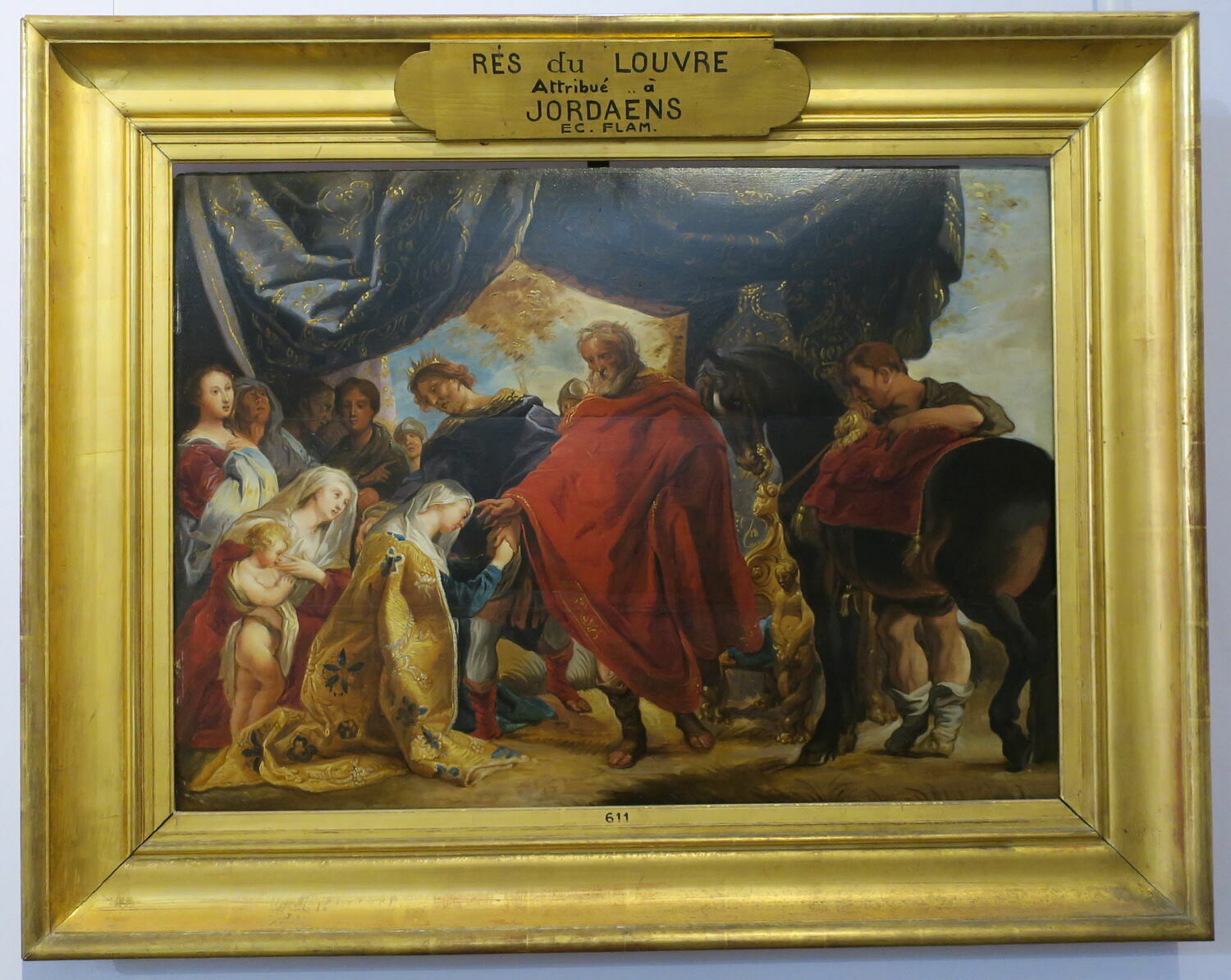
  3. Famille de Darius devant Alexandre
Famille de Darius devant Alexandre, Pays-Bas du Sud, XVIIe siècle (1600 - 1700)
Jacques Jordaens, ritrattoJacques JordaensFiandre, 1593–1678

Famille de Darius devant Alexandre

XVIIe siècle (1600 - 1700) · Peintures

Si può ammirare?

Non si sa: il museo mantiene il riserbo

Museo del Louvre

Parigi, Francia

Il proprietario è noto. Se oggi sia esposta, il museo non lo dice, e a indovinare non ci hanno insegnato.

Ultimo cambio di stato
26 set 2026
Fonte
I dati di collezione del museo stesso
Sulla mappaPagina del museo

Scheda

Numero di inventario
MI 1283

In catalogo

DipintiPittura fiammingaBaroccoXVII secolo

Fonti

  • Museo del Louvre: i dati aperti del museo · acquisita 8 giorni fa
  • Immagine: Museo del Louvre — © 2019 Musée du Louvre / Département des Peintures

Nel frattempo, nella vita di Jacques Jordaens

Tutta la vita
  1. 1615

    Admitted to the guild as a master “water painter”

    After eight years of training Jordaens was admitted to the Antwerp Guild of Saint Luke as a master waterscilder (“water painter”), one who painted in water-based paints the canvases that served as substitutes for tapestries or as tapestry cartoons; other accounts give 1616. Unlike Rubens and van Dyck, he never went to Italy and, apart from short trips within the Low Countries, lived in Antwerp all his life.

  2. 15 May 1616

    Marries his master's daughter Catharina van Noort

    Jordaens married Adam van Noort's eldest daughter Catharina (other accounts call her Anna Catharina). At first the couple lived with or near his father-in-law; they had three children: Elisabeth, Jacob, who became a painter, and Anna Catharina.

  3. 1639–1640

    Charles I's commission: “The Story of Cupid and Psyche”

    Through the English king's agent in Brussels, Balthazar Gerbier, and the diplomat Cesare Alessandro Scaglia, Jordaens received a commission for 22 paintings for the Queen's House at Greenwich without knowing the patron or the destination; when Rubens, Gerbier's preferred choice, died on 30 May 1640, the whole commission passed to Jordaens. But Scaglia died in May 1641, only eight paintings reached the English court, and a dispute with his heirs over payment for seven of them dragged on into the next generation.

  4. 1640–1641

    After Rubens's death, Antwerp's leading painter

    With the deaths of Rubens in 1640 and van Dyck in 1641, Jordaens became the leading painter of Antwerp, and commissions came increasingly from abroad; Rubens's heirs asked him to finish “Perseus and Andromeda” for Philip IV. He never became a court painter: he worked mainly for wealthy townspeople and the clergy.

  5. 1645

    Converts to Calvinism

    Raised a Catholic, Jordaens converted to Calvinism (other accounts say only that this was towards the end of his life), yet the Catholic Church went on commissioning altarpieces from him. He belonged to the Protestant community De Brabantse Olijfberg and towards the end of his life opened his house for private services.

  6. 18 ottobre 1678

    Died

Altre opere di Jacques Jordaens

Tutte le opere
Portrait of Catherine Behaghel, Jacques Jordaens, 1635

Portrait of Catherine Behaghel

1635 · Rijksmuseum

Portrait of Magdalena de Cuyper, Jacques Jordaens, c. 1635 - c. 1636

Portrait of Magdalena de Cuyper

c. 1635 - c. 1636 · Rijksmuseum

Portrait of Rogier Le Witer, Jacques Jordaens, 1635

Portrait of Rogier Le Witer

1635 · Rijksmuseum

Self-Portrait with Parents, Brothers and Sisters, Jacques Jordaens, 1615

Self-Portrait with Parents, Brothers and Sisters

1615 · Ermitage

Sts Paul and Barnabas in Lystra, Jacques Jordaens, c. 1616

Sts Paul and Barnabas in Lystra

c. 1616 · Ermitage

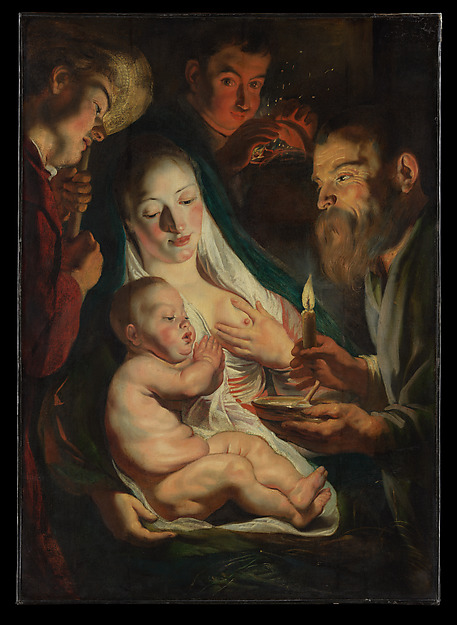
The Holy Family with Shepherds, Jacob Jordaens, 1616

The Holy Family with Shepherds

1616 · Metropolitan Museum of Art

Madonna and Child in the Garland of Flowers, Jacques Jordaens, c. 1618

Madonna and Child in the Garland of Flowers

c. 1618 · Ermitage

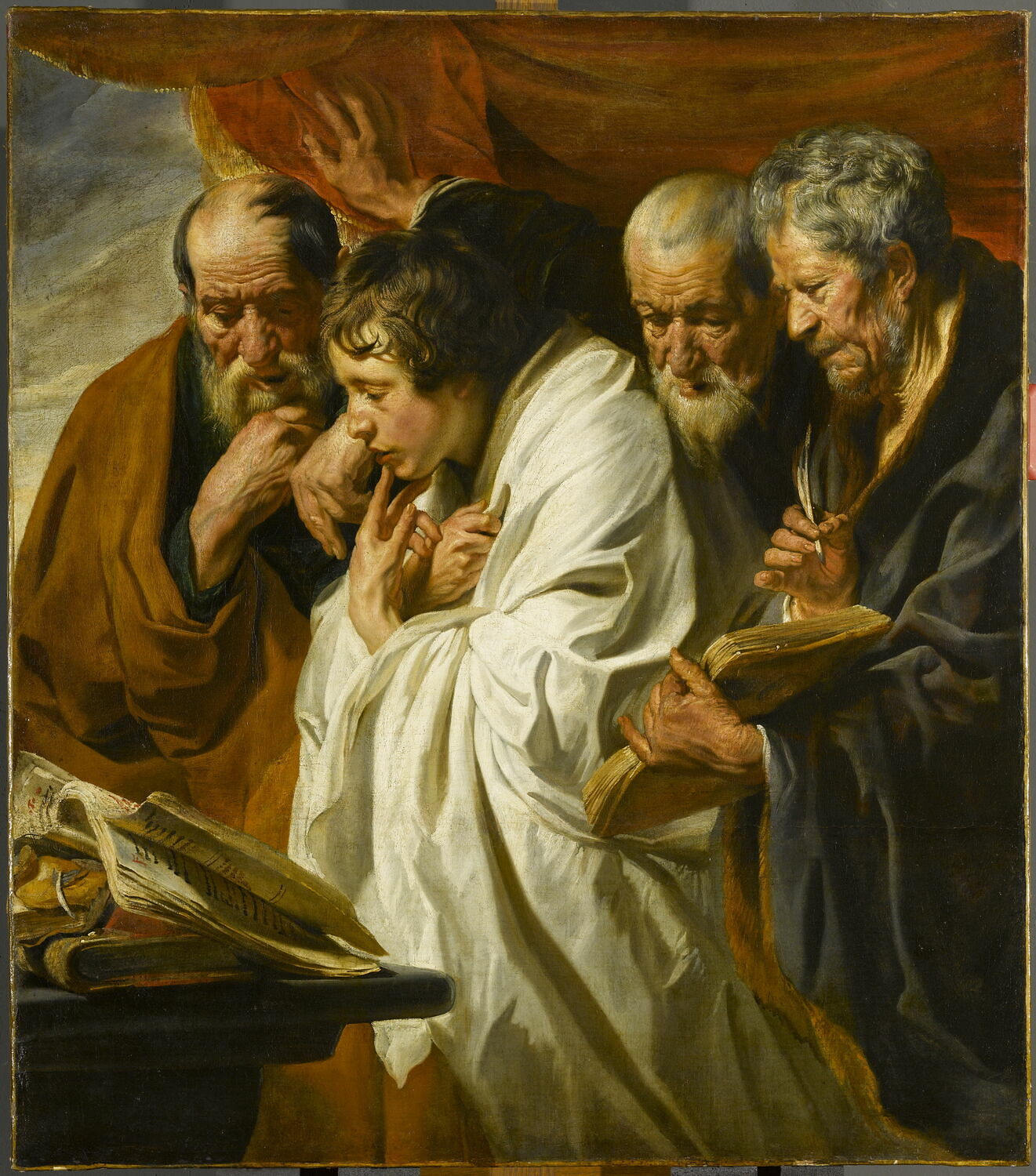
Les Quatre évangélistes, Jordaens, Jacob, 1e tiers du XVIIe siècle (1625 - 1630)

Les Quatre évangélistes

1e tiers du XVIIe siècle (1625 - 1630) · Museo del Louvre

Sotto lo stesso tetto: Museo del Louvre

Pagina del museo
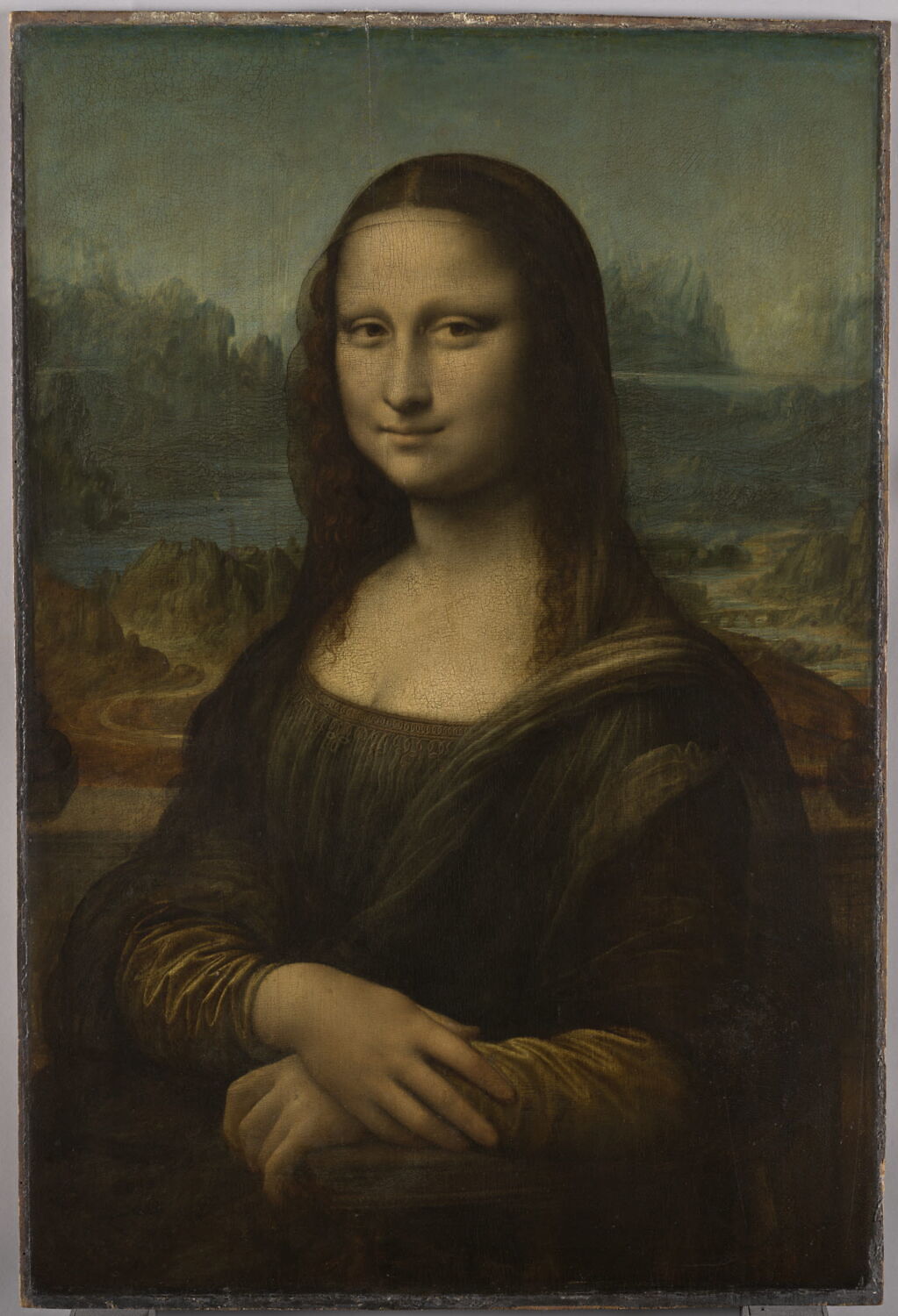
Portrait de Lisa Gherardini, épouse de Francesco del Giocondo, dit La Joconde ou Monna Lisa, Léonard de Vinci, 1e quart du XVIe siècle (1503 - 1519)

Leonardo da Vinci

La Gioconda, 1e quart du XVIe siècle (1503 - 1519)

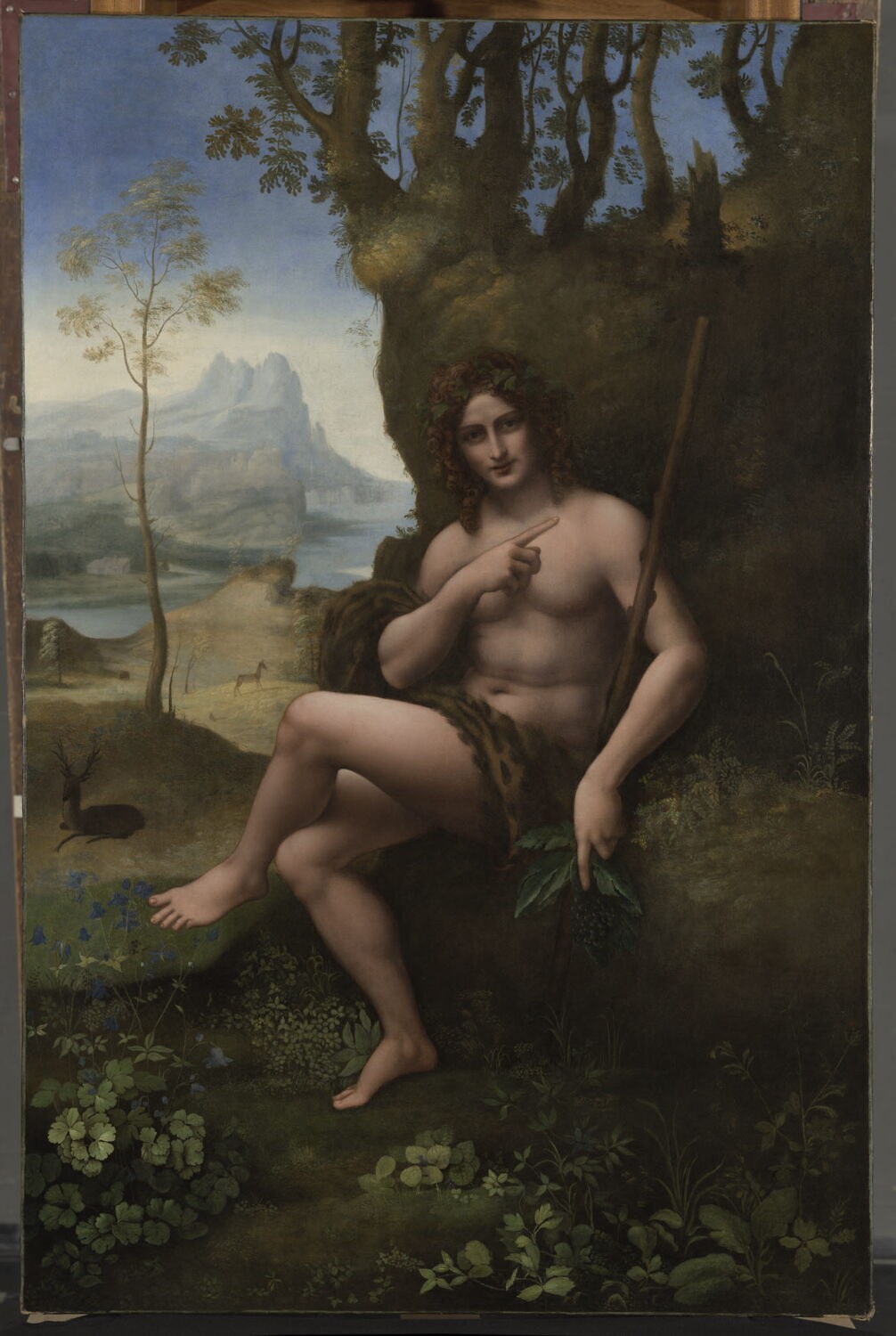
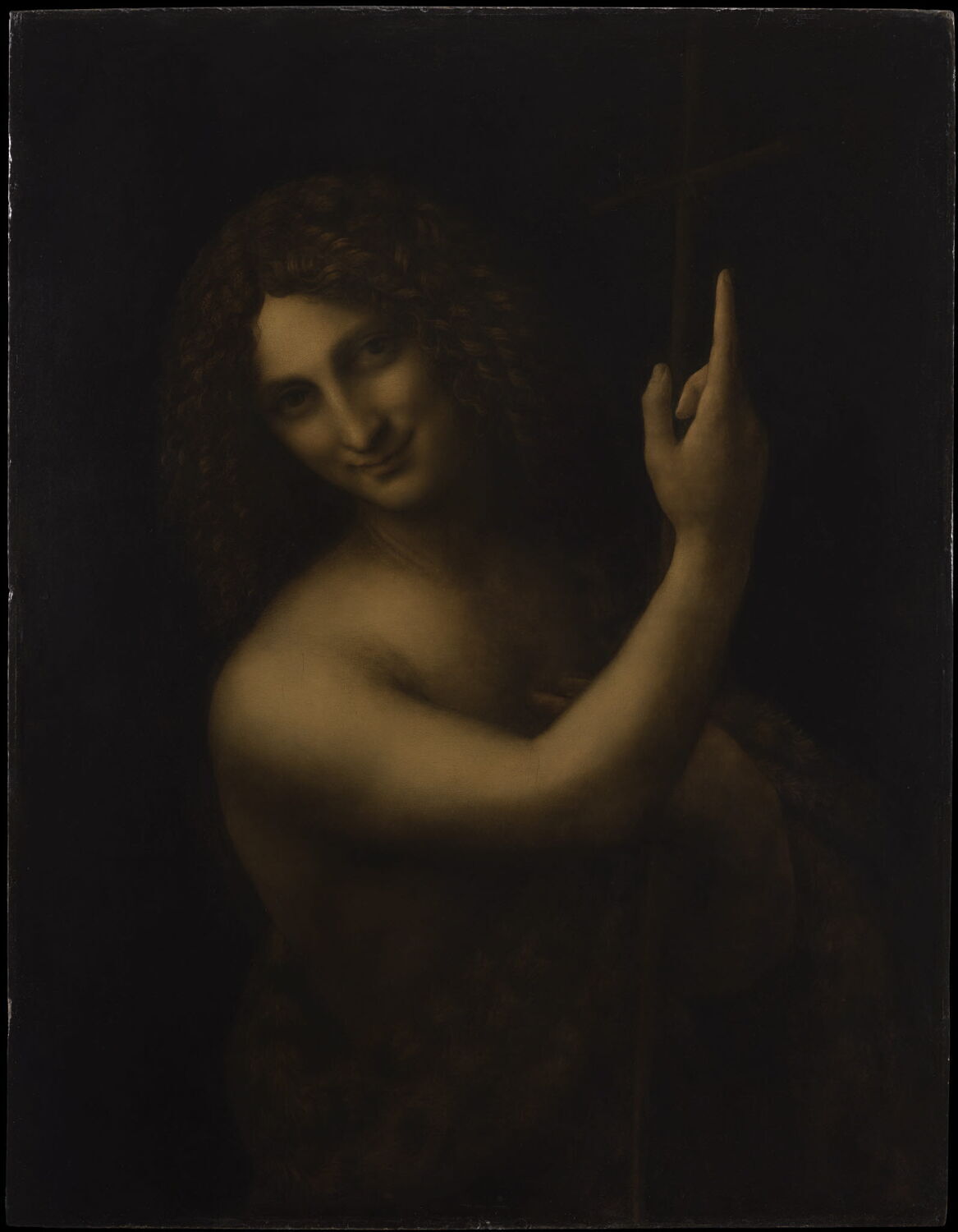
Saint Jean Baptiste, Léonard de Vinci, 1e quart du XVIe siècle (vers 1517 - 1520)

Leonardo da Vinci

Bacco, 1e quart du XVIe siècle (vers 1517 - 1520)

Saint Jean Baptiste, Léonard de Vinci, 1e quart du XVIe siècle (vers 1508 - 1519)

Leonardo da Vinci

San Giovanni Battista, 1e quart du XVIe siècle (vers 1508 - 1519)

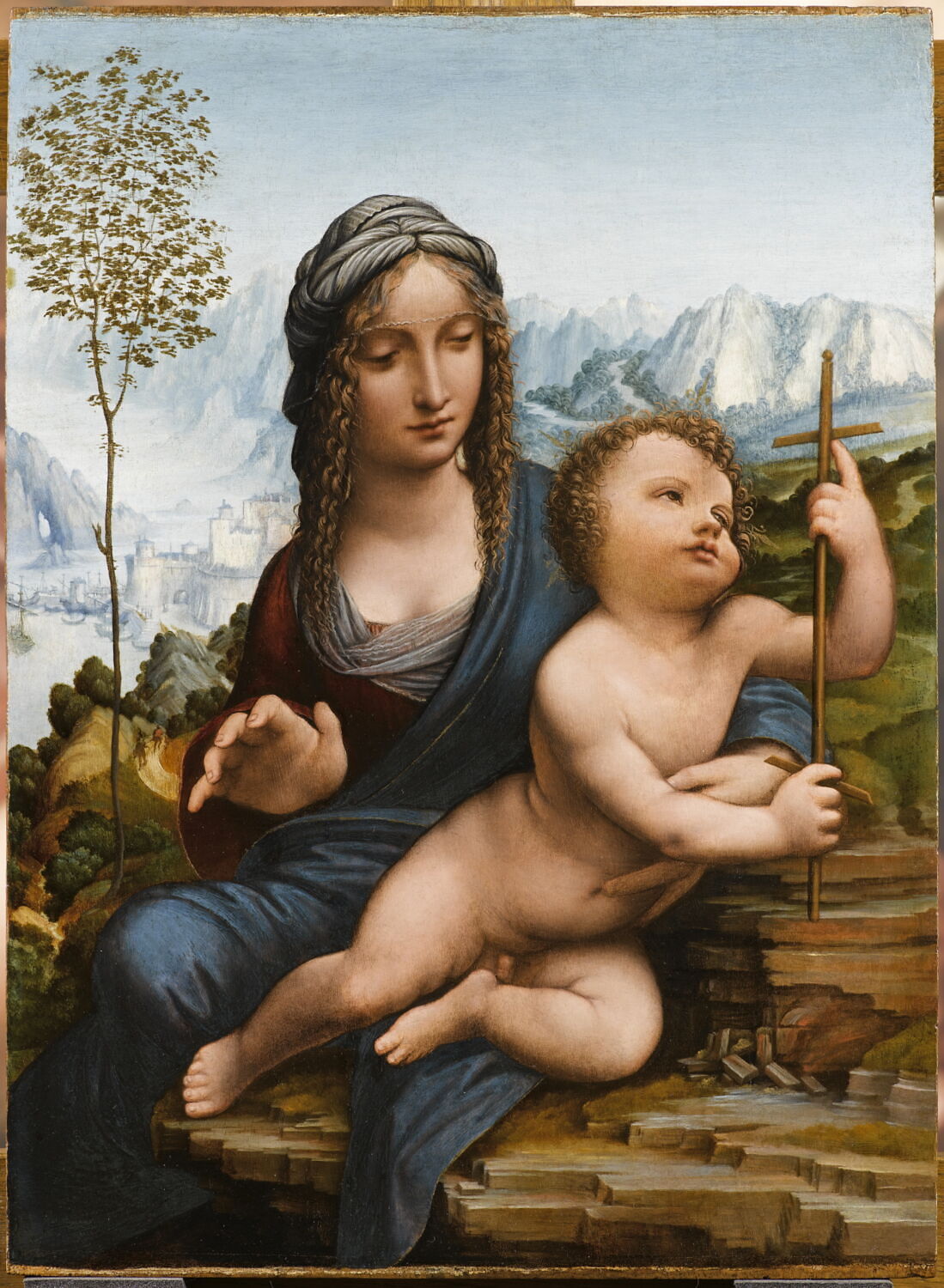
La Vierge et l'Enfant Jésus, dite Vierge au dévidoir ou Vierge aux fuseaux, Léonard de Vinci, XVIe siècle (vers 1505 - 1520)

Leonardo da Vinci

La Vierge et l'Enfant Jésus, dite Vierge au dévidoir ou Vierge aux fuseaux, XVIe siècle (vers 1505 - 1520)

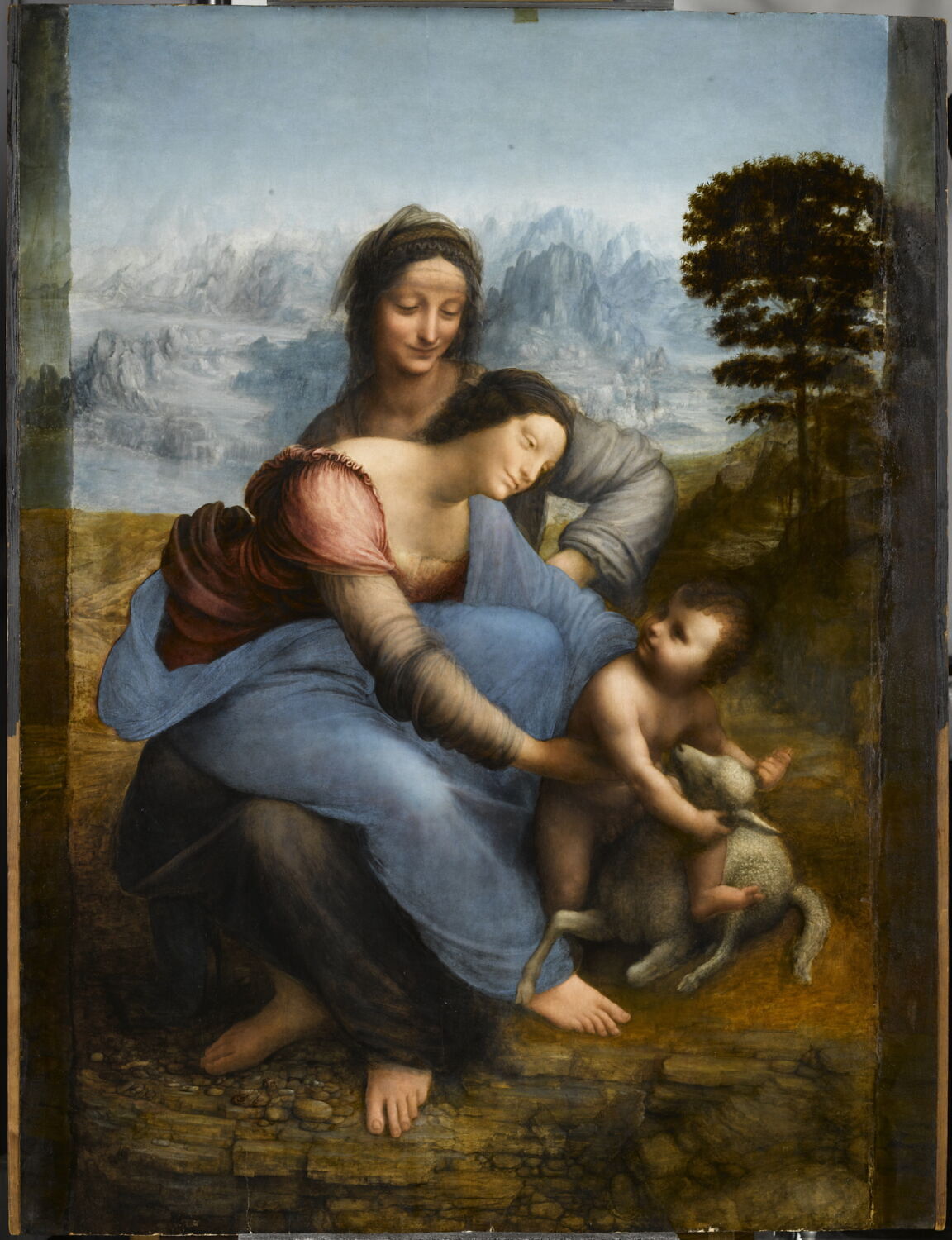
La Vierge, l'Enfant Jésus et sainte Anne, dit La Sainte Anne, Léonard de Vinci, 1e quart du XVIe siècle (vers 1503 - 1519)

Leonardo da Vinci

Sant'Anna, la Vergine e il Bambino con l'agnellino, 1e quart du XVIe siècle (vers 1503 - 1519)

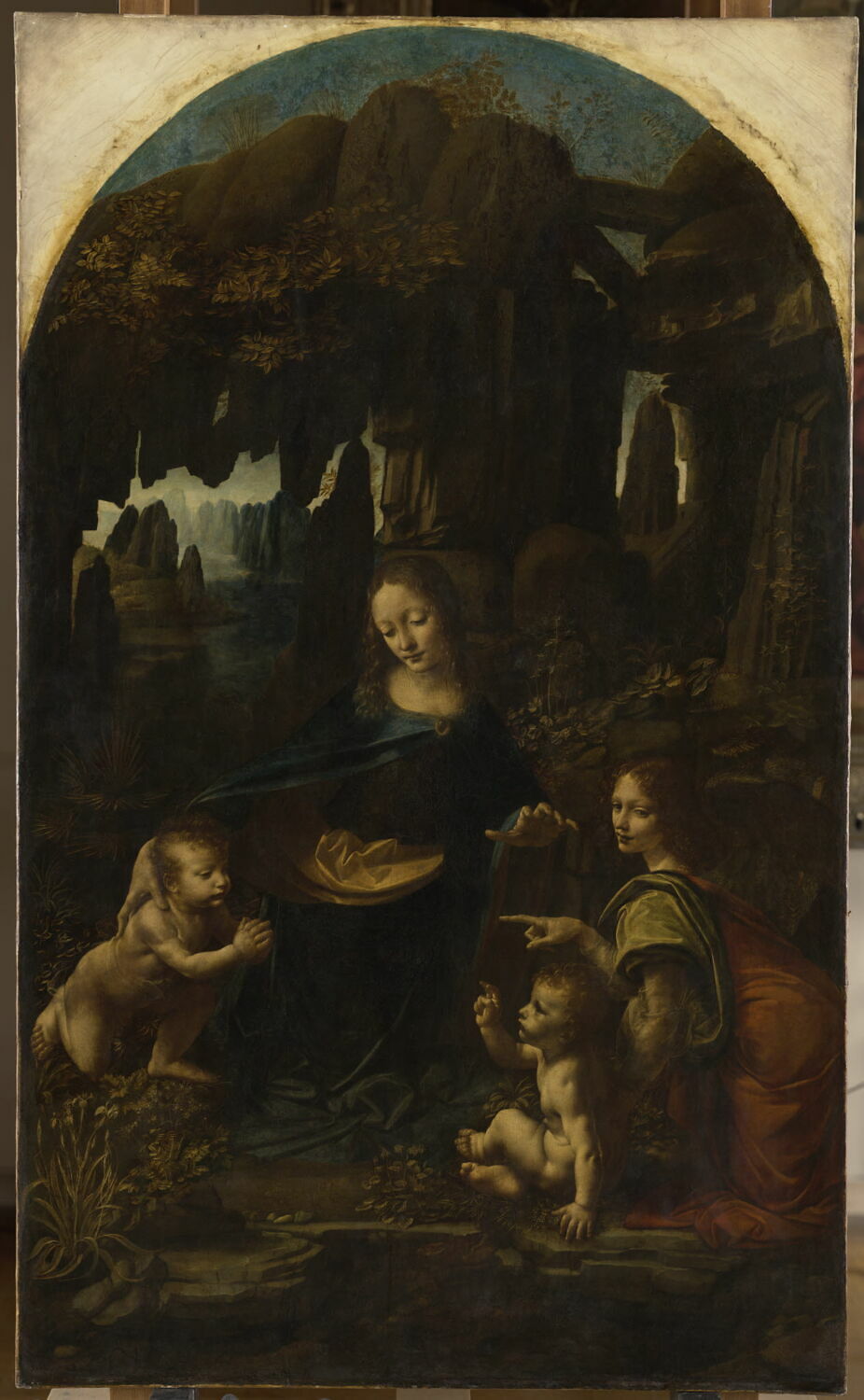
La Vierge, l'Enfant Jésus, saint Jean Baptiste et un ange, dit La Vierge aux rochers, Léonard de Vinci, 4e quart du XVe siècle (vers 1483 - 1494)

Leonardo da Vinci

La Vierge, l'Enfant Jésus, saint Jean Baptiste et un ange, dit La Vierge aux rochers, 4e quart du XVe siècle (vers 1483 - 1494)

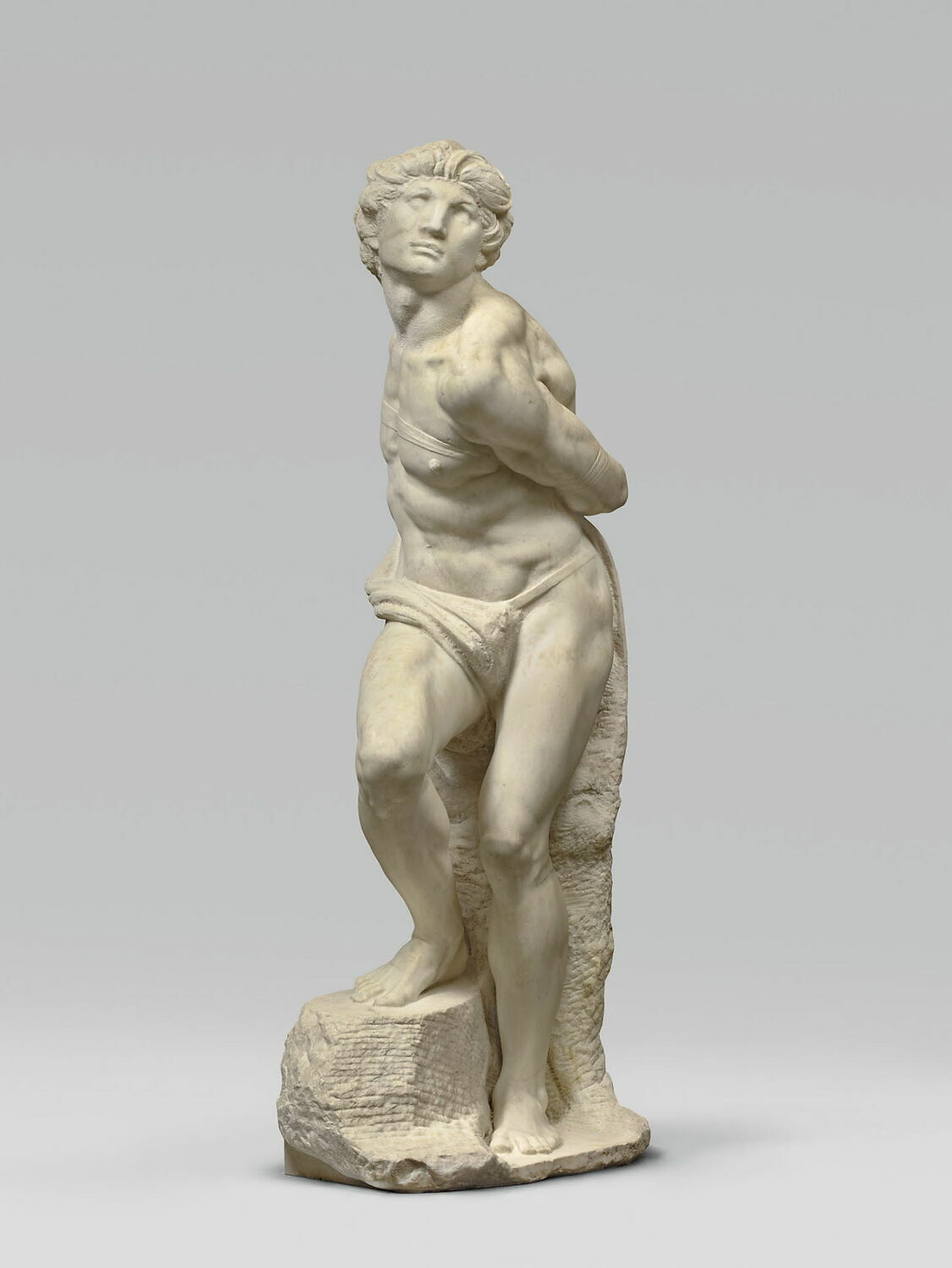
Esclave rebelle, Buonarroti, Michelangelo dit Michel-Ange, 1513 - 1515

Michelangelo

Schiavo ribelle, 1513 - 1515

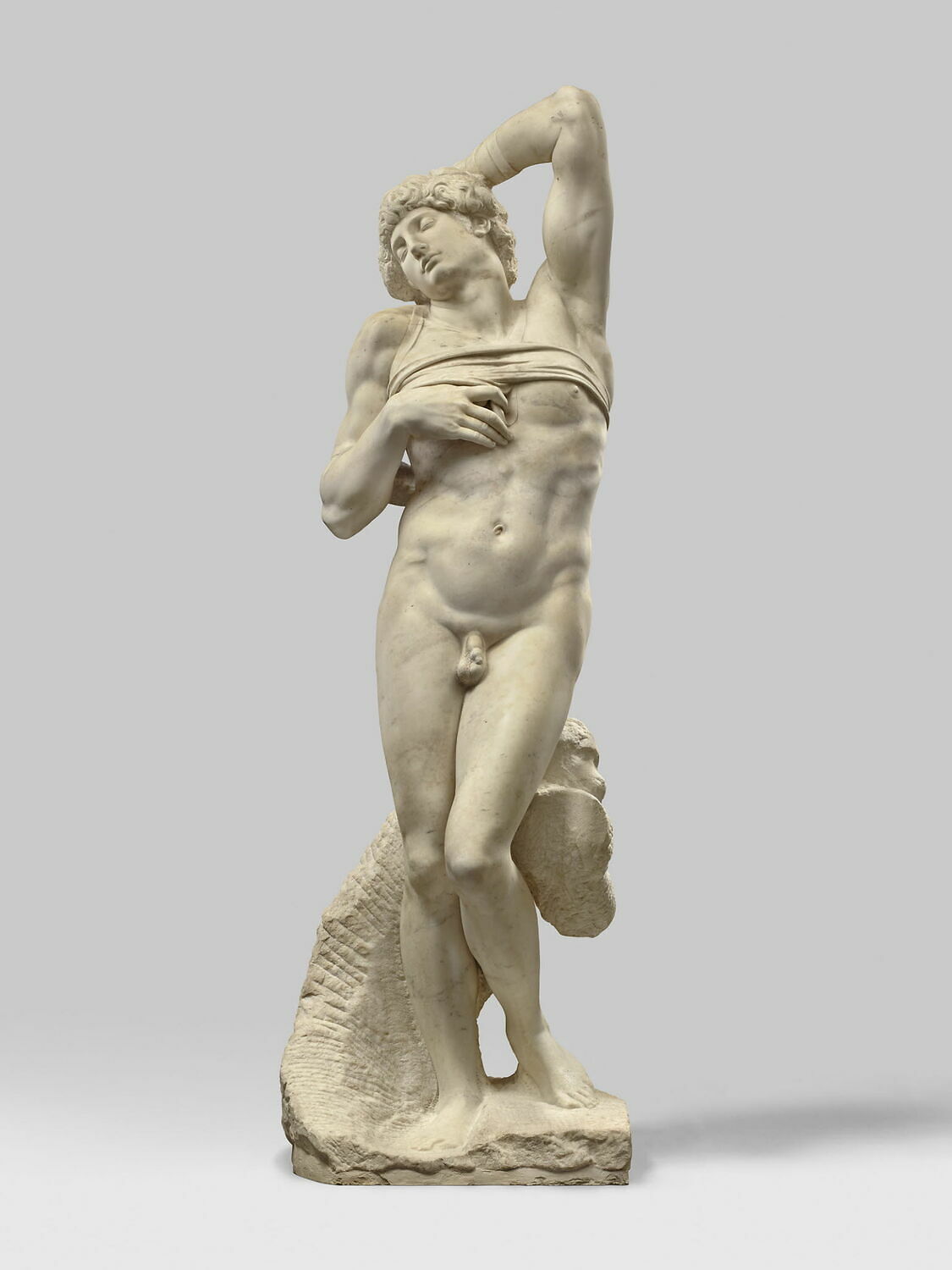
Esclave mourant, Buonarroti, Michelangelo dit Michel-Ange, 1513 - 1515

Michelangelo

Schiavo morente, 1513 - 1515