ART WIKI32.963 in sala
MappaCollezioneArtistiMuseiMostreRivista
Accedi

ART WIKI

Dove è appeso il capolavoro, e quando si può entrare.

Collezioni: Art Institute of Chicago, Cleveland Museum of Art, Ermitage, Galleria Tret'jakov, Getty Museum, Harvard Art Museums, Hirshhorn Museum and Sculpture Garden, Metropolitan Museum of Art, Minneapolis Institute of Art, Museo del Louvre, Museo Puškin delle belle arti, Museo russo, Museum of Modern Art, National Gallery of Art, National Museum of Asian Art, National Portrait Gallery, Rijksmuseum, Smithsonian American Art Museum, Statens Museum for Kunst, Victoria and Albert Museum, Villa Getty, Whitney Museum of American Art, Catalogo statale del fondo museale russo (274 musei), Europeana (19 musei), Wikidata (6 musei), Paris Musées (12 musei) e Joconde, la banca dati dei musei del Ministero della Cultura francese (495 musei). Le immagini appartengono ai titolari dei diritti.

Sezioni

  • Mappa
  • Ricerca
  • Collezione
  • Capolavori
  • Esposte ora
  • Artisti

Altro

  • Musei e gallerie
  • Mostre
  • Rivista
  • Da dove vengono i dati
  • Privacy e cookie
HomeMappaCatalogo
  1. Collezione/
  2. Museum of Modern Art/
  3. Ernestine Souvenir
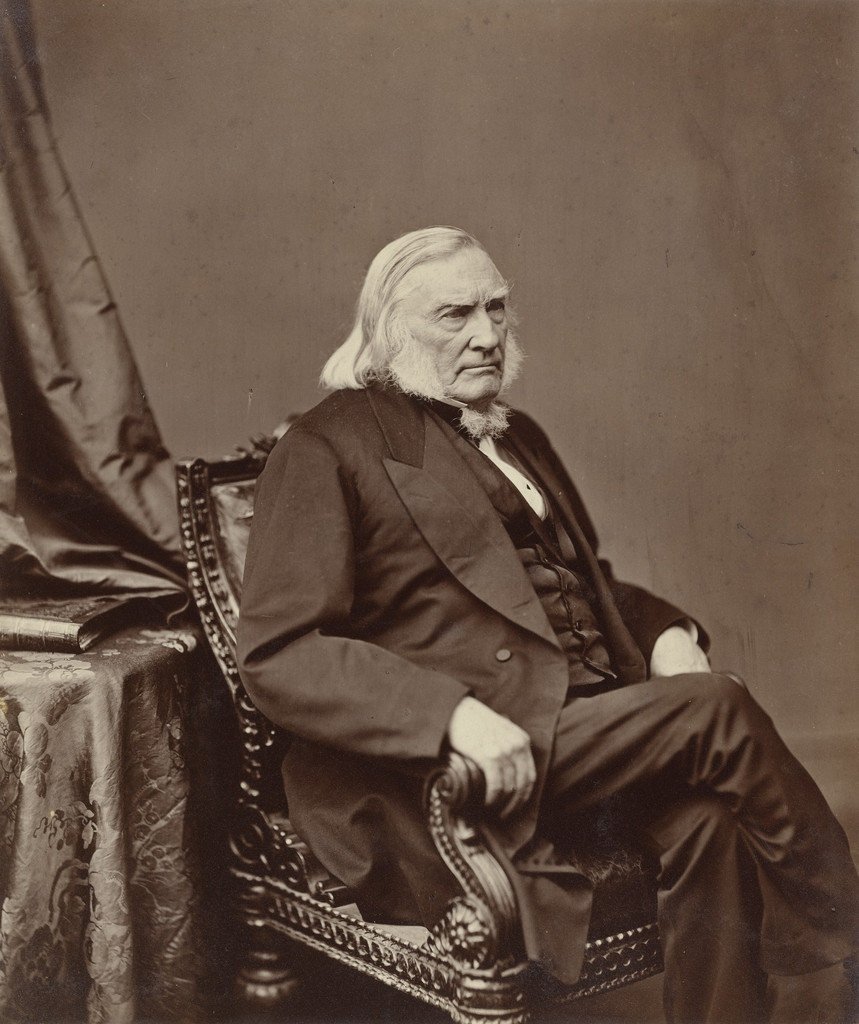
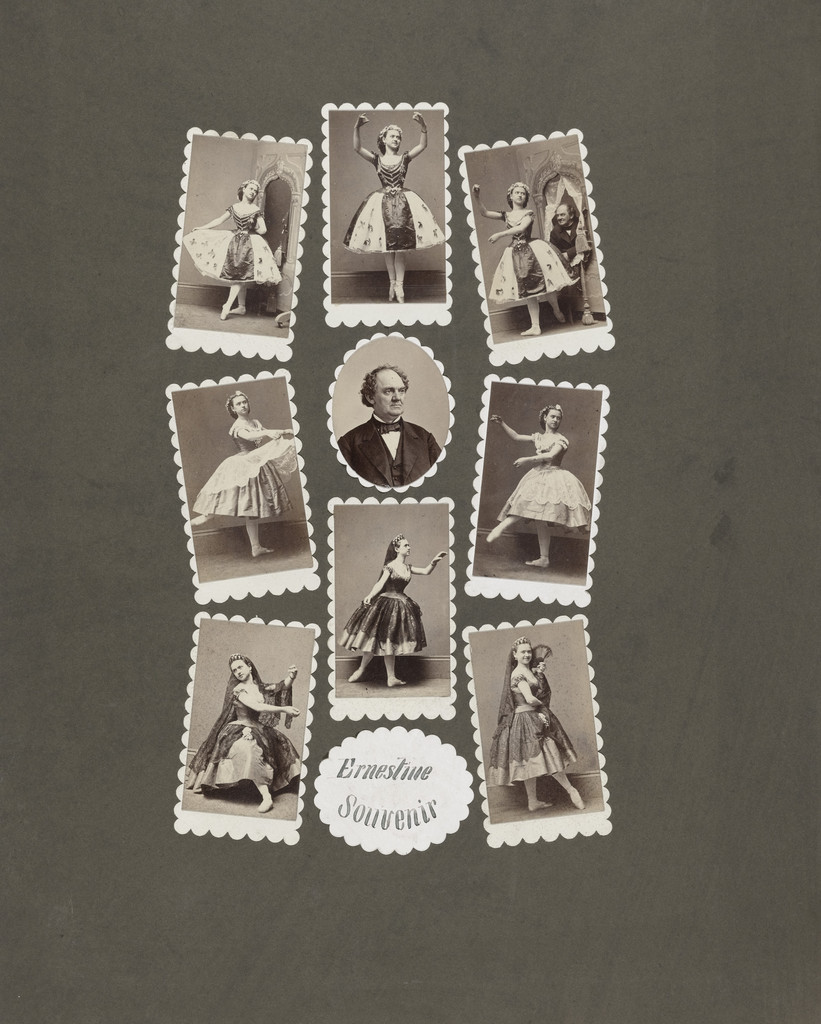
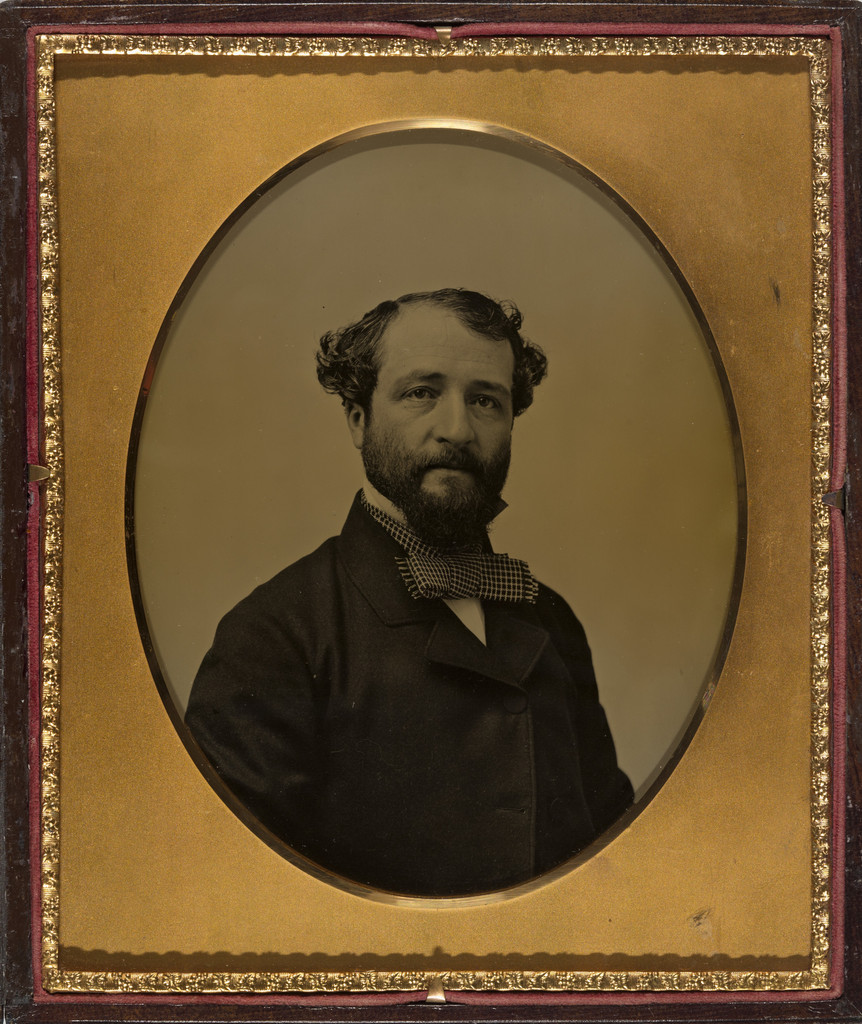
Ernestine Souvenir, Mathew B. Brady, 1860-69
Mathew B. Brady, ritrattoMathew B. BradyStati Uniti, 1823–1896

Ernestine Souvenir

1860-69 · Photograph

Si può ammirare?

Al momento non riceve

Museum of Modern Art

New York, Stati Uniti

Appartiene alla collezione, ma al momento non è esposta.

Verificato
8 giorni fa
Fonte
Il museo
Sulla mappaPagina del museo

Scheda

1860-69 · a 37 anni
18231896
Numero di inventario
418.1988

In catalogo

FotografieStampa all’albuminaRealismoImpressionismoXIX secolo

Fonti

  • Museum of Modern Art
  • Immagine: Museum of Modern Art — © the artist or rights holder

Nel frattempo, nella vita di Mathew B. Brady

Tutta la vita
  1. 1850s

    His eyesight begins to fail

    In the 1850s Brady’s eyesight begins to deteriorate; this may in part explain why he later rarely visited the battlefields himself and why many images in his collection are thought to be the work of his assistants.

  2. 1861

    Lincoln permits him to photograph the war

    Taken with the idea of documenting the war itself, Brady first asks his old friend General Winfield Scott, and then President Lincoln, for permission to send his photographers to the battle sites; Lincoln agrees in 1861 on condition that Brady finances the project himself. Despite the dangers, the financial risk and his friends’ discouragement, he said he simply had to go.

  3. 1861

    Under fire at Bull Run

    His first popular photographs of the conflict are taken at the First Battle of Bull Run, where he gets so close to the action that he barely avoids capture; later he comes under direct fire at Petersburg and Fredericksburg.

  4. 1861

    Hires photographers with travelling darkrooms

    He employs Alexander Gardner, James Gardner, Timothy H. O’Sullivan, William Pywell, George N. Barnard, Thomas C. Roche and seventeen other men, giving each a travelling darkroom. Brady himself generally resides in Washington, organizing his assistants and rarely visiting the battlefields, so many images in his collection are the work of his assistants.

  5. 1861

    Offers parents portraits of departing soldiers

    When the Civil War begins, sales of cartes de visite to departing soldiers rise briskly; in the New-York Daily Tribune Brady runs an advertisement warning parents that it may soon be too late to capture their sons’ likenesses.

  6. October 1862

    Exhibition “The Dead of Antietam”

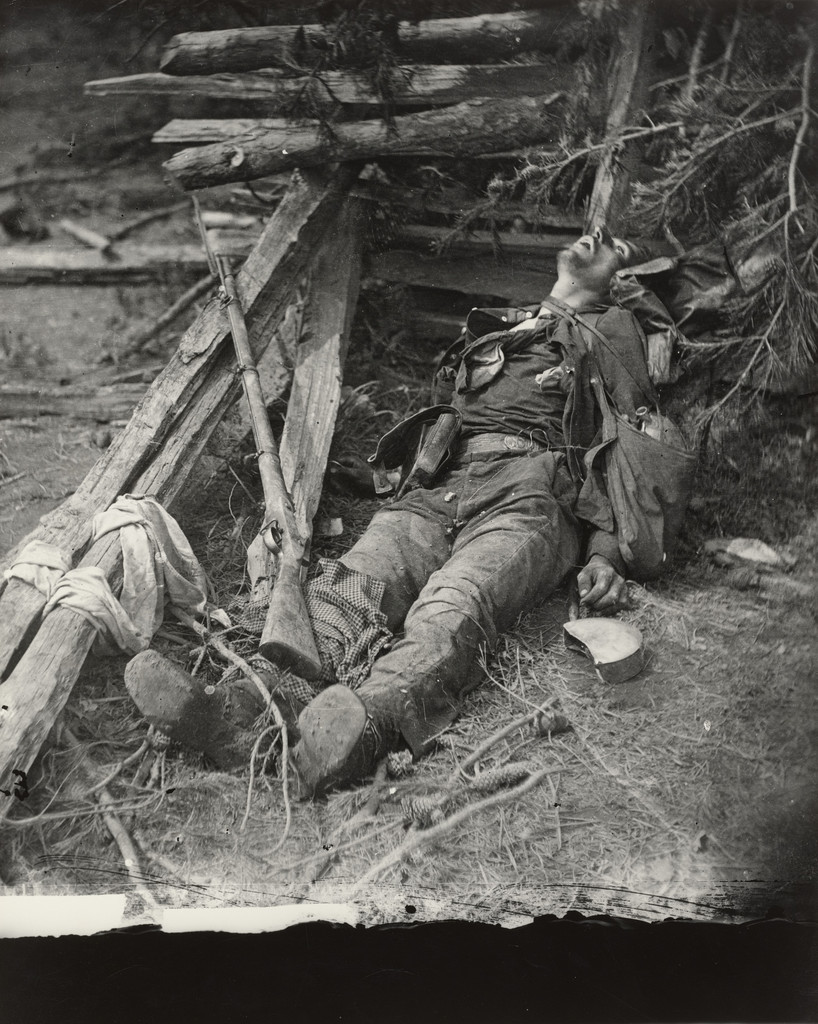
    He opens, in his New York gallery, an exhibition of photographs of the Battle of Antietam; many of the images show corpses, a presentation new to America — the first time many Americans saw the realities of war in photographs rather than in artists’ impressions.
Altre opere di Mathew B. Brady

Tutte le opere
Untitled, Mathew B. Brady, 1860-70

Untitled

1860-70 · Non esposta · Museum of Modern Art

Untitled, Mathew B. Brady, c. 1860

Untitled

c. 1860 · Non esposta · Museum of Modern Art

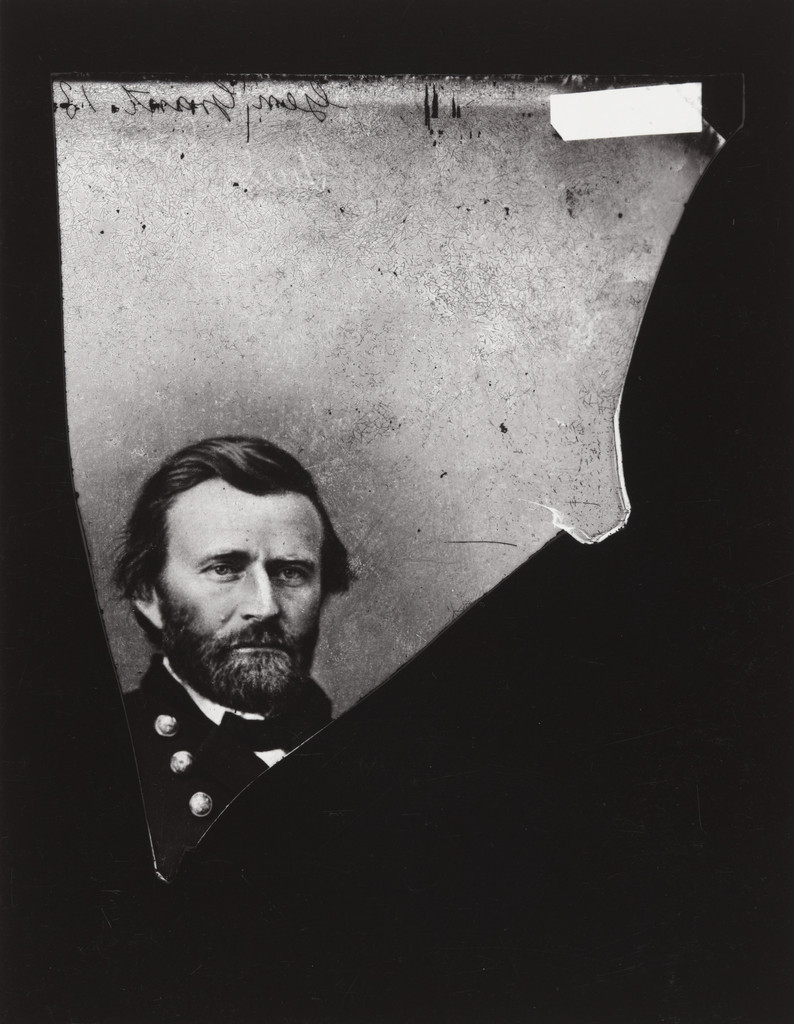
General Ulysses S. Grant, Mathew B. Brady, 1861-65

General Ulysses S. Grant

1861-65 · Non esposta · Museum of Modern Art

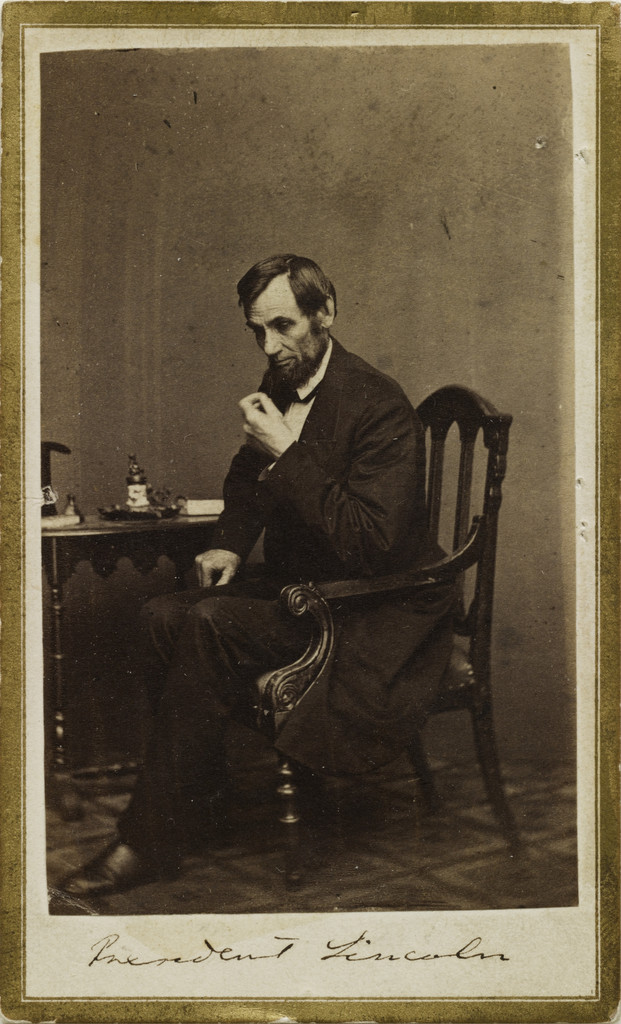
President Lincoln, Mathew B. Brady, c. 1862

President Lincoln

c. 1862 · Non esposta · Museum of Modern Art

Ruins of Richmond, Mathew B. Brady, 1863-65

Ruins of Richmond

1863-65 · Non esposta · Museum of Modern Art

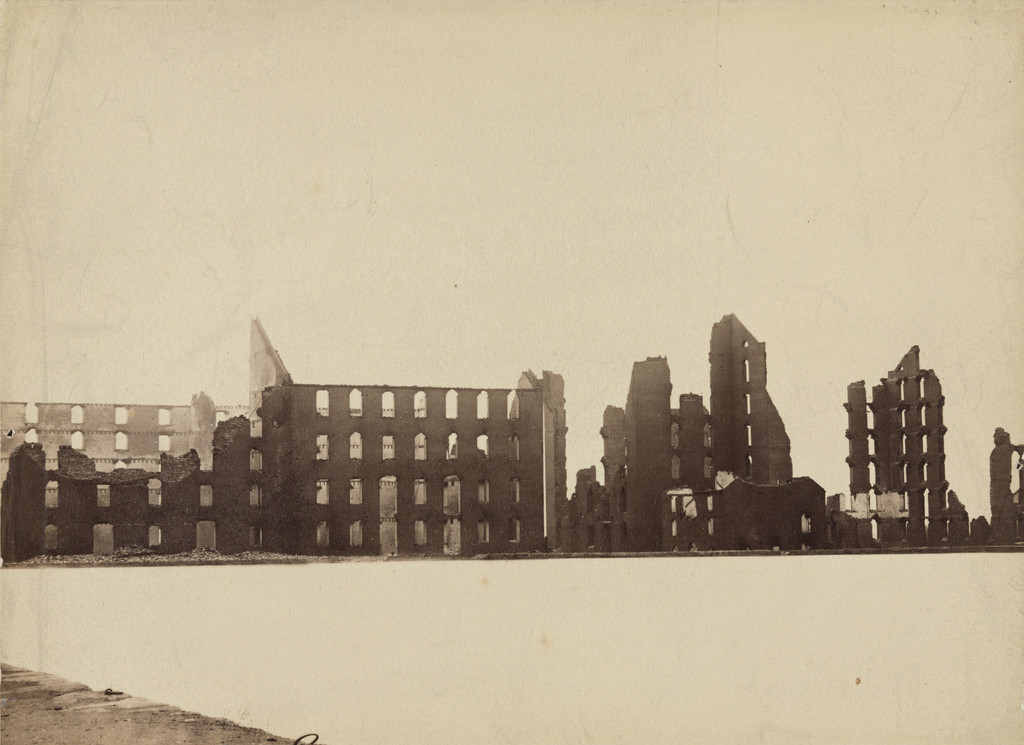
Ruins of the Gallego Flour Mills, Richmond, Virginia, Mathew B. Brady (studio of), Alexander Gardner, 1865

Ruins of the Gallego Flour Mills, Richmond, Virginia

1865 · Non esposta · Museum of Modern Art

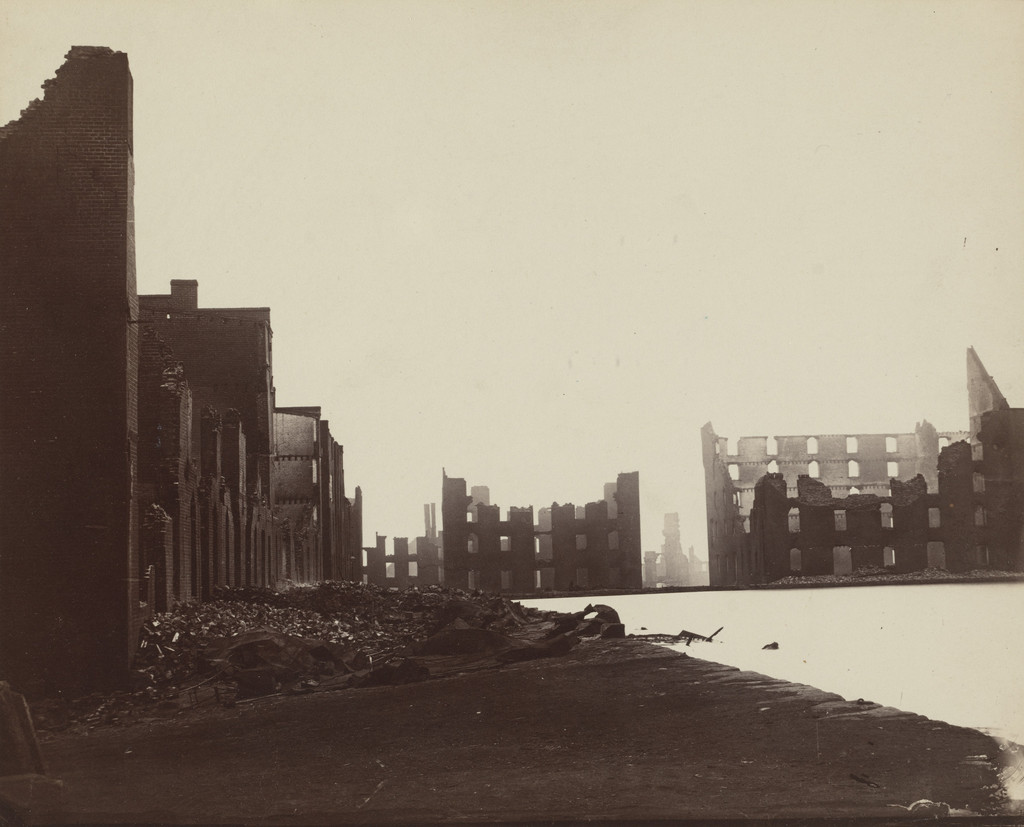
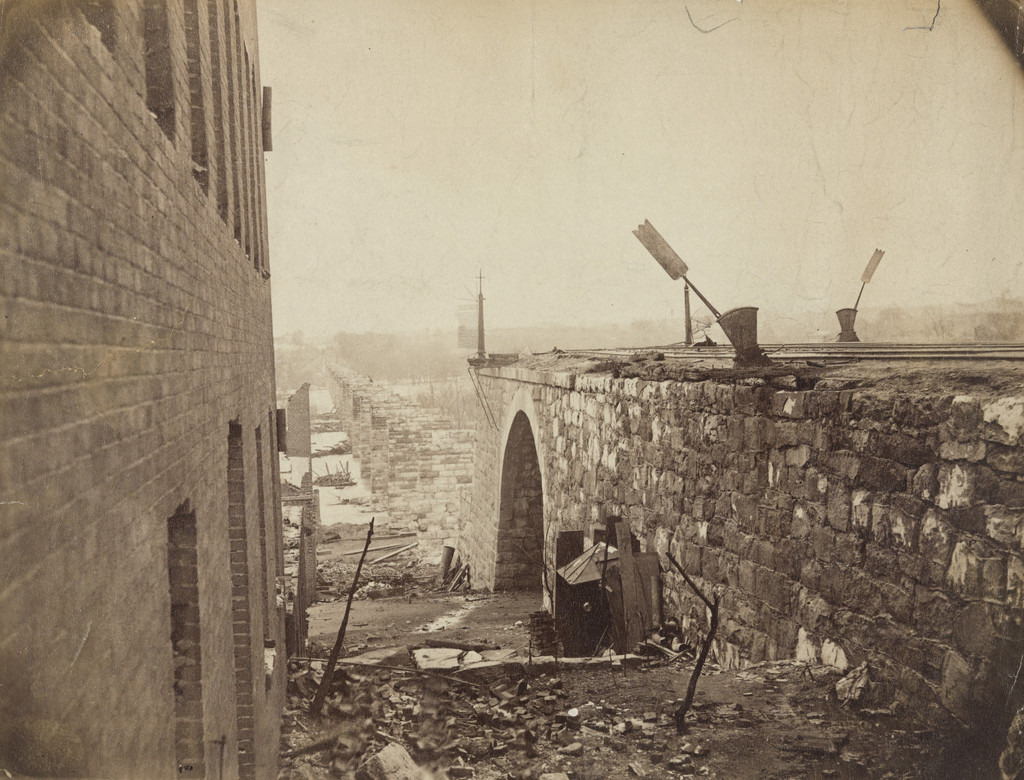
Ruins of Richmond & Petersburg Railroad Bridge, Richmond, Virginia, Mathew B. Brady, April 1865

Ruins of Richmond & Petersburg Railroad Bridge, Richmond, Virginia

April 1865 · Non esposta · Museum of Modern Art

Samuel Nelson, Mathew B. Brady, c. 1865

Samuel Nelson

c. 1865 · Non esposta · Museum of Modern Art

Sotto lo stesso tetto: Museum of Modern Art

Pagina del museo
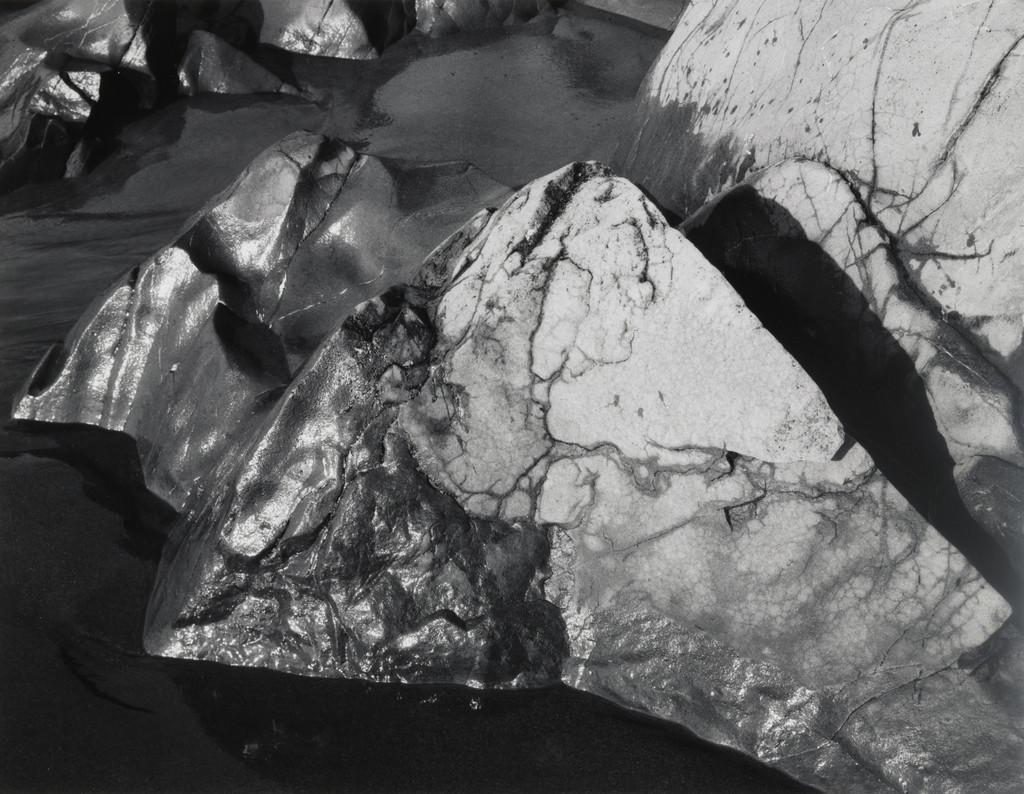
Rock, Bakers Beach, San Francisco, California, Ansel Adams, c. 1931

Ansel Adams

Rock, Bakers Beach, San Francisco, California, c. 1931

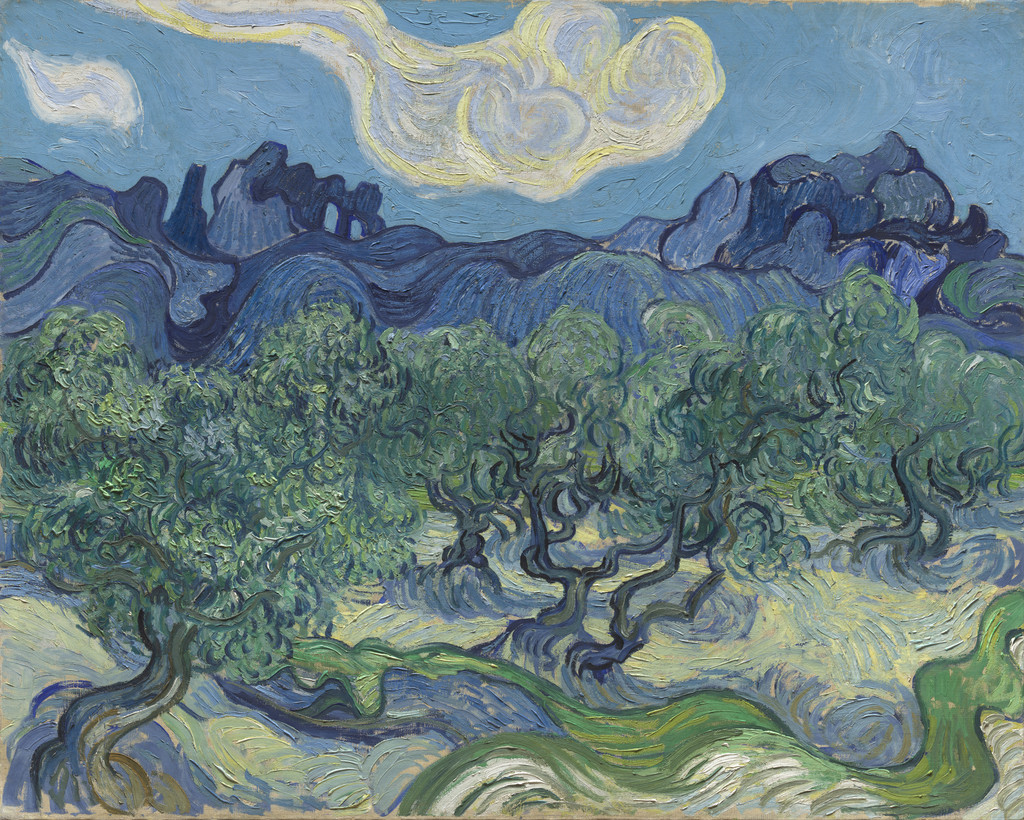
The Olive Trees, Vincent van Gogh, Saint Rémy, June-July 1889

Vincent van Gogh

The Olive Trees, Saint Rémy, June-July 1889

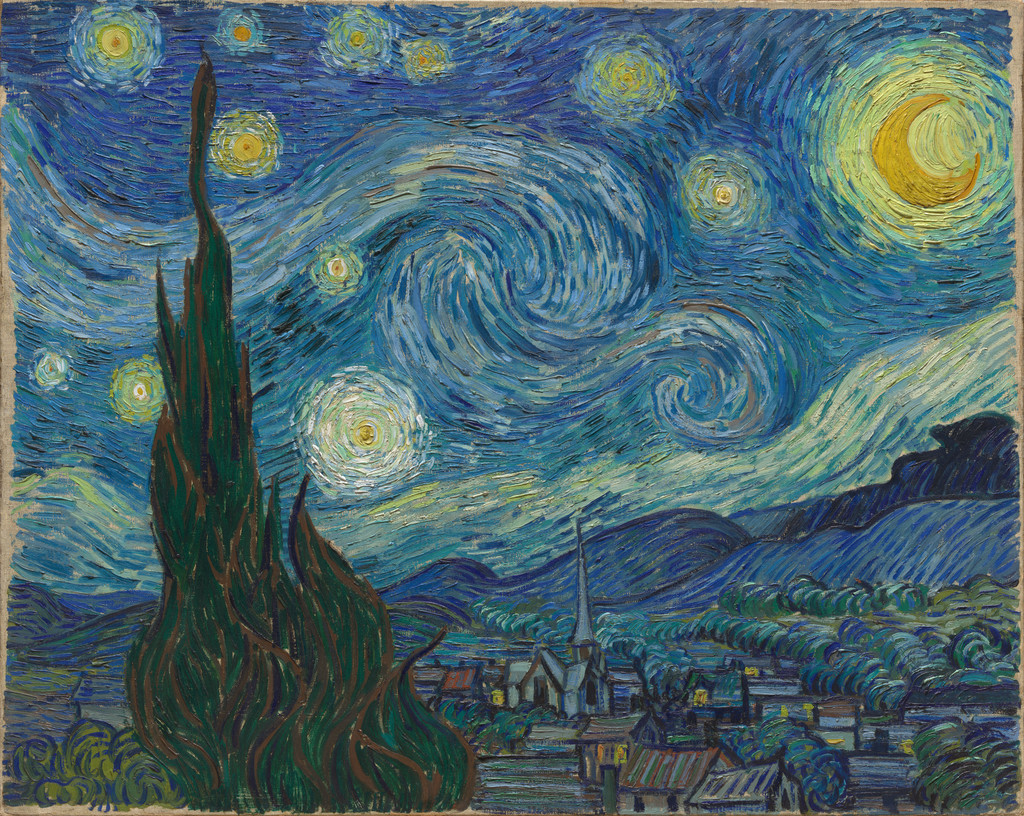
The Starry Night, Vincent van Gogh, Saint Rémy, June 1889

Vincent van Gogh

Notte stellata, Saint Rémy, June 1889

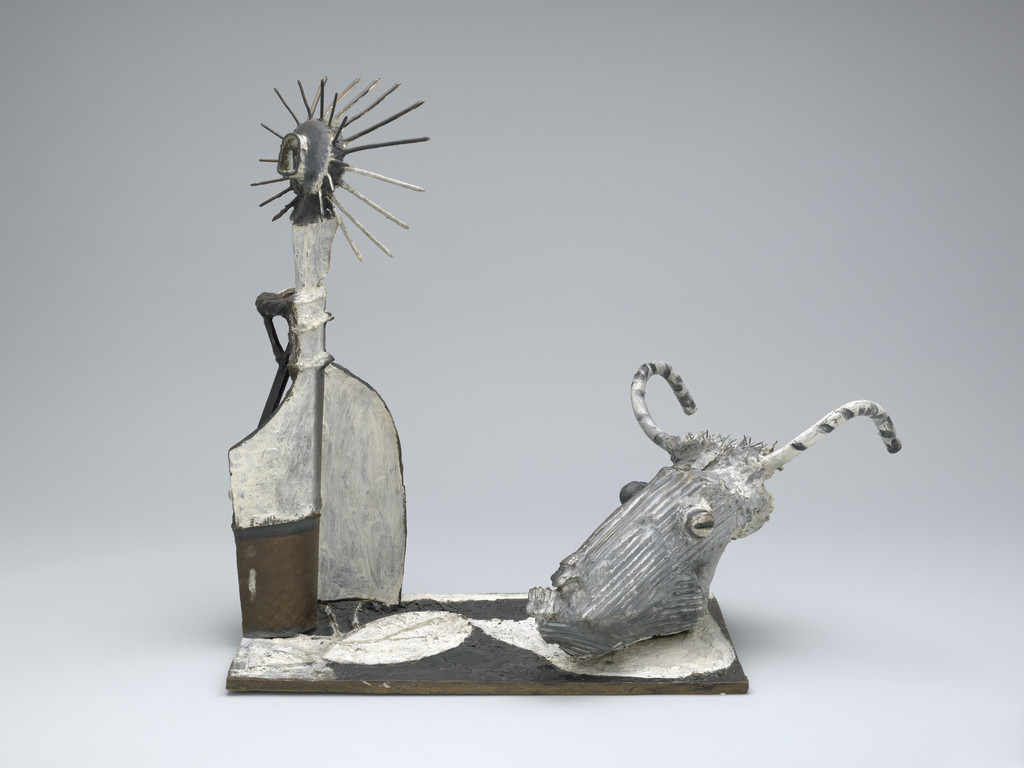
Goat Skull and Bottle, Pablo Picasso, Vallauris, 1951 (cast 1954)

Pablo Picasso

Goat Skull and Bottle, Vallauris, 1951 (cast 1954)

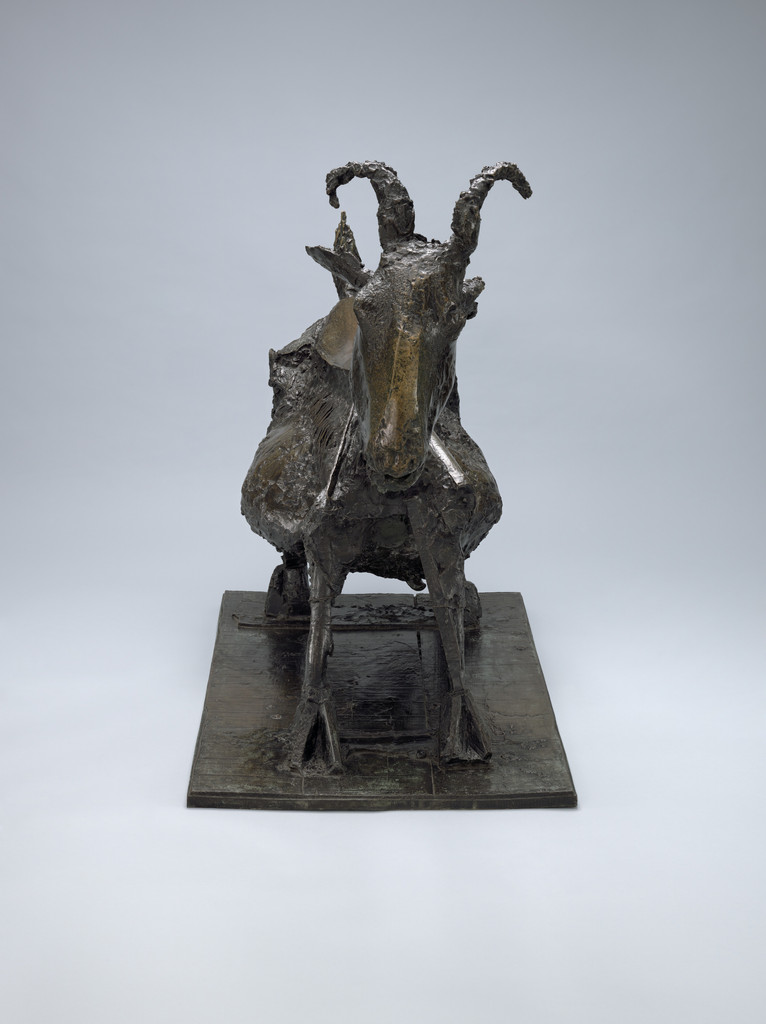
She-Goat, Pablo Picasso, Vallauris, 1950 (cast 1952)

Pablo Picasso

She-Goat, Vallauris, 1950 (cast 1952)

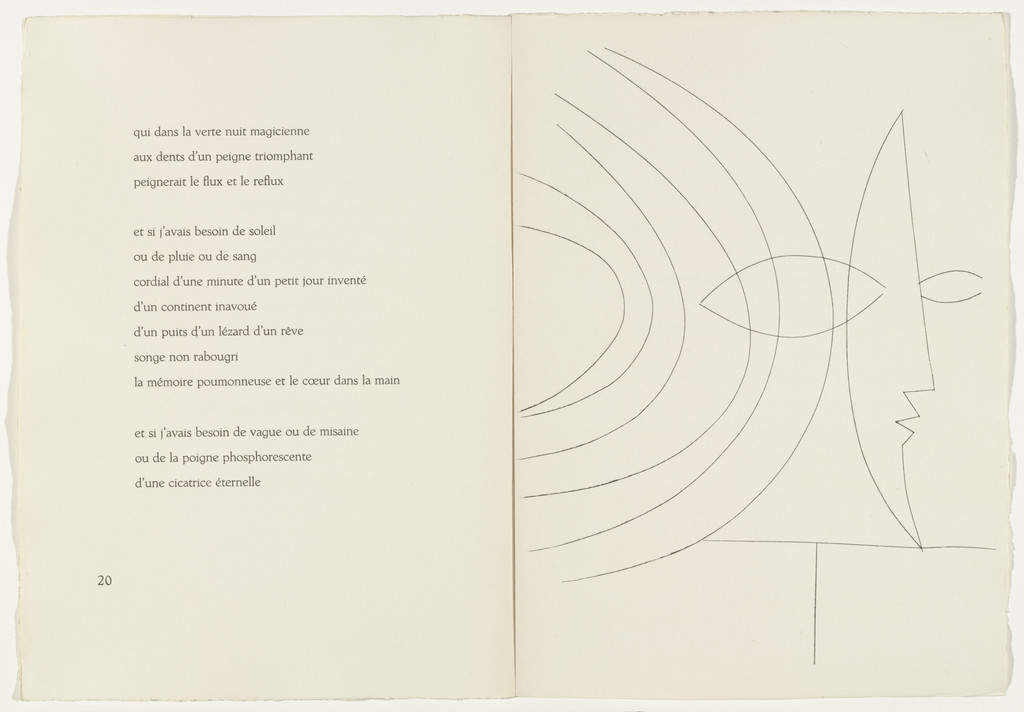
Face in Profile (plate, page 21) from Corps perdu, Pablo Picasso, 1949, published 1950

Pablo Picasso

Face in Profile (plate, page 21) from Corps perdu, 1949, published 1950

Coupling (plate, page 17) from Corps perdu, Pablo Picasso, 1949, published 1950

Pablo Picasso

Coupling (plate, page 17) from Corps perdu, 1949, published 1950

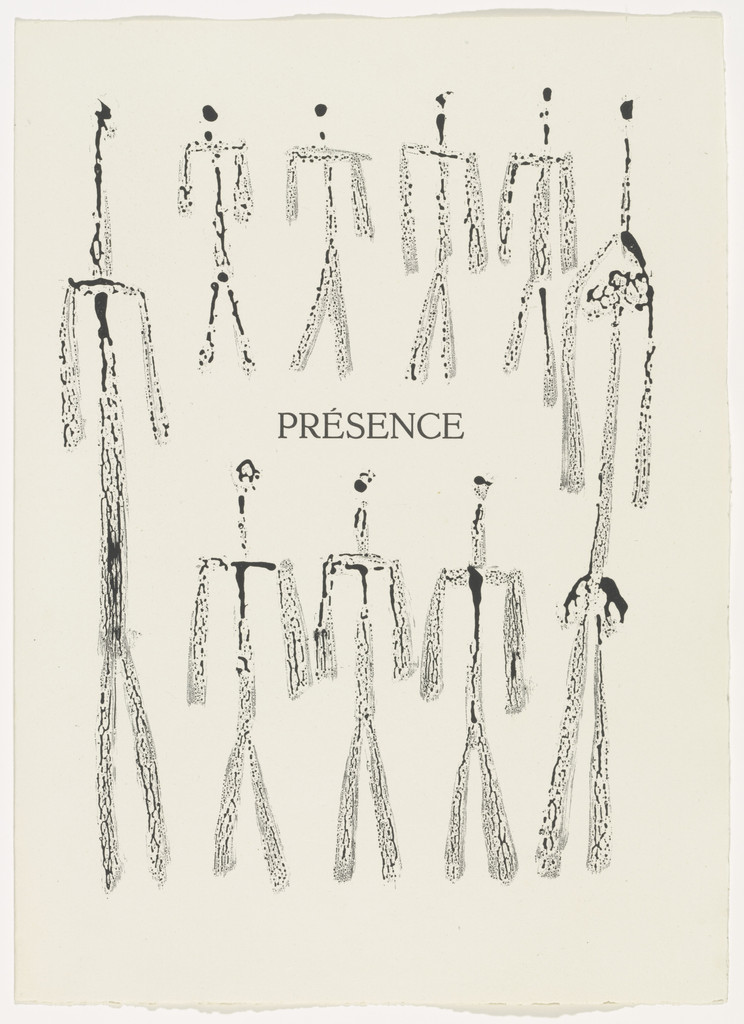
"Présence" (chapter title, page 13) from Corps perdu, Pablo Picasso, 1949, published 1950

Pablo Picasso

"Présence" (chapter title, page 13) from Corps perdu, 1949, published 1950