ART WIKI33.040 in sala
MappaCollezioneArtistiMuseiMostreRivista
Accedi

ART WIKI

Dove è appeso il capolavoro, e quando si può entrare.

Collezioni: Art Institute of Chicago, Cleveland Museum of Art, Ermitage, Galleria Tret'jakov, Getty Museum, Harvard Art Museums, Hirshhorn Museum and Sculpture Garden, Metropolitan Museum of Art, Minneapolis Institute of Art, Museo del Louvre, Museo Puškin delle belle arti, Museo russo, Museum of Modern Art, National Gallery of Art, National Museum of Asian Art, National Portrait Gallery, Rijksmuseum, Smithsonian American Art Museum, Statens Museum for Kunst, Victoria and Albert Museum, Villa Getty, Whitney Museum of American Art, Catalogo statale del fondo museale russo (274 musei), Europeana (19 musei), Wikidata (6 musei), Paris Musées (12 musei) e Joconde, la banca dati dei musei del Ministero della Cultura francese (495 musei). Le immagini appartengono ai titolari dei diritti.

Sezioni

  • Mappa
  • Ricerca
  • Collezione
  • Capolavori
  • Esposte ora
  • Artisti

Altro

  • Musei e gallerie
  • Mostre
  • Rivista
  • Da dove vengono i dati
  • Privacy e cookie
HomeMappaCatalogo
  1. Collezione/
  2. Minneapolis Institute of Art/
  3. Emerging from the Robe
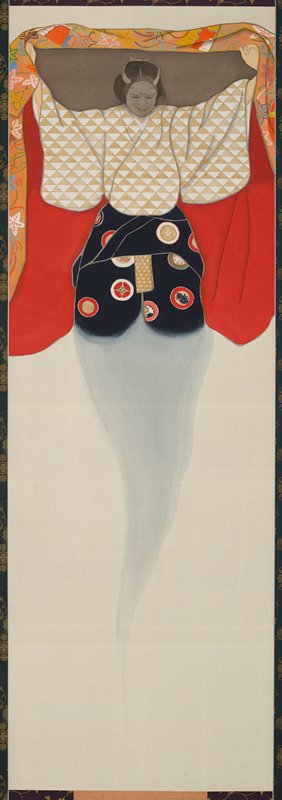
Emerging from the Robe, Yamamoto Tarō, 2012
YYamamoto TarōGiappone, 1974

Emerging from the Robe

2012 · Painting

Si può ammirare?

Sì, riceve visite

Minneapolis Institute of Art

Minneapolis, Stati Uniti

SalaG375

Esposta al pubblico. Chi lo garantisce è indicato qui sotto.

Verificato
9 giorni fa
Ultimo cambio di stato
25 set 2026
Fonte
Il museo
Sulla mappaPagina del museo

Sul dipinto

This painting depicts a scene from Lady Aoi (Aoi no ue), a Noh play witten in the 1400s that was the first ever to be based on The Tale of Genji. The play centers on jealousy between Lady Rokujō, a mistress of Genji, and Lady Aoi, his first wife. Neglected by Genji, Lady Rokujō becomes jealous, and her spirit leaves her body to possess Lady Aoi. In the play, Lady Aoi never actually appears onstage but is instead represented through her robe alone. Toward the end of the play, a priest is trying to exorcise the evil spirit of Lady Rokujō, which finally appears onstage as a female figure emerging from within Lady Aoi’s robe. Eventually the spirit is defeated and disappears.
Minneapolis Institute of Art

Scheda

2012 · a 38 anni
1974oggi
Numero di inventario
2013.29.1318

Altre opere di Yamamoto Tarō

Tutte le opere

Nella stessa sala · G375, Minneapolis Institute of Art

Pagina del museo

In catalogo

DipintiInchiostroPittura giapponeseArte contemporaneaXXI secoloGiappone

Fonti

  • Minneapolis Institute of Art
  • Immagine: Minneapolis Institute of Art — © Yamamoto Tarō
Blue Sheet and Yellow Flowers [right of a pair], Yamamoto Tarō, 2008

Blue Sheet and Yellow Flowers [right of a pair]

2008 · Non esposta · Minneapolis Institute of Art

Blue Sheet and Yellow Flowers [left of a pair], Yamamoto Tarō, 2008

Blue Sheet and Yellow Flowers [left of a pair]

2008 · Non esposta · Minneapolis Institute of Art

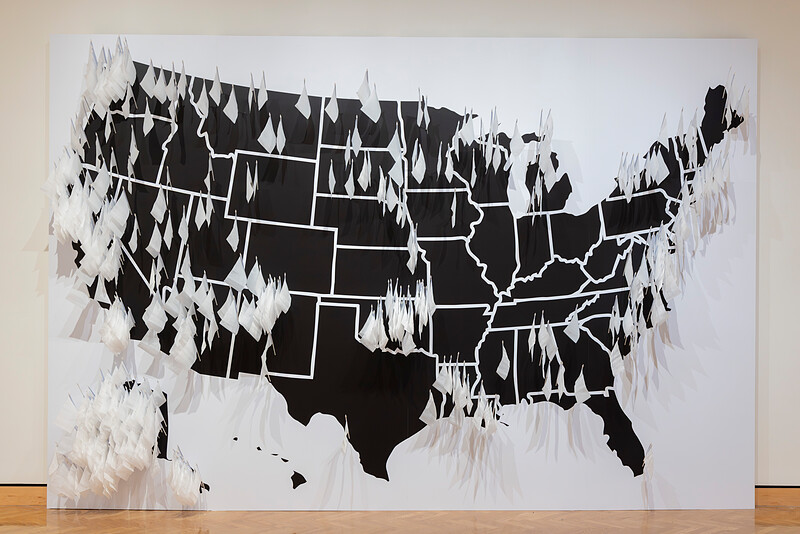
Their Land, Wendy Red Star, 2022

Wendy Red Star

Their Land, 2022

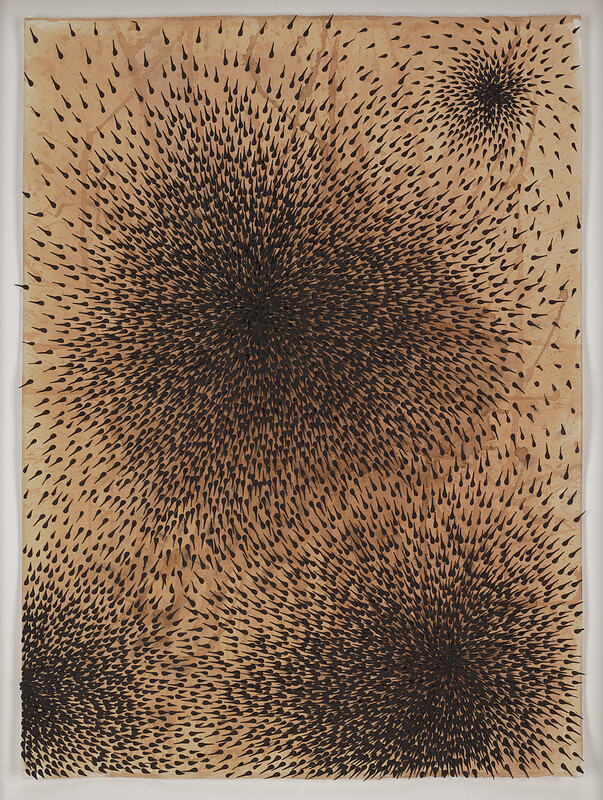
Namaloom (Unknown #2), Ambreen Butt, 2018

Ambreen Butt

Namaloom (Unknown #2), 2018

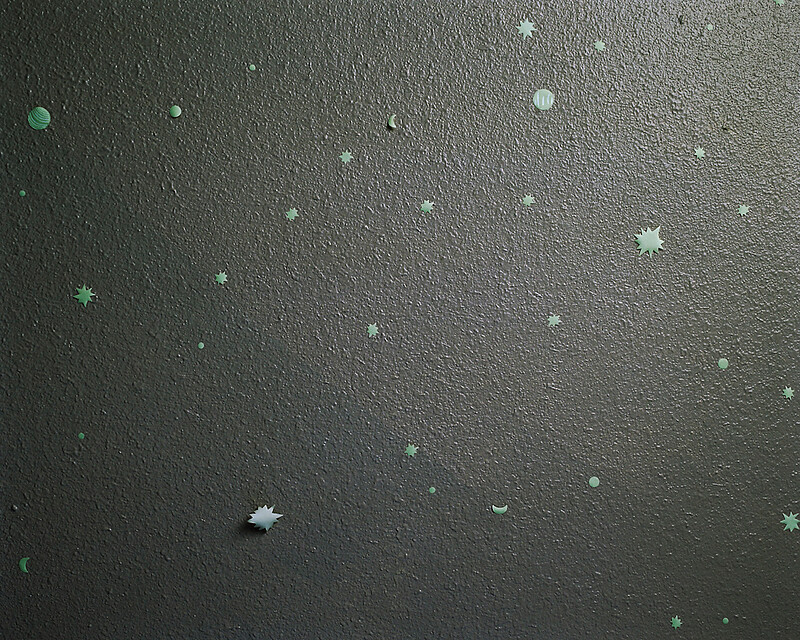
Child's room ceiling (“Terror Town”, Playas Training Center, New Mexico), Paul Shambroom, 2005

Paul Shambroom

Child's room ceiling (“Terror Town”, Playas Training Center, New Mexico), 2005

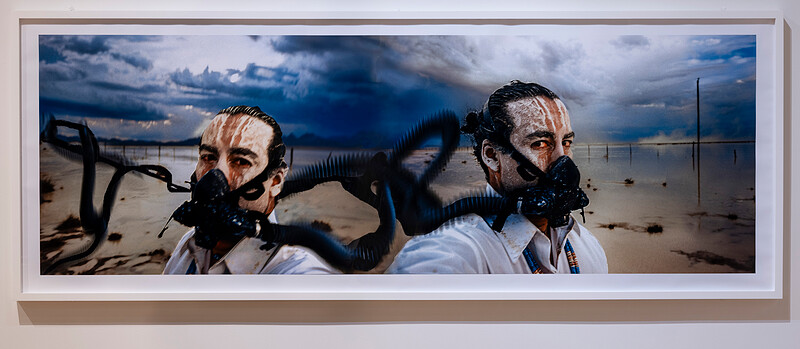
Auto Immune Response No. 5, Will Wilson, 2005

Will Wilson

Auto Immune Response No. 5, 2005

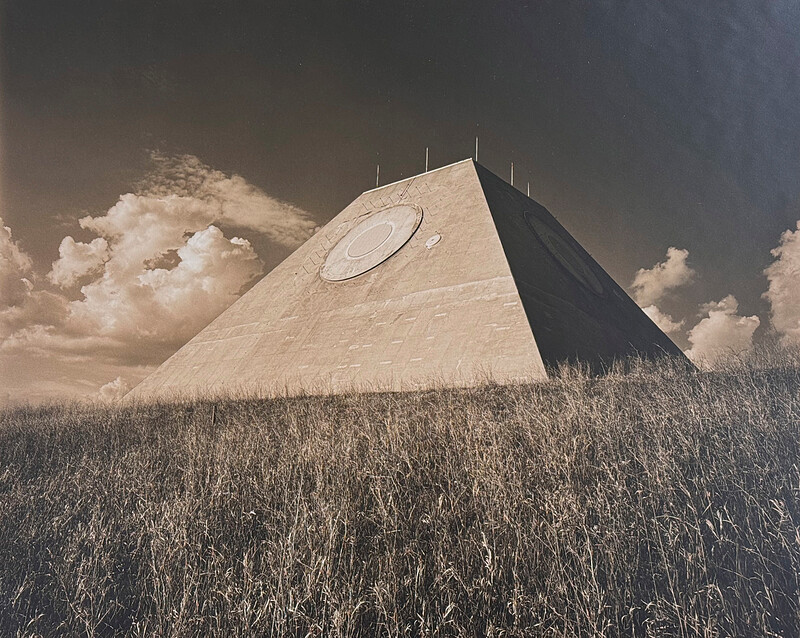
Safeguard #3, anti-missile radar system, Nekoma, North Dakota, Paul Shambroom, 1995

Paul Shambroom

Safeguard #3, anti-missile radar system, Nekoma, North Dakota, 1995

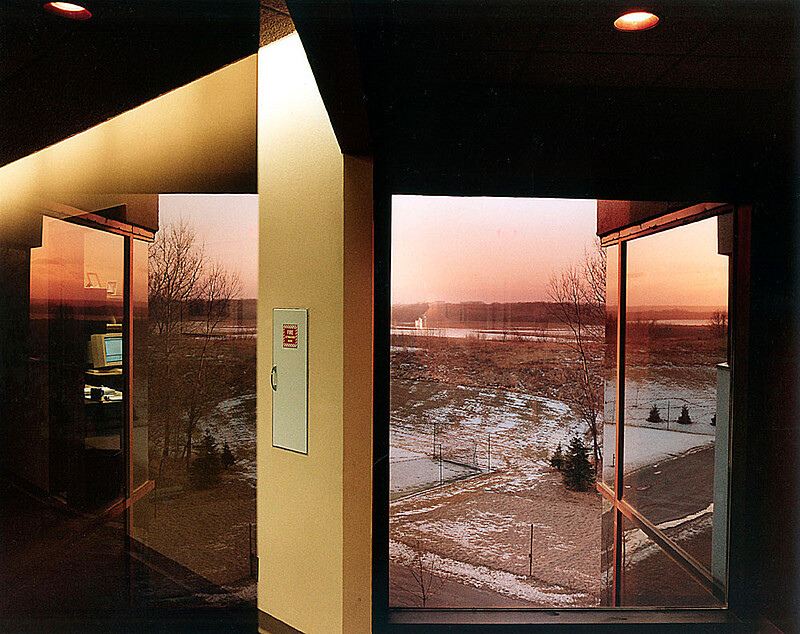
Cray Research, Inc. (#1), Mendota Hts., Minnesota, Paul Shambroom, 1990

Paul Shambroom

Cray Research, Inc. (#1), Mendota Hts., Minnesota, 1990

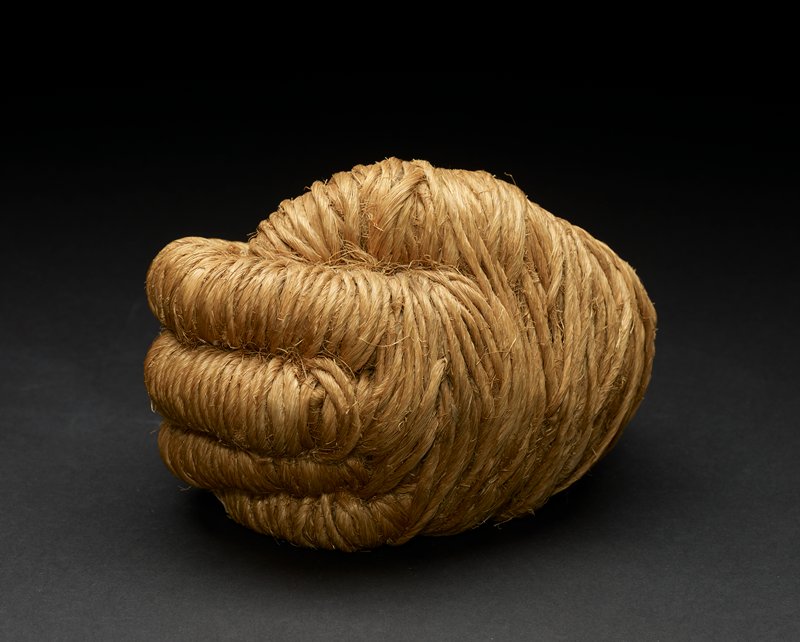
Hand, Magdalena Abakanowicz, 1976

Magdalena Abakanowicz

Hand, 1976